Hollywood’s history is filled with barriers that took decades to break. Women entered filmmaking at its very beginning, yet many major directing, technical, and awards milestones remained closed to them far longer than audiences might expect.
The timeline stretches from Alice Guy-Blaché’s pioneering work in the 1890s to Autumn Durald Arkapaw’s historic cinematography Oscar in March 2026. In between came breakthroughs involving race, disability and directing that permanently expanded who could be recognized at Hollywood’s highest levels.
Alice Guy-Blaché Directs in 1896

Alice Guy-Blaché was one of cinema’s earliest narrative filmmakers and is widely recognized as the first woman film director. She began directing at the Gaumont company in France during the 1890s, when filmmaking itself was still experimental, and later established a significant career in the United States. Research collected by the Library of Congress and Columbia’s Women Film Pioneers Project shows how extensively she directed, produced and experimented with storytelling techniques. Her place at the beginning of cinema makes Hollywood’s later struggles with female representation particularly striking: a woman was helping shape film language before the modern industry even existed.
Hattie McDaniel Wins in 1940
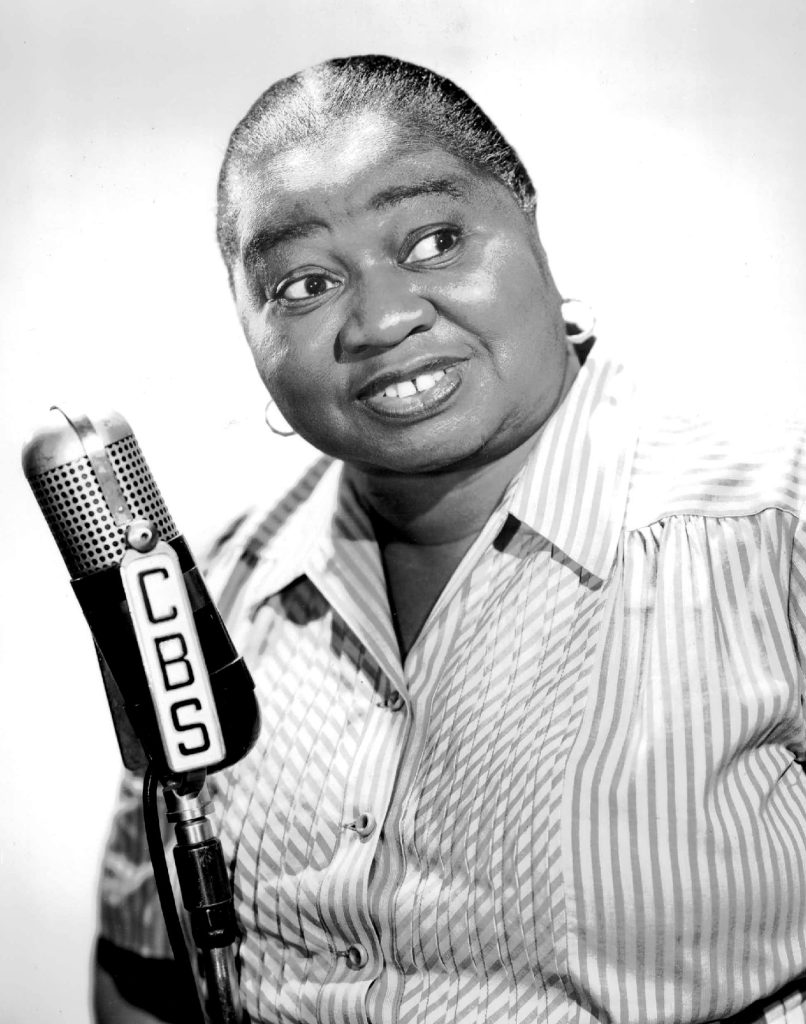
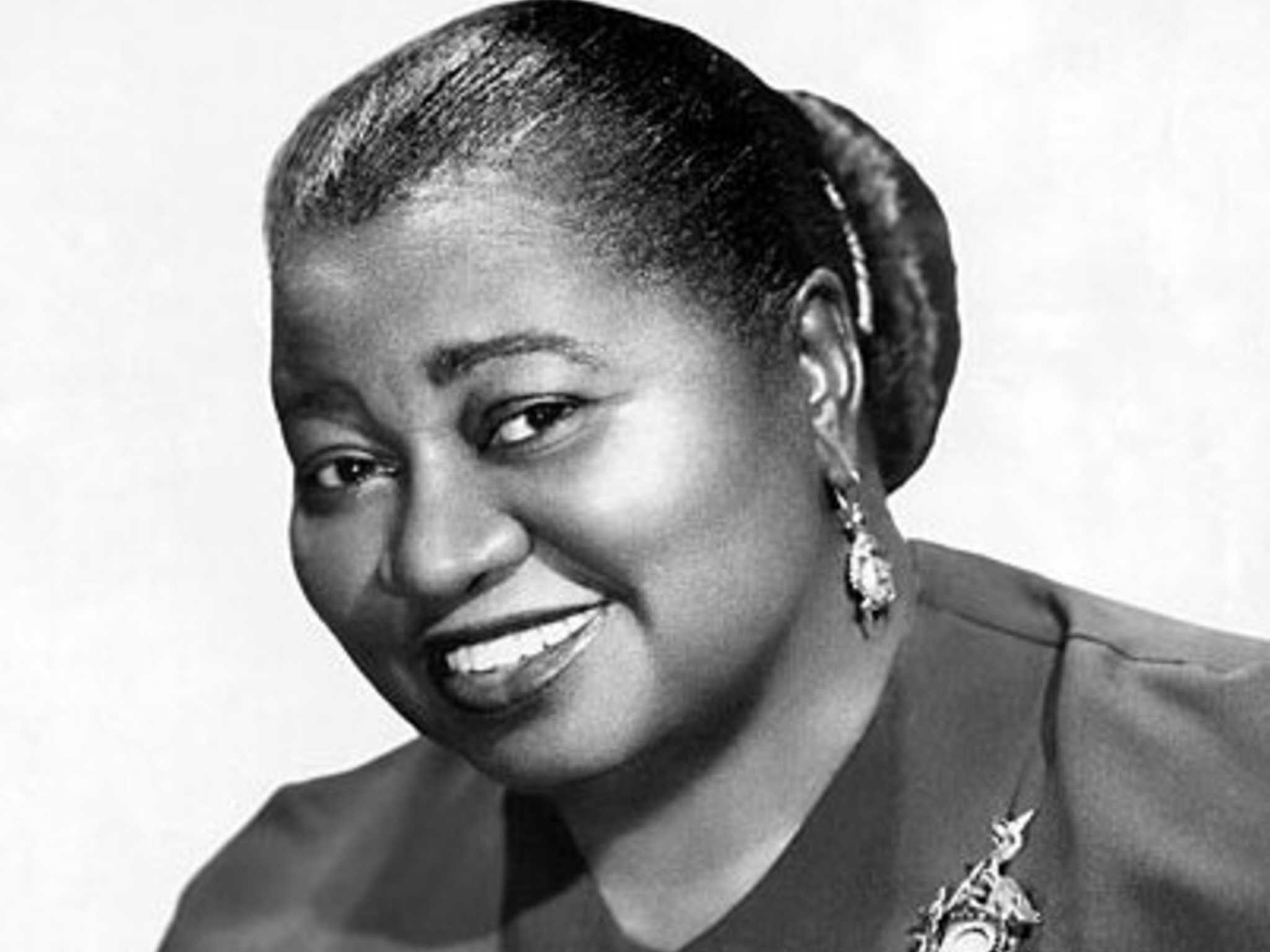
Hattie McDaniel became the first Black performer to win an Academy Award when she received Best Supporting Actress for Gone with the Wind in 1940. The achievement happened within the same segregated system that treated her unequally. McDaniel was seated separately from her white co-stars at the ceremony and had been unable to attend the movie’s Atlanta premiere because of segregation. Her victory therefore represents both a historic breakthrough and a reminder of the barriers that remained. It took decades before Black women gained regular access to the range of roles and awards recognition their talent deserved.
Marlee Matlin Wins in 1987

Marlee Matlin became the first deaf performer to win an Academy Award when she received Best Actress for Children of a Lesser God. The 1987 victory was remarkable for another reason: it came for her feature-film debut, and she was only 21. Matlin subsequently spent decades advocating for stronger deaf representation in entertainment while continuing to work across television and film. Her breakthrough did not immediately create equal opportunity for deaf performers, something she has repeatedly discussed, but it established a milestone that made an entire community more visible on Hollywood’s biggest awards stage.
Halle Berry Makes Oscar History
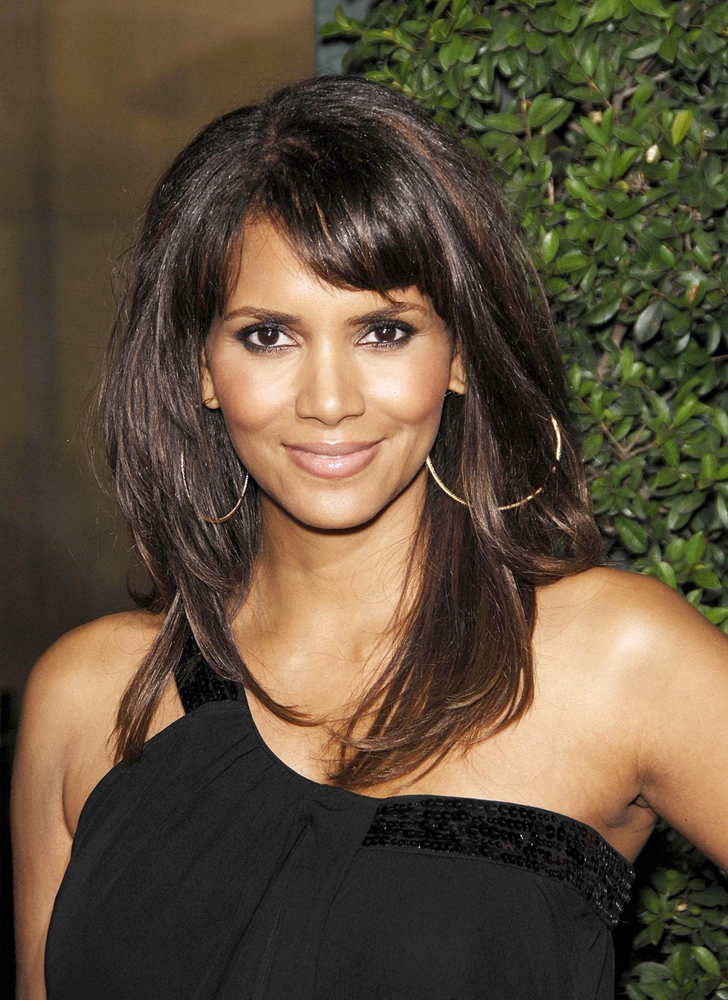
Halle Berry became the first Black woman to win the Academy Award for Best Actress in 2002 for Monster’s Ball. Her emotional acceptance speech acknowledged the generations of Black actresses who had come before her and expressed hope that the victory would open doors for others. The milestone remains historically significant because progress afterward has been slower than Berry hoped. Her win came more than six decades after Hattie McDaniel’s supporting-actress breakthrough, revealing how long Hollywood’s most prominent leading-actress award remained inaccessible to Black women. Berry’s achievement therefore sits at a crucial point in the history of representation at the Oscars.
Kathryn Bigelow Wins Best Director
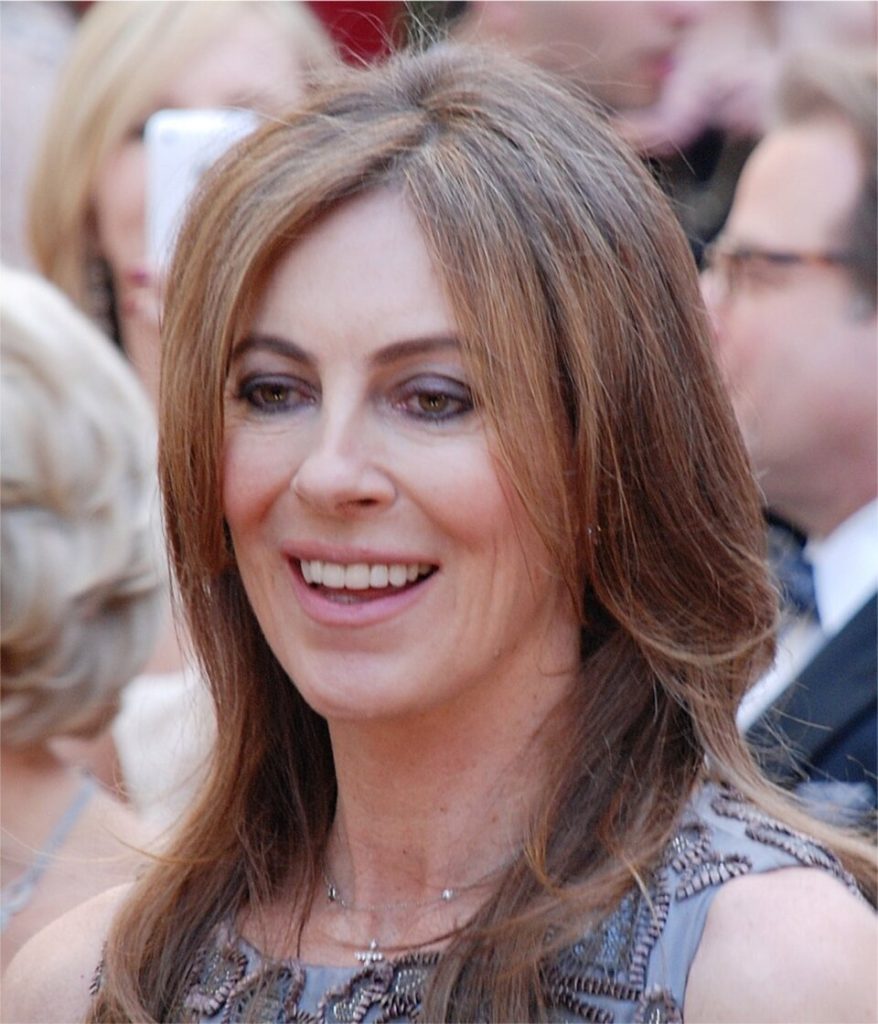
Kathryn Bigelow became the first woman to win the Academy Award for Best Director for The Hurt Locker. Her victory at the 2010 ceremony ended more than eight decades in which the directing category had been won exclusively by men. Bigelow had already built a distinctive career through films including Near Dark, Point Break and Strange Days, but The Hurt Locker brought her the industry’s highest directing recognition. The milestone did not suddenly make directing gender-balanced, yet it permanently removed one barrier: after Bigelow, no one could claim that the Academy had never recognized a woman as the year’s best director.
Chloé Zhao Makes History
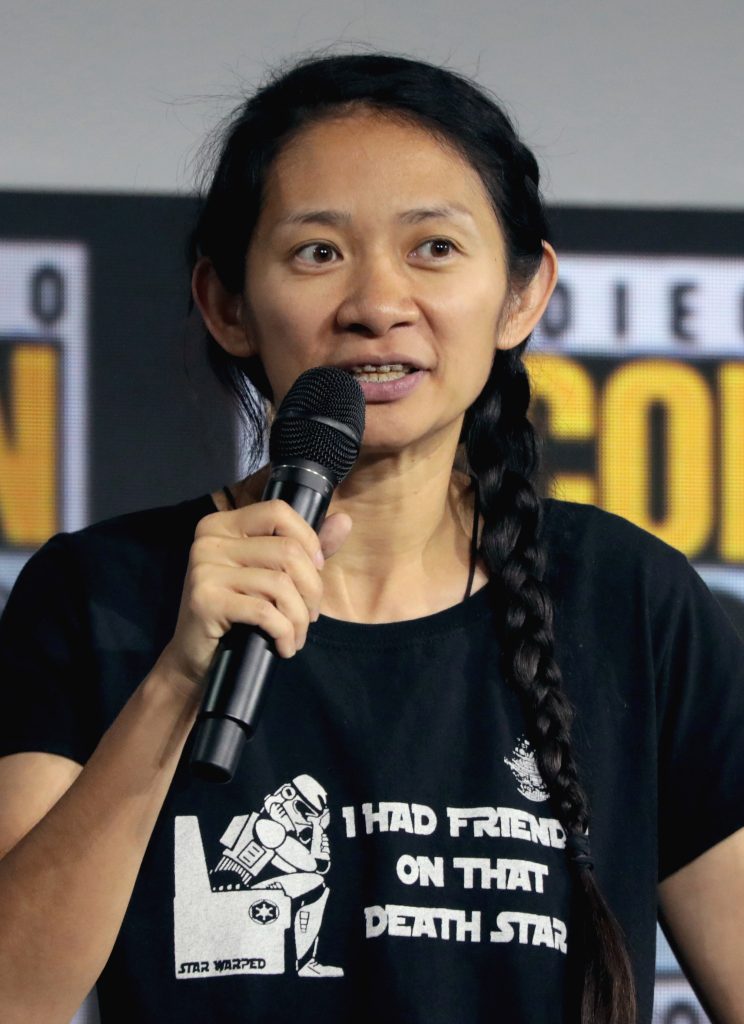
Chloé Zhao became the second woman and the first woman of color to win the Academy Award for Best Director when Nomadland dominated the 2021 ceremony. Zhao, who was born in China, also became part of a historic night for a film that won Best Picture and Best Actress for Frances McDormand. Her victory arrived only eleven years after Kathryn Bigelow became the first woman to win the directing award. Zhao’s achievement expanded that milestone further, demonstrating that Hollywood’s directing conversation was slowly opening to women from backgrounds that had long been severely underrepresented behind the camera.
Michelle Yeoh Wins Best Actress
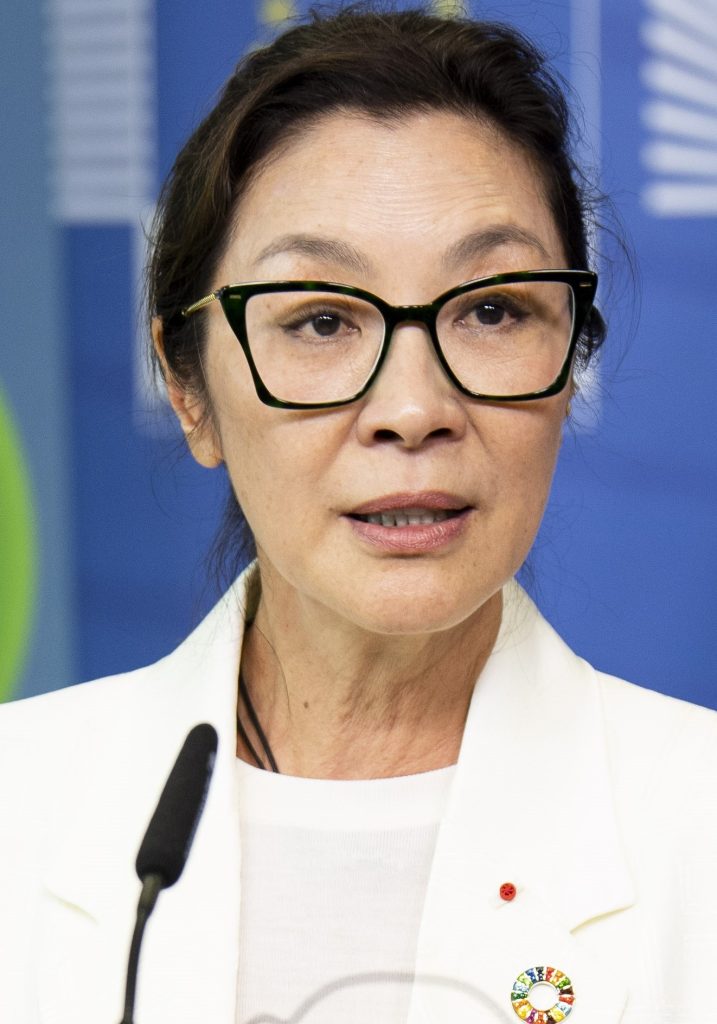
Michelle Yeoh made history in 2023 when she won Best Actress for Everything Everywhere All at Once, becoming the first Asian woman to receive the award. The victory came after decades of work spanning Hong Kong action cinema, international productions and Hollywood films including Crouching Tiger, Hidden Dragon and Crazy Rich Asians. Yeoh was 60 when she won, adding another dimension to a moment celebrated for challenging narrow ideas about who could lead an unconventional major studio success. Her triumph became one of the defining Oscar milestones of the decade and gave Asian performers a breakthrough in the Academy’s most prominent female acting category.
Autumn Durald Arkapaw Wins in 2026

At the March 2026 Academy Awards, Autumn Durald Arkapaw became the first woman ever to win Best Cinematography, receiving the Oscar for Ryan Coogler’s Sinners. She also became the first Black person to win the category. The breakthrough came surprisingly late: Rachel Morrison had only become the first woman nominated for cinematography in 2018. Arkapaw’s victory therefore ended one of the Oscars’ longest-standing gender barriers. Her work combined large-format technologies including IMAX film and Ultra Panavision 70, making the historical achievement not simply symbolic but tied to one of the year’s most technically ambitious productions.
Featured Image: By Unknown author – http://frame2interlace.wordpress.com/2011/06/19/the-first-hattie-mcdaniel-and-james-baskett/, Public Domain, https://commons.wikimedia.org/w/index.php?curid=138316555
Leave a Reply