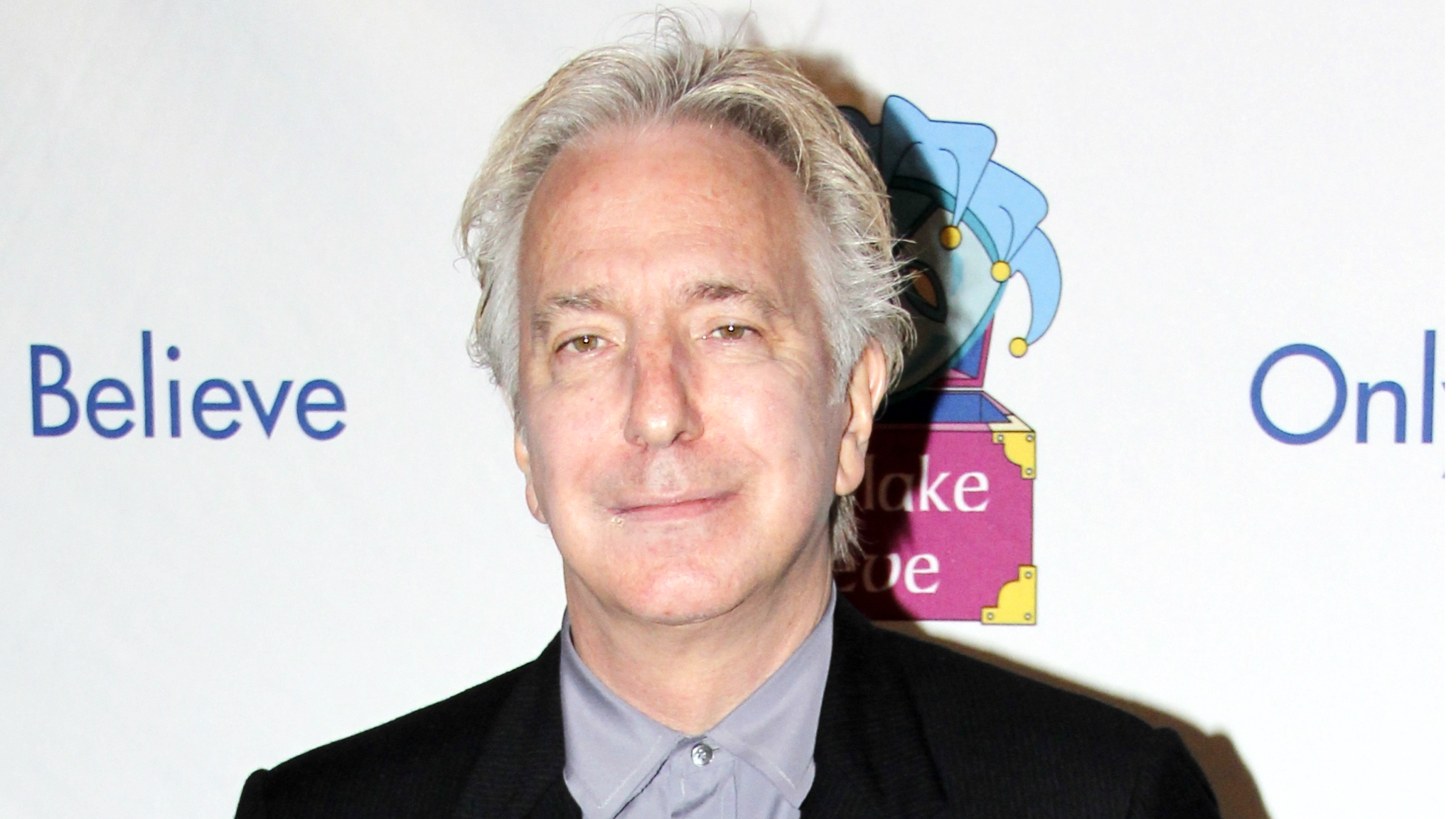
Entertainment often celebrates stars who become famous in their teens or twenties, creating the impression that success has a strict deadline. Many respected actors tell a very different story. Some worked quietly for decades before the right role finally made audiences learn their names.
“Late success” is also relative. These performers were not necessarily beginners when fame arrived. Most had already built serious stage or television experience. What changed later was visibility: one role suddenly brought the recognition that years of professional work had not yet produced.
Alan Rickman Breaks Through at 42
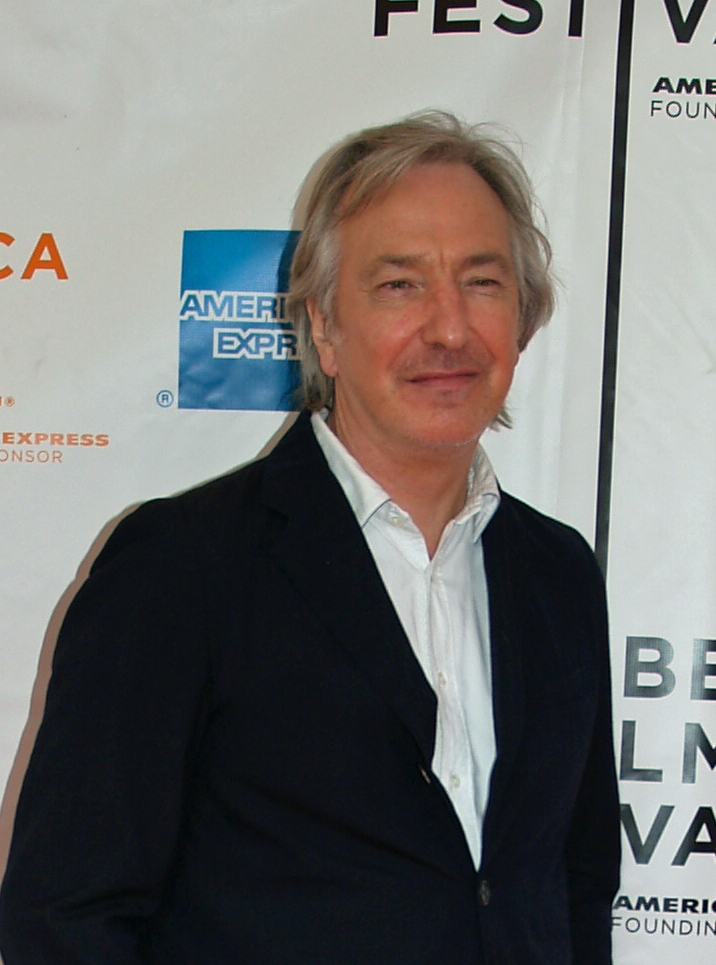
Alan Rickman spent years building a respected British theater career before making his feature-film debut as Hans Gruber in Die Hard. The film arrived when Rickman was about 42, an age by which many conventional Hollywood narratives would suggest a newcomer had already missed his opportunity. Instead, his controlled and sophisticated villain became one of the most celebrated action-movie antagonists ever. Rickman followed with roles ranging from the Sheriff of Nottingham to Professor Severus Snape, proving that his late movie start was no obstacle to an extraordinary screen career. Before Bruce Willis dropped him from Nakatomi Plaza, most international movie audiences had never seen him.
Samuel L. Jackson Finds Fame Later
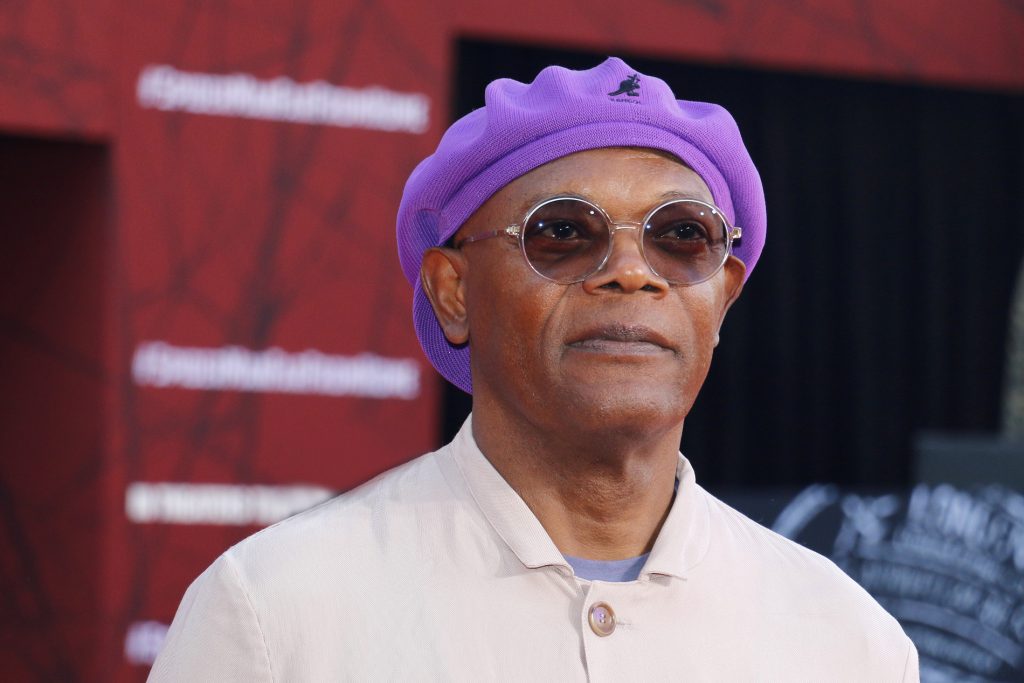
Samuel L. Jackson spent years working in theater and smaller screen parts before broad movie fame arrived. He earned major attention through Spike Lee’s Jungle Fever and then became impossible to ignore after Quentin Tarantino wrote Jules Winnfield in Pulp Fiction with Jackson strongly in mind. He was already in his forties when that period transformed his career. What followed was an extraordinary run across independent films, blockbusters and franchises, including Star Wars and Marvel. Jackson’s later breakthrough gave him decades of experience to draw from once Hollywood finally began offering the larger roles that matched his screen presence.
Melissa McCarthy Hits Big at 41
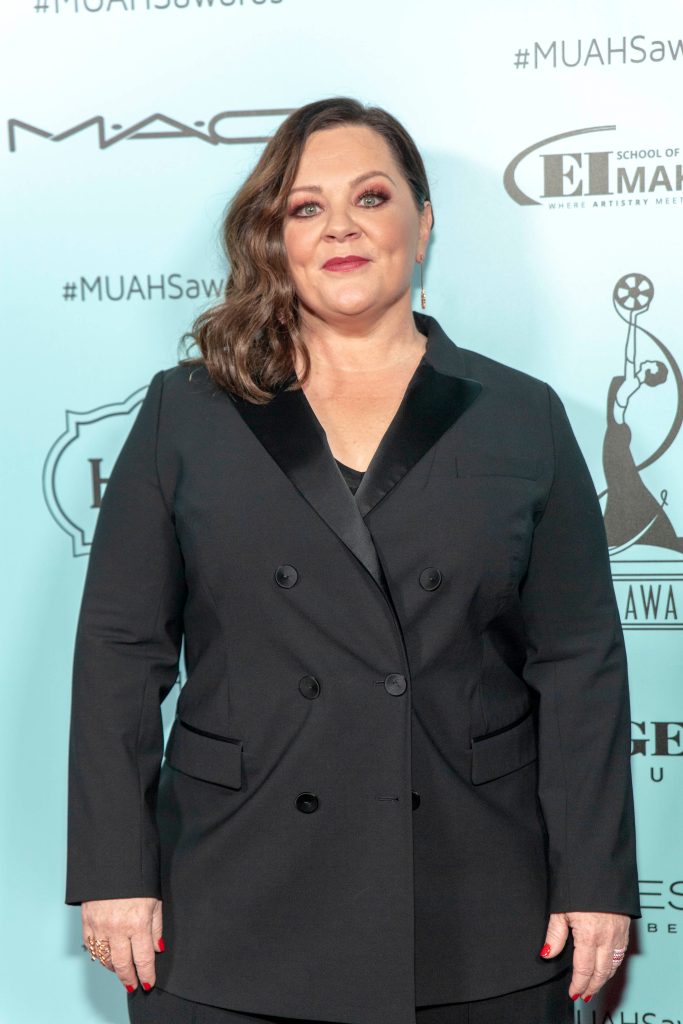
Melissa McCarthy had been working for years before Bridesmaids made her a movie star at about 41. Television audiences already knew her from Gilmore Girls and Mike & Molly, but Megan in Bridesmaids introduced her comic style to a much larger film audience. The performance earned McCarthy an Academy Award nomination for Best Supporting Actress, an unusual achievement for such a broad comedy. She quickly moved into leading films including Spy, The Heat and Identity Thief. Her career demonstrates the difference between working steadily and genuinely breaking through: McCarthy was far from a beginner, but mainstream movie stardom arrived after two decades of preparation.
Morgan Freeman Becomes a Star
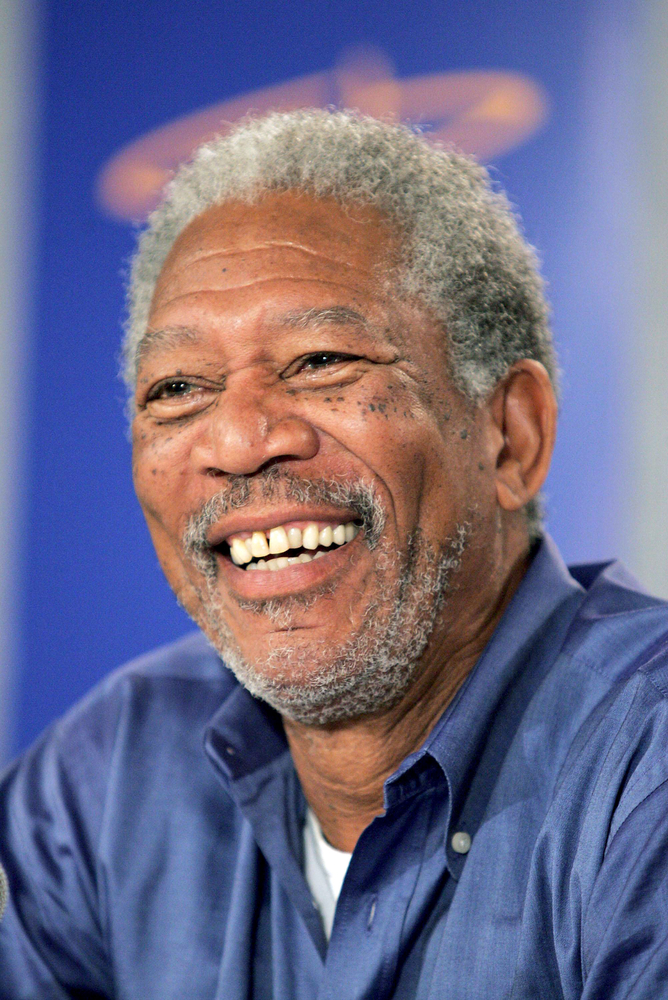
Morgan Freeman had already accumulated stage and television experience, including years on The Electric Company, before Hollywood began treating him like a major movie actor. His breakout period arrived in his early fifties through films including Street Smart, Glory and Driving Miss Daisy. The last brought him an Academy Award nomination and helped establish the calm authority audiences later associated with roles in The Shawshank Redemption, Se7en and countless other films. Freeman’s story is a useful correction to the idea of overnight success. When the wider public finally discovered him, he already had decades of professional experience behind the performance.
Jane Lynch Breaks Out at 40
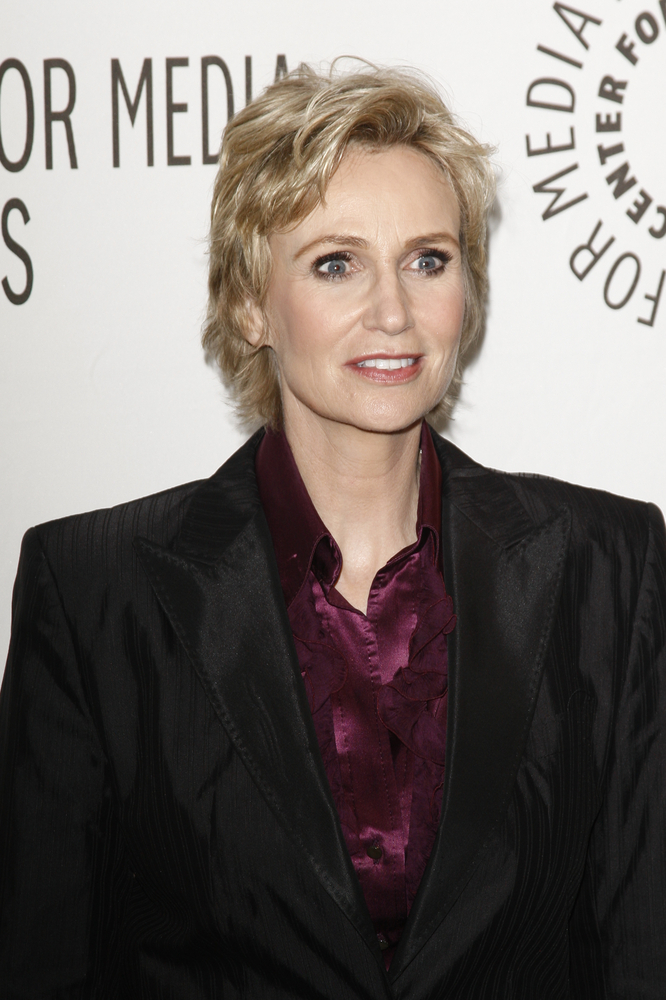
Jane Lynch had worked in comedy, theater, commercials and smaller television appearances before Christopher Guest’s Best in Show provided a major breakthrough around age 40. She subsequently became a familiar supporting presence in film and television before Glee turned Sue Sylvester into her defining mainstream role. Lynch’s timing worked in her favor because her confident delivery and distinctive comic authority suited characters written for mature performers rather than conventional young leads. By the time television fame arrived, she had already developed the skills to dominate scenes immediately. Her success illustrates how comedy careers can grow through years of ensemble work before one character suddenly turns a dependable performer into a household name.
Bryan Cranston Reinvents Himself
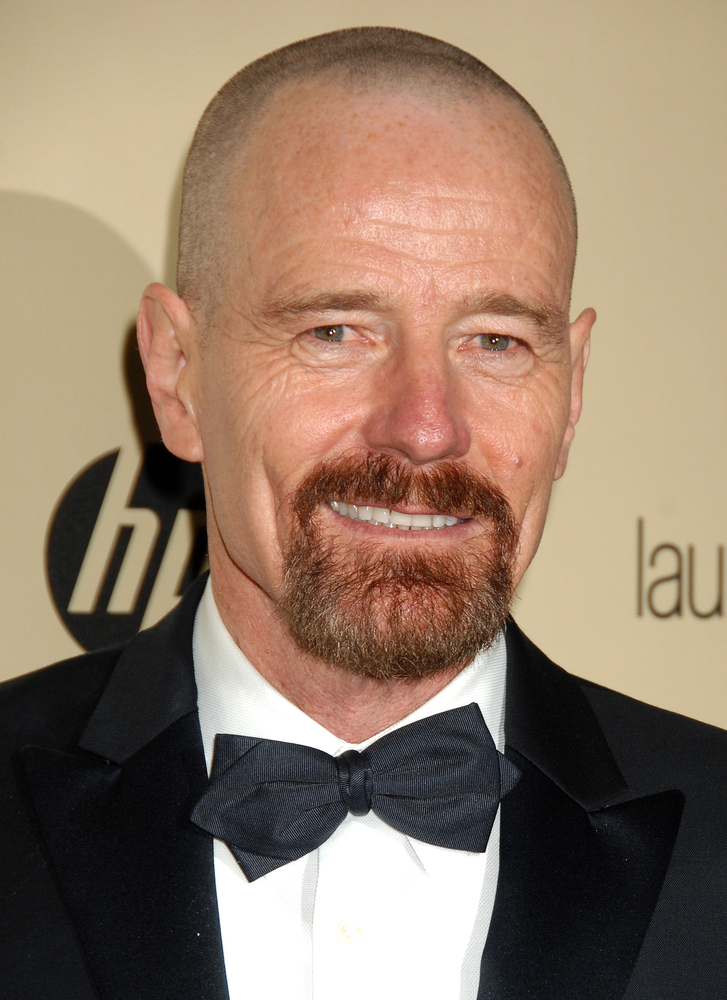
Bryan Cranston spent roughly two decades taking television and film roles before Malcolm in the Middle gave him a major breakthrough as the chaotic father Hal. Even that success did not predict what came next. At 52, Cranston began playing chemistry teacher Walter White in Breaking Bad, a role that transformed him from respected comic actor into one of television drama’s most acclaimed performers. He won four lead-actor Emmys for the series and later earned major theater awards as well. Cranston’s career is particularly inspiring because it contains more than one late breakthrough: first mainstream recognition, then an even bigger reinvention at an age when many actors struggle to find transformative parts.
Judi Dench Finds Global Fame
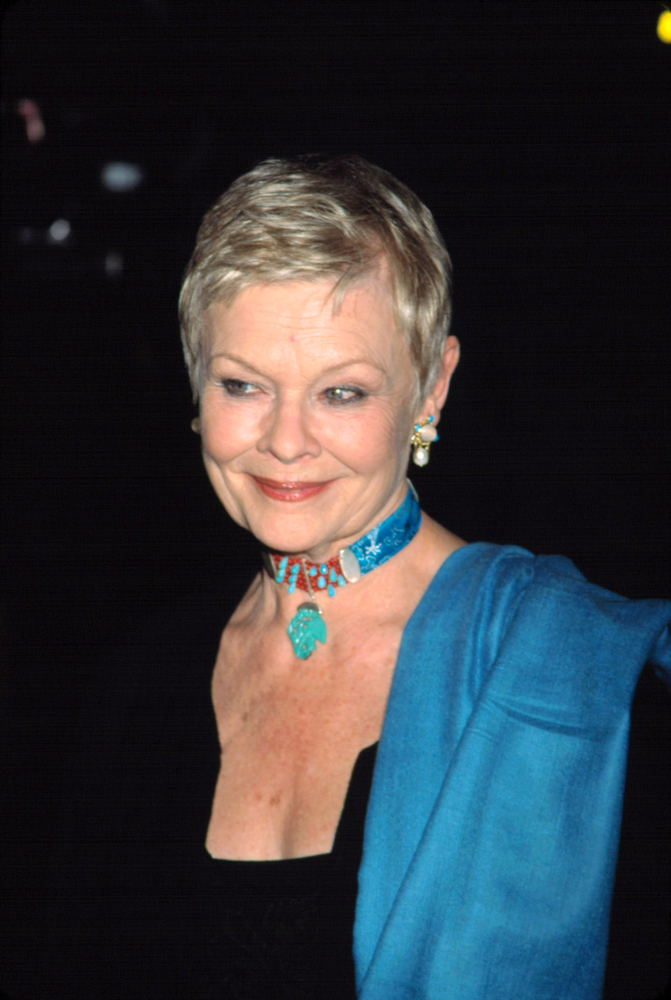
Judi Dench had already enjoyed decades of major success in British theater and television before global movie audiences widely recognized her. Her international film profile rose sharply in her sixties, particularly after she became M in the James Bond franchise beginning with GoldenEye. Major film roles followed, including Mrs. Brown and Shakespeare in Love, for which she won an Academy Award. Calling Dench a late beginner would be completely wrong; she was already one of Britain’s most respected performers. What came late was large-scale international screen fame. Her story proves that a celebrated career can still enter an entirely new level after several decades of accomplished work.
June Squibb Leads at 94
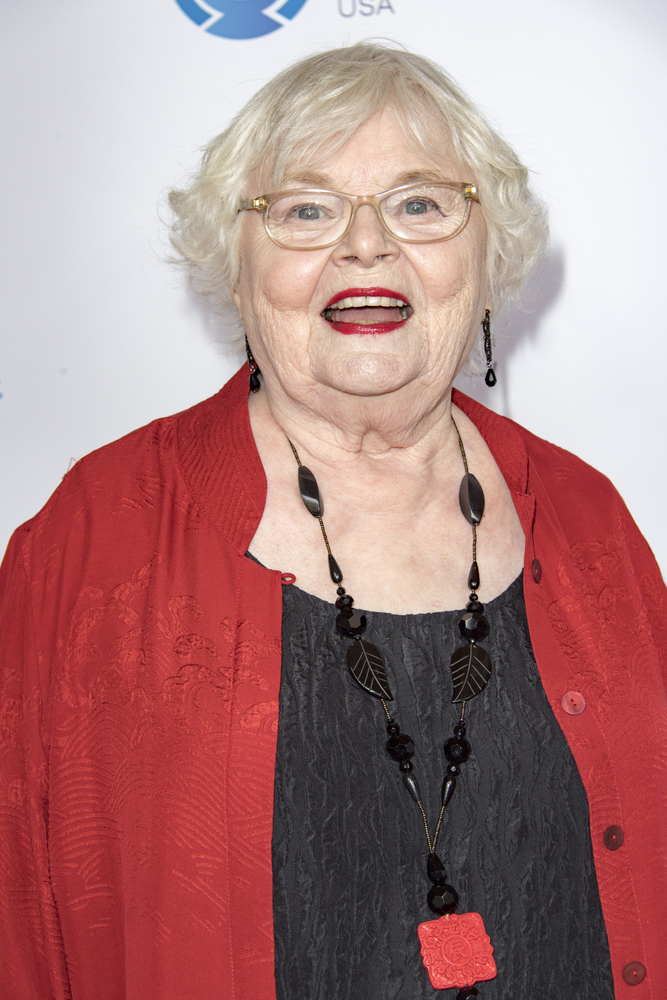
June Squibb may offer the most dramatic late-career example of all. She made her Broadway debut in 1959 but did not appear in her first film until 1990, when she was 61. Wider recognition arrived much later through Nebraska, which earned her an Academy Award nomination in her eighties. Then, at 94, Squibb received her first leading film role in Thelma, playing a grandmother who sets out to recover money stolen by scammers. She even performed some of her own physical work. Squibb has said she is grateful fame came later because she felt prepared for it, turning Hollywood’s obsession with youth completely upside down.
Featured Image: By Joella Marano – Alan Rickman, CC BY-SA 2.0, https://commons.wikimedia.org/w/index.php?curid=17364883
Leave a Reply