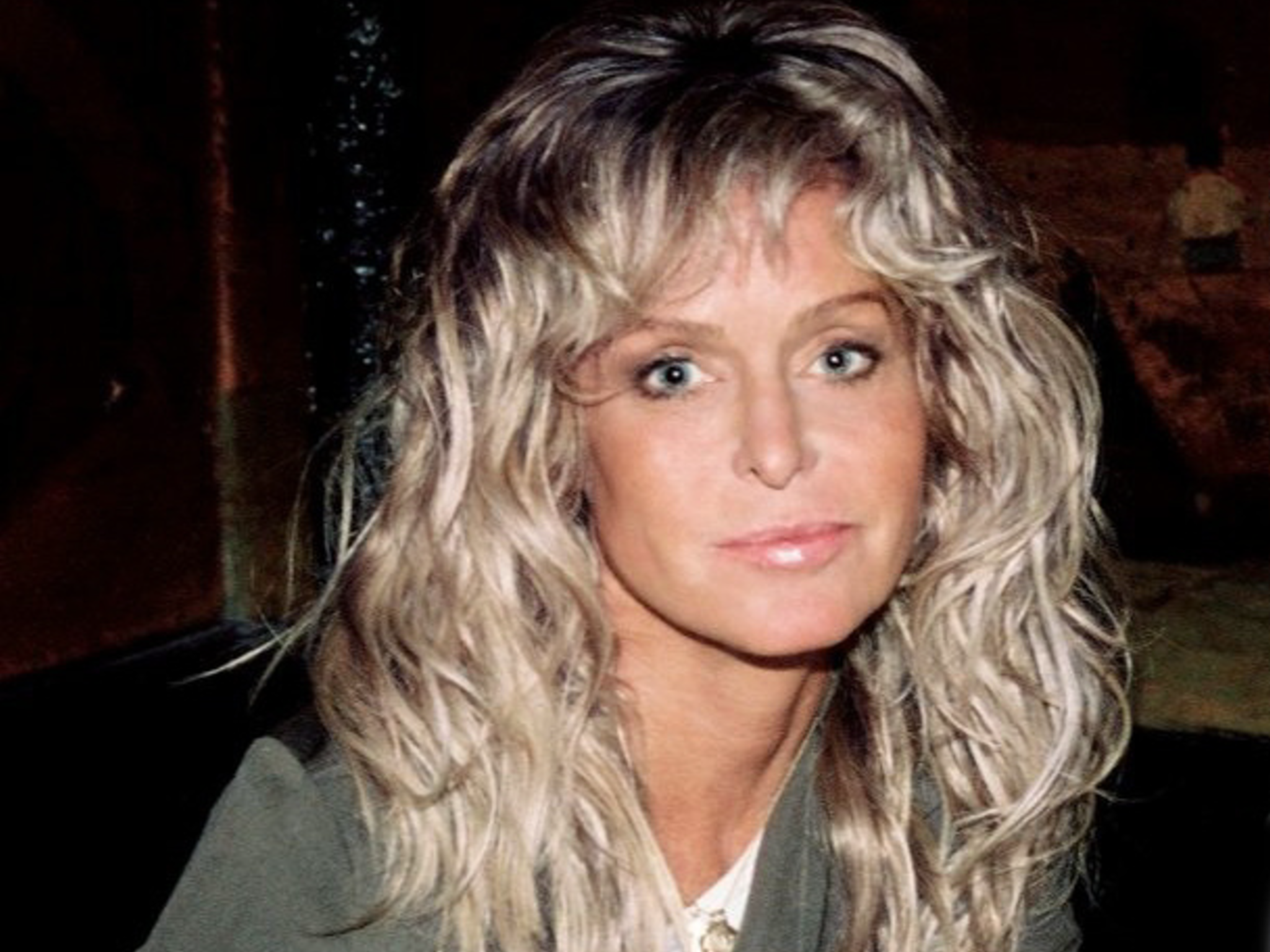
Television and movies of the 1970s created faces that could become famous almost overnight. A single sitcom, superhero series, poster or blockbuster could transform a working actor into someone recognized on magazine covers and bedroom walls around the world.
Some of these stars remained household names for decades, while others became permanently linked with the era itself. From Farrah Fawcett’s Charlie’s Angels hairstyle to John Travolta’s white disco suit, these are the faces that instantly bring the 1970s back into focus.
Farrah Fawcett on Charlie’s Angels
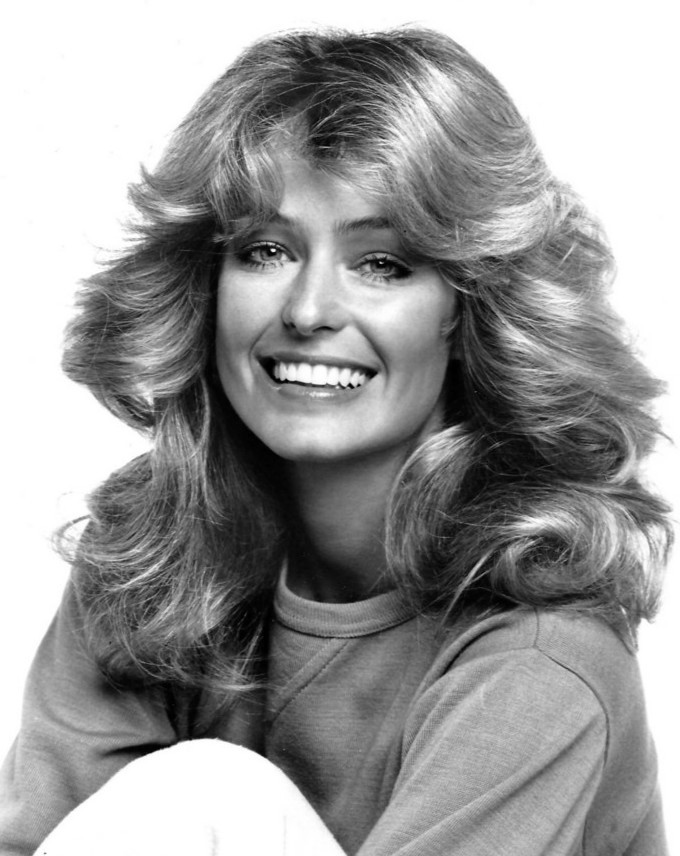
Farrah Fawcett became one of the defining faces of the 1970s after Charlie’s Angels premiered in 1976. She played private investigator Jill Munroe alongside Kate Jackson and Jaclyn Smith in the original trio. Although Fawcett left the regular cast after only one season, her impact was enormous. Her feathered hairstyle was copied widely, while a red-swimsuit poster became one of the decade’s bestselling celebrity images. Fawcett’s rapid rise demonstrated the extraordinary power of network television during the era: a single season was enough to turn a relatively new television actor into an international pop-culture phenomenon.
John Travolta Becomes a Star
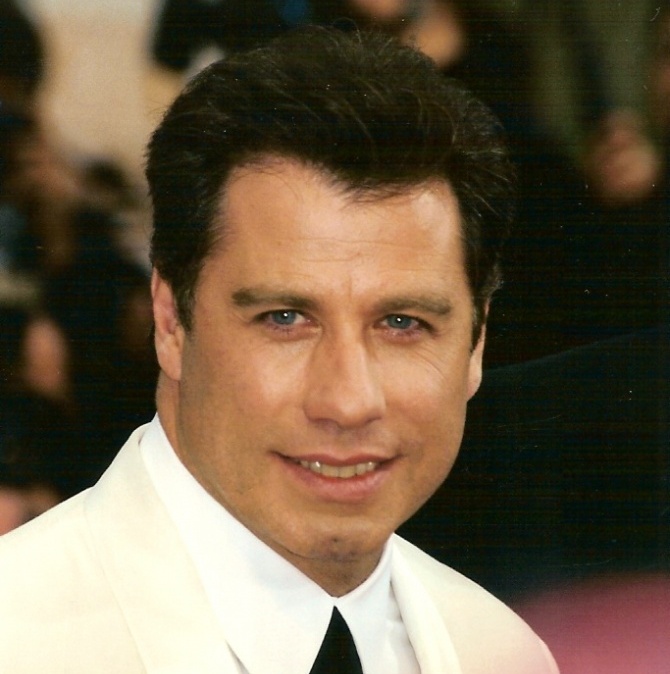
John Travolta began the decade as a young performer and ended it as one of Hollywood’s biggest movie stars. His breakthrough came as Vinnie Barbarino on Welcome Back, Kotter, where he quickly became a teenage heartthrob. The transition to film was even more dramatic. Saturday Night Fever arrived in 1977 and earned Travolta an Oscar nomination, while Grease followed in 1978 and cemented his status. Few actors became so strongly associated with multiple sides of 1970s popular culture at once: television comedy, disco, movie musicals and celebrity fandom all converged around Travolta within only a few years.
Lynda Carter Becomes Wonder Woman

Lynda Carter became synonymous with Wonder Woman when she took on the superhero role in the mid-1970s. The television series ran from 1975 to 1979 and gave viewers a live-action version of Diana Prince that remained culturally dominant for decades. Carter’s red, white and blue costume, spinning transformation and confident performance turned her into one of the era’s instantly recognizable television stars. Long before modern superhero franchises filled cinemas every year, Wonder Woman offered audiences a female superhero leading her own prime-time adventure. Carter’s association with the character remained so strong that she later returned to the DC world in Wonder Woman 1984.
Burt Reynolds Rules the Box Office

Burt Reynolds had already been working for years when the 1970s transformed him into a major movie star. Films including Deliverance, The Longest Yard and especially Smokey and the Bandit established his blend of humor, confidence and action-hero swagger. Reynolds also became famous beyond his movies through television appearances, relationships and magazine coverage. For a period, he ranked among the most commercially powerful actors in Hollywood. His image became so tightly connected with the decade that later discussions of 1970s leading men almost inevitably include his mustache, sports cars and relaxed screen persona.
Pam Grier Changes Action Movies

Pam Grier became one of the most important female action stars of the 1970s through films including Coffy and Foxy Brown. Her characters were not passive figures waiting to be rescued; they fought criminals, pursued revenge and controlled the center of their own stories. Grier became closely associated with the blaxploitation era, but her influence extended far beyond that label. Decades later, Quentin Tarantino built Jackie Brown around the screen authority she had established earlier. Her 1970s work remains significant because it gave a Black woman a kind of physical, commanding movie stardom rarely offered by mainstream Hollywood at the time.
Diane Keaton Defines Annie Hall

Diane Keaton became one of the decade’s most celebrated actors through The Godfather films and Annie Hall. She played Kay Adams opposite Al Pacino in Francis Ford Coppola’s gangster saga before shifting into a completely different comic register as Annie Hall in 1977. The latter performance won her the Academy Award for Best Actress and also transformed fashion. Keaton’s layered menswear, hats, ties and loose trousers became part of the character’s cultural legacy. Her 1970s career therefore combined two achievements that rarely arrive together: participation in one of cinema’s most influential dramas and the creation of one of romantic comedy’s most recognizable style icons.
Henry Winkler Becomes The Fonz
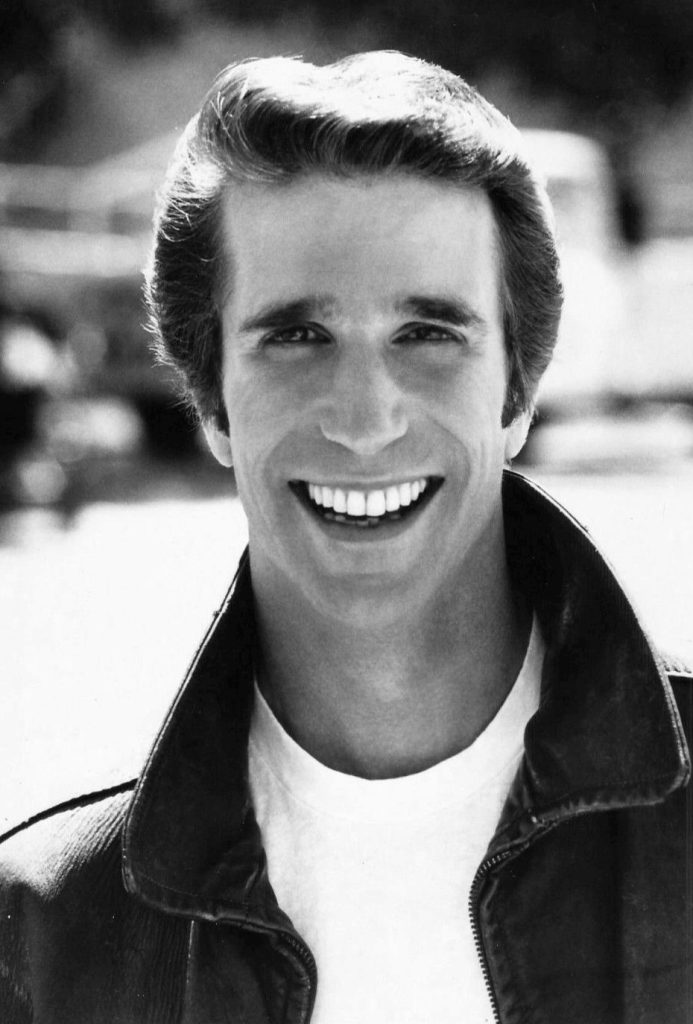
Henry Winkler entered Happy Days as Arthur Fonzarelli, a supporting character who was not initially supposed to dominate the show. Audiences had other ideas. Fonzie’s leather jacket, motorcycle, confidence and famous catchphrases made him so popular that producers considered increasing the character’s prominence dramatically. Winkler remained on the sitcom throughout its long run, which began in 1974. The Fonz became one of television’s defining characters and gave Winkler a level of fame that later made typecasting difficult. Five decades afterward, Happy Days remains the role most immediately associated with him, even after his Emmy-winning work on Barry.
Robert Redford Leads the ’70s

Robert Redford’s 1970s filmography reads like a collection of classics. He starred in The Sting, The Way We Were, The Great Gatsby and All the President’s Men, combining traditional movie-star appeal with increasingly ambitious material. In All the President’s Men, Redford played Washington Post reporter Bob Woodward in a dramatization of the Watergate investigation and was deeply involved in bringing the project to screen. Redford later expanded into directing and founded the Sundance Institute, but the 1970s were the decade that firmly established him as one of American cinema’s defining leading men.
Featured Image: By Windmill Entertainment – cropped from File:Farrah_Fawcett_&_Craig_Nevius.jpg, CC BY-SA 3.0, https://commons.wikimedia.org/w/index.php?curid=24624449
Leave a Reply