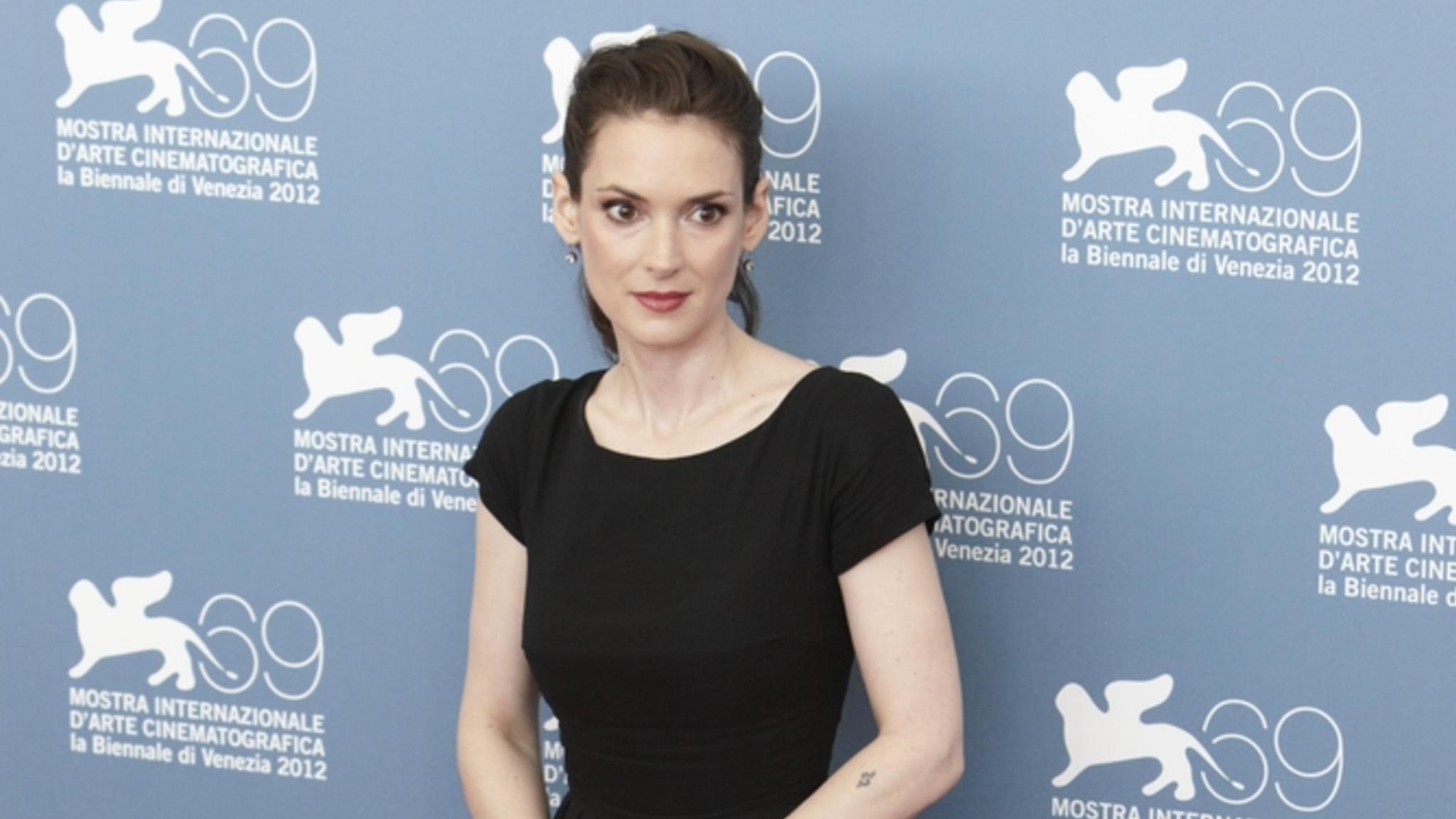
Winona Ryder entered the 1990s already known for Beetlejuice and Heathers, then became one of the decade’s defining actors. Her choices mixed gothic fantasy, literary drama and Generation X realism.
Her cropped hair, dark wardrobe and preference for unconventional roles also influenced ’90s style. Yet Ryder’s importance went well beyond fashion: she earned consecutive Oscar nominations and developed projects she personally wanted to make.
Winona Ryder Entered With Edward Scissorhands
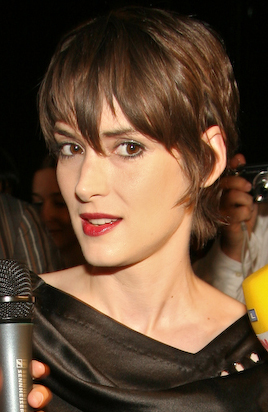
Winona Ryder opened the decade with Edward Scissorhands and Mermaids in 1990. The films showed two sides of her appeal: romantic vulnerability in Tim Burton’s fantasy and restless teenage rebellion opposite Cher. Ryder had already built an outsider image through Heathers, but these projects expanded her beyond cult-film audiences. By the early 1990s, she could move between eccentric material and major studio releases without losing the slightly unconventional quality that made her distinctive.
Winona Ryder Earned Oscar Recognition
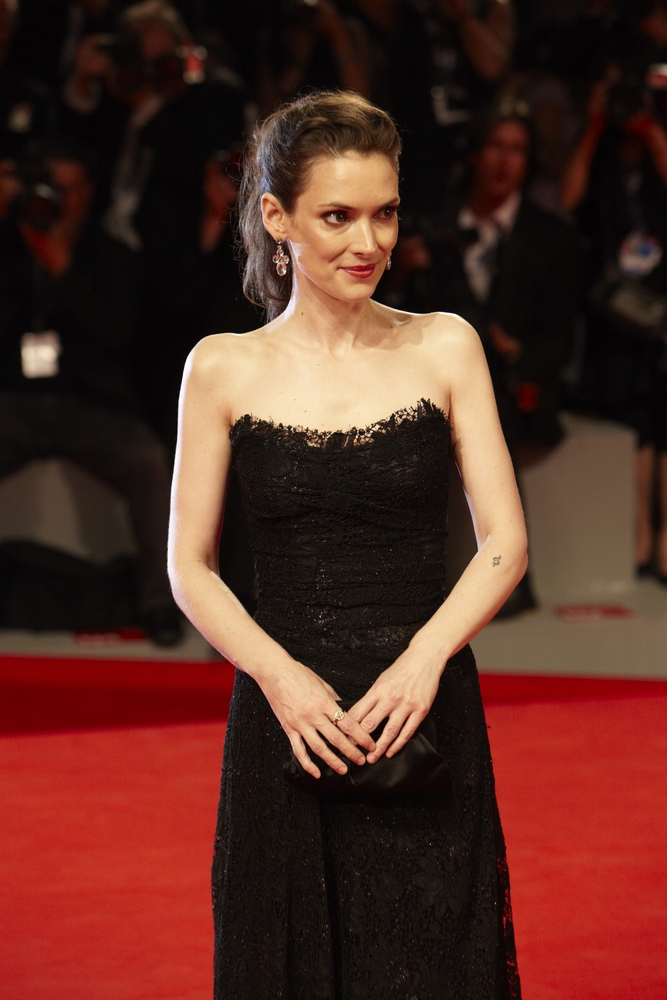
Winona Ryder moved decisively into prestige drama with Martin Scorsese’s The Age of Innocence. Her performance as May Welland earned a Best Supporting Actress Oscar nomination. A year later, she received a Best Actress nomination for playing Jo March in Little Women. Those consecutive nominations challenged any idea that Ryder was merely a fashionable teen star. By her early twenties, the Academy had recognized her in both supporting and leading categories.
Winona Ryder Defined Reality Bites Style
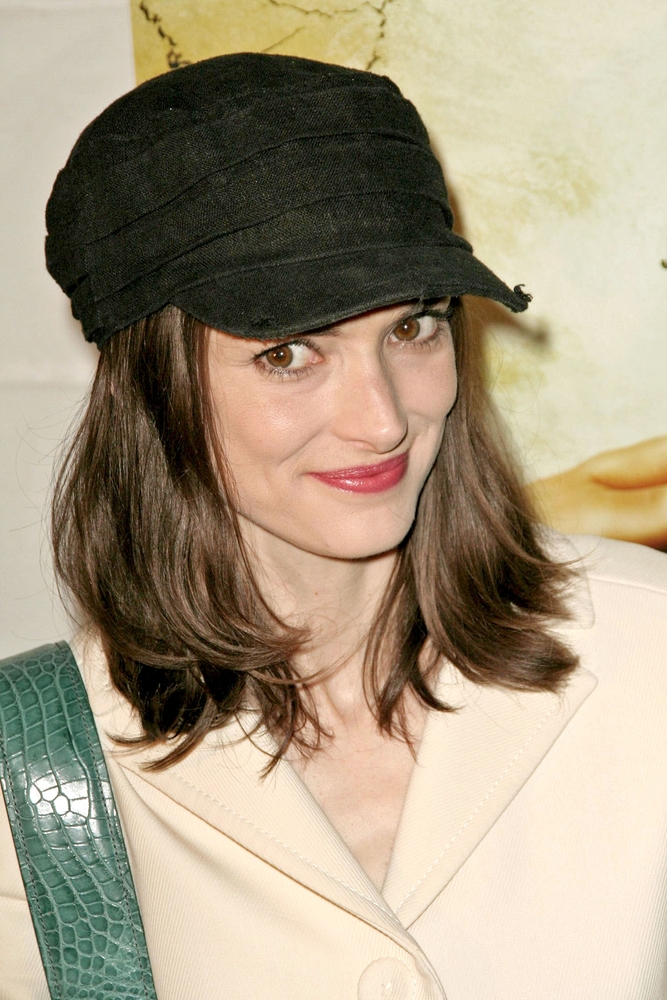
Winona Ryder became closely associated with Generation X through Reality Bites in 1994. Her character Lelaina Pierce navigated work, relationships, and uncertainty after college, while Ryder’s short, slightly messy haircut became widely copied. Ryder later revealed that she had cut the hairstyle herself by bending over and using scissors. What looked like carefully manufactured ’90s cool was surprisingly spontaneous, helping explain why the style felt more personal than polished.
Winona Ryder Became Jo March
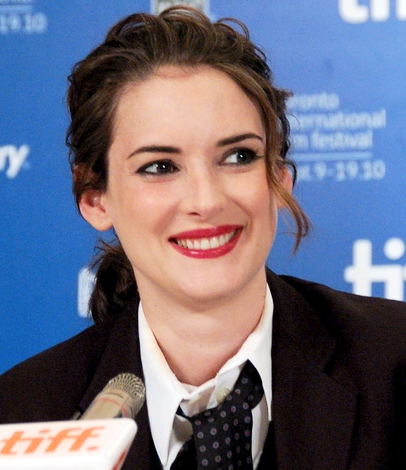
Winona Ryder’s Jo March in Little Women gave her one of the decade’s most enduring roles. Ryder brought ambition, warmth and impatience to the aspiring writer, anchoring an ensemble that included Susan Sarandon, Claire Danes and Kirsten Dunst. Her performance received an Academy Award nomination for Best Actress. Coming in the same year as Reality Bites, the role demonstrated how easily Ryder could move between contemporary youth culture and a classic nineteenth-century literary character.
Winona Ryder Took Darker Adult Roles

Winona Ryder spent the later 1990s deliberately avoiding one predictable career lane. She appeared in The Crucible, Alien Resurrection and Woody Allen’s Celebrity, moving between historical drama, science fiction and satire. Not every movie matched the acclaim of her earlier work, and Ryder later acknowledged that some projects frustrated her. Still, her choices reflected the same tendency she had shown since Heathers: she preferred unusual or complicated material over simply repeating whichever role had worked before.
Winona Ryder Built Girl, Interrupted Herself
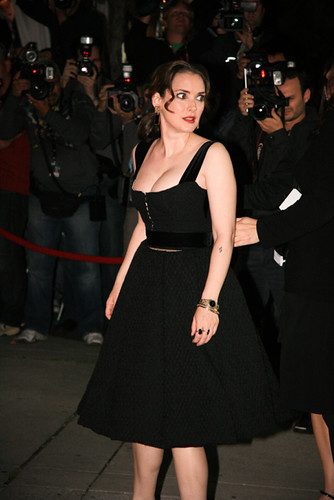
Winona Ryder spent years helping bring Susanna Kaysen’s memoir Girl, Interrupted to the screen. She starred as Kaysen and served as an executive producer, remaining attached while the project moved through a lengthy development process. Ryder described it as deeply personal material. The 1999 film ultimately became a breakthrough for Angelina Jolie, but it also demonstrated Ryder’s growing interest in shaping projects rather than functioning only as a performer hired after development was complete.
Winona Ryder Ended the Decade Her Way
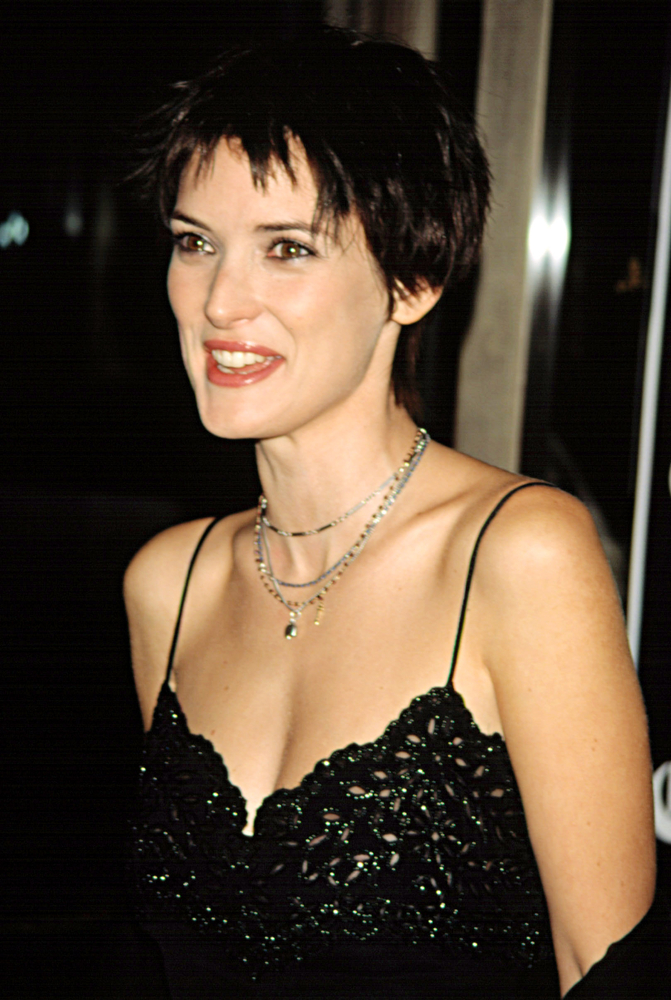
Winona Ryder finished the 1990s having moved from youthful outsider to Oscar-nominated actor and producer. A 1999 Vogue profile portrayed her as unusually selective, willing to turn down roles that did not interest her even when her career temporarily slowed. That independence helps explain why the decade still defines her legacy. Ryder did not simply represent ’90s culture visually; she helped choose the dark, literary, and alternative stories through which audiences remember it.
Featured Image: Shutterstock
Leave a Reply