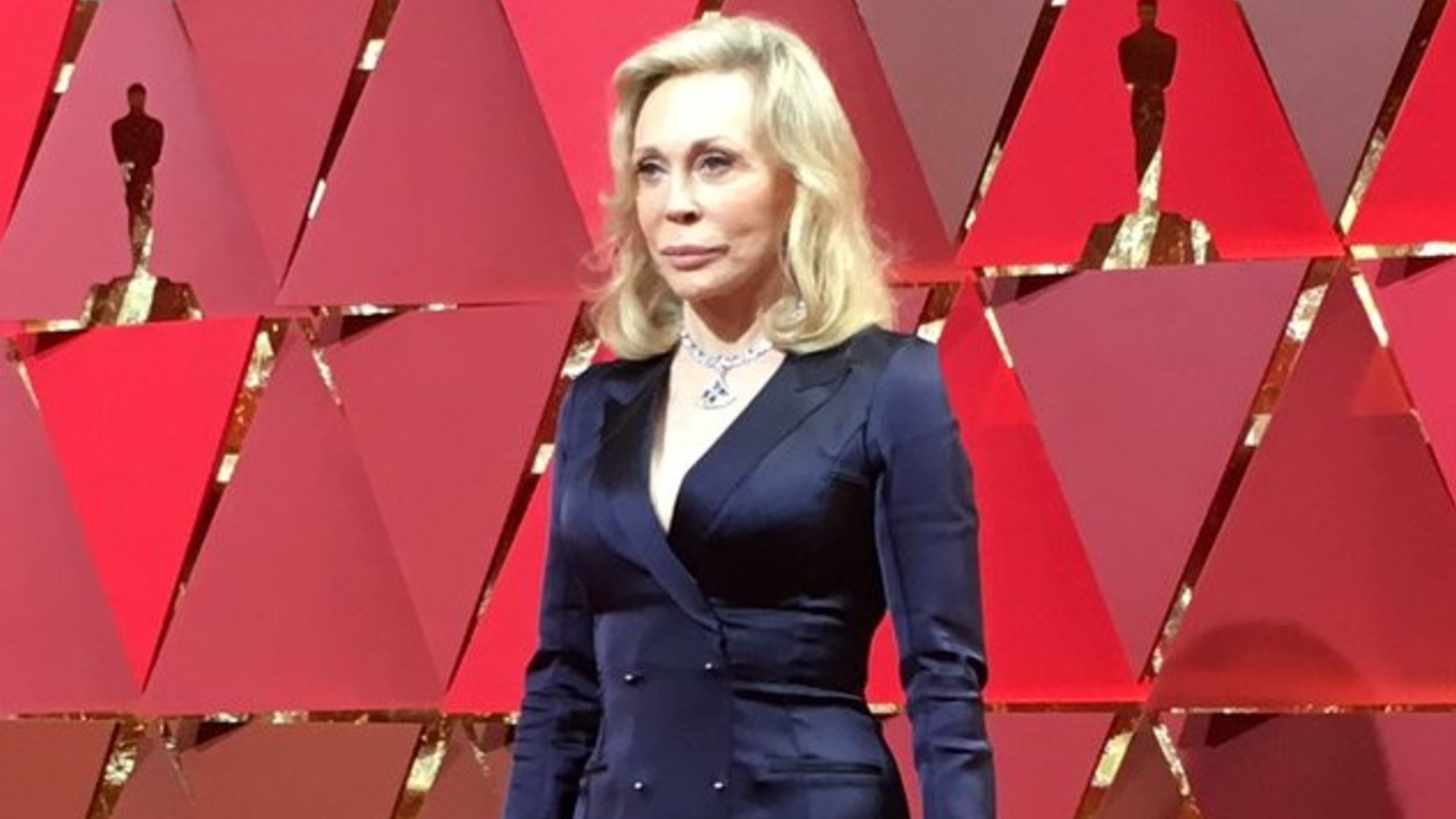
Faye Dunaway’s photographs capture one of cinema’s most striking careers, from her 1960s breakthrough through the glamorous, demanding roles that defined New Hollywood.
Her filmography includes Bonnie and Clyde, Chinatown and the Oscar-winning Network, alongside career controversies she later addressed with unusual candor.
Faye Dunaway Became Bonnie Parker
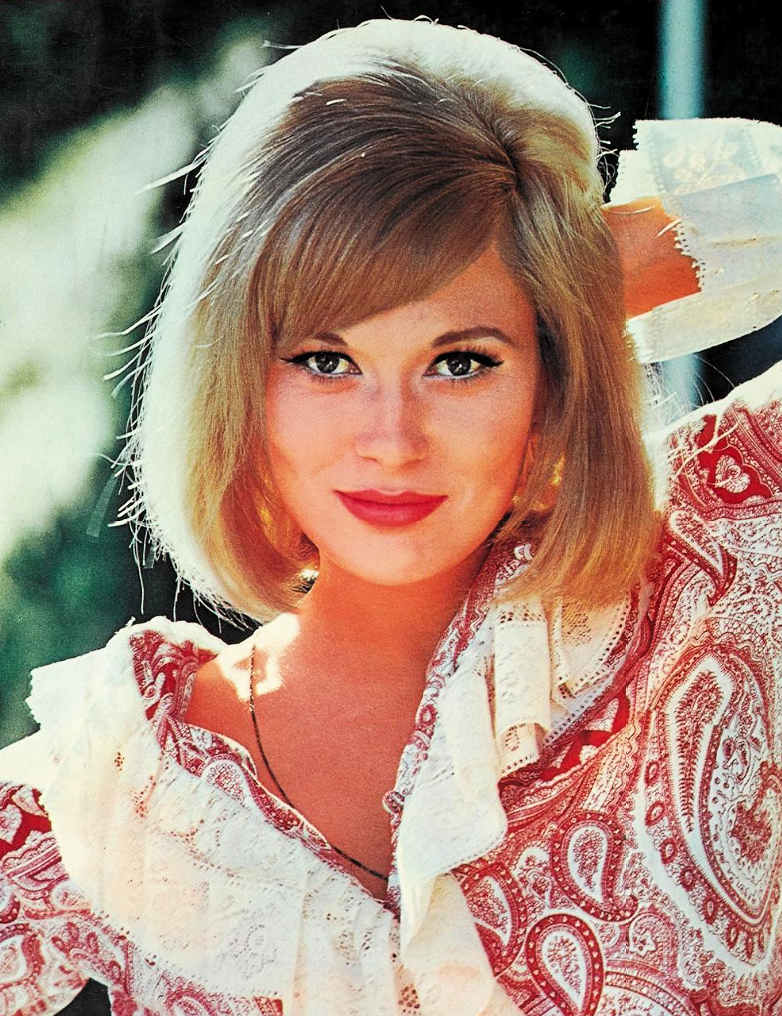
Faye Dunaway’s breakthrough arrived as outlaw Bonnie Parker in 1967’s Bonnie and Clyde. The film helped transform American cinema through its mixture of romance, humor and shocking violence, while Dunaway turned Bonnie into a fashion image as well as a complicated criminal character. The Academy nominated her for Best Actress, beginning an extraordinary stretch of major roles. Images of Dunaway in Bonnie’s beret remain among the most recognizable photographs associated with 1960s Hollywood.
Faye Dunaway Added Thomas Crown Glamour
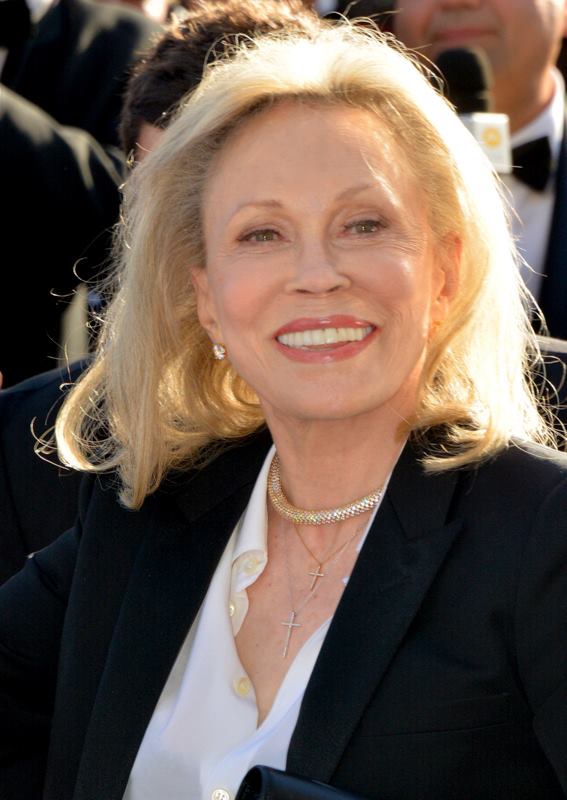
Faye Dunaway followed with The Thomas Crown Affair, starring opposite Steve McQueen. Her elegant costumes, controlled expressions and charged chess scene helped establish the sophisticated screen image that would follow her through the next decade. Dunaway was already proving difficult to classify: she could embody glamorous refinement while making her characters appear calculating and emotionally unpredictable. Photographs from the film remain enduring examples of late-1960s movie-star style and demonstrate how quickly her image evolved after Bonnie Parker.
Faye Dunaway Reached Another Peak With Chinatown
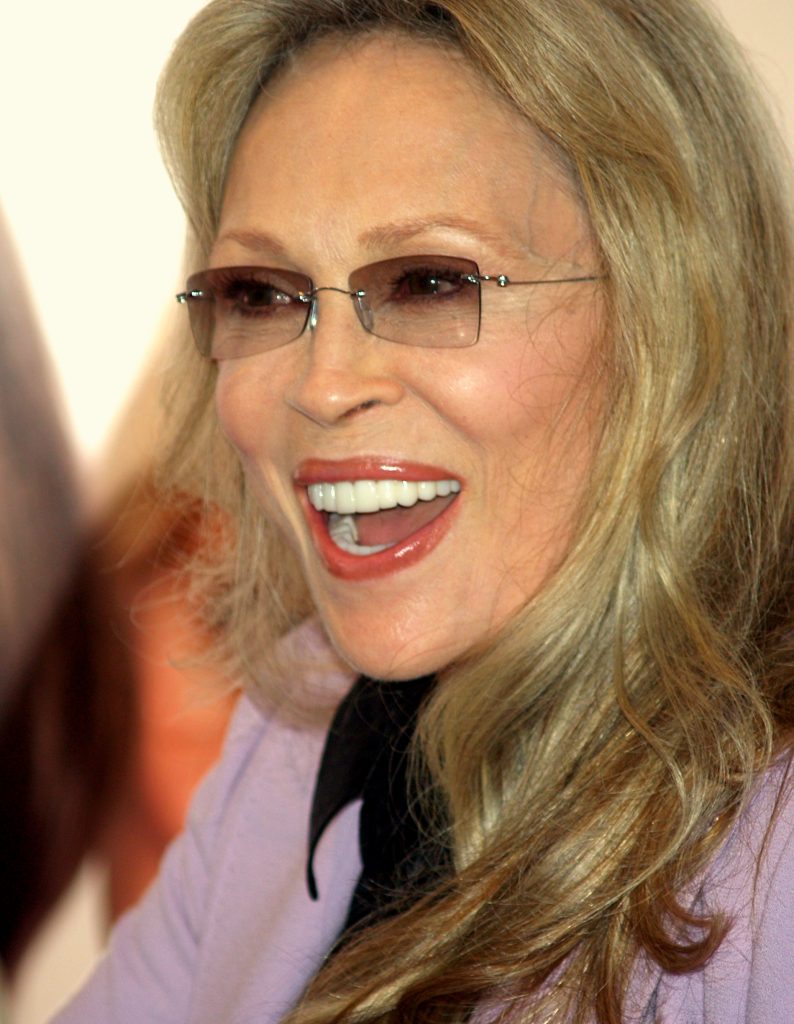
Faye Dunaway gave one of her defining performances as Evelyn Mulwray in Roman Polanski’s Chinatown. The role required glamour to conceal fear, family trauma and a web of secrets unfolding around Jack Nicholson’s private investigator. Dunaway received another Academy Award nomination for Best Actress. Behind the polished screen imagery, production was reportedly tense, a contrast later explored in discussions of both Dunaway’s perfectionism and the treatment she experienced from directors during her career.
Faye Dunaway Won the Oscar for Network
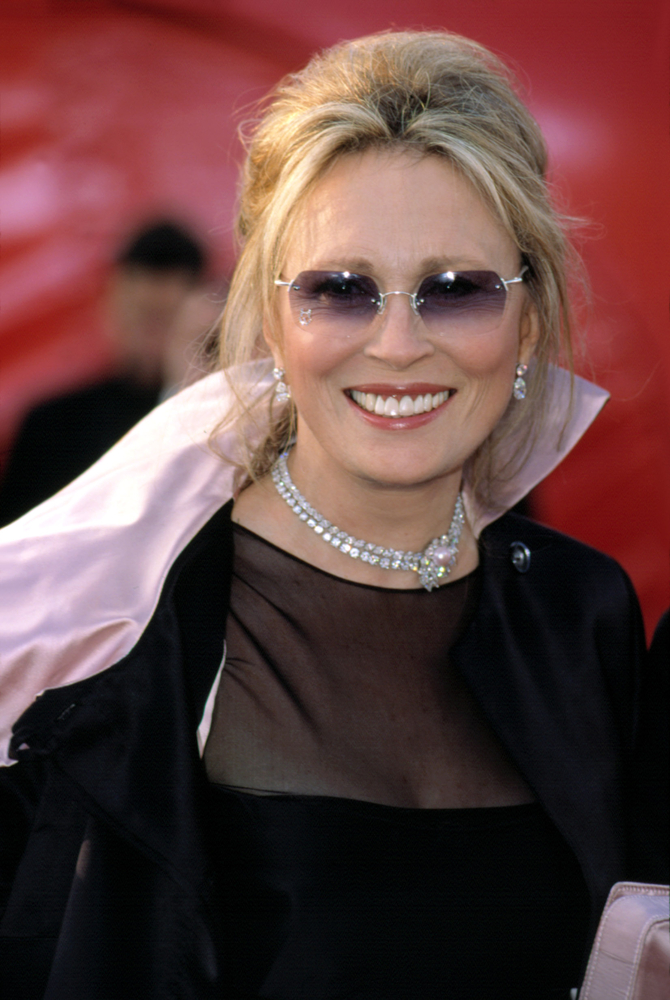
Faye Dunaway won the Academy Award for Best Actress for Network, playing ruthless television executive Diana Christensen. The performance captured ambition, emotional detachment and the growing power of sensational television, making the character both frightening and sharply funny. The win completed a remarkable decade in which Dunaway accumulated three Best Actress nominations. The famous photograph of her relaxing beside a swimming pool the morning after her Oscar later became one of Hollywood’s most celebrated star portraits.
Faye Dunaway Faced Mommie Dearest Backlash
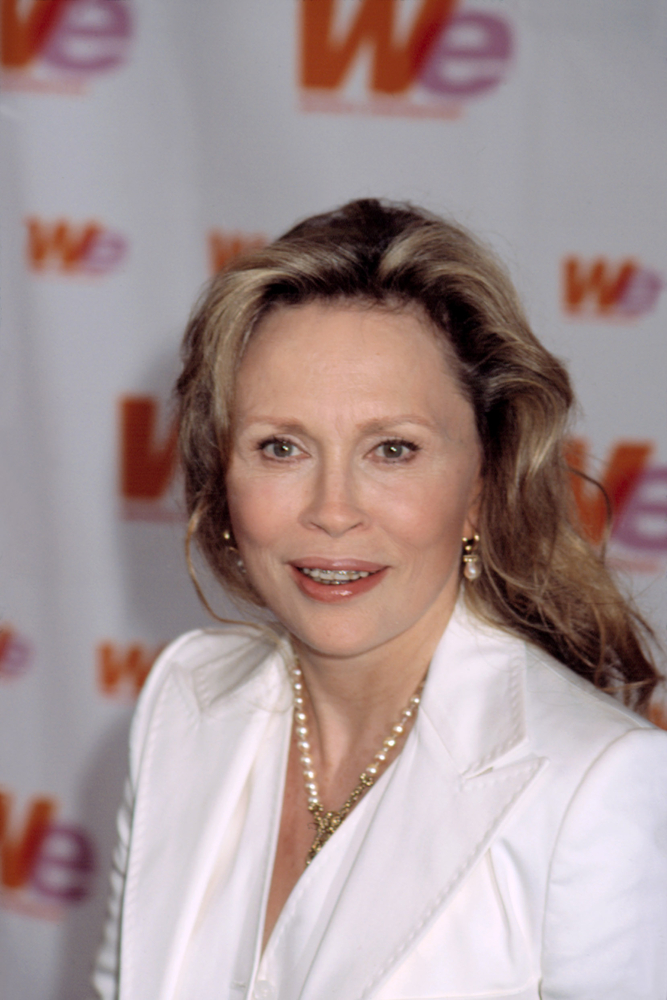
Faye Dunaway’s portrayal of Joan Crawford in 1981’s Mommie Dearest became one of her most controversial roles. The film initially received harsh reviews, and its heightened tone eventually transformed it into a cult favorite. Dunaway was uncomfortable for years with how strongly the movie became attached to her image. The performance marked a difficult shift after her extraordinary 1970s run and contributed to a period when the industry increasingly viewed her through controversy rather than her earlier achievements.
Faye Dunaway Addressed Her Difficult Reputation
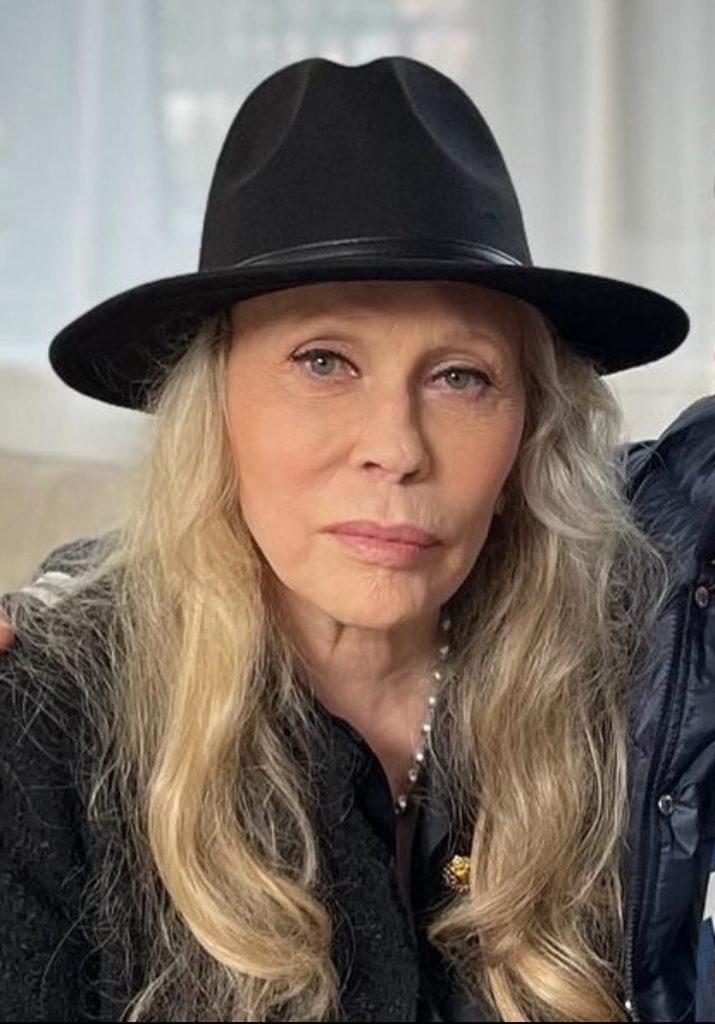
Faye Dunaway accumulated a long-standing reputation for being demanding on sets, something the 2024 documentary Faye confronted rather than ignoring. Dunaway acknowledged difficult behavior while discussing factors including perfectionism, alcoholism, and a bipolar disorder diagnosis she had not previously revealed publicly. The documentary does not excuse every conflict, but it provides context for a reputation often reduced to anecdotes about temperament. Dunaway emphasized that professional treatment and medication helped her better understand her behavior.
Faye Dunaway Reclaimed Her Story in Faye
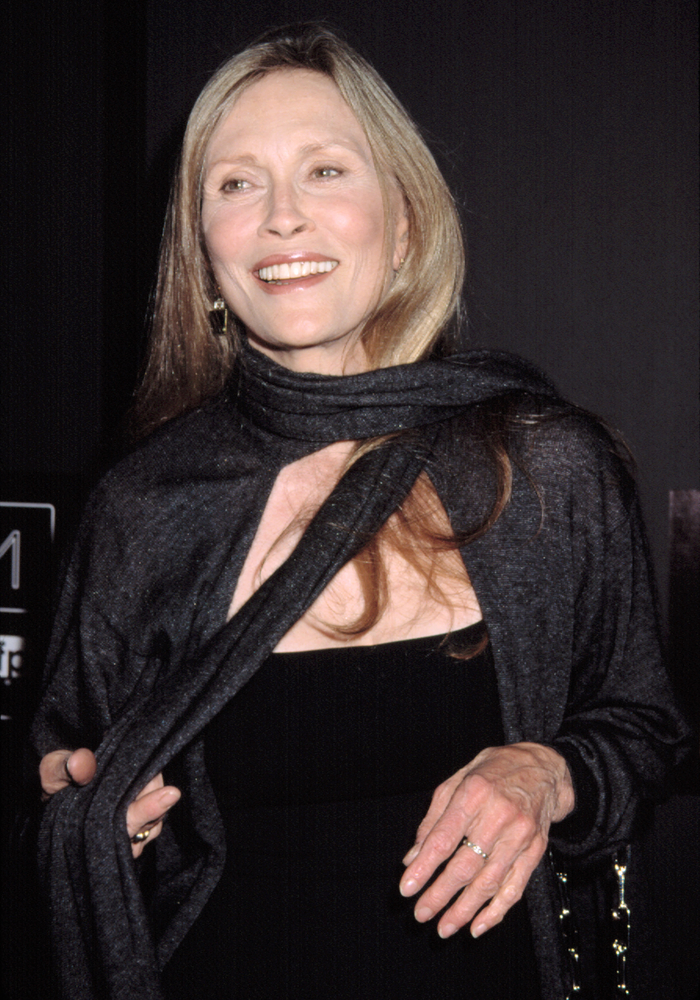
The HBO documentary Faye premiered at Cannes in 2024 and gave Dunaway an opportunity to revisit both triumphs and painful chapters in her own words. Director Laurent Bouzereau combined archival imagery with interviews involving Dunaway, her son and colleagues including Sharon Stone. Instead of presenting a spotless tribute, the film addressed her talent, difficult reputation, mental health and alcoholism together. The result added another image to Dunaway’s legacy: an older star looking directly at the complicated life behind Hollywood’s famous photographs.
Featured Image: By Mr-Dan-Z – Own work, CC BY-SA 4.0, https://commons.wikimedia.org/w/index.php?curid=61268280
Leave a Reply