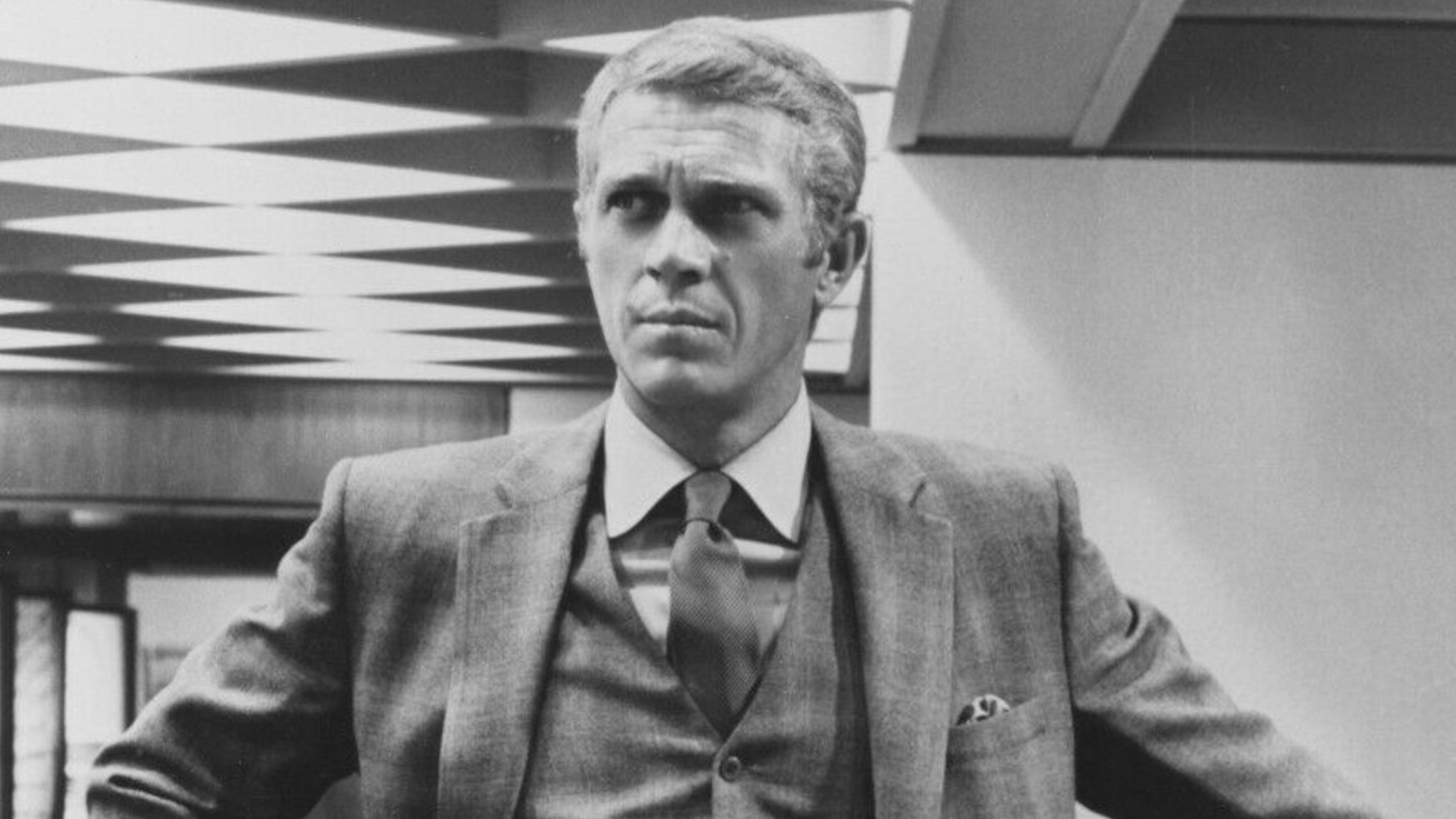
Steve McQueen’s restrained acting, motorcycles, racing cars, and antihero roles created an image that outlived his relatively short career. During the 1960s and 1970s, he became one of Hollywood’s most recognizable stars.
The mythology was partly authentic. McQueen genuinely raced cars and motorcycles and often brought that knowledge into his films, making the boundary between his screen persona and private passions unusually thin.
Steve McQueen Survived a Difficult Childhood
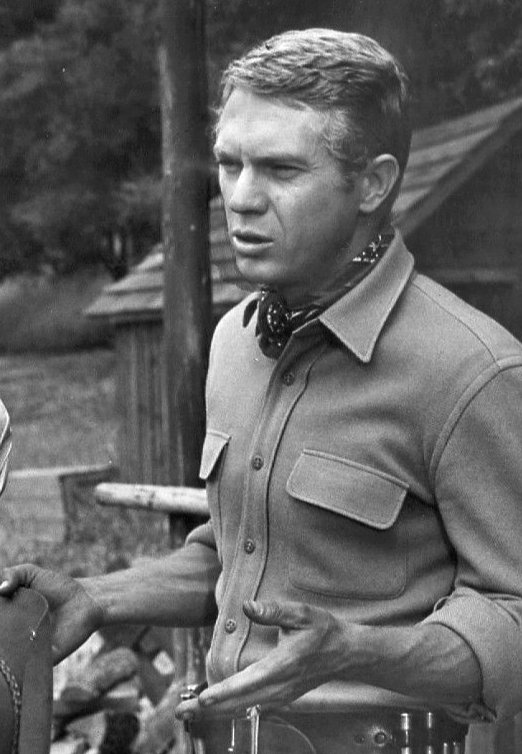
Steve McQueen was born in Indiana in 1930 and experienced considerable instability growing up. Turner Classic Movies notes that his father left the family when McQueen was an infant and that his mother later left him with relatives. His teenage years included delinquency and time at a reform school before military service and acting gave him greater direction. That difficult background later fit naturally with the guarded outsiders and restless men he frequently portrayed onscreen.
Steve McQueen Broke Through With The Magnificent Seven
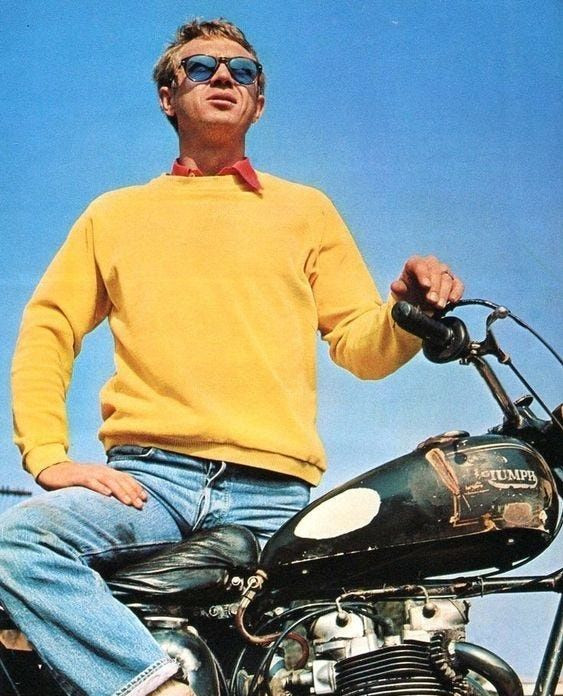
Steve McQueen became a major film presence through The Magnificent Seven in 1960. Although Yul Brynner held the central starring role, McQueen made his gunslinger Vin memorable through small movements and quiet physical business. His ability to attract attention without excessive dialogue became a signature. The movie helped move him beyond television success and toward the action roles that would define his career, while establishing the understated style later summarized by his “King of Cool” nickname.
Steve McQueen Owned The Great Escape
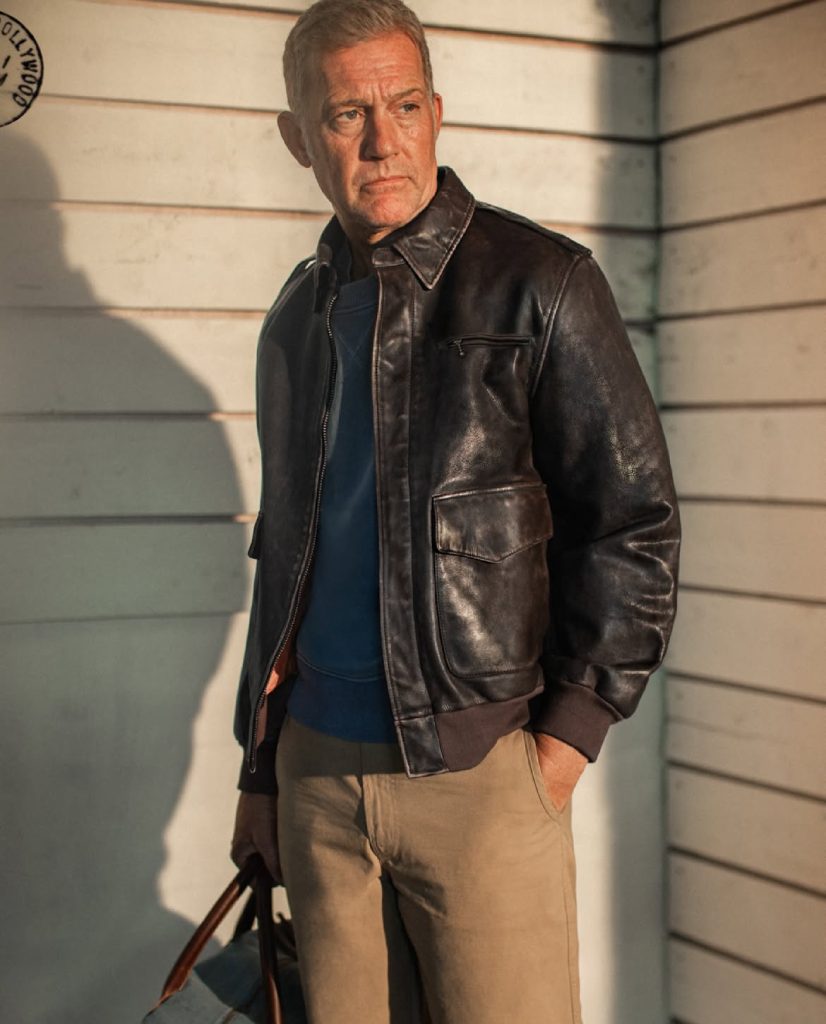
Steve McQueen’s Virgil Hilts in The Great Escape cemented his superstar image in 1963. The baseball glove, battered flight jacket and motorcycle sequences made Hilts visually unforgettable. McQueen was an accomplished rider and performed substantial motorcycle work himself, although stuntman Bud Ekins completed the famous fence jump. The distinction matters because McQueen’s real riding ability was impressive enough without attributing every stunt to him. The film linked his screen persona permanently with speed, rebellion and controlled danger.
Steve McQueen Earned His Oscar Nomination
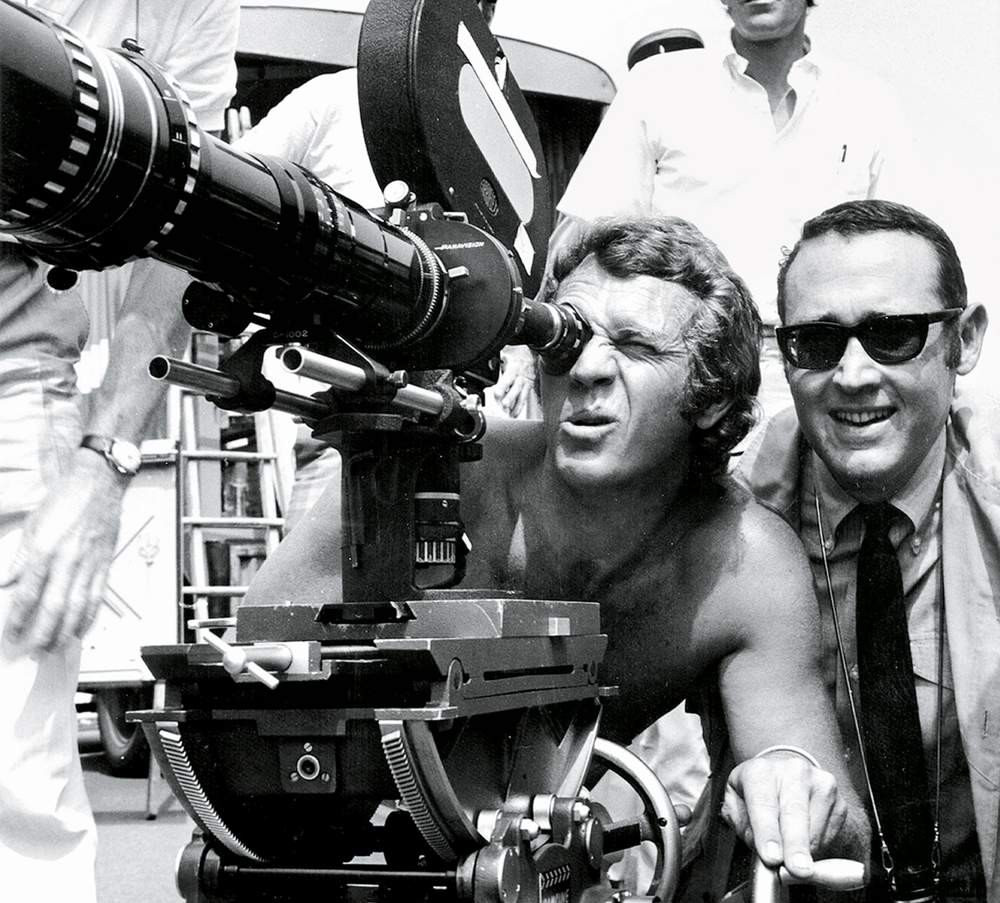
Steve McQueen received his only Academy Award nomination for The Sand Pebbles, released in 1966. He played Jake Holman, an American sailor serving aboard a gunboat in 1920s China. The role required more emotional complexity than the effortless-cool image surrounding many of his action films. McQueen’s nomination demonstrated that his appeal was not limited to physical charisma. When given demanding dramatic material, he could build characters whose reserve concealed frustration, loneliness and moral conflict.
Steve McQueen Defined Cool in Bullitt
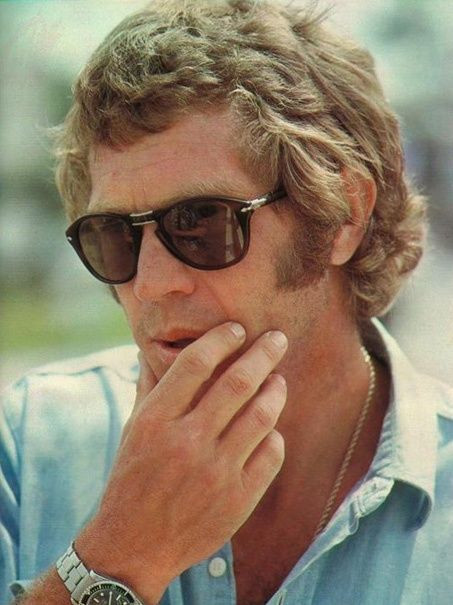
Steve McQueen’s 1968 film Bullitt created perhaps his most enduring visual image: a turtleneck, shoulder holster and Ford Mustang moving through San Francisco. The extended car chase became a landmark of action filmmaking, while McQueen’s understated performance made Lieutenant Frank Bullitt seem competent without theatrical bravado. McQueen participated in some of the driving, though stunt professionals handled significant portions. The film’s cars, clothing and minimalist attitude continue influencing the way Hollywood depicts modern action heroes.
Steve McQueen Turned Racing Into Cinema
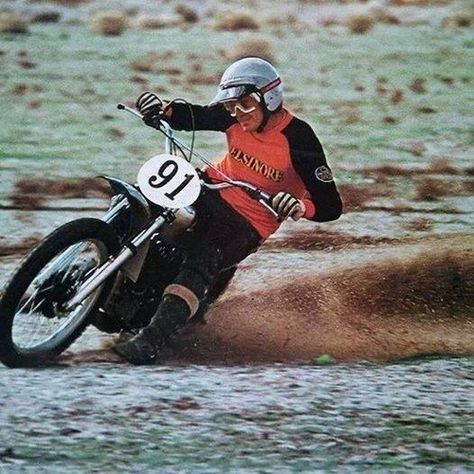
Steve McQueen’s passion for motorsport reached its purest cinematic expression with Le Mans in 1971. He wanted the film to capture racing with unusual authenticity rather than build everything around a conventional Hollywood plot. Professional racer Derek Bell later remembered McQueen as a genuinely skilled and passionate driver. McQueen also competed outside filmmaking, sometimes using the name Harvey Mushman. His racing interests were therefore not studio publicity created to strengthen a macho image; they were central to his life.
Steve McQueen’s Image Outlived His Short Life
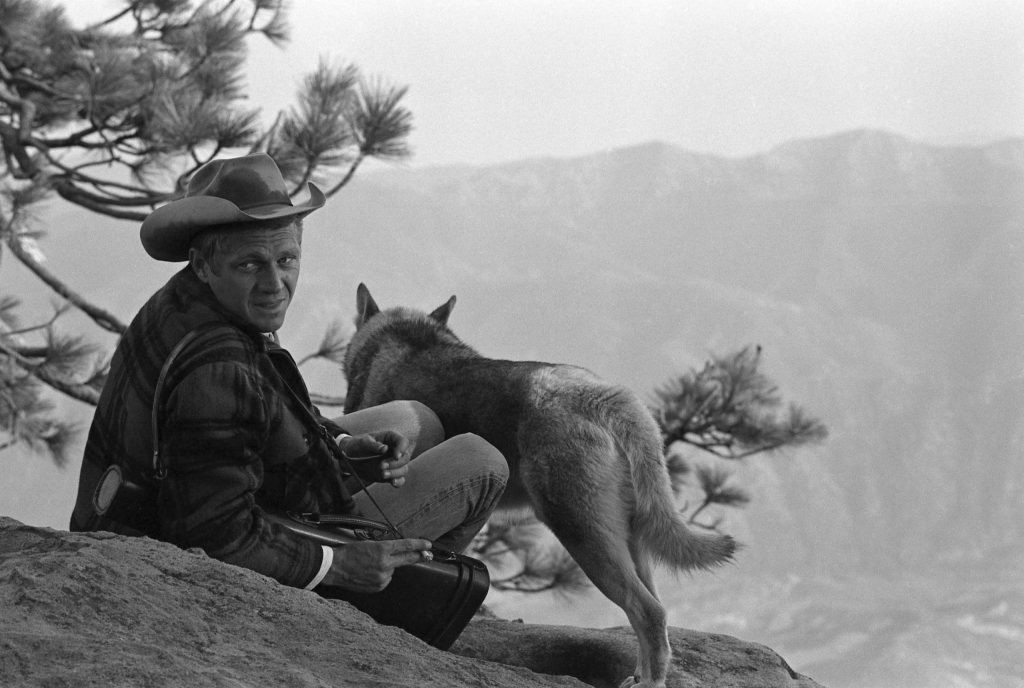
Steve McQueen died in Mexico on November 7, 1980, at age 50 after surgery while being treated for mesothelioma. His immediate cause of death was reported as a heart attack following the operation. More than four decades later, photographs of McQueen still sell an idea of effortless masculinity built around motorcycles, racing, simple clothes and emotional restraint. The “King of Cool” image survived because it combined carefully selected films with interests McQueen genuinely lived offscreen.
Featured Image: By Unknown author – https://web.archive.org/web/20190718072355/https://www.ebay.com/itm/THOMAS-CROWN-AFFAIR-Original-Movie-Still-8×10-Steve-McQueen-Thriller-1968-16369/283539646669?hash=item420447a8cd:g:ezMAAOSwQKdc1ODw, Public Domain, https://commons.wikimedia.org/w/index.php?curid=92991069
Leave a Reply