
Jerry Lewis built his career around speed, noise, awkward movement and fearless physical comedy. A walk, nervous expression or broken machine could become a complete comic scene.
His life also included filmmaking innovation, enormous charity work and a complicated reputation. Together, those chapters explain why his influence extends beyond his best-known routines.
Jerry Lewis Childhood
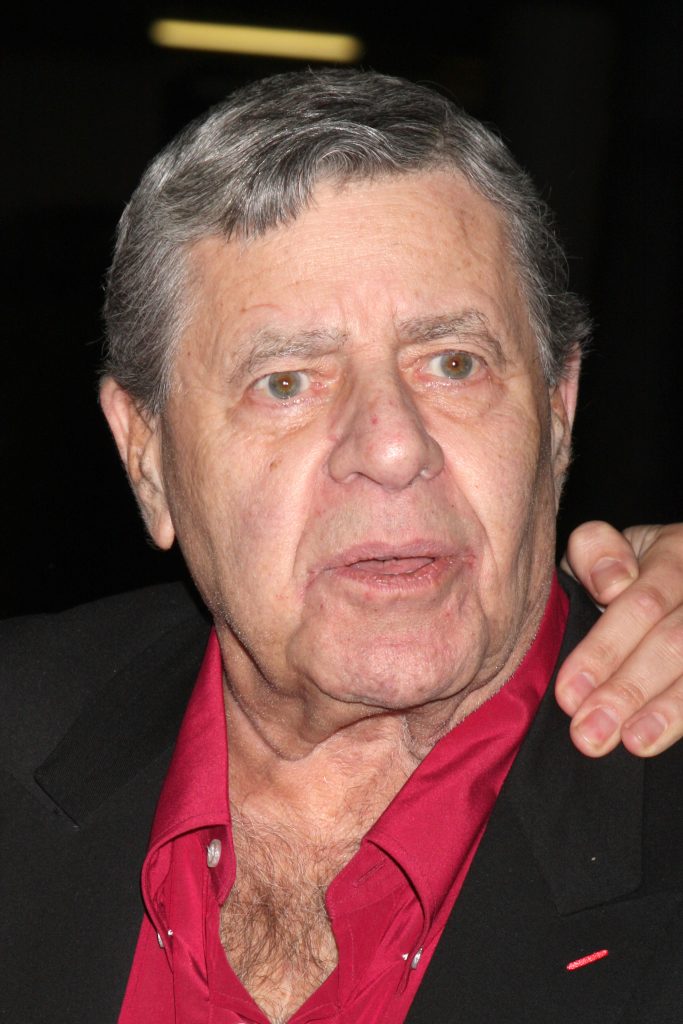
Born Joseph Levitch in Newark in 1926, Lewis grew up around live entertainment. His father performed in vaudeville, and his mother played piano for radio. Lewis began appearing onstage as a child and developed an act that mimed popular records. It taught him to communicate through facial expressions, timing and movement. Vaudeville also trained him to recover when a joke failed or a crowd became restless. Those lessons remained central to his screen work. Even when his performances looked uncontrolled, his pauses, falls and reactions were carefully planned.
Martin and Lewis Become Stars
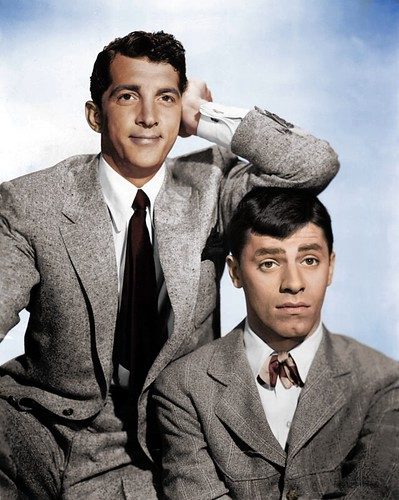
Lewis met singer Dean Martin in the mid-1940s. Martin became the calm, polished straight man, while Lewis interrupted songs and created chaos. Their nightclub success led to radio, television and 16 Paramount films between 1949 and 1956. Titles included My Friend Irma, The Caddy and Artists and Models. Their contrast made the act instantly understandable: Martin stayed relaxed while Lewis behaved as though the room might collapse. Television carried that energy into American homes, making the pair one of the era’s biggest entertainment teams.
The Partnership Ends
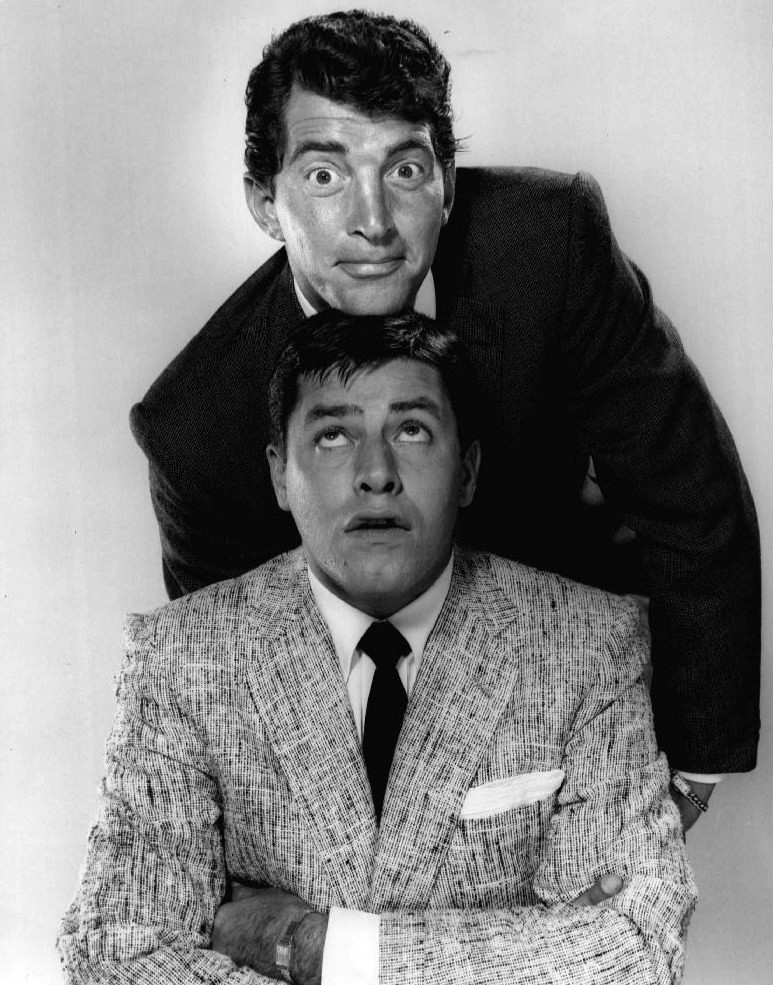
Martin and Lewis separated in 1956 after ten years together. Different ambitions, creative tension and constant work had damaged the partnership. Martin wanted greater recognition as a singer and actor, while Lewis increasingly shaped their films and comedy. Their final nightclub performance took place at New York’s Copacabana. The split forced both men to prove they could succeed alone. For Lewis, it also created new freedom. He began taking greater control of writing, directing, editing and character design, leading to the most personal filmmaking period of his career.
The Bellboy Changes His Career

The Bellboy, released in 1960, was Lewis’s first feature as director. He also produced, co-wrote and starred as Stanley, a mostly silent hotel employee whose helpful actions cause disasters. The simple setting allowed visual gags to replace a complicated plot. During production, Lewis developed an early video-assist method that helped him review takes while acting and directing. Versions of that technology later became standard on film sets. The movie showed that the apparently chaotic performer also understood cameras, editing, sound and the exact visual structure of comedy.
The Nutty Professor Becomes a Classic

In The Nutty Professor, Lewis played shy scientist Julius Kelp and his confident alter ego, Buddy Love. Lewis used voice, clothing, posture and color to separate the two personalities. Kelp was awkward and insecure, while Buddy was polished, arrogant and commanding. Loosely inspired by Dr. Jekyll and Mr. Hyde, the film explored vanity and the desire to become someone more popular. Its comedy asked whether confidence without kindness was truly an improvement. The 1963 movie became one of Lewis’s most respected works and later inspired a successful remake starring Eddie Murphy.
Decades of Fundraising

Lewis became the public face of the Muscular Dystrophy Association through televised fundraising lasting decades. His Labor Day telethons featured celebrity guests, music and appeals for donations. The broadcasts raised more than $2 billion over time. In 2009, the Academy gave Lewis the Jean Hersholt Humanitarian Award. Disability advocates also criticized some telethon language and imagery for encouraging pity instead of equality. Both parts belong in the record: Lewis delivered extraordinary fundraising results, while the debate helped change how charities represented disabled people.
A Complicated Lasting Legacy
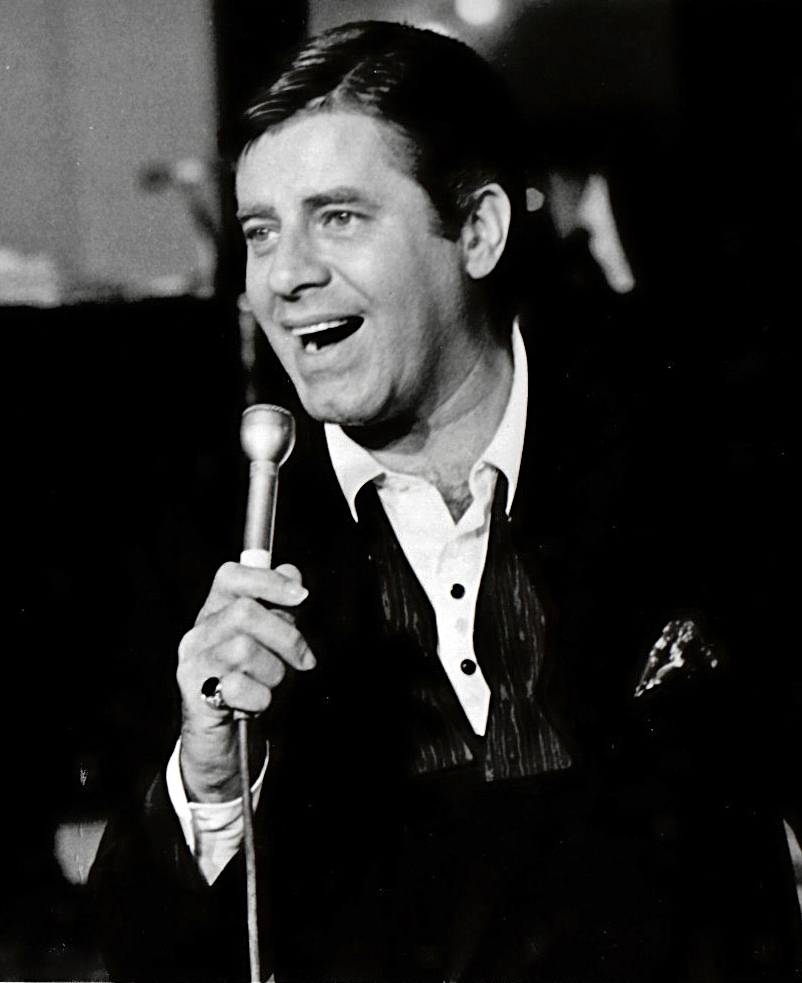
Lewis died in 2017 at age 91. Admirers remember his physical control, directing work and technical innovation. European critics often treated him as a serious filmmaker before many American reviewers did. Later audiences also rediscovered his darker performance in The King of Comedy. Some behavior and humor have aged poorly, and his professional relationships could be difficult. His legacy remains important because he was more than a loud comic. He was a restless filmmaker who carefully studied embarrassment, ambition and the human need to be noticed.
Featured Image: By According to Bonhams, the reverse side was stamped with “Paramount Photo by Bud Fraker”. According to mptvimages.com, Fraker was born in 1916, died in 2002, and worked as Director of Still Photography at Columbia and later Paramount. – Scan via Bonhams. Retouched by uploader to remove Lewis’s autograph, remove minor damage, convert to black and white rather than faded orange, and other minor changes., Public Domain, https://commons.wikimedia.org/w/index.php?curid=92664882
Leave a Reply