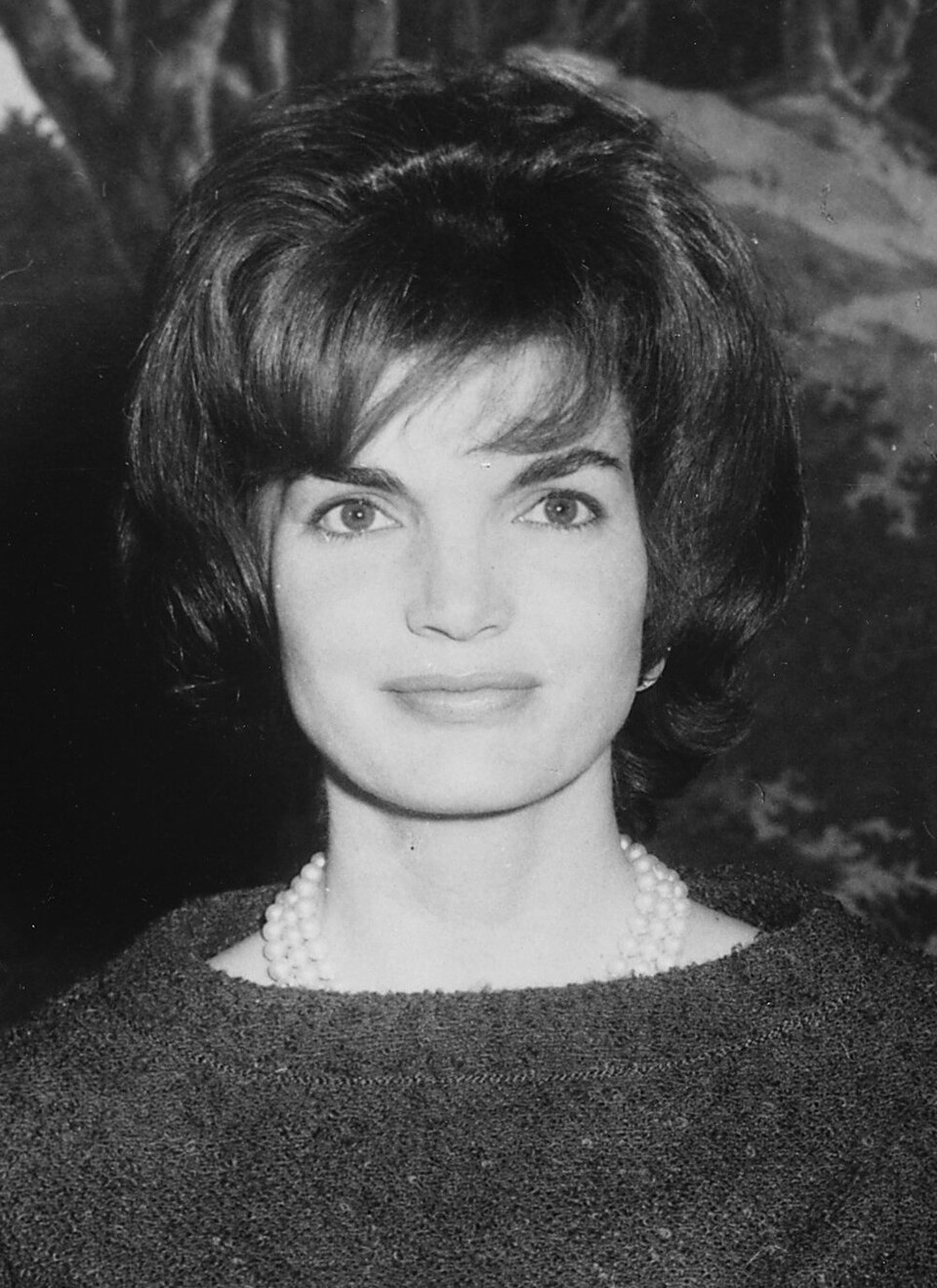
Jacqueline Kennedy’s style became influential because it was consistent, recognizable, and suited to her public role. She favored clean silhouettes, carefully selected colors, and accessories that photographed clearly without making every outfit appear heavily decorated.
Her wardrobe was created with designers, particularly Oleg Cassini, but Kennedy was closely involved in defining its direction. The lasting lesson is not to copy one vintage outfit exactly. It is to develop a clear visual identity that works across different settings.
Choose Clean Tailoring
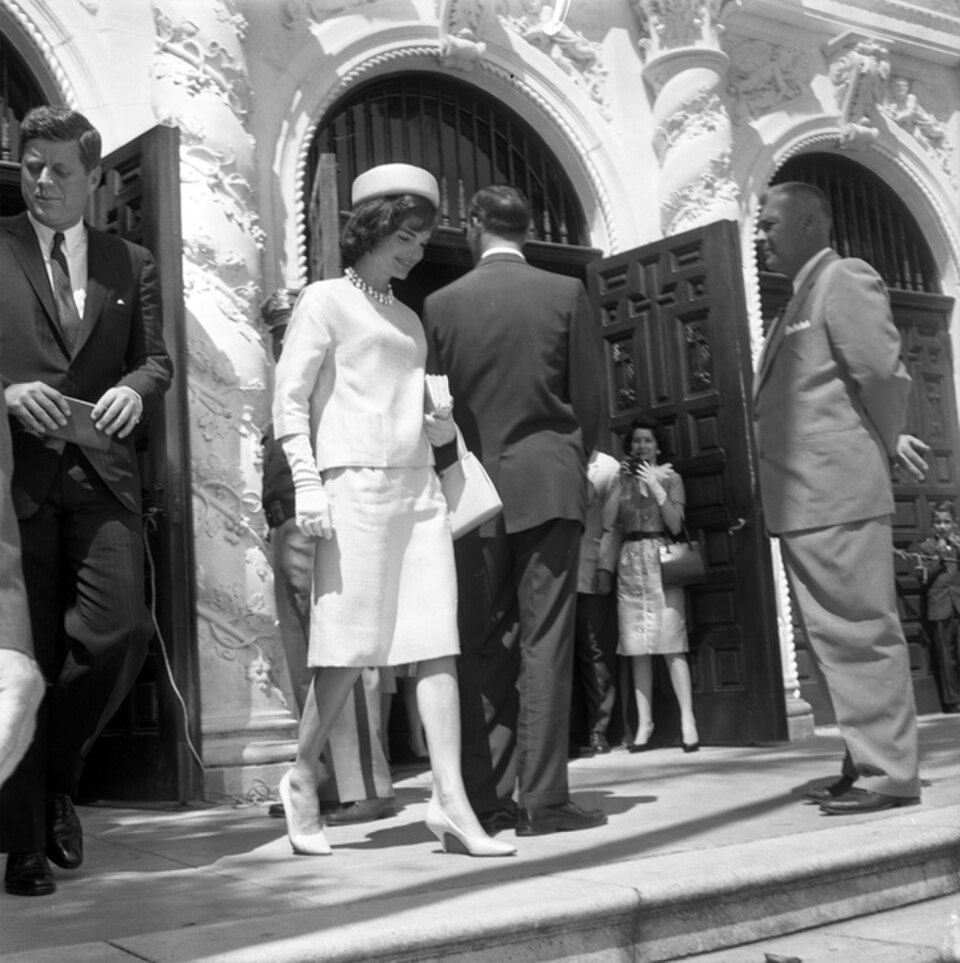
Kennedy frequently wore fitted coats, sheath dresses, and compact skirt suits with uncomplicated lines. Oleg Cassini’s designs helped create a wardrobe that looked formal without appearing overloaded with decoration. A silk-and-wool suit worn during the Kennedys’ 1961 visit to Paris illustrates the approach: strong construction, controlled proportions, and fabric that created interest without requiring a busy pattern. The broader style lesson is that fit and shape can make simple clothing appear more distinctive than excessive detailing.
Use One Strong Color
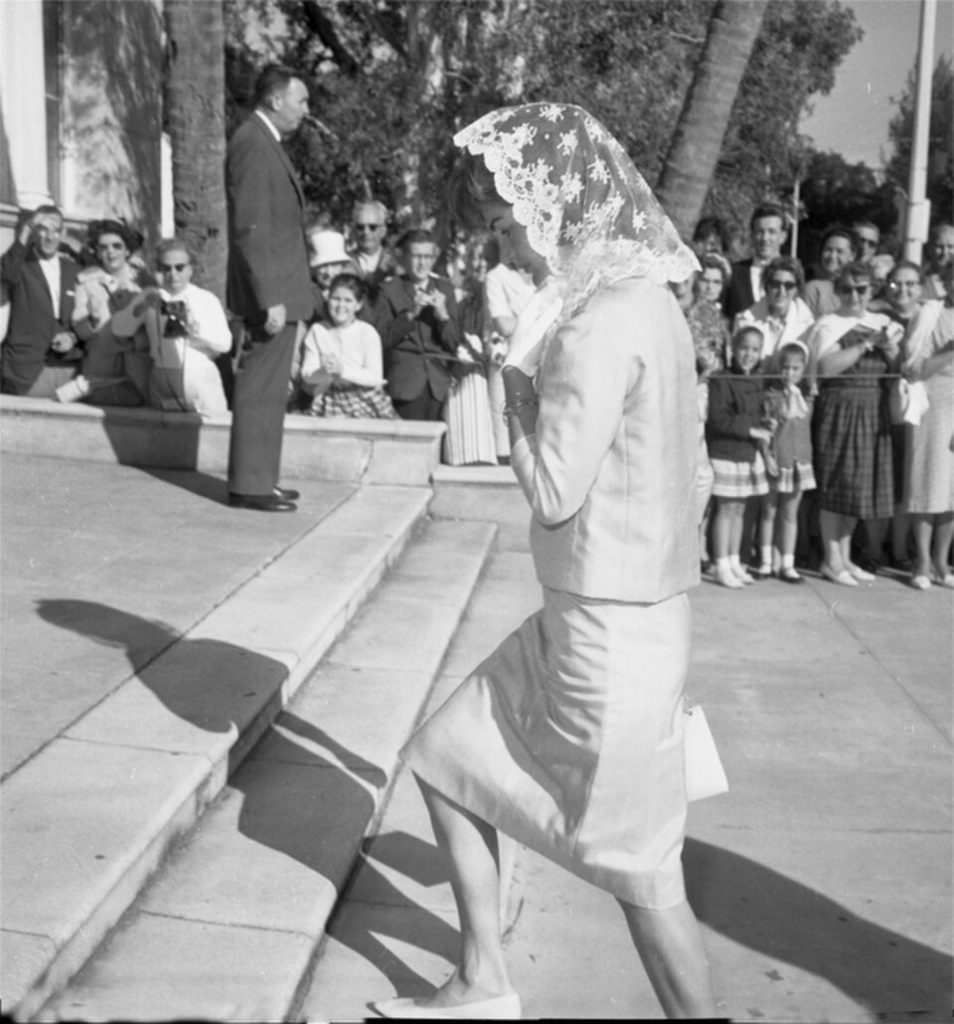
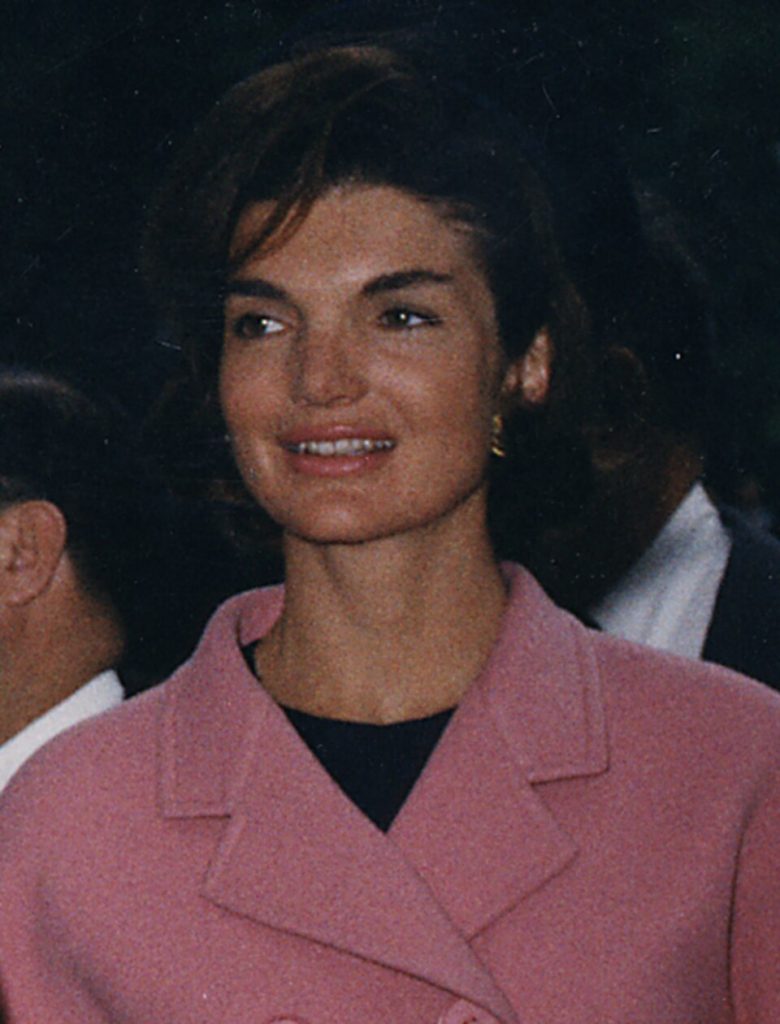
Many of Kennedy’s best-known ensembles relied on one dominant shade carried across the dress, coat, or matching accessories. Solid pinks, blues, yellows, greens, and neutrals produced a clear silhouette in public photographs. This was useful during state visits, when she needed to remain visually recognizable in crowds without dressing in a way that distracted from the event. A modern version of the idea is monochrome dressing: choosing related shades and allowing tailoring, texture, and proportion to create the interest.
Build Around a Signature Hat
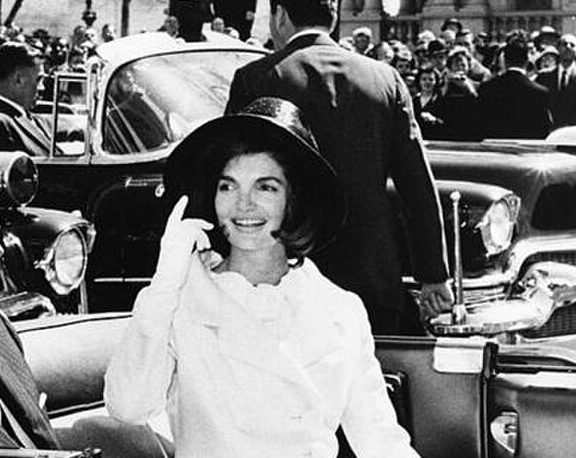
Pillbox hats became one of Kennedy’s most recognizable accessories during the White House years. She often wore them at the back of her bouffant hairstyle, pairing them with structured coats and suits. The hats created a clean outline and made formal outfits instantly identifiable in photographs. The lesson is not that everyone needs a pillbox. It is that repeating one flattering accessory, whether a hat, scarf, or pair of glasses, can help create a consistent personal style.
Keep Jewelry Controlled
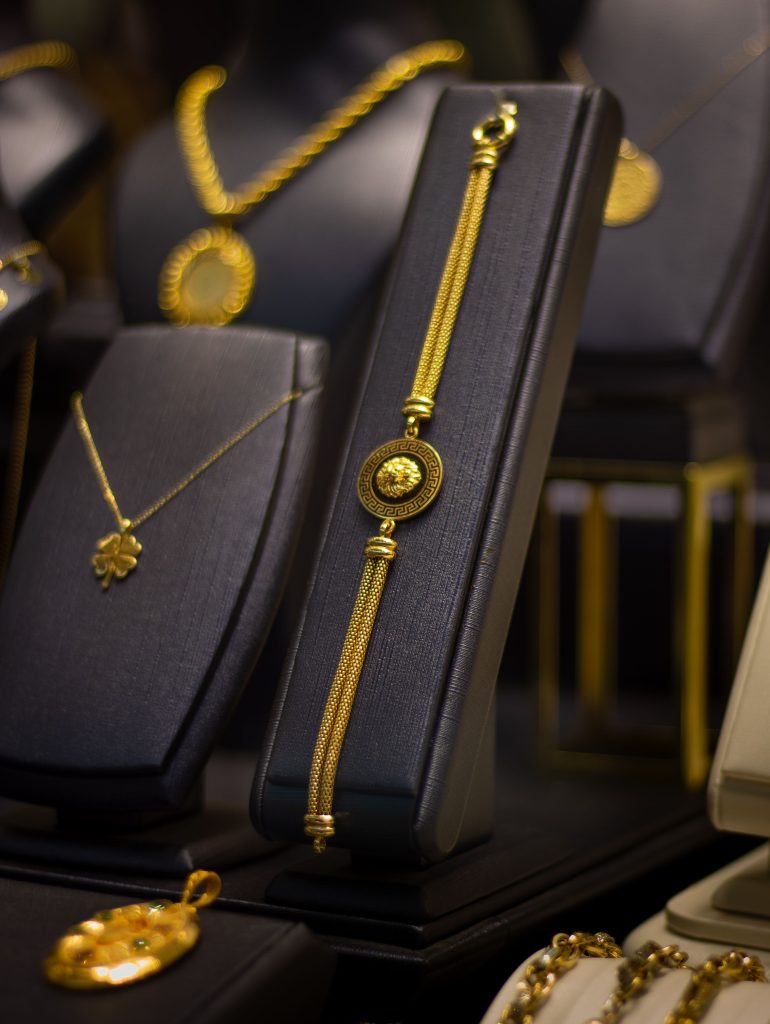
Kennedy frequently wore pearls, simple earrings, and understated bracelets rather than covering formal clothes with multiple competing pieces. The jewelry added polish while allowing the dress or suit to remain the main visual element. This restraint helped her move between daytime engagements, dinners, and international visits without looking underdressed. A practical modern lesson is to choose one main jewelry idea and repeat it. Accessories are most effective when they complete the outfit rather than forcing every individual piece to demand attention.
Let Eveningwear Stay Simple
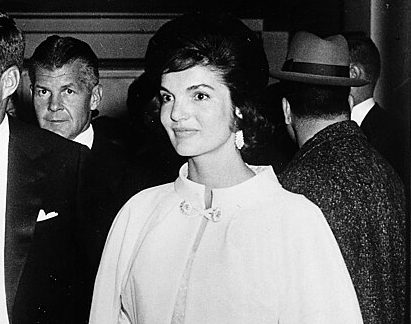
Kennedy’s formal gowns often used strong fabric, clear necklines, and long uninterrupted shapes rather than heavy embellishment. The JFK Library preserves examples of Cassini eveningwear that demonstrate her preference for modern simplicity. Even when the color was bold, the basic silhouette remained controlled. This gave the gowns a timeless quality and allowed them to photograph well from every angle. The lesson is that an evening dress does not require sequins or complicated construction when its fit, fabric, and proportions are already effective.
Dress Casually With Intention
Outside official events, Kennedy wore sleeveless shirts, shorts, cropped trousers, flat shoes, scarves, and sunglasses. These relaxed outfits differed from her White House wardrobe but remained coordinated and recognizable. Her casual style worked because comfort did not mean abandoning shape or proportion. She often balanced one relaxed garment with another structured element, such as fitted trousers or a clean button-down shirt. The lesson is that practical clothing can still feel personal when its colors and shapes are chosen with the same care as formal wear.
Develop a Consistent Identity
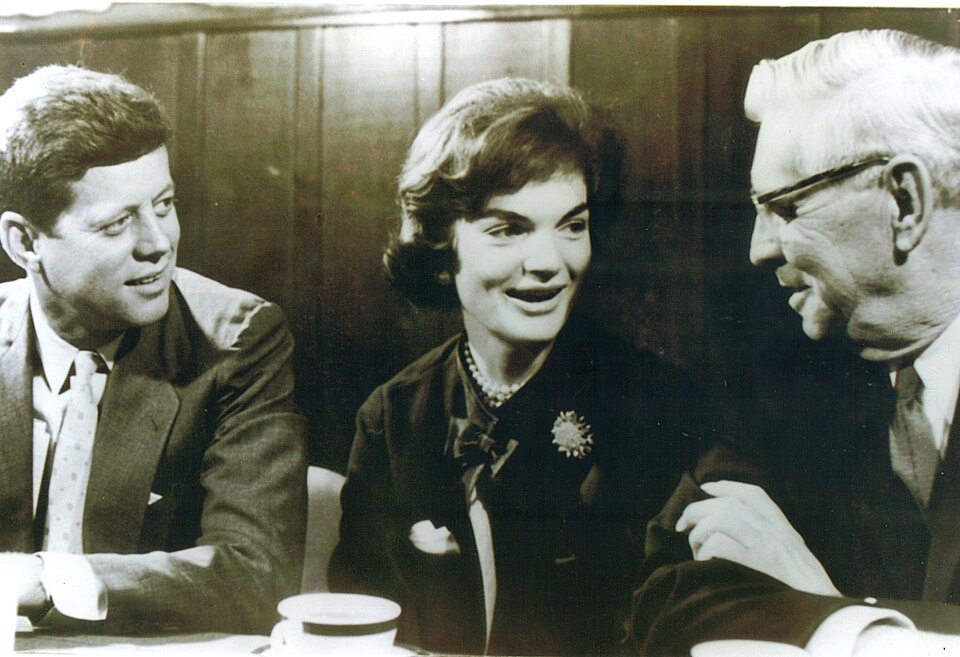
Kennedy’s influence came from repetition as much as novelty. She returned to familiar silhouettes, designers, hats, colors, and accessories while adjusting them for the event. That consistency allowed the public to recognize her style without every appearance needing to introduce a new trend. Her wardrobe also evolved after leaving the White House, incorporating stronger patterns and shorter hemlines. The lasting lesson is to build around reliable choices while allowing enough flexibility for personal style to change with age and circumstance.
Featured Image: By Abbie Rowe – U.S. National Archives and Records Administration, Public Domain, https://commons.wikimedia.org/w/index.php?curid=46328524
Leave a Reply