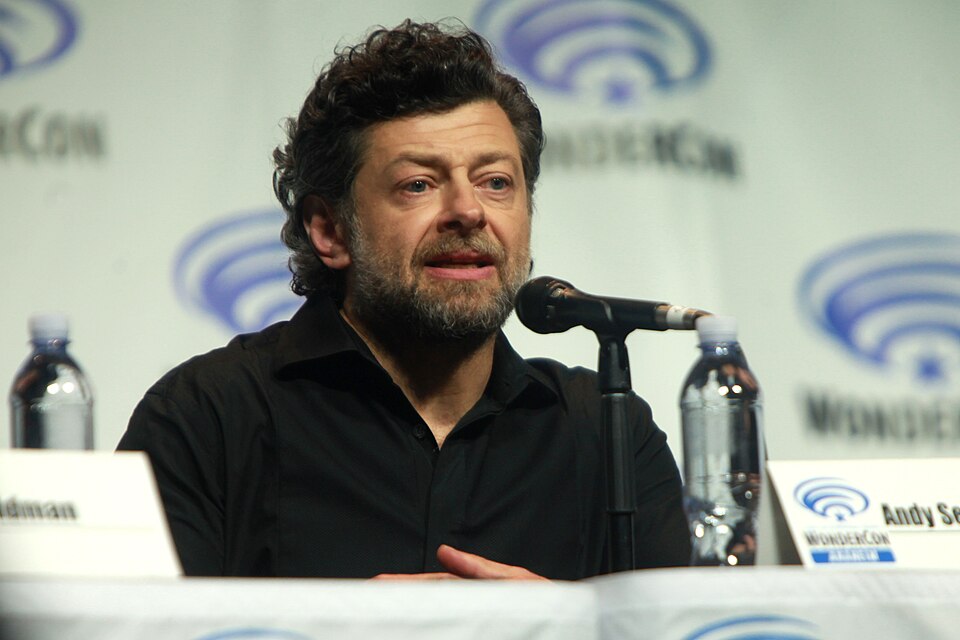
Andy Serkis has responded to criticism surrounding the publicly announced cast of The Lord of the Rings: The Hunt for Gollum. As of July 2026, the named principal performers were white, prompting renewed discussion about representation in Middle-earth adaptations.
Serkis, who is directing and returning as Gollum, defended the production’s approach during a BBC interview. His explanation clarified his thinking but also attracted further criticism from commentators who believe fantasy casting allows greater creative freedom.
The Announced Cast

The announced ensemble included returning actors Ian McKellen, Elijah Wood, Lee Pace, and Serkis, alongside performers such as Kate Winslet, Anya Taylor-Joy, Jamie Dornan, and Leo Woodall. Every publicly named principal actor at that point was white. That wording is important because production was still underway and additional casting could occur. The criticism concerned the announced ensemble as of July 2026, not necessarily every performer who will appear in the completed film.
What Andy Serkis Said
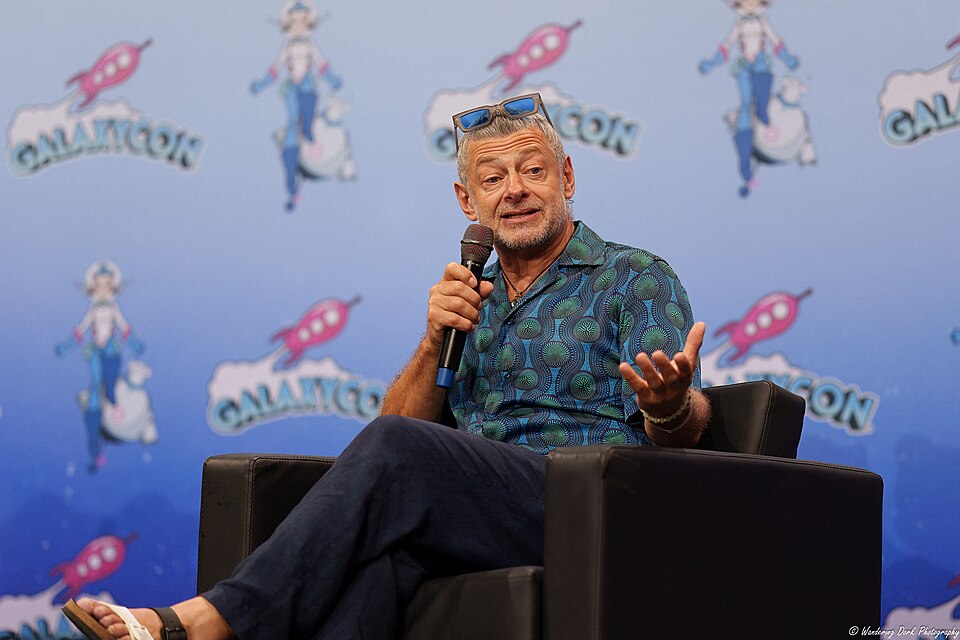
Serkis said the filmmakers were aware of complaints about the limited diversity in earlier Lord of the Rings productions. He added that the new film would acknowledge those concerns where he considered them relevant. However, he rejected the idea of casting simply to satisfy a political expectation or complete a representation checklist. His position was that each performer should be selected according to the character and the story, although critics questioned who defines that relevance.
Tolkien’s Mythological Influence
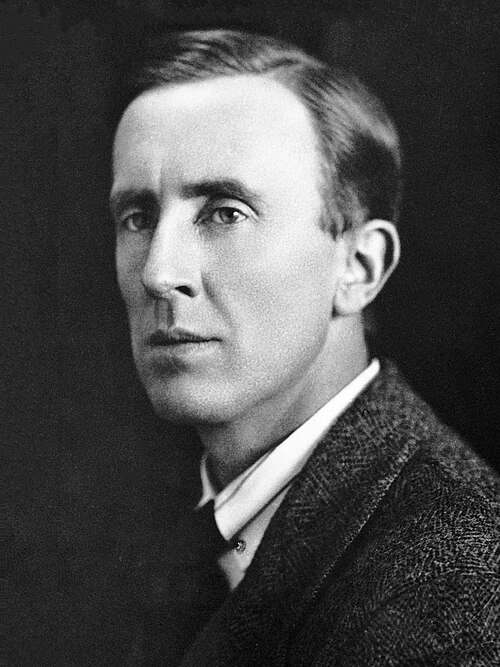
Serkis connected the franchise’s visual traditions with J.R.R. Tolkien’s interest in Northern European and Norse mythology. He also described the Shire as a culturally isolated community within the books. That explanation helps readers understand the reasoning behind his comments, but it does not settle the issue. Adaptations already change dialogue, timelines, character ages, and story structure, so critics argue that casting is another area where filmmakers make active modern choices.
Earlier Middle-earth Casting

Peter Jackson’s original Lord of the Rings and Hobbit films featured overwhelmingly white principal casts. Amazon’s television series The Rings of Power later used a more racially diverse ensemble, demonstrating that different production teams can interpret the same fictional world in different ways. The new film is therefore being judged not only against Tolkien’s books but also against recent franchise history. Its casting represents one creative approach rather than an unavoidable rule applying to every adaptation.
Why Critics Disagreed

Critics argued that fantasy stories involving elves, hobbits, wizards, and invented kingdoms should not treat racial homogeneity as a requirement of realism. They also noted that Serkis has previously accepted substantial changes when adapting other source material. Their objection was not simply that the cast lacked diversity. It was that the explanation appeared to place responsibility on Tolkien rather than openly acknowledging that contemporary filmmakers decide how old material will look on screen.
The New Gollum Film
The Hunt for Gollum is set during the period between The Hobbit and The Lord of the Rings. The story follows the search for Gollum while exploring his psychology and connection to the One Ring. Serkis is directing, producing, and again using motion-capture performance for the central character. The film is scheduled for theatrical release on December 17, 2027, giving the production time for further casting announcements and additional details.
The Question Remains Open

Serkis has explained his philosophy, but the wider discussion is unlikely to end before audiences see the completed film. Representation debates often involve more than counting actors. They examine who receives major roles, how cultures are imagined, and whether a modern adaptation should reflect the world watching it. Until the full cast and finished story are known, the most accurate conclusion is that the announced choices have raised legitimate questions without revealing every decision the filmmakers will ultimately make.
Featured Image: By Gage Skidmore from Peoria, AZ, United States of America – Andy Serkis, CC BY-SA 2.0, https://commons.wikimedia.org/w/index.php?curid=33622660
Leave a Reply