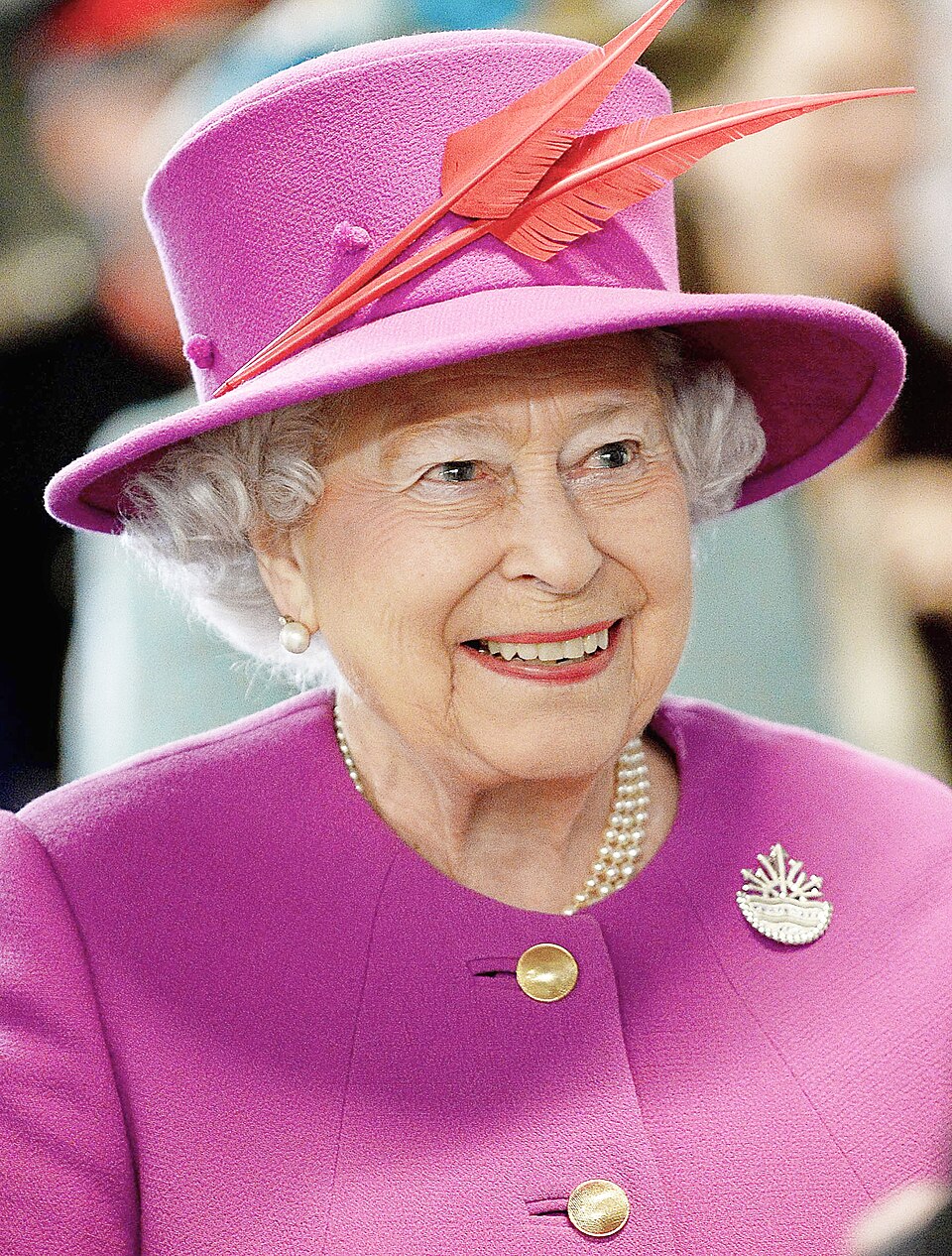
Most people assumed Queen Elizabeth loved bright colors simply because they helped crowds spot her easily. It seemed like a cheerful, practical habit built over decades.
But royal style historians have argued for years that something far more deliberate was at work. According to those who studied her wardrobe closely, every color she chose carried carefully calculated meaning.
A Wardrobe Built With Purpose
Queen Elizabeth’s team reportedly planned outfits weeks in advance, treating color as a communication tool rather than a personal preference. She was strategic. According to Angela Kelly, her longtime personal dresser, the Queen wanted to be visible instantly to as many people as possible, and color was her most powerful tool. But the choices went far deeper than visibility alone.
The Power of Canary Yellow
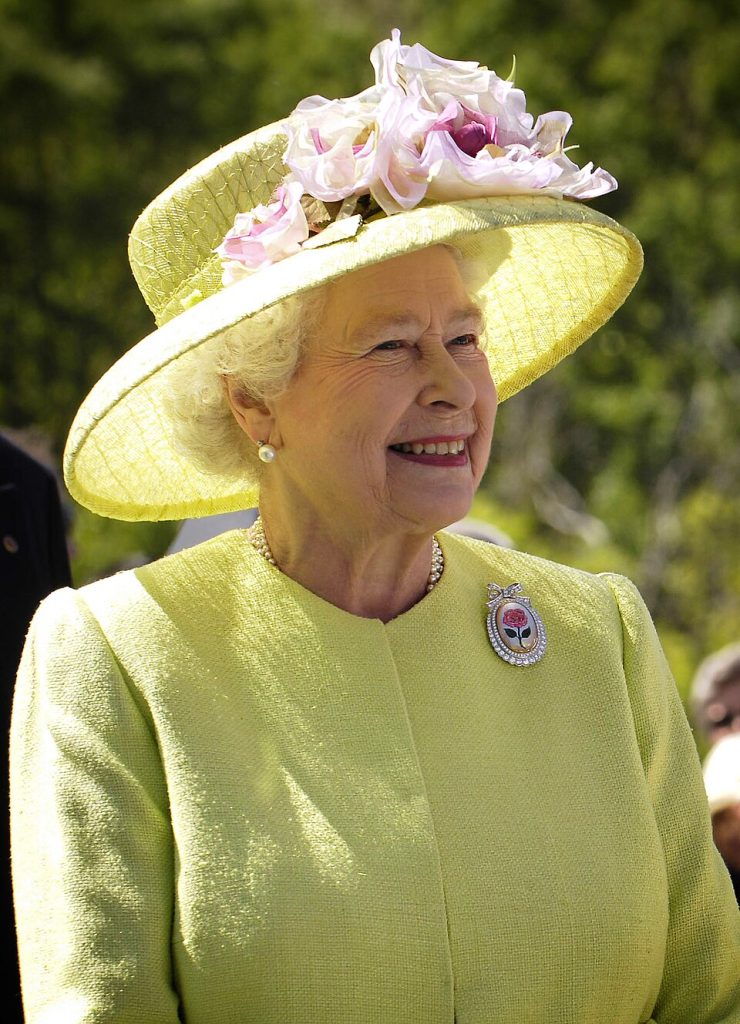
Bold canary yellow appeared in Queen Elizabeth’s wardrobe more frequently than almost any other shade, and it was never accidental. She radiated warmth. According to royal fashion commentators writing for Vogue UK, bright yellows were reserved for high-visibility engagements – public celebrations and royal tours where the monarchy needed to project accessibility and joy to enormous crowds. And yellow was only one piece of the story.
Blue and What It Signaled
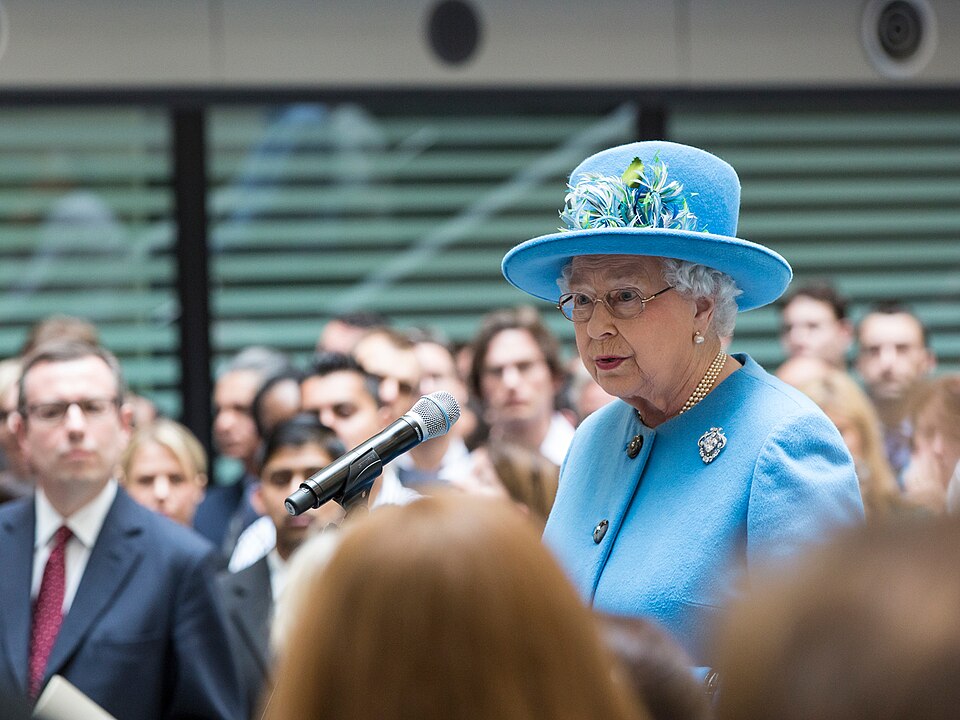
When Queen Elizabeth chose blue, observers consistently noted its appearance at diplomatic engagements and meetings with foreign heads of state. It was a quiet statement. According to records from the Court Circular, many of her most significant diplomatic appearances across six decades featured cornflower, cobalt, and powder blue – shades associated across cultures with trust, calm, and steady authority. The pattern was impossible to miss once you started looking.
The Green That Made Headlines
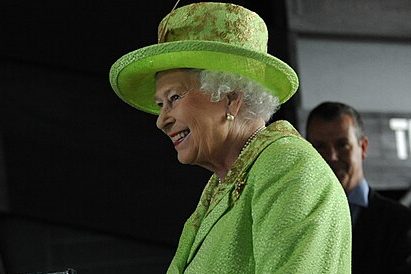
A vivid lime green ensemble Queen Elizabeth wore in 2016 became a global meme almost overnight, yet she and her team reportedly had no regrets whatsoever. She was unbothered. According to reporting in The Guardian, that single outfit generated more online conversation than almost any other royal fashion moment that year, proving that her wardrobe carried cultural power far beyond the palace walls. But not all her color stories were lighthearted.
White, Ceremony, and Tradition
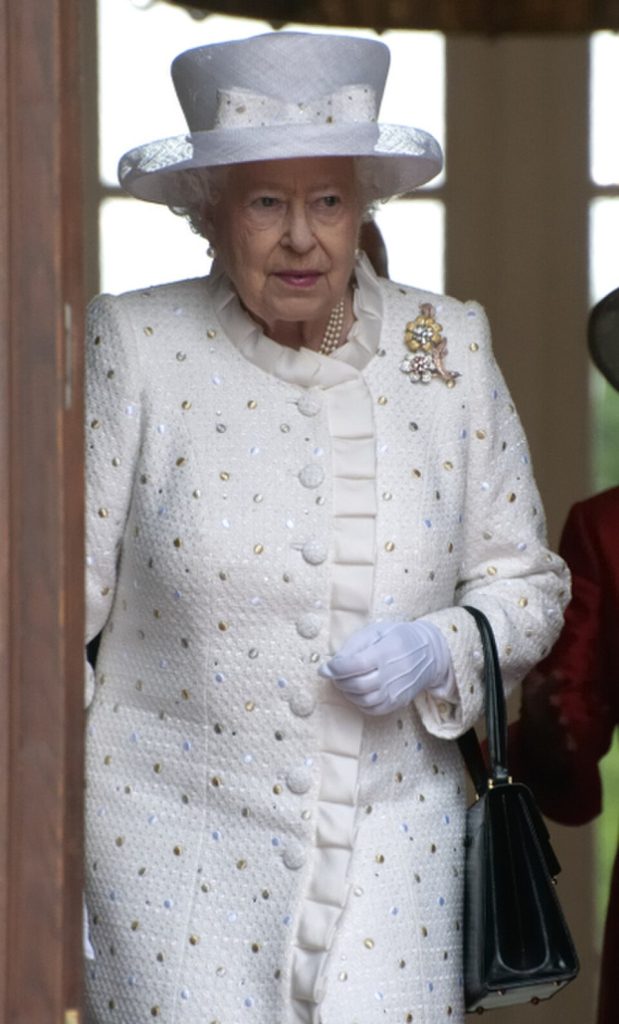
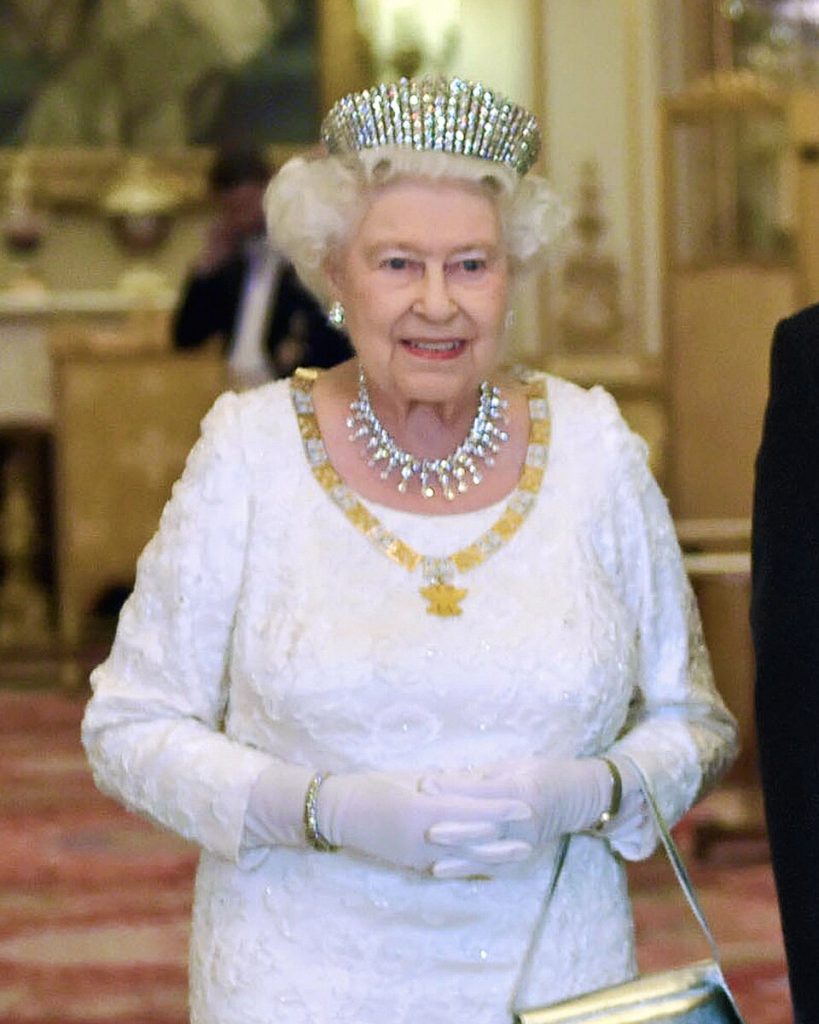
White and ivory carried deep ceremonial weight throughout Queen Elizabeth’s reign, reserved for state openings, investitures, and formal occasions where tradition demanded precision over personality. Ceremony came first. According to royal protocol experts cited by Hello Magazine, her disciplined use of white and pale gold at landmark occasions created a visual language that deliberately separated the crown’s most sacred rituals from the warmth of her everyday public appearances.
How Her Palette Grew Bolder
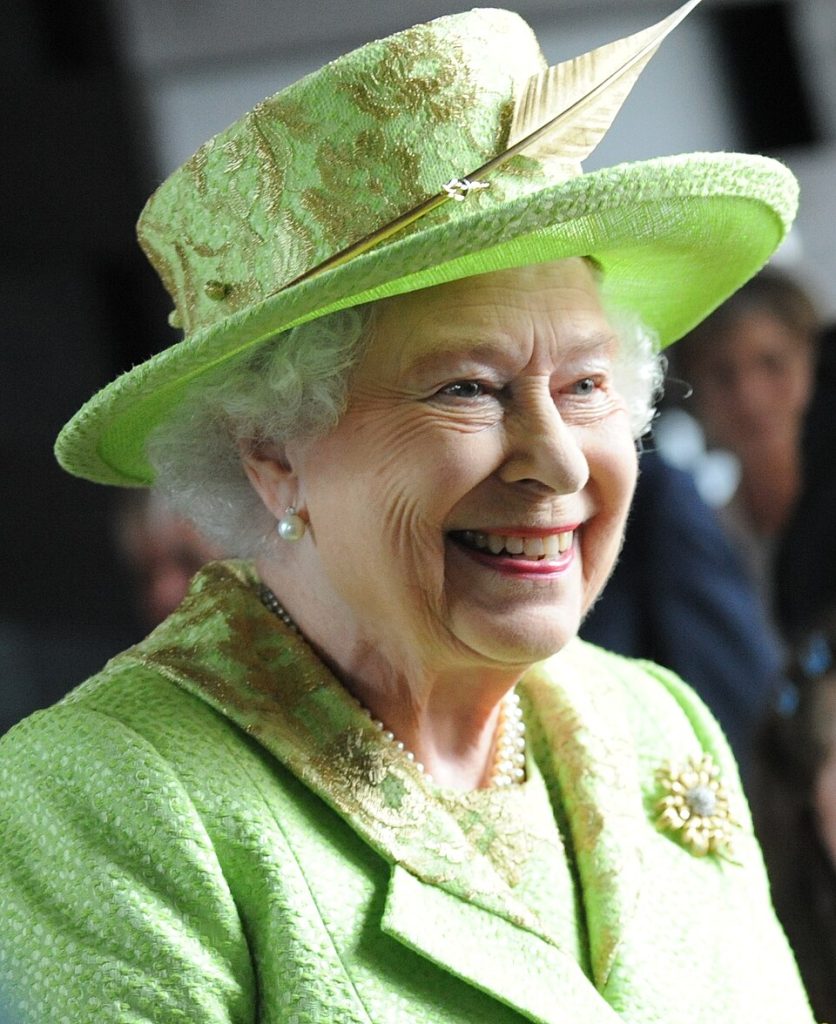
Queen Elizabeth’s relationship with color shifted subtly across seventy years on the throne. Her earlier decades leaned toward softer pastels, while her later reign grew noticeably bolder and more vivid. She grew braver. According to royal biographer Robert Hardman, this evolution reflected a deepening confidence in her own visual identity and a desire to stand apart from the muted aesthetic that typically surrounds long-established institutional power.
What Fashion Designers Observed
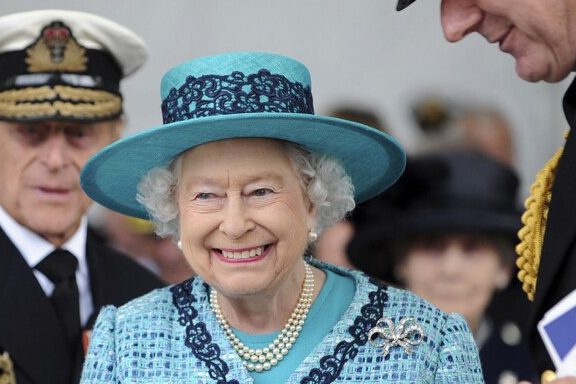
The fashion world tracked Queen Elizabeth’s wardrobe throughout her reign, treating it as one of the longest-running style studies in modern history. Designers deeply admired her consistency. According to reports from the Victoria and Albert Museum’s Royal Style in the Making exhibition, her unwavering commitment to British designers and disciplined use of color helped sustain an entire ecosystem of couture craftsmanship inside the United Kingdom across multiple generations.
A Legacy Stitched in Color
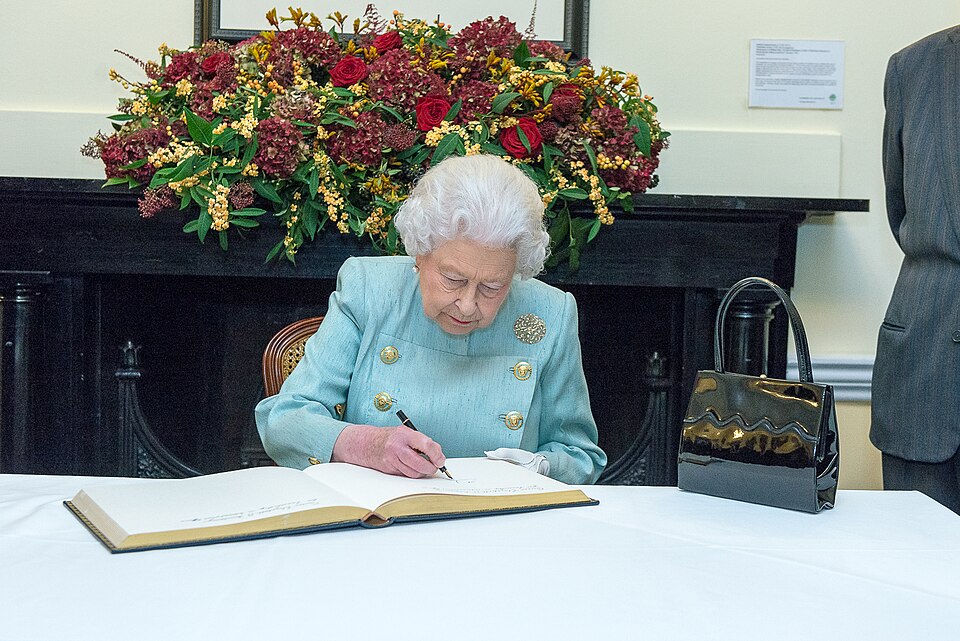
Queen Elizabeth’s wardrobe did something no speech could fully replicate – it made her visible, recognizable, and deeply human all at once. She understood image completely. Across seven decades, her color choices told the story of a reign built on duty, discipline, and an extraordinary instinct for public presence. This article is for informational and entertainment purposes only.
Featured Image: By Joel Rouse/ Ministry of Defence – www.defenceimagery.mod.uk, OGL 3, https://commons.wikimedia.org/w/index.php?curid=39183110
Leave a Reply