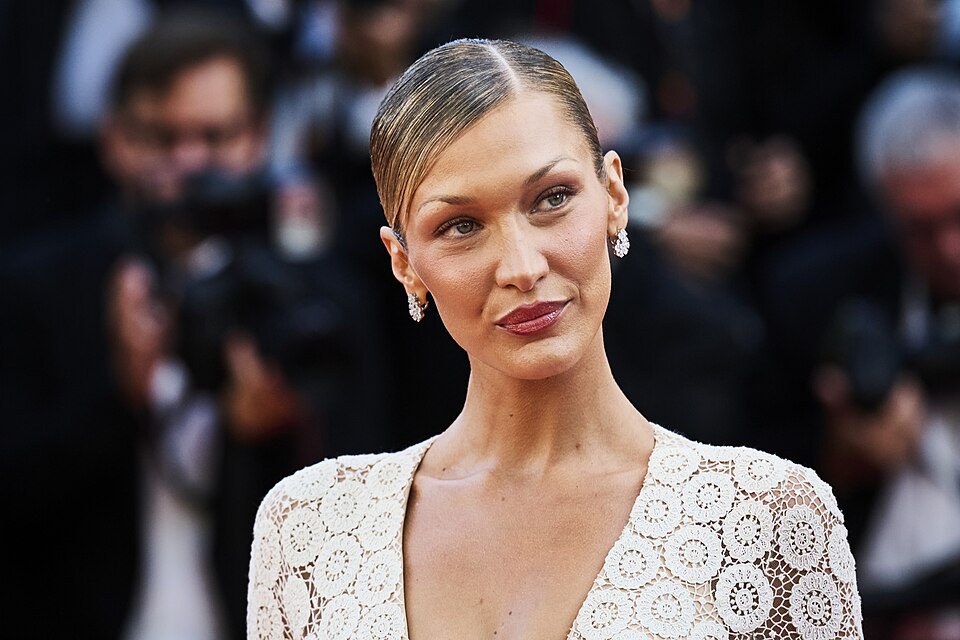
Most people think of models as faces chosen for a season and then quickly replaced by the next one. The industry has always had a reputation for being fast, fickle, and brutal.
But a specific group of fabulous models did something entirely different – they built careers so singular and so culturally charged that the fashion world had no choice but to reshape itself around them.
More Than a Pretty Face
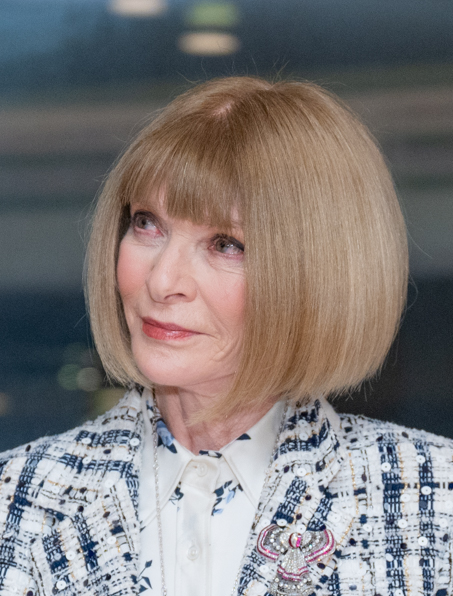
The models who leave a real mark on fashion are rarely just beautiful. They carry a presence and a point of view that makes a designer’s vision feel genuinely alive. That quality is rare. According to Vogue editor Anna Wintour in interviews with The Cut, the difference between a model and an icon is the ability to make every person in the room feel something the moment they walk in.
Naomi Campbell’s Unmatched Reign
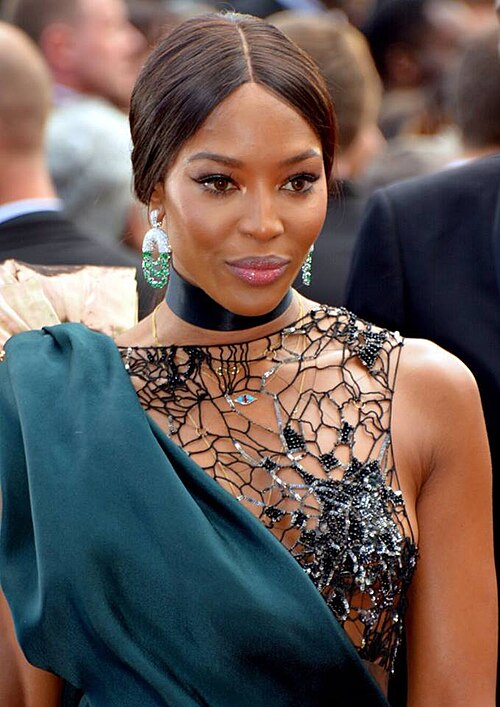
Naomi Campbell’s career began in 1986 when she was discovered at fifteen in London’s Covent Garden, and it has never fully stopped. She walked for every major house and broke racial barriers the industry had kept deliberately in place. She was unstoppable. According to The Guardian, Campbell’s persistence in the face of systemic exclusion forced a reckoning inside fashion that changed who appeared on runways and in campaigns for years to come.
Cindy Crawford Invented the Template
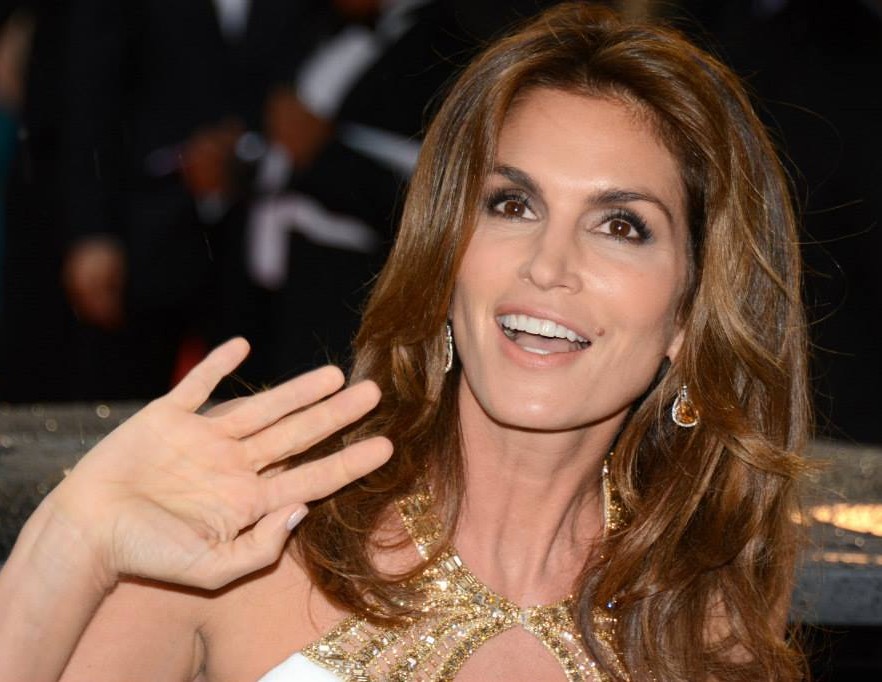
When Cindy Crawford emerged as one of the defining faces of the late 1980s and 1990s, she represented a new kind of model – one as recognizable off the runway as on it. She was a brand. According to fashion historians writing for W Magazine, Crawford’s ability to build a persona extending into television, fitness, and business before social media even existed essentially created the template that celebrity models still follow today.
Tyra Banks Changed the Conversation
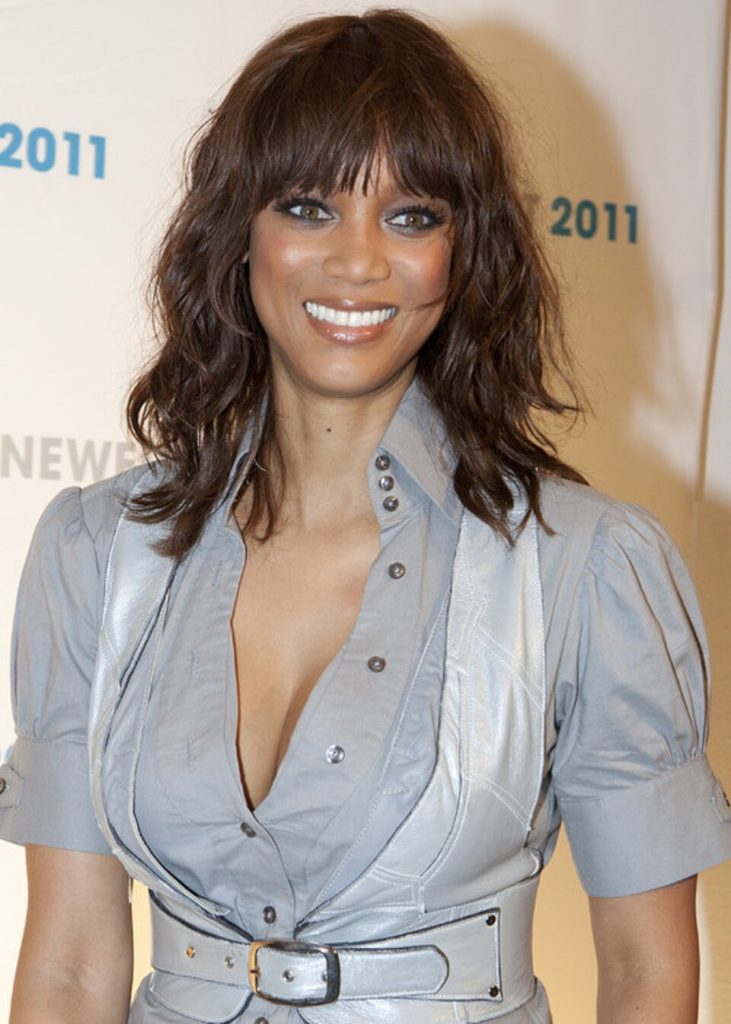
Tyra Banks used her modeling career as the foundation for something far larger – a media empire built on redefining beauty standards publicly and at scale. She was always thinking bigger. According to Forbes, Banks’s decision to launch America’s Next Top Model in 2003 brought the mechanics of the fashion industry to a mass audience for the first time, permanently changing how millions of people understood what modeling actually involved.
The New Wave Rewrote the Rules

The models who emerged in the 2010s brought social media audiences into spaces that once belonged exclusively to fashion insiders. Influence came first. Names including Kendall Jenner, Gigi Hadid, and Bella Hadid built platforms of tens of millions before stepping onto a major runway. According to Business of Fashion, this shift permanently altered the relationship between agencies, luxury brands, and the audiences they were trying to reach.
Diversity Finally Took Center Stage

The push for genuine diversity on runways gained real momentum in the late 2010s, driven by models who refused to stay quiet about exclusion. They made noise. Ashley Graham, Adwoa Aboah, and Paloma Elsesser became public advocates as much as fashion figures. According to Business of Fashion, the years between 2017 and 2022 saw a measurable increase in the representation of different body types and backgrounds on major international runways.
Why These Models Still Matter
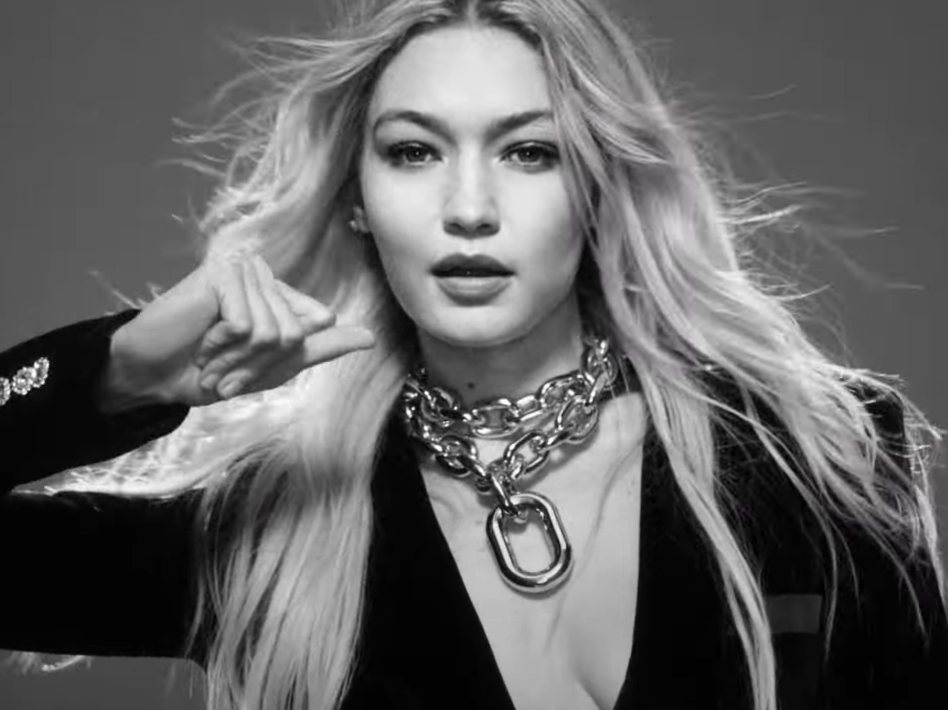
The fabulous models who reshaped the fashion world did not simply sell clothes – they shifted cultural standards, broke down access barriers, and forced one of the world’s most exclusive industries to argue seriously with itself about who belonged inside it. That legacy holds. Their faces and their fights remain reference points for every model, designer, and editor still navigating what fashion is trying to become. This article is for informational and entertainment purposes only.
Featured Image: By Gabriel Hutchinson / WikiPortraits, CC BY-SA 4.0, https://commons.wikimedia.org/w/index.php?curid=192510025
Leave a Reply