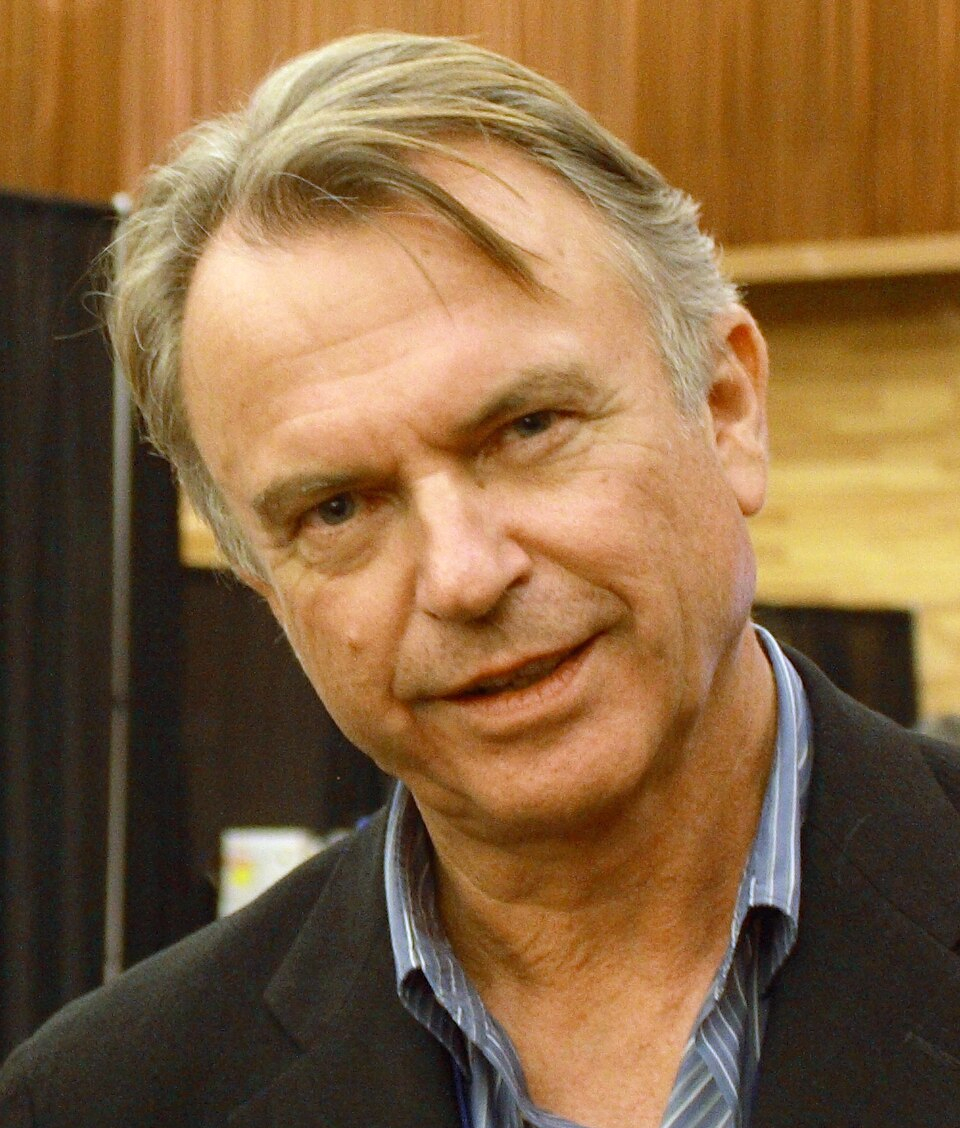
Sam Neill died in Sydney on July 13, 2026, aged 78. His family described his passing as sudden and unexpected, while his representative later confirmed pneumonia as the cause. Neill had overcome a rare blood cancer and remained cancer-free.
Tributes came from filmmakers, co-stars and fans who had followed him for decades. From Jurassic Park to The Piano and Peaky Blinders, his warmth, dry humour and quiet authority made him unforgettable across generations.
Finding Home in New Zealand
Born Nigel John Dermot Neill in Omagh, Northern Ireland, in 1947, he moved to New Zealand with his family at seven. The country became his true home and shaped both his personality and career. He adopted the name Sam during his school years and slowly found confidence through performance. Even after Hollywood success, Neill stayed closely connected to New Zealand, returning between projects and later building a peaceful life in Central Otago.
His First Breakthrough
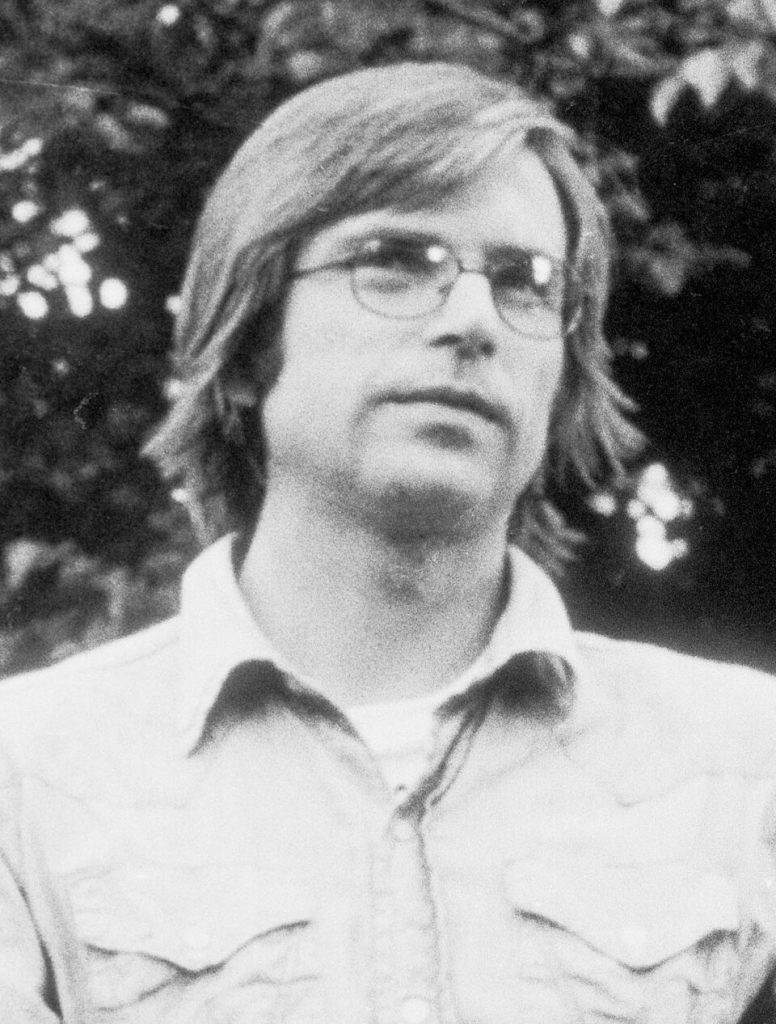
Neill first worked behind the camera at the New Zealand National Film Unit, directing and editing documentaries. His breakthrough arrived with Roger Donaldson’s 1977 political drama Sleeping Dogs. The role revealed the quiet intensity that became one of his signatures and helped introduce him to international audiences. It also placed him at the centre of an important period in New Zealand cinema, when local filmmakers were beginning to reach viewers far beyond the country’s shores.
Never One Type
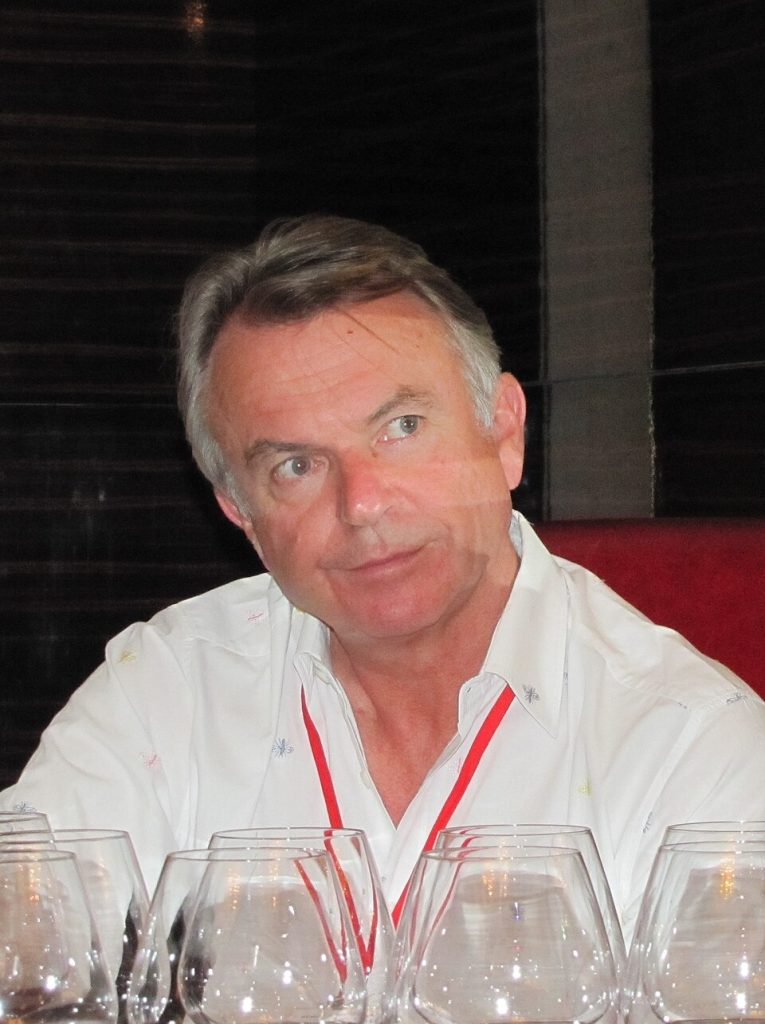
My Brilliant Career brought Neill wider attention, but he never allowed success to trap him in one kind of role. He moved from the disturbing Possession to A Cry in the Dark, Dead Calm and The Hunt for Red October. His composed manner could suggest warmth, danger, authority or emotional distance. That uncertainty made him fascinating to watch. Audiences recognised his calm voice and familiar face, yet his characters could still surprise them completely.
Becoming Alan Grant
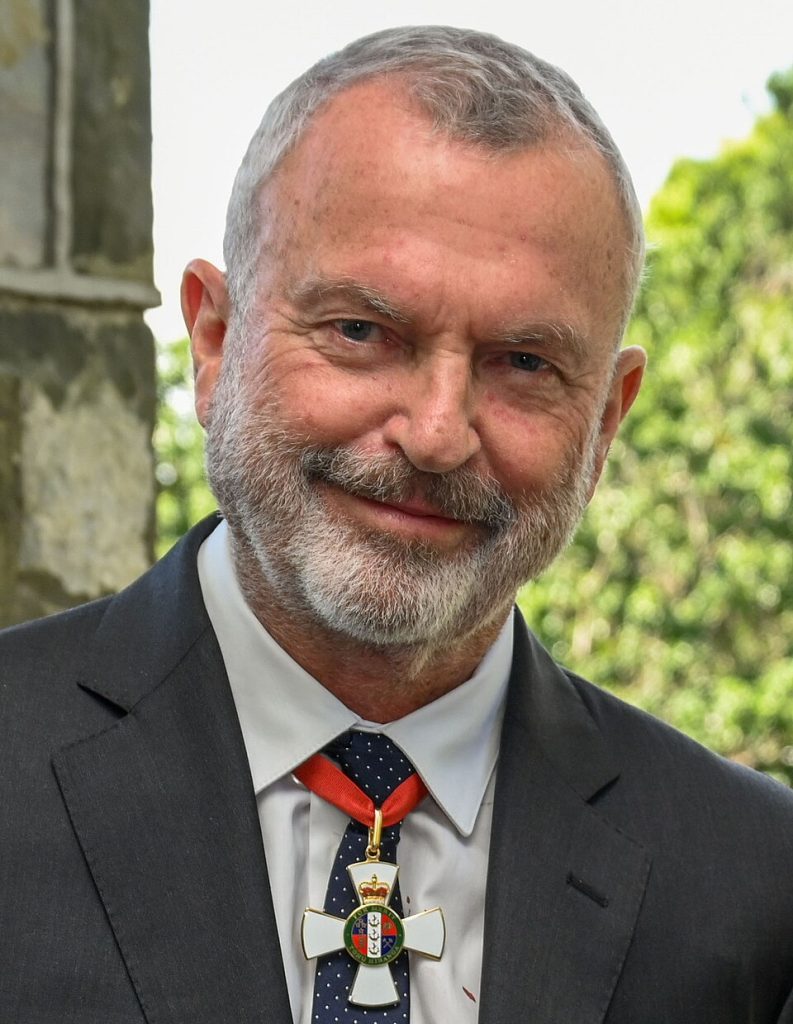
Neill became a global star as paleontologist Dr. Alan Grant in Steven Spielberg’s Jurassic Park. Surrounded by groundbreaking effects and enormous dinosaurs, he gave the film a believable human centre. Grant was knowledgeable but frightened, impatient yet protective, especially as he grew closer to Lex and Tim. Neill returned in Jurassic Park III and Jurassic World Dominion, letting parents share the character with a new generation. For many fans, Alan Grant made science feel heroic.
His Darker Side
In the same year Jurassic Park reached cinemas, Neill played Alisdair Stewart in Jane Campion’s The Piano. The controlling, emotionally distant husband was far removed from the dependable Dr. Grant. That contrast captured Neill’s remarkable range. He could anchor a family blockbuster, then appear in a haunting period drama without seeming out of place. Rather than protecting a heroic image, he embraced uncomfortable and deeply flawed characters whenever the story demanded something darker.
Television Reinvention
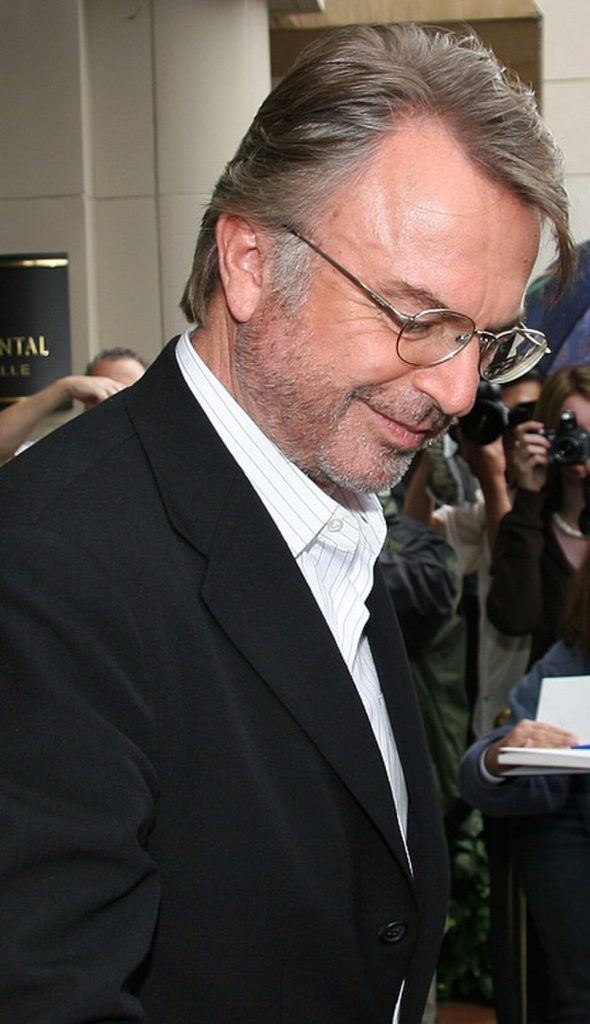
Television gave Neill even more room to reinvent himself. He starred in Reilly, Ace of Spies, played the title role in Merlin, appeared as Cardinal Wolsey in The Tudors and brought menace to Chester Campbell in Peaky Blinders. His performance in Merlin earned an Emmy nomination, while Peaky Blinders introduced him to younger viewers. Across fantasy, history and crime, Neill remained commanding without overpowering the actors around him.
Life at Two Paddocks

Away from film sets, Neill found happiness in New Zealand’s Central Otago region. He founded Two Paddocks in 1993, beginning with a small Pinot Noir vineyard and gradually expanding the family business. His posts from the farm featured animals, changing weather, vineyard life and his unmistakably dry humour. These personal glimpses made him feel unusually approachable. Despite international fame, he appeared most comfortable talking about grapes, rural life and the animals wandering around his property.
Facing Cancer Openly
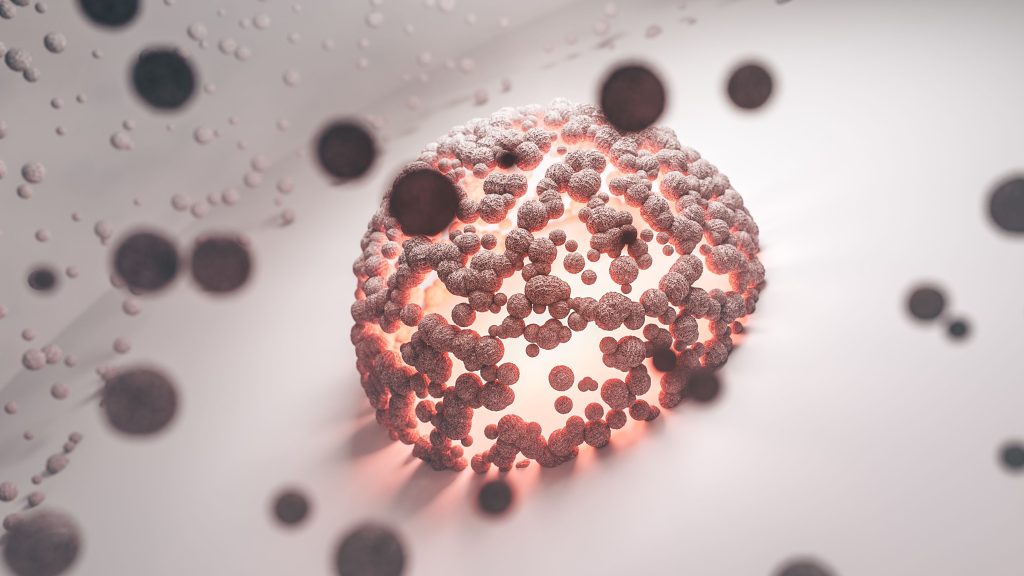
Neill revealed his angioimmunoblastic T-cell lymphoma diagnosis in his 2023 memoir, Did I Ever Tell You This? He began writing while receiving treatment, reflecting on family, friendship and a career filled with unexpected turns. After chemotherapy stopped working, CAR-T therapy helped him become cancer-free. He spoke about illness honestly but resisted letting it define him. Neill kept acting, writing and enjoying his farm, completing four screen projects during the final year of his life.
A Star for Generations
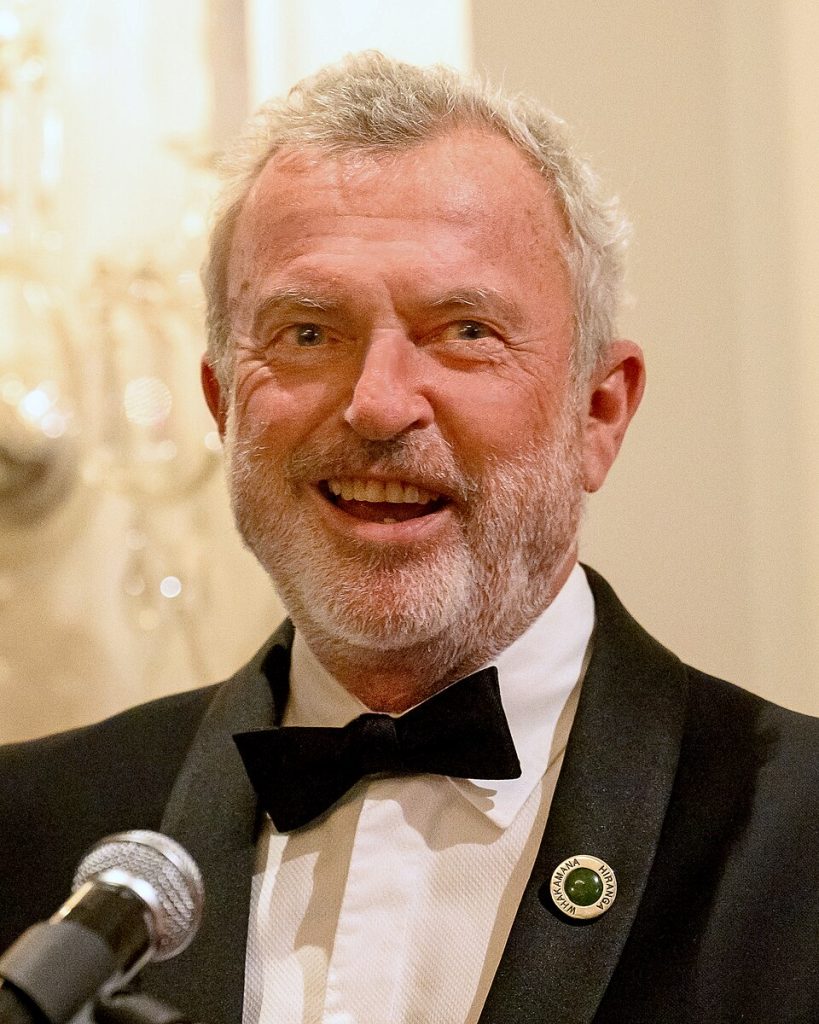
New Zealand recognised Neill’s contribution to acting by redesignating his national honour as a knighthood in 2022. Yet his legacy reaches beyond titles. Some fans remember Jurassic Park; others found him through Possession, Hunt for the Wilderpeople, The Piano or Peaky Blinders. He could be heroic, frightening, funny and vulnerable, often with remarkable ease. Because his work crossed genres and generations, new audiences will continue discovering the quiet warmth and intelligence he brought to the screen.
Featured Image: By sean.koo – Sam Neill, CC BY-SA 2.0, https://commons.wikimedia.org/w/index.php?curid=37893590
Leave a Reply