Category: Entertainment & Media

  • Who Paris Hilton Really Is Beneath the Persona

    Who Paris Hilton Really Is Beneath the Persona

    For most of the 2000s, Paris Hilton was the punchline and the party. She was the heiress with the little dog and the catchphrase, and the world assumed it had her completely figured out.

    But the woman behind that image is far more calculated, more complicated, and more quietly powerful than the character she spent years playing. The real Paris Hilton is nothing like what you think.

    Born Into a Dynasty
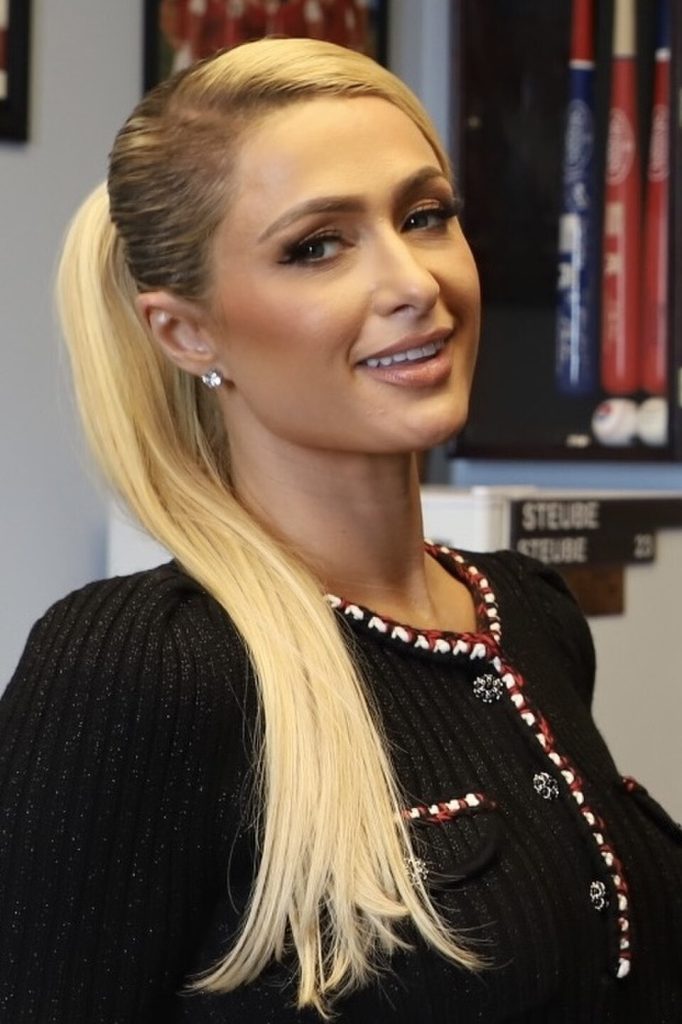
    By Office of Congressman Greg Steube – https://twitter.com/RepGregSteube/status/1451579098606620673, Public Domain, https://commons.wikimedia.org/w/index.php?curid=112088903

    Paris Whitney Hilton was born in New York City in 1981, the eldest daughter of Richard Hilton and Kathy Richards. Growing up inside one of America’s most famous hotel families meant her childhood was anything but ordinary. She moved between luxury hotels in multiple cities before her family settled in Beverly Hills, where she first encountered the social world that would define the next two decades of her life.

    The Making of a Character
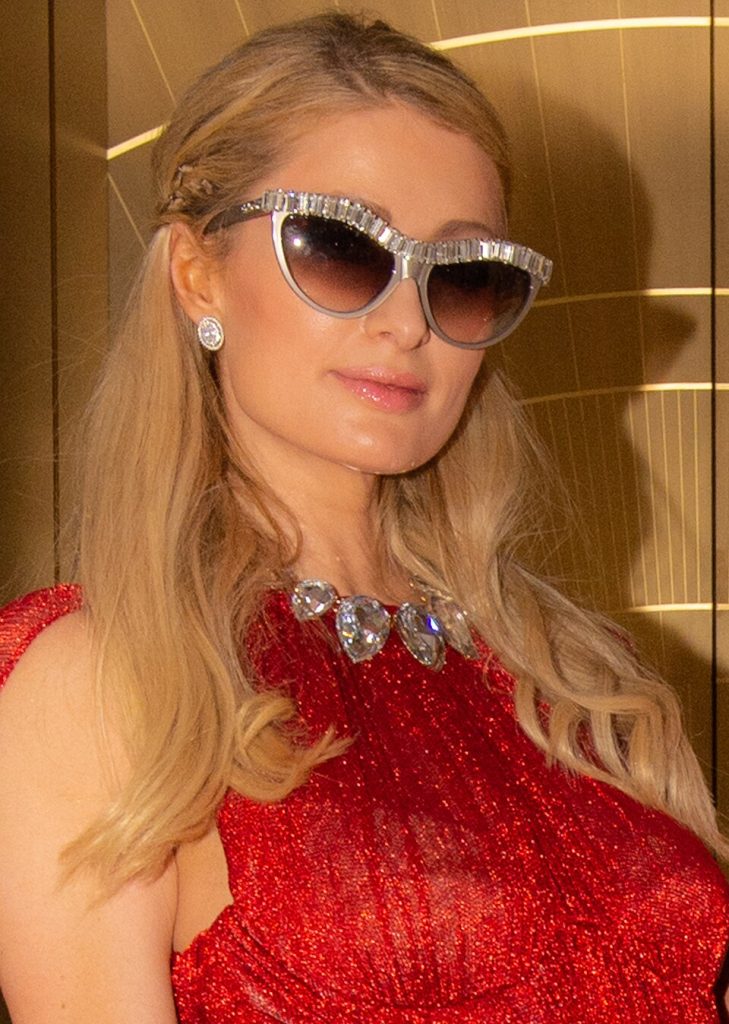
    By Gil Zetbase, CC BY-SA 4.0, https://commons.wikimedia.org/w/index.php?curid=91638831

    By her late teens, Paris had already grasped something most people her age did not understand. She understood that fame was a product. She crafted the ditzy, breathless persona deliberately, according to multiple interviews she gave later in life. It worked. That character became one of the most recognizable in early reality television history.

    The Show That Changed Everything
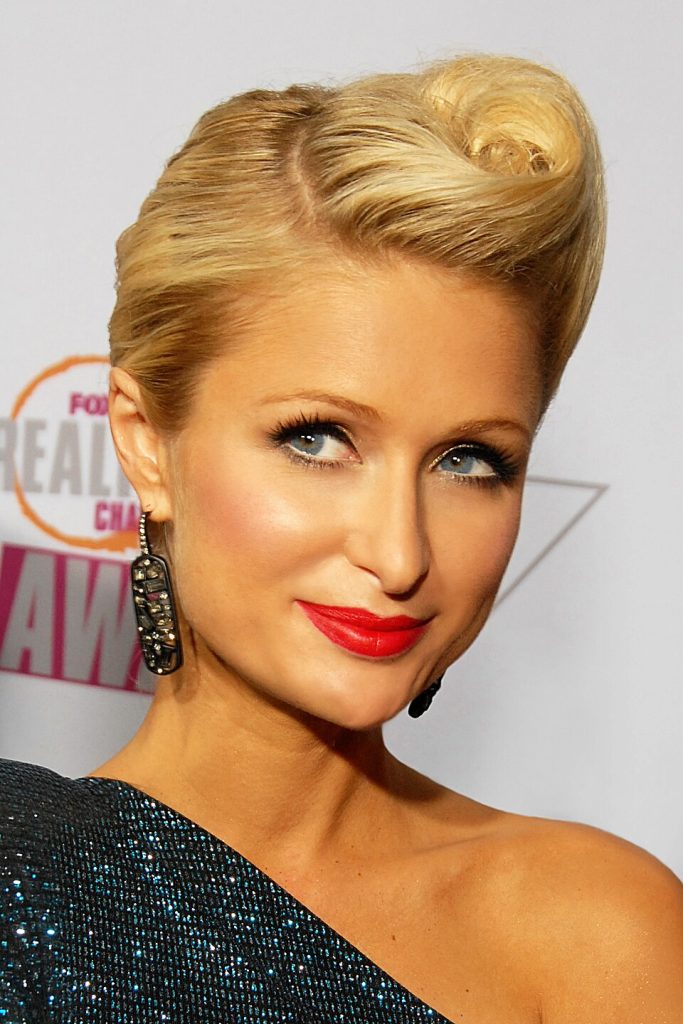
    By Toglenn – Own work, CC BY-SA 4.0, https://commons.wikimedia.org/w/index.php?curid=16380045

    The Simple Life, which premiered on Fox in 2003, made Paris Hilton inescapable. Paired with childhood friend Nicole Richie, the show placed them in working-class situations they were hilariously unprepared for. It was a ratings hit. But behind the scenes, Paris was already licensing her name, building a perfume empire, and signing deals that had nothing to do with television.

    A Business Mind Nobody Credited
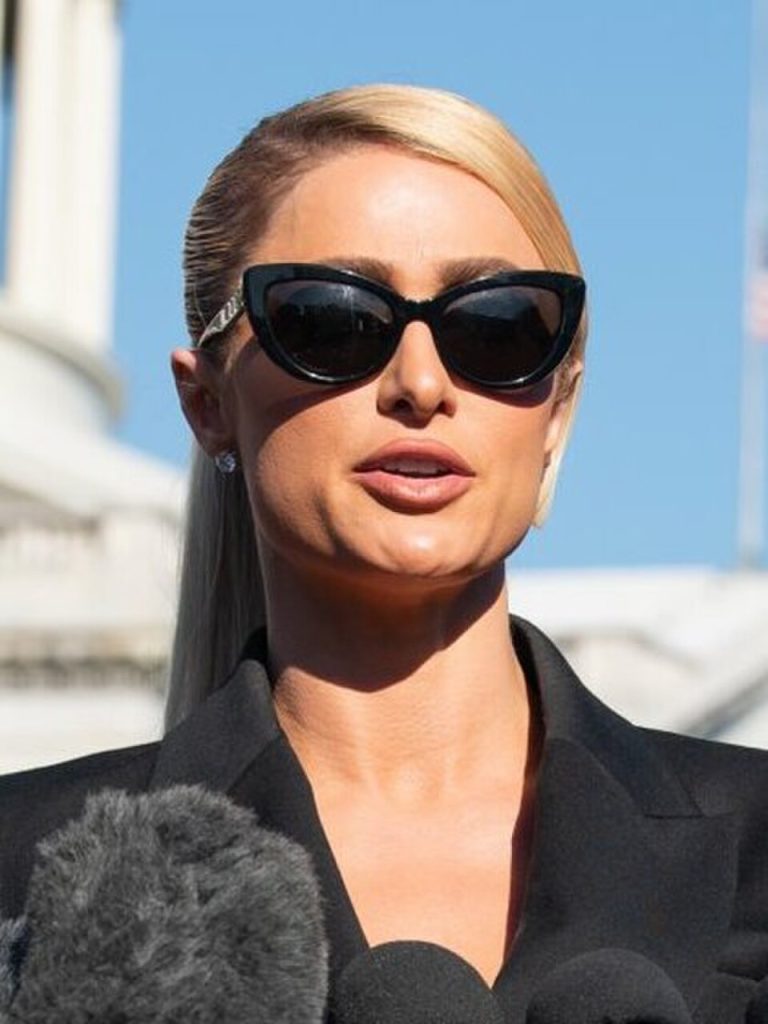
    By Office of Congressman Ro Khanna – https://twitter.com/RepRoKhanna/status/1450923635124932612, Public Domain, https://commons.wikimedia.org/w/index.php?curid=132153575

    According to Forbes, Paris Hilton had generated over $2 billion in revenue from her product lines by the mid-2010s. She held over 50 product licenses at her peak. She was a DJ performing in Ibiza when it was not yet cool for celebrities to DJ. She was doing what influencers do now, fifteen years before the word influencer existed. Nobody gave her credit for any of it.

    The Moment She Spoke the Truth
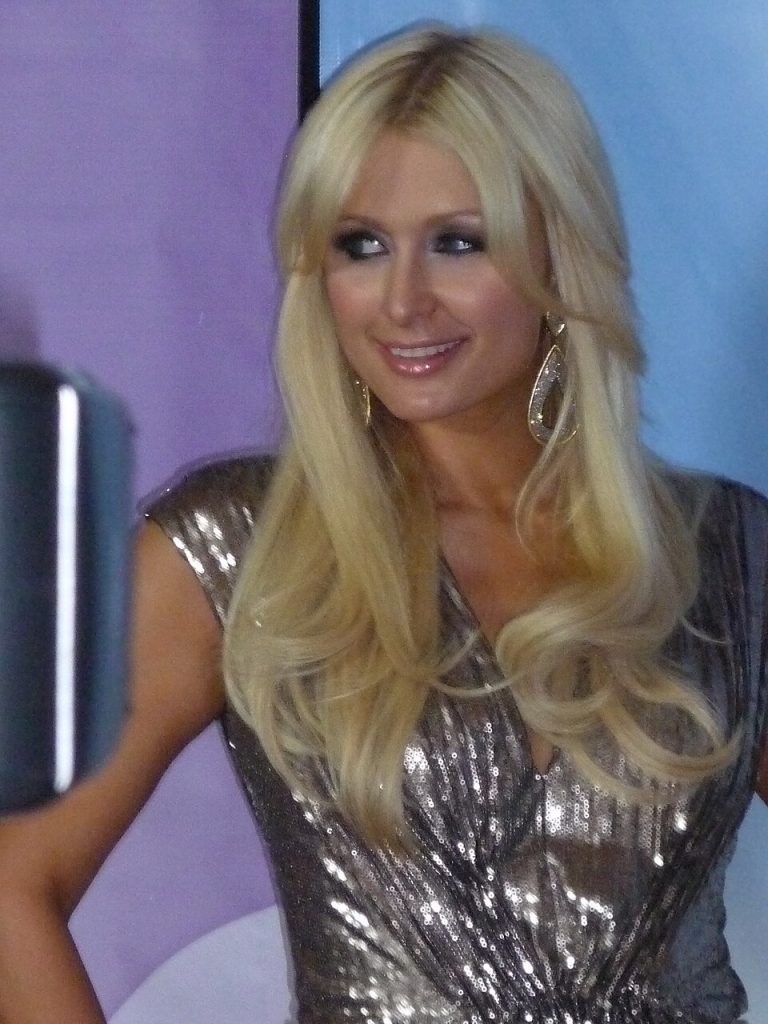
    By https://www.flickr.com/photos/greginhollywood – https://www.flickr.com/photos/greginhollywood/5354712995/, CC BY 2.0, https://commons.wikimedia.org/w/index.php?curid=79582462

    In 2020, Paris released a documentary called This Is Paris that changed the way many people saw her. In it, she spoke publicly for the first time about the abuse she says she experienced at Provo Canyon School, a residential treatment facility in Utah she was sent to as a teenager. It was devastating to watch. The response was unlike anything in her career.

    Using Her Voice to Change the Law

    By Peter Schäfermeier of Universal Photo, Retouched by AM – Self-photographed, CC BY-SA 3.0, https://commons.wikimedia.org/w/index.php?curid=2046899

    After the documentary, Paris Hilton became a prominent advocate for stronger oversight of residential youth treatment programs in the United States. In 2021, she testified before Utah lawmakers and supported state-level reforms aimed at protecting children in such facilities.

    In June 2024, Hilton testified before the U.S. House Ways and Means Committee and called for federal action. Later that year, Congress passed the bipartisan Stop Institutional Child Abuse Act, which introduced greater federal coordination, reporting and transparency concerning abuse and neglect in residential youth programs. The legislation was signed into law in December 2024.

    Hilton’s advocacy marked a significant expansion of her public role, transforming deeply personal experiences into sustained efforts toward policy reform.

    Love, Motherhood, and a New Chapter
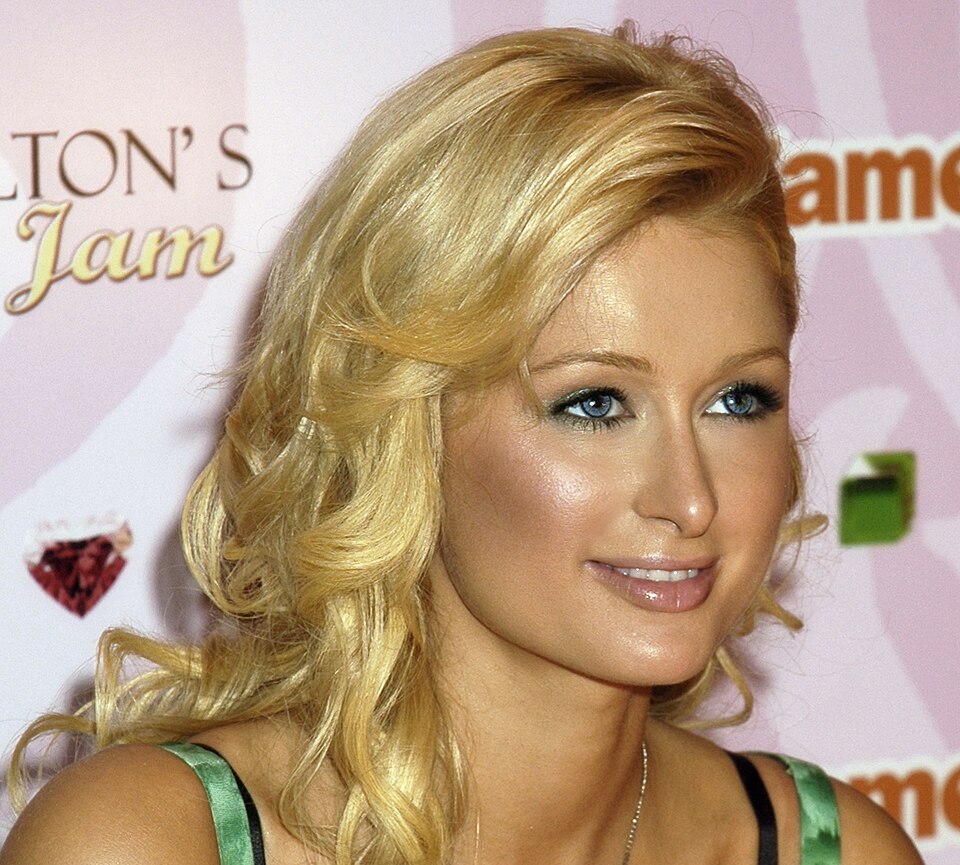
    By Paris_Hilton_3.jpg: Photo by Glenn FrancisGlenn Francisderivative work: Richardprins (talk) – Paris_Hilton_3.jpg, CC BY-SA 3.0, https://commons.wikimedia.org/w/index.php?curid=11515852

    Paris married venture capitalist Carter Reum in November 2021 in a three-day celebration covered widely across entertainment media. The couple welcomed their first child via surrogate in 2023. Paris has spoken openly about what motherhood means to her after years of keeping her personal life locked behind the persona she performed. Something in her had shifted, and it showed.

    The Real Paris Hilton
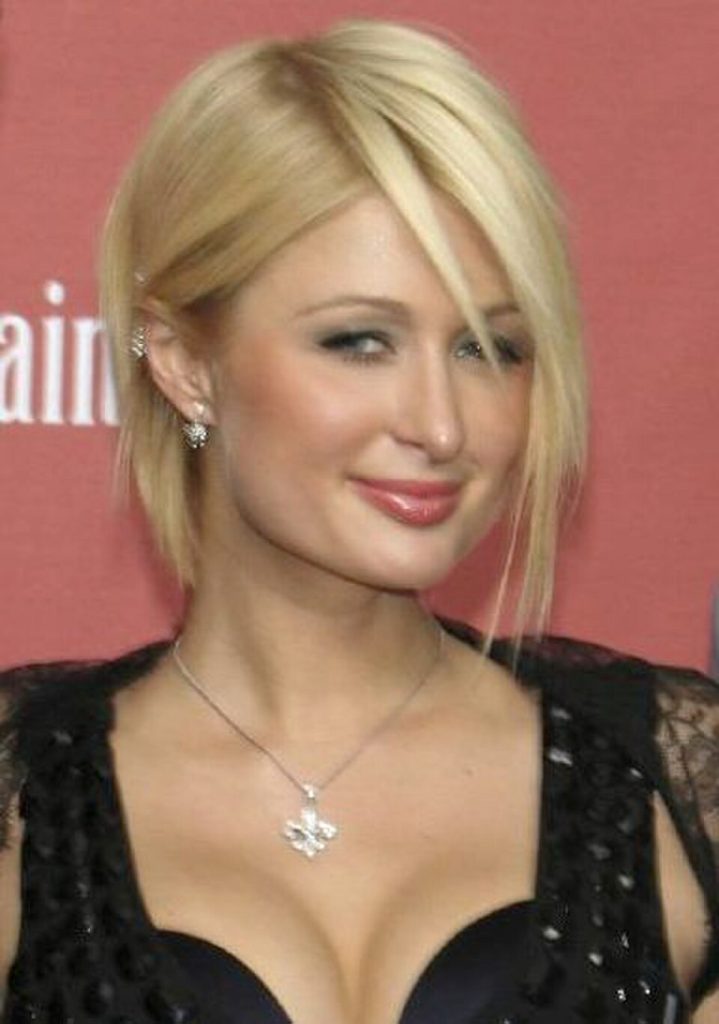
    By pinguino k from North Hollywood, USA – https://www.flickr.com/photos/44159829@N00/1867332923/This is a retouched picture, which means that it has been digitally altered from its original version. Modifications: cutted out from this image., CC BY 2.0, https://commons.wikimedia.org/w/index.php?curid=3070017

    What emerges when you look at the whole picture is a woman who was misread for decades. She was smarter than her character. She was braver than her image. And she did more quiet, meaningful work than most people who claimed to take life seriously ever managed. Paris Hilton was always in on the joke. She was just the only one who knew how it ended. This article is for informational and entertainment purposes only.

    Featured Image: By Julie Tyrer – https://www.flickr.com/photos/julietyrer/17629902851, CC BY 2.0, https://commons.wikimedia.org/w/index.php?curid=46296552
  • The Transformation of Adrien Brody That Hollywood Didn’t See Coming

    The Transformation of Adrien Brody That Hollywood Didn’t See Coming

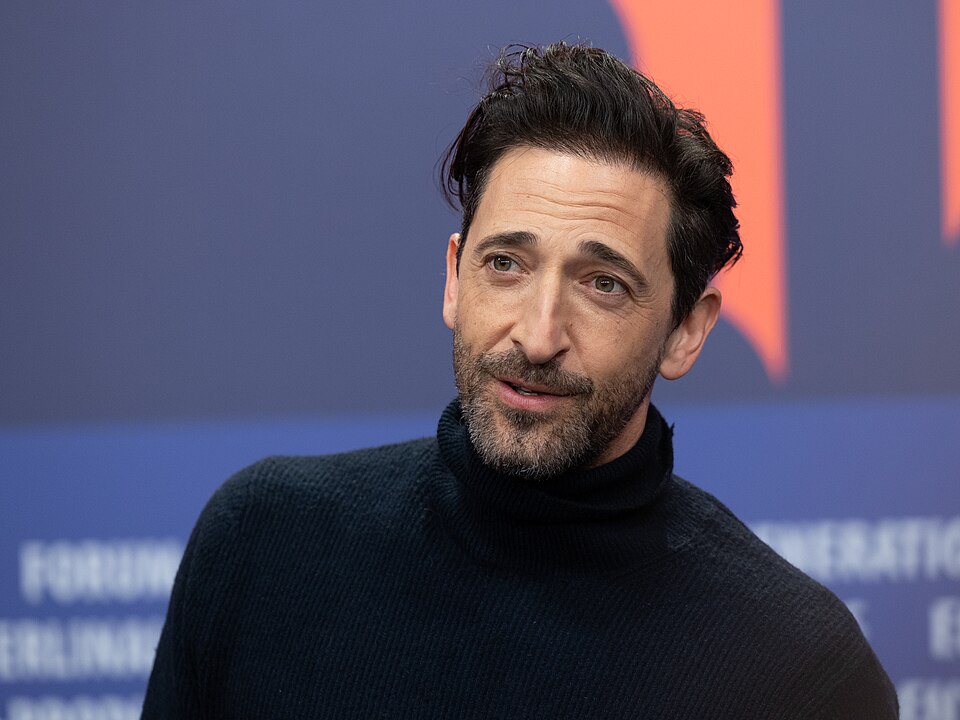
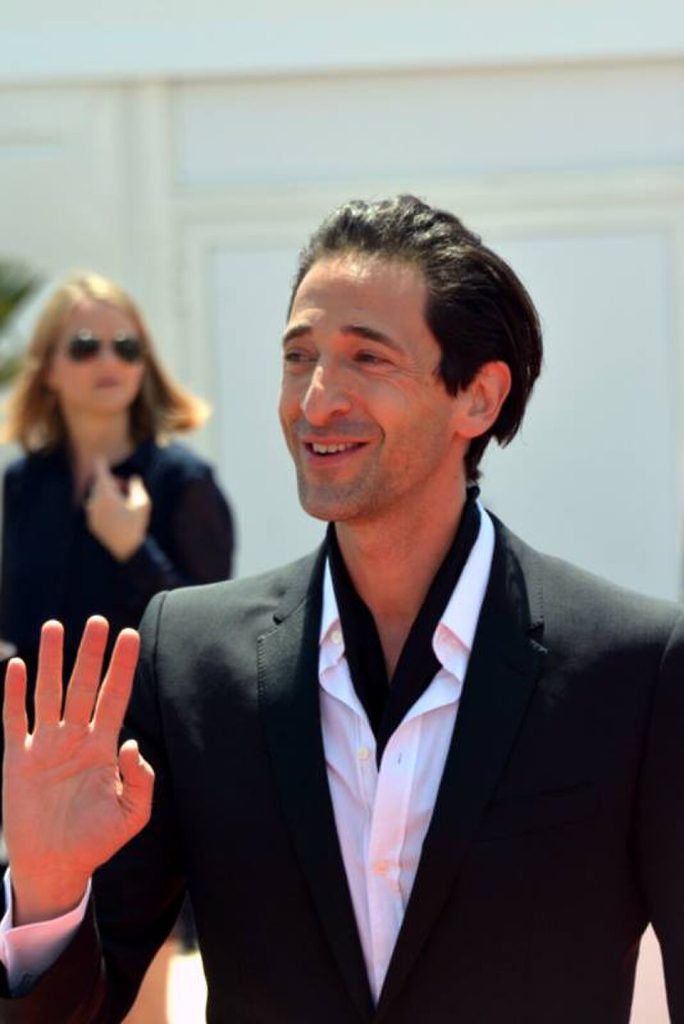
    Adrien Brody became internationally famous after winning the Academy Award for The Pianist, but his career did not follow a simple upward path. He continued working across studio films, independent cinema, television and collaborations with filmmakers such as Wes Anderson, even when the roles did not always attract the same attention as his Oscar-winning performance.

    Over time, Brody expanded beyond the image of a solemn dramatic lead. He took on eccentric supporting characters, prestige television roles, visual art and eventually another major awards comeback with The Brutalist. His career is less a story of disappearing and reinventing himself than one of steadily exploring different kinds of work.

    The Boy From Queens

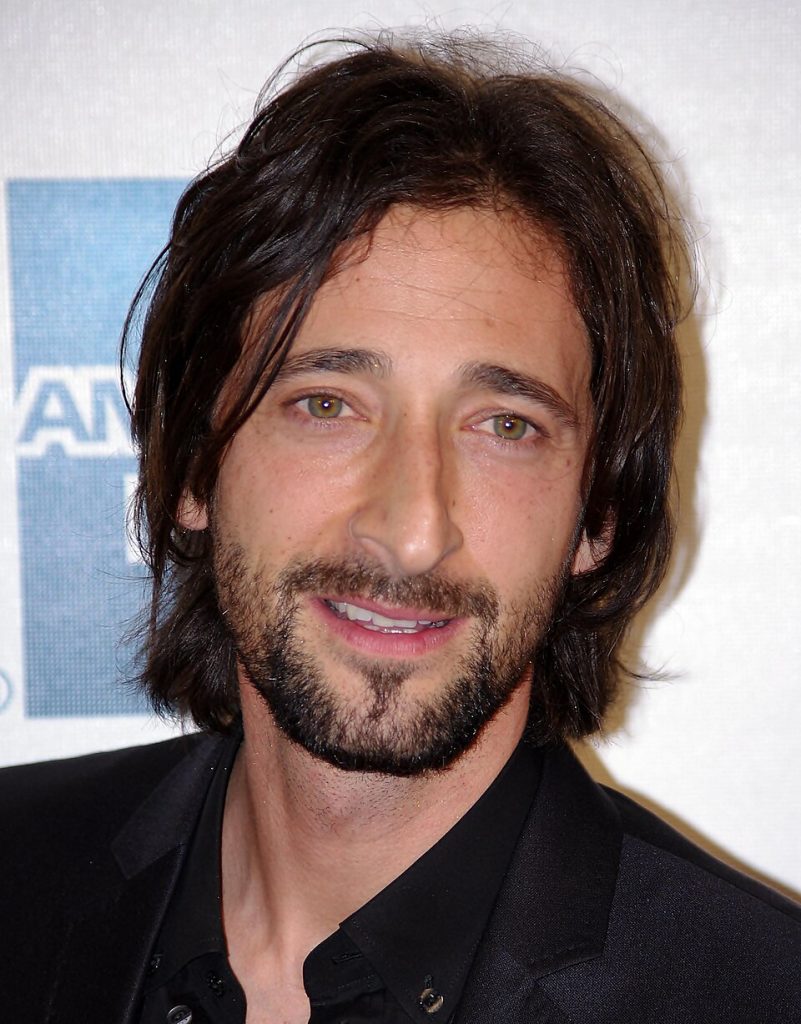
    By Georges Biard, CC BY-SA 3.0, https://commons.wikimedia.org/w/index.php?curid=59740150

    Adrien Brody grew up in Woodhaven, Queens, as the only child of photographer Sylvia Plachy and history professor and self-taught painter Elliot Brody. As a child, he performed magic at birthday parties under the name “The Amazing Adrien,” an early experience that helped introduce him to performing.

    He later pursued acting as a teenager and gradually built a career through unusual, psychologically complex roles. Rather than claiming that he deliberately searched for characters outside the world in which he grew up, it is more accurate to say that Brody became known for choosing distinctive characters across independent films, studio productions and television.

    A Career Built on Risks

    By David Shankbone – This image has been extracted from another file, CC BY 3.0, https://commons.wikimedia.org/w/index.php?curid=19222175

    Before The Pianist, Brody spent years taking roles other actors passed on. He played outcasts, misfits, and quiet men with complicated inner lives. None of them made him famous. But each one sharpened him into something rare, and the industry was slowly starting to pay attention to what he was building.

    The Role That Broke Him Open

    By Bryan Berlin – Own work, CC BY-SA 4.0, https://commons.wikimedia.org/w/index.php?curid=176539752

    Preparing to play Wladyslaw Szpilman in The Pianist required Brody to lose 30 pounds, give up his apartment, and sell his car. He also learned to play Chopin on the piano. He gave everything. When he won the Academy Award in 2003 at just 29 years old, he became the youngest Best Actor winner in Oscar history, according to the Academy of Motion Picture Arts and Sciences.

    The Years That Followed

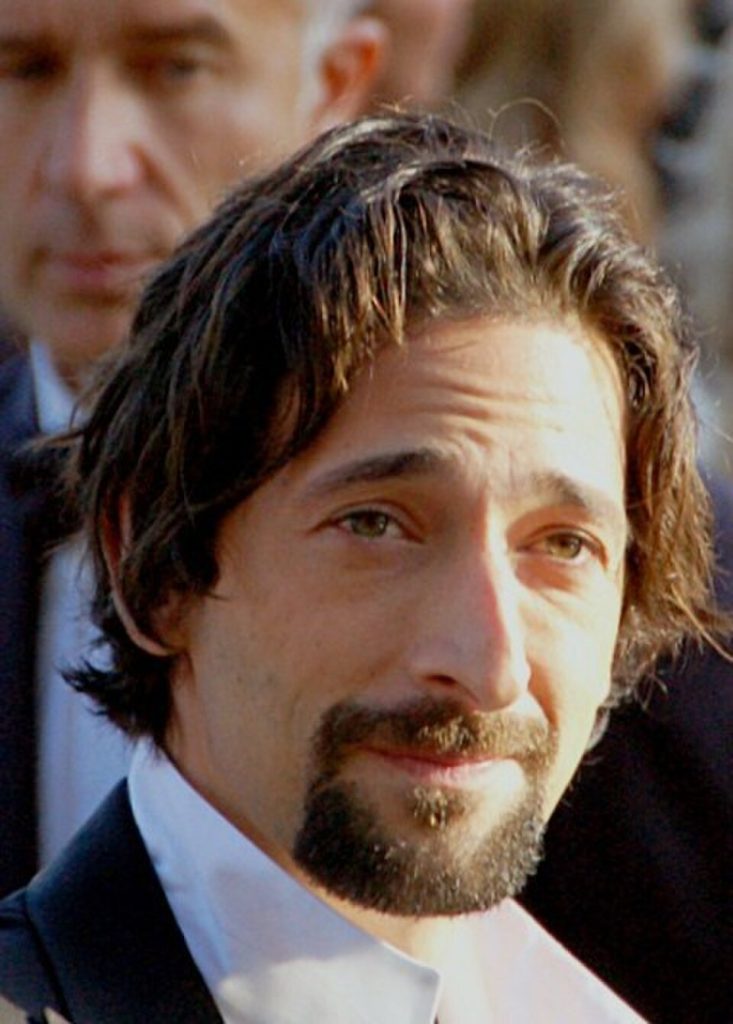
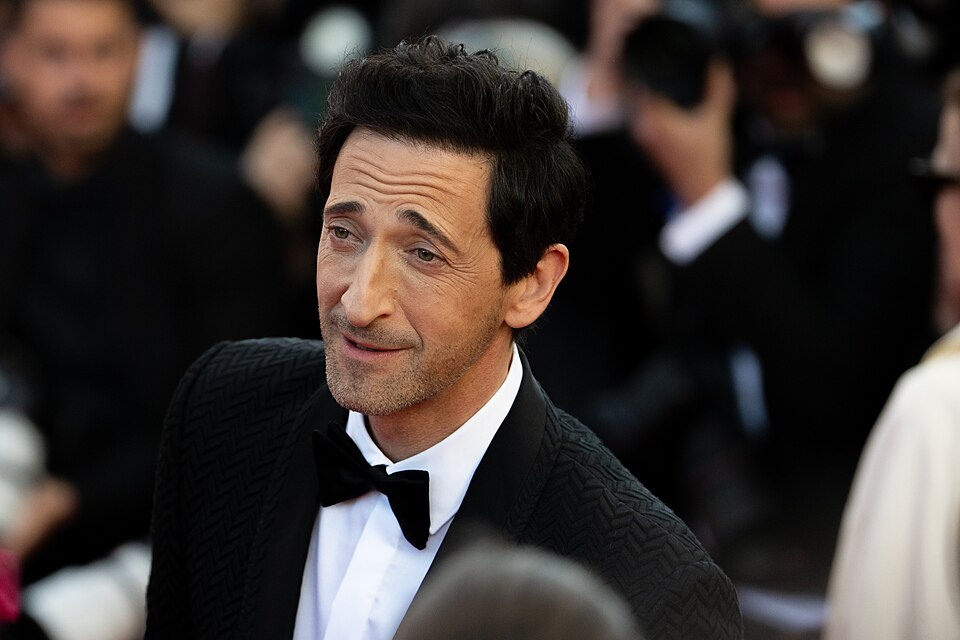
    By Georges Biard, CC BY-SA 3.0, https://commons.wikimedia.org/w/index.php?curid=14299625

    After the Oscar, something unexpected happened. Brody did not chase blockbusters or awards-bait films. He took strange, smaller roles and worked with international directors most American audiences had never heard of. Critics were puzzled. But what looked like a career losing direction was actually something more deliberate than anyone realized.

    A Different Kind of Leading Man

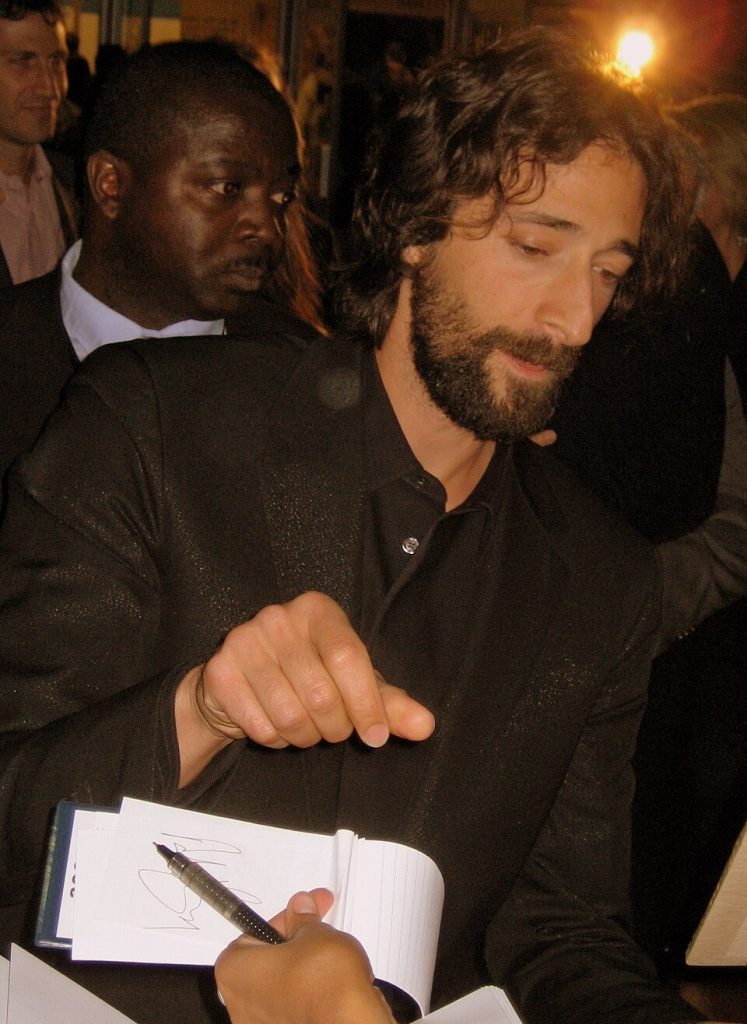
    By Tony Shek – Adrien Brody, CC BY-SA 2.0, https://commons.wikimedia.org/w/index.php?curid=19316249

    Brody resurfaced in Wes Anderson’s The Grand Budapest Hotel, in Succession creator Jesse Armstrong’s projects, and in Succession-era prestige television that reminded audiences what he could do. He played villains, eccentrics, and moral ghosts with equal ease. He was unpredictable. That quality, it turned out, was his greatest asset as an actor.

    The Artist Behind the Actor

    By YantsImages – Own work, CC BY-SA 4.0, https://commons.wikimedia.org/w/index.php?curid=166572622
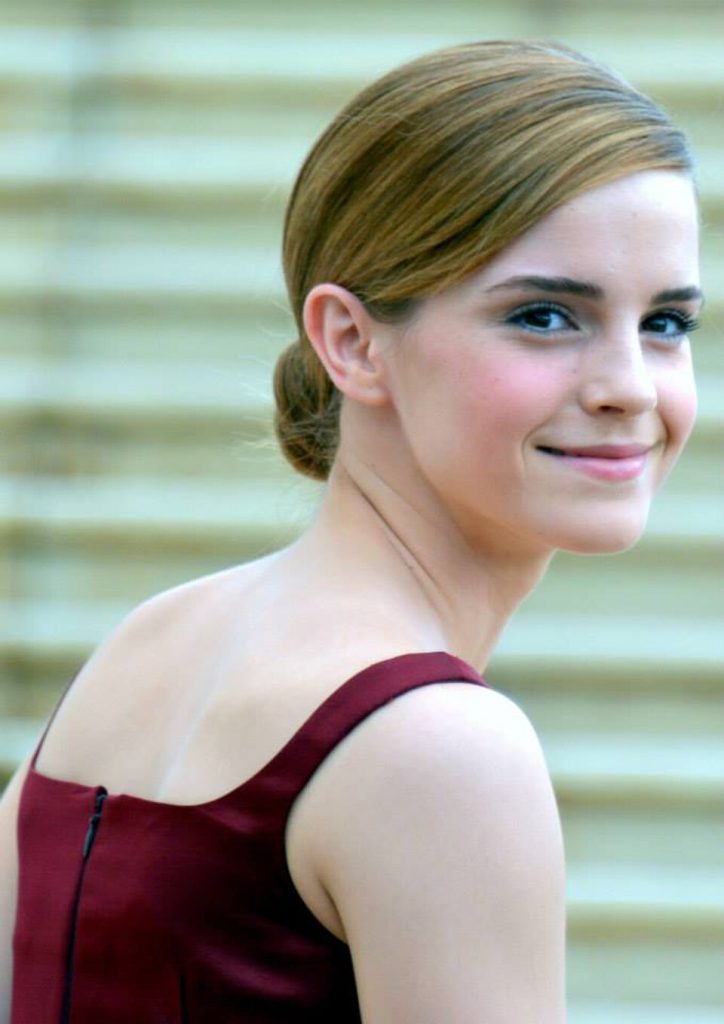
    Away from cameras, Brody paints. He has exhibited artwork internationally and has spoken at length about how visual art shapes the way he inhabits characters. According to an interview with Esquire, he approaches acting the way a painter approaches a canvas — by stripping everything back before building something new. That philosophy explains a great deal about the choices he has made.

    Still Surprising Everyone

    By GabboT – Adrien Brody03, CC BY-SA 2.0, https://commons.wikimedia.org/w/index.php?curid=45375089

    Brody’s performance in The Brutalist brought him back to the center of awards attention more than two decades after his victory for The Pianist. In March 2025, he won his second Academy Award for Best Actor, giving him two wins from two nominations in the category.

    The achievement marked a major new chapter in a career that had continued across independent films, studio productions, television and visual art. Rather than disappearing from the industry, Brody spent years taking varied roles before returning with another Oscar-winning performance.

    This article is for informational and entertainment purposes only.

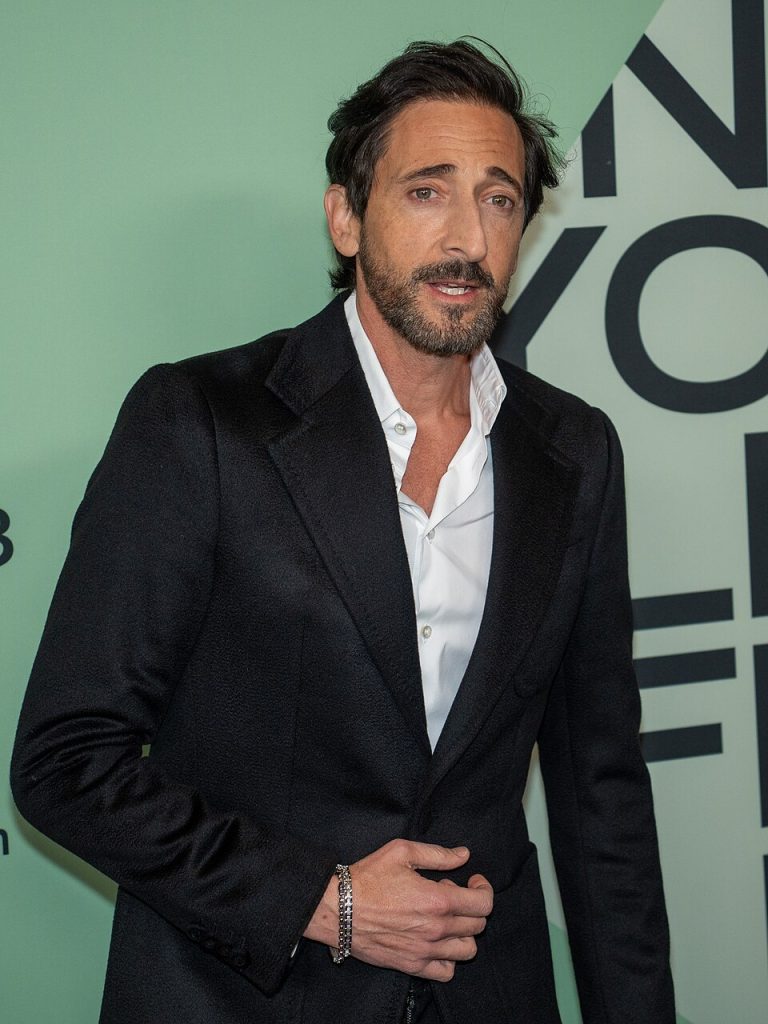
    Featured Image: By Harald Krichel – Own work, CC BY-SA 3.0, https://commons.wikimedia.org/w/index.php?curid=131327441

  • How A Harsh Childhood Shaped Young Tom Cruise

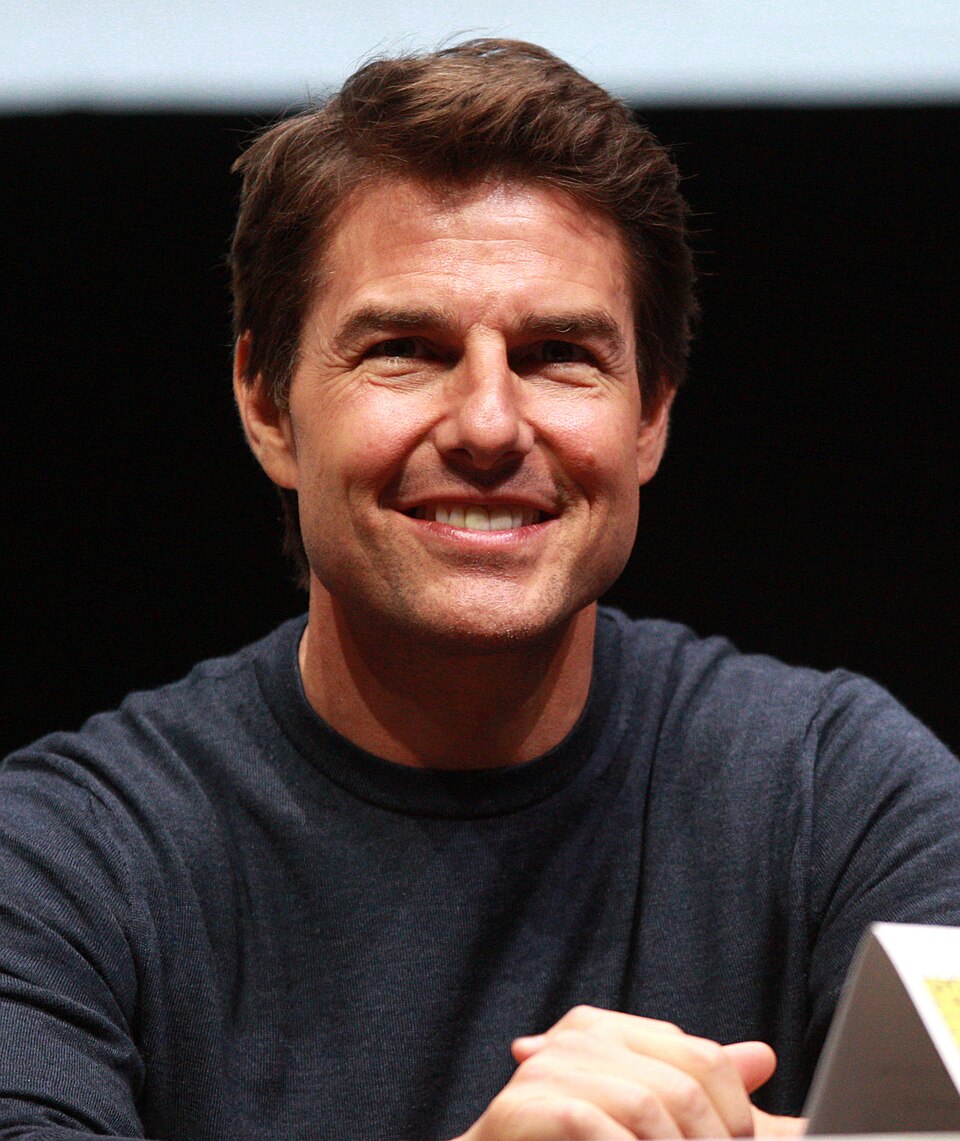
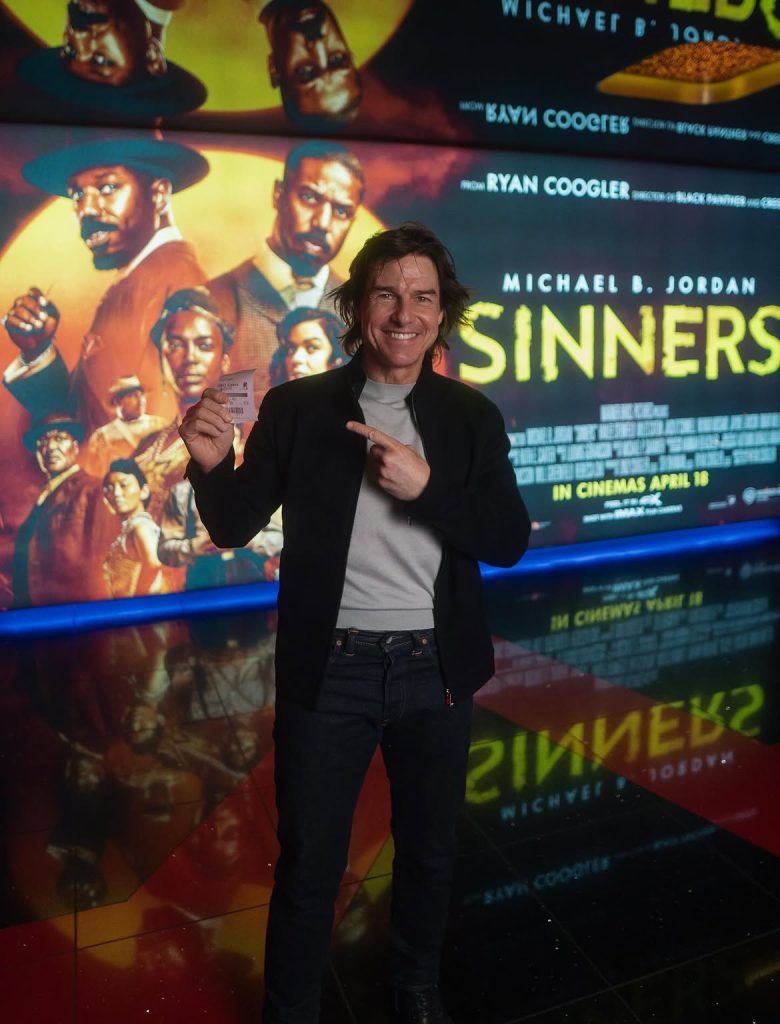
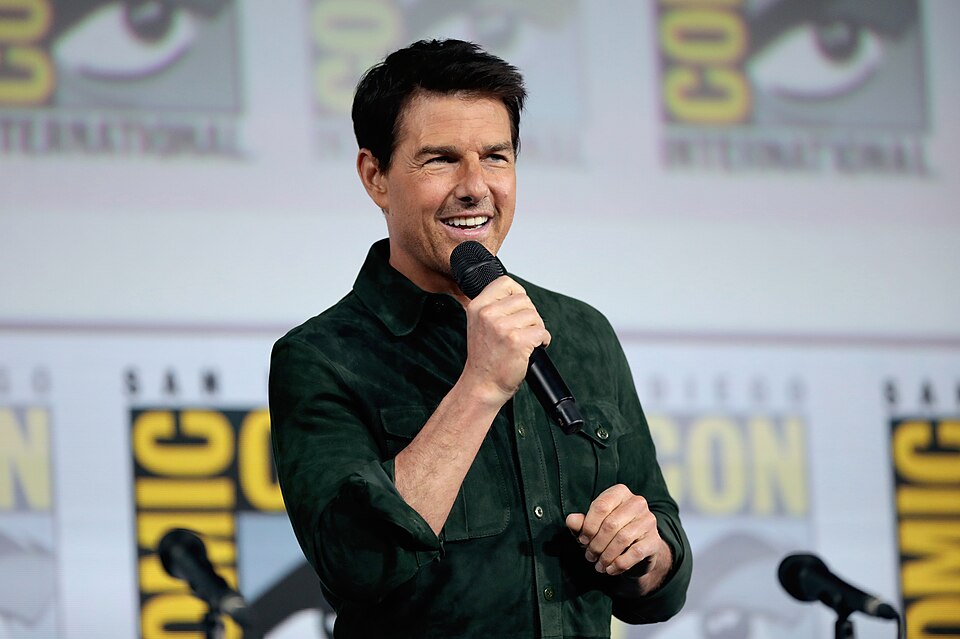
    How A Harsh Childhood Shaped Young Tom Cruise

    Most fans assume Tom Cruise was born with the perfect charm and confidence of a blockbuster star. We watch his early films and believe his path to success was completely effortless.

    But his early years were actually defined by intense financial struggle and family chaos. He had to run from a difficult home life long before he ran on screen.

    Running From Family Chaos

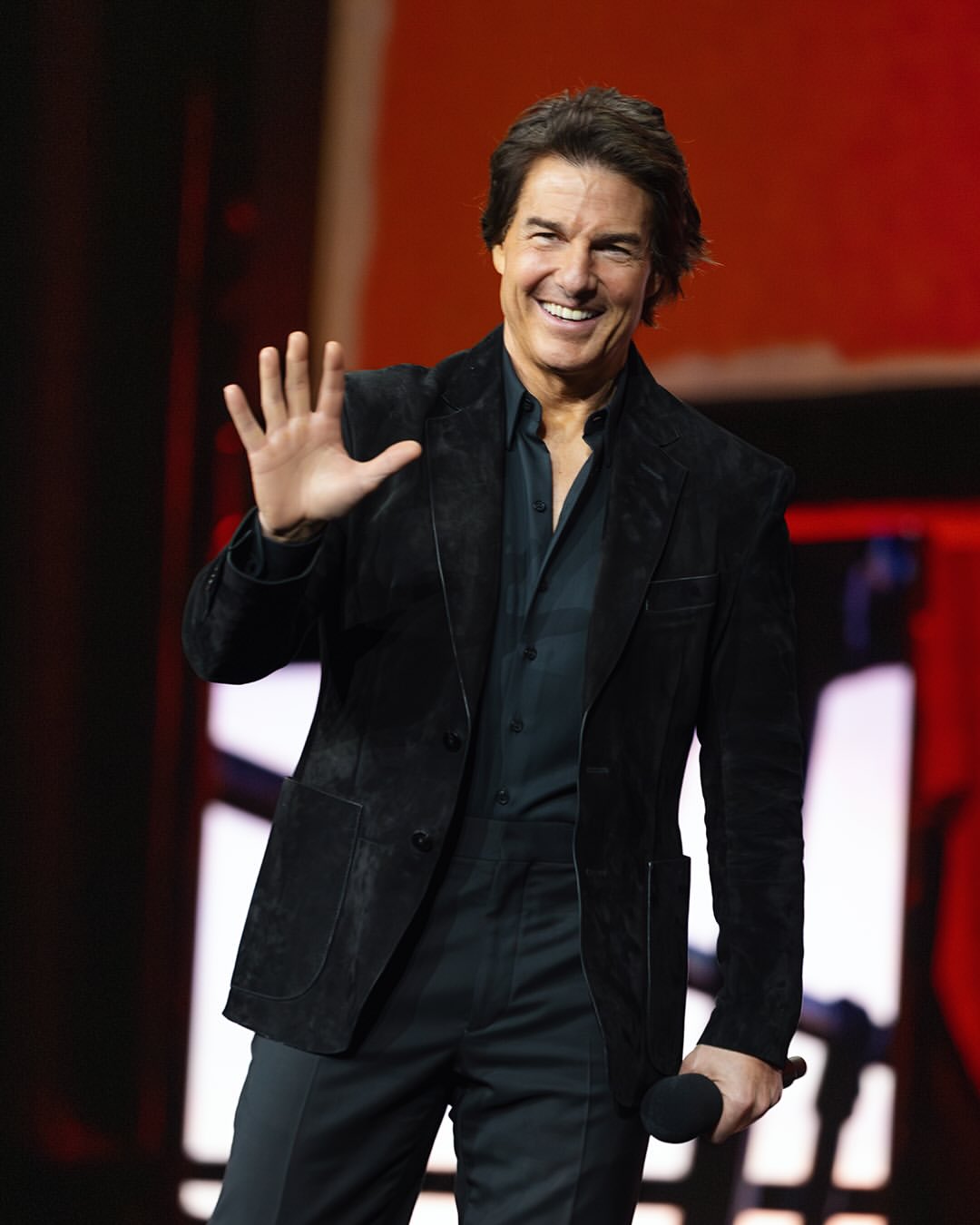
    Source: wikimedia commons

    Young Tom grew up moving constantly between cities while dealing with a deeply unstable household. He had to learn how to adapt to new schools and make friends instantly. He felt completely alone. According to a childhood profile in People, his early family life was filled with fear and unpredictable behavior. But a surprising spiritual path would soon offer him a temporary escape.

    The Quiet Seminary Years

    instagram.com/tomcruise

    As a teenager Tom seriously considered becoming a Catholic priest and even entered a seminary school. He found a temporary sense of order in the quiet routines of spiritual study. The peace was brief. According to reports in Us Weekly, he eventually realized his true calling lay in a very different type of performance. Yet walking away from the church would lead him to another massive risk.

    Chasing The Hollywood Dream

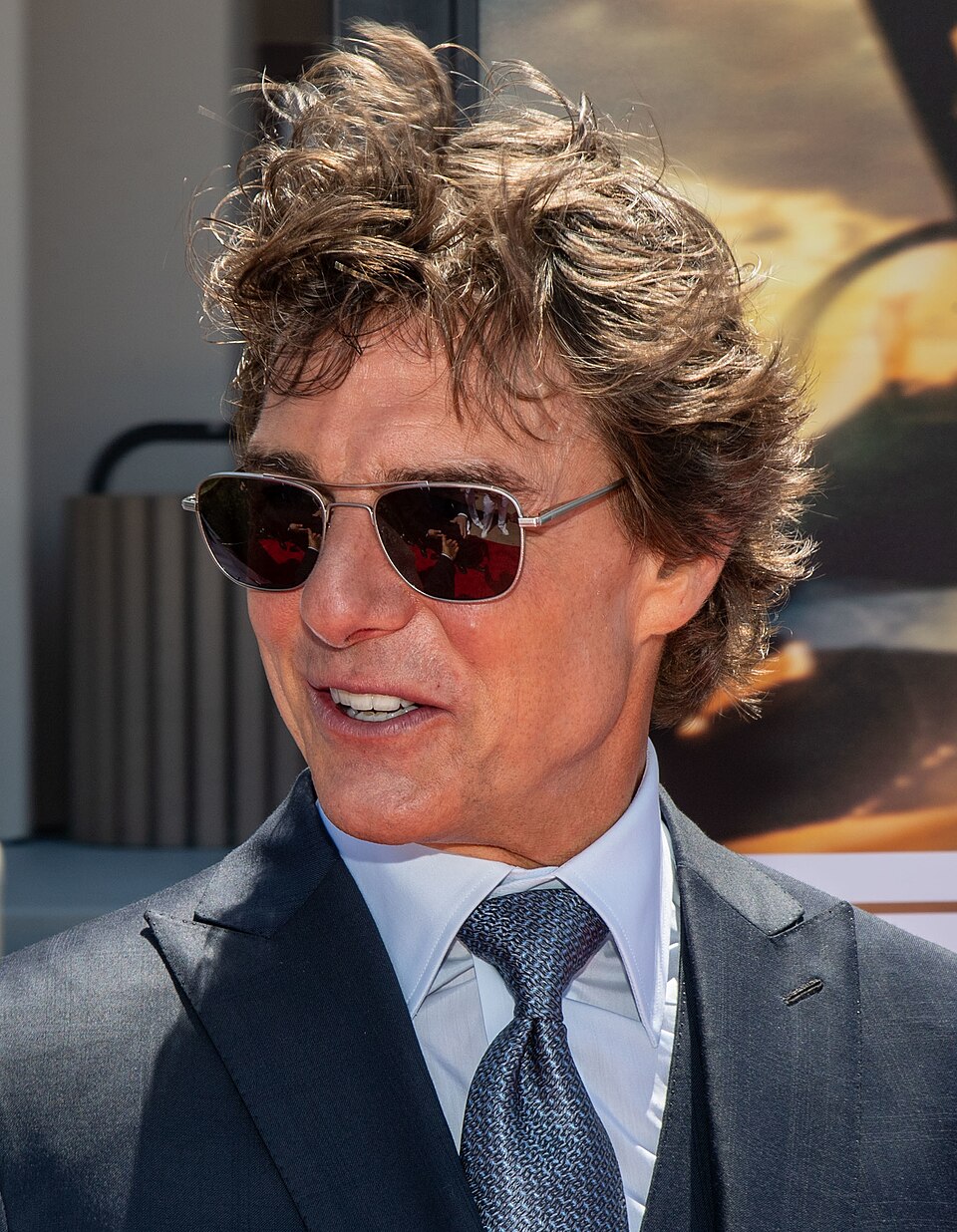
    Source: wikimedia commons

    Tom moved to New York with no money and worked as a busboy to support his early auditions. He spent his nights studying scripts and practicing his delivery in a small apartment. His drive was unmatched. According to a retrospective by Variety, his raw energy and intense focus immediately stood out to casting directors. But his first major movie role would test his limits.

    The Risky Business Breakthrough

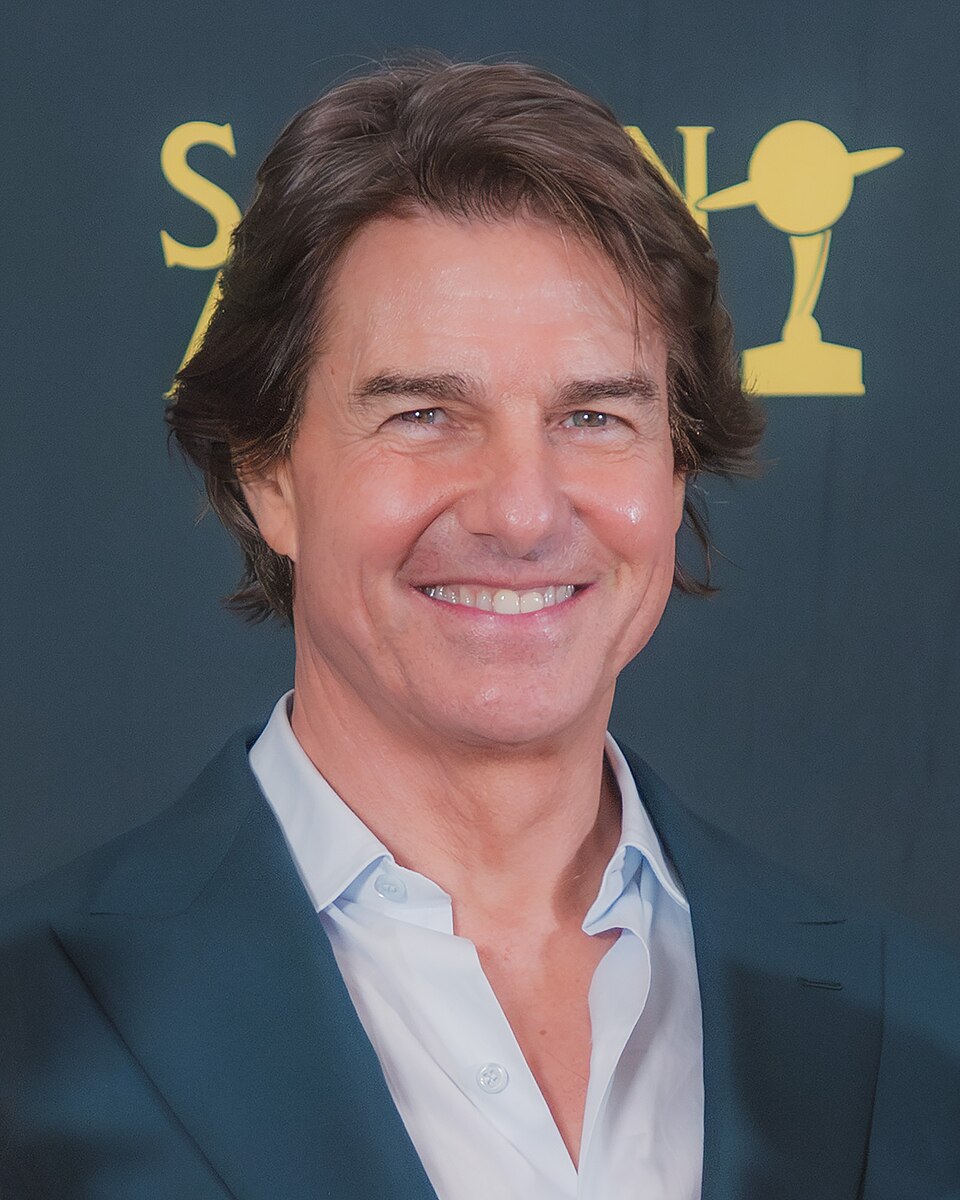
    Source: wikimedia commons

    His iconic sliding scene in a pink shirt made Tom an overnight global sensation. Suddenly, the young actor was being chased by crowds of screaming fans and aggressive reporters. He was a superstar. According to an interview in Rolling Stone, this sudden explosion of fame was incredibly overwhelming for the young star. Yet his next career choice would completely redefine modern action cinema.

    Training For Top Gun

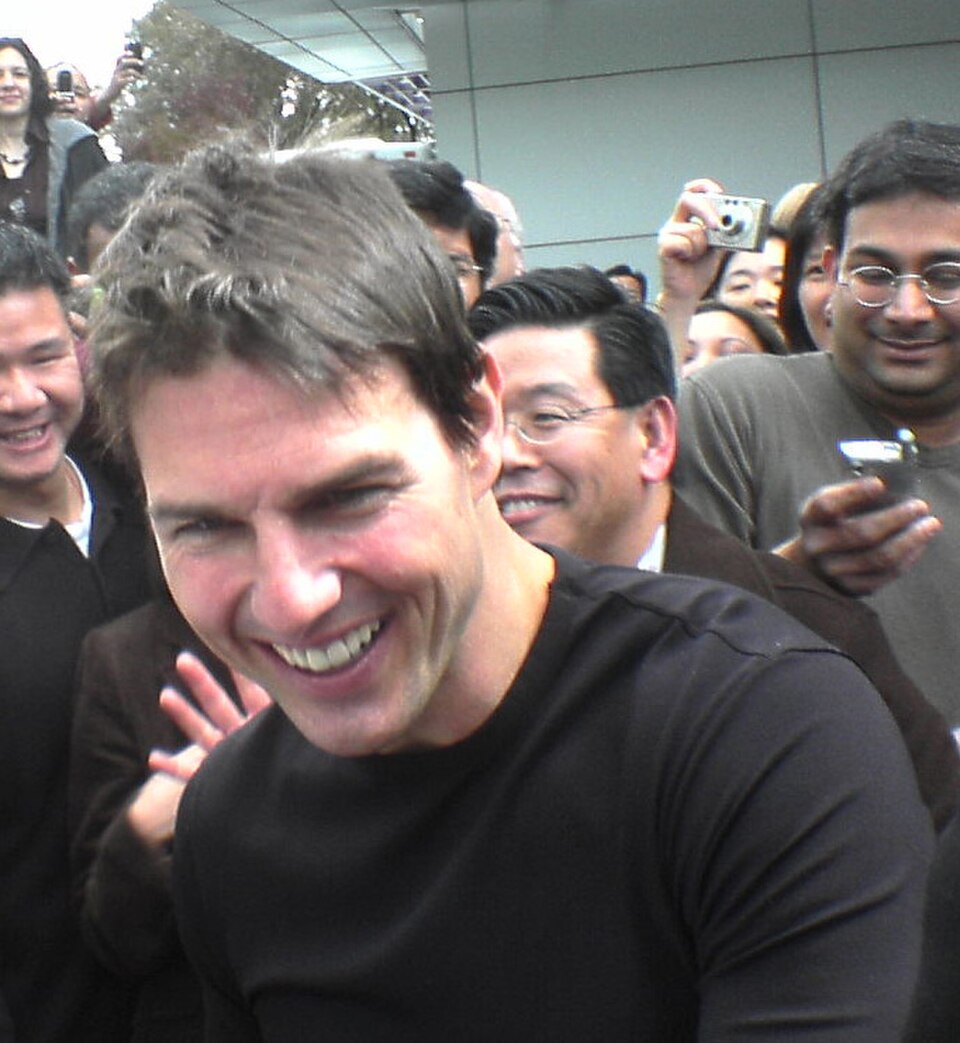
    Source: wikimedia commons

    Tom insisted on experiencing real military flights to prepare for his legendary role as Maverick. He wanted to make sure his reactions on screen were completely authentic. He refused any shortcuts. According to reports from the Hollywood Reporter, this intense preparation established his famous rule of doing his own stunts. But this extreme dedication would soon put a strain on his personal life.

    Managing Extreme Star Power

    Source: wikimedia commons

    By his late twenties, Tom was the most bankable actor in the entire entertainment industry. Every project he touched became a massive success, but his intense work ethic left little room for rest. He lived in public. According to an article in Cosmopolitan, his high-profile relationships were constantly analyzed by major media outlets. But his private thoughts remained heavily guarded.

    Surviving Public Backlash

    instagram.com/tomcruise

    As his personal beliefs and intense public outbursts made headlines, the media began to turn on him. Critics predicted his legendary career was finally coming to an end. They were totally wrong. According to an industry report in Forbes, his unstoppable box office power eventually won back the support of Hollywood. But the true source of his legendary drive is still being discussed.

    The Unmatched Action Legend

    Credit: wikimedia commons

    In the end, Tom Cruise used his difficult childhood struggles to build an unmatched career in cinema. He remains one of the last true movie stars who risks everything for his audience. His legacy is secure. This article is for informational and entertainment purposes only.

    Featured Image: Source: wikimedia commons

  • How Anthony Mackie Almost Lost His Role in The Hurt Locker

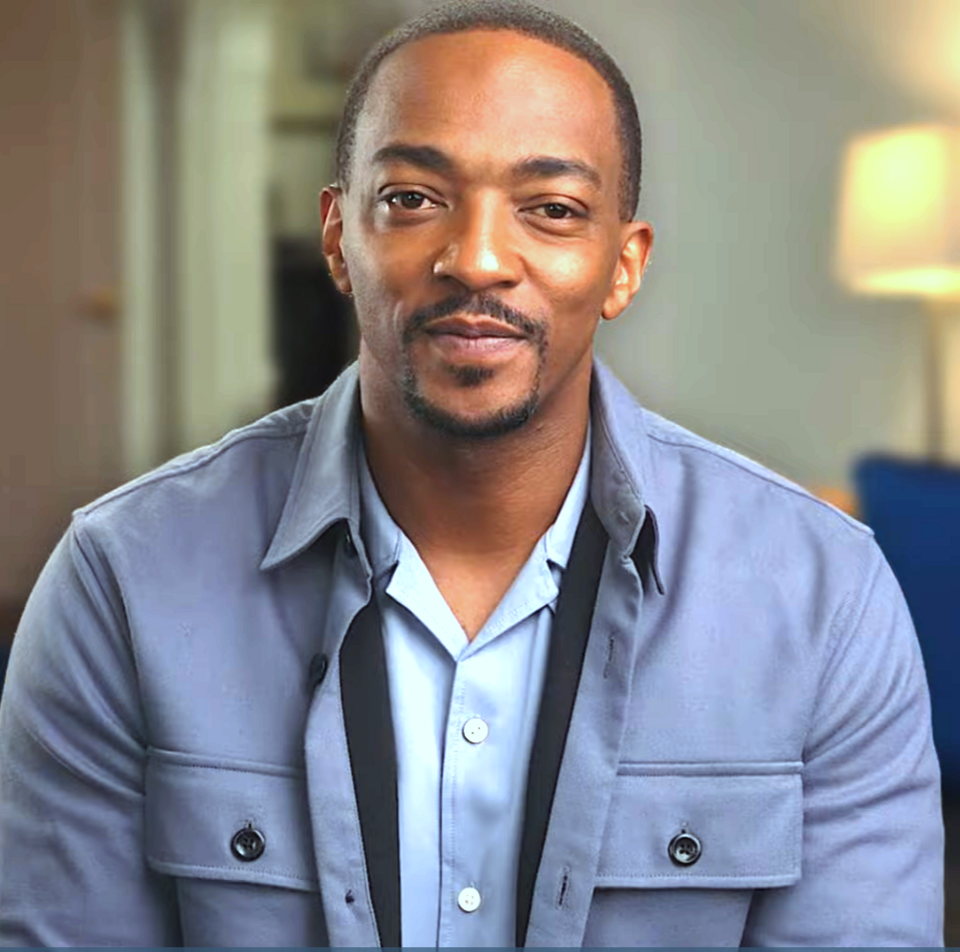
    How Anthony Mackie Almost Lost His Role in The Hurt Locker

    Most people know The Hurt Locker as the film that won Kathryn Bigelow the Academy Award for Best Director – the first woman ever to receive that honor. The cast was praised as one of the best assembled for a war film in a generation.

    But what almost nobody knew until Anthony Mackie spoke about it was how close he came to not being in the film at all – and what stood between him and one of the most important roles of his career.

    Who Anthony Mackie Was Before It

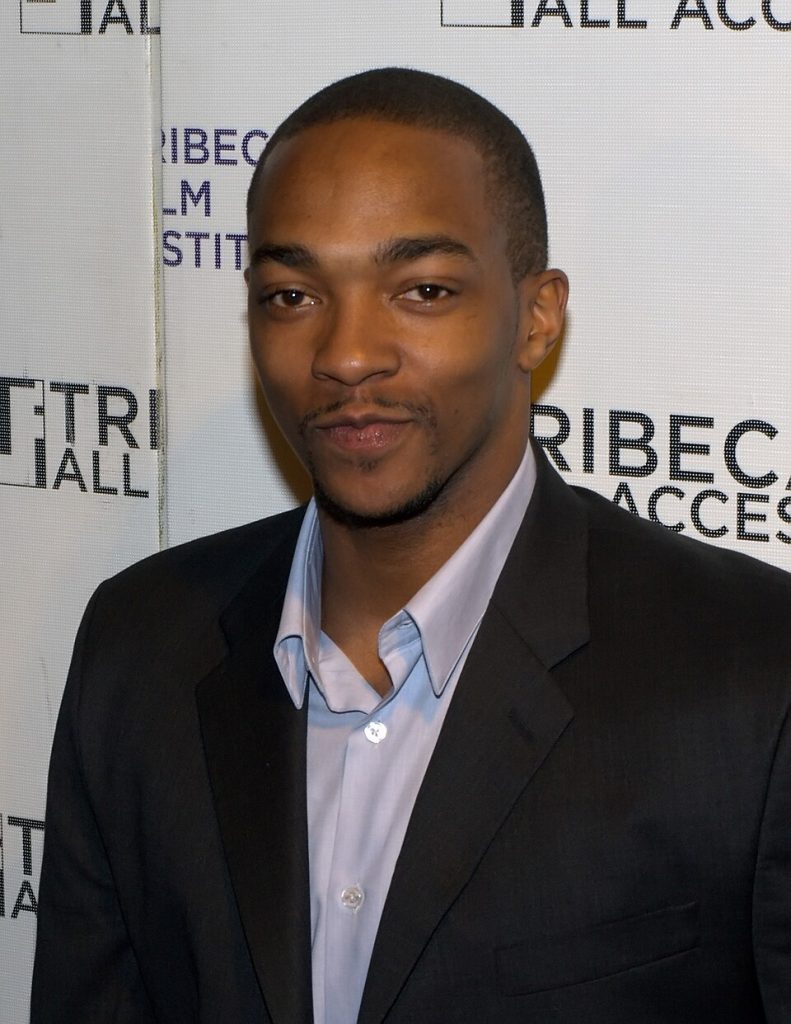
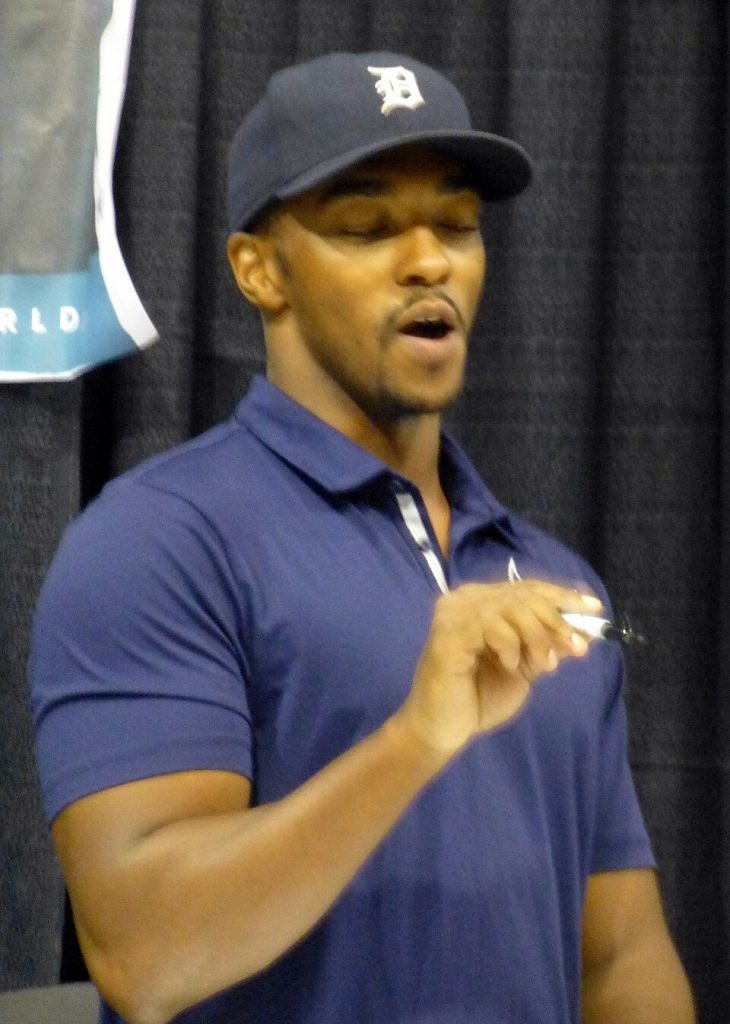
    By David Shankbone – flickr, CC BY 2.0, https://commons.wikimedia.org/w/index.php?curid=10243110

    By the time The Hurt Locker came along in 2008, Anthony Mackie had already built a solid reputation in Hollywood through performances in 8 Mile, Million Dollar Baby, and We Are Marshall. He was respected. According to profiles in The Hollywood Reporter, Mackie was consistently described by casting directors and directors who worked with him as one of the most technically prepared actors of his generation – someone who did the work before he was ever asked to.

    What Almost Derailed Everything

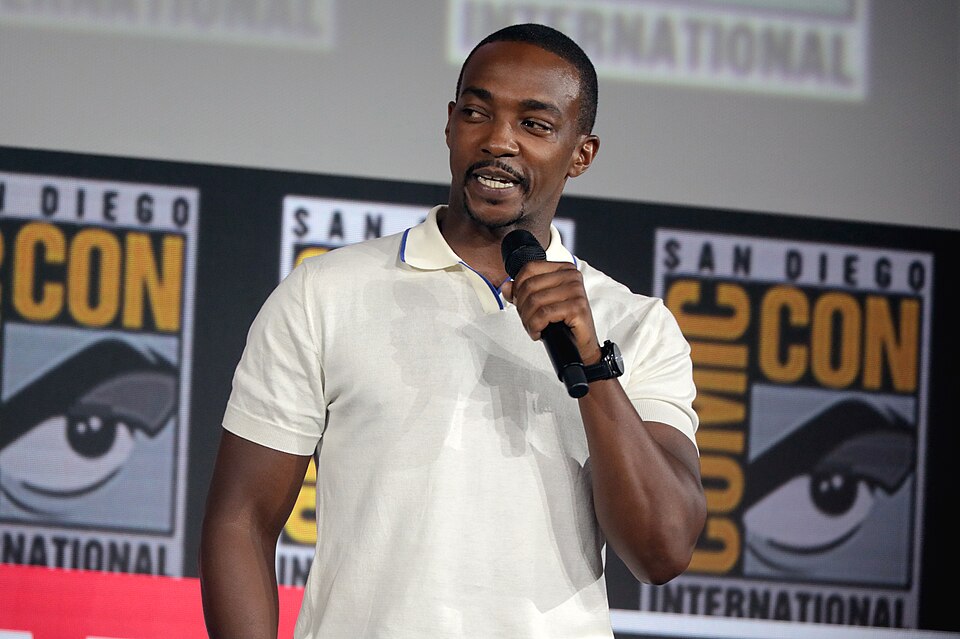
    By Gage Skidmore from Peoria, AZ, United States of America – Anthony Mackie, CC BY-SA 2.0, https://commons.wikimedia.org/w/index.php?curid=81068852

    Anthony Mackie later explained that a scheduling conflict on another production nearly prevented him from appearing in The Hurt Locker. During a 2025 appearance on Hot Ones, he said the other film ran over schedule, forcing him to withdraw from Kathryn Bigelow’s production.

    The role was then offered to another actor, who reportedly declined because of the low pay. Once Mackie became available again, he was able to return to the project. The incident showed how casting decisions can depend as much on timing, budgets and production logistics as they do on talent.

    How He Fought to Stay In

    By Jay Godwin – https://www.flickr.com/photos/lbjlibrarynow/26359490693/in/album-72157668020675121/, Public Domain, https://commons.wikimedia.org/w/index.php?curid=48734193
    LBJ Library photo by Jay Godwin

    Mackie did not describe the situation as a matter of personally fighting to resolve the scheduling conflict. He said the other production ran over schedule, forcing him to withdraw from The Hurt Locker. The role was then offered to another actor, who declined because of the low pay.

    Once Mackie became available again, he was able to return to Kathryn Bigelow’s production. The experience illustrates how casting decisions can turn on timing, budgets and circumstances outside an actor’s control—not only talent or determination.

    What Bigelow Saw in Him

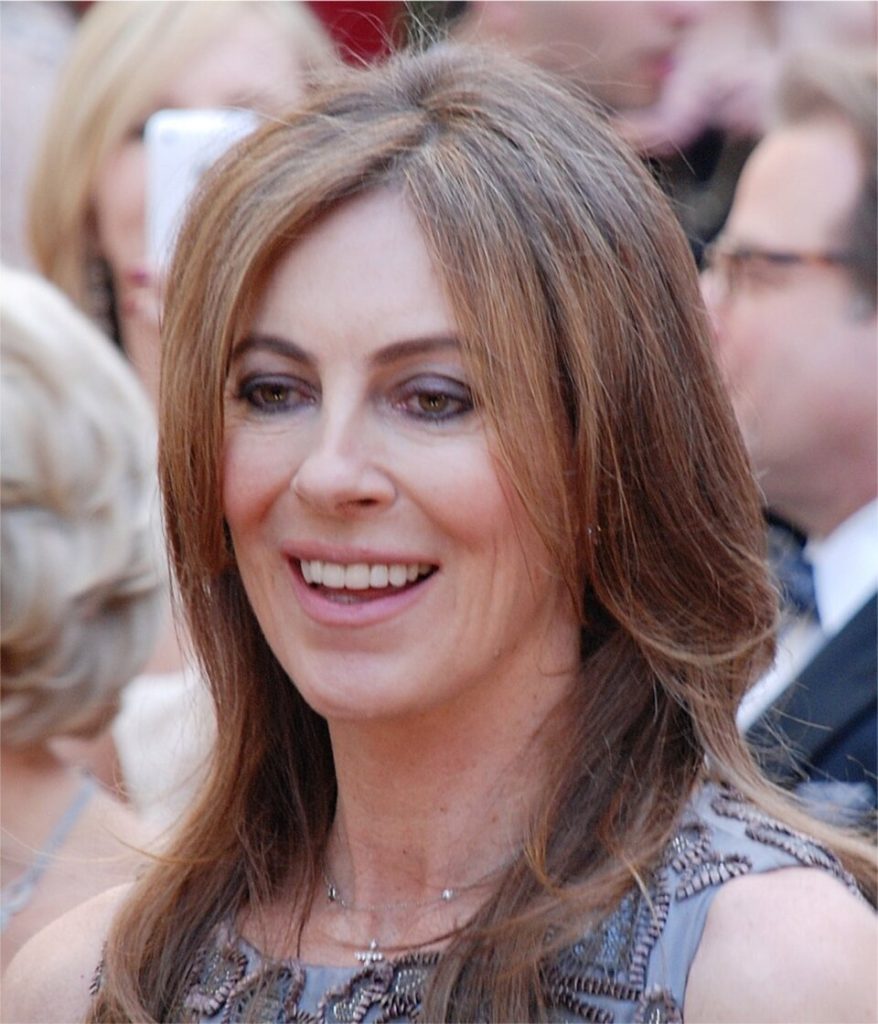
    By Cristiano Del Riccio – originally posted to Flickr as Oscar, Best Director and Best Film Kathryn Bigelow, CC BY-SA 2.0, https://commons.wikimedia.org/w/index.php?curid=9817031

    Kathryn Bigelow’s decision to cast Anthony Mackie as Sergeant JT Sanborn was rooted in a specific quality she identified in him during the audition process. He brought something real. According to production notes from Summit Entertainment covered by Variety, Bigelow described Mackie as someone who carried a natural authority in front of the camera that required no amplification – a quality that was essential for a role that needed to anchor the emotional core of a deeply physical film.

    The Film That Shifted His Trajectory

    By GabboT – Anthony Mackie 01, CC BY-SA 2.0, https://commons.wikimedia.org/w/index.php?curid=43202200

    The Hurt Locker was released in 2008 and went on to win six Academy Awards including Best Picture and Best Director. Anthony Mackie’s performance drew significant critical attention. His career changed visibly. According to Metacritic’s critical aggregation, the film holds one of the highest scores of any war film released in the decade, and multiple reviewers cited the ensemble cast – Mackie included – as central to why the film felt so unrelentingly credible.

    The Road to Captain America

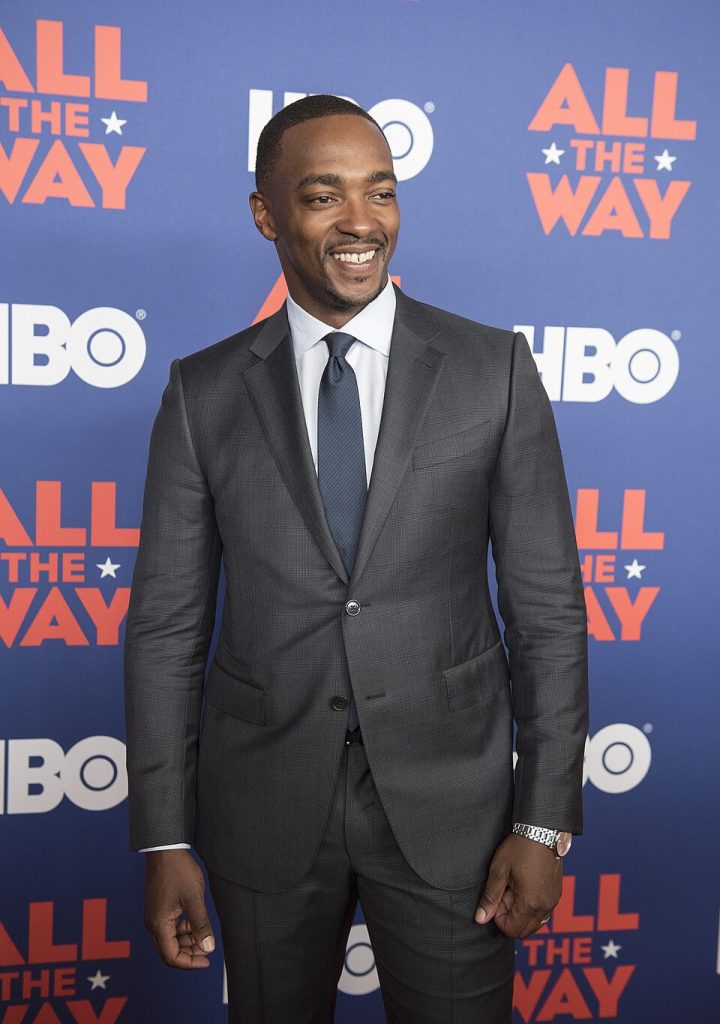
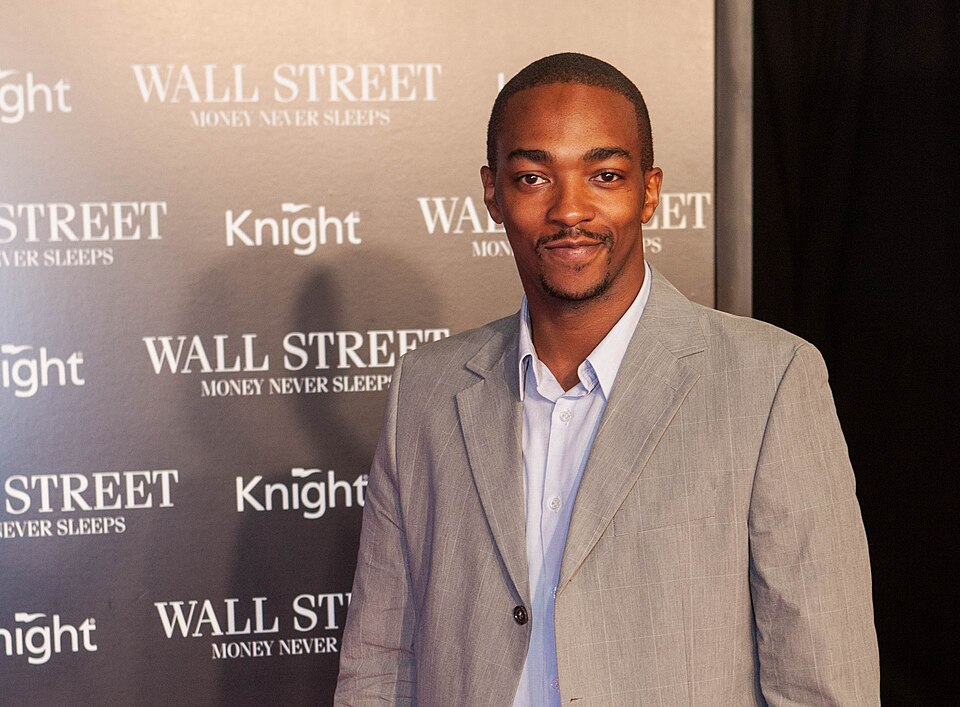
    By Anthony Quintano – Anthony Mackie – Wall Street: Money Never Sleeps New York City Movie Premiere 2010, CC BY 4.0, https://commons.wikimedia.org/w/index.php?curid=195330739

    The Hurt Locker gave Anthony Mackie the critical profile that led directly to Marvel’s attention. He was cast as Sam Wilson – Falcon – in Captain America: The Winter Soldier in 2014, a role that would eventually see him become Captain America himself. One film opened the door. According to interviews Mackie gave to Entertainment Weekly, he has described The Hurt Locker as the single project that demonstrated to major studios that he could carry dramatic weight in a large-scale production – the proof of concept that changed every conversation that followed.

    Why the Near-Miss Still Matters

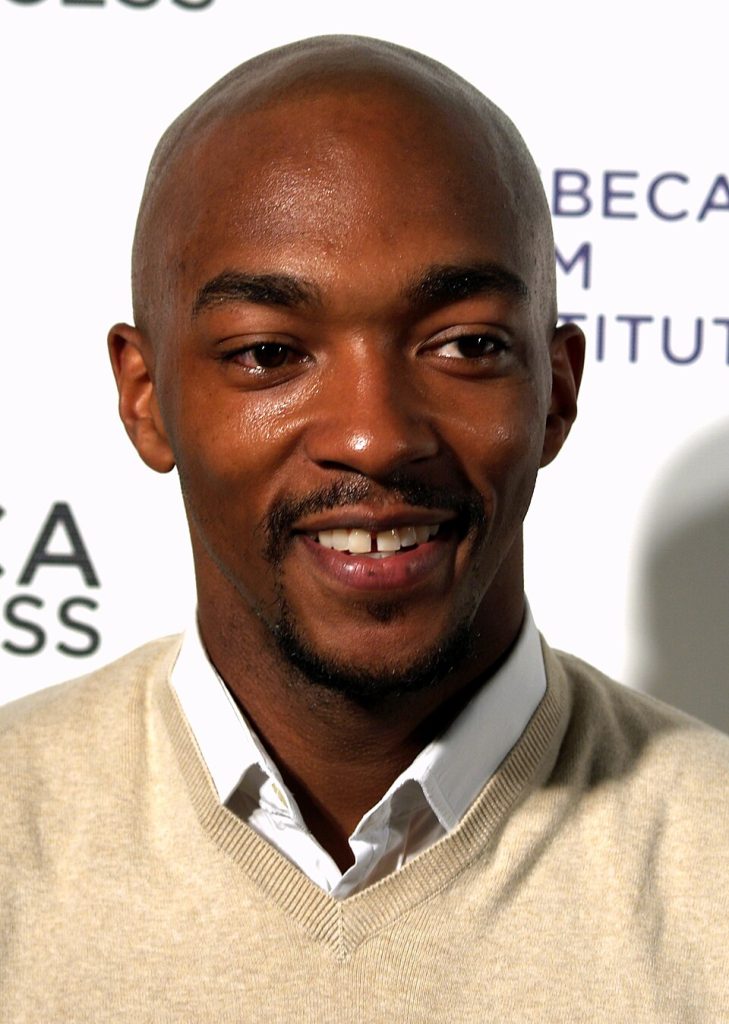
    By David Shankbone – Own work, CC BY 3.0, https://commons.wikimedia.org/w/index.php?curid=6930677

    Anthony Mackie’s near-miss with The Hurt Locker is worth remembering because it is a reminder of how many careers are built on moments that almost did not happen. The margins are always smaller than they look from the outside. He held on when it would have been easier to let go, and everything that followed – the Marvel universe, the critical acclaim, the cultural impact – traces back to that one decision not to walk away. This article is for informational and entertainment purposes only.

    Featured Image: By NASA – YouTube: Anthony Mackie Asks NASA About Ocean Science – View/save archived versions on archive.org, Public Domain, https://commons.wikimedia.org/w/index.php?curid=156580979

  • Arnold Schwarzenegger’s Best Movies and the Ones He Regrets

    Arnold Schwarzenegger’s Best Movies and the Ones He Regrets

    Most people have a strong opinion about Arnold Schwarzenegger’s filmography – the Terminator franchise alone is enough to cement his place in cinema history. The hits are iconic and everyone knows them.

    But the full picture of his career tells a more interesting story, because the films that failed reveal just as much about his instincts, his ambitions, and his understanding of what audiences actually wanted from him.

    The Role That Built Everything

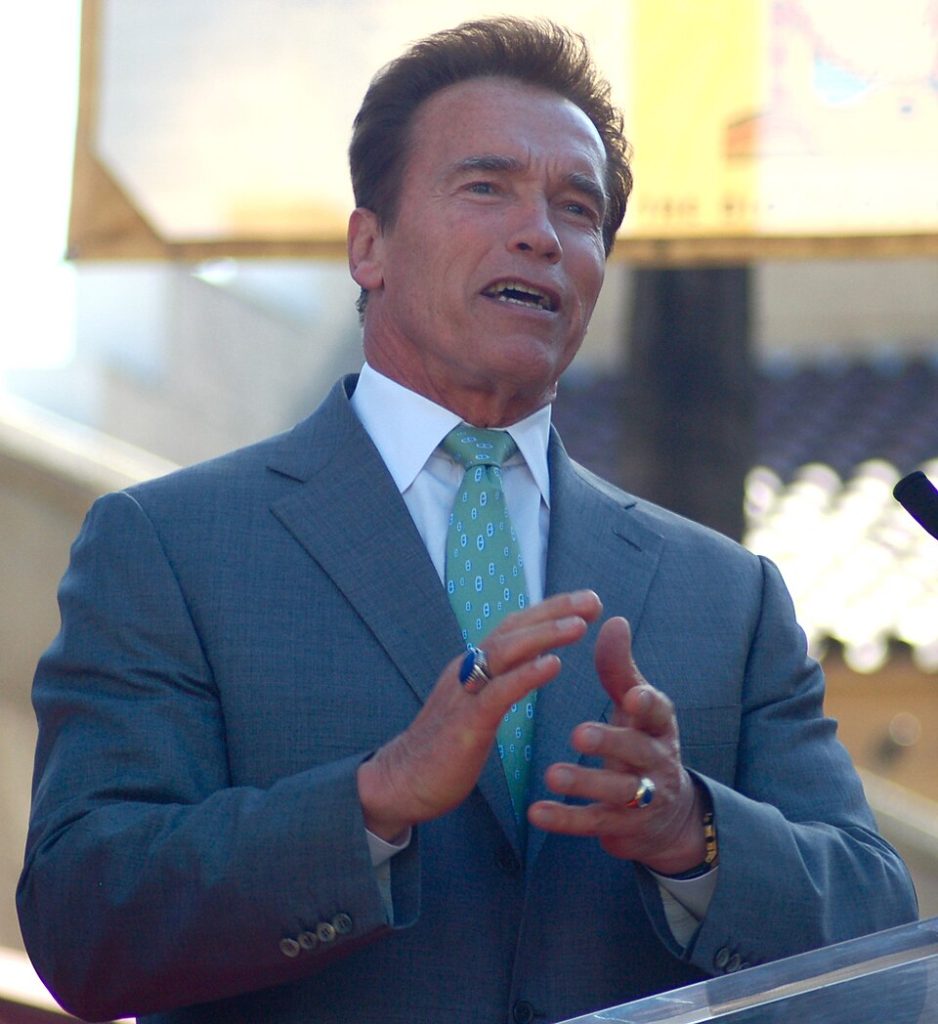
    By Mario Pena – Own work, CC BY-SA 4.0, https://commons.wikimedia.org/w/index.php?curid=66784616

    When Arnold Schwarzenegger stepped onto the screen as the Terminator in James Cameron’s 1984 science fiction film, he created one of the most recognizable characters in cinema history with fewer than one hundred words of dialogue. Less was everything. According to James Cameron in interviews with Empire Magazine, casting Schwarzenegger was the decision that made the film – his physical presence and controlled delivery gave the Terminator a quality of genuine menace that no other actor of that era could have provided.

    Predator and the Peak Years

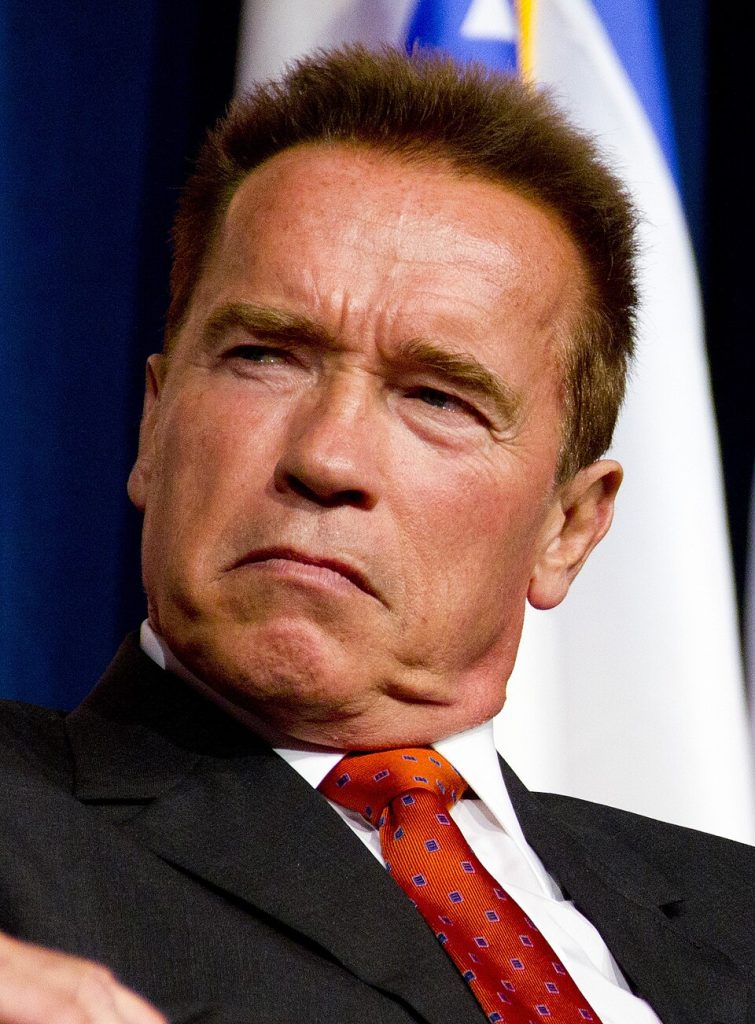
    By UNclimatechange from Bonn, Germany – Arnold Schwarzenegger, CC BY 2.0, https://commons.wikimedia.org/w/index.php?curid=130078165

    The period between 1984 and 1991 represented the absolute peak of Arnold Schwarzenegger’s box office power, with films including Predator, Commando, and Total Recall cementing his status as the biggest action star in the world. Nobody came close. According to Box Office Mojo records, Schwarzenegger’s films during this period generated hundreds of millions of dollars globally – figures that redefined what Hollywood considered possible for an action franchise built around a single performer.

    Terminator 2 and the Cultural High Point

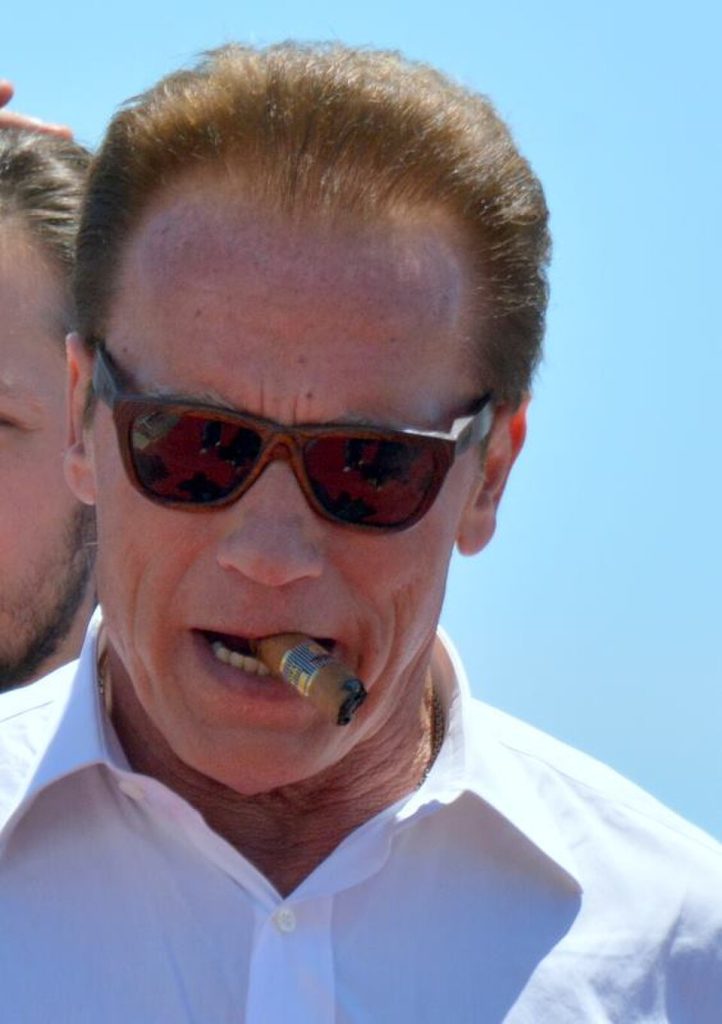
    By Gage Skidmore from Peoria, AZ, United States of America – Arnold Schwarzenegger, CC BY-SA 2.0, https://commons.wikimedia.org/w/index.php?curid=80706192

    Terminator 2: Judgment Day in 1991 is widely regarded as the pinnacle of Arnold Schwarzenegger’s career – a film that managed to be simultaneously bigger, more expensive, and more emotionally satisfying than its predecessor. It should not have worked. According to Rotten Tomatoes audience data, it remains one of the highest-rated action sequels in cinema history, a film that transcended its genre and turned its star into something closer to a cultural institution than a movie actor.

    When the Choices Started Going Wrong

    By Governo do Estado de São Paulo – Arnold Schwarzenegger, CC BY 2.0, https://commons.wikimedia.org/w/index.php?curid=162943328Schwarzenegger é o idealizador da R20 – Regions of Climate Action, uma organização ambientalista sem fins lucrativos, fundada em setembro de 2011. Em São Paulo, está destinada ao desenvolvimento de projetos sustentáveis e apoia o Programa Município Verde Azul, da Secretaria de Estado de Infraestrutura e Meio Ambiente. Local: São Paulo/SP Data: 14/04/2019 Foto: Governo do Estado de São Paulo

    The mid-1990s brought a string of films that tested even Schwarzenegger’s most loyal audiences. Jingle All the Way and Batman and Robin drew the kinds of reviews that made industry observers wonder whether he had lost his instinct for what his audience actually wanted from him. The missteps were costly. According to The Los Angeles Times coverage at the time, Hollywood analysts began describing Schwarzenegger’s commercial appeal as fragile for the first time – a reputation that had seemed bulletproof just years earlier.

    The Governator Years

    By Angela George, CC BY-SA 3.0, https://commons.wikimedia.org/w/index.php?curid=8804317

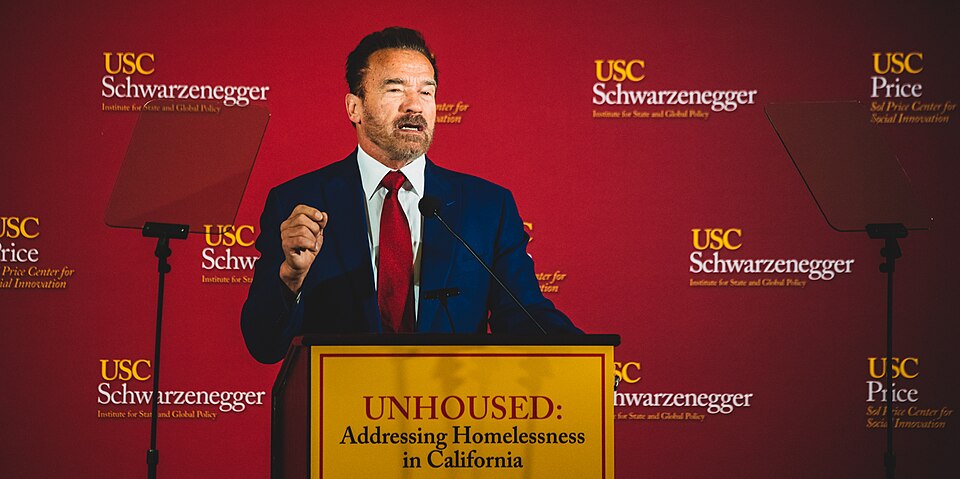
    In 2003, Arnold Schwarzenegger made the most unexpected career pivot of his generation – leaving Hollywood to become Governor of California. He served two terms. According to reporting from The Sacramento Bee, his time in office produced a complicated legacy – genuine achievements on environmental policy alongside considerable political controversy – but it demonstrated that his capacity for reinvention extended far beyond anything the film industry had imagined for him.

    The Return and What It Cost

    By Neon Tommy – Arnold Schwarzenegger, CC BY-SA 2.0, https://commons.wikimedia.org/w/index.php?curid=21992340

    Arnold Schwarzenegger’s return to acting after his time as Governor produced mixed results. The Last Stand and Escape Plan showed glimpses of his old appeal, but the box office numbers told a harder story. The audience had moved on somewhat. According to Deadline, Schwarzenegger and his team spent the years following his gubernatorial tenure trying to identify exactly where his screen identity fit in a Hollywood landscape that had changed significantly around him while he was gone.

    What the Worst Films Taught Him

    By Georges Biard, CC BY-SA 3.0, https://commons.wikimedia.org/w/index.php?curid=59614512

    Arnold Schwarzenegger has spoken candidly in interviews about the films he wishes he had not made. He does not pretend otherwise. According to his autobiography Total Recall, published in 2012, Schwarzenegger described several of his mid-career choices as decisions made for the wrong reasons – too focused on expanding his range without asking whether audiences had any interest in seeing him operate outside the world where his persona made perfect sense.

    A Career That Still Defines Hollywood

    By U.S. Dept. of Housing and Urban Development (HUD) – https://www.flickr.com/photos/hudopa/49563738316/, Public Domain, https://commons.wikimedia.org/w/index.php?curid=110685895

    Arnold Schwarzenegger’s filmography contains more peaks and valleys than almost any star of comparable stature, and that contrast is precisely what makes it worth studying. No career is clean. His best films changed what action cinema believed it could be, and even his worst films tell the story of a performer who refused to stay still. This article is for informational and entertainment purposes only.

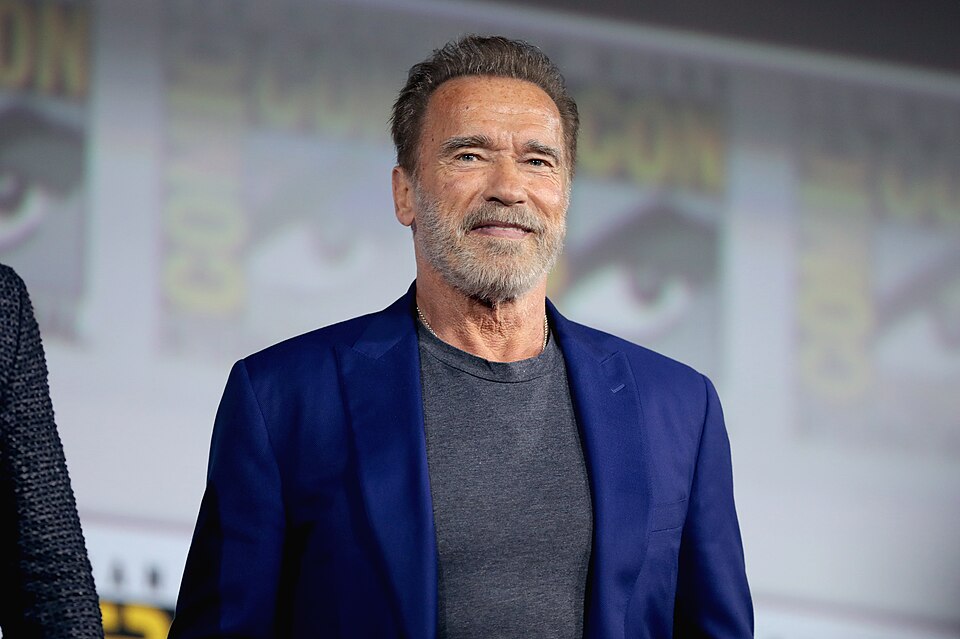
    Featured Image: By Gage Skidmore from Peoria, AZ, United States of America – Arnold Schwarzenegger, CC BY-SA 2.0, https://commons.wikimedia.org/w/index.php?curid=80706141

  • How Emma Watson Walked Away From the Role That Made Her

    How Emma Watson Walked Away From the Role That Made Her

    Most people know Emma Watson as Hermione Granger – a role she inhabited across ten years and eight films that became among the most beloved in cinema history. That identity followed her everywhere.

    But the more compelling story began the moment Emma Watson chose to step away from it. What she built in its place took a different kind of courage than anything she ever did on screen.

    A Childhood Spent in the Spotlight

    By Georges Biard, CC BY-SA 3.0, https://commons.wikimedia.org/w/index.php?curid=26508514

    Emma Watson was cast as Hermione Granger in Harry Potter and the Sorcerer’s Stone at just nine years old, and the filming that followed consumed most of her formative years. Growing up was public. According to interviews Watson gave to Vogue UK, she has spoken openly about the strange reality of having your childhood and adolescence filmed, watched, and analyzed by hundreds of millions of people who felt they already knew you before you knew yourself.

    The Decision That Surprised Everyone

    By Mars Films – https://m.youtube.com/watch&v=xEvjQrxXFIU, CC BY 3.0, https://commons.wikimedia.org/w/index.php?curid=89211202

    While still completing the Harry Potter film series, Emma Watson enrolled at Brown University in 2009. Rather than allowing her acting career to determine every part of her future, she pursued an education alongside her film commitments. She later spent a semester as a visiting student at Worcester College, Oxford, before graduating from Brown in 2014 with a degree in English literature.

    Watson has since explained that education gave her space to develop an identity beyond Hermione Granger and the expectations attached to childhood fame. Her decision was not a rejection of acting or the role that made her famous, but an effort to build a life that also included learning, privacy and personal independence.

    When HeForShe Changed Everything

    By ONU Brasil – Vimeo: Emma Watson apresenta a maior aula do mundo (view archived source), CC BY 3.0, https://commons.wikimedia.org/w/index.php?curid=90683855

    In September 2014, Emma Watson stood at the United Nations and delivered a speech launching the HeForShe campaign for gender equality. The speech reached more than 12 million people online within three days. She commanded the room. According to UN Women, Watson’s address became one of the most watched speeches on gender equality in the organization’s history, marking a clear moment when her identity shifted from actress to genuine global advocate.

    Handling Fame With Unusual Grace

    By Georges Biard, CC BY-SA 3.0, https://commons.wikimedia.org/w/index.php?curid=26392957

    Emma Watson has spoken openly about the pressures of growing up in the public eye and the difficulty of separating her private identity from the fame she gained as a child. She has generally maintained clear boundaries around her personal life while using interviews and public appearances to discuss subjects such as education, literature, gender equality and sustainable fashion.

    Rather than claiming that she handled fame better than other celebrities, it is more accurate to say that Watson developed a deliberately selective public presence. Her approach allowed her to remain connected to her work while building an identity that extended beyond film promotion and celebrity coverage.

    The Roles She Chose After Harry Potter

    By Georges Biard, CC BY-SA 3.0, https://commons.wikimedia.org/w/index.php?curid=26392953

    Emma Watson’s post-Potter film choices were deliberately unconventional – The Perks of Being a Wallflower, The Bling Ring, Beauty and the Beast, and Little Women. Each one pushed against the expectations people carried from Hermione. She was rewriting herself. According to The Hollywood Reporter, Watson has described her film choices as intentional steps in a longer project of showing audiences – and herself – the full range of what she was capable of outside the shadow of one defining role.

    What Activism Actually Looked Like

    By Joella Marano – Emma Watson, CC BY-SA 2.0, https://commons.wikimedia.org/w/index.php?curid=16248488

    Emma Watson’s activism extended beyond public speeches. Through her work with UN Women and the HeForShe campaign, she promoted gender equality while also supporting initiatives such as the feminist reading group Our Shared Shelf, Time’s Up UK, the Justice and Equality Fund, and a legal-advice service for women experiencing workplace harassment.

    Her public advocacy also included participation in international discussions about education, workplace equality and women’s rights. Rather than claiming that she personally advised policy or developed education programs without a clearly identified source, it is more accurate to say that Watson used her platform, partnerships and funding to support organizations working on gender inequality.

    The Reinvention That Held

    By EmmaWatsonNov2010.jpg: Joella Marano at https://www.flickr.com/photos/ellasportfolio/derivative work: Bff (talk) – EmmaWatsonNov2010.jpg, CC BY 2.0, https://commons.wikimedia.org/w/index.php?curid=14937620

    Emma Watson built a public identity that extended beyond the role that made her famous. Alongside acting, she pursued university study, supported gender-equality initiatives, promoted feminist literature and became involved in organizations addressing workplace rights and social change.

    Her transition was not a rejection of her film career, nor is it necessary to rank her activism as more substantial than her acting. Instead, Watson used the opportunities created by Harry Potter to explore education, advocacy and creative work on her own terms. Although she later stepped back from feature-film acting, she has not described the decision as a permanent retirement.

    This article is for informational and entertainment purposes only.

    Featured Image: By David Shankbone – Own work, CC BY 3.0, https://commons.wikimedia.org/w/index.php?curid=63064863

  • What Made Julianne Moore a True Gay Icon

    What Made Julianne Moore a True Gay Icon

    Most people think of Julianne Moore as one of the finest actresses of her generation – someone whose work speaks entirely for itself. The awards, the critical praise, the decades of unforgettable performances tell that story clearly.

    But there is another story running alongside it, one that her most devoted fans know deeply. Julianne Moore did not just act in films – she became a symbol of authenticity, visibility, and unapologetic self-expression for an entire community.

    Where the Story Started

    By Harald Krichel – Own work, CC BY-SA 4.0, https://commons.wikimedia.org/w/index.php?curid=152159195

    Julianne Moore was born in Fort Bragg, North Carolina in 1960 and spent her childhood moving between military postings as her father served in the army. She was always restless. According to interviews Moore gave to The Guardian, that early instability fed a deep desire to find places where she truly belonged – and the theatre became that place when she discovered it as a teenager. That hunger for belonging would shape everything that followed.

    The Roles That Changed Things

    By Nicolas Genin – https://www.flickr.com/photos/22785954@N08/3911166551, CC BY-SA 2.0, https://commons.wikimedia.org/w/index.php?curid=35838171

    Moore’s film career took a defining turn in the 1990s with performances in films including Short Cuts, Boogie Nights, and The Hours. She chose roles that Hollywood’s most bankable stars would not touch. She was fearless. According to film critic Roger Ebert, writing at the time, Moore had an ability to expose emotional vulnerability on screen that felt almost uncomfortably real – a quality that drew LGBTQ+ audiences who recognized that kind of courage in their own lives.

    Playing Characters Who Defied Norms

    By Georges Biard, CC BY-SA 4.0, https://commons.wikimedia.org/w/index.php?curid=69500486

    Several of Moore’s most celebrated roles placed her inside stories that spoke directly to LGBTQ+ experiences of isolation, identity, and love. Her performance in Far From Heaven in 2002, playing a woman whose life quietly unravels around her husband’s hidden identity, moved audiences profoundly. That performance endures. According to The New York Times, Far From Heaven gave LGBTQ+ viewers one of the most tender and devastating portrayals of repression and longing that mainstream cinema had produced in years.

    Speaking Up When It Mattered

    By Georges Biard, CC BY-SA 3.0, https://commons.wikimedia.org/w/index.php?curid=40681611

    Julianne Moore did not limit her support to the roles she played. She became a consistent and vocal advocate for LGBTQ+ equality in public life, using her platform at award ceremonies, in interviews, and on social media to speak directly and without hesitation. She meant every word. According to reports from GLAAD, Moore received the organization’s Vanguard Award in recognition of her sustained public support for LGBTQ+ visibility and civil rights across more than two decades.

    The Oscar That Felt Personal

    By Gordon Correll – Julianne Moore, CC BY-SA 2.0, https://commons.wikimedia.org/w/index.php?curid=41405964

    When Julianne Moore finally won her Academy Award for Best Actress in 2015 for Still Alice, the response from LGBTQ+ communities around the world was immediate and deeply felt. Representation mattered here. According to coverage in Out Magazine, her win resonated far beyond Hollywood – Moore had spent decades choosing roles and causes that the industry often considered too risky, and her Oscar felt like a vindication of that entire body of choices.

    A Presence Beyond the Screen

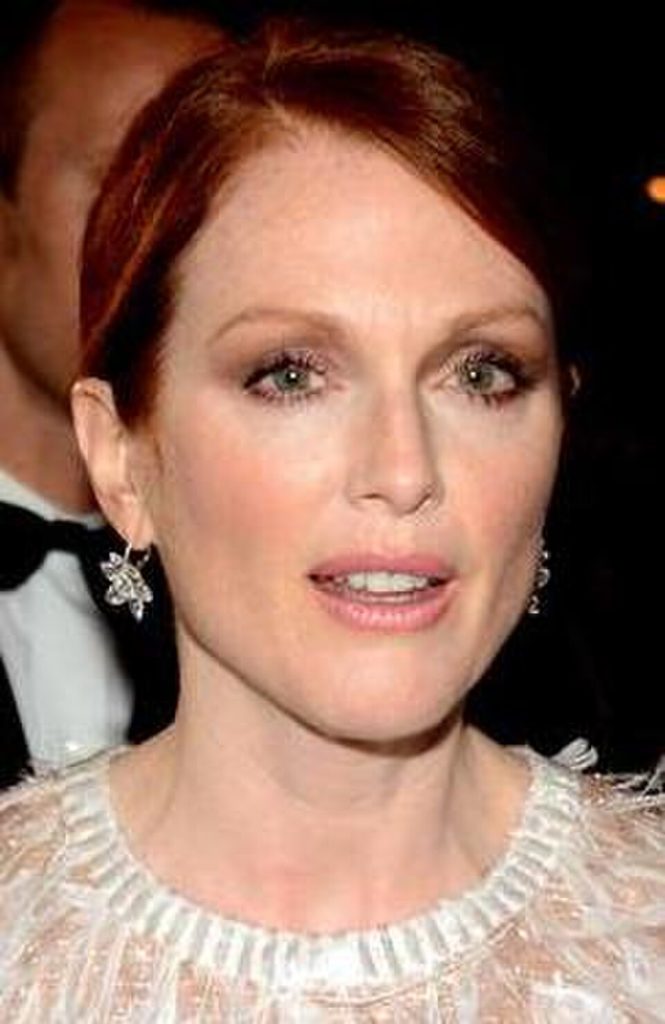
    By Julianne_Moore_(Berlin_Film_Festival_2010)_3.jpg: Siebbiderivative work: César – This file was derived from: Julianne Moore (Berlin Film Festival 2010) 3.jpg:, CC BY 3.0, https://commons.wikimedia.org/w/index.php?curid=23907149

    Moore’s icon status was never purely about performance. She showed up – at Pride events, at advocacy dinners, at political fundraisers for equality – with a consistency that separated genuine allyship from the more transactional kind. She kept showing up. According to reporting in The Advocate, her longtime commitment to LGBTQ+ causes earned her a level of trust within the community that very few straight celebrities have managed to build over a career of comparable length.

    What Her Style Said

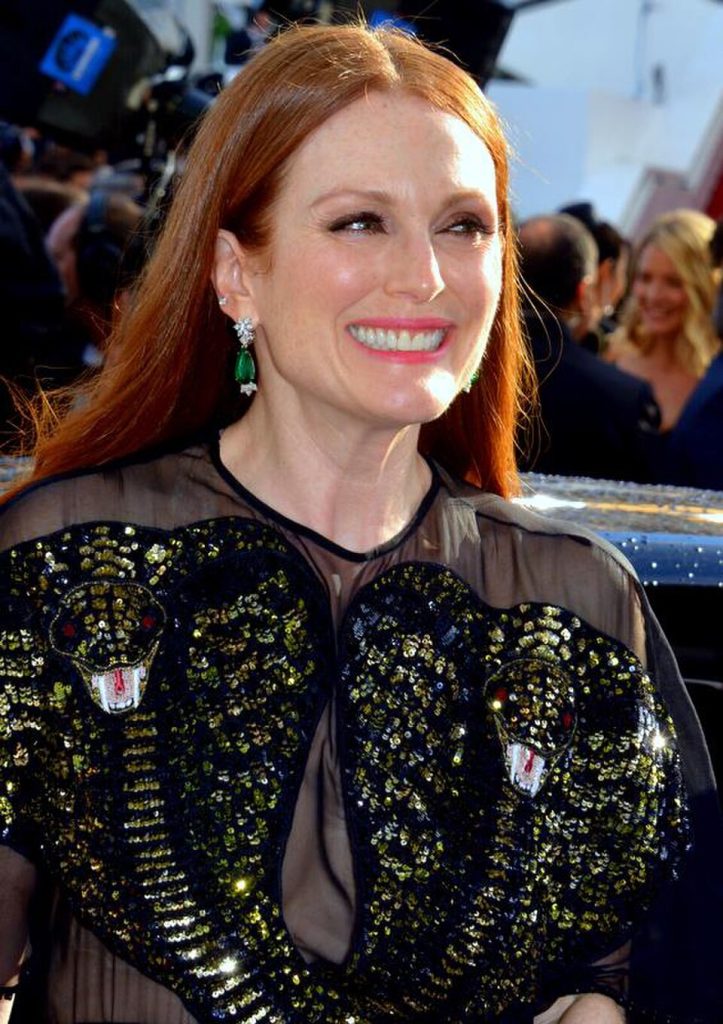
    By Georges Biard – File:Julianne_Moore_Cannes_2014_3.jpg, CC BY-SA 3.0, https://commons.wikimedia.org/w/index.php?curid=35838174

    Julianne Moore’s red carpet appearances became their own kind of statement over the years – bold, unconventional, and entirely her own. She never chased trends. According to Vogue’s fashion desk, Moore consistently used public appearances to make choices that defied the conservative expectations Hollywood places on women of her age, reinforcing through her visual presence the same spirit of defiant authenticity that defined her film career and her advocacy work.

    Why the Icon Status Holds

    By Georges Biard, CC BY-SA 3.0, https://commons.wikimedia.org/w/index.php?curid=49011432

    Julianne Moore earned her place as a gay icon the same way she earned everything else in her career – through consistency, courage, and an absolute refusal to take the safe path. That reputation holds. She chose the difficult roles, spoke up at the difficult moments, and showed up long after it would have been acceptable to quietly step back. This article is for informational and entertainment purposes only.

    Featured Image: By Harald Krichel – Own work, CC BY-SA 4.0, https://commons.wikimedia.org/w/index.php?curid=192137631

  • How Angelina Jolie’s Most Iconic Looks Told Her Life Story

    How Angelina Jolie’s Most Iconic Looks Told Her Life Story

    Most people remember Angelina Jolie’s greatest fashion moments as striking red carpet images – endlessly reprinted, widely imitated, impossible to forget. They were all of those things.

    But fashion historians and cultural critics have long argued her most iconic looks were never purely about clothes. Each one marked a chapter in an extraordinarily public and deeply personal life.

    Bold Beginnings in Hollywood

    By Gage Skidmore from Peoria, AZ, United States of America – Angelina Jolie, CC BY-SA 2.0, https://commons.wikimedia.org/w/index.php?curid=81056091

    When Angelina Jolie arrived on the Hollywood scene in the late 1990s, her aesthetic was deliberately provocative and entirely her own. She wore black with conviction and dressed for no one but herself. She was already herself. According to fashion archives covered by Vogue, her earliest red carpet appearances established a blueprint she would refine across decades but never abandon – beauty entirely on her own terms.

    When Simplicity Became Her Power

    By Georges Biard, CC BY-SA 3.0, https://commons.wikimedia.org/w/index.php?curid=15975285

    By the early 2000s, Angelina Jolie’s public image was transforming and her wardrobe shifted alongside it. As her humanitarian work expanded and her personal life became global news, her fashion choices grew quieter and more deliberate. Less became more. According to profiles in Harper’s Bazaar, this period marked the beginning of a conscious move from provocation toward an elegance that required no ornament and made no apologies.

    Black as Her Armor

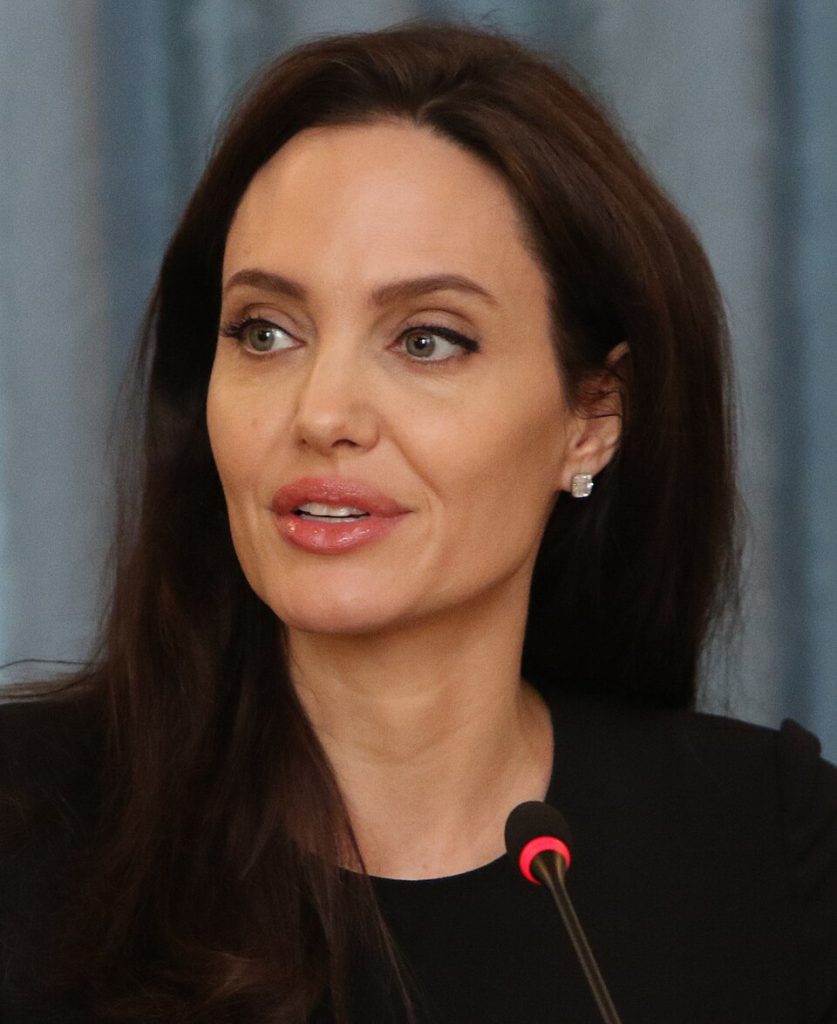
    By Foreign and Commonwealth Office – UK continues to lead on Preventing Sexual Violence in Conflict, CC BY 2.0, https://commons.wikimedia.org/w/index.php?curid=61000284

    Few public figures have used black clothing as consistently or as effectively as Angelina Jolie. Critics have long noted her all-black moments cluster around her most personally significant appearances. She wore it like armor. According to reporting from People Magazine, those close to her describe her all-black aesthetic as a deliberate tool for projecting focus and strength at the moments when the world was watching most closely.

    The 2012 Oscar Moment

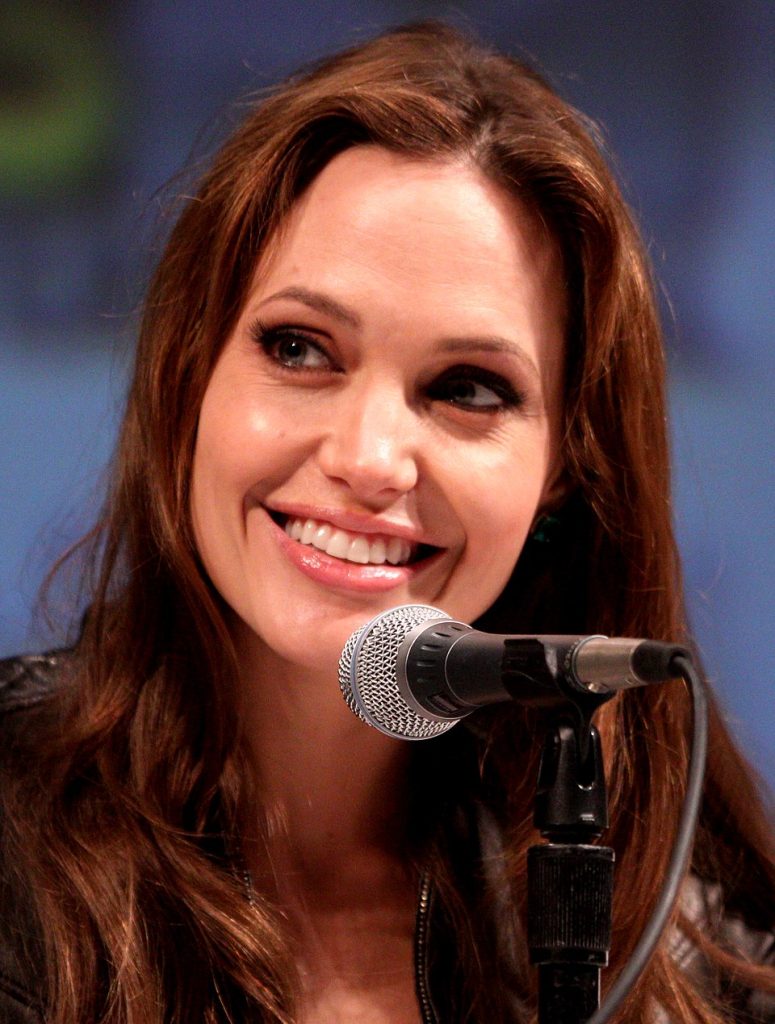
    By Gage Skidmore, CC BY-SA 3.0, https://commons.wikimedia.org/w/index.php?curid=12303121

    When Angelina Jolie appeared at the 2012 Academy Awards in a black Atelier Versace gown and posed with her right leg dramatically visible, the image became one of the most reproduced in awards history. The internet stopped. According to The New York Times Style section, the moment generated immediate global parody and commentary, cementing her status as someone who could shape cultural conversation simply by standing in a doorway.

    Fashion After Personal Courage

    By Angelina-Jolie.jpg: www.promiflash.de – Bitte bei Bildverwendung auch Link setzenderivative work: Born Slippy (talk) – Angelina-Jolie.jpg, CC BY-SA 3.0, https://commons.wikimedia.org/w/index.php?curid=141660097

    Angelina Jolie’s 2013 public announcement about her preventive surgery shifted her public persona visibly, and her fashion choices shifted too. She appeared warmer and more open. According to reporting in Time Magazine, her wardrobe in the years that followed leaned into softer tones, less severe silhouettes, and a visible ease that her earlier red carpet work had rarely shown the world.

    The Maleficent Effect

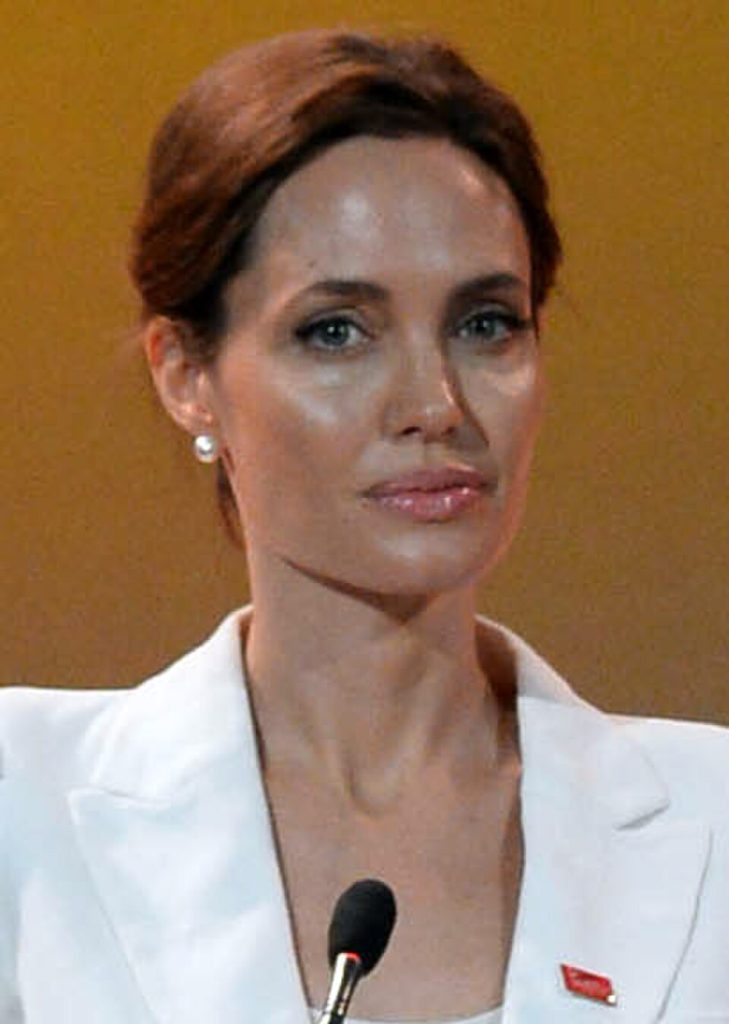
    By Foreign and Commonwealth Office – https://www.flickr.com/photos/foreignoffice/14205519050/, CC BY 2.0, https://commons.wikimedia.org/w/index.php?curid=33320780

    When Angelina Jolie stepped into Maleficent in 2014, the costume – horns, dark wings, sharpened features pushed toward abstraction – became a cultural phenomenon entirely on its own. The image was total. According to production notes covered by The Hollywood Reporter, costume designer Anna B. Sheppard built every element in direct dialogue with Jolie, who was deeply involved in shaping a visual identity that deliberately played on her real public persona.

    Motherhood and a Softer Style

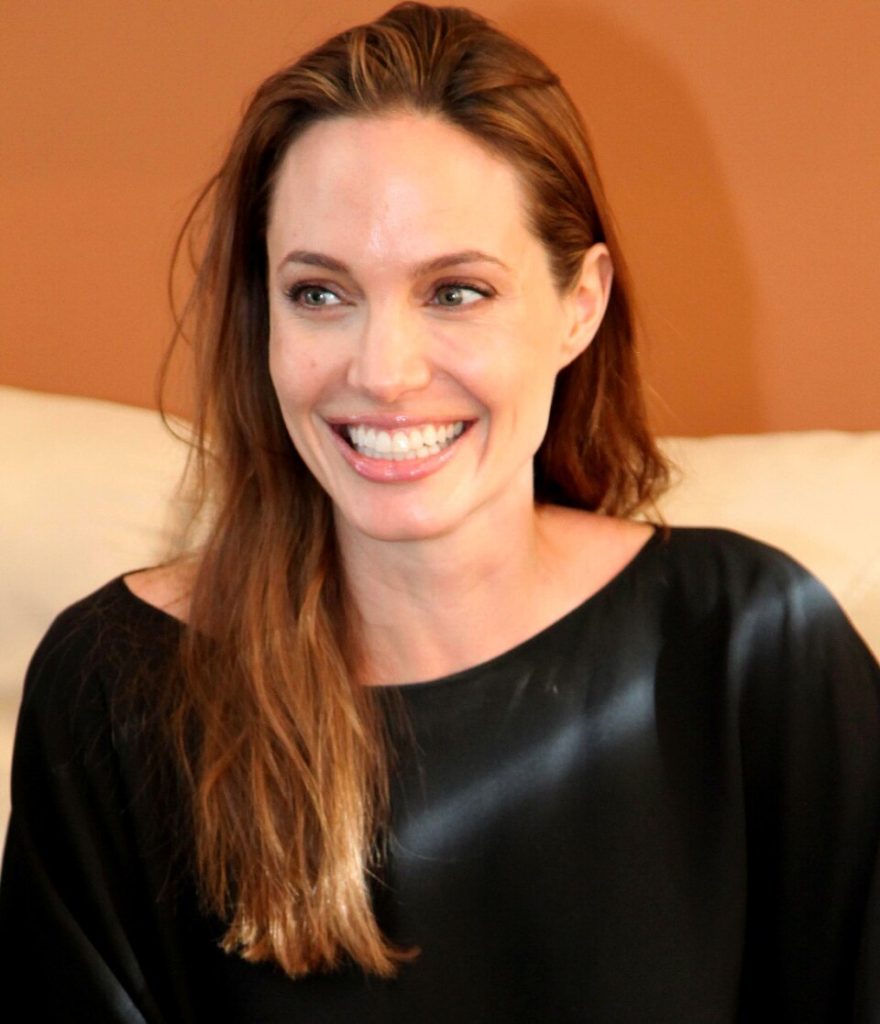
    By Cancillería Ecuador / Ecuador Foreign Ministry – Angelina Jolie visiting Minister of Foreign Affairs, CC BY-SA 2.0, https://commons.wikimedia.org/w/index.php?curid=31426093

    As Angelina Jolie’s family grew through the 2000s and 2010s, her public wardrobe began making visible room for warmth and approachability alongside its trademark precision. She softened without shrinking. According to coverage in Hello Magazine, her off-duty appearances began featuring flowing fabrics, understated jewelry, and a quality of presence that read less like performance and more like a woman who had found genuine peace in her choices.

    What Her Looks Left Behind

    By Harald Krichel – Own work, CC BY-SA 4.0, https://commons.wikimedia.org/w/index.php?curid=153301769

    Angelina Jolie’s decades of public appearances created a visual archive that fashion scholars and devoted fans continue to study and debate. She made fashion personal. Each look, taken in order, traces the arc of a woman navigating fame, loss, purpose, and reinvention in full public view – always with a style that was unmistakably, entirely hers. This article is for informational and entertainment purposes only.

    Featured Image: By Richard Hebstreit – angelina2, CC BY 2.0, https://commons.wikimedia.org/w/index.php?curid=16277596

  • What Florence Pugh’s Boldest Choices Really Say About Her

    What Florence Pugh’s Boldest Choices Really Say About Her

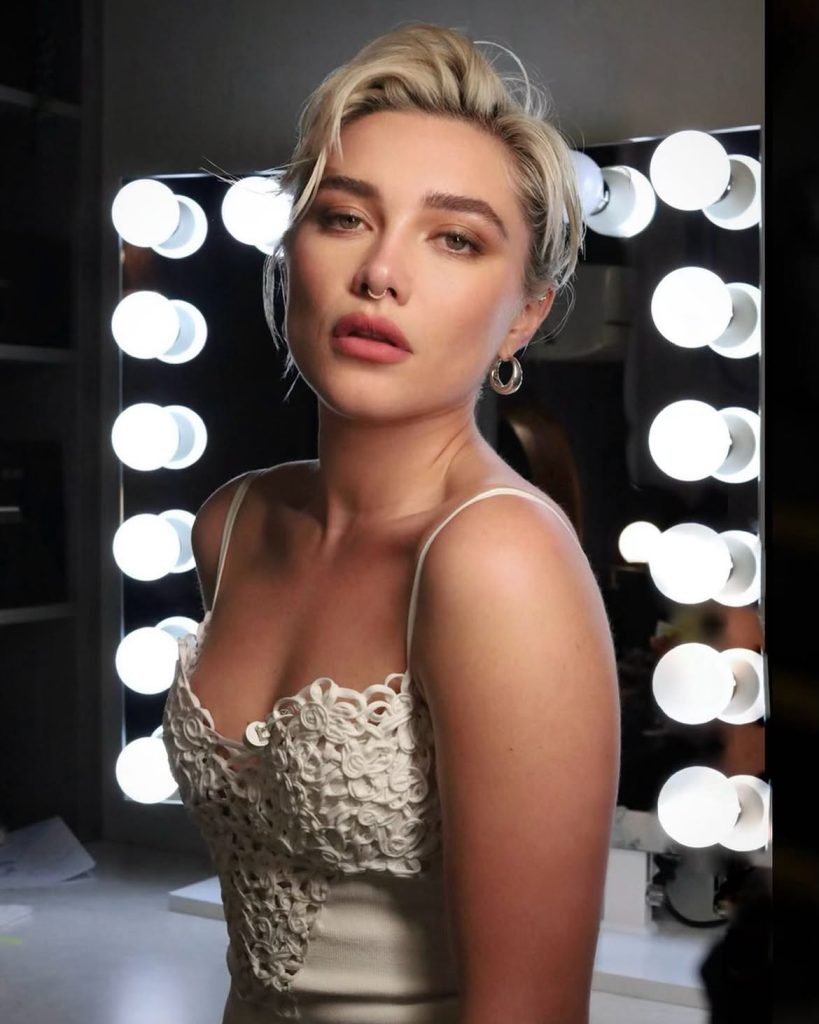
    Most people see Florence Pugh as a supremely talented actress who arrived fast and never slowed down. She is exactly that, but the surface story misses everything that made her different.

    But the real reason Florence Pugh became a Hollywood icon has less to do with her roles and everything to do with the fearless choices she made when the industry expected her to play it safe.

    The Role That Changed Everything

    instagram.com/florencepugh

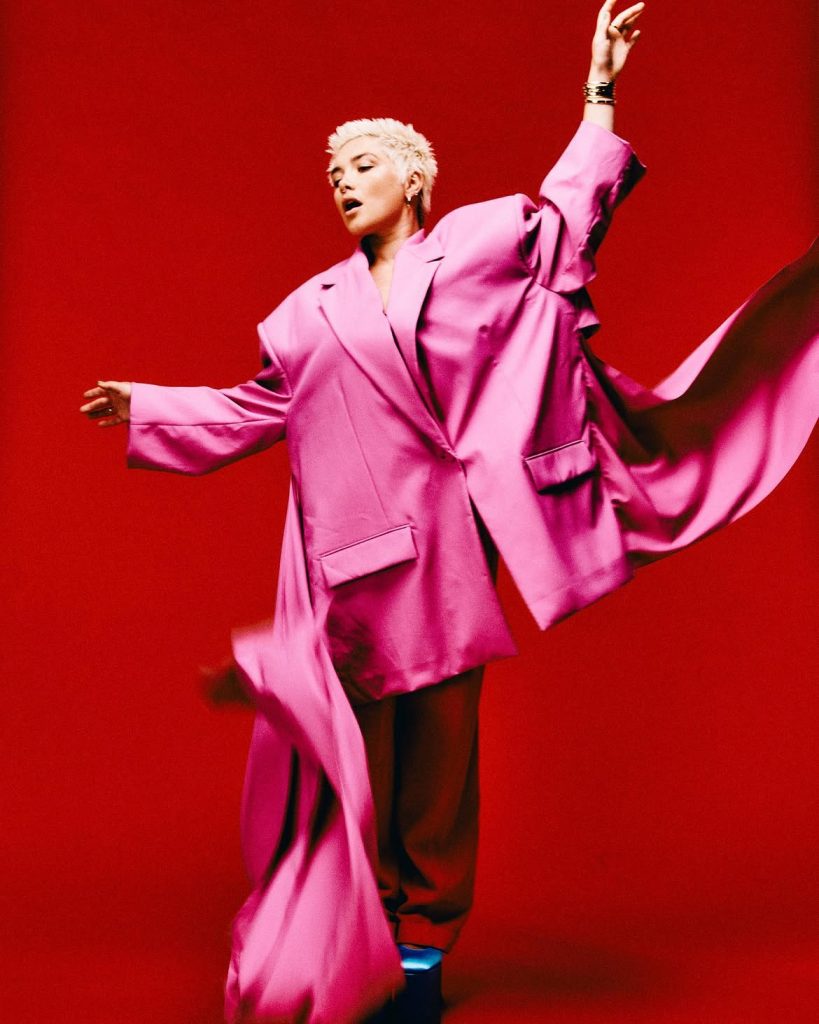
    Florence Pugh’s performance in the 2019 film Midsommar stopped Hollywood in its tracks. She delivered something raw and devastating in a genre rarely given awards attention. She was impossible to ignore. According to A.O. Scott reviewing for The New York Times, Pugh showed a level of emotional fearlessness that placed her in a category most actors spend entire careers trying to reach. But that performance was only the first signal.

    Fashion as Personal Defiance

    instagram.com/florencepugh

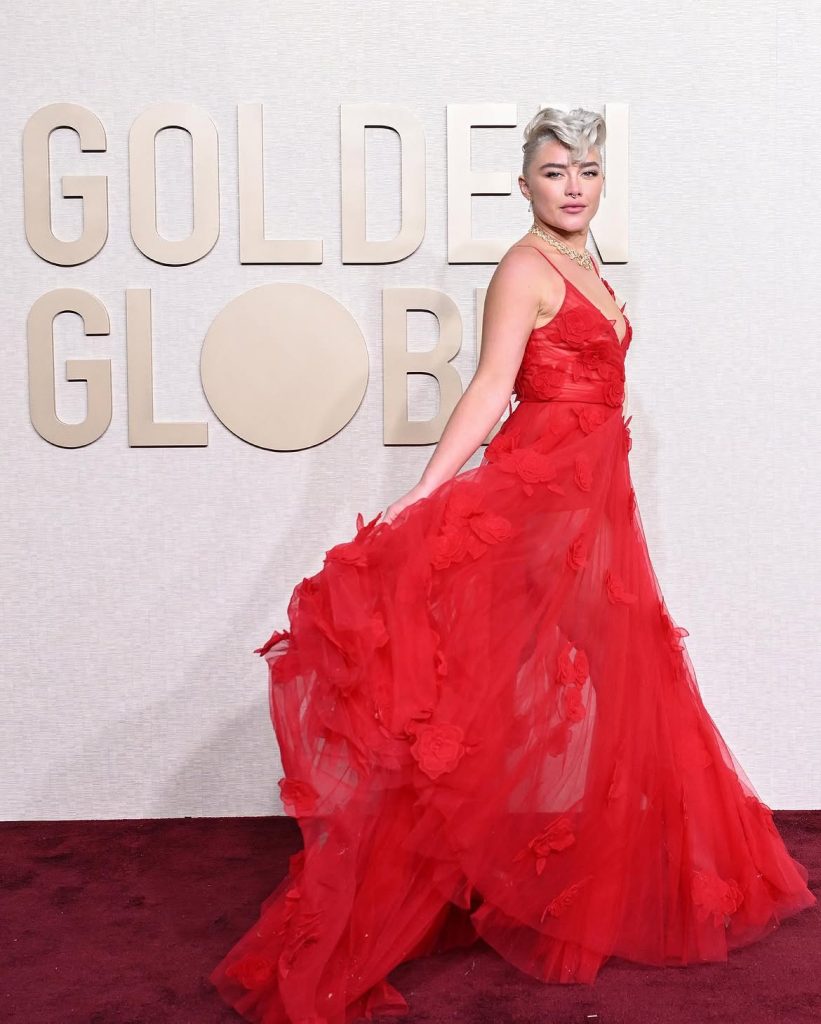
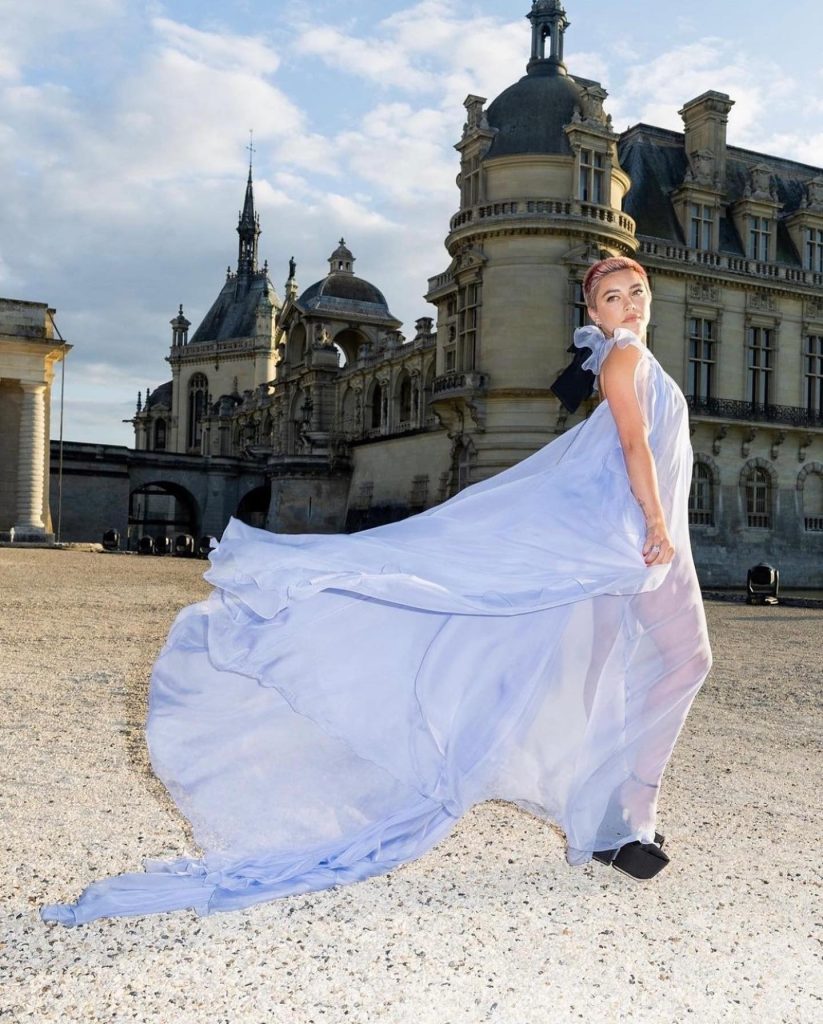
    When Florence Pugh appeared at Valentino’s 2022 show in a sheer rose tulle gown and faced sharp public reaction, she did not flinch once. She set the terms. According to reports in The Independent, her measured and direct response on social media was widely praised as a defining statement from a new generation of Hollywood women – one that treated her own body as entirely her own business.

    Refusing to Shrink for Anyone

    instagram.com/florencepugh

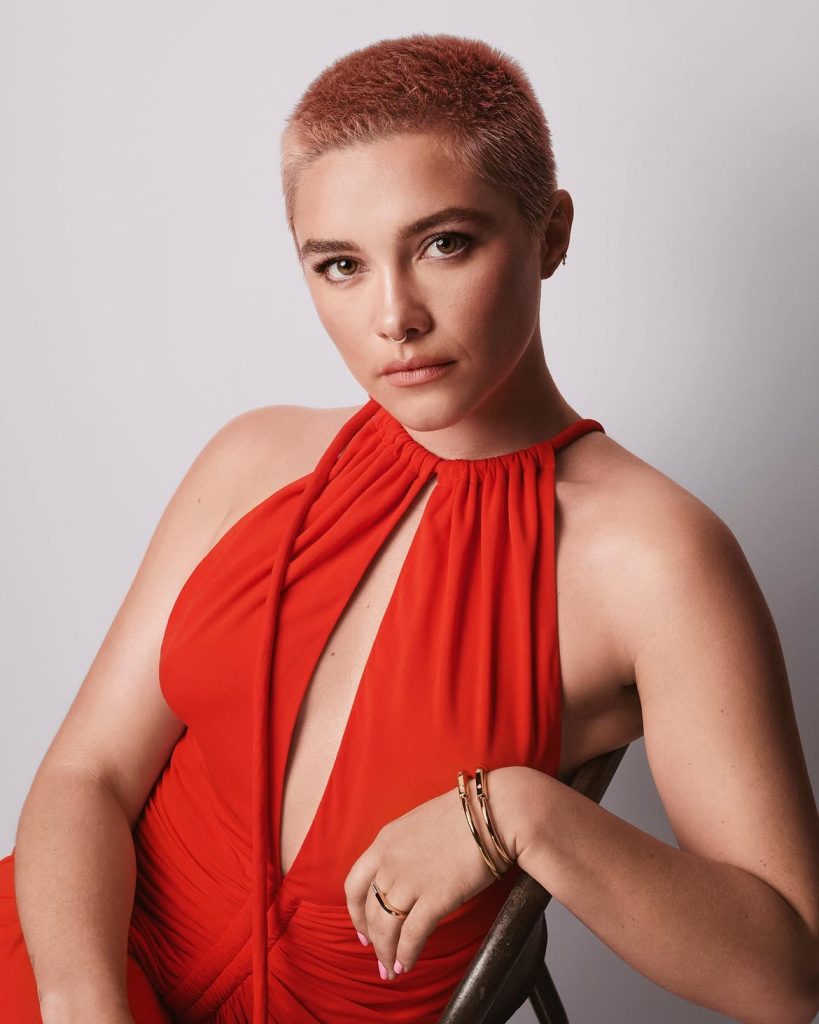
    Florence Pugh consistently refuses to downsize herself – her personality, her opinions, or her appearance – to fit an industry mold. She is entirely herself. According to profiles in British Vogue and The Hollywood Reporter, directors who have worked with her describe the same quality every time: she arrives on set knowing exactly who she is, and that certainty transfers directly and powerfully onto the screen.

    The Oppenheimer Breakthrough

    instagram.com/florencepugh

    Florence Pugh’s role in Christopher Nolan’s Oppenheimer introduced her to a vast new audience in 2023. She held her ground opposite a cast of established Hollywood titans. That took nerve. According to The Guardian, Nolan sought her specifically because of her ability to command full attention in emotionally complex, dialogue-heavy scenes – a skill she had been quietly building since her very earliest film appearances.

    Style That Always Means Something

    instagram.com/florencepugh

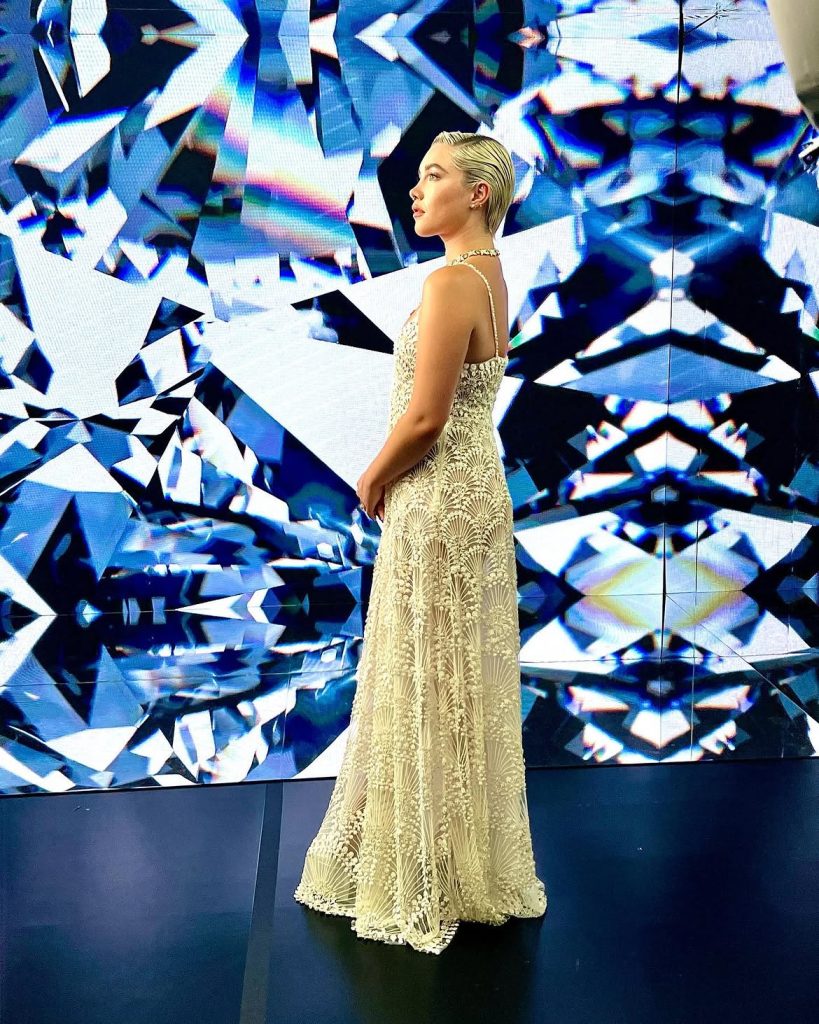
    Florence Pugh’s red carpet appearances are never accidental. She uses fashion the way she uses a performance – as a means of saying something precise about who she is right now. Every look means something. According to fashion critic Cathy Horyn writing for The Cut, Pugh has built one of the most consistently intentional personal styles in Hollywood, choosing pieces that challenge expectations rather than simply satisfy them.

    What Critics Got Wrong

    instagram.com/florencepugh

    When Florence Pugh first appeared, some critics wrote her off as another promising British actress who might or might not break through. They underestimated her badly. According to retrospective coverage in Empire Magazine, the industry consensus shifted sharply after her Academy Award nomination for Little Women in 2020, with many who had been lukewarm scrambling to understand what they had nearly missed entirely.

    Why Florence Pugh Endures

    instagram.com/florencepugh

    What makes Florence Pugh a true Hollywood icon is not just talent or beauty or timing – it is all three, held together by a personal integrity that has never bent under industry pressure. Icons are genuinely rare. According to Vanity Fair and Time magazine, she consistently ranks among the most respected and in-demand actresses of her generation, with a career that shows every sign of deepening further. This article is for informational and entertainment purposes only.

    Featured Image: instagram.com/florencepugh

  • Who Melania Was Before She Met Donald Trump

    Who Melania Was Before She Met Donald Trump

    Many people know Melania Trump through the image of the polished First Lady. Her public style often feels controlled, elegant, and distant.

    But before Donald Trump, she had a very different story. It began far from Manhattan, in Slovenia, with ambition shaped by fashion and movement.

    A Slovenian Beginning

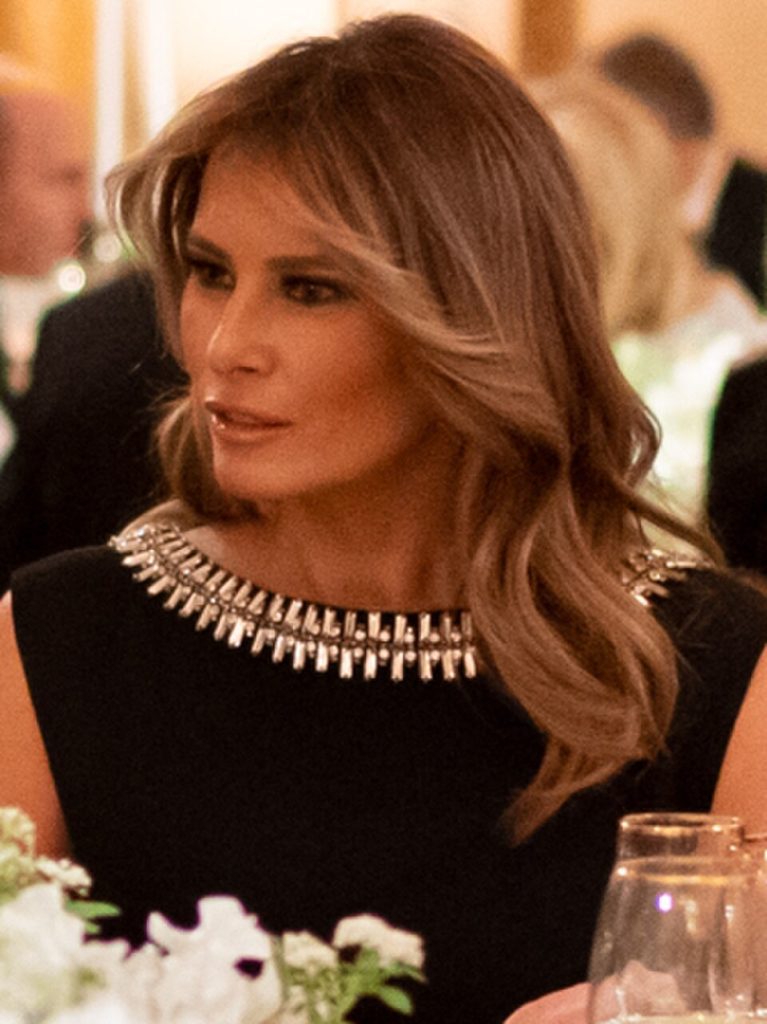
    By The White House from Washington, DC – President Trump and First Lady Melania Trump at the Governor’s Ball, Public Domain, https://commons.wikimedia.org/w/index.php?curid=93430972

    According to the White House Historical Association, Melania Knauss was born Melanija Knavs on April 26, 1970, in Novo Mesto, Slovenia, then part of Yugoslavia. Her story began far from American politics. Very far away. But her early life already pointed toward visual style and self-presentation.

    Raised In Sevnica

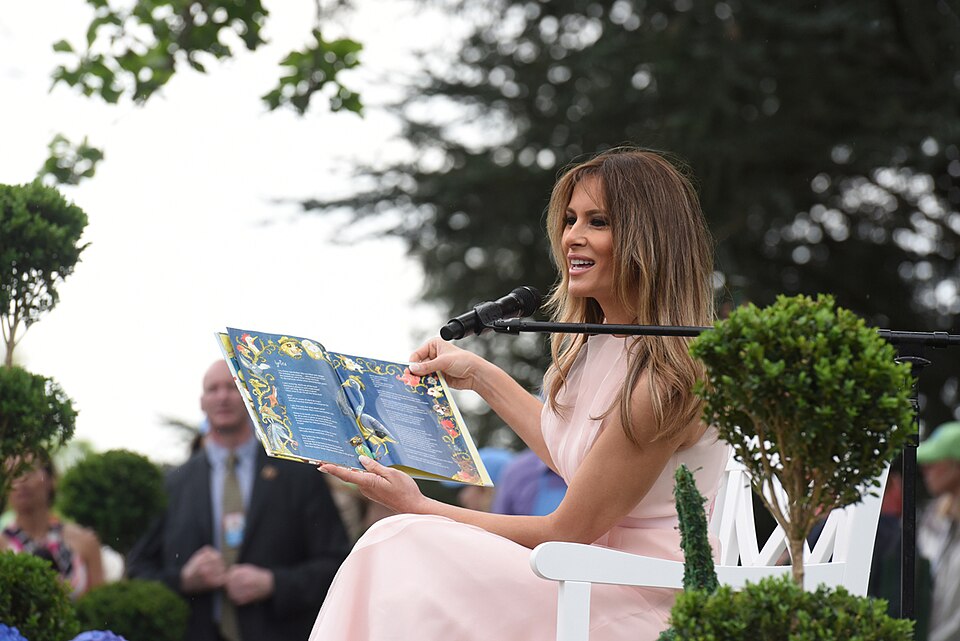
    By Joyce N. Boghosian – https://www.whitehouse.gov/blog/2017/04/19/president-and-first-lady-host-139th-easter-egg-roll, Public Domain, https://commons.wikimedia.org/w/index.php?curid=58185020

    According to the Miller Center, Melania was raised in Sevnica, Slovenia, with her parents and sister. That small-city setting shaped the early version of a woman later known for global fashion. The contrast is striking. But her first step out of that world came through modeling.

    Modeling Started Young

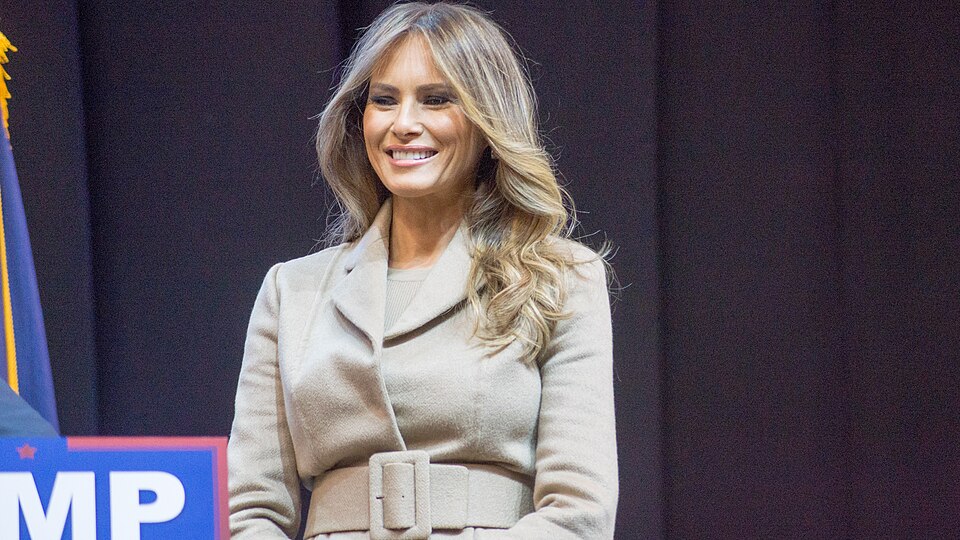
    By Marc Nozell from Merrimack, New Hampshire, USA – 20160208-DSC08093, CC BY 2.0, https://commons.wikimedia.org/w/index.php?curid=46940102

    According to the White House, Melania began modeling at a young age and later appeared in high-profile ad campaigns. The archived White House biography says she started at age 16. She moved fast. That early career gave her confidence in front of cameras long before politics arrived. But school briefly came first.

    Design Came Before Fame

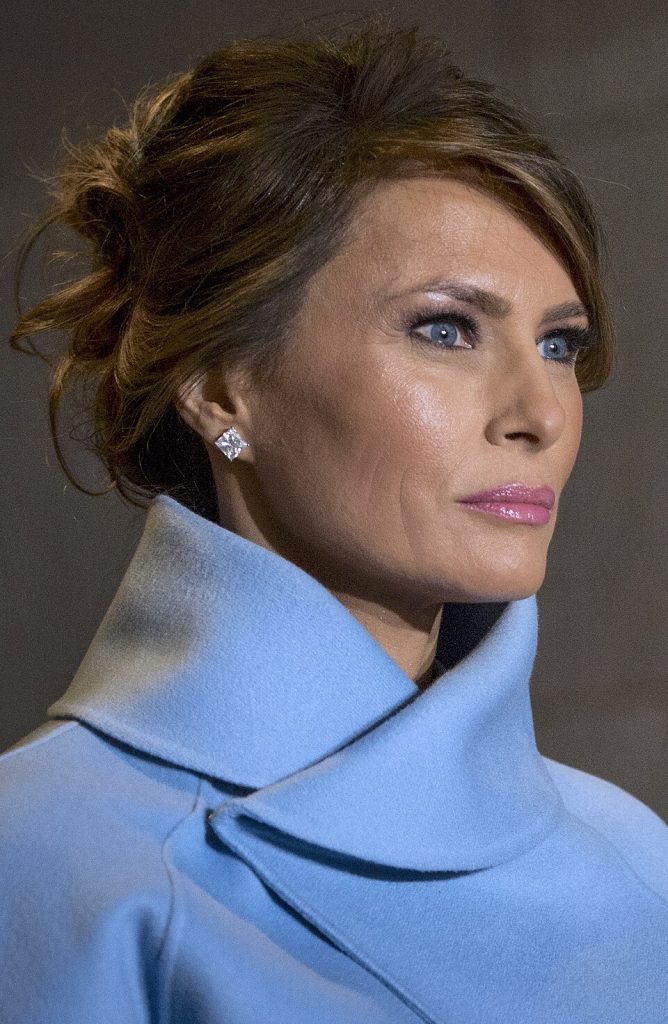
    By DoD photo by U.S. Air Force Staff Sgt. Marianique Santos – https://www.dvidshub.net/image/3114504/obama-hands-over-presidency-trump-58th-presidential-inauguration, Public Domain, https://commons.wikimedia.org/w/index.php?curid=55234430

    According to the Miller Center, Melania attended the University of Ljubljana for design and architecture before leaving after a year to pursue modeling in Western Europe. That detail matters because fashion was not just posing for her. It was visual training. But Europe was only the beginning.

    Europe Opened Doors

    By U.S. Department of State from United States – Secretary Pompeo, First Lady Melania Trump, and Ximena Galarza Pose for a Photo, Public Domain, https://commons.wikimedia.org/w/index.php?curid=94136347

    According to The New Yorker, Melania’s life moved from Slovenia into the modeling world before she entered Donald Trump’s orbit. That journey helped shape her reserved public image. She learned distance. The cameras were part of the job before they became part of her marriage. But New York changed everything.

    New York Changed Her Path

    By U.S. Department of State – This image has been extracted from another file, Public Domain, https://commons.wikimedia.org/w/index.php?curid=57799682

    According to the American Presidency Project, Melania’s modeling career took her to New York City, where she met Donald Trump at a fashion industry event. That meeting joined two very different public worlds. The shift was huge. But her identity did not begin with the Trump name.

    A Rare First Lady Path

    By Voice of America – https://m.voanews.com/a/comparison-of-melania-trump-michelle-obama-convention-speeches/3424328.html, Public Domain, https://commons.wikimedia.org/w/index.php?curid=50473007

    According to the White House, Melania is the second First Lady born outside the United States. AP News also reported that she became a naturalized U.S. citizen after arriving from Slovenia. Her path was unusual. But that unusual path became part of her public fascination.

    Before The Spotlight

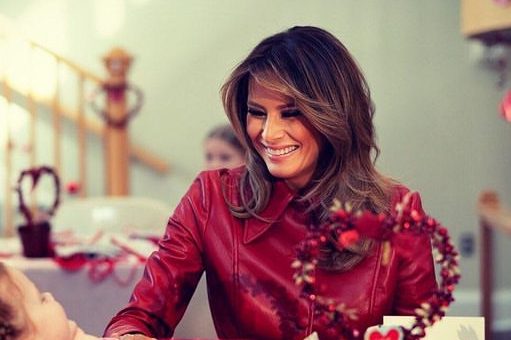
    By The White House from Washington, DC. Photo by Andrea Hanks – First Lady Melania Trump at the Monroe Carell Jr. Children’s Hospital, Public Domain, https://commons.wikimedia.org/w/index.php?curid=71299015

    According to the White House Historical Association, Melania’s story began as Melanija Knavs in Slovenia before her life became tied to American power. That is the part people often skip. Before the title, there was a model building a future one careful step at a time. This article is for informational and entertainment purposes only.

    Featured Image: instagram.com/flotus45