Most people think of Julianne Moore as one of the finest actresses of her generation – someone whose work speaks entirely for itself. The awards, the critical praise, the decades of unforgettable performances tell that story clearly.
But there is another story running alongside it, one that her most devoted fans know deeply. Julianne Moore did not just act in films – she became a symbol of authenticity, visibility, and unapologetic self-expression for an entire community.
Where the Story Started
Julianne Moore was born in Fort Bragg, North Carolina in 1960 and spent her childhood moving between military postings as her father served in the army. She was always restless. According to interviews Moore gave to The Guardian, that early instability fed a deep desire to find places where she truly belonged – and the theatre became that place when she discovered it as a teenager. That hunger for belonging would shape everything that followed.
The Roles That Changed Things
Moore’s film career took a defining turn in the 1990s with performances in films including Short Cuts, Boogie Nights, and The Hours. She chose roles that Hollywood’s most bankable stars would not touch. She was fearless. According to film critic Roger Ebert, writing at the time, Moore had an ability to expose emotional vulnerability on screen that felt almost uncomfortably real – a quality that drew LGBTQ+ audiences who recognized that kind of courage in their own lives.
Playing Characters Who Defied Norms
Several of Moore’s most celebrated roles placed her inside stories that spoke directly to LGBTQ+ experiences of isolation, identity, and love. Her performance in Far From Heaven in 2002, playing a woman whose life quietly unravels around her husband’s hidden identity, moved audiences profoundly. That performance endures. According to The New York Times, Far From Heaven gave LGBTQ+ viewers one of the most tender and devastating portrayals of repression and longing that mainstream cinema had produced in years.
Speaking Up When It Mattered
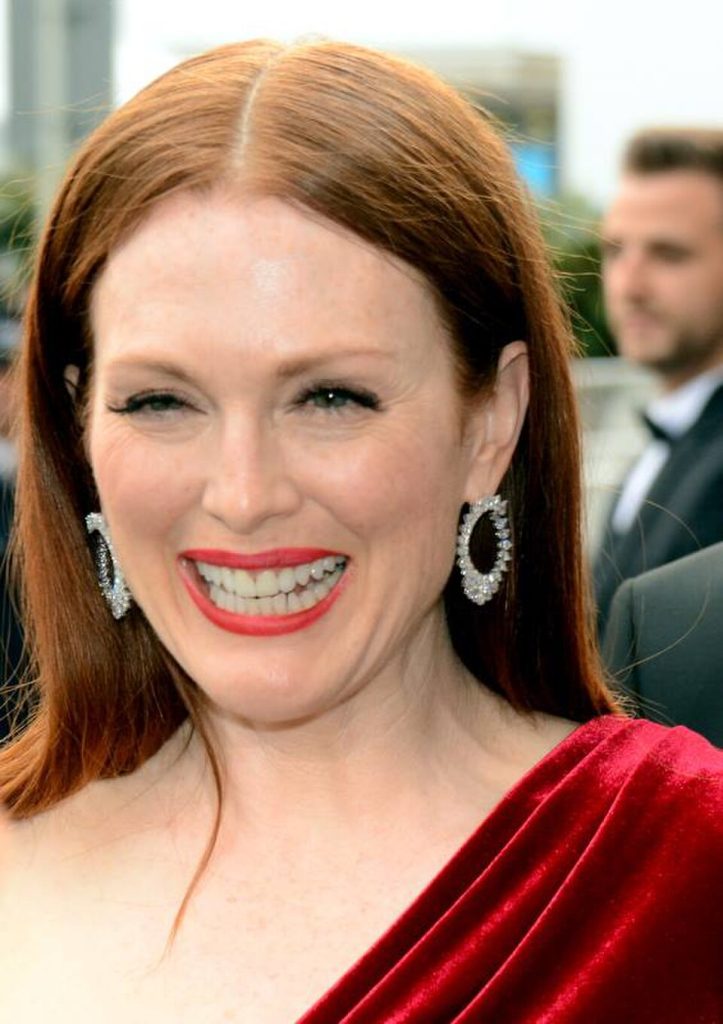
Julianne Moore did not limit her support to the roles she played. She became a consistent and vocal advocate for LGBTQ+ equality in public life, using her platform at award ceremonies, in interviews, and on social media to speak directly and without hesitation. She meant every word. According to reports from GLAAD, Moore received the organization’s Vanguard Award in recognition of her sustained public support for LGBTQ+ visibility and civil rights across more than two decades.
The Oscar That Felt Personal
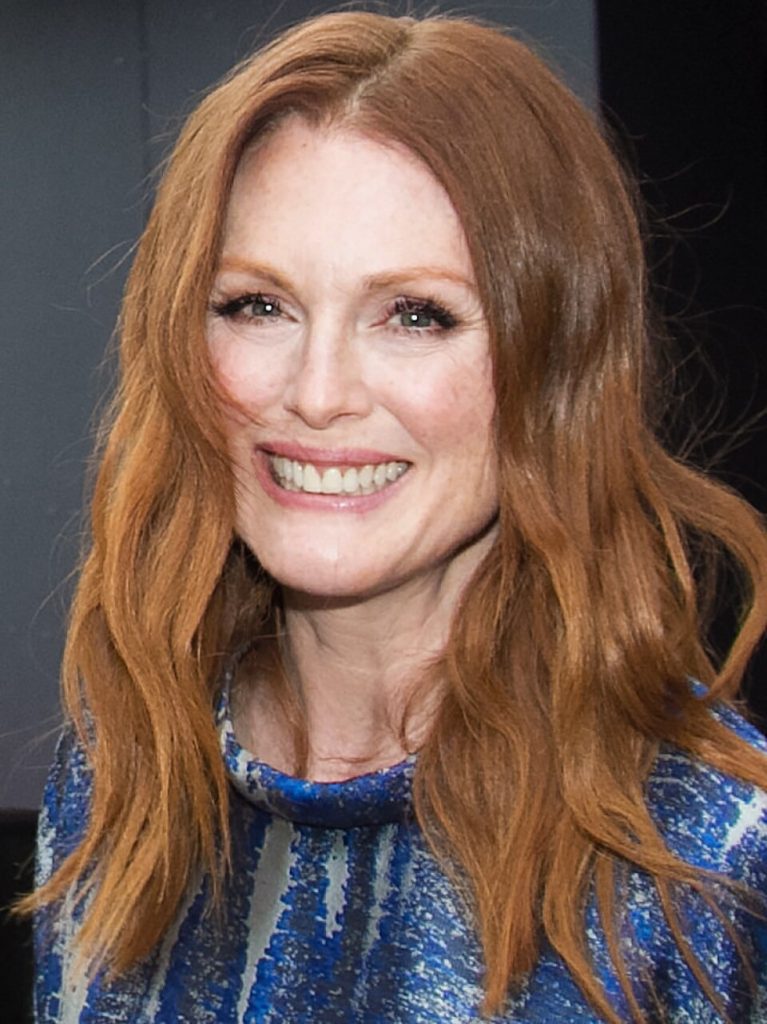
When Julianne Moore finally won her Academy Award for Best Actress in 2015 for Still Alice, the response from LGBTQ+ communities around the world was immediate and deeply felt. Representation mattered here. According to coverage in Out Magazine, her win resonated far beyond Hollywood – Moore had spent decades choosing roles and causes that the industry often considered too risky, and her Oscar felt like a vindication of that entire body of choices.
A Presence Beyond the Screen
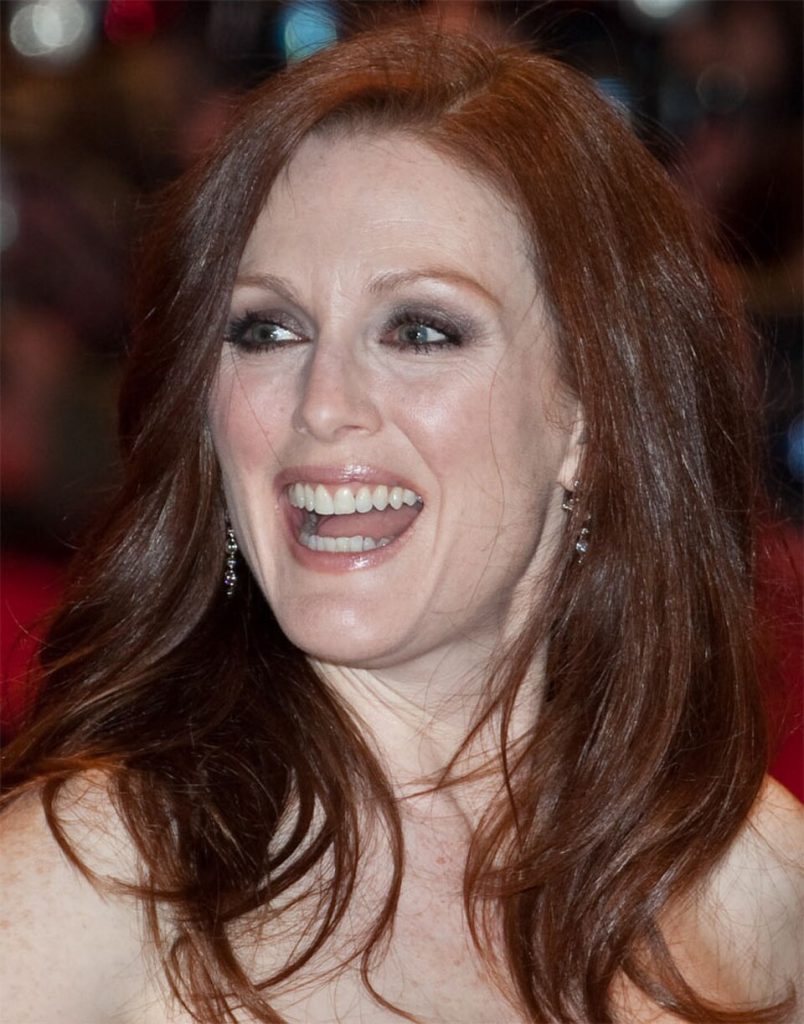
Moore’s icon status was never purely about performance. She showed up – at Pride events, at advocacy dinners, at political fundraisers for equality – with a consistency that separated genuine allyship from the more transactional kind. She kept showing up. According to reporting in The Advocate, her longtime commitment to LGBTQ+ causes earned her a level of trust within the community that very few straight celebrities have managed to build over a career of comparable length.
What Her Style Said
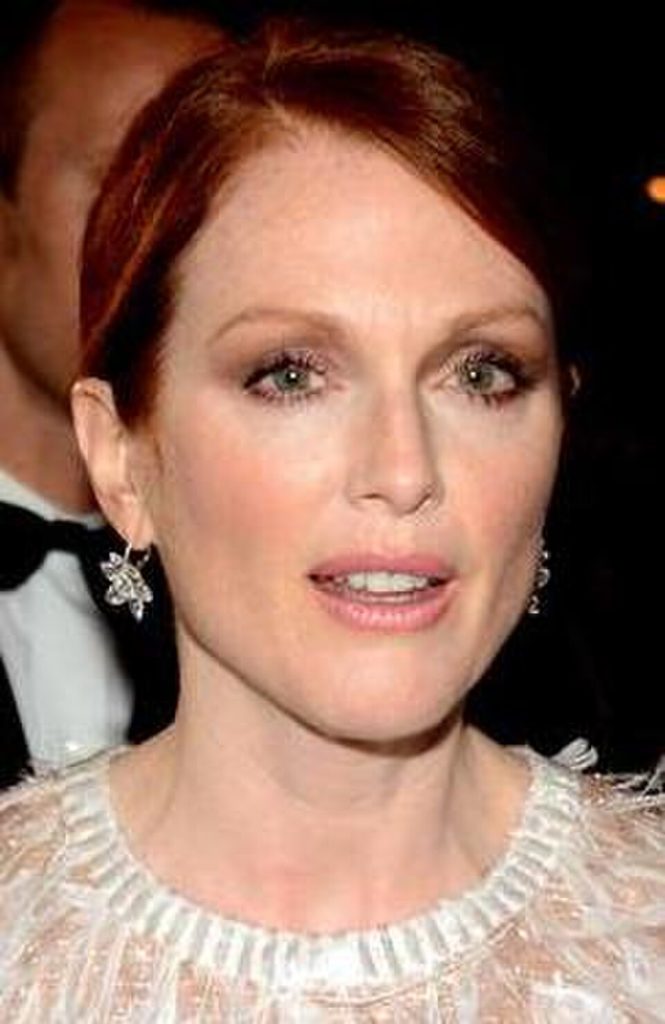
Julianne Moore’s red carpet appearances became their own kind of statement over the years – bold, unconventional, and entirely her own. She never chased trends. According to Vogue’s fashion desk, Moore consistently used public appearances to make choices that defied the conservative expectations Hollywood places on women of her age, reinforcing through her visual presence the same spirit of defiant authenticity that defined her film career and her advocacy work.
Why the Icon Status Holds
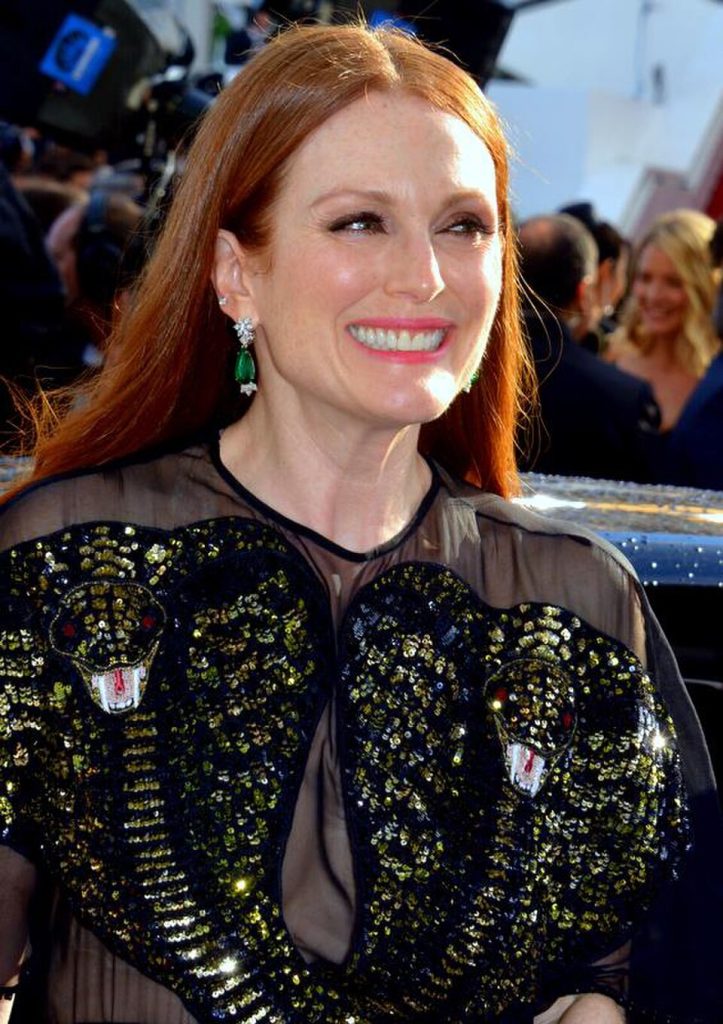
Julianne Moore earned her place as a gay icon the same way she earned everything else in her career – through consistency, courage, and an absolute refusal to take the safe path. That reputation holds. She chose the difficult roles, spoke up at the difficult moments, and showed up long after it would have been acceptable to quietly step back. This article is for informational and entertainment purposes only.
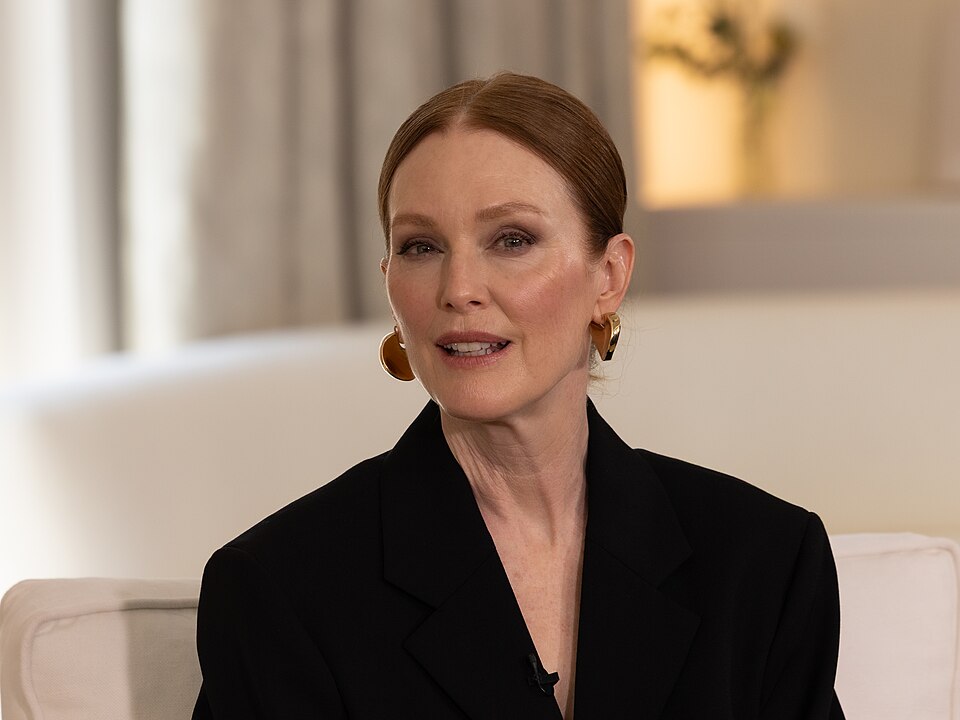
Featured Image: By Harald Krichel – Own work, CC BY-SA 4.0, https://commons.wikimedia.org/w/index.php?curid=192137631
Leave a Reply