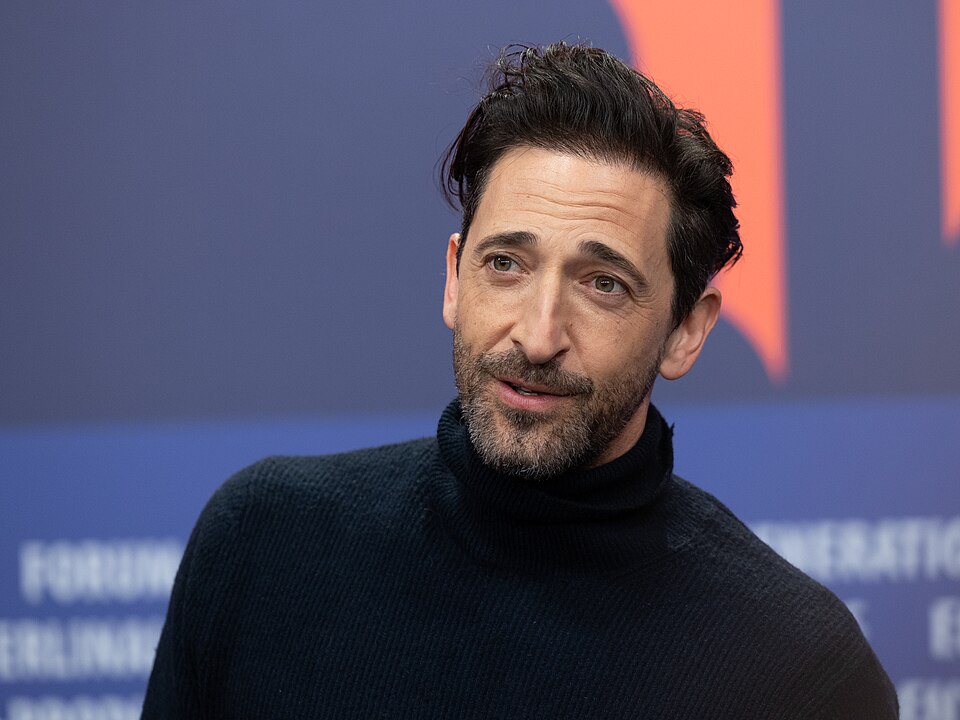
Adrien Brody became internationally famous after winning the Academy Award for The Pianist, but his career did not follow a simple upward path. He continued working across studio films, independent cinema, television and collaborations with filmmakers such as Wes Anderson, even when the roles did not always attract the same attention as his Oscar-winning performance.
Over time, Brody expanded beyond the image of a solemn dramatic lead. He took on eccentric supporting characters, prestige television roles, visual art and eventually another major awards comeback with The Brutalist. His career is less a story of disappearing and reinventing himself than one of steadily exploring different kinds of work.
The Boy From Queens
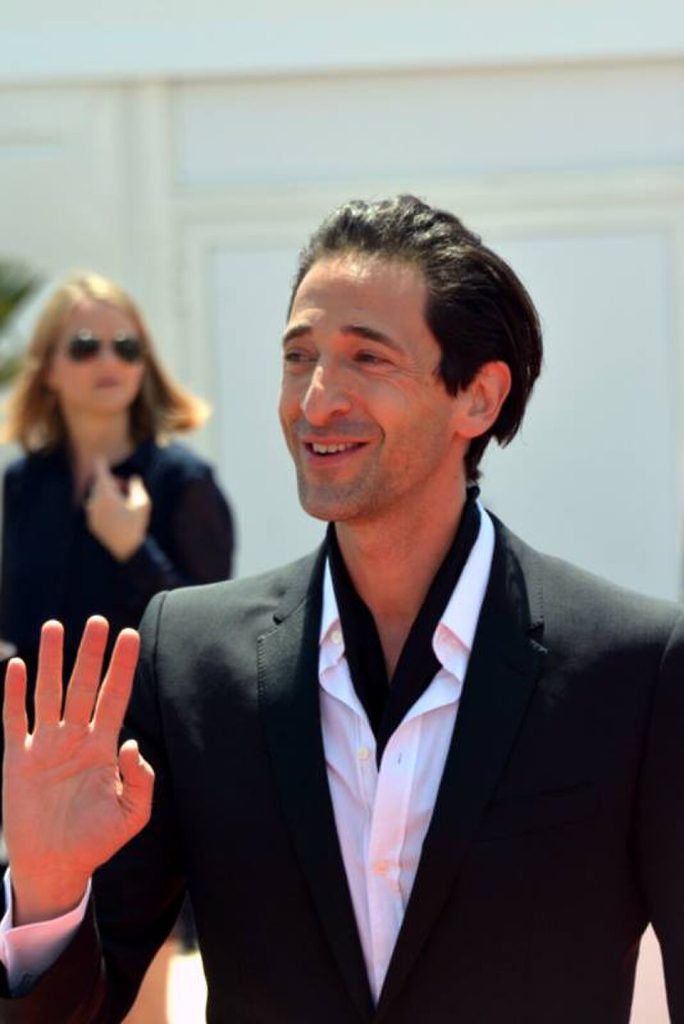
Adrien Brody grew up in Woodhaven, Queens, as the only child of photographer Sylvia Plachy and history professor and self-taught painter Elliot Brody. As a child, he performed magic at birthday parties under the name “The Amazing Adrien,” an early experience that helped introduce him to performing.
He later pursued acting as a teenager and gradually built a career through unusual, psychologically complex roles. Rather than claiming that he deliberately searched for characters outside the world in which he grew up, it is more accurate to say that Brody became known for choosing distinctive characters across independent films, studio productions and television.
A Career Built on Risks
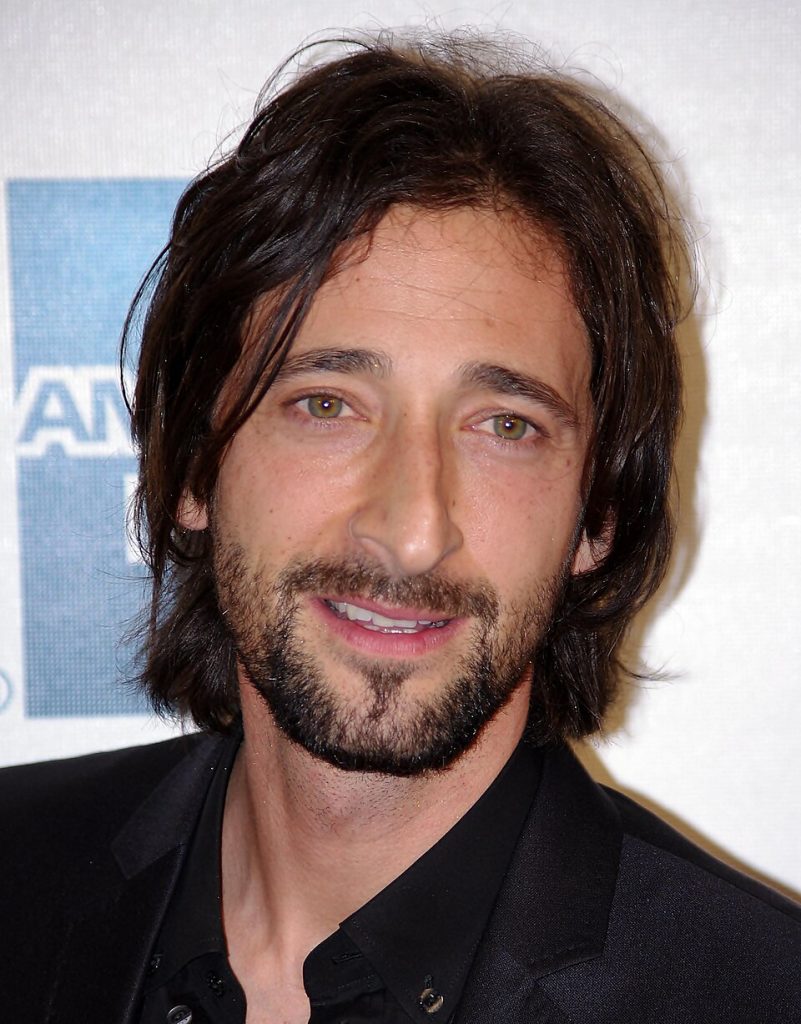
Before The Pianist, Brody spent years taking roles other actors passed on. He played outcasts, misfits, and quiet men with complicated inner lives. None of them made him famous. But each one sharpened him into something rare, and the industry was slowly starting to pay attention to what he was building.
The Role That Broke Him Open
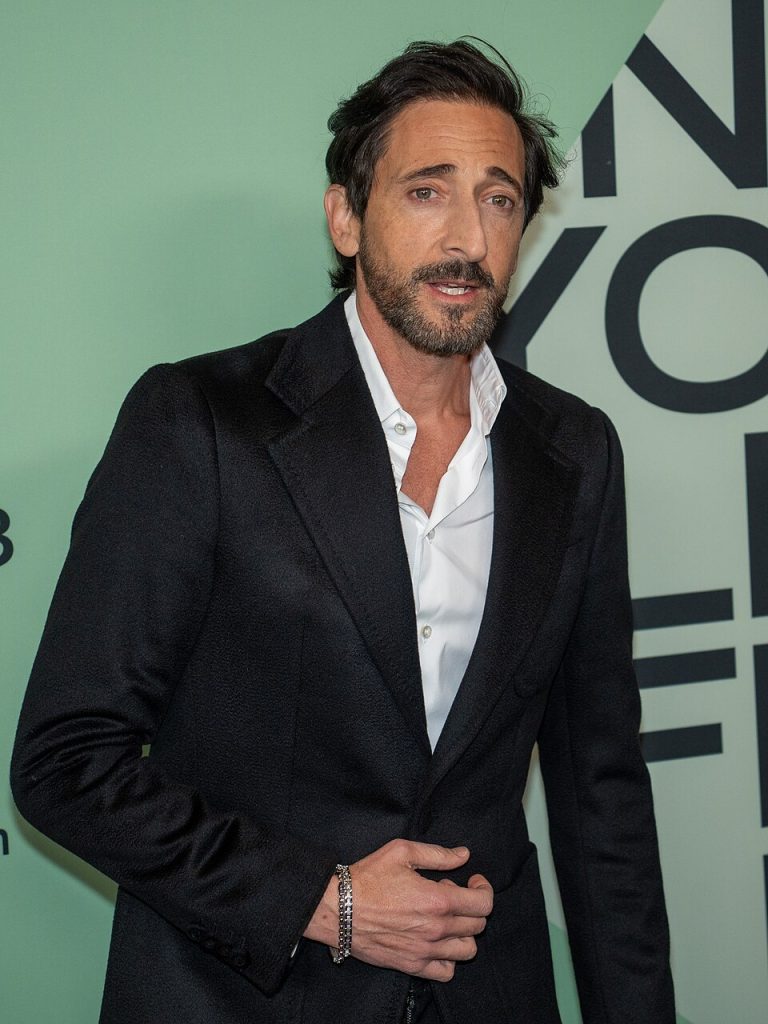
Preparing to play Wladyslaw Szpilman in The Pianist required Brody to lose 30 pounds, give up his apartment, and sell his car. He also learned to play Chopin on the piano. He gave everything. When he won the Academy Award in 2003 at just 29 years old, he became the youngest Best Actor winner in Oscar history, according to the Academy of Motion Picture Arts and Sciences.
The Years That Followed
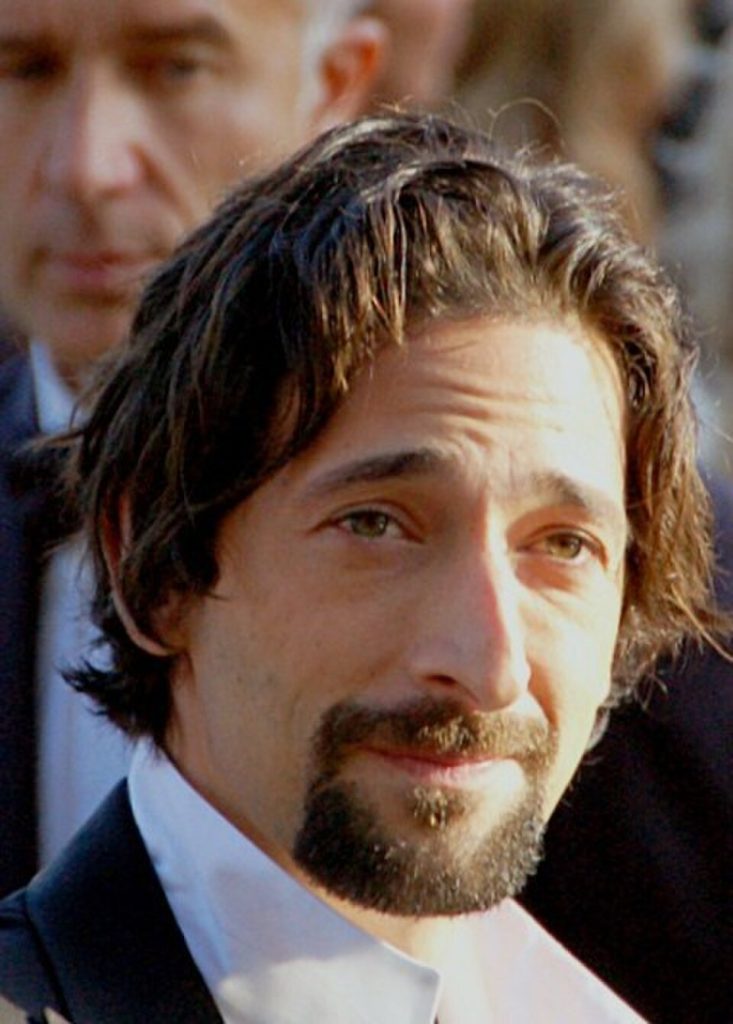
After the Oscar, something unexpected happened. Brody did not chase blockbusters or awards-bait films. He took strange, smaller roles and worked with international directors most American audiences had never heard of. Critics were puzzled. But what looked like a career losing direction was actually something more deliberate than anyone realized.
A Different Kind of Leading Man
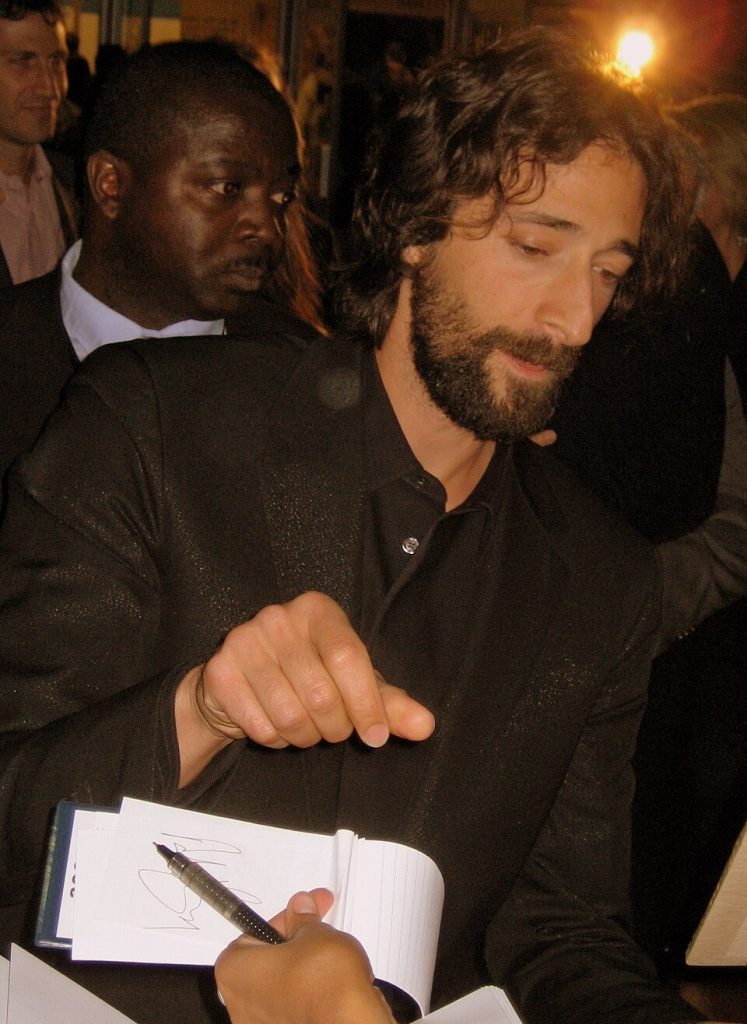
Brody resurfaced in Wes Anderson’s The Grand Budapest Hotel, in Succession creator Jesse Armstrong’s projects, and in Succession-era prestige television that reminded audiences what he could do. He played villains, eccentrics, and moral ghosts with equal ease. He was unpredictable. That quality, it turned out, was his greatest asset as an actor.
The Artist Behind the Actor
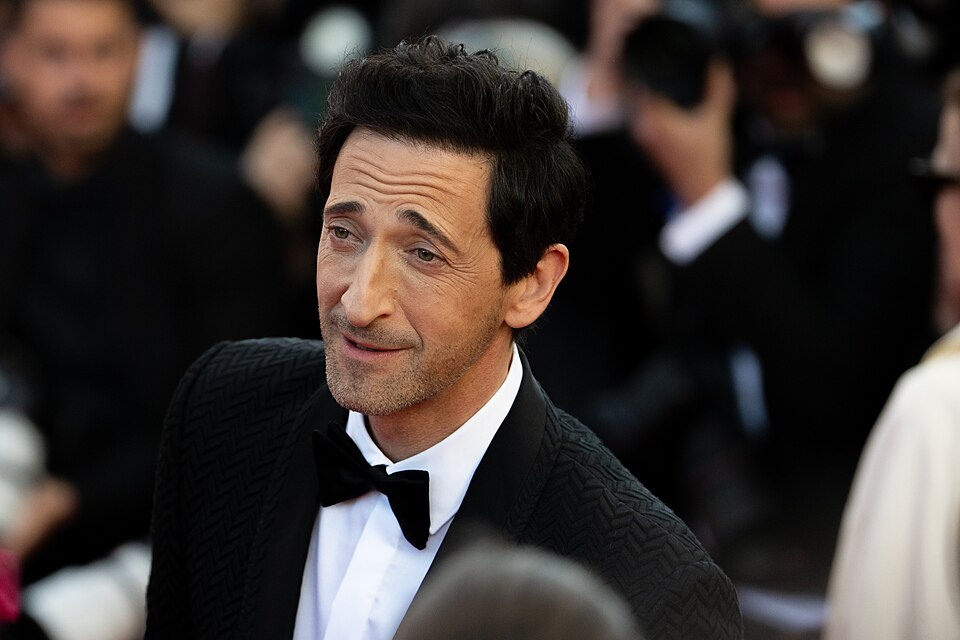
Away from cameras, Brody paints. He has exhibited artwork internationally and has spoken at length about how visual art shapes the way he inhabits characters. According to an interview with Esquire, he approaches acting the way a painter approaches a canvas — by stripping everything back before building something new. That philosophy explains a great deal about the choices he has made.
Still Surprising Everyone
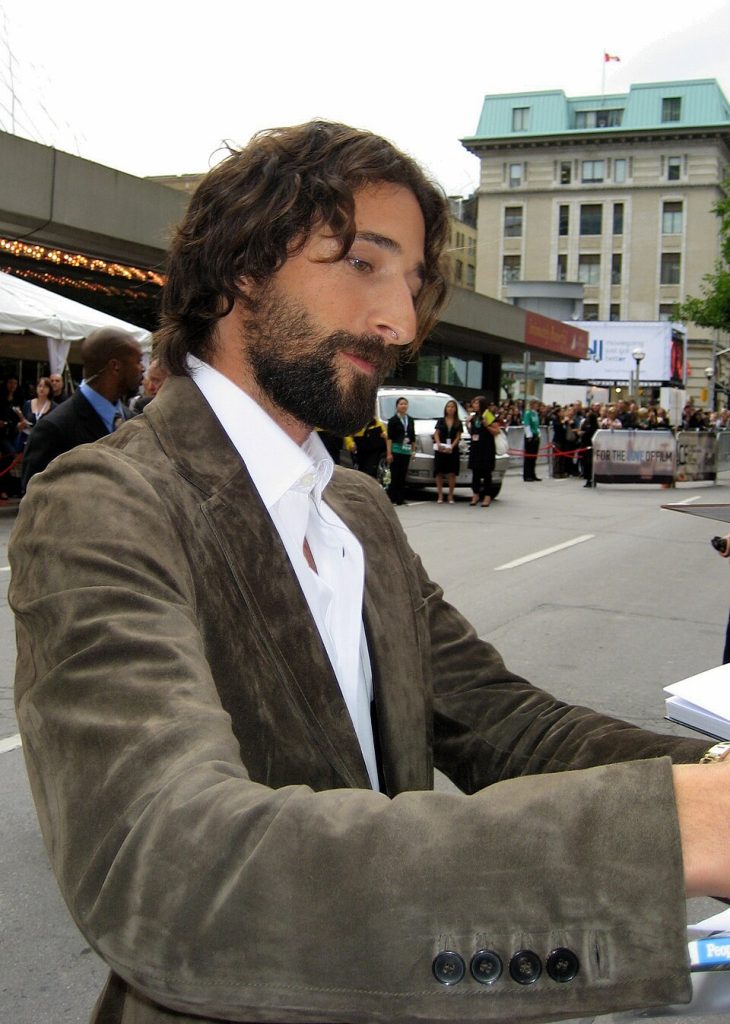
Brody’s performance in The Brutalist brought him back to the center of awards attention more than two decades after his victory for The Pianist. In March 2025, he won his second Academy Award for Best Actor, giving him two wins from two nominations in the category.
The achievement marked a major new chapter in a career that had continued across independent films, studio productions, television and visual art. Rather than disappearing from the industry, Brody spent years taking varied roles before returning with another Oscar-winning performance.
This article is for informational and entertainment purposes only.
Featured Image: By Harald Krichel – Own work, CC BY-SA 3.0, https://commons.wikimedia.org/w/index.php?curid=131327441
Leave a Reply