King Charles is widely known for his commitment to organic farming, sustainable agriculture, and a lifestyle built around natural living. Most people assume his food rules are simply about health.
But the full list of what the King refuses to eat goes far beyond wellness habits. Some of his food rules stretch back decades and carry the weight of royal protocol, personal conviction, and long-held principle.
A Lifelong Devotion to the Organic
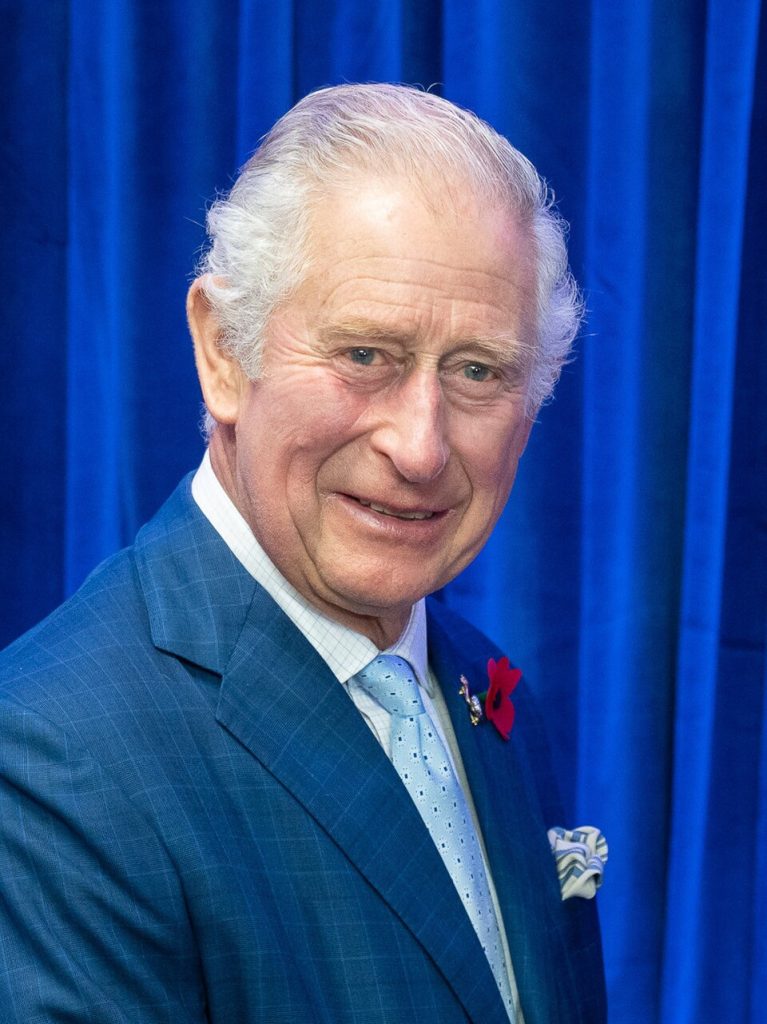
King Charles converted his Highgrove estate to organic farming in 1986, decades before organic food became fashionable. According to The Guardian’s reporting on the Highgrove estate, he refused to allow pesticides on his land and spent years being openly mocked by the agricultural establishment before the conversation caught up with him. He was ahead of his time. His relationship with what he eats has always been inseparable from his relationship with how food is grown and where it comes from.
Garlic Off the Royal Table
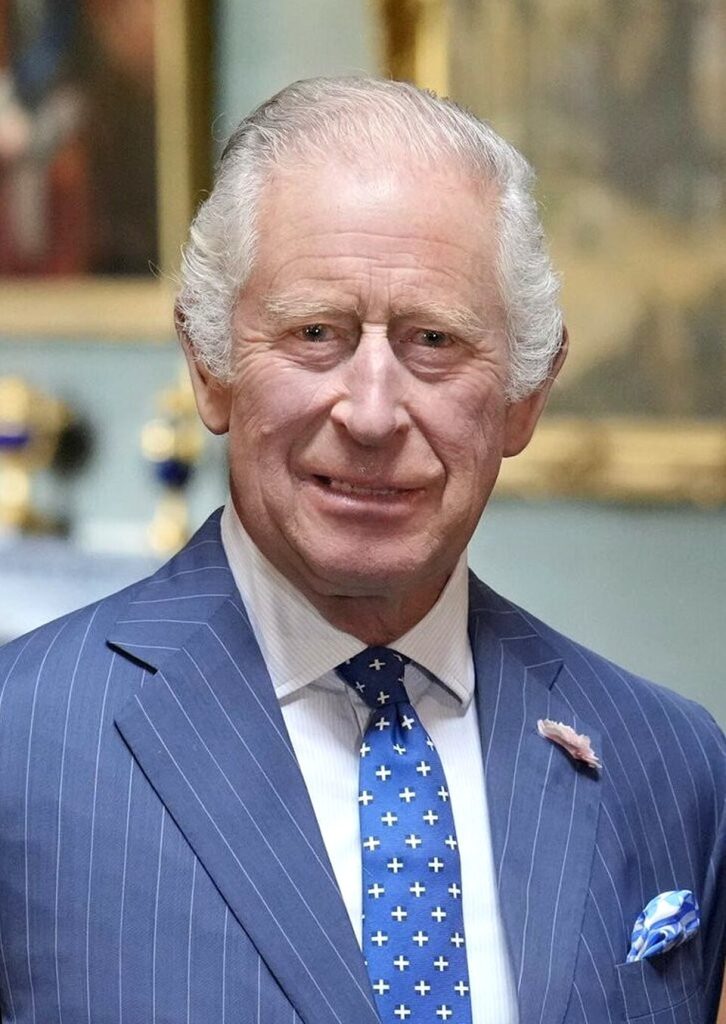
One of the most widely reported of King Charles’s food rules concerns garlic. According to royal insiders speaking to The Daily Mail, garlic has long been discouraged at royal mealtimes, a tradition shared by several members of the family including the late Queen Elizabeth II. The reasoning is rooted in etiquette. Close-quarters engagements with the public, dignitaries, and foreign heads of state are a daily reality for the monarch, and the lingering effects of garlic on breath are considered incompatible with those duties.
The Foie Gras Decision
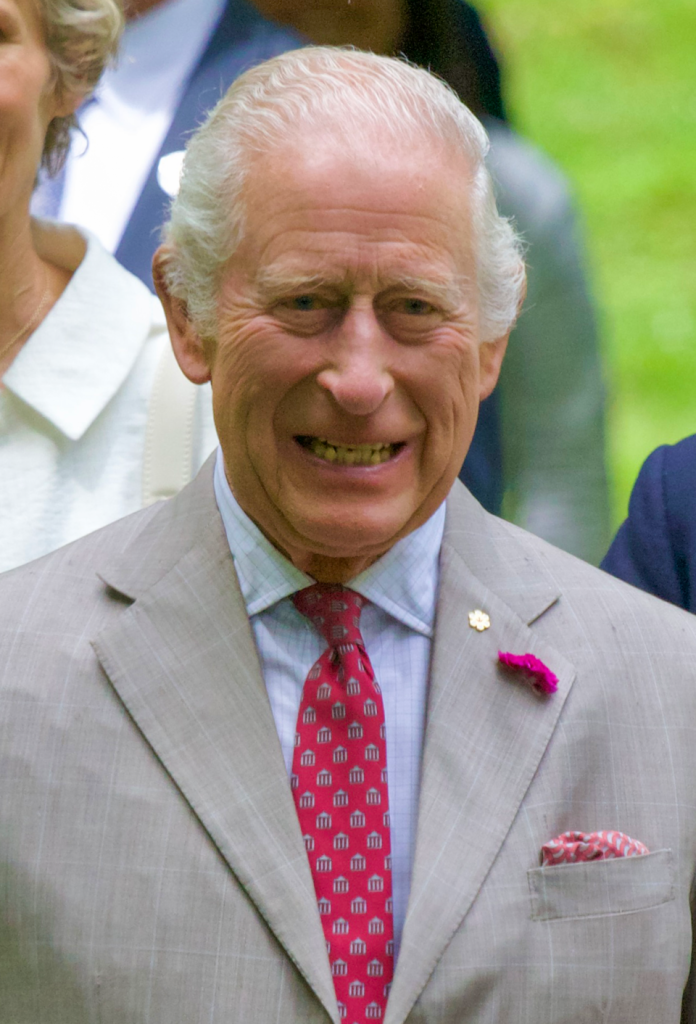
King Charles made headlines in 2008 when he quietly removed foie gras from the menu at all of his royal residences. According to reports from The Times at the time, the decision came after sustained campaigning from animal welfare organizations who had been in contact with the Prince of Wales for years. He acted on his values. Foie gras production involves force-feeding ducks or geese, and Charles had long been vocal about his concern for animal welfare in food production. The ban has remained in place.
Red Meat and How He Limits It
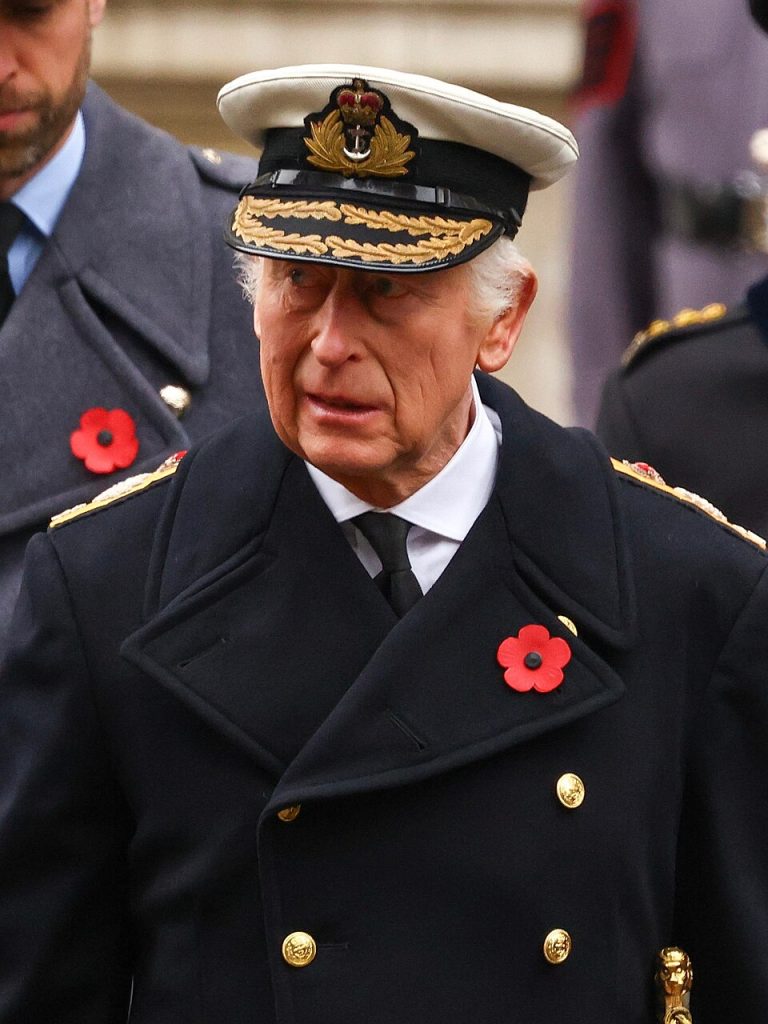
King Charles has spoken openly about limiting red meat in his diet as part of his broader environmental philosophy. He has publicly advocated for reducing meat consumption as a means of addressing climate impact, and according to interviews he gave to the BBC ahead of COP26, he practices what he preaches in his own meals. He eats less than most would expect. Those close to the King have told reporters at The Telegraph that his lunches are frequently built around vegetables from his own organic kitchen gardens.
What GMO Foods Mean to Him
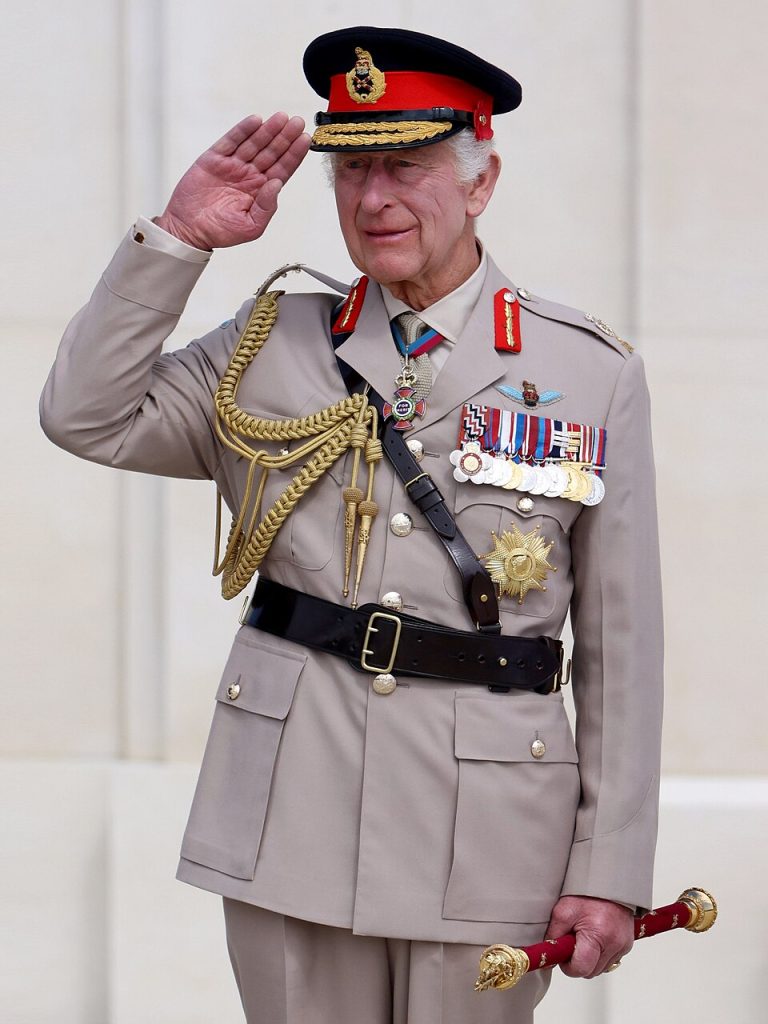
Few topics have drawn more sustained public comment from King Charles than genetically modified organisms in food production. He gave a notable interview to The Daily Mail in 2008 in which he described GM crops as a form of experiment with nature that risked consequences nobody could fully predict. According to The Guardian’s coverage of the interview, his remarks caused significant controversy in scientific circles. He has never retreated from that position. GMO products remain off his personal menu entirely.
The Lunchtime Ritual That Rules His Day
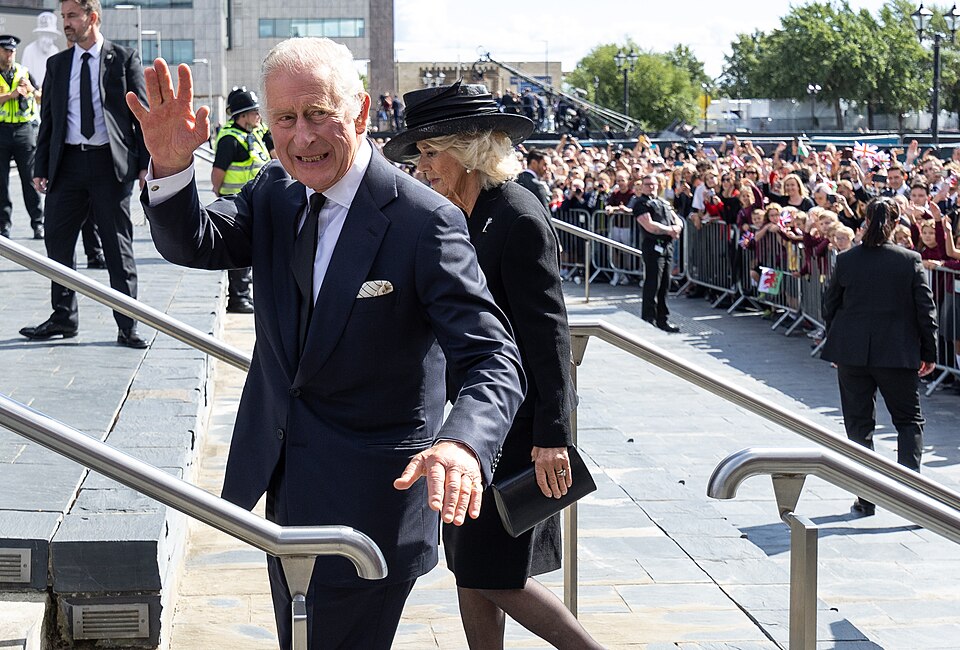
King Charles is known to keep a strict schedule around his meals, and according to royal biographers including Jonathan Dimbleby, writing in his authorised biography of the King, Charles has kept a notably light approach to lunch for decades. He often eats only a small amount mid-day, favouring vegetables and avoiding anything processed. Staff who have worked at his residences have described, in accounts cited by The Sunday Times, a kitchen culture built entirely around freshness, provenance, and simplicity.
Why These Rules Are About More Than Food
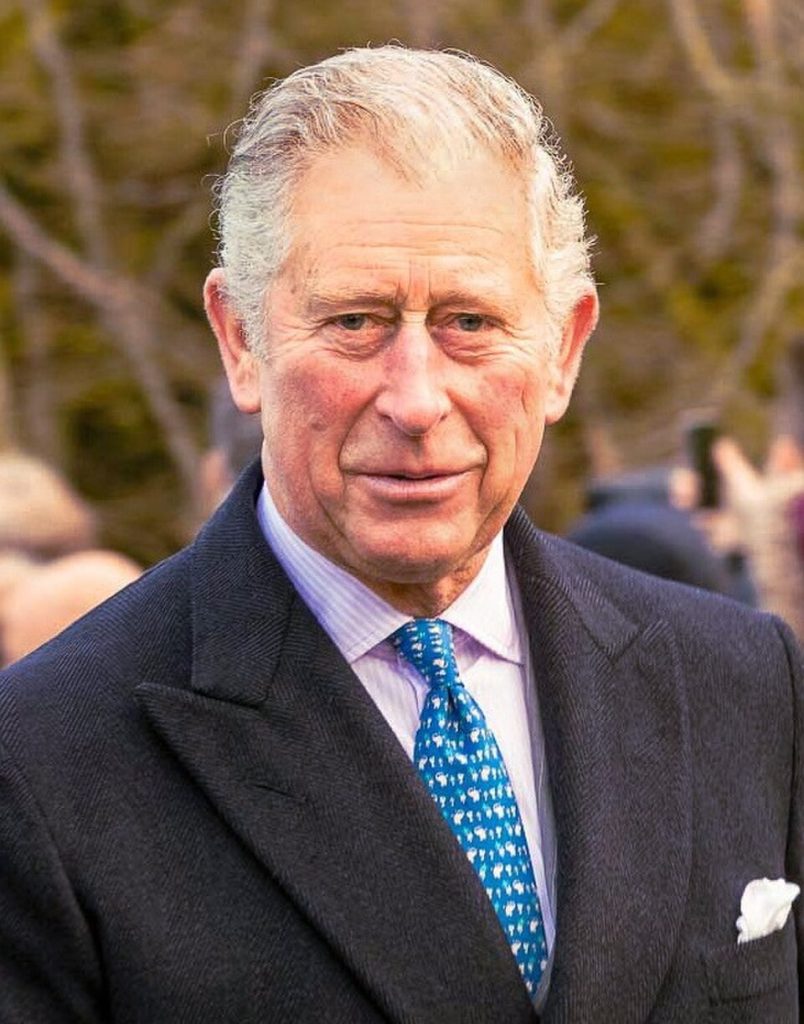
Every item that disappears from King Charles’s plate carries a message about what he believes. The organic commitment began in the 1980s as a counter-cultural act. The foie gras ban was a statement on welfare. The GMO rejection was a challenge to industrial agriculture. According to biographer Catherine Mayer, writing in Charles: The Heart of a King, his dietary positions have always been extensions of his worldview rather than personal quirks. The plate tells the full story.
A King Who Has Always Eaten His Convictions
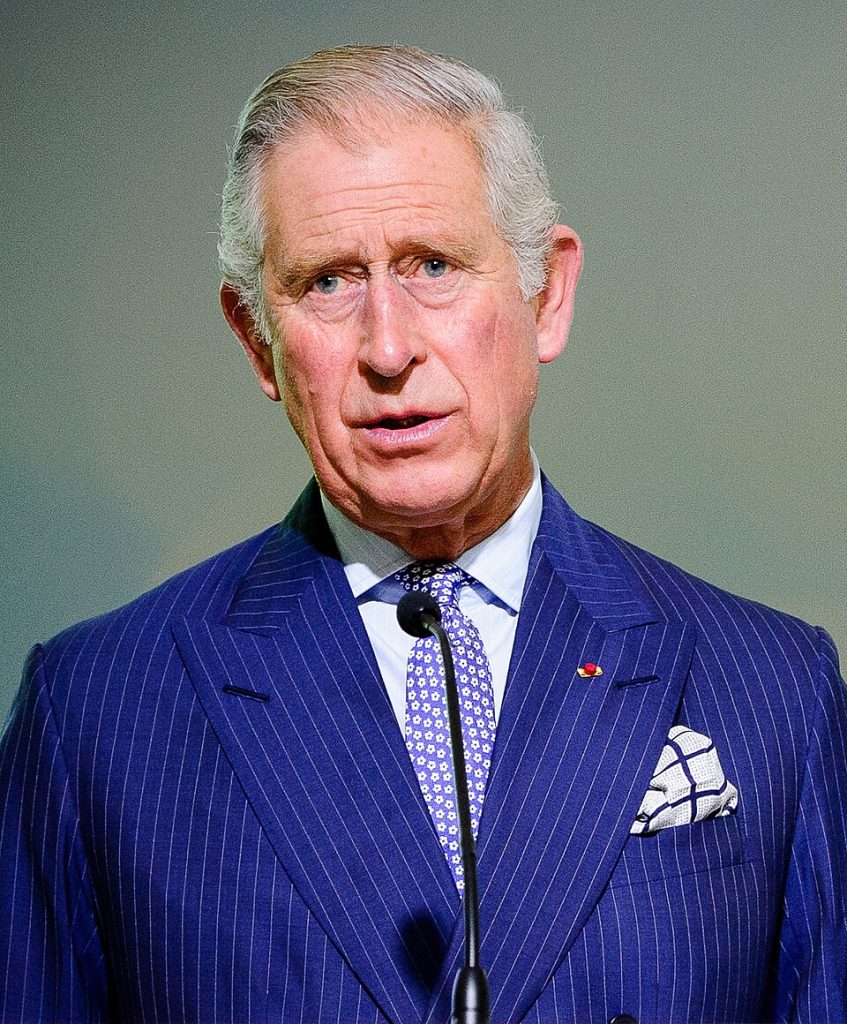
King Charles spent decades as a Prince being dismissed as eccentric for the positions he held on food, farming, and the environment. Many of those positions are now mainstream. His kitchen has always been ahead of the conversation. According to commentators writing for the BBC’s coverage of his coronation, few public figures have lived their values as consistently through their private habits as the current King. This article is for informational and entertainment purposes only and does not constitute professional advice.
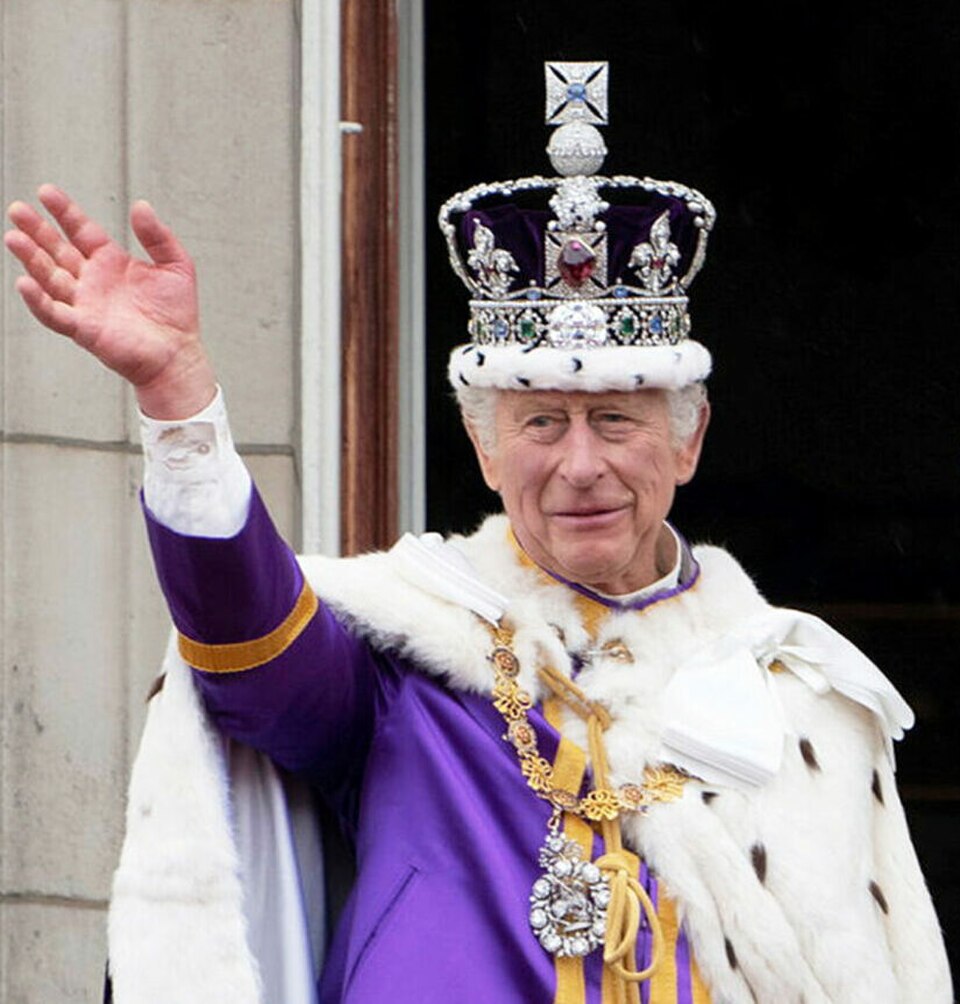
Featured Image:By HM Government – https://coronation.gov.uk/, OGL 3, https://commons.wikimedia.org/w/index.php?curid=143890341