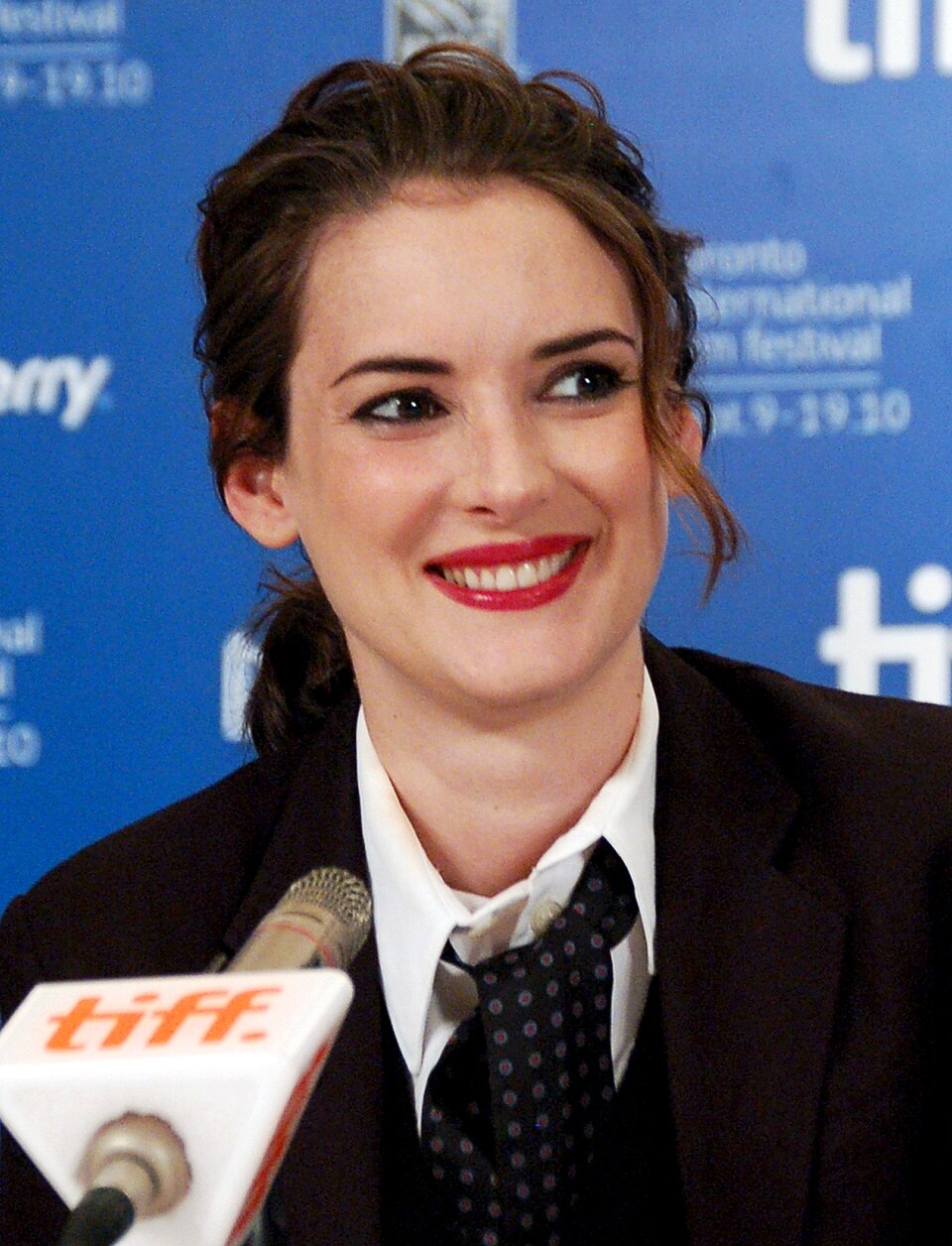
Winona Ryder did not just have a good decade in the 1990s. She had one of the most varied and decorated runs of any American actress in that era, collecting Oscar nominations, collaborating with directors at the top of their craft, and becoming a cultural symbol for an entire generation.
But the full scope of what she accomplished between 1990 and 1999 is easy to underestimate when you look at it slide by slide. Laid out all at once, it is almost hard to believe it belongs to one person.
Edward Scissorhands Opens the Decade
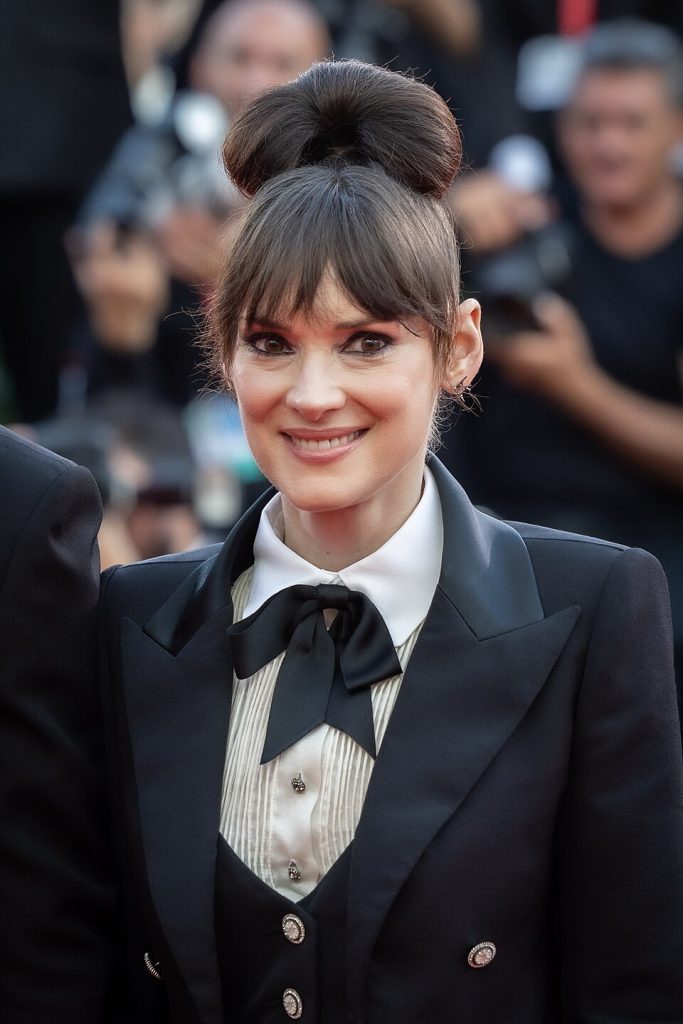
Winona Ryder entered the 1990s with Edward Scissorhands, her second collaboration with Tim Burton, playing Kim opposite Johnny Depp’s gentle outsider. The film asked her to be the human heart of a story built on fantasy and darkness, and she carried it completely. She made you feel everything. According to Roger Ebert’s review in the Chicago Sun-Times, Ryder’s performance provided the emotional grounding that allowed the film’s stranger elements to land with audiences, a quiet but essential piece of work that set the tone for the decade ahead.
Mermaids and Her Comic Range
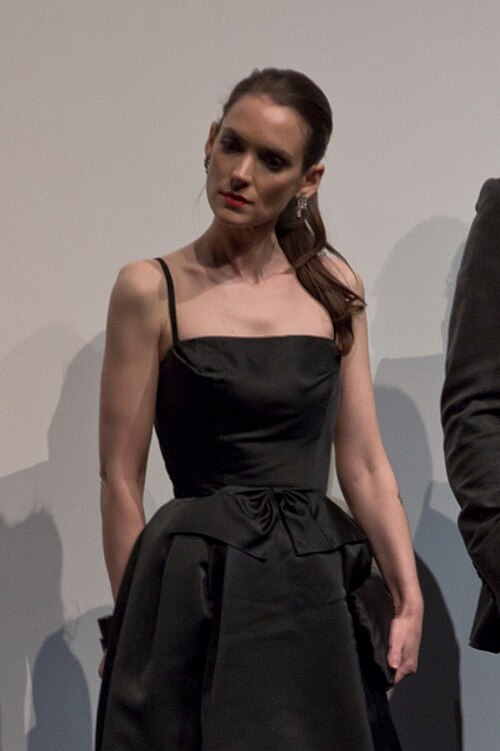
Also in 1990, Ryder appeared in Mermaids alongside Cher and Bob Hoskins, playing a teenager navigating an unconventional family with a deadpan wit that surprised critics who had filed her under brooding indie actress. The film showed a different gear. According to The New York Times review at the time, Ryder demonstrated a comic instinct in Mermaids that her earlier work had not fully revealed, broadening the industry’s sense of what she could do just as her career was finding its footing. Two strong films in a single year was not an accident.
Bram Stoker’s Dracula and Coppola
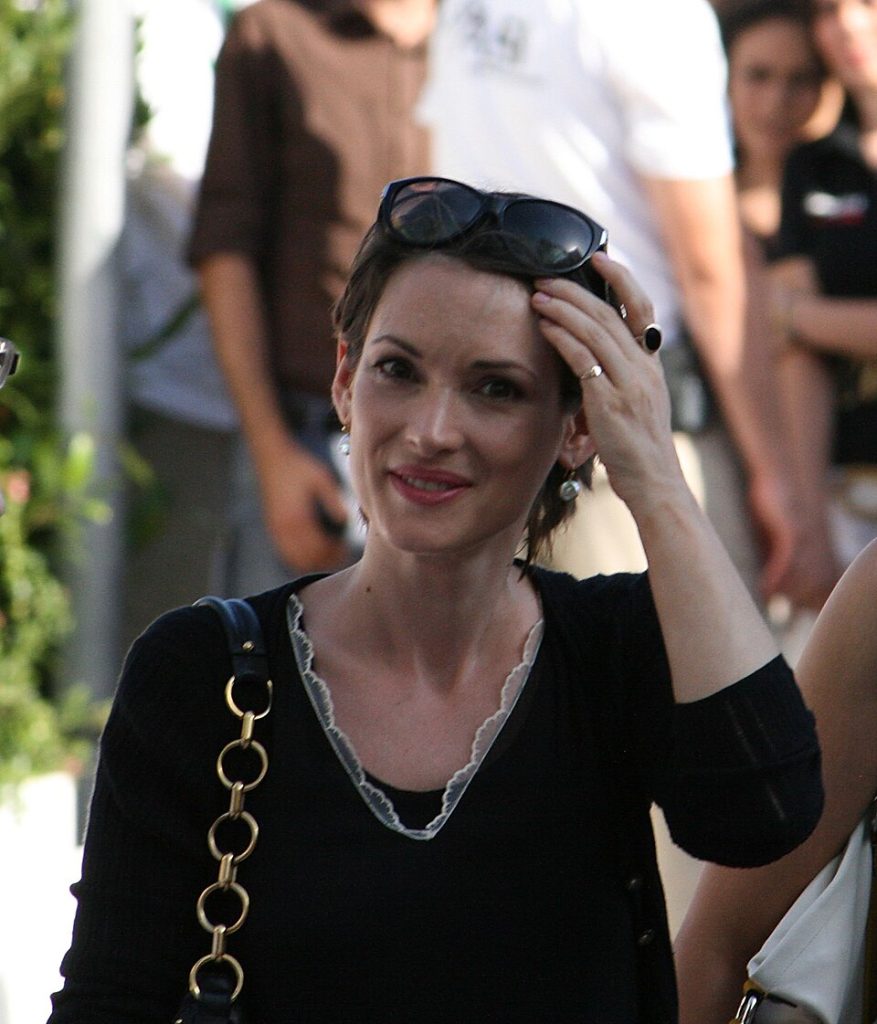
Francis Ford Coppola cast Ryder in Bram Stoker’s Dracula in 1992, placing her in a major studio production alongside Gary Oldman, Anthony Hopkins, and Keanu Reeves. The film was a visual spectacle unlike anything else being made at the time. She held her own in elite company. According to Variety’s coverage of the production, Coppola reportedly chose Ryder in part because of her relationship with Keanu Reeves, which helped secure his casting in the film. Her presence in that cast at twenty years old was a signal of exactly where she stood in Hollywood.
An Oscar Nomination From Scorsese
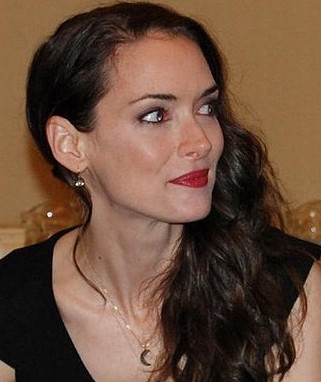
Martin Scorsese’s The Age of Innocence in 1993 earned Ryder an Academy Award nomination for Best Supporting Actress. It was a period drama, restrained and formally demanding, completely unlike the contemporary roles she had built her reputation on. She rose to every inch of it. According to Scorsese himself, speaking to Film Comment about the production, Ryder brought a social intelligence to the role that the film absolutely required. The nomination was not a surprise to those who had been watching her closely. It was an overdue acknowledgment.
Reality Bites and the Generation X Crown
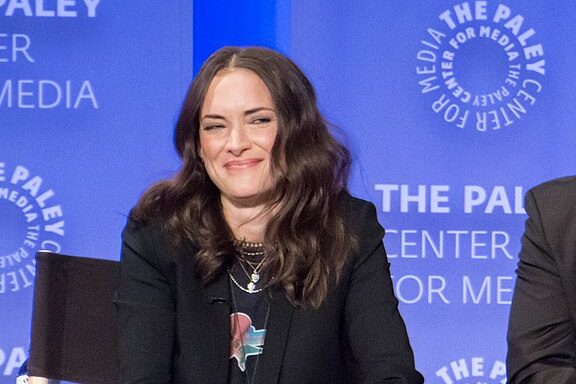
No single film captures Winona Ryder’s place in 1990s culture more precisely than Reality Bites in 1994. She played Lelaina Pierce, a directionless graduate trying to figure out what adulthood was supposed to feel like, and millions of young viewers recognized themselves immediately. It felt completely true. According to The New Yorker’s retrospective on the film, Reality Bites became one of the defining cultural documents of Generation X, and Ryder’s performance was the reason the film retained its emotional grip for so long. Some roles just fit their moment perfectly.
Little Women and a Second Nomination
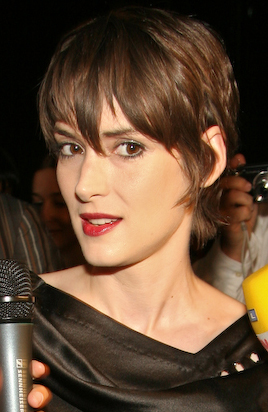
Also in 1994, Ryder played Jo March in Gillian Armstrong’s Little Women, anchoring a major studio adaptation alongside Susan Sarandon, Kirsten Dunst, and Claire Danes. The film was a commercial success and earned her a second Academy Award nomination, this time for Best Actress. Two nominations in two years. According to Box Office Mojo, Little Women grossed over 50 million dollars domestically, confirming that Ryder could drive a prestige studio film to genuine commercial success and not just critical attention. That combination was rare then and it is rare now.
Girl Interrupted and the Selfless Move

Ryder was the driving force behind Girl, Interrupted getting made at all. She acquired the rights to Susanna Kaysen’s memoir, developed the project, and starred in the 1999 film that ultimately made Angelina Jolie a household name through a supporting performance that overshadowed the lead. Ryder gave something away. According to profiles of the production published by Entertainment Weekly, Hollywood insiders found her willingness to champion a film that ultimately belonged to another actress’s performance genuinely remarkable. It was a creative integrity move that the industry noticed and remembered.
Why the 90s Still Follow Her
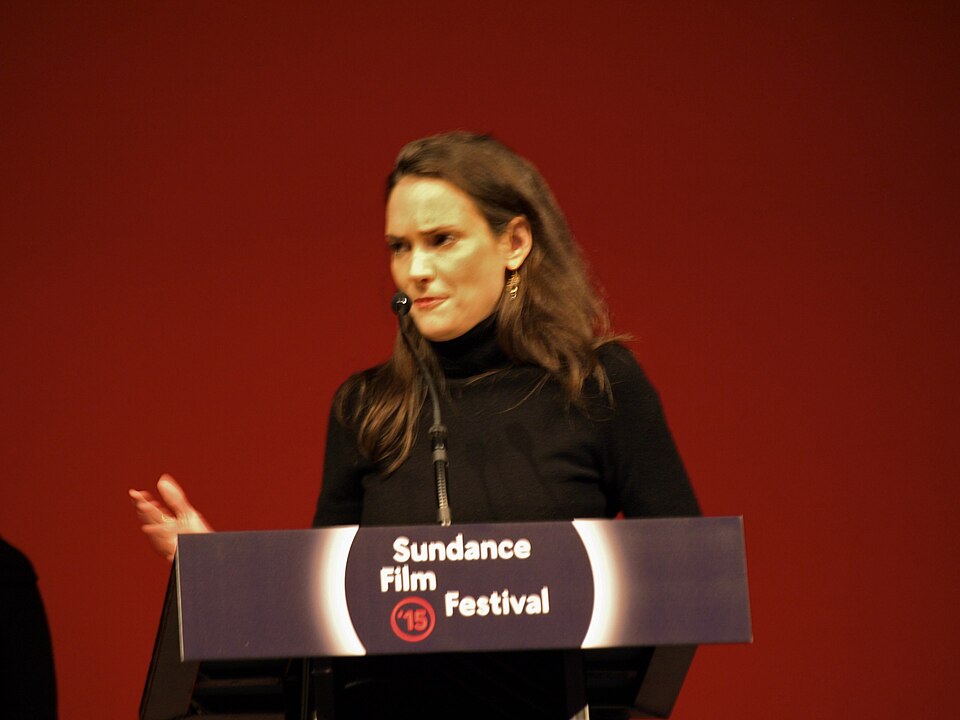
Two Oscar nominations. Tim Burton twice. Martin Scorsese. Francis Ford Coppola. A Generation X cultural touchstone. A film she produced herself that launched one of the biggest careers of the following decade. That is the actual record. According to film critics writing retrospectives on 1990s American cinema for publications including the American Film Institute’s official channel, Ryder’s body of work from that decade stands as some of the most consistently interesting female-led filmmaking of the era. No wonder the decade still follows her everywhere. This article is for informational and entertainment purposes only and does not constitute professional advice.
Featured Image: By Karon Liu, CC BY 2.0, https://commons.wikimedia.org/w/index.php?curid=15771575
Leave a Reply