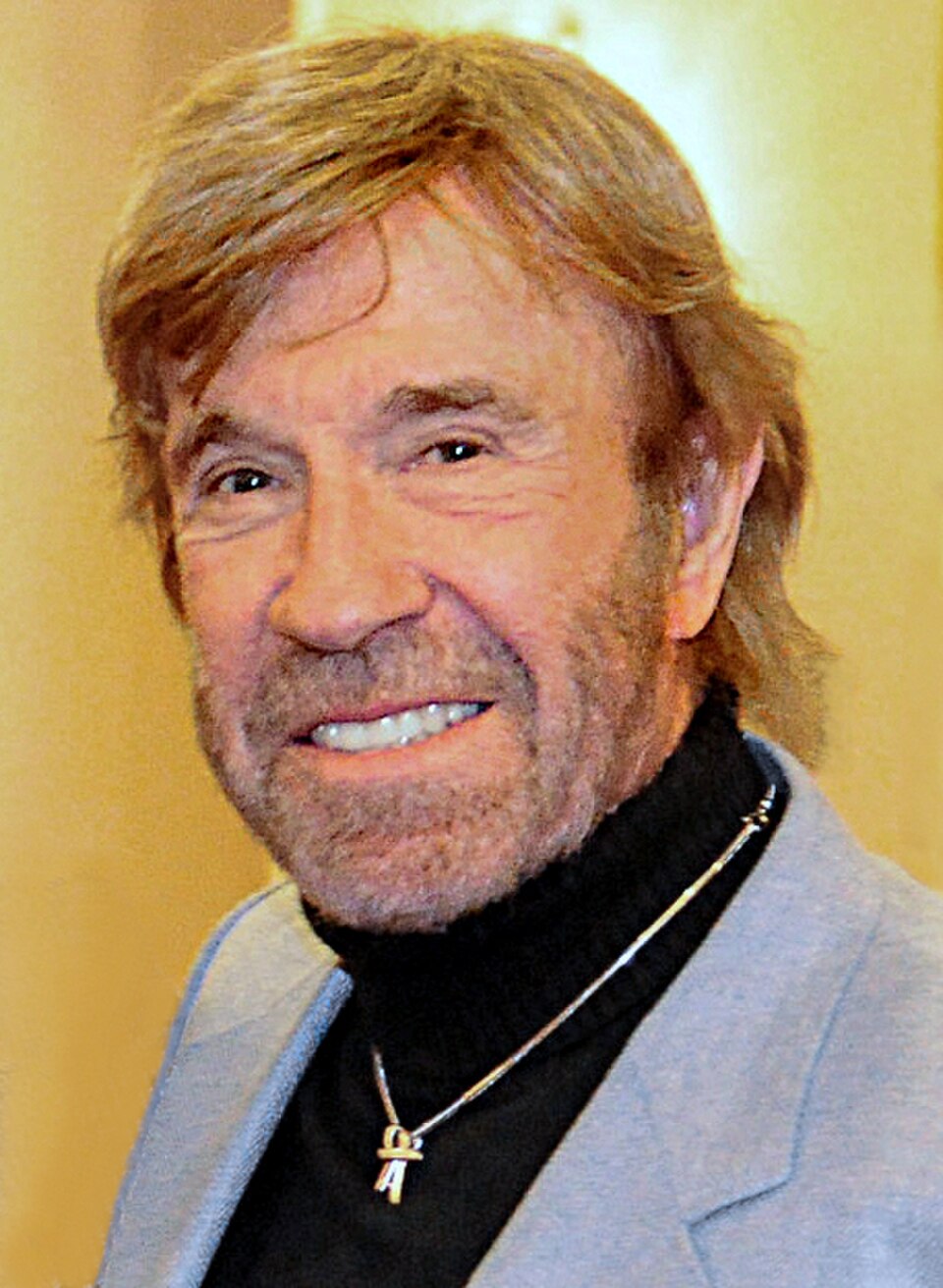
Chuck Norris is one of the most recognizable names in American entertainment history. His face, his fists, and his reputation for on-screen toughness made him a genuine cultural institution across four decades of film and television.
But the man behind the legend had a beginning that looked nothing like a Hollywood story. Where he came from, and what he built before cameras ever found him, is the part most people have never fully heard.
A Shy Boy From Oklahoma
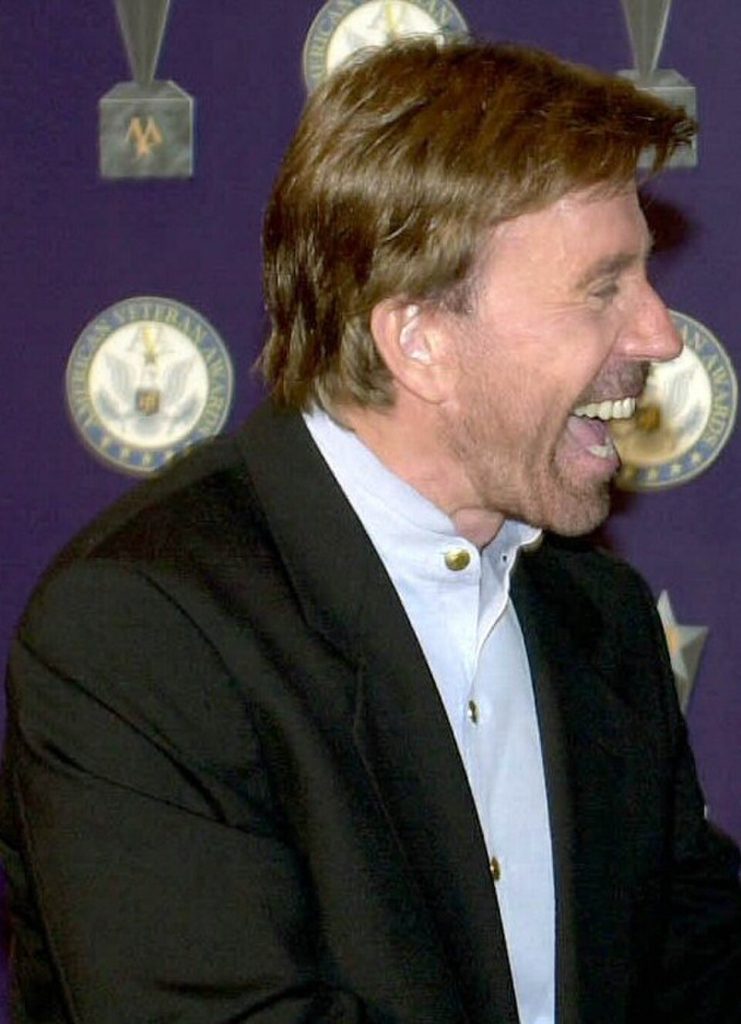
Chuck Norris was born Carlos Ray Norris in Ryan, Oklahoma in 1940, into a family that moved frequently during his early childhood. He has spoken at length about being a deeply shy and insecure child with no obvious path toward the confidence his later career required. He was quiet. He was uncertain. According to his autobiography Against All Odds, co-written with Ken Abraham, Norris described his early years as defined by a deep sense of inadequacy that he carried into adolescence with no clear idea of how to shed it. The military would change that entirely.
Korea and the Discovery That Changed Him
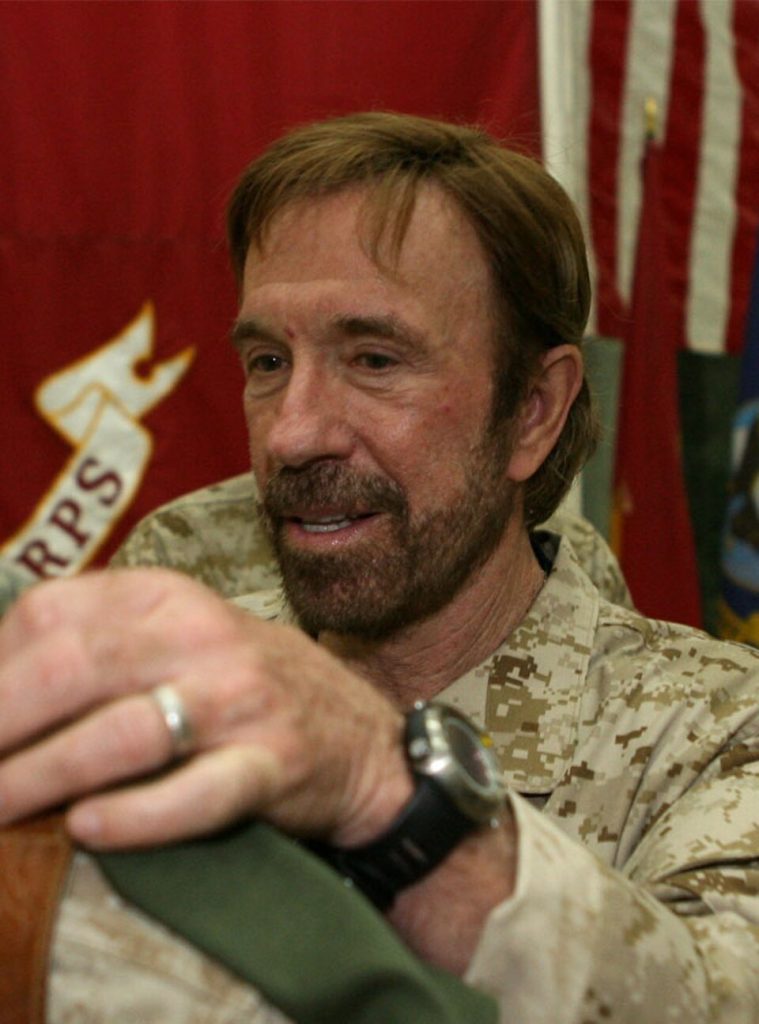
Norris enlisted in the United States Air Force and was stationed in South Korea, where he encountered Tang Soo Do for the first time. The martial art gave him something he had never had before: a sense of discipline, physical confidence, and identity built entirely on effort. He trained obsessively. According to profiles of his martial arts career published by Black Belt Magazine, Norris took to the discipline with a focus that surprised his instructors, returning to the United States not just with a skill but with a fundamentally different sense of who he was and what he was capable of.
Champion Before He Was a Star
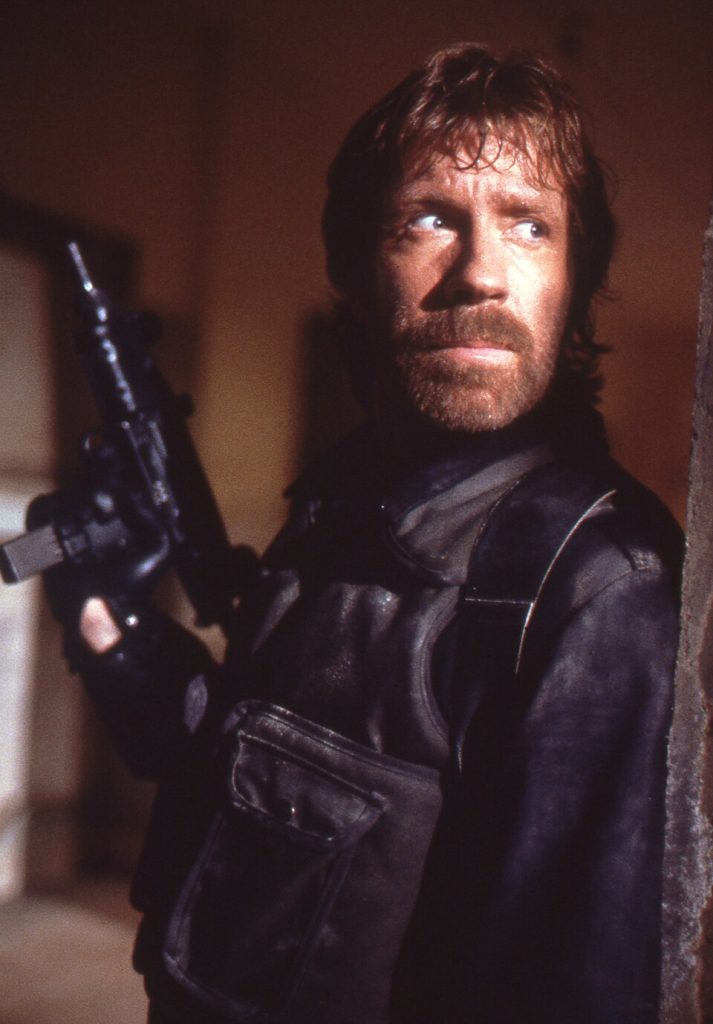
Before a single frame of film featured Chuck Norris, he had already built a legitimate and decorated career as a competitive martial artist. He became a multiple-time World Professional Middleweight Karate Champion and opened a chain of martial arts schools across California. He was already someone. According to Black Belt Magazine’s historical records of his competitive career, Norris was regarded by peers as one of the most technically precise tournament fighters of his era, a reputation that attracted the attention of a figure who would open the door to everything that came next.
Bruce Lee and the Scene Nobody Forgot
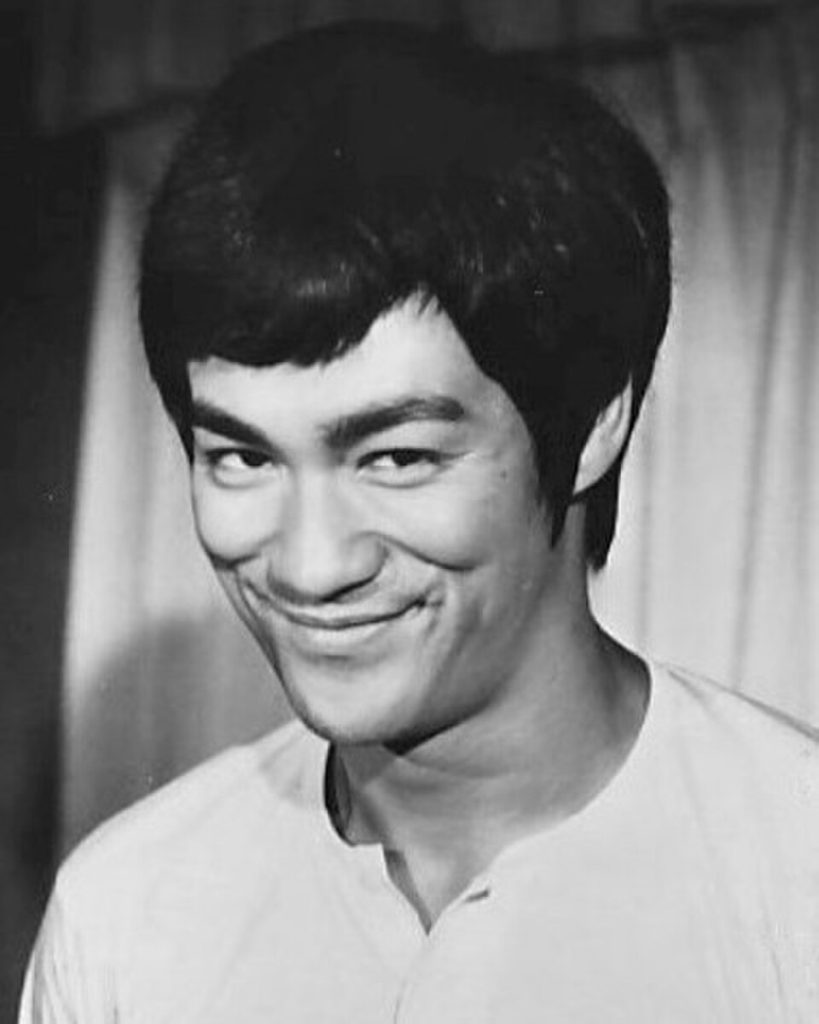
Chuck Norris met Bruce Lee through the martial arts world, and Lee cast him as the villain in The Way of the Dragon in 1972. Their fight sequence inside the Roman Colosseum became one of the most analysed scenes in martial arts cinema history. It was a genuine collision of two legends. According to film historians writing for Sight and Sound, the sequence introduced Norris to an international audience that had no previous awareness of him, and the credibility of sharing the screen with Lee gave his subsequent acting career a foundation that no amount of studio promotion could have manufactured.
Missing in Action and the 80s Peak
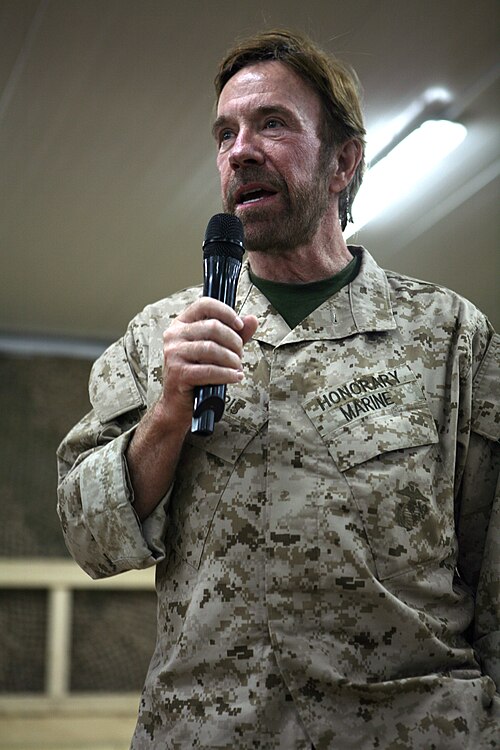
The film that turned Norris into a mainstream American star was Missing in Action in 1984. He played Colonel James Braddock, a Vietnam veteran returning to rescue prisoners of war, and the film arrived at a cultural moment in Reagan-era America that was primed for exactly that story. It was the right film at the right time. According to Box Office Mojo figures, the film grossed over 22 million dollars domestically on a budget that made the return extraordinary, and its success launched a franchise that kept Norris at the centre of American action cinema for the rest of the decade.
Walker Texas Ranger and a Second Peak
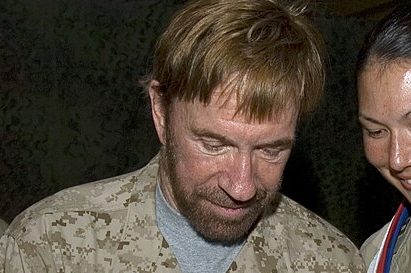
When film roles began to slow in the early 1990s, Norris moved to television and found an audience that may have been larger than anything his film career had reached. Walker, Texas Ranger ran on CBS from 1993 to 2001, consistently ranking among the most watched shows on Saturday night at its peak. Eight seasons. That is a career inside a career. According to Nielsen data cited by Variety during the show’s run, Walker built a loyal and consistent viewership that held for nearly a decade, making it one of the longest-running action series in American network television history.
A Legacy Bigger Than the Man Planned
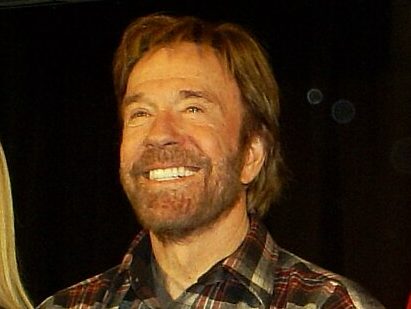
Chuck Norris set out to be a martial arts champion. He became that, and then he became something much harder to plan: a cultural institution. The internet jokes that turned him into a global meme in the mid-2000s introduced him to a generation who had never seen his films, and he embraced them with a humour that surprised people who only knew the stoic on-screen persona. According to a profile in The Guardian exploring the Chuck Norris Facts phenomenon, his willingness to laugh at himself turned out to be the most human and enduring thing about him. This article is for informational and entertainment purposes only and does not constitute professional advice.
Featured Image: By Staff Sgt. Tony Foster – https://www.dvidshub.net/image/1915215/fort-hood-camp-mabry-soldiers-attend-texas-state-prayer-breakfast, Public Domain, https://commons.wikimedia.org/w/index.php?curid=40133076
Leave a Reply