Women were central to rock music long before the industry consistently treated them that way. Guitar pioneers, blues singers, punk poets and arena-rock frontwomen all helped shape the genre’s sound while often working against expectations about who was supposed to play, write or lead.
The history stretches well beyond one decade. Sister Rosetta Tharpe was playing electrified gospel before rock had a name, while later artists such as Joan Jett, Stevie Nicks and Debbie Harry proved that women could define entire movements rather than merely appear inside them.
Sister Rosetta Tharpe Starts the Sound
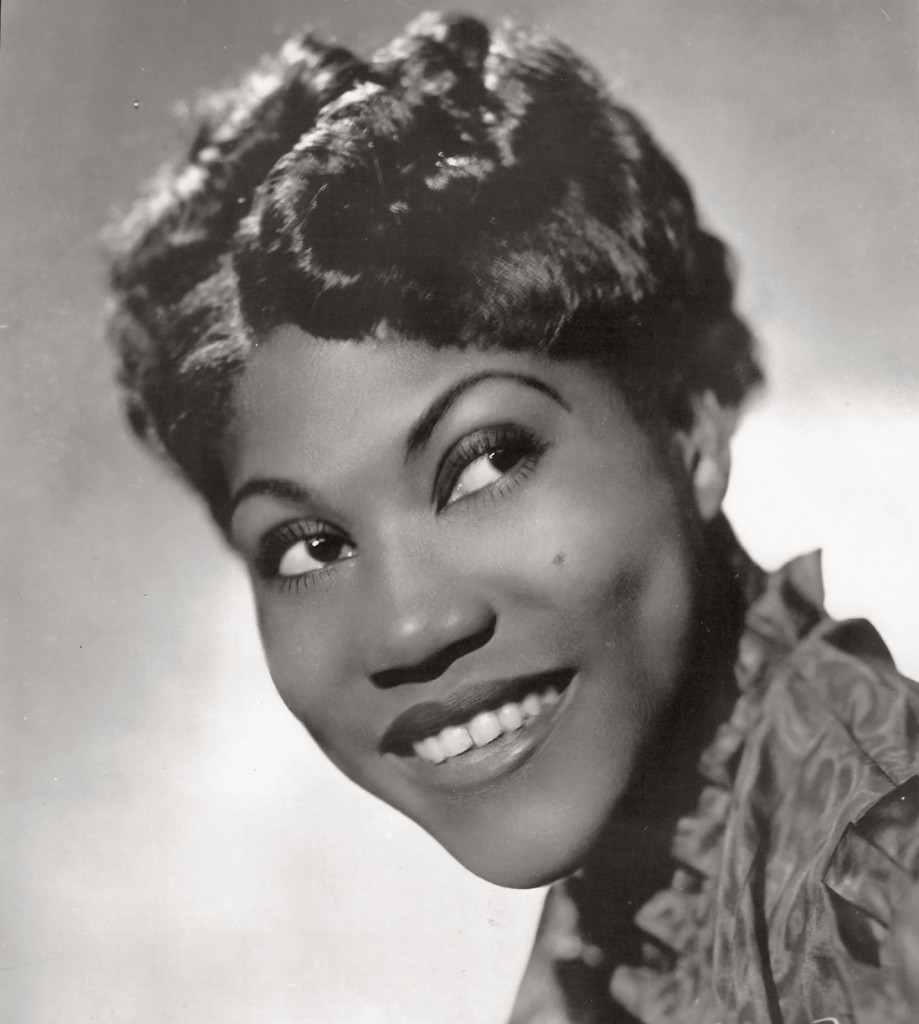
Sister Rosetta Tharpe belongs near the beginning of any serious history of women in rock. Emerging from gospel music, Tharpe combined powerful singing with an aggressive electric-guitar style years before rock ’n’ roll became an established commercial category. Her performances influenced musicians who would later be treated as architects of the genre, including Little Richard and generations of rock guitarists. The Rock & Roll Hall of Fame eventually recognized her foundational contribution. Tharpe’s importance also challenges the familiar image of rock history beginning only with male performers in the 1950s. A Black woman with an electric guitar was already helping create the sound.
Janis Joplin Changes Rock Vocals
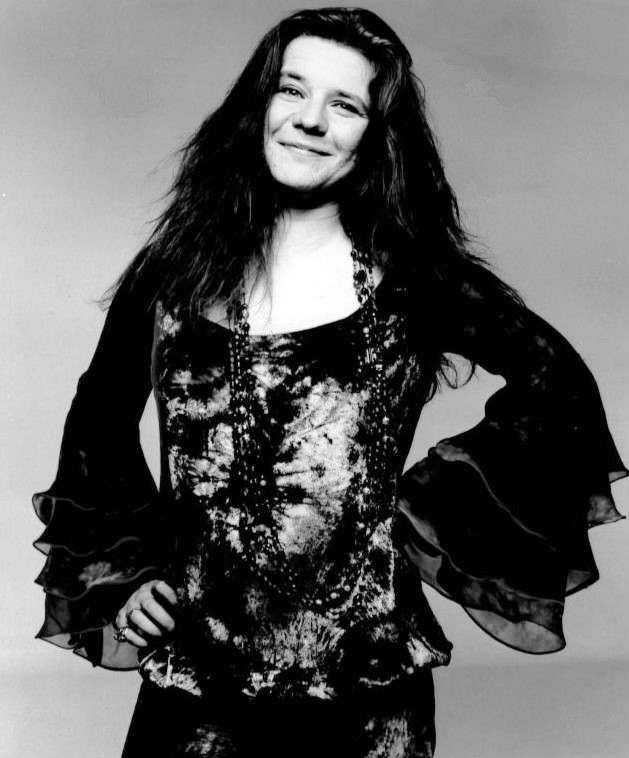
Janis Joplin’s voice made vulnerability sound enormous. First with Big Brother and the Holding Company and later as a solo artist, she brought blues phrasing, raw power and emotional risk into psychedelic-era rock. Her performances rarely sounded polished in the conventional pop sense; their appeal came from the impression that every note was being pushed to its limit. Joplin died in 1970 at only 27, leaving a relatively small recorded catalog, yet her influence on female rock singers became immense. She demonstrated that a woman could command the stage with the same uncontrolled intensity audiences celebrated in male rock frontmen.
Tina Turner Owns the Stage

Tina Turner’s career crossed multiple eras of rock, soul, and pop. With Ike Turner, she became famous for explosive live performances and recordings including their version of “Proud Mary.” After leaving the abusive marriage and rebuilding her career, Turner achieved an extraordinary solo comeback through Private Dancer in the 1980s. Her combination of vocal force, movement and stage command influenced performers across genres. The Rock & Roll Hall of Fame eventually inducted her as a solo artist as well as through Ike & Tina Turner. Turner’s story reshaped expectations not only about women in rock, but about whether a performer could rebuild at an age when the industry often dismisses female stars.
Patti Smith Brings Poetry to Punk

Patti Smith fused poetry, garage rock and the emerging New York punk scene into something unmistakably her own. Her 1975 album Horses opened with a radical reinterpretation of a familiar rock song and established Smith as a performer who treated lyrics with the seriousness of literature without sacrificing the physical energy of a band. Her presence also challenged expectations surrounding how female musicians were supposed to present themselves visually. Smith’s influence extends through punk, alternative rock and generations of singer-songwriters. She did not simply prove that women could participate in punk; she helped define the movement’s intellectual and artistic possibilities from its earliest years.
Joan Jett Picks Up the Guitar

Joan Jett emerged as a teenager with the Runaways before forming the Blackhearts and turning hard, direct guitar rock into a long-running career. “I Love Rock ’n Roll” became her signature hit, but her influence extends beyond one record. Jett helped make the image of a woman holding an electric guitar and leading a loud rock band feel normal rather than exceptional. She also persisted through record-industry rejection, eventually creating an independent path when labels were not interested. Jett’s Rock & Roll Hall of Fame induction confirmed the importance of that career, but generations of female guitarists had already treated her as proof that the instrument belonged to them too.
Stevie Nicks Builds a Rock Legacy

Stevie Nicks brought a distinctive voice, songwriting style and visual identity to Fleetwood Mac during the band’s most commercially successful period. Songs including “Rhiannon,” “Dreams” and “Landslide” became central to the group’s catalog, while Nicks’ flowing stage clothes and mystical imagery created one of rock’s most recognizable personas. She then established a major solo career without abandoning Fleetwood Mac entirely. Her longevity became another part of the achievement. Nicks was eventually inducted into the Rock & Roll Hall of Fame as a solo artist after already entering as a member of Fleetwood Mac, underscoring the scale of her influence in both careers.
Debbie Harry Leads Blondie

Debbie Harry became the face and voice of Blondie, but the band’s importance came from refusing to stay inside one musical category. Emerging from New York’s punk scene, Blondie moved between punk, new wave, disco, pop and early rap influences while maintaining a sharp identity. Harry’s cool delivery and striking visual style made her a fashion icon, yet focusing only on her appearance misses how adventurous the band’s records were. Songs such as “Heart of Glass” and “Rapture” crossed genre boundaries that supposedly separated rock audiences from dance music. Harry helped prove that a female-fronted band could experiment commercially without losing credibility.
Ann and Nancy Wilson Power Heart

Ann and Nancy Wilson made Heart one of the rare major hard-rock bands led creatively by women during the 1970s. Ann’s enormous vocals and Nancy’s guitar playing powered songs including “Crazy on You” and “Barracuda,” placing women at the center of a sound commonly marketed as male territory. The sisters also dealt with persistent sexism, including pressure surrounding appearance and assumptions that women in rock should be treated differently from male bandmates. Their continued success through changing musical eras helped establish a template for later female rock performers. Heart did not succeed by softening hard rock for women; the Wilson sisters proved they could define it themselves.
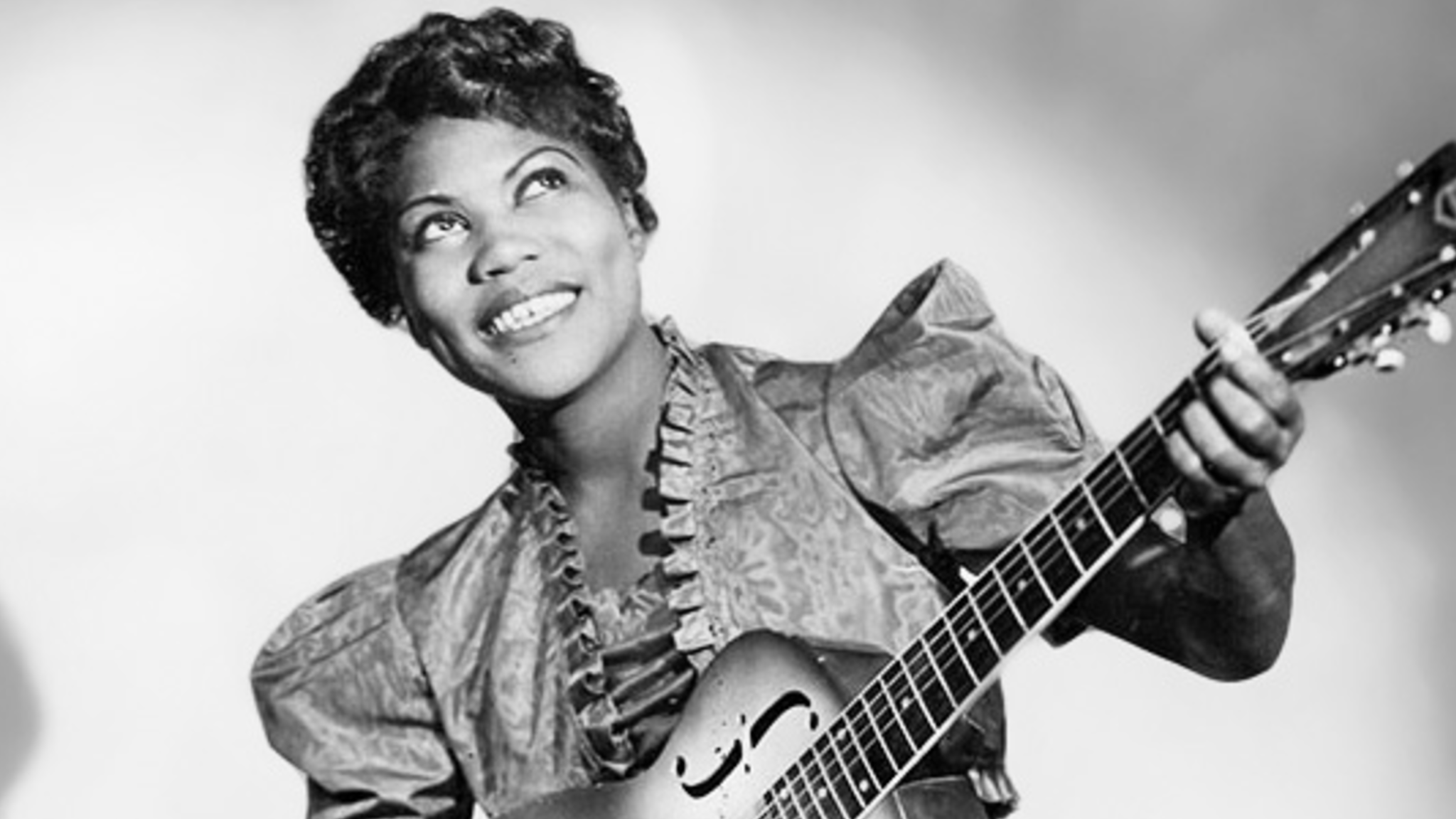
Featured Image: By James J. Kriegsmann – Scan via James E. Arsenault & Company. Cropped and retouched by uploader; see upload history below for unretouched original., Public Domain, https://commons.wikimedia.org/w/index.php?curid=101564175
Leave a Reply