
Actors do not always feel the same way about a role years after making it. Changing social standards, personal growth, and new conversations about representation have led some performers to apologize, while others have simply admitted that they would make a different decision today.
These cases are not identical. Some involve racial or gender representation, while others concern creative disappointments or jobs accepted for money. The important point is what the actor actually said later, rather than claiming every badly reviewed movie resulted in a formal apology.
Zoe Saldaña Apologizes for Nina

Zoe Saldaña played singer and activist Nina Simone in the 2016 biopic Nina, a casting choice criticized because Saldaña’s skin was darkened and prosthetics were used to make her resemble Simone. Years later, Saldaña publicly apologized and said she should not have accepted the role. She explained that she should instead have used her position to help ensure Simone was portrayed by a Black woman who more closely reflected the singer’s identity. Her later response went beyond saying the movie had been misunderstood; Saldaña directly acknowledged why the casting itself had caused pain and why she would handle the opportunity differently today.
Hank Azaria Apologizes for Apu
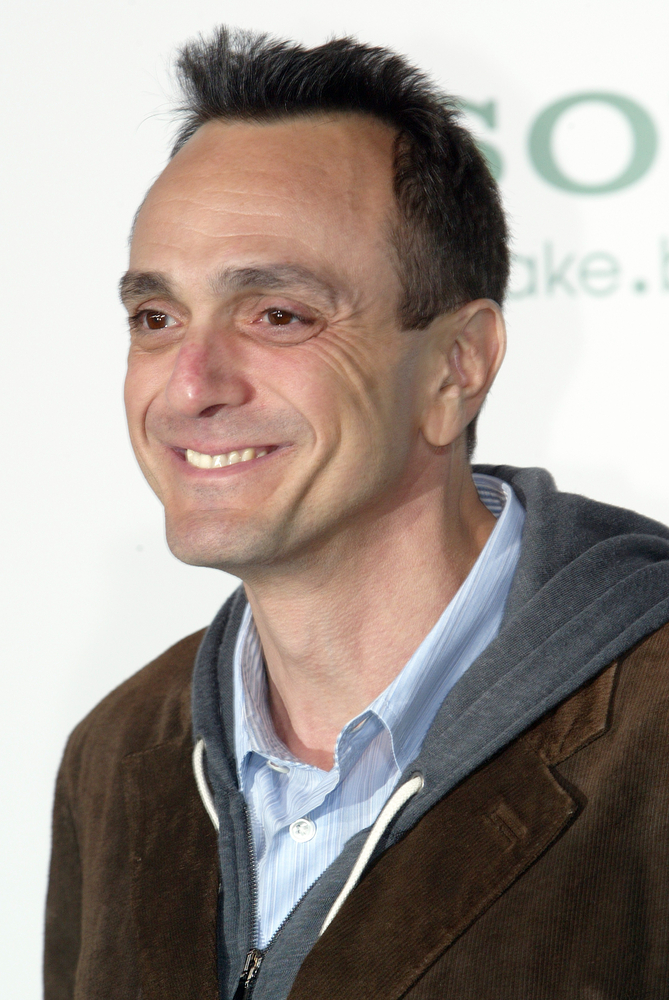
Hank Azaria voiced Apu Nahasapeemapetilon on The Simpsons for decades before public criticism of the character’s stereotypical depiction of Indian Americans intensified. Azaria eventually stopped voicing Apu and later issued a broad apology to people of Indian descent who had been affected by the portrayal. He said conversations and reflection had changed the way he understood the character’s cultural impact. The controversy became especially visible after comedian Hari Kondabolu’s documentary The Problem With Apu. Azaria’s response is one of the clearest examples of a performer reconsidering a long-running role after hearing directly from communities who believed the portrayal had reinforced harmful stereotypes.
Eddie Redmayne Regrets The Danish Girl
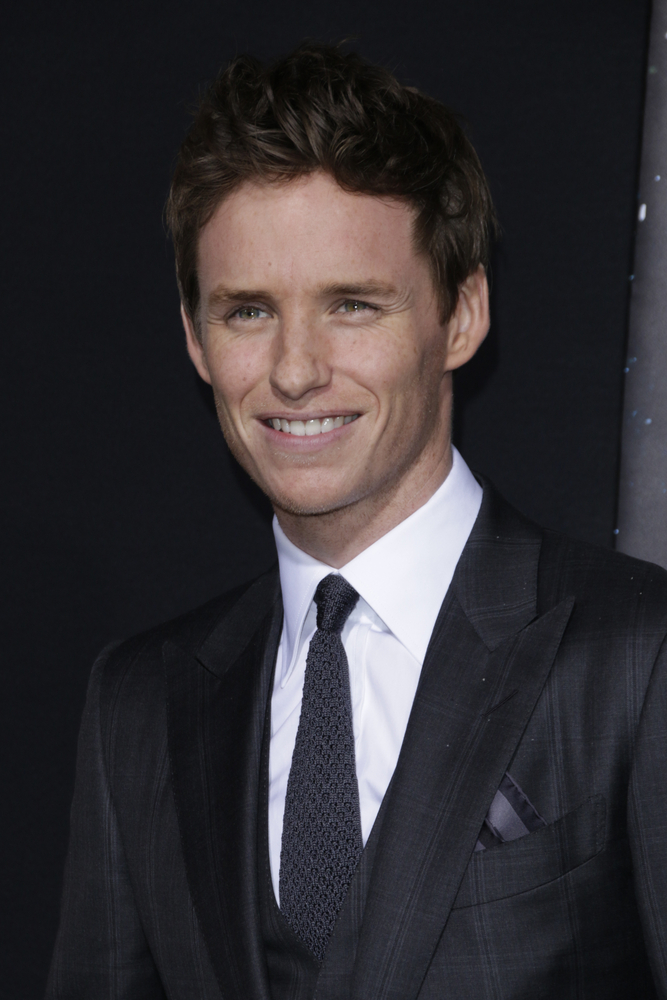
Eddie Redmayne earned an Academy Award nomination for playing transgender artist Lili Elbe in The Danish Girl, but he later said accepting the role had been a mistake. Redmayne explained that he would not take the part if it were offered to him today, acknowledging the argument that transgender performers face significant barriers to being cast in transgender roles. His comments reflected how industry conversations changed between the film’s 2015 release and the years that followed. Redmayne did not attack the movie itself or the people who made it; instead, he focused on why he now believed the central casting decision should have been different.
George Clooney Regrets Batman
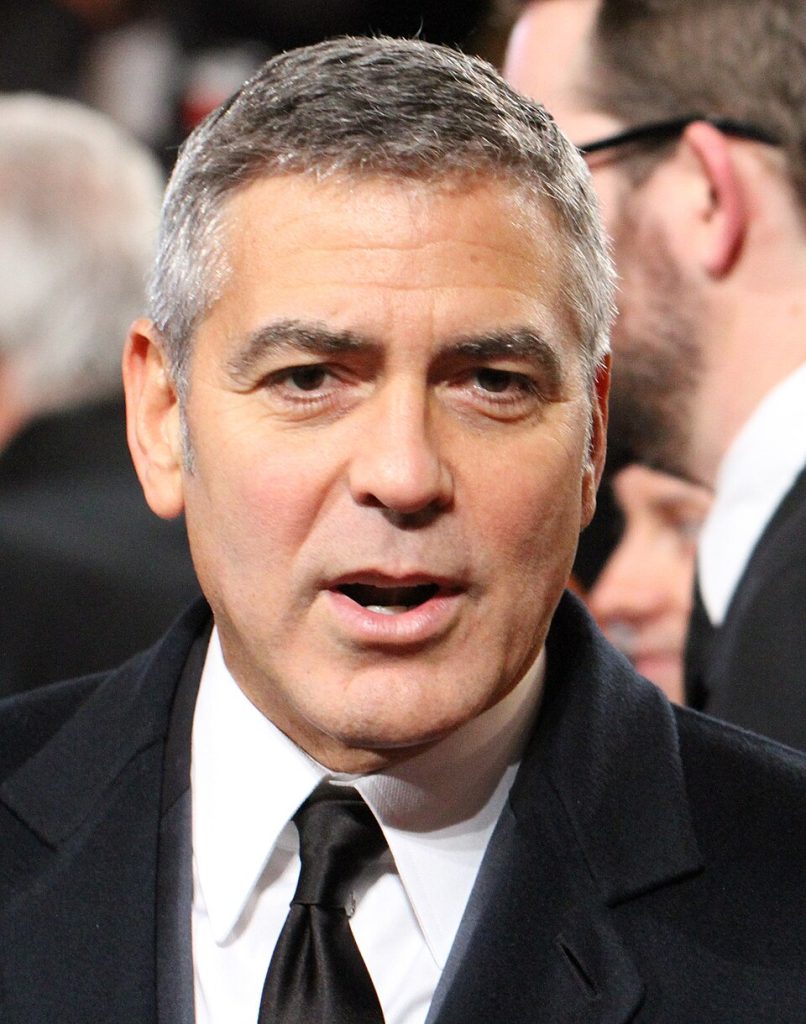
George Clooney has made no secret of his feelings about 1997’s Batman & Robin. Rather than blaming only the director, studio or screenplay, Clooney has repeatedly accepted his share of responsibility for a movie that became one of the most criticized superhero films of its era. He has joked about apologizing for the film and said he would not want to return to Batman in the same way. His regret differs from controversies about representation because it is primarily creative. Still, Clooney’s willingness to laugh at one of his biggest career misfires has made Batman & Robin an unusually enduring part of his public story.
Viola Davis Regrets The Help

Viola Davis received an Oscar nomination for The Help, but years later she said the film remained on her list of professional regrets. Her concern was not with the cast or the relationships she formed while making it. Davis felt the story ultimately failed to center the perspectives of the Black maids whose lives supposedly formed its emotional foundation. The criticism echoed broader debate about movies that tell stories of racism through a white character’s awakening. Davis’ comments are particularly significant because she delivered one of the film’s most acclaimed performances, proving that an actor can value colleagues and individual work while still questioning the larger story being told.
Emma Stone Addresses Aloha
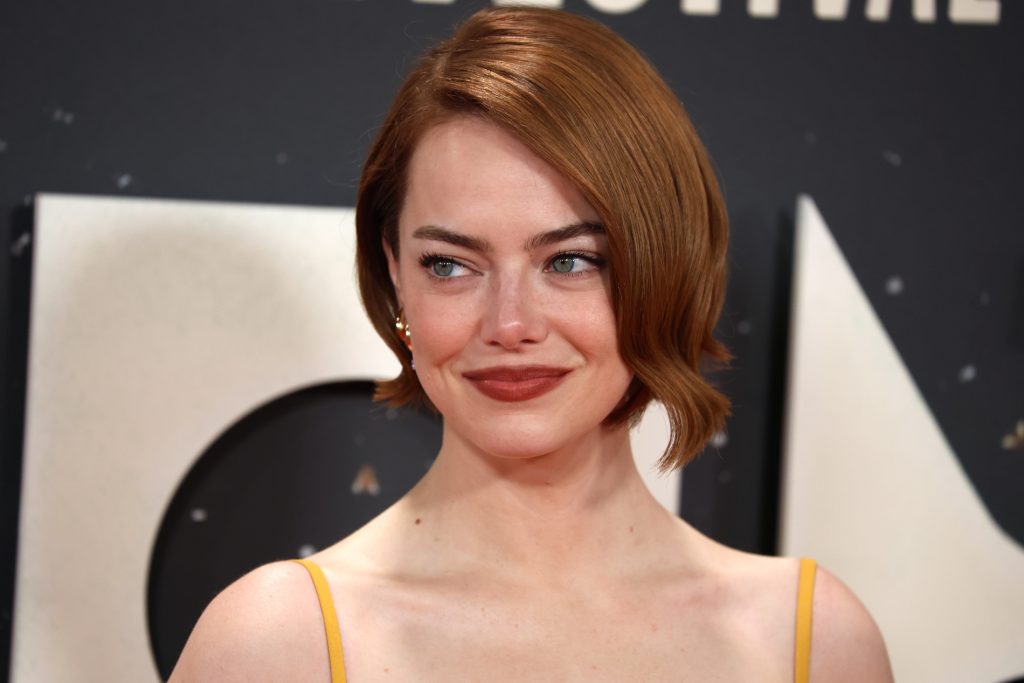
Emma Stone faced criticism after being cast as Allison Ng in Cameron Crowe’s Aloha, a character described as having Hawaiian and Chinese ancestry. Stone, who is white, later acknowledged the controversy and apologized while discussing the problem of whitewashing in Hollywood. Director Cameron Crowe also addressed the criticism and explained the inspiration behind the character, but the debate remained focused on why an actor who did not share that heritage had been chosen. Stone’s later comments reflected a broader reckoning in the industry over roles that had historically been given to white performers despite characters being written with Asian or mixed-race identities.
Benedict Cumberbatch Regrets Zoolander 2
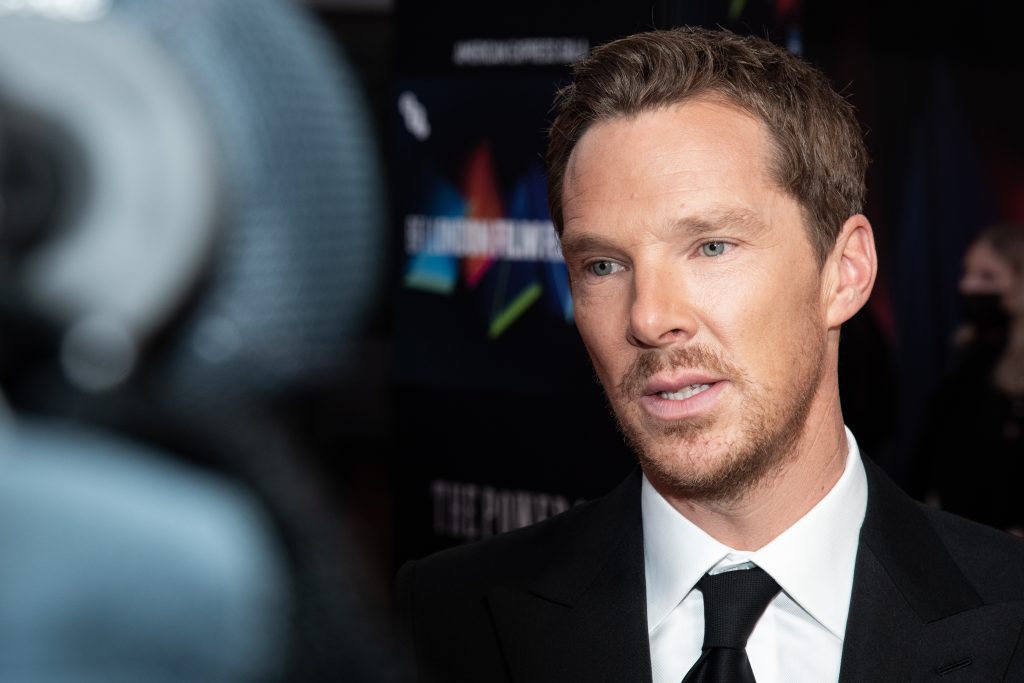
Benedict Cumberbatch played All, a nonbinary model, in the 2016 comedy Zoolander 2. The character attracted criticism for presenting gender identity as a joke, and Cumberbatch later acknowledged the problem. Looking back, he said the role would not appropriately be played by someone like him today and noted that he had needed to apologize for it. His reflection highlights how quickly mainstream entertainment’s handling of gender identity has changed. What was conceived as exaggerated comedy became a reminder that marginalized identities can easily be reduced to punchlines when the people represented have little control over how their experiences are depicted.
Tim Roth Regrets United Passions
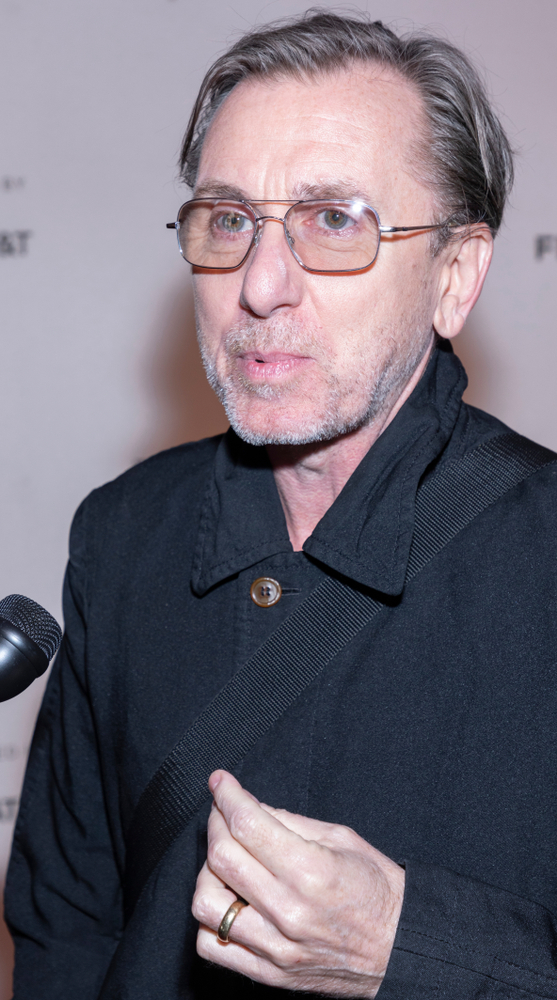
Tim Roth later expressed regret about appearing in United Passions, the FIFA-funded film in which he played former FIFA president Sepp Blatter. The project was widely criticized as flattering toward the organization, especially as real-world corruption investigations dominated headlines around its release. Roth admitted that money had been a major reason for accepting the job and apologized for becoming involved. His case differs from actors regretting stereotypical portrayals because the problem was the project’s institutional context and the way it presented powerful football officials. Roth’s unusually candid explanation made the film one of the clearest examples of an actor openly disowning a paycheck role afterward.
Featured Image: Shutterstock
Leave a Reply