
Jackie Chan became an international star through childhood training, stunt work and decades of creative reinvention. His success did not begin with one Hollywood breakthrough.
Chan’s action-comedy style made fights clear, funny and emotionally engaging. He carried that approach into American films without abandoning the Hong Kong cinema that shaped him.
Jackie Chan Trained From Childhood
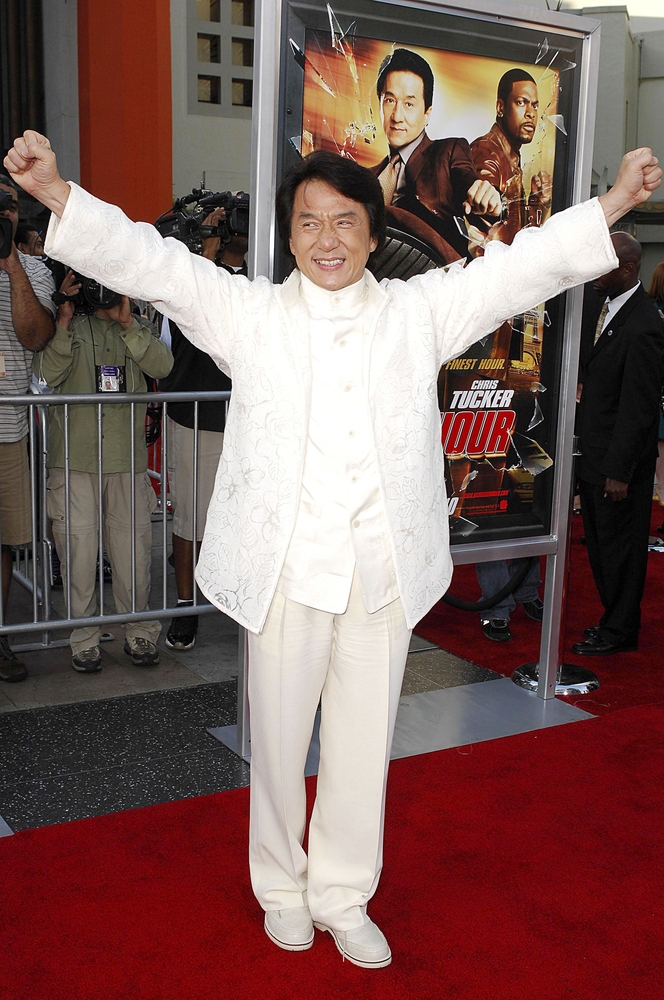
Jackie Chan entered Hong Kong’s China Drama Academy at age seven and spent ten years studying Peking opera. The demanding program included acrobatics, martial arts, acting, singing and stage movement. Repetition built the balance, flexibility and timing that later defined his films. The academy did not prepare him for celebrity, but it gave him the physical vocabulary needed to tell stories through movement.
Jackie Chan Learned Through Stunts
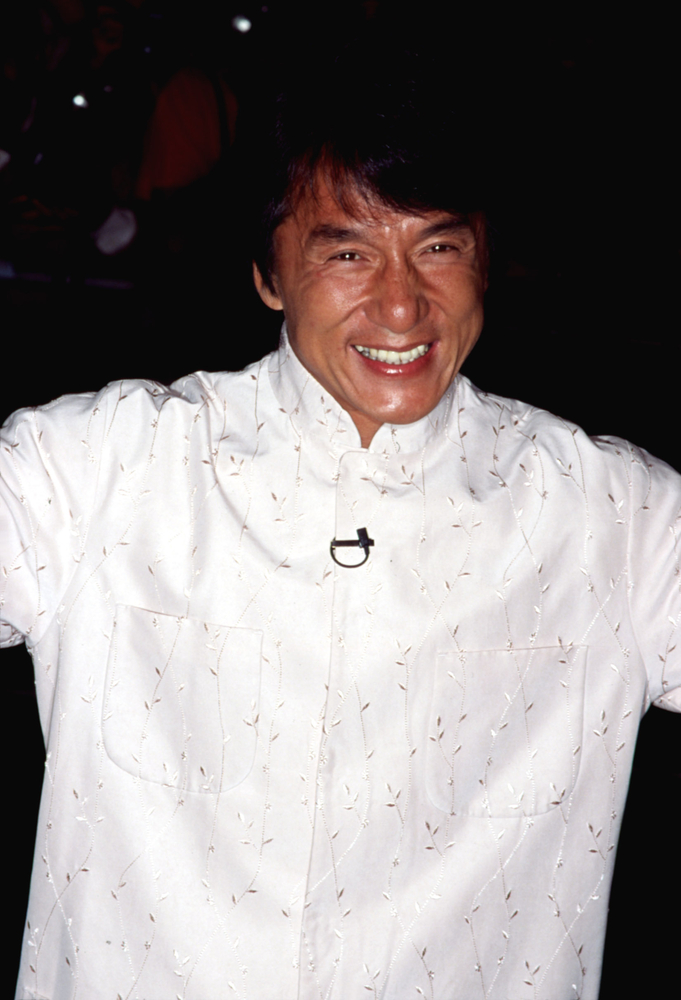
After leaving the academy, Jackie Chan worked as a stunt performer in Hong Kong cinema. He appeared in productions connected with Bruce Lee, including Fist of Fury and Enter the Dragon. Those jobs taught him how screen fights were staged and photographed. Producers later tried presenting him as another serious, unbeatable martial-arts hero, but Chan recognized that copying Lee would prevent him from developing his own identity.
Jackie Chan Mixed Action With Comedy
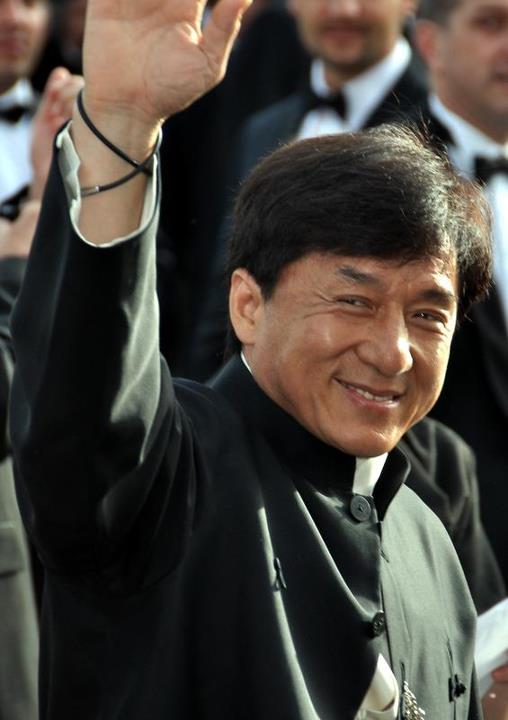
Jackie Chan’s breakthrough came with Snake in the Eagle’s Shadow and Drunken Master in 1978. His heroes could be embarrassed, confused, and hurt before winning. Everyday objects became part of the choreography, while expressive reactions kept the action readable. The combination drew from martial-arts cinema and silent comedy. By making his characters vulnerable, Chan created suspense and humor that an untouchable hero could not provide.
Jackie Chan Raised Practical Stunts
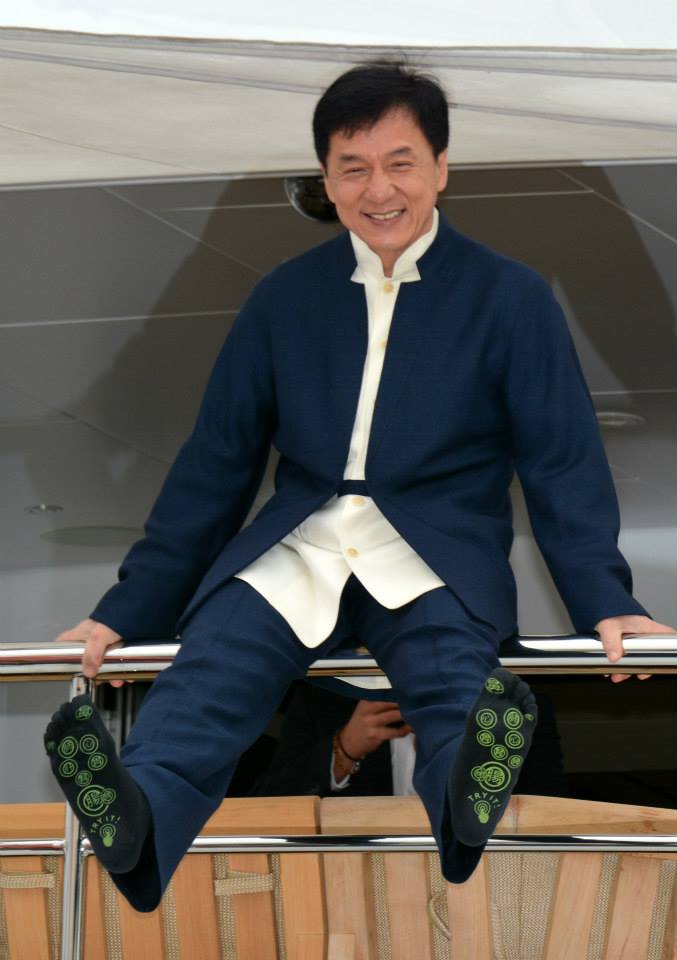
Police Story, released in 1985, showed Jackie Chan at his most ambitious. He directed, co-wrote and starred in the film, using vehicles, glass, railings and a shopping mall in extended action sequences. Wide shots and longer takes let viewers see performers completing difficult movements. The film became a major reference for directors interested in practical action and environmental choreography.
Jackie Chan Paid a Physical Price

Jackie Chan suffered repeated injuries while performing dangerous stunts. During Armour of God in 1986, he fell from a tree and fractured his skull, requiring surgery. Other productions caused broken bones and dislocations. His end-credit outtakes often showed failed attempts, revealing the physical cost behind the comedy. Chan later adjusted his methods as he aged, but his injuries remain inseparable from the history of his filmmaking style.
Jackie Chan Broke Through in America
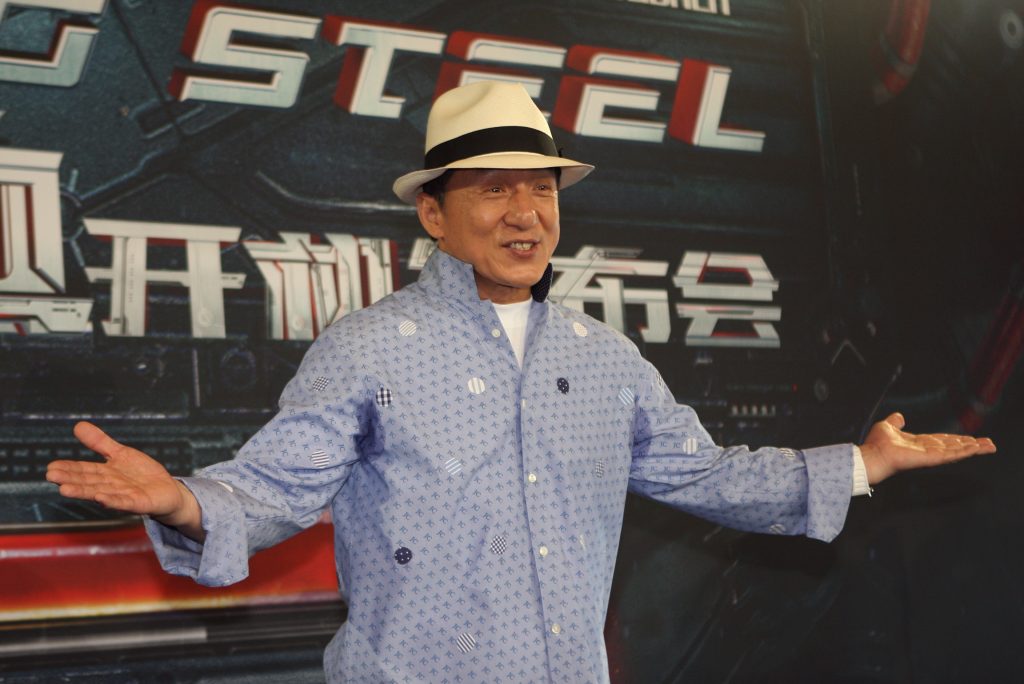
Jackie Chan made several unsuccessful attempts to enter the American market before Rumble in the Bronx became a United States hit in 1996. He was already a major international star, but the release introduced many American viewers to his action-comedy style. Its success encouraged wider distribution of his Hong Kong films and showed studios that audiences wanted Chan’s personality rather than a conventional Hollywood imitation.
Jackie Chan Expanded Fame With Rush Hour

Rush Hour paired Jackie Chan with Chris Tucker in 1998 and became a major box-office success. Chan’s controlled physical comedy contrasted with Tucker’s fast verbal style, giving the buddy-cop story its identity. Two sequels followed, and many viewers used the series as a gateway to Chan’s earlier work. In 2016, the Academy honored his lifetime contributions with an honorary Oscar.
Featured Image: Shutterstock
Leave a Reply