
Ellar Coltrane spent much of his childhood making Richard Linklater’s Boyhood, then became internationally recognizable when the film finally reached theaters in 2014.
Today, Coltrane says he has largely moved on from Hollywood and lives a markedly quieter life involving manual work, firefighting, and EMT training.
Ellar Coltrane Grew Up Inside Boyhood
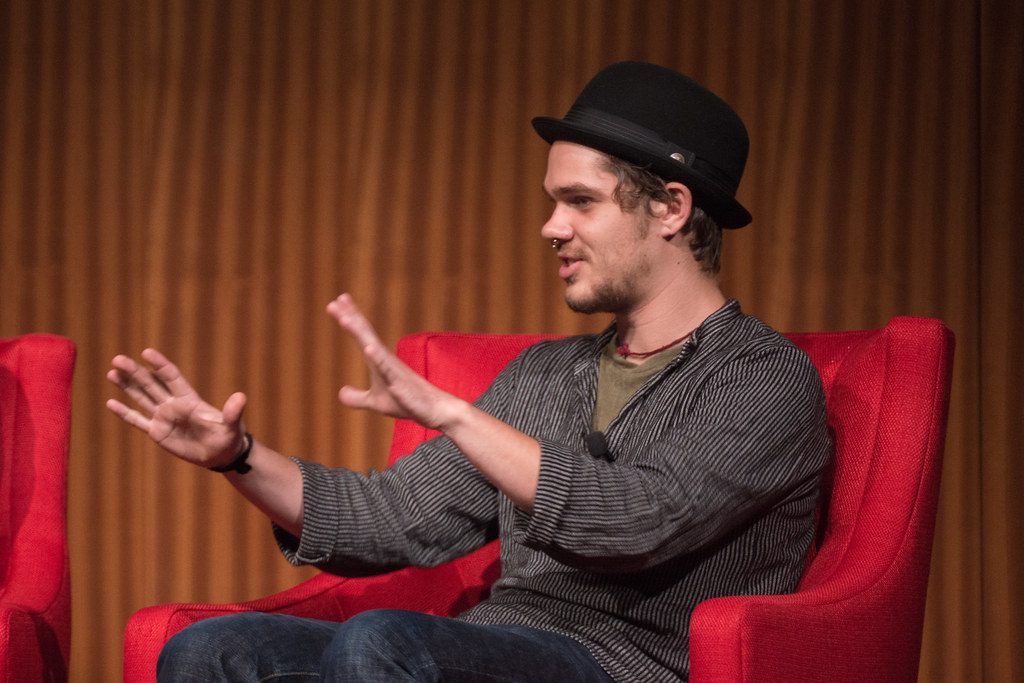
Ellar Coltrane was only a child when Richard Linklater cast him as Mason Evans Jr. in Boyhood. Instead of using different performers to portray Mason at different ages, Linklater brought Coltrane and the other principal actors back periodically as the character grew. The unusual process meant Coltrane’s real physical development became part of the finished movie. Few performers have had their childhood and adolescence documented inside one fictional production in such a literal way.
Ellar Coltrane Filmed for Twelve Years
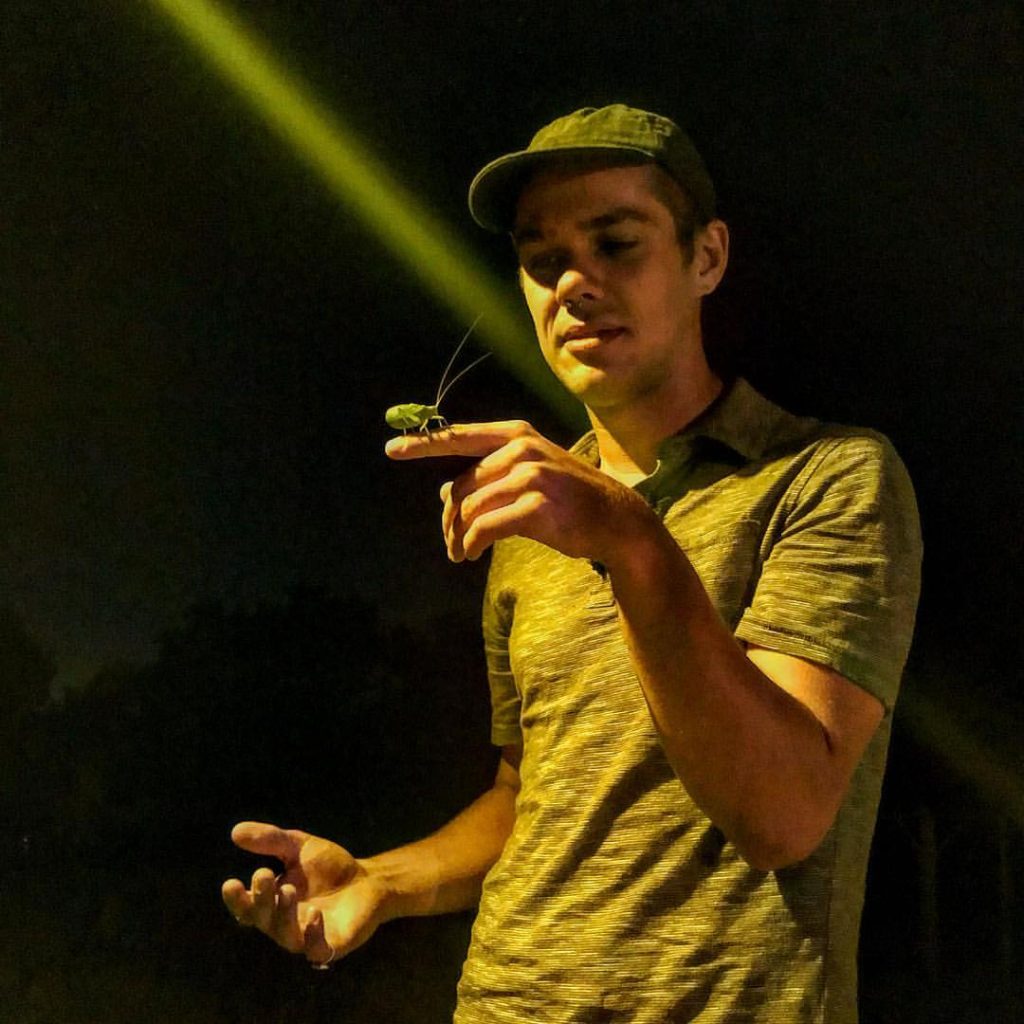
Ellar Coltrane worked on Boyhood intermittently for roughly 12 years alongside Patricia Arquette, Ethan Hawke and Lorelei Linklater. He has compared returning to the production with something closer to summer camp than conventional filmmaking because the group repeatedly reunited for relatively short periods. That structure allowed Coltrane to experience much of childhood away from a permanent Hollywood set while still participating in a project that eventually became one of the most discussed films of 2014.
Ellar Coltrane Disliked Fame After Release

Ellar Coltrane has said the actual experience of making Boyhood remained positive, but the attention that followed its release was much harder to enjoy. The movie became an awards-season phenomenon and suddenly placed Coltrane in interviews, premieres and celebrity coverage after years of relatively private filming. He later concluded that public visibility was not something he wanted to pursue continuously. His withdrawal therefore reflected discomfort with fame more than regret about participating in Linklater’s experiment.
Ellar Coltrane Continued Acting Selectively

Ellar Coltrane did not immediately vanish when Boyhood ended. His later credits included The Circle alongside Emma Watson and Tom Hanks and the miniseries The Good Lord Bird. He nevertheless avoided building the kind of aggressively managed career often expected after a critically acclaimed breakthrough. Over time, acting became more occasional rather than the central structure of his life, and he increasingly moved away from the professional Hollywood system that had formed around him after 2014.
Ellar Coltrane Now Does Manual Labor

Ellar Coltrane recently described living “in the middle of nowhere” and supporting himself partly through manual labor. Reports place him in Texas, far from the Los Angeles-centered lifestyle audiences might expect for someone who once led an Oscar-nominated movie. Coltrane appears comfortable with that contrast. His current work provides tangible daily responsibilities and anonymity, two things that celebrity filmmaking could not offer after Boyhood suddenly made his face familiar around the world.
Ellar Coltrane Volunteers as a Firefighter

Ellar Coltrane has also become a volunteer firefighter and is working toward becoming a licensed emergency medical technician. Those roles represent a striking shift from movie premieres because they involve practical community service rather than performance. Coltrane’s current direction is not presented as a sad fall from Hollywood. He speaks as someone who deliberately reorganized his priorities after discovering that fame itself offered little satisfaction. The emergency-services training gives that quieter life a clear new professional purpose.
Ellar Coltrane Still Leaves One Door Open

Ellar Coltrane has not sworn never to act again. A recent Boyhood screening renewed some of his interest in intimate filmmaking, and he remains open to small independent projects built around genuine collaboration. What he appears uninterested in recovering is celebrity for its own sake. That distinction makes his current story less about “quitting Hollywood” and more about choosing the parts of filmmaking he valued while leaving behind the public machinery he did not.
Featured Image: By LBJ Library – https://www.flickr.com/photos/lbjlibrarynow/17117295588/, CC BY 2.0, https://commons.wikimedia.org/w/index.php?curid=49257116
Leave a Reply