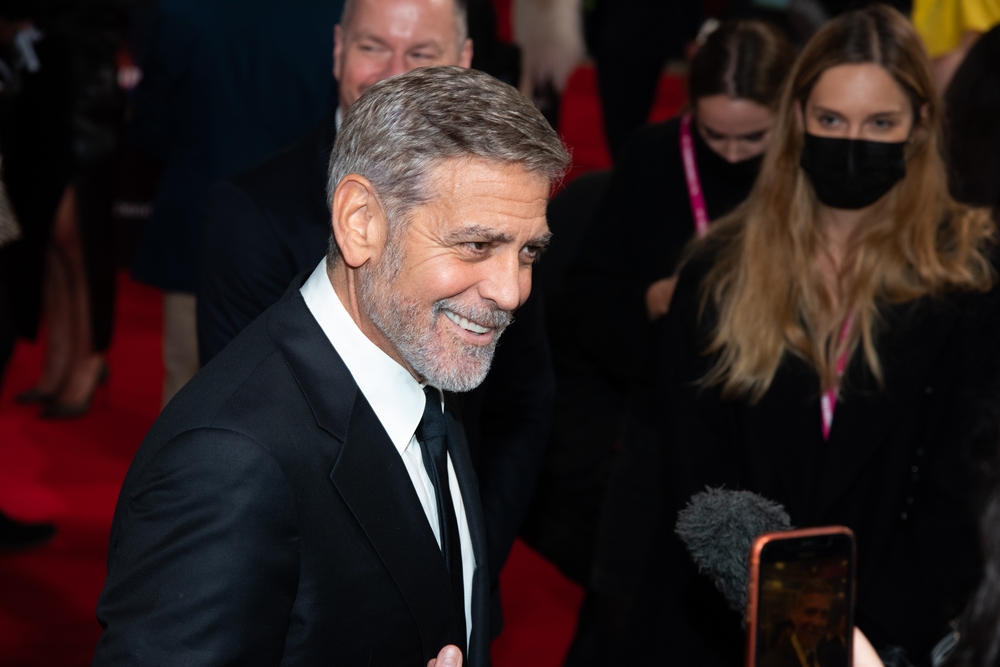
Some stars later criticize the very movies that made them more visible. Their reasons range from poor scripts and difficult productions to changing ideas about representation.
Not every actor regrets the performance itself. Some object to the finished movie, its message, or choices they would make differently today.
George Clooney Regrets Batman & Robin
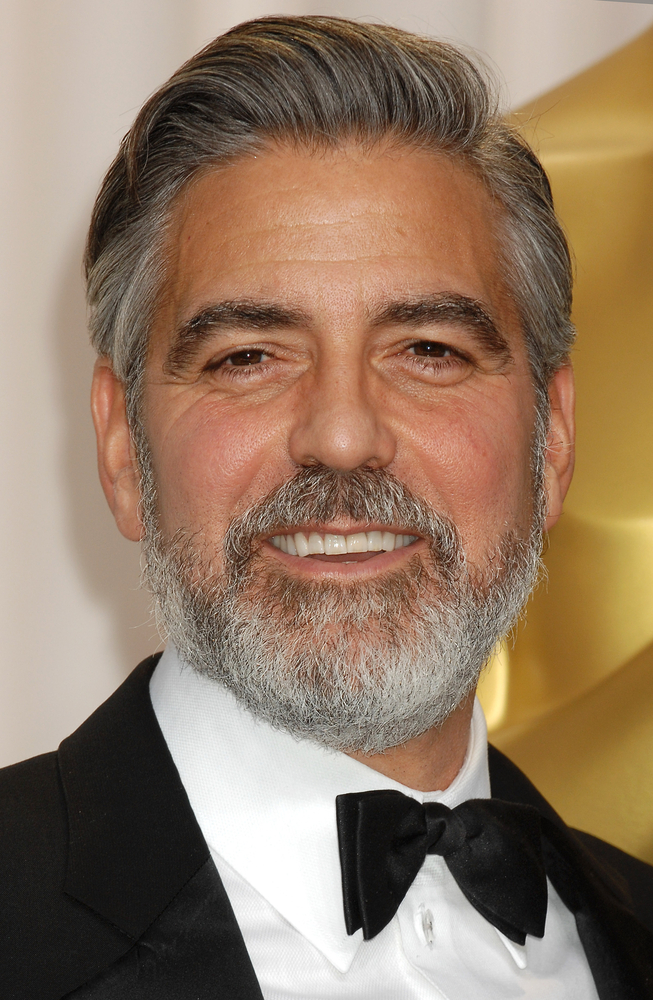
George Clooney has repeatedly treated Batman & Robin as a professional lesson rather than a career highlight. The critically mocked 1997 superhero film forced him to reconsider how much responsibility a star should take for choosing a script. Clooney later said the experience changed how he evaluated projects. Rather than ending his career, the failure preceded acclaimed work including Out of Sight, Michael Clayton and his Oscar-winning supporting performance in Syriana.
Viola Davis Regrets The Help

Viola Davis earned an Academy Award nomination for playing Aibileen Clark in The Help, but later said she regretted participating. Her concern was not primarily her own performance. Davis felt the movie ultimately failed to center the voices and experiences of the Black maids whose lives formed the heart of the story. Her comments became a notable example of an actor critically reassessing celebrated work after its release.
Katherine Heigl Criticized Knocked Up

Katherine Heigl praised much of her experience making Knocked Up but later described the film as somewhat sexist. She was especially uncomfortable with how her character, Alison, could appear humorless while the male characters were allowed to remain lovable despite irresponsible behavior. Her criticism generated years of headlines, yet it was more nuanced than simply saying she hated the successful comedy or regretted every part of making it.
Eddie Redmayne Reconsidered The Danish Girl
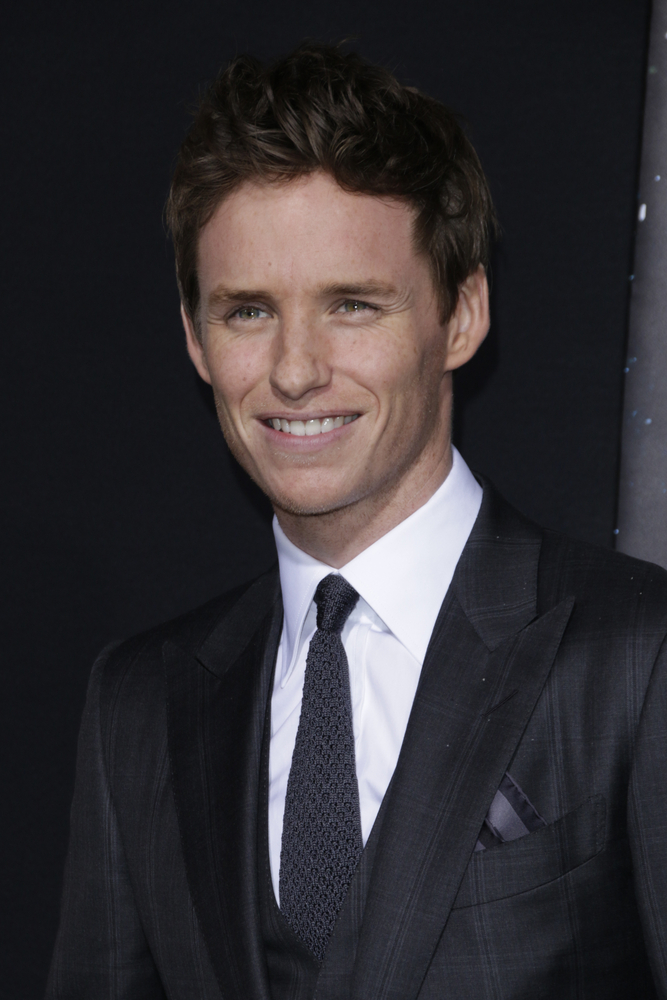
Eddie Redmayne received an Oscar nomination for portraying transgender artist Lili Elbe in The Danish Girl. Years later, he said he would not accept the role if offered it again, describing the casting decision as a mistake. His reassessment reflected broader changes in conversations about who receives opportunities to portray transgender characters. Redmayne remained proud of the intentions behind the film while concluding the part should have gone to a transgender actor.
Christopher Plummer Resisted The Sound of Music
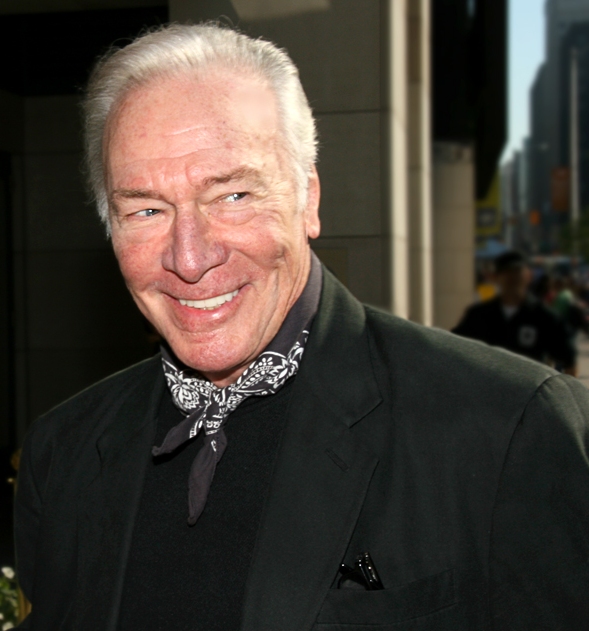
Christopher Plummer spent years making dismissive comments about The Sound of Music, finding its sentimentality difficult compared with the classical theater work he preferred. His relationship with the film softened over time, and he later participated in reunions and acknowledged its enduring appeal. Plummer’s complicated reaction shows that an actor can dislike aspects of a career-defining role while eventually accepting the affection audiences continue attaching to it.
Burt Reynolds Disliked Making Boogie Nights

Burt Reynolds received some of the strongest reviews of his career for Boogie Nights and earned an Oscar nomination as adult-film director Jack Horner. Yet Reynolds openly said he disliked making the movie and had serious reservations about its subject matter. He reportedly clashed with director Paul Thomas Anderson and later remained conflicted about the film despite the acclaim it brought him. Success did not automatically make the experience enjoyable.
Alec Guinness Had Mixed Feelings About Star Wars
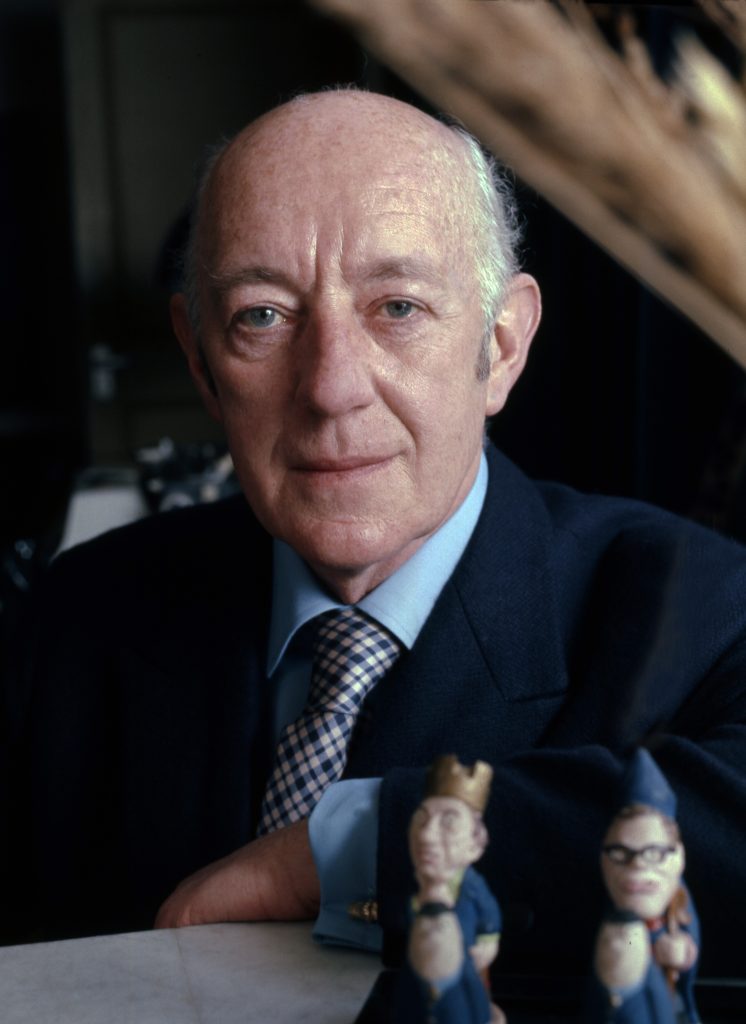
Alec Guinness brought enormous prestige to the original Star Wars as Obi-Wan Kenobi, but his private letters and later comments revealed frustration with the dialogue and the extraordinary attention the franchise generated. He did not simply deny its importance, and the role brought considerable financial benefits. Still, his ambivalence became one of Hollywood’s best-known examples of an actor feeling far less enthusiastic about a beloved movie than its fans.
Featured Image: Shutterstock
Leave a Reply