Author: Nick

  • Winona Ryder’s 90s Run – Why That Decade Still Defines Her

    Winona Ryder’s 90s Run – Why That Decade Still Defines Her

    Winona Ryder did not just have a good decade in the 1990s. She had one of the most varied and decorated runs of any American actress in that era, collecting Oscar nominations, collaborating with directors at the top of their craft, and becoming a cultural symbol for an entire generation.

    But the full scope of what she accomplished between 1990 and 1999 is easy to underestimate when you look at it slide by slide. Laid out all at once, it is almost hard to believe it belongs to one person.

    Edward Scissorhands Opens the Decade
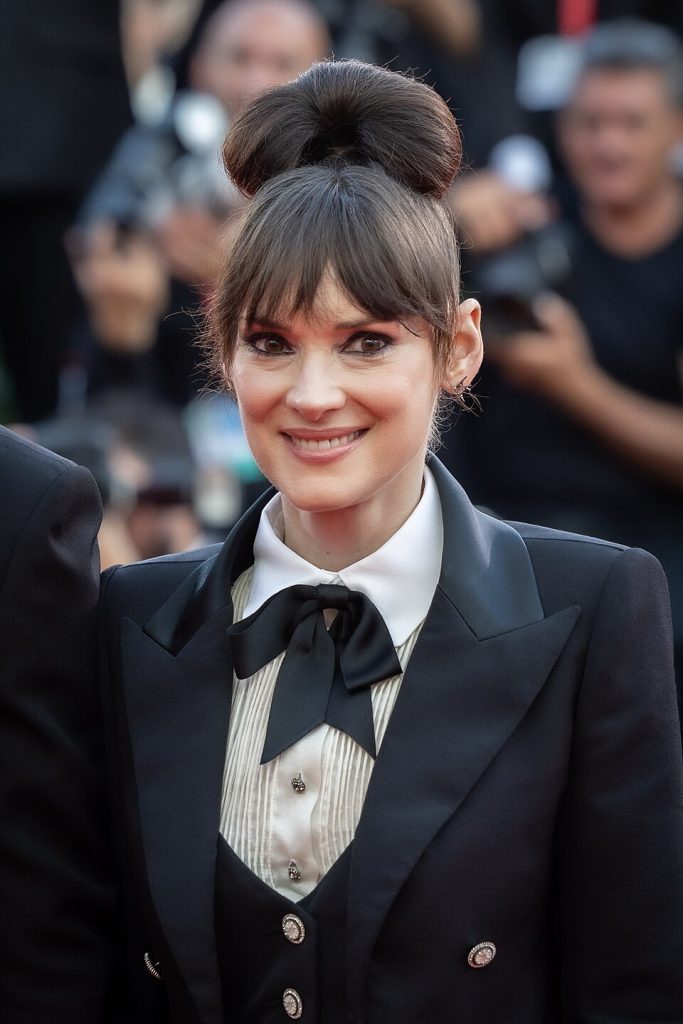
    By Harald Krichel – Own work, CC BY-SA 4.0, https://commons.wikimedia.org/w/index.php?curid=151958117

    Winona Ryder entered the 1990s with Edward Scissorhands, her second collaboration with Tim Burton, playing Kim opposite Johnny Depp’s gentle outsider. The film asked her to be the human heart of a story built on fantasy and darkness, and she carried it completely. She made you feel everything. According to Roger Ebert’s review in the Chicago Sun-Times, Ryder’s performance provided the emotional grounding that allowed the film’s stranger elements to land with audiences, a quiet but essential piece of work that set the tone for the decade ahead.

    Mermaids and Her Comic Range
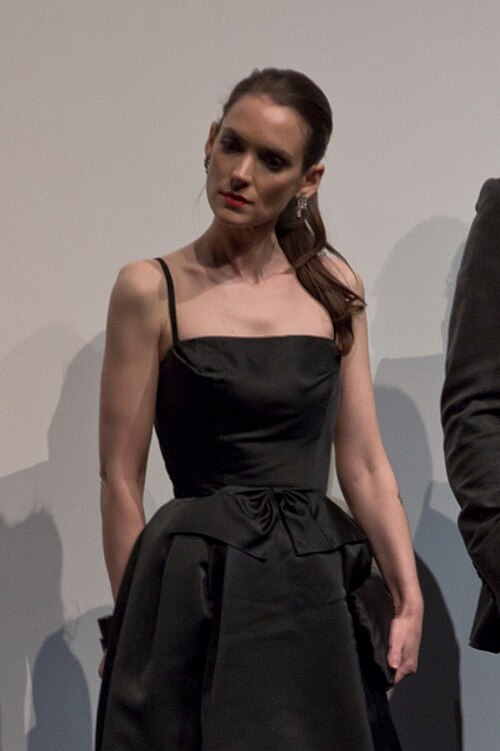
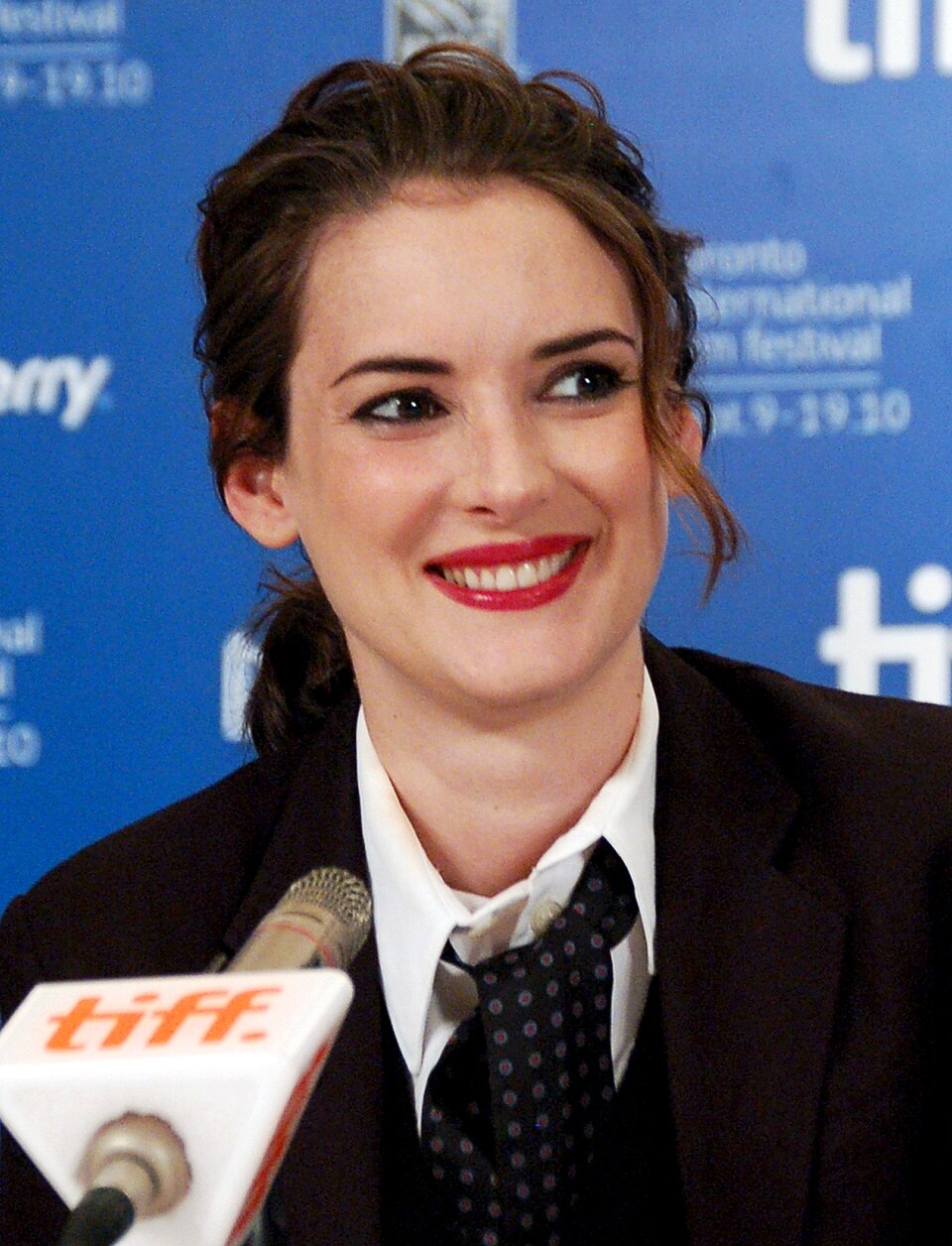
    By Josh Jensen from Toronto, Ontario, Canada – Winona Ryder – TIFF 2012, CC BY-SA 2.0, https://commons.wikimedia.org/w/index.php?curid=21555596

    Also in 1990, Ryder appeared in Mermaids alongside Cher and Bob Hoskins, playing a teenager navigating an unconventional family with a deadpan wit that surprised critics who had filed her under brooding indie actress. The film showed a different gear. According to The New York Times review at the time, Ryder demonstrated a comic instinct in Mermaids that her earlier work had not fully revealed, broadening the industry’s sense of what she could do just as her career was finding its footing. Two strong films in a single year was not an accident.

    Bram Stoker’s Dracula and Coppola
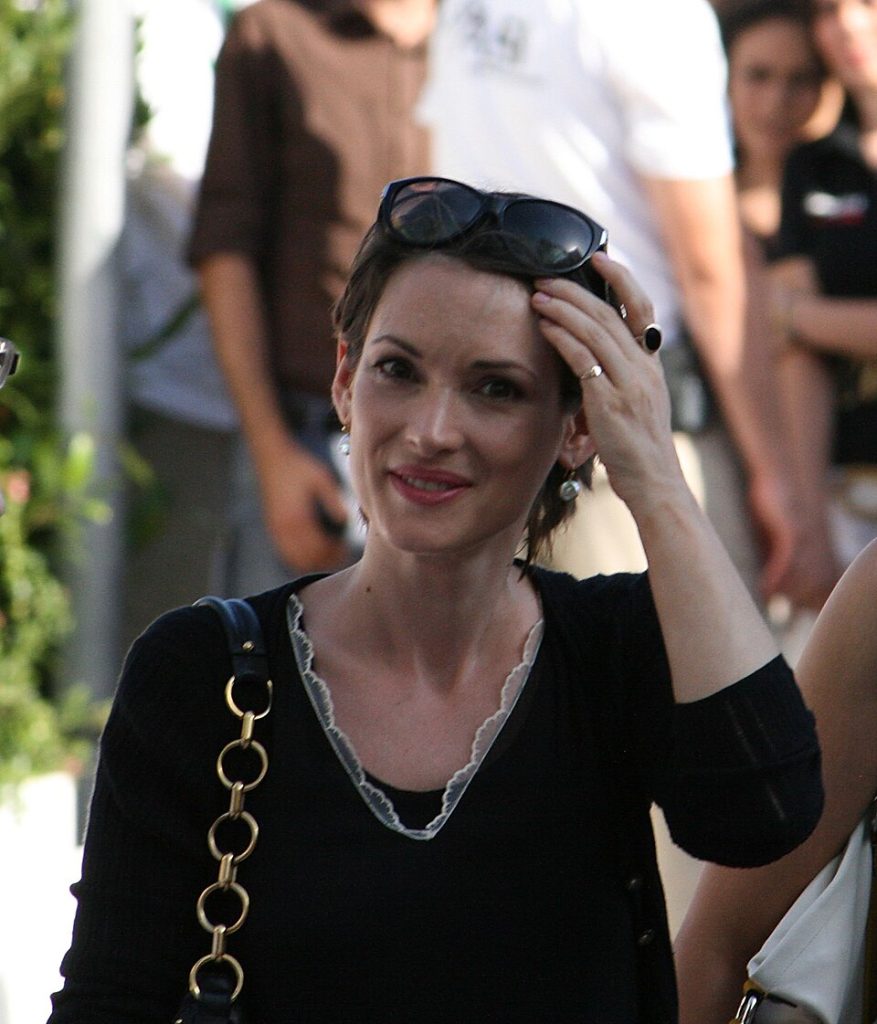
    By Luni’s – https://www.flickr.com/photos/31394868@N02/4027195562/, CC BY 2.0, https://commons.wikimedia.org/w/index.php?curid=135947160

    Francis Ford Coppola cast Ryder in Bram Stoker’s Dracula in 1992, placing her in a major studio production alongside Gary Oldman, Anthony Hopkins, and Keanu Reeves. The film was a visual spectacle unlike anything else being made at the time. She held her own in elite company. According to Variety’s coverage of the production, Coppola reportedly chose Ryder in part because of her relationship with Keanu Reeves, which helped secure his casting in the film. Her presence in that cast at twenty years old was a signal of exactly where she stood in Hollywood.

    An Oscar Nomination From Scorsese
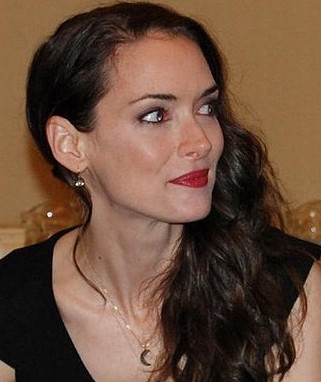
    By Larry Richman – Press Conference, “Frankenweenie” World Premiere, CC BY 2.0, https://commons.wikimedia.org/w/index.php?curid=33547112

    Martin Scorsese’s The Age of Innocence in 1993 earned Ryder an Academy Award nomination for Best Supporting Actress. It was a period drama, restrained and formally demanding, completely unlike the contemporary roles she had built her reputation on. She rose to every inch of it. According to Scorsese himself, speaking to Film Comment about the production, Ryder brought a social intelligence to the role that the film absolutely required. The nomination was not a surprise to those who had been watching her closely. It was an overdue acknowledgment.

    Reality Bites and the Generation X Crown
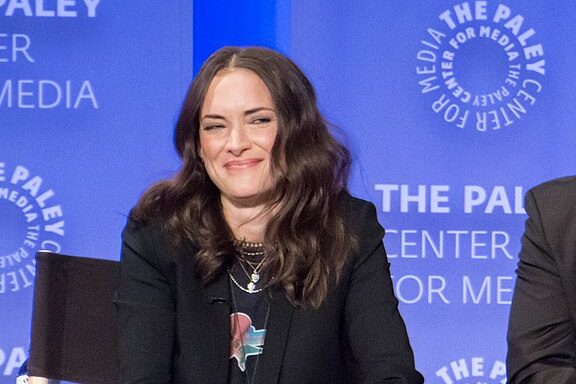
    By Chris Roth 1 – https://www.flickr.com/photos/52732123@N07/41152245492/, CC BY-SA 4.0, https://commons.wikimedia.org/w/index.php?curid=187492002

    No single film captures Winona Ryder’s place in 1990s culture more precisely than Reality Bites in 1994. She played Lelaina Pierce, a directionless graduate trying to figure out what adulthood was supposed to feel like, and millions of young viewers recognized themselves immediately. It felt completely true. According to The New Yorker’s retrospective on the film, Reality Bites became one of the defining cultural documents of Generation X, and Ryder’s performance was the reason the film retained its emotional grip for so long. Some roles just fit their moment perfectly.

    Little Women and a Second Nomination
    By Eric Weiss, CC BY 2.0, https://commons.wikimedia.org/w/index.php?curid=10707249

    Also in 1994, Ryder played Jo March in Gillian Armstrong’s Little Women, anchoring a major studio adaptation alongside Susan Sarandon, Kirsten Dunst, and Claire Danes. The film was a commercial success and earned her a second Academy Award nomination, this time for Best Actress. Two nominations in two years. According to Box Office Mojo, Little Women grossed over 50 million dollars domestically, confirming that Ryder could drive a prestige studio film to genuine commercial success and not just critical attention. That combination was rare then and it is rare now.

    Girl Interrupted and the Selfless Move
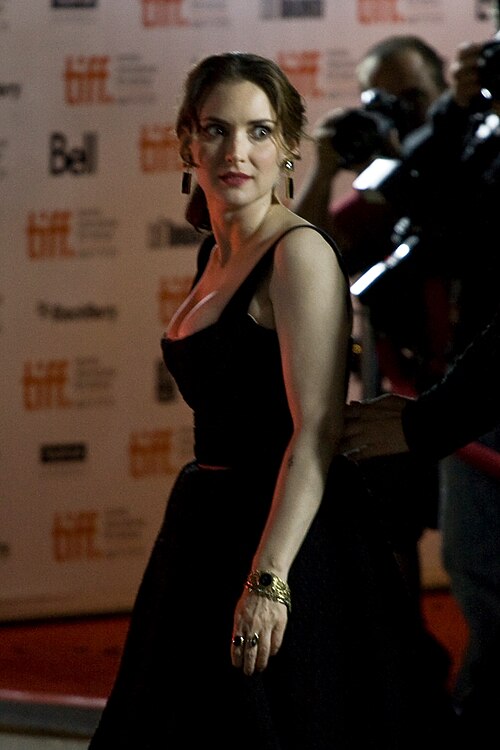
    By Josh Jensen from Toronto, Ontario, Canada – Winona Ryder, CC BY-SA 2.0, https://commons.wikimedia.org/w/index.php?curid=11526106

    Ryder was the driving force behind Girl, Interrupted getting made at all. She acquired the rights to Susanna Kaysen’s memoir, developed the project, and starred in the 1999 film that ultimately made Angelina Jolie a household name through a supporting performance that overshadowed the lead. Ryder gave something away. According to profiles of the production published by Entertainment Weekly, Hollywood insiders found her willingness to champion a film that ultimately belonged to another actress’s performance genuinely remarkable. It was a creative integrity move that the industry noticed and remembered.

    Why the 90s Still Follow Her
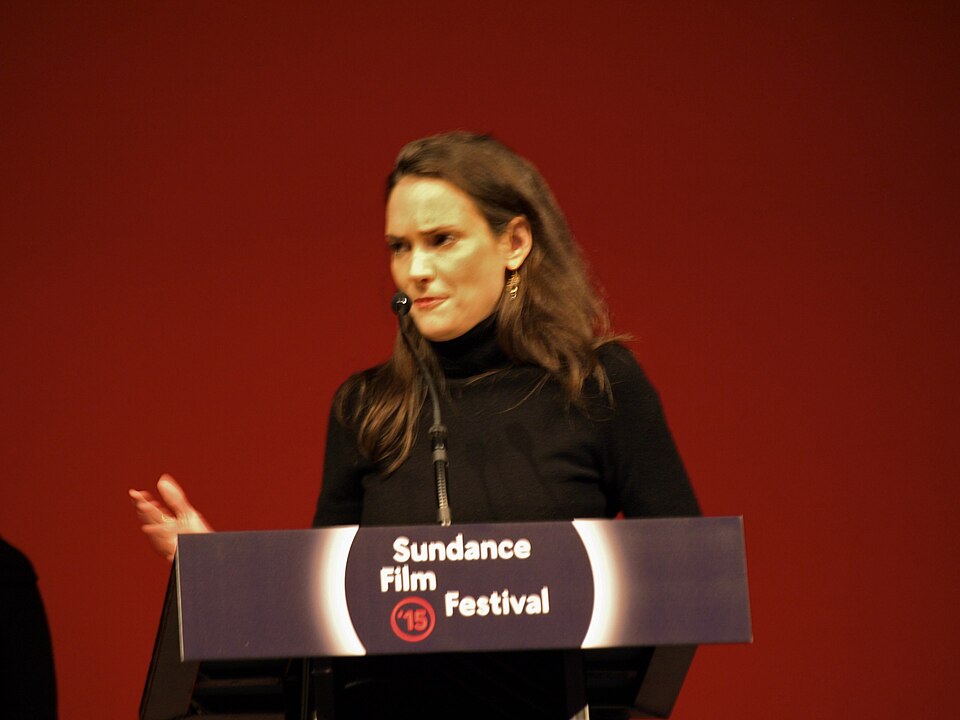
    By https://www.flickr.com/photos/punktoad/ – https://www.flickr.com/photos/punktoad/16230597827/in/album-72157650175405848/, CC BY 2.0, https://commons.wikimedia.org/w/index.php?curid=38439396

    Two Oscar nominations. Tim Burton twice. Martin Scorsese. Francis Ford Coppola. A Generation X cultural touchstone. A film she produced herself that launched one of the biggest careers of the following decade. That is the actual record. According to film critics writing retrospectives on 1990s American cinema for publications including the American Film Institute’s official channel, Ryder’s body of work from that decade stands as some of the most consistently interesting female-led filmmaking of the era. No wonder the decade still follows her everywhere. This article is for informational and entertainment purposes only and does not constitute professional advice.

    Featured Image: By Karon Liu, CC BY 2.0, https://commons.wikimedia.org/w/index.php?curid=15771575
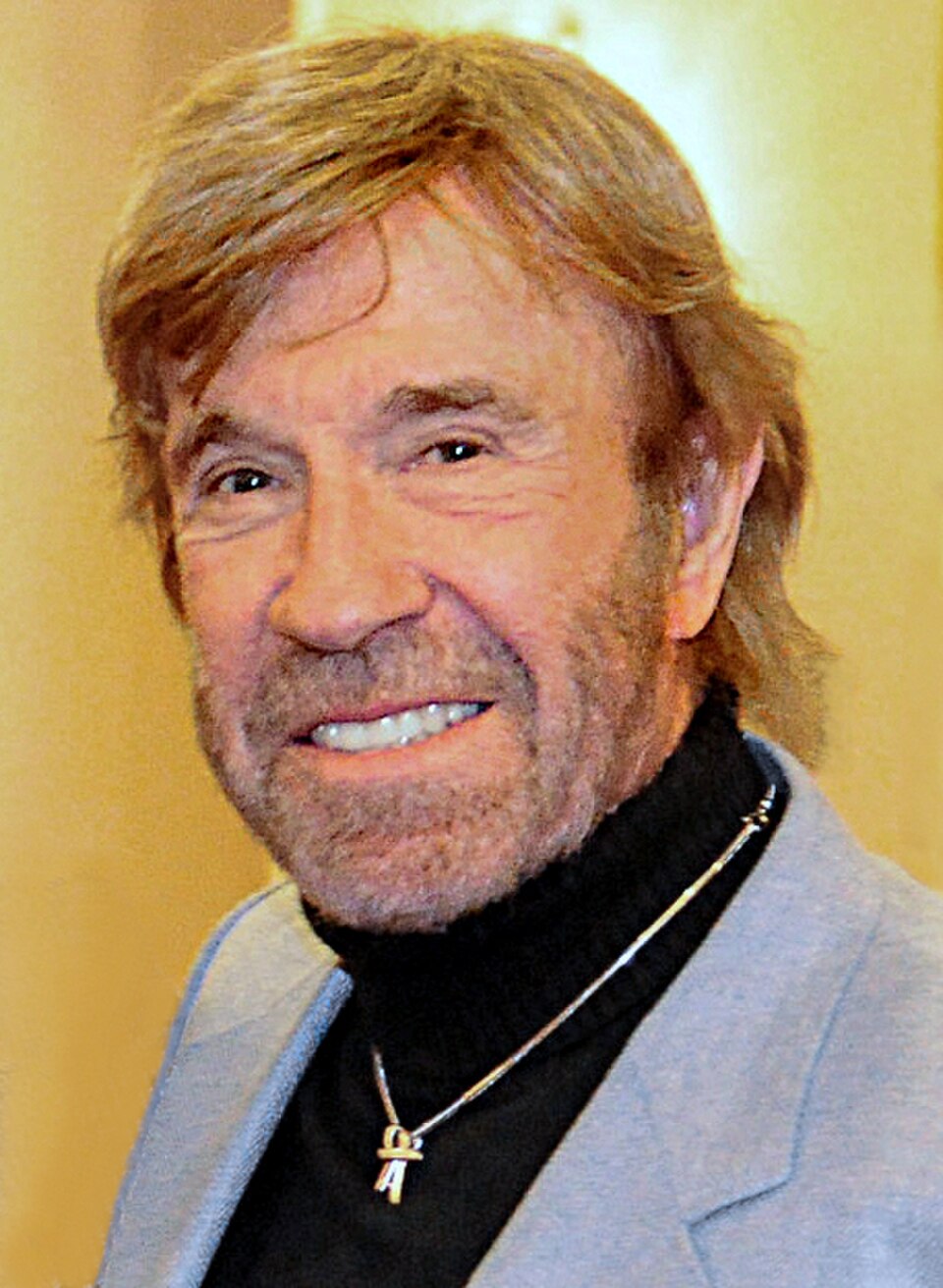
  • The Real Story Behind Chuck Norris and His Rise to Action Legend

    The Real Story Behind Chuck Norris and His Rise to Action Legend

    Chuck Norris is one of the most recognizable names in American entertainment history. His face, his fists, and his reputation for on-screen toughness made him a genuine cultural institution across four decades of film and television.

    But the man behind the legend had a beginning that looked nothing like a Hollywood story. Where he came from, and what he built before cameras ever found him, is the part most people have never fully heard.

    A Shy Boy From Oklahoma

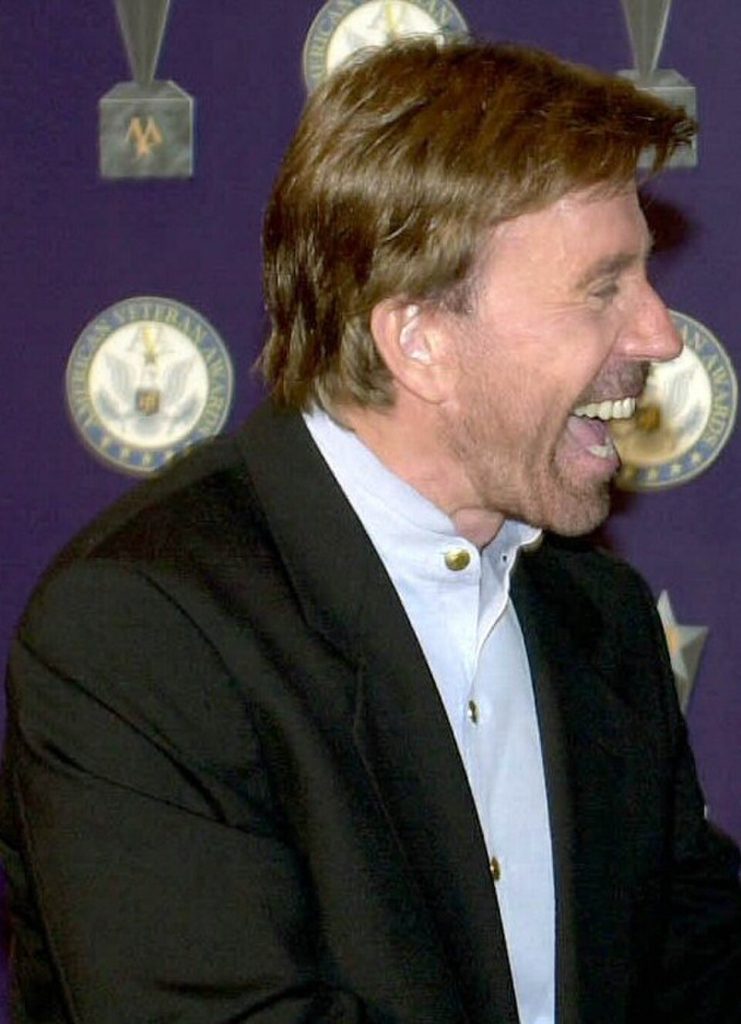
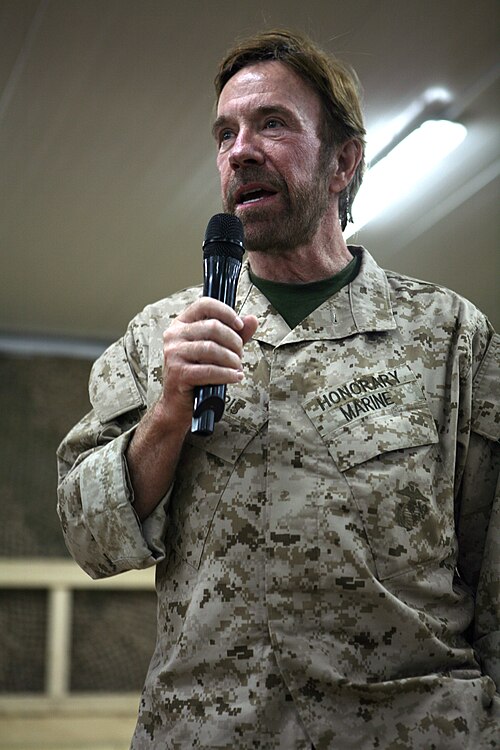
    By Lou Hernandez (U.S. Air Force) – Originally from [1], Public Domain, https://commons.wikimedia.org/w/index.php?curid=2674849

    Chuck Norris was born Carlos Ray Norris in Ryan, Oklahoma in 1940, into a family that moved frequently during his early childhood. He has spoken at length about being a deeply shy and insecure child with no obvious path toward the confidence his later career required. He was quiet. He was uncertain. According to his autobiography Against All Odds, co-written with Ken Abraham, Norris described his early years as defined by a deep sense of inadequacy that he carried into adolescence with no clear idea of how to shed it. The military would change that entirely.

    Korea and the Discovery That Changed Him

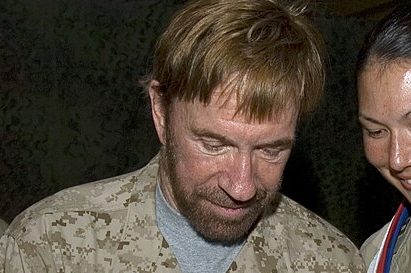
    By Corporal Lynn Murillo – [1], Public Domain, https://commons.wikimedia.org/w/index.php?curid=1691736

    Norris enlisted in the United States Air Force and was stationed in South Korea, where he encountered Tang Soo Do for the first time. The martial art gave him something he had never had before: a sense of discipline, physical confidence, and identity built entirely on effort. He trained obsessively. According to profiles of his martial arts career published by Black Belt Magazine, Norris took to the discipline with a focus that surprised his instructors, returning to the United States not just with a skill but with a fundamentally different sense of who he was and what he was capable of.

    Champion Before He Was a Star

    By Yoni S.Hamenahem – Yoni S.Hamenahem, CC BY-SA 3.0, https://commons.wikimedia.org/w/index.php?curid=23500028

    Before a single frame of film featured Chuck Norris, he had already built a legitimate and decorated career as a competitive martial artist. He became a multiple-time World Professional Middleweight Karate Champion and opened a chain of martial arts schools across California. He was already someone. According to Black Belt Magazine’s historical records of his competitive career, Norris was regarded by peers as one of the most technically precise tournament fighters of his era, a reputation that attracted the attention of a figure who would open the door to everything that came next.

    Bruce Lee and the Scene Nobody Forgot

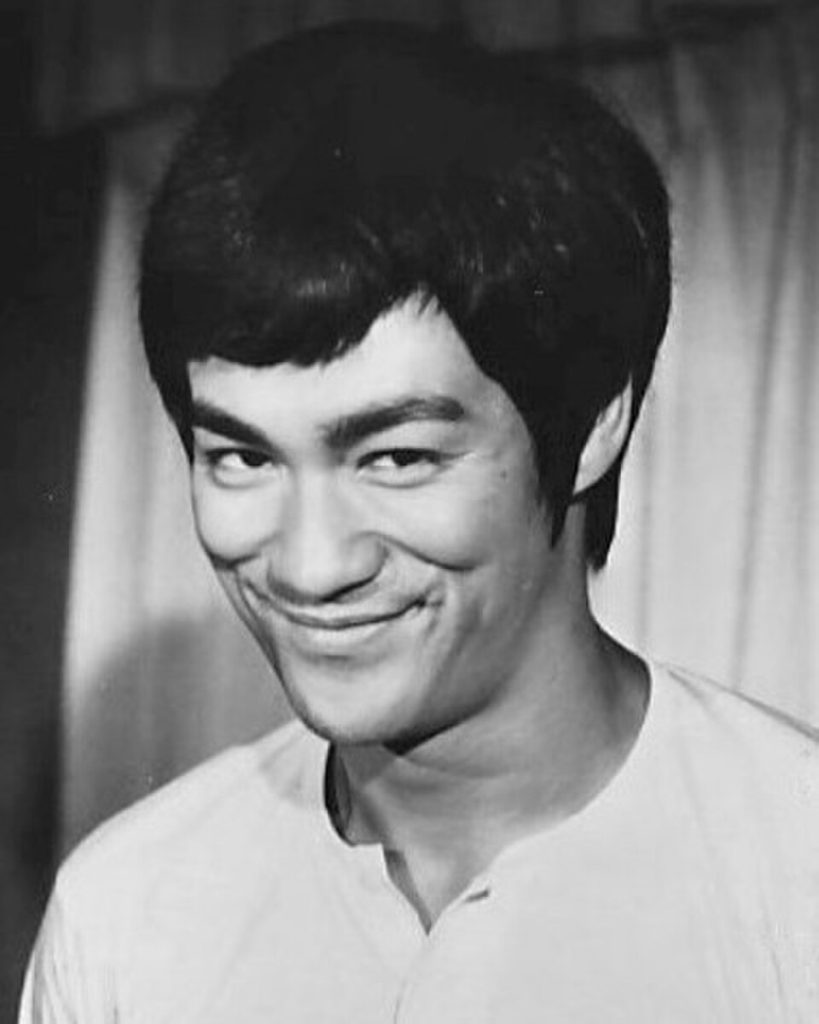
    By National General Pictures – eBayfrontback, Public Domain, https://commons.wikimedia.org/w/index.php?curid=53875900

    Chuck Norris met Bruce Lee through the martial arts world, and Lee cast him as the villain in The Way of the Dragon in 1972. Their fight sequence inside the Roman Colosseum became one of the most analysed scenes in martial arts cinema history. It was a genuine collision of two legends. According to film historians writing for Sight and Sound, the sequence introduced Norris to an international audience that had no previous awareness of him, and the credibility of sharing the screen with Lee gave his subsequent acting career a foundation that no amount of studio promotion could have manufactured.

    Missing in Action and the 80s Peak

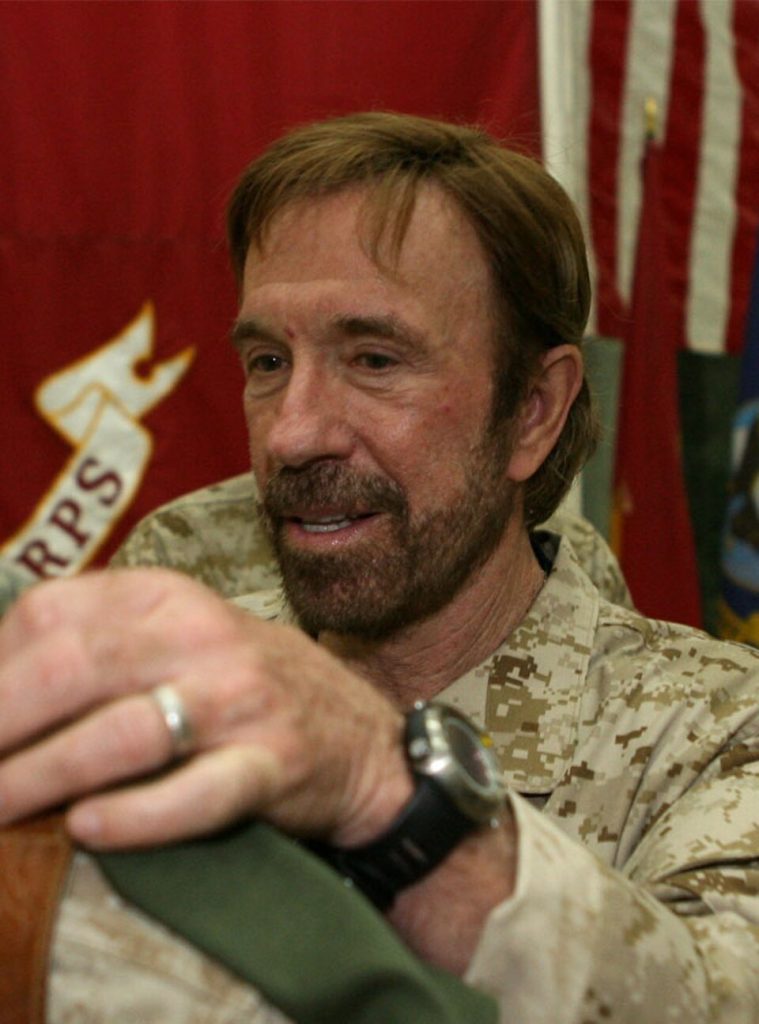
    By http://www.marines.mil/unit/2ndmaw/PublishingImages/misc/IMG_3963.jpg, Public Domain, https://commons.wikimedia.org/w/index.php?curid=23120241

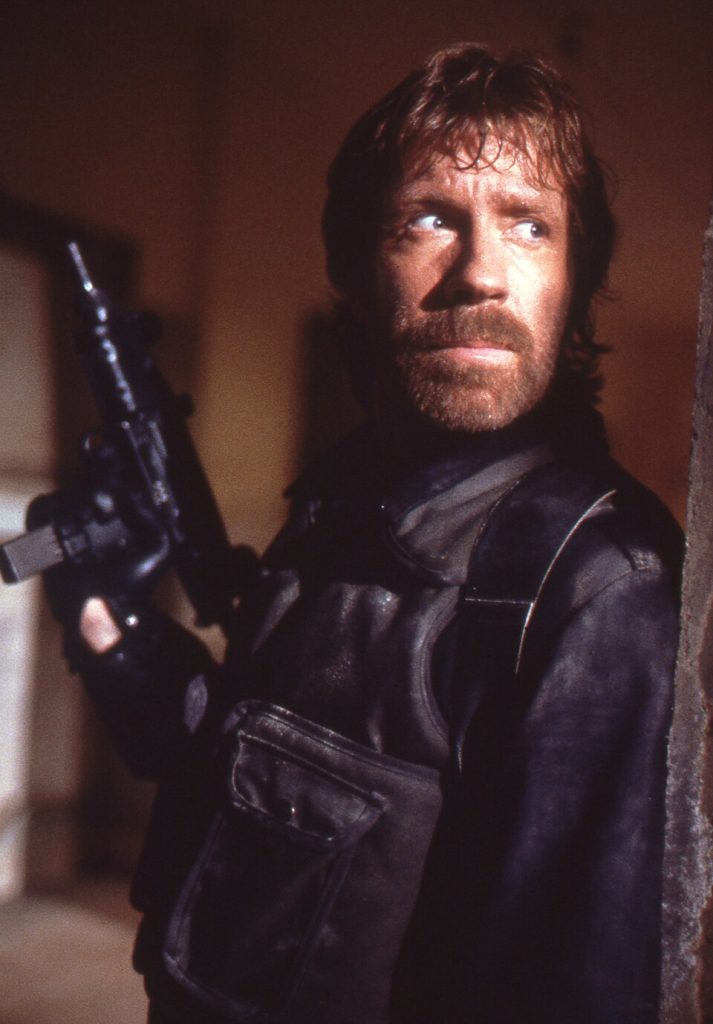
    The film that turned Norris into a mainstream American star was Missing in Action in 1984. He played Colonel James Braddock, a Vietnam veteran returning to rescue prisoners of war, and the film arrived at a cultural moment in Reagan-era America that was primed for exactly that story. It was the right film at the right time. According to Box Office Mojo figures, the film grossed over 22 million dollars domestically on a budget that made the return extraordinary, and its success launched a franchise that kept Norris at the centre of American action cinema for the rest of the decade.

    Walker Texas Ranger and a Second Peak

    By U.S. Air Force Photo by Staff Sgt. Tia Schroeder – This image was released by the United States Air Force with the ID 070913-F-6470S-006 (next).This tag does not indicate the copyright status of the attached work. A normal copyright tag is still required. See Commons:Licensing.العربية ∙ বাংলা ∙Bahaso Jambi ∙Deutsch ∙ Deutsch (Sie-Form) ∙ English ∙ español ∙ euskara ∙ فارسی ∙ français ∙ italiano ∙ 日本語 ∙ 한국어 ∙ македонски ∙ മലയാളം ∙ Plattdüütsch ∙ Nederlands ∙ polski ∙ پښتو ∙ português ∙ русский ∙ slovenščina ∙ svenska ∙ Türkçe ∙ українська ∙ 简体中文 ∙ 繁體中文 ∙ +/−, Public Domain, https://commons.wikimedia.org/w/index.php?curid=9002619

    When film roles began to slow in the early 1990s, Norris moved to television and found an audience that may have been larger than anything his film career had reached. Walker, Texas Ranger ran on CBS from 1993 to 2001, consistently ranking among the most watched shows on Saturday night at its peak. Eight seasons. That is a career inside a career. According to Nielsen data cited by Variety during the show’s run, Walker built a loyal and consistent viewership that held for nearly a decade, making it one of the longest-running action series in American network television history.

    A Legacy Bigger Than the Man Planned

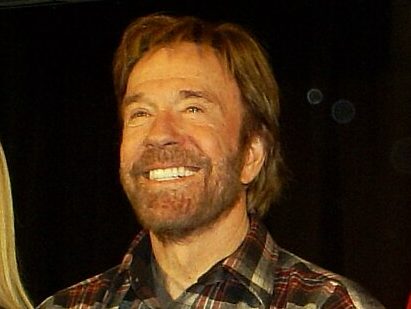
    By Craig Michaud at English Wikipedia, CC BY 3.0, https://commons.wikimedia.org/w/index.php?curid=52979175
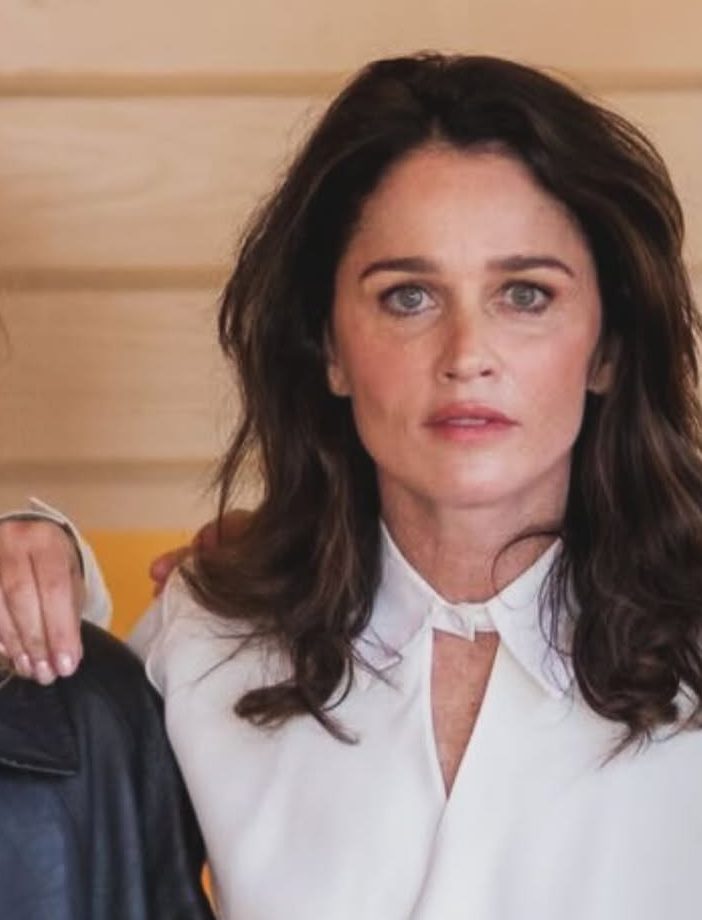
    Chuck Norris set out to be a martial arts champion. He became that, and then he became something much harder to plan: a cultural institution. The internet jokes that turned him into a global meme in the mid-2000s introduced him to a generation who had never seen his films, and he embraced them with a humour that surprised people who only knew the stoic on-screen persona. According to a profile in The Guardian exploring the Chuck Norris Facts phenomenon, his willingness to laugh at himself turned out to be the most human and enduring thing about him. This article is for informational and entertainment purposes only and does not constitute professional advice.

    Featured Image: By Staff Sgt. Tony Foster – https://www.dvidshub.net/image/1915215/fort-hood-camp-mabry-soldiers-attend-texas-state-prayer-breakfast, Public Domain, https://commons.wikimedia.org/w/index.php?curid=40133076

  • King Charles’ Reported Food Preferences and Restrictions

    King Charles’ Reported Food Preferences and Restrictions

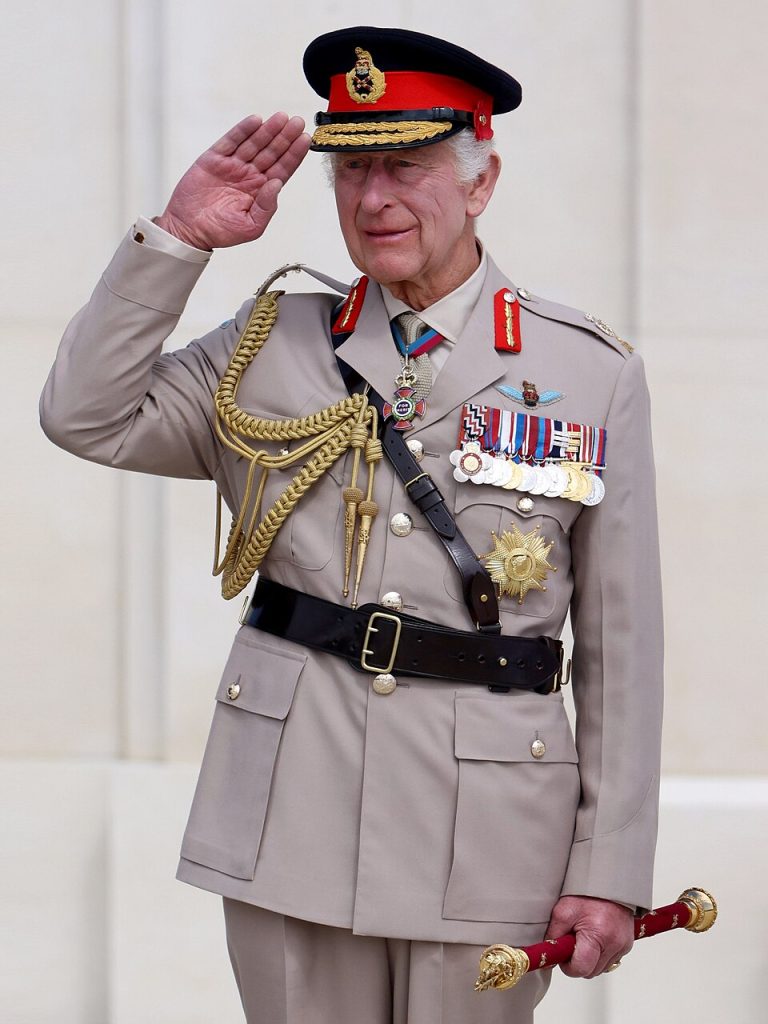
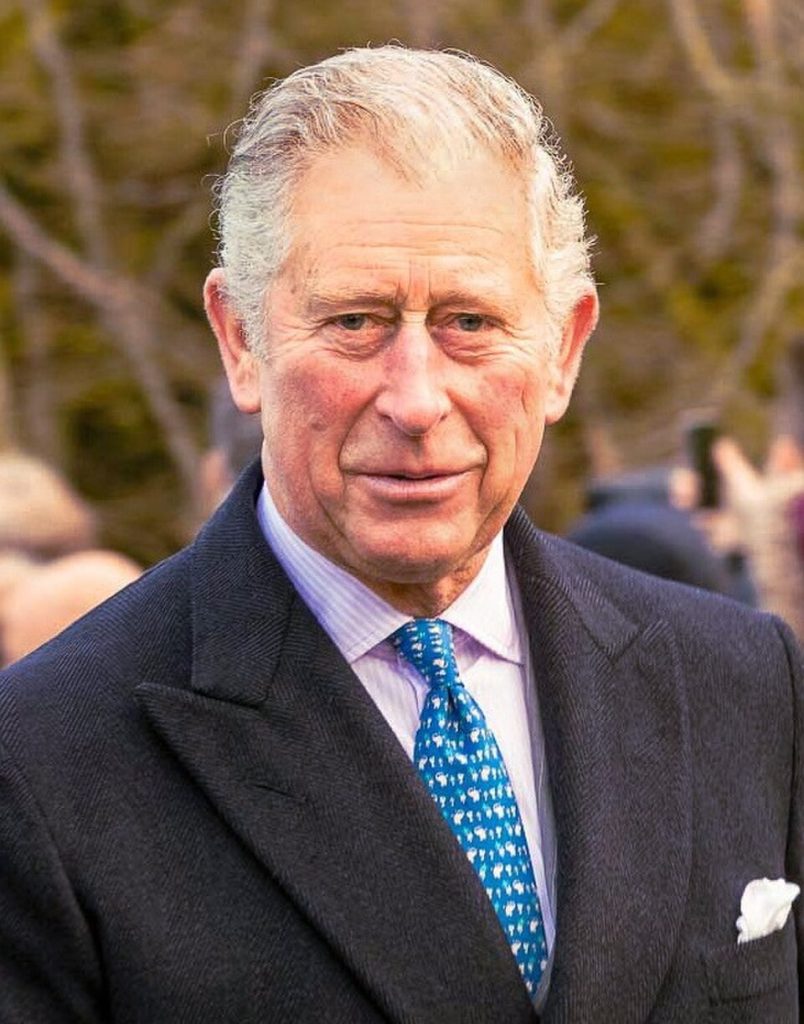
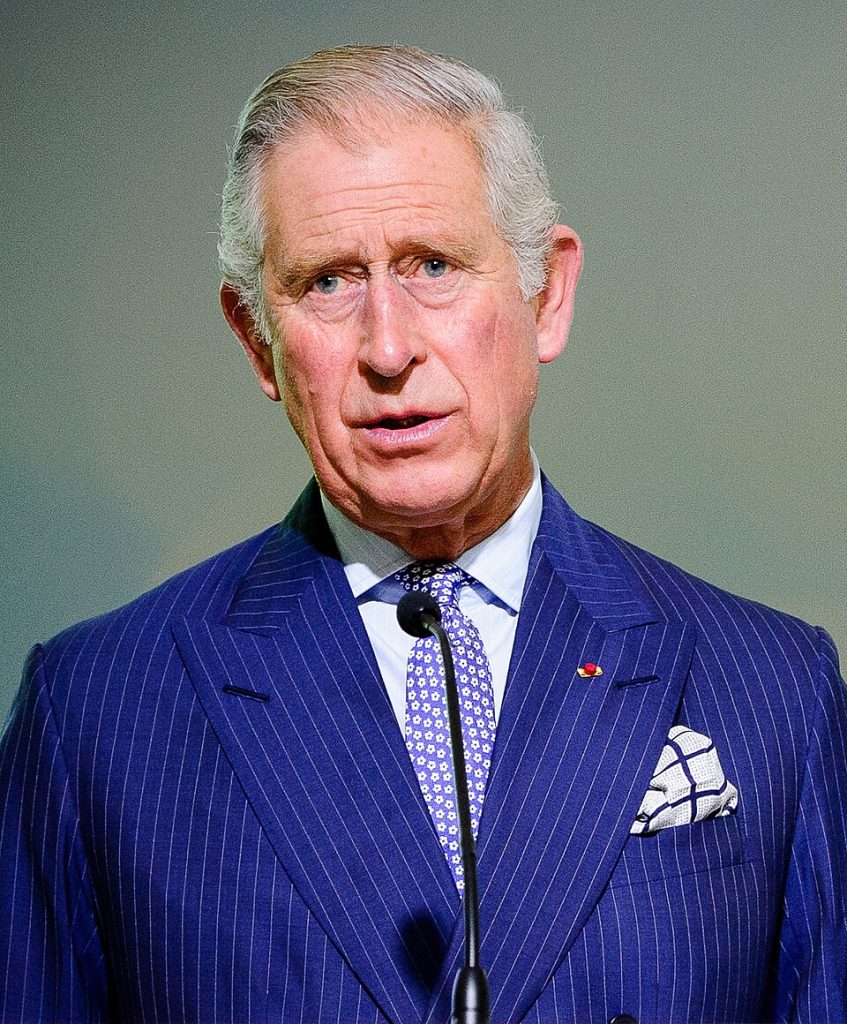
    King Charles is widely known for his commitment to organic farming, sustainable agriculture, and a lifestyle built around natural living. Most people assume his food rules are simply about health.

    But the full list of what the King refuses to eat goes far beyond wellness habits. Some of his food rules stretch back decades and carry the weight of royal protocol, personal conviction, and long-held principle.

    A Lifelong Devotion to the Organic

    By The White House – P20211102AS-2249-2, Public Domain, https://commons.wikimedia.org/w/index.php?curid=119755768

    King Charles converted his Highgrove estate to organic farming in 1986, decades before organic food became fashionable. According to The Guardian’s reporting on the Highgrove estate, he refused to allow pesticides on his land and spent years being openly mocked by the agricultural establishment before the conversation caught up with him. He was ahead of his time. His relationship with what he eats has always been inseparable from his relationship with how food is grown and where it comes from.

    Garlic Off the Royal Table

    By White House – https://twitter.com/POTUS/status/1678465366501064705, Public Domain, https://commons.wikimedia.org/w/index.php?curid=134250832

    One of the most widely reported of King Charles’s food rules concerns garlic. According to royal insiders speaking to The Daily Mail, garlic has long been discouraged at royal mealtimes, a tradition shared by several members of the family including the late Queen Elizabeth II. The reasoning is rooted in etiquette. Close-quarters engagements with the public, dignitaries, and foreign heads of state are a daily reality for the monarch, and the lingering effects of garlic on breath are considered incompatible with those duties.

    The Foie Gras Decision

    By Hayden Soloviev – Own work, CC BY 4.0, https://commons.wikimedia.org/w/index.php?curid=166159824

    King Charles made headlines in 2008 when he quietly removed foie gras from the menu at all of his royal residences. According to reports from The Times at the time, the decision came after sustained campaigning from animal welfare organizations who had been in contact with the Prince of Wales for years. He acted on his values. Foie gras production involves force-feeding ducks or geese, and Charles had long been vocal about his concern for animal welfare in food production. The ban has remained in place.

    Red Meat and How He Limits It

    By Alecsandra Dragoi / No 10 Downing Street – https://www.flickr.com/photos/ukgov/54130014310/, CC BY 2.0, https://commons.wikimedia.org/w/index.php?curid=155133143

    King Charles has spoken openly about limiting red meat in his diet as part of his broader environmental philosophy. He has publicly advocated for reducing meat consumption as a means of addressing climate impact, and according to interviews he gave to the BBC ahead of COP26, he practices what he preaches in his own meals. He eats less than most would expect. Those close to the King have told reporters at The Telegraph that his lunches are frequently built around vegetables from his own organic kitchen gardens.

    What GMO Foods Mean to Him

    By Simon Dawson / No 10 Downing Street – https://www.flickr.com/photos/number10gov/53773935985/in/album-72177720317667671/, OGL 3, https://commons.wikimedia.org/w/index.php?curid=149252427

    Few topics have drawn more sustained public comment from King Charles than genetically modified organisms in food production. He gave a notable interview to The Daily Mail in 2008 in which he described GM crops as a form of experiment with nature that risked consequences nobody could fully predict. According to The Guardian’s coverage of the interview, his remarks caused significant controversy in scientific circles. He has never retreated from that position. GMO products remain off his personal menu entirely.

    The Lunchtime Ritual That Rules His Day

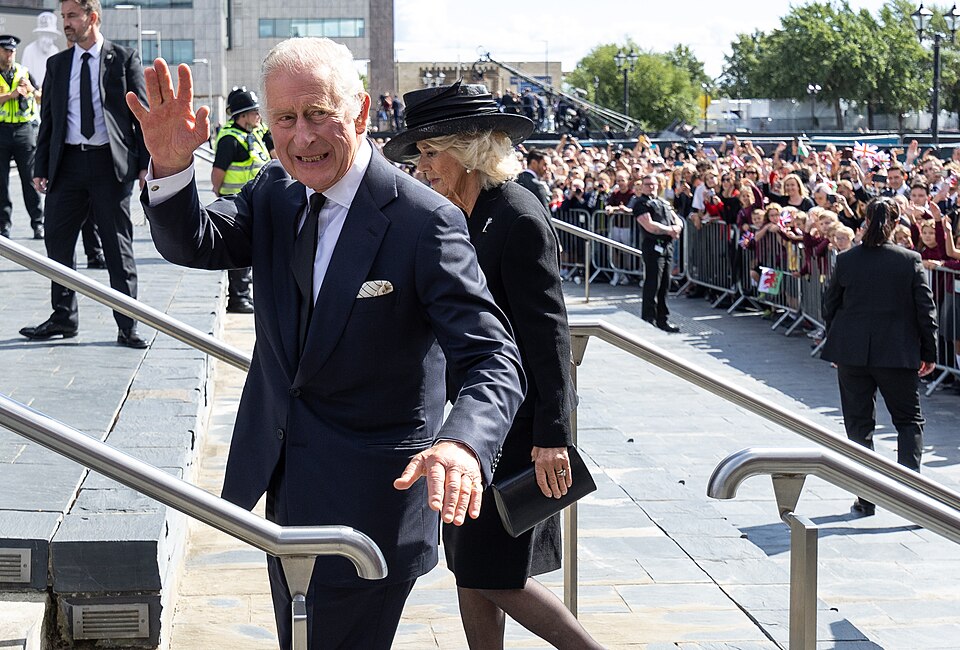
    By Senedd Cymru / Welsh Parliament from Wales – The Presentation of a Motion of Condolence to His Majesty King Charles III, 16 September 2022 / Cyflwyno Cynnig o Gydymdeimlad â’i Fawrhydi y Brenin, 16 Medi 2022, CC BY 2.0, https://commons.wikimedia.org/w/index.php?curid=144574256

    King Charles is known to keep a strict schedule around his meals, and according to royal biographers including Jonathan Dimbleby, writing in his authorised biography of the King, Charles has kept a notably light approach to lunch for decades. He often eats only a small amount mid-day, favouring vegetables and avoiding anything processed. Staff who have worked at his residences have described, in accounts cited by The Sunday Times, a kitchen culture built entirely around freshness, provenance, and simplicity.

    Why These Rules Are About More Than Food

    By Mark Jones – This image has been extracted from another file, CC BY 2.0, https://commons.wikimedia.org/w/index.php?curid=69890470

    Every item that disappears from King Charles’s plate carries a message about what he believes. The organic commitment began in the 1980s as a counter-cultural act. The foie gras ban was a statement on welfare. The GMO rejection was a challenge to industrial agriculture. According to biographer Catherine Mayer, writing in Charles: The Heart of a King, his dietary positions have always been extensions of his worldview rather than personal quirks. The plate tells the full story.

    A King Who Has Always Eaten His Convictions

    By Arnaud Bouissou – https://www.flickr.com/photos/cop21/23443532035/, CC0, https://commons.wikimedia.org/w/index.php?curid=49992004

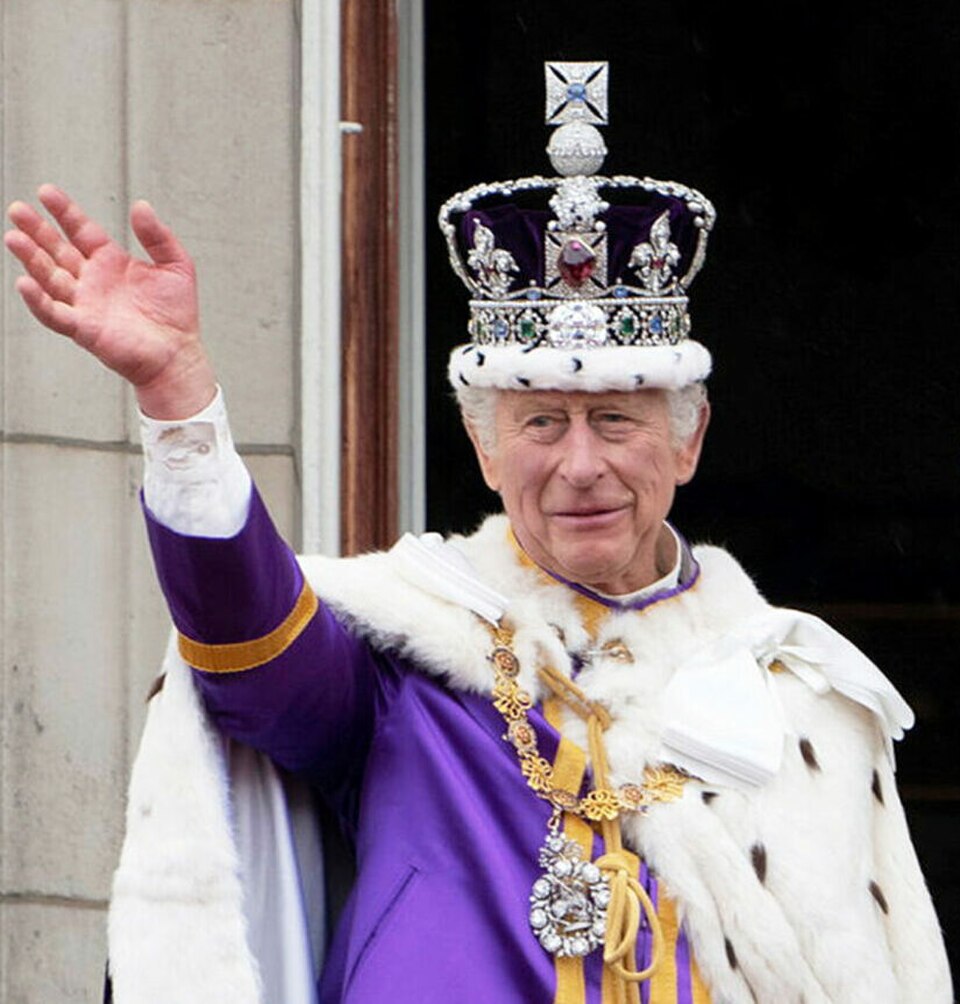
    King Charles spent decades as a Prince being dismissed as eccentric for the positions he held on food, farming, and the environment. Many of those positions are now mainstream. His kitchen has always been ahead of the conversation. According to commentators writing for the BBC’s coverage of his coronation, few public figures have lived their values as consistently through their private habits as the current King. This article is for informational and entertainment purposes only and does not constitute professional advice.

    Featured Image:By HM Government – https://coronation.gov.uk/, OGL 3, https://commons.wikimedia.org/w/index.php?curid=143890341

  • January Jones’ Career Before and After Mad Men

    January Jones’ Career Before and After Mad Men

    January Jones became widely known for portraying Betty Draper throughout the seven-season run of Mad Men. Her performance earned her a Primetime Emmy nomination in 2010, two Golden Globe nominations and ensemble recognition alongside the show’s cast. She also became a prominent subject of fashion and red-carpet coverage during the series.

    Her wider career includes modeling, supporting roles in films such as American Wedding and Love Actually, an appearance in X-Men: First Class and a major post-Mad Men role in The Last Man on Earth. Together, those projects show a career that extends well beyond Betty Draper.

    A Small Town Start in South Dakota

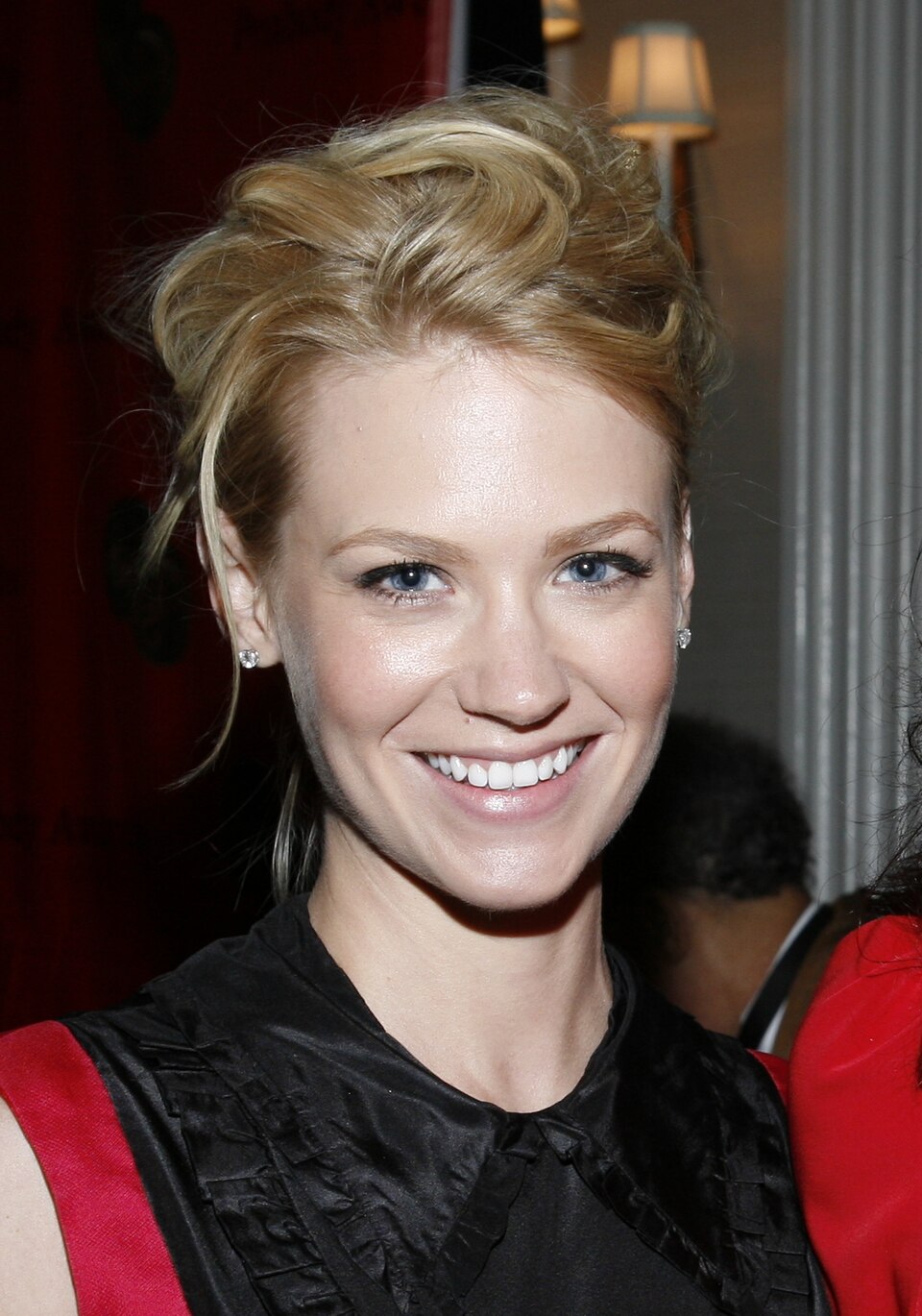
    By Peabody Awards – January Jones, CC BY 2.0, https://commons.wikimedia.org/w/index.php?curid=53701635
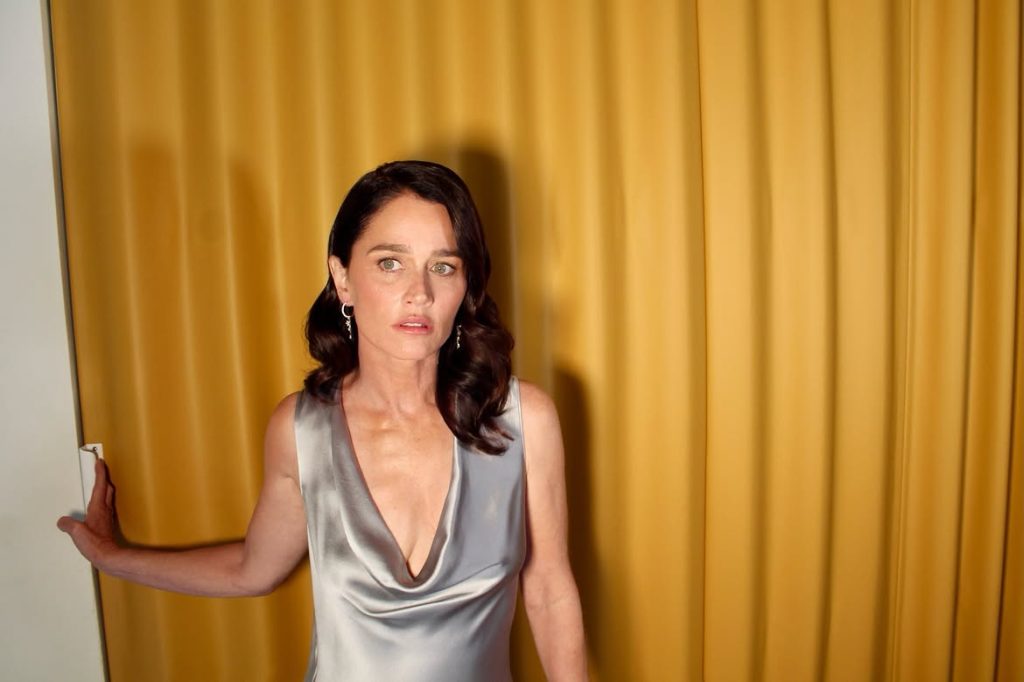
    January Jones was born in Sioux Falls, South Dakota, in 1978 and grew up in a small town far from any Hollywood ambition. She worked as a catalogue model before moving to Los Angeles in her early twenties with very little industry connection and no formal training. She arrived and started over. According to interviews she gave to InStyle magazine, the early years in Los Angeles were genuinely difficult, filled with auditions that went nowhere and rejections that would have stopped most people cold.

    Before Mad Men, There Was Struggle

    By watchwithkristin (Kristin dos Santos) – January Jones, CC BY-SA 2.0, https://commons.wikimedia.org/w/index.php?curid=4908691

    Before Mad Men, January Jones built experience through supporting roles in film and television. Her credits included American Wedding, Love Actually, Dirty Dancing: Havana Nights and We Are Marshall. She also appeared in the pilot episode of Three Moons Over Milford, rather than holding a recurring role on the series.

    Jones continued auditioning until she was cast as Betty Draper in Mad Men. Any claim that Matthew Weiner selected her specifically because of her “quiet intensity” should be included only with a precise, verifiable interview or casting source.

    Betty Draper and the Ice Queen Myth

    instagram.com/januaryjones

    When Mad Men premiered in 2007, January Jones introduced Betty Draper as a character whose polished appearance concealed frustration, isolation and anger. Some viewers found Betty difficult to sympathize with, while others saw her as a complicated portrait of a woman constrained by the expectations of her era.

    Jones’ performance became one of the defining elements of the series and earned her a Primetime Emmy nomination for Outstanding Lead Actress in a Drama Series in 2010. Any broader critical claim attributed to The Atlantic should include the exact article, author and wording.

    Fashion Becomes Part of the Brand

    instagram.com/januaryjones

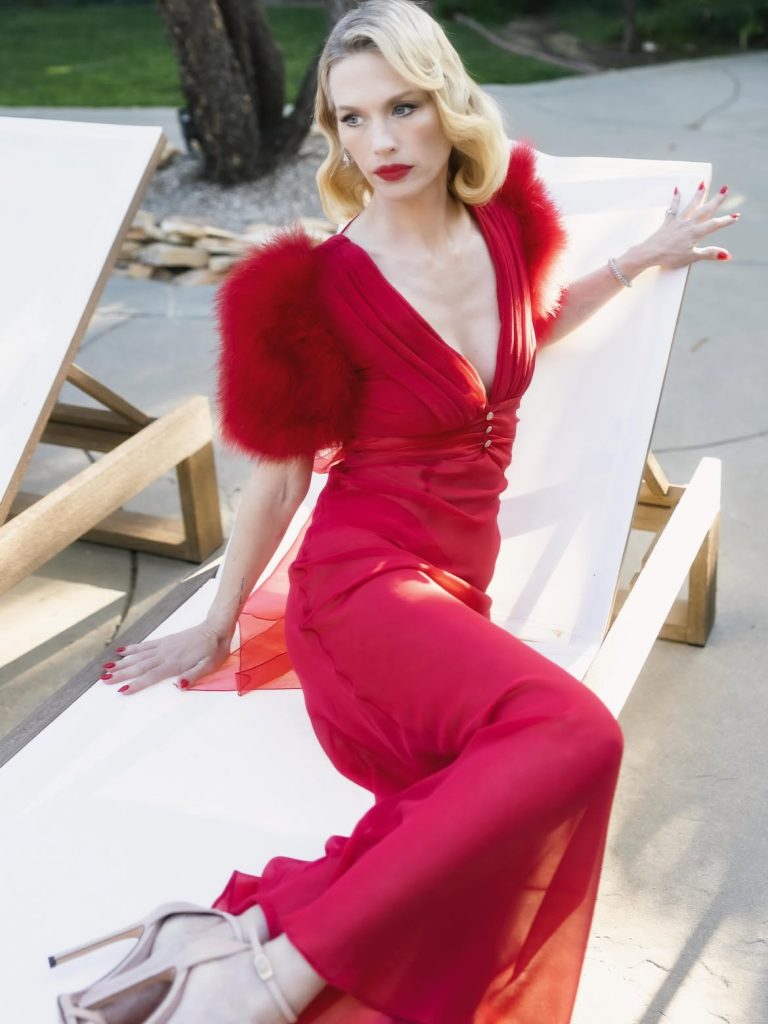
    Throughout the Mad Men years, Jones became as known for her style as her acting. Her red carpet appearances were studied. Designers sought her out. She graced the covers of major fashion publications and developed a public persona that reflected, and sometimes complicated, her most famous role. The ice queen image followed her offscreen. According to Vogue editors interviewed by WWD, Jones became one of the most photographed women in Hollywood during the height of the show’s cultural dominance.

    X-Men and Stretching the Range

    instagram.com/januaryjones

    In 2011, Jones appeared in X-Men: First Class as the villain Emma Frost, a role that deliberately played against type while also, to some critics, leaning into the cold exterior she had cultivated through Betty Draper. The film was a commercial and critical success. According to Box Office Mojo, it grossed over 350 million dollars worldwide. It proved she could carry weight inside a major studio franchise. But there was still more ground to cover.

    Life After Mad Men and Motherhood

    instagram.com/januaryjones

    Mad Men ended in 2015 after seven seasons. Jones then moved directly into another substantial television role, playing Melissa Chartres on The Last Man on Earth from 2015 to 2018. Her later credits also included The Politician, Spinning Out and God Is a Bullet.

    Jones became a mother during the run of Mad Men, welcoming her son, Xander, in 2011. She has kept the identity of his father private and has generally limited public discussion of her family life. Claims that she deliberately entered a quieter or more selective phase of her career should be supported by a direct interview rather than inferred from the number of projects she accepted.

    The Full Span of What She Built

    instagram.com/januaryjones

    January Jones arrived in Los Angeles from South Dakota with nothing but determination and spent years invisible before Betty Draper made her famous. She used that fame to build something lasting. Award nominations, a fashion legacy, a successful franchise film, and a post-Mad Men career defined by her own choices. According to retrospectives by Vanity Fair on the show’s lasting impact, Jones’s performance helped define an era of prestige television. This article is for informational and entertainment purposes only and does not constitute professional advice.

    Featured Image: By Peabody Awards, CC BY 2.0, https://commons.wikimedia.org/w/index.php?curid=110474977

  • The Early Years That Shaped Natalie Portman Into a Star

    The Early Years That Shaped Natalie Portman Into a Star

    Natalie Portman is one of the most celebrated actresses of her generation, with an Oscar, a Harvard degree, and a career spanning four decades. Most people assume she was always destined for it.

    But the early chapter of her story is far more surprising than the polished legacy suggests. What shaped her began long before any camera ever found her face.

    Born in Jerusalem, Raised in Motion

    By © European Union, 2026, CC BY 4.0, https://commons.wikimedia.org/w/index.php?curid=146450245

    Natalie Portman was born Neta-Lee Hershlag in Jerusalem, Israel, in 1981. Her family moved frequently during her early childhood before eventually settling in the United States, spending time in Washington D.C. and Long Island before landing in New York. She grew up between cultures. According to Portman herself in interviews with The New York Times, her early sense of being between worlds sharpened something in her. It made her observant in a way that would later serve her enormously as an actress.

    The Talent Agent in a Pizza Restaurant

    By Staff Sgt. Carlos Lazo – This image was released by the United States Army with the ID 110227-A-6452C-413 (next).This tag does not indicate the copyright status of the attached work. A normal copyright tag is still required. See Commons:Licensing.العربية ∙ বাংলা ∙Bahaso Jambi ∙Deutsch ∙ Deutsch (Sie-Form) ∙ English ∙ español ∙ euskara ∙ فارسی ∙ français ∙ italiano ∙ 日本語 ∙ 한국어 ∙ македонски ∙ മലയാളം ∙ Plattdüütsch ∙ Nederlands ∙ polski ∙ پښتو ∙ português ∙ русский ∙ slovenščina ∙ svenska ∙ Türkçe ∙ українська ∙ 简体中文 ∙ 繁體中文 ∙ +/−, Public Domain, https://commons.wikimedia.org/w/index.php?curid=18944641

    The story of how Portman was discovered has become something of a Hollywood legend. According to reports from multiple outlets including Vanity Fair, a talent agent noticed her in a pizza restaurant on Long Island when she was ten years old. She was not looking for attention. The agent did not approach her family to place her in commercials or modelling. He passed her details to a theatrical agency. That single moment in a pizza restaurant quietly changed everything.

    Leon and the Risk Nobody Saw Coming

    By Georges Biard, CC BY-SA 3.0, https://commons.wikimedia.org/w/index.php?curid=40754672

    At thirteen, Portman was cast as Mathilda in Luc Besson’s Leon: The Professional, a role that placed her in morally complex territory most parents would never allow. The film divided critics on release. But her performance was undeniable. According to Roger Ebert’s original review in the Chicago Sun-Times, Portman brought something to the role that was impossible to teach. She was fearless. Her debut was one of the most discussed child performances of the decade.

    Staying Grounded in School

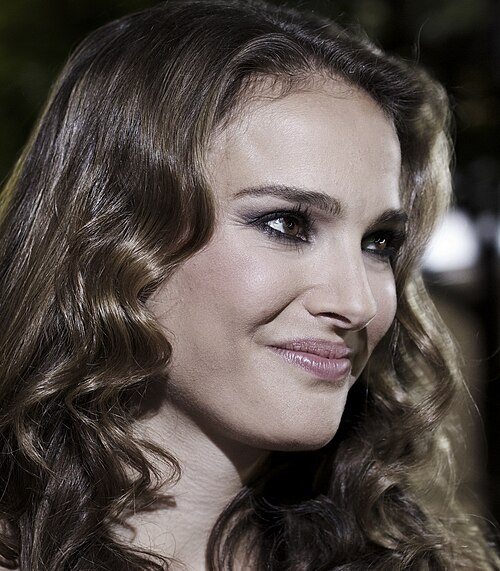
    By makoto2007 – originally posted to Flickr as TIFF – Nataile Portman, CC BY-SA 2.0, https://commons.wikimedia.org/w/index.php?curid=7852111

    Despite the immediate attention that followed Leon, Portman remained committed to a normal education. She attended a public high school on Long Island and made a deliberate choice to protect her personal life from the industry. According to interviews she gave to Rolling Stone, she turned down roles during her school years to sit exams and study. She chose her own development. That discipline would become the defining characteristic of her entire career approach.

    Star Wars and the Weight of Fame

    By John Steven Fernandez, CC BY 2.0, https://commons.wikimedia.org/w/index.php?curid=103193748

    In 1999, Portman was cast as Padme Amidala in Star Wars: Episode I – The Phantom Menace, one of the most anticipated films in cinema history. Overnight, she went from critically respected to globally famous. According to Box Office Mojo, the film grossed over 1 billion dollars worldwide. The attention was enormous. But Portman was already on her way to Harvard at the time of the film’s release, choosing psychology as her field of study, a decision that stunned the entertainment press.

    Harvard and What It Proved

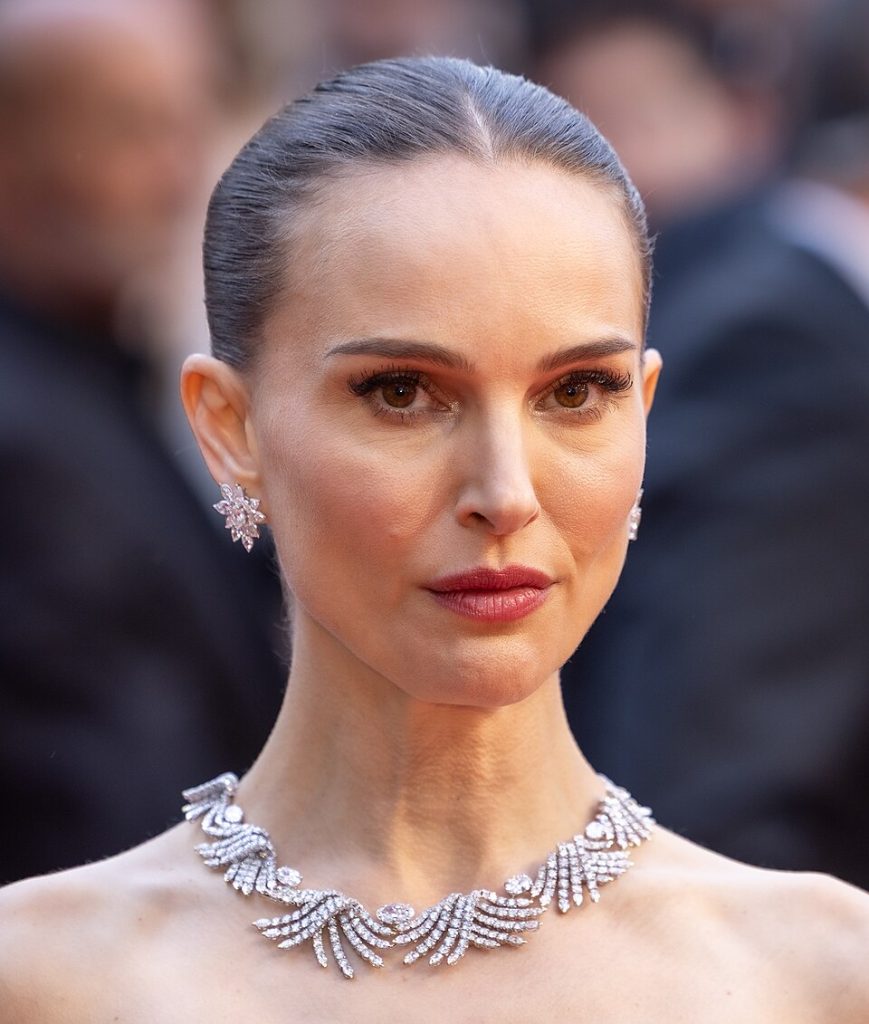
    By Harald Krichel / WikiPortraits, CC BY-SA 4.0, https://commons.wikimedia.org/w/index.php?curid=169804179

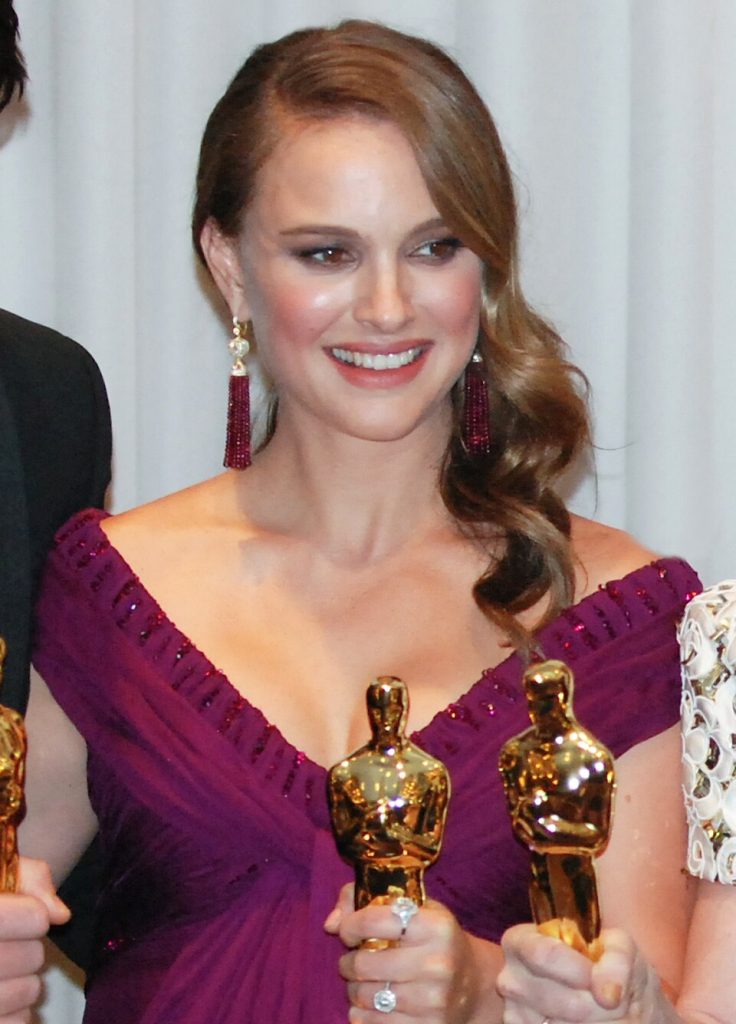
    Portman graduated from Harvard University in 2003 with a degree in psychology while simultaneously managing one of the most high-profile acting careers in the world. She later did graduate studies at the Hebrew University of Jerusalem. She was not performing intellectualism. According to her professors cited by The Harvard Crimson, she was a serious, engaged student who brought genuine curiosity to her academic work. That combination of discipline and talent would eventually deliver her an Academy Award for Black Swan in 2011.

    The Foundation Behind the Legacy

    By Siebbi – http://www.ipernity.com/doc/siebbi/37455920, CC BY-SA 3.0, https://commons.wikimedia.org/w/index.php?curid=63053696

    Natalie Portman’s story is ultimately a story about choices made before the applause started. A family that moved constantly. A discovery in a pizza restaurant. A thirteen-year-old who said yes to Leon. A teenager who chose her exams over her career. Every step was deliberate. Every decision shaped what came next. This article is for informational and entertainment purposes only and does not constitute professional advice.

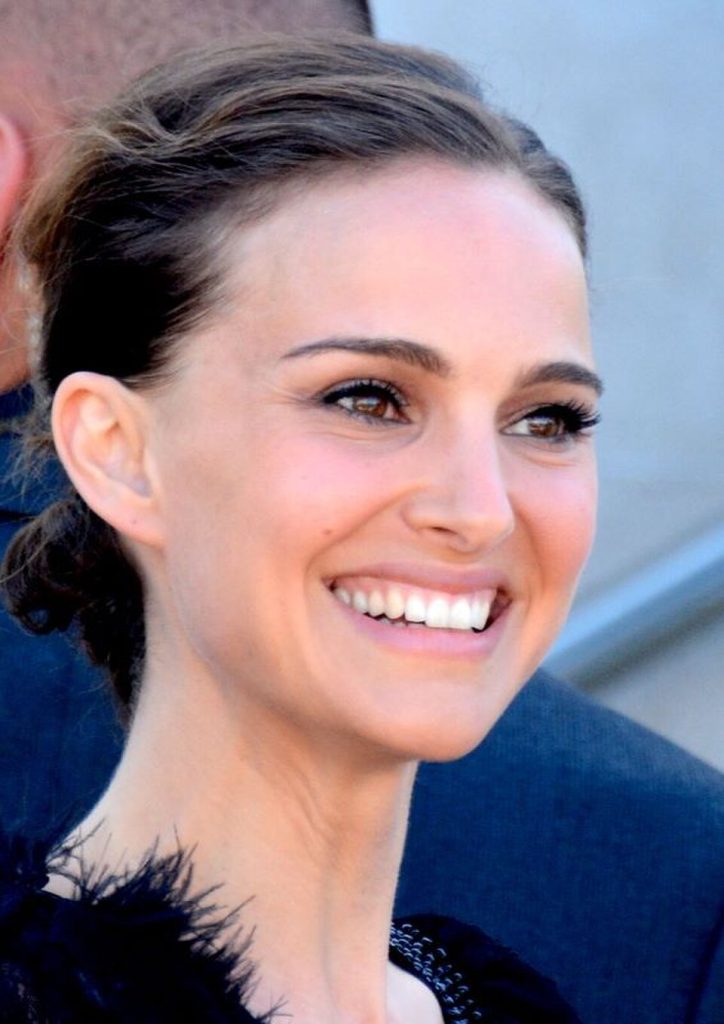
    Featured Image: By Unknown author – https://www.festival-deauville.com/en/natalie-portman-deauville-talent-award/, CC BY 4.0, https://commons.wikimedia.org/w/index.php?curid=180397210

  • How Robin Tunney Built a Career Far Bigger Than The Mentalist

    How Robin Tunney Built a Career Far Bigger Than The Mentalist

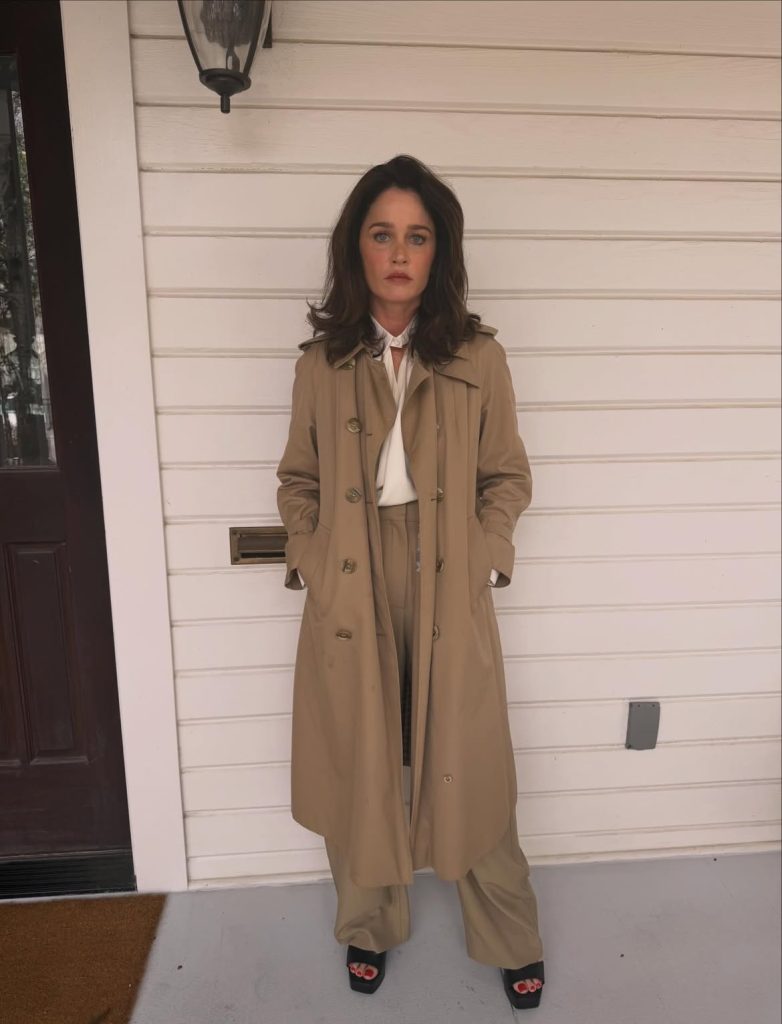
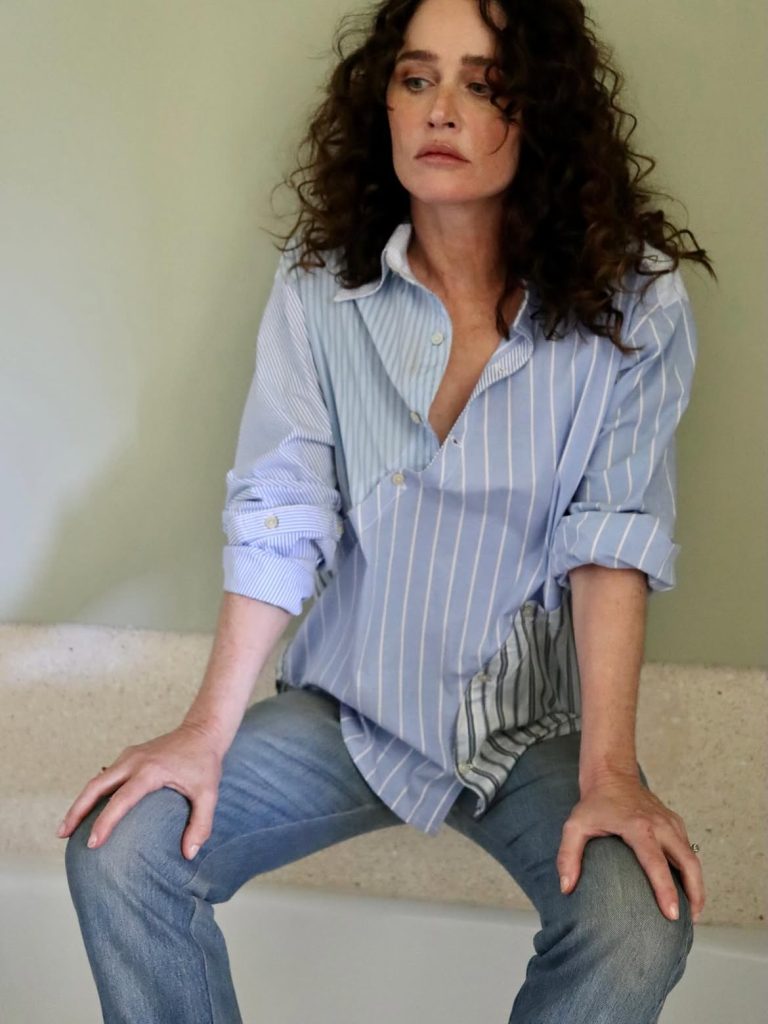
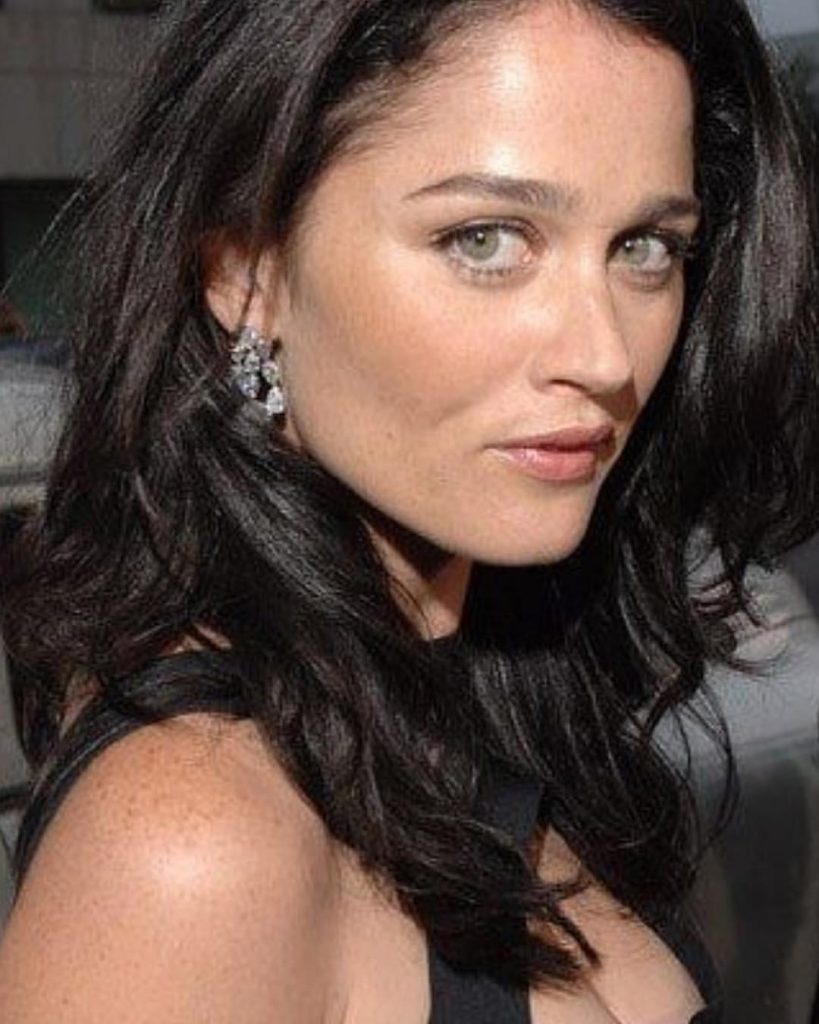
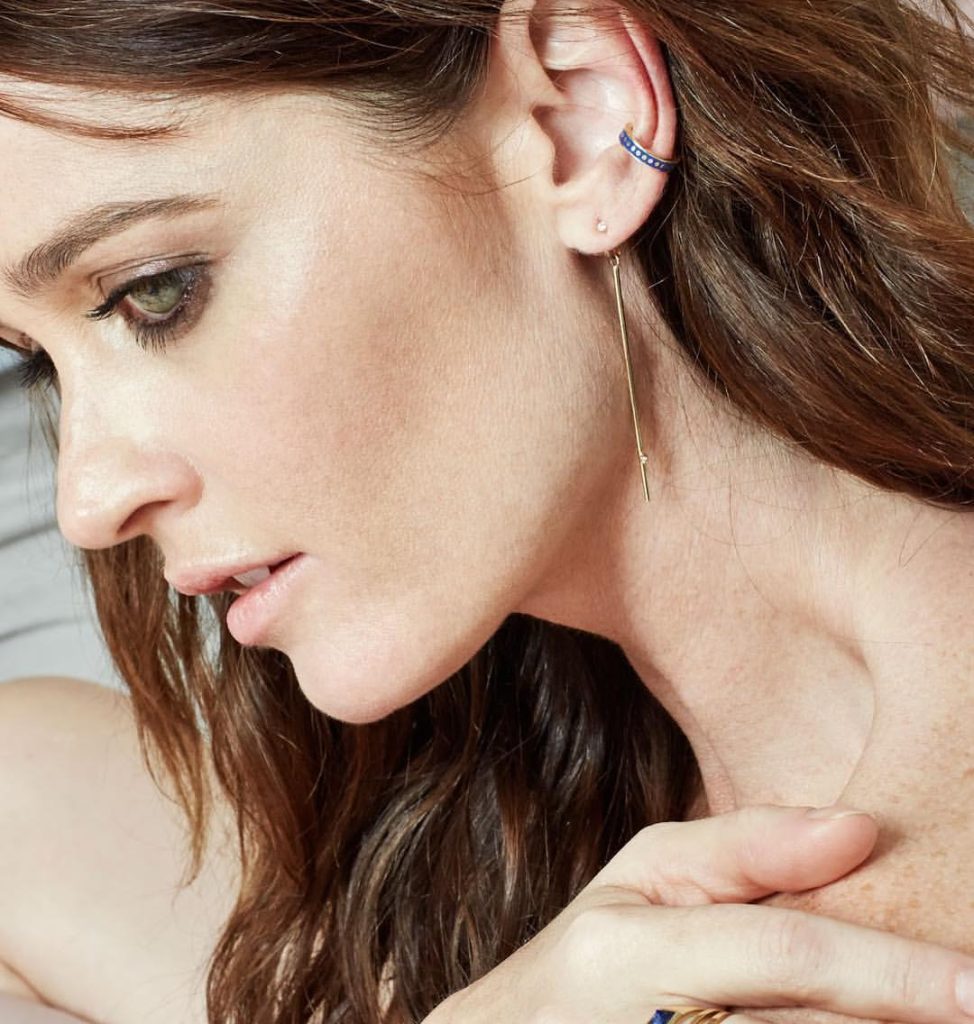
    Most people know Robin Tunney as Teresa Lisbon from The Mentalist, the sharp-witted agent who anchored one of CBS’s biggest dramas for seven seasons. It is an easy place to stop the story.

    But Tunney’s career stretches back decades before that role existed and covers ground that most fans have never fully explored. She was already a force long before the show made her famous.

    Where She Started Out

    instagram.com/robintunney

    Robin Tunney grew up in Chicago and moved to Los Angeles as a teenager to pursue acting. She landed early roles in television before transitioning to film. Her first major breakthrough came with the 1996 cult film The Craft, where she played a teen with supernatural abilities opposite Fairuza Balk and Neve Campbell. She held her own completely. According to Entertainment Weekly’s retrospective on the film, The Craft became one of the defining cult movies of its decade, and Tunney’s performance was central to its lasting appeal.

    The Role That First Put Her on the Map

    instagram.com/robintunney

    The year after The Craft, Tunney appeared in Empire Records, another film that developed a devoted following over time. She then earned critical attention for her role in Niagara, Niagara, a 1997 independent drama in which she played a young woman with Tourette syndrome. She won the Volpi Cup at the Venice Film Festival for it. That was a serious award for a serious actress. According to The Hollywood Reporter covering the Venice ceremony, her performance left critics openly discussing her as one of the most talented young actresses in American film.

    End of Days and the Blockbuster Moment

    instagram.com/robintunney

    In 1999, Tunney starred alongside Arnold Schwarzenegger in End of Days, a high-concept action thriller. The film placed her at the centre of a major studio production with one of the biggest stars in Hollywood. It was not the critical darling that her earlier work had been, but it proved she could carry her weight in a completely different arena. According to Box Office Mojo figures, End of Days grossed over 200 million dollars worldwide, making it one of the bigger commercial moments of her career.

    Television Before The Mentalist

    instagram.com/robintunney

    Before Teresa Lisbon, Tunney had already made significant moves in television. She appeared in several well-regarded projects and built a reputation as a reliable, compelling screen presence. Her ability to move between film and television at a time when that transition was still unusual for film actresses showed real flexibility. The industry paid attention. And when CBS came looking for the right actress to anchor The Mentalist, that track record was part of why she got the call.

    Seven Years as Teresa Lisbon

    instagram.com/robintunney

    The Mentalist ran from 2008 to 2015, and Tunney was there for every episode of all seven seasons alongside Simon Baker. The show was a genuine hit. According to Nielsen ratings data cited by The Hollywood Reporter, the series regularly pulled in more than ten million viewers per episode at its peak. Tunney’s Lisbon was grounded, dry, and emotionally real in a way that balanced Baker’s more eccentric lead. That dynamic was the heart of the show.

    Life After The Show Ended

    instagram.com/robintunney

    After The Mentalist wrapped, Tunney was selective about what came next. She appeared in the crime drama Perception and continued taking on film and television roles that interested her rather than simply chasing volume. She also became a mother during this period and has spoken in interviews to People magazine about the way parenthood shifted her relationship with the relentless pace of the industry. Her choices became more deliberate. And more personal.

    What the Full Picture Actually Shows

    instagram.com/robintunney

    Robin Tunney’s career is one that rewards a second look. The Craft, the Venice Film Festival win, End of Days, seven seasons of a top-ten network drama. That is a body of work most actors would build a career around twice over. She did it once, without making noise about it. According to those who have worked with her, cited in profiles by Variety, her reputation on set has always been the same: professional, prepared, and quietly exceptional.

    Still Defining Her Own Story

    instagram.com/robintunney

    Robin Tunney has never been the loudest voice in the room about her own achievements. She lets the work speak. And when you look at the full span of what she has done across three decades in film and television, the work says quite a lot. This article is for informational and entertainment purposes only and does not constitute professional advice.

    Featured Image: instagram.com/robintunney

  • How Cobie Smulders Found Peace After How I Met Your Mother

    How Cobie Smulders Found Peace After How I Met Your Mother

    For nine years, Cobie Smulders played Robin Scherbatsky on How I Met Your Mother, one of the most watched sitcoms of its era. The role made her recognisable to tens of millions of viewers and defined how most of the world saw her.

    But what happened to Smulders after the show ended tells a more interesting story than anything Robin ever did. It is a story about health, identity, and learning what actually matters.

    The Woman Behind Robin

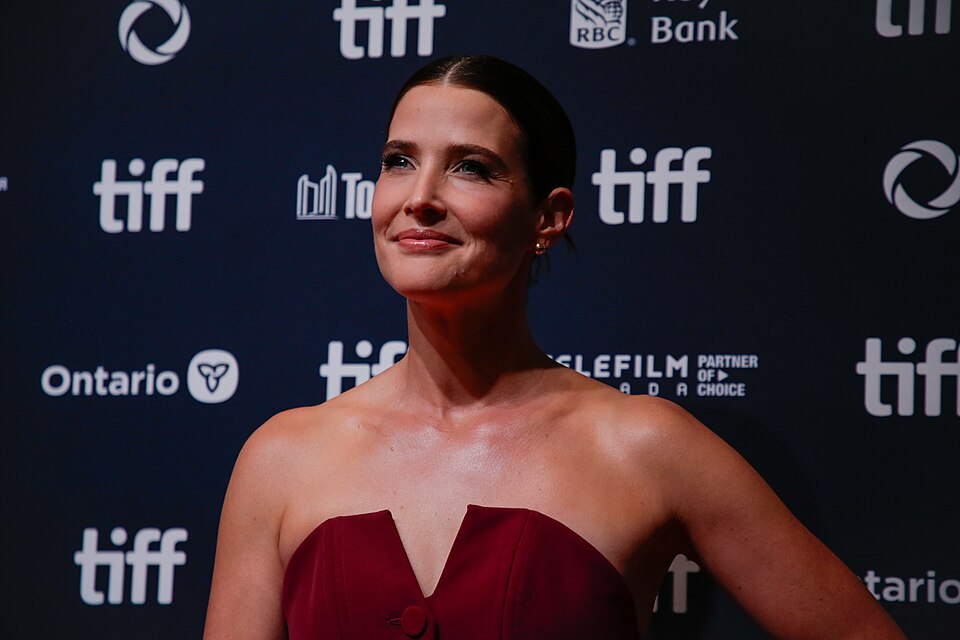
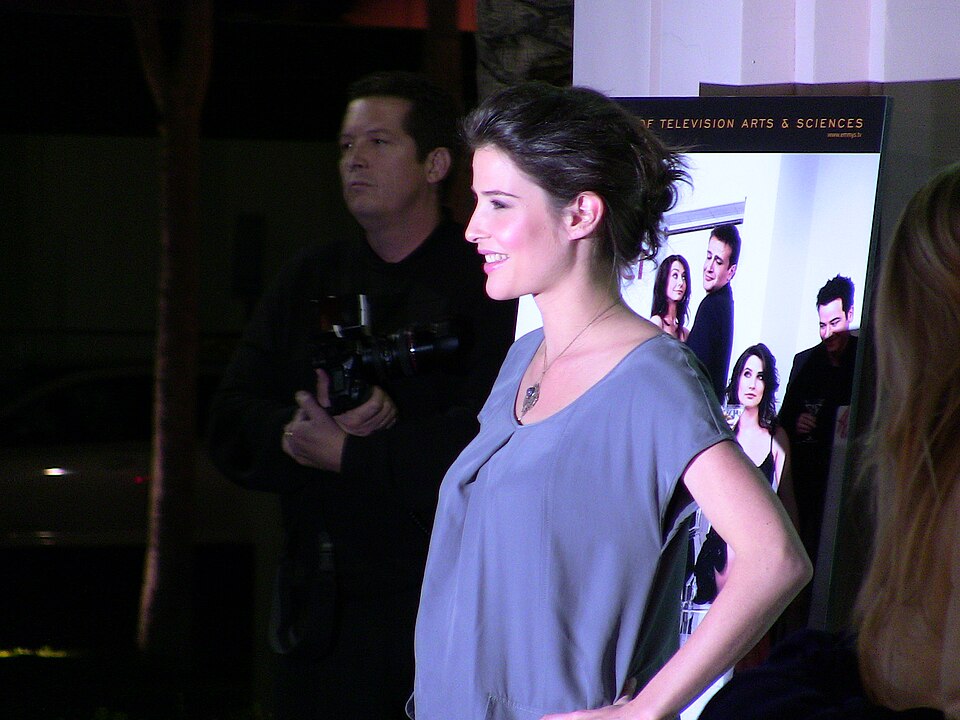
    By Gage Skidmore, CC BY-SA 3.0, https://commons.wikimedia.org/w/index.php?curid=81046928

    Cobie Smulders was born in Vancouver, Canada in 1982. She began modelling as a teenager before transitioning to acting, landing small roles in Canadian productions before her How I Met Your Mother audition changed everything. She was cast in 2005 and immediately became one of the ensemble’s most consistent performers. Robin was sharp, funny, and emotionally guarded in ways that suited Smulders’ natural on-screen presence perfectly.

    A Diagnosis She Kept Private

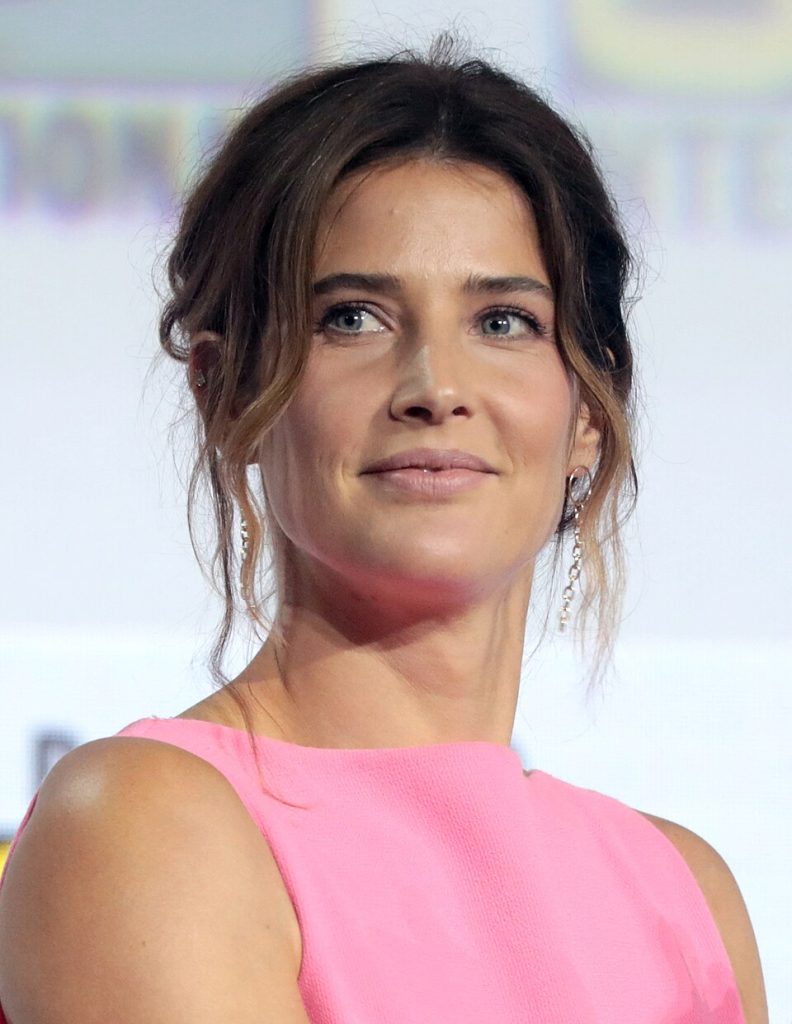
    By Gage Skidmore – Cropped from: https://www.flickr.com/photos/gageskidmore/14616008599/, CC BY 2.0, https://commons.wikimedia.org/w/index.php?curid=34506185

    While filming How I Met Your Mother, Smulders was diagnosed with ovarian cancer. She was 25 years old. She underwent multiple surgeries over two years while continuing to work on the show, keeping the diagnosis almost entirely private. She revealed it publicly only in 2012, in an interview with Self magazine, years after she had recovered. She described the decision to stay quiet as a way of protecting her sense of normality during an extremely frightening period.

    What Recovery Taught Her

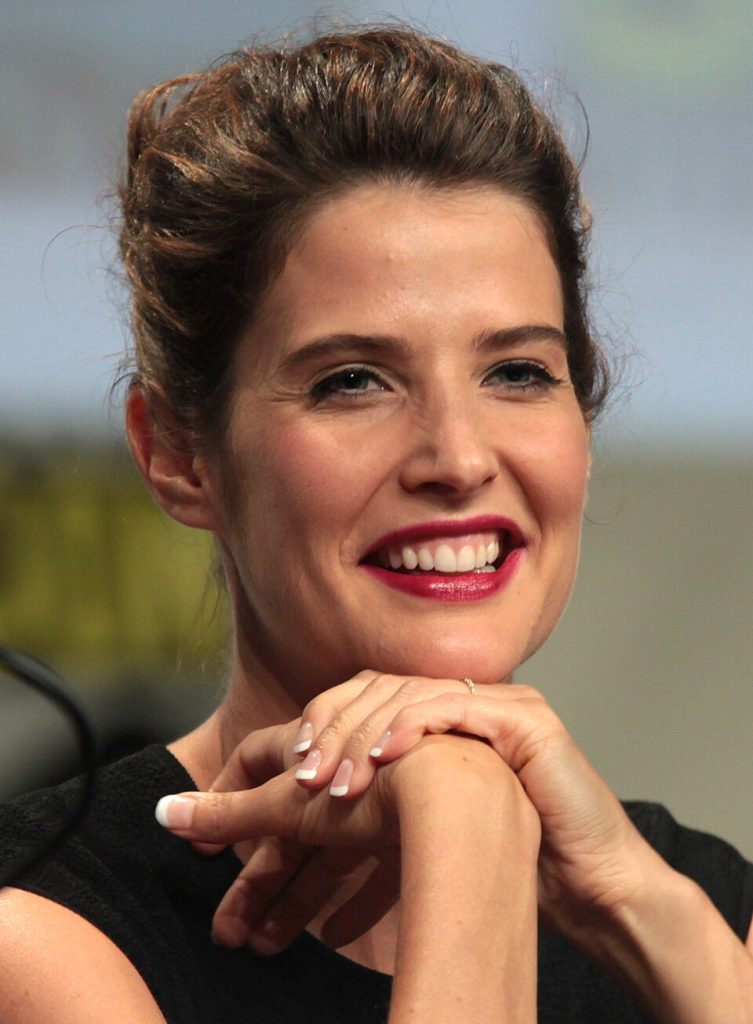
    By https://www.flickr.com/photos/vagueonthehow/ – https://www.flickr.com/photos/vagueonthehow/9448268246/, CC BY 2.0, https://commons.wikimedia.org/w/index.php?curid=67352742

    Smulders has said in multiple interviews that the cancer experience reordered her priorities in permanent ways. She stopped measuring success by career momentum and started measuring it by the quality of her daily life. According to an interview with Health magazine, she credits that period with giving her a clarity about what she actually wanted that she might never have found otherwise. It changed the way she approached everything that followed.

    Life With Taran Killam

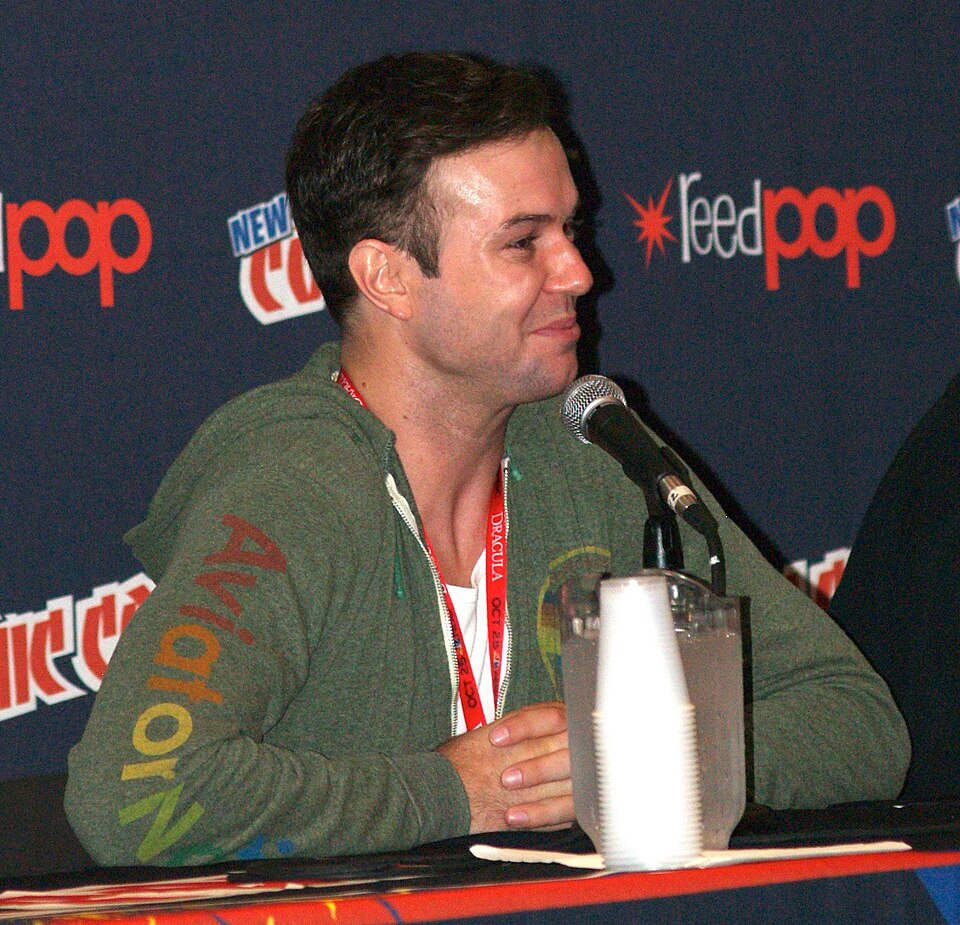
    By Luigi Novi, CC BY 3.0, https://commons.wikimedia.org/w/index.php?curid=30062582

    Smulders married actor and Saturday Night Live cast member Taran Killam in 2012. The couple had been together since 2009 and have two daughters. Their relationship has been notably low-key by Hollywood standards, with both choosing to keep their family life largely out of the public sphere. Smulders has spoken about the value of that privacy, describing home as the place where the performance stops and the real life begins.

    Marvel and a Bigger World

    By Toglenn – Own work, CC BY-SA 4.0, https://commons.wikimedia.org/w/index.php?curid=113792550

    While still filming How I Met Your Mother, Smulders took on the role of Maria Hill in the Marvel Cinematic Universe, appearing in The Avengers in 2012 and reprising the role across multiple subsequent films and television projects. It was a significant expansion of her profile. The role required physical training and a completely different energy from Robin, and Smulders has said she welcomed the contrast between the two characters she was playing simultaneously.

    The Serenity She Has Built

    By Kristin Dos Santos – Flickr, CC BY-SA 2.0, https://commons.wikimedia.org/w/index.php?curid=5818336

    In interviews since the end of How I Met Your Mother in 2014, Smulders has consistently returned to the same themes: slowness, presence, and choosing depth over velocity. She has spoken about spending time in nature, being deliberate about the roles she accepts, and not allowing her career to outpace her ability to actually live her life. It is a posture that the entertainment industry does not always reward, but she has committed to it with quiet consistency.

    A Career on Her Own Terms

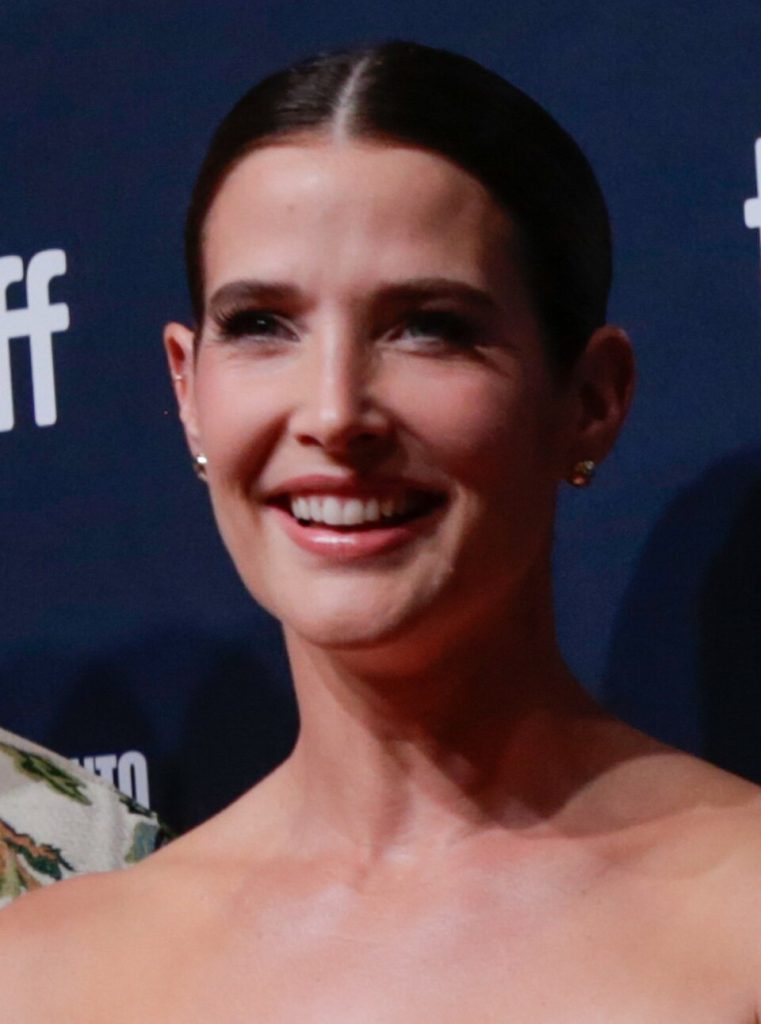
    By Sara Komatsu / WikiPortraits, CC BY-SA 4.0, https://commons.wikimedia.org/w/index.php?curid=154377234

    Cobie Smulders is still working, still selective, and by every public account still at peace with the choices she has made. She built something real after Robin, something that belongs entirely to her and not to any character she has played. The serenity she has found did not come from the industry giving it to her. She built it herself, largely out of the understanding that no role is worth more than the life you live when the cameras stop rolling. This article is for informational and entertainment purposes only.

    Featured Image: By Sara Komatsu / WikiPortraits, CC BY-SA 4.0, https://commons.wikimedia.org/w/index.php?curid=153427849

  • The Love Story of Queen Elizabeth and Prince Philip That Lasted 73 Years

    The Love Story of Queen Elizabeth and Prince Philip That Lasted 73 Years

    Most people know that Queen Elizabeth II and Prince Philip were married for over seven decades. They were the most photographed couple in the world and the anchor of the British monarchy through its most turbulent modern chapter.

    But the story of how they fell in love, what kept them together, and what they privately meant to each other is far more moving than the official portrait has ever shown.

    The First Time She Saw Him

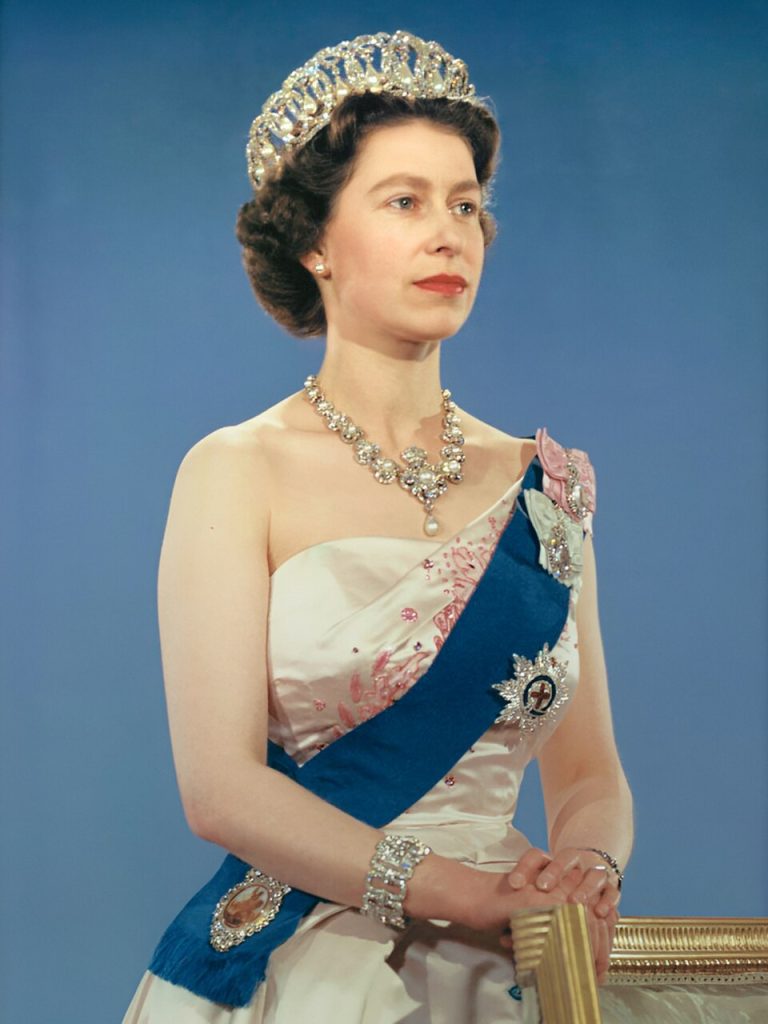
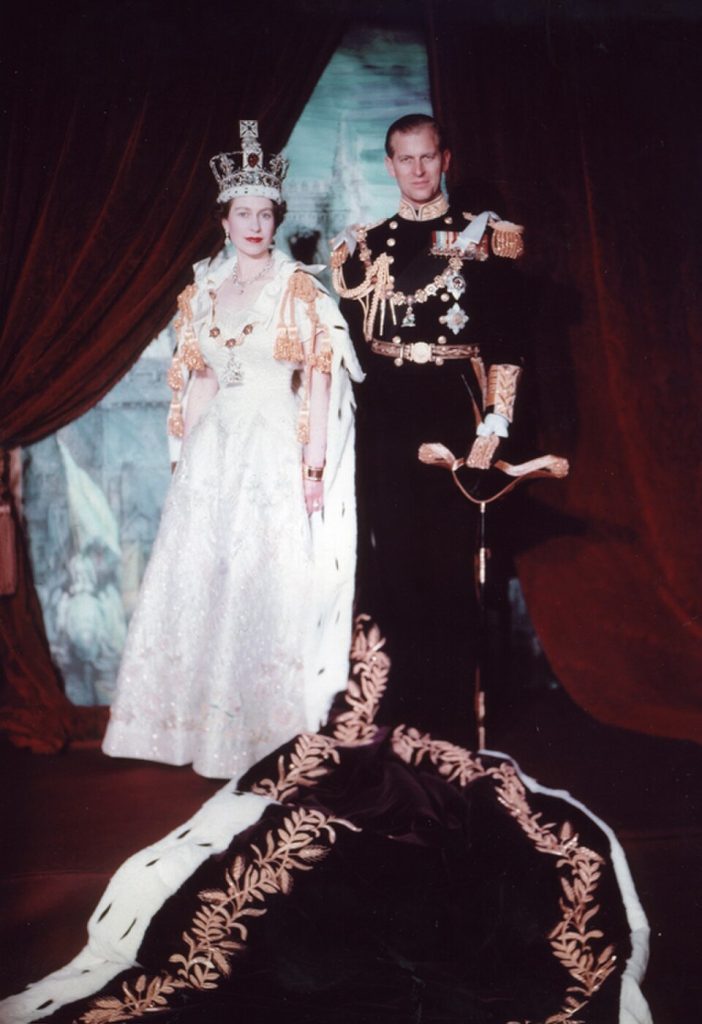
    By Donald McKague – Flickr: Queen Elizabeth II wearing crown, blue sash and pink gownThis is a retouched picture, which means that it has been digitally altered from its original version. Modifications made by nagualdesign., Public Domain, https://commons.wikimedia.org/w/index.php?curid=122899796

    Elizabeth was just thirteen years old when she first met Philip Mountbatten at the Royal Naval College in Dartmouth in 1939. He was eighteen, blond, confident, and completely unlike anyone she had encountered inside palace life. According to royal biographer Sarah Bradford, Elizabeth was immediately captivated. Philip showed her around the college, and by the time the visit ended, she could not take her eyes off him as his boat pulled away.

    Letters Across a War

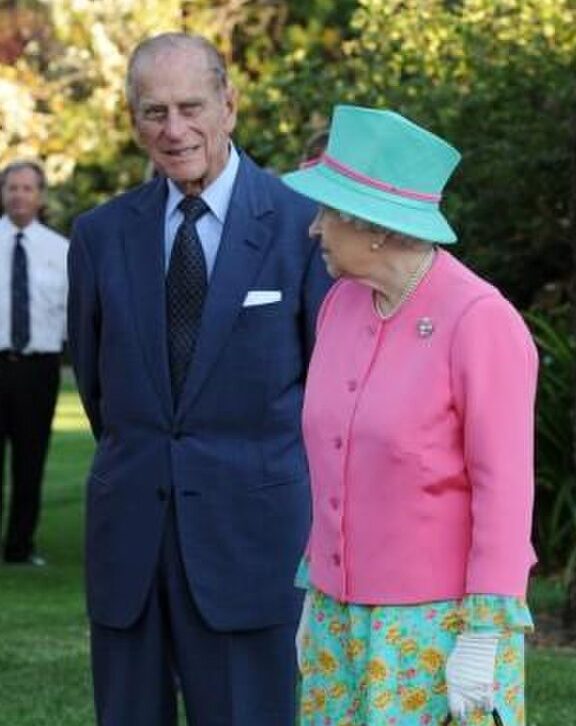
    By Office of the Official Secretary to the Governor-General, on behalf of the Commonwealth of Australia – https://www.gg.gov.au/events/her-majesty-queen-and-his-royal-highness-duke-edinburgh-are-taken-garden-tour-around-grounds, CC BY 3.0, https://commons.wikimedia.org/w/index.php?curid=62735671

    The Second World War separated them for years. Philip served with distinction in the Royal Navy, taking part in significant operations in the Mediterranean and the Pacific. Elizabeth, still a princess, waited. They wrote letters throughout the war, and those letters are widely understood by royal historians to be the foundation of a genuine and deep attachment. The war tested them before the crown ever could.

    A Match the Palace Resisted

    By Office of the Official Secretary to the Governor-General, on behalf of the Commonwealth of Australia – https://www.gg.gov.au/events/her-majesty-queen-and-his-royal-highness-duke-edinburgh-are-taken-garden-tour-around-grounds, CC BY 3.0, https://commons.wikimedia.org/w/index.php?curid=62735685

    Not everyone was enthusiastic about the pairing. Philip’s family connections to Germany and Greece raised concerns among courtiers, and some in Elizabeth’s inner circle privately questioned whether he was the right choice for a future queen. According to biographer Philip Ziegler, the resistance was real and sustained. Elizabeth held firm. She had made up her mind, and no amount of institutional hesitation was going to change it.

    The Wedding That Lifted a Nation

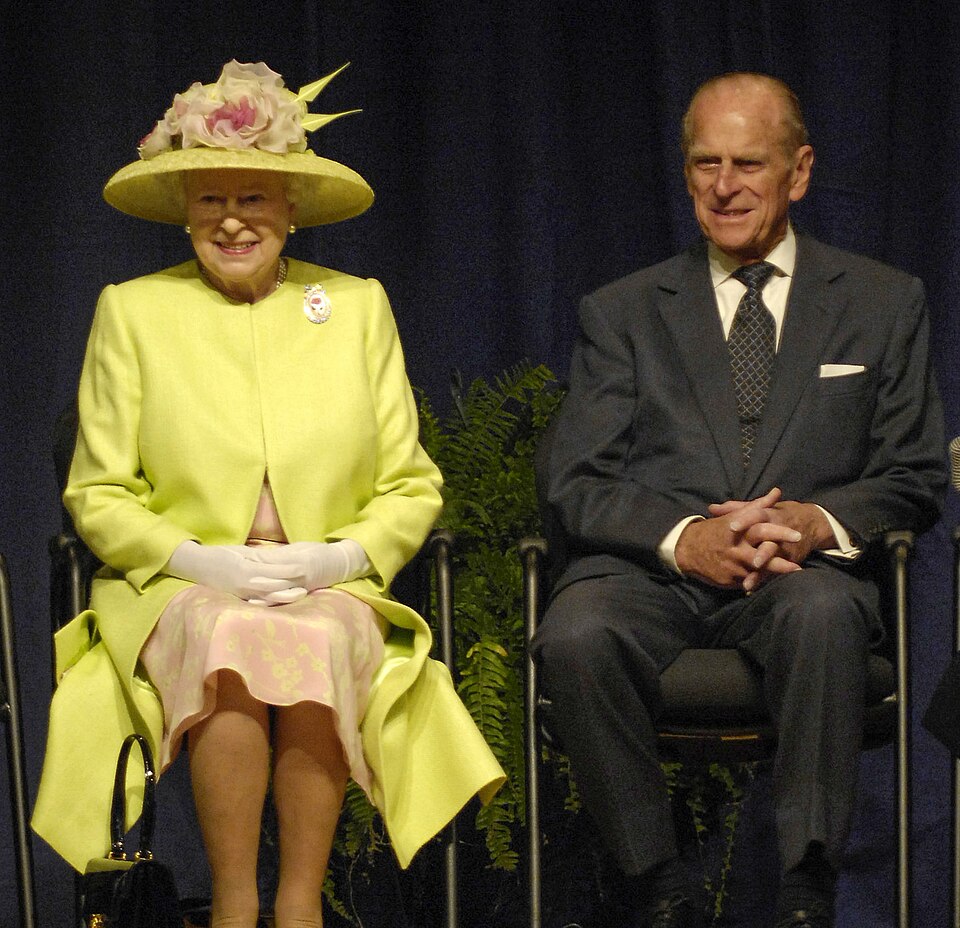
    By Photo Credit: NASA/Paul E. Alers – http://www.nasa.gov/centers/goddard/news/topstory/2007/queen_auditorium.html, Public Domain, https://commons.wikimedia.org/w/index.php?curid=2085722

    They married on November 20, 1947, at Westminster Abbey, in a ceremony broadcast on radio to millions across Britain. The country was still recovering from the war and rationing remained in effect. Elizabeth used clothing coupons for her dress. The moment felt enormous. According to the BBC’s historical archives, an estimated 200 million people worldwide followed the coverage, making it one of the most watched events of the post-war era.

    The Sacrifice Philip Made

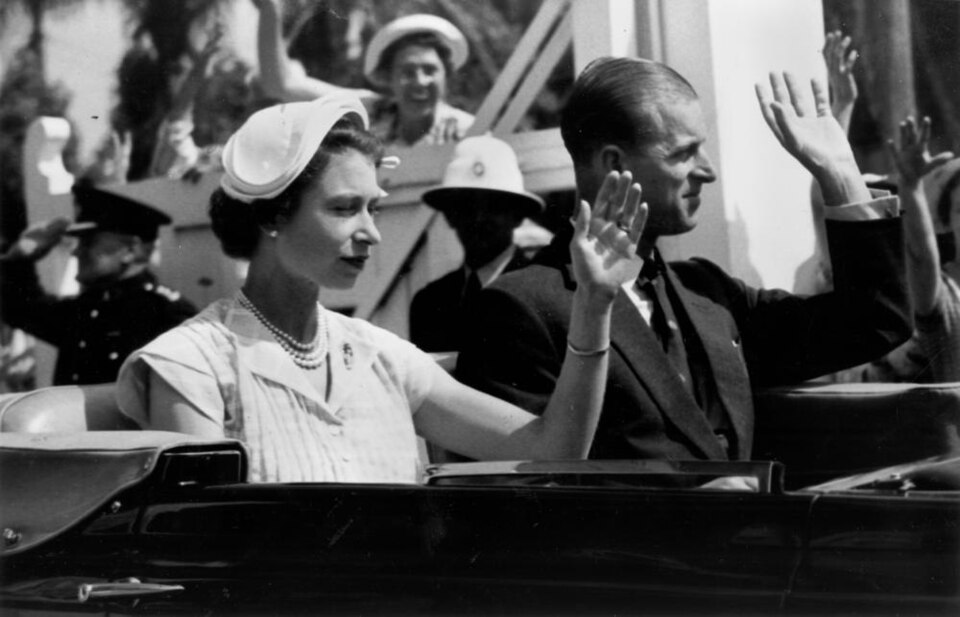
    By State Library of Queensland, Australia – https://www.flickr.com/photos/statelibraryqueensland/6868548847/, No restrictions, https://commons.wikimedia.org/w/index.php?curid=53518843

    When Elizabeth became Queen in 1952 following the death of her father, Philip’s role changed entirely. He had to walk behind his wife in public, defer to her in ceremony, and give up any expectation of leading from the front. He described the adjustment as one of the hardest of his life in later interviews. He created the role of consort largely from scratch, and he spent 70 years filling it with a devotion the family rarely discussed openly.

    What Those Close to Them Observed

    By Cecil Beaton – Library and Archives Canada does not allow free use of its copyrighted works. See Category:Images from Library and Archives Canada., Public Domain, https://commons.wikimedia.org/w/index.php?curid=9451285

    People who worked within the royal household have consistently described a relationship built on private humour, shared understanding, and a deep mutual reliance that the public formality of their roles never quite showed. According to royal correspondent Gyles Brandreth, who wrote extensively about the couple, Philip was the one person in the world who could make Elizabeth laugh without effort. That quality, in a life of almost unrelenting duty, was everything.

    The Final Years Together

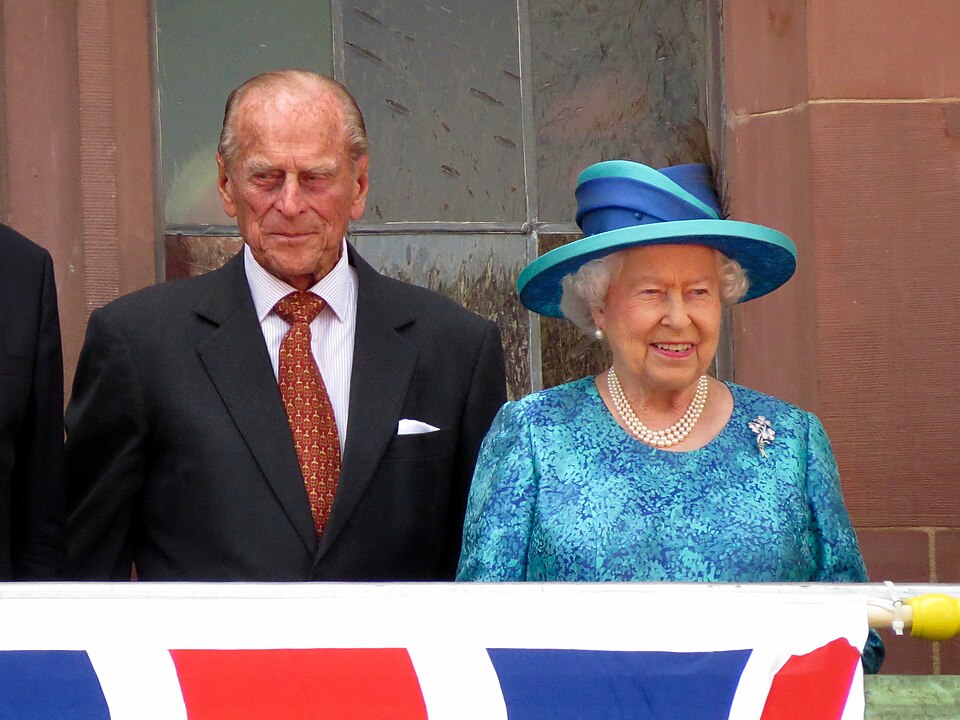
    By Kiefer. from Frankfurt, Germany – 25.Jun.2015 Queen Elizabeth II. and Prince Philip’s visit to Frankfurt, CC BY-SA 2.0, https://commons.wikimedia.org/w/index.php?curid=48246722

    The couple spent the later years of their lives increasingly at Windsor, particularly during the Covid-19 pandemic when they isolated together away from the wider family. Those months were described by palace sources, quoted in The Times, as among the most peaceful of their later years. Just the two of them, finally with more time and less ceremony. Philip died on April 9, 2021, nine weeks before his hundredth birthday.

    What She Lost When He Left

    By Robbie Dale – Flickr: Top brass, CC BY-SA 2.0, https://commons.wikimedia.org/w/index.php?curid=15071976

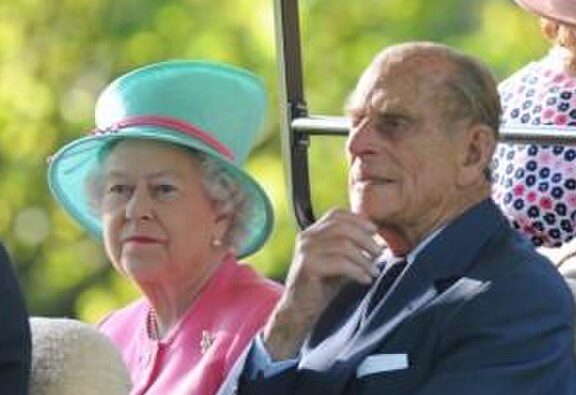
    Elizabeth visibly grieved in the months that followed Philip’s death. She sat alone at his funeral in a photograph that became one of the most affecting royal images in living memory. She died sixteen months later, in September 2022. Those close to her have said she never fully adjusted to the quiet he left behind. They had been together since she was thirteen years old. Seventy-three years is a love story that most people only dream of. This article is for informational and entertainment purposes only.

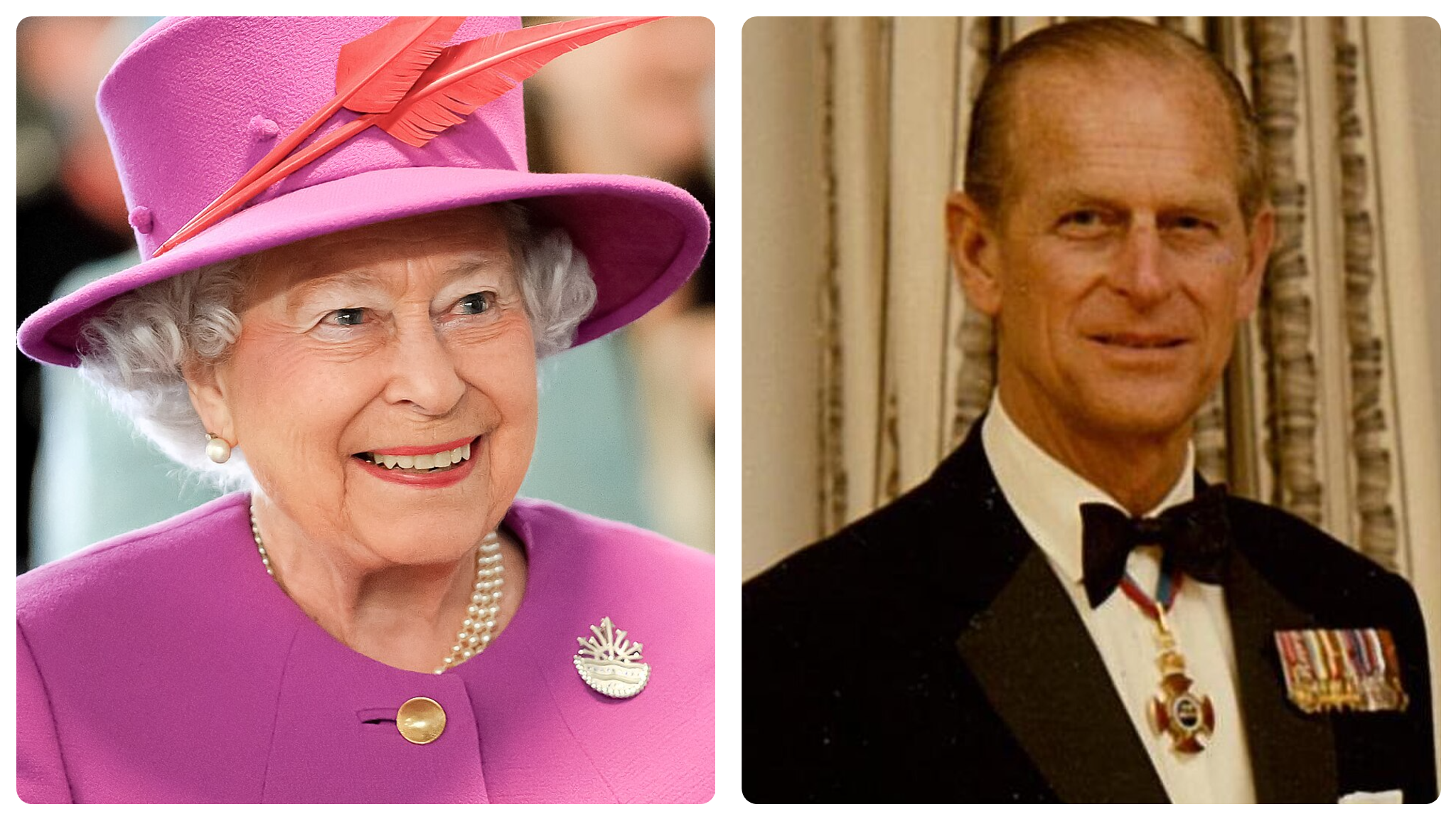
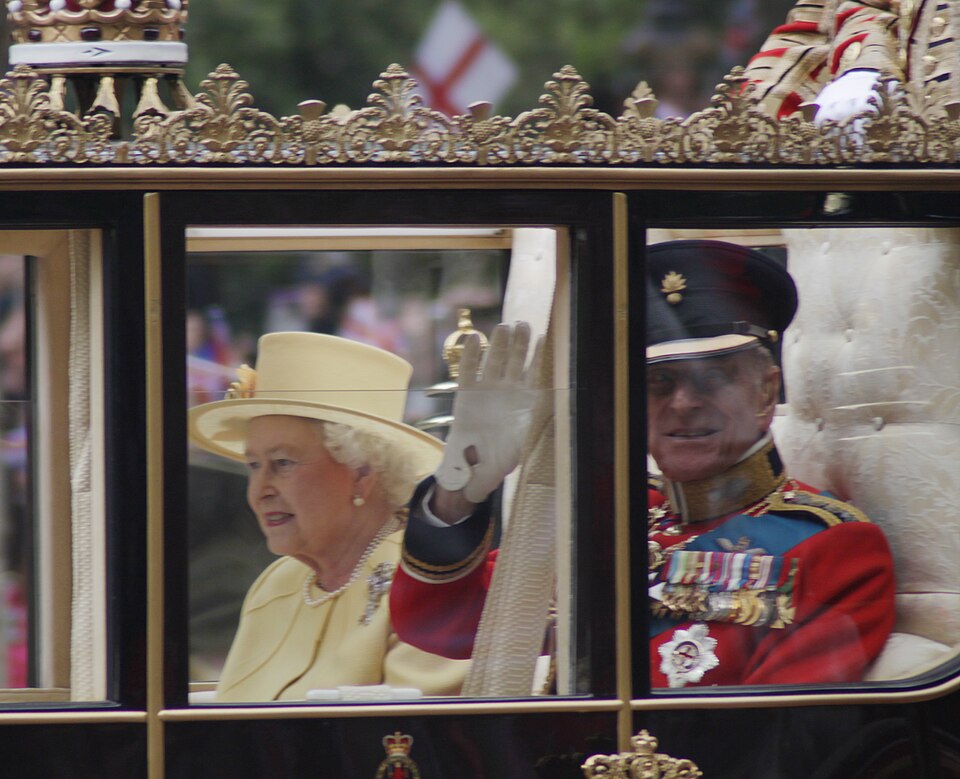
    Featured Image: Right image: By New Zealand Government, Office of the Governor-General – https://gg.govt.nz/image-galleries/5949/media?page=2, CC BY 4.0,

    Left image: https://commons.wikimedia.org/w/index.php?curid=106193111
    By Original: Joel Rouse/ Ministry of DefenceDerivative: nagualdesign – defenceimagery.mod.uk, OGL 3, https://commons.wikimedia.org/w/index.php?curid=65165563

  • The Physical and Personal Transformation of Zac Efron

    The Physical and Personal Transformation of Zac Efron

    When Zac Efron first appeared on screen as Troy Bolton, he was a lanky teenager with a good voice and a smile that launched a thousand magazine covers. Nobody was predicting what he would eventually become.

    But over the following two decades, Efron remade himself more completely than almost any actor of his generation. The transformation was not just physical. It went much deeper than that.

    Where It All Started

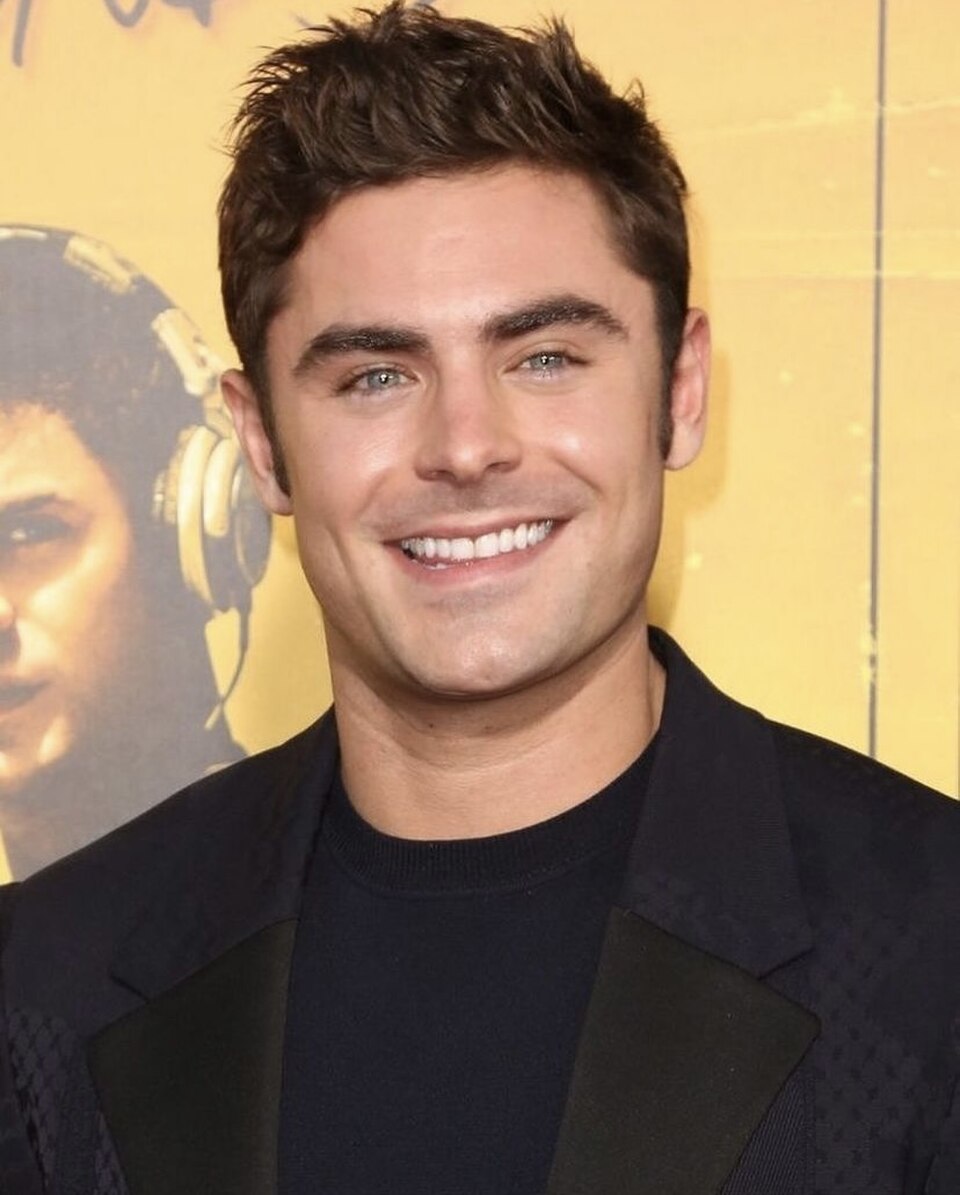
    By Georges Biard, CC BY-SA 3.0, https://commons.wikimedia.org/w/index.php?curid=19748653

    High School Musical premiered on Disney Channel in January 2006 and broke cable viewership records. Efron was 18. He became famous faster than almost anyone was prepared for, including him. The role of Troy Bolton was wholesome, cheerful, and perfectly pitched at a generation of teenagers, and it created an image Efron would spend years working to move beyond, for better and for worse.

    The First Reinvention

    By Jason Hargrove – Zac Efron, CC BY-SA 2.0, https://commons.wikimedia.org/w/index.php?curid=21510078

    His early post-Disney choices were deliberate. He took the lead in Hairspray in 2007, demonstrating genuine musical theatre ability. Then came dramatic roles, indie films, and a slow pivot toward the kind of adult career that required people to see past the Troy Bolton memory. It was not an easy sell. The Disney audience loved him as he was, and Hollywood was not yet sure what else to do with him.

    When the Body Became the Story

    By By Lance Cpl. Derrick K. Irions, U.S. Marine Corps – http://www.marines.mil; VRIN: 120415-M-2815-201, Public Domain, https://commons.wikimedia.org/w/index.php?curid=20494790

    Neighbors marked an important step in Zac Efron’s transition from teen roles into adult comedy, but the extreme fitness regimen he later described was connected primarily to Baywatch, not the 2014 film.

    While preparing for Baywatch, Efron developed a highly muscular physique through intensive training, strict dieting and diuretic use. He later told Men’s Health that the process was unsustainable and contributed to insomnia, depression and prolonged burnout.

    The transformation changed how he was marketed and cast, but Efron has since said he would not sacrifice his mental health to achieve that type of physique again.

    The Darker Years

    By MTV International – The Greatest Showman: Zac Efron & Zendaya’s Funniest Moments Together, CC BY 3.0, https://commons.wikimedia.org/w/index.php?curid=69686925

    Behind the visible transformation, Efron was navigating a period he has since described as one of the most difficult of his life. He has spoken publicly about substance dependency issues in his early twenties, crediting the people around him with helping him find his way through. It is a chapter of his story that rarely gets mentioned when the conversation is about his abs, but it is the chapter that most shaped who he became.

    Finding Versatility

    Shutterstock

    Efron returned to the musical genre in director Michael Gracey’s 2017 film The Greatest Showman, playing Phillip Carlyle alongside Hugh Jackman and Zendaya. The film became a major international commercial success, and Efron’s performance highlighted his ability to combine singing, dancing and dramatic acting within a large ensemble.

    He followed the film with projects across comedy, drama and biographical filmmaking, including Extremely Wicked, Shockingly Evil and Vile, The Greatest Beer Run Ever and The Iron Claw. Rather than remaining tied to a single genre, Efron continued expanding the range of roles he pursued.

    The Australia Chapter

    By Eva Rinaldi – Zac Efron, CC BY-SA 2.0, https://commons.wikimedia.org/w/index.php?curid=75395484

    Moving to Australia changed the pace of his life in ways he has described as essential. Away from the relentless social and professional pressure of Los Angeles, Efron found a version of daily life that felt sustainable. He surfed. He spent time outdoors. He spoke in interviews about cooking his own meals and sleeping properly, things that sound small but had become genuinely difficult during the busiest years of his career.

    The Face That Sparked a Thousand Opinions

    By Eva Rinaldi from Sydney Australia – Zac Efron, Eva Rinaldi Photography (10), CC BY-SA 2.0, https://commons.wikimedia.org/w/index.php?curid=77102750

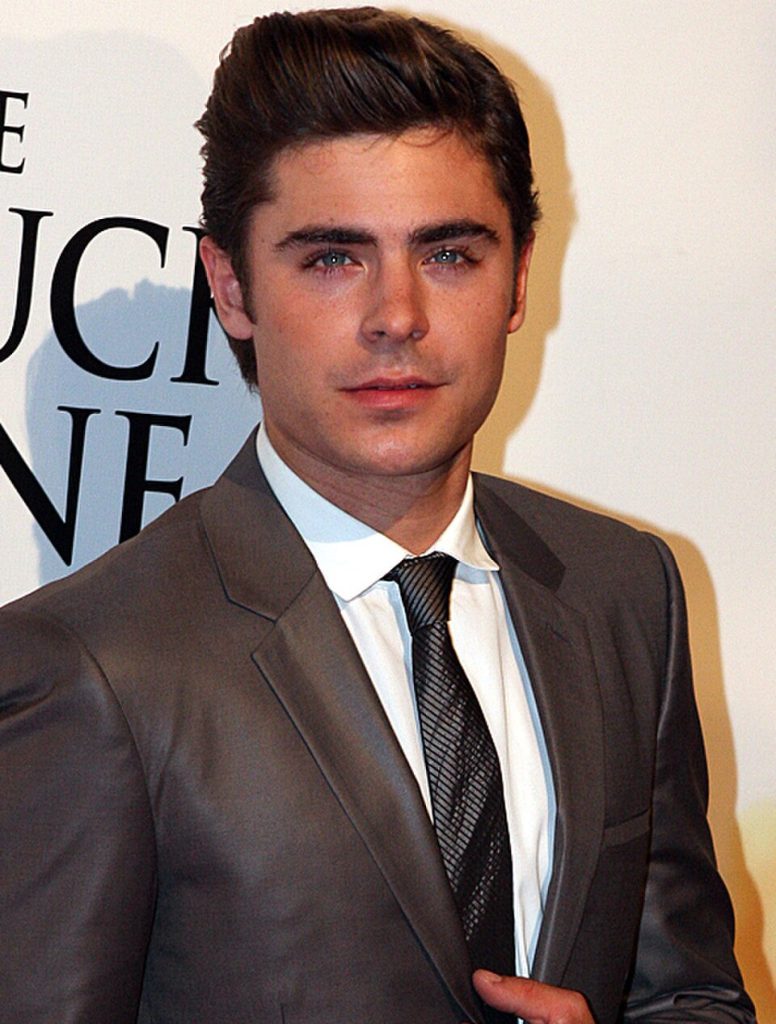
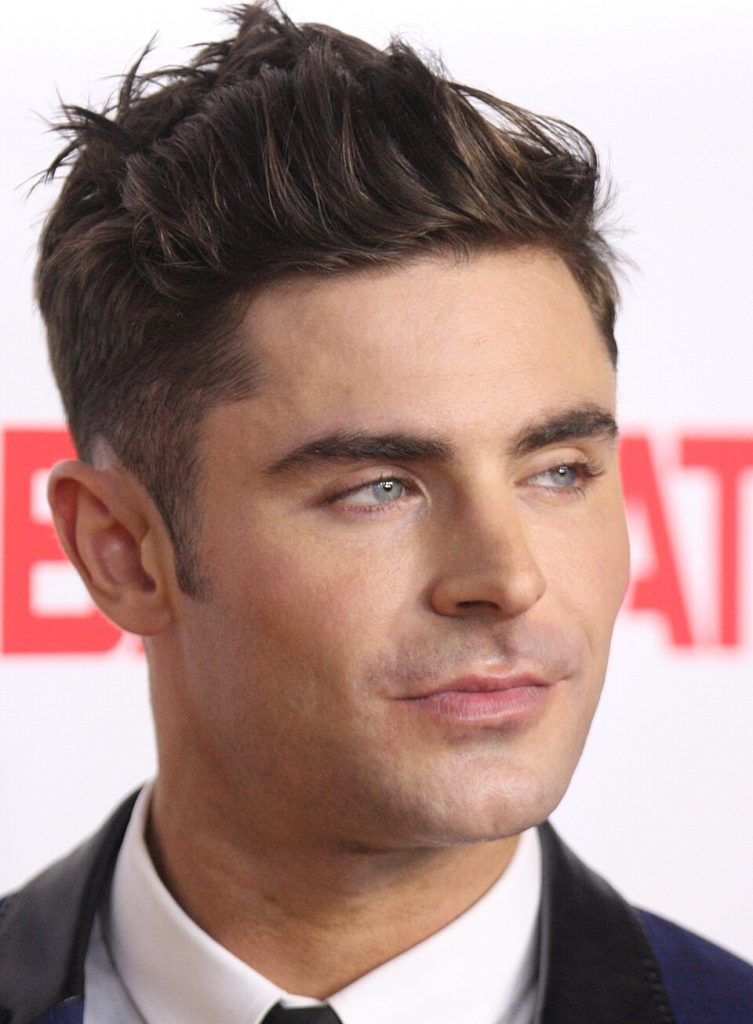
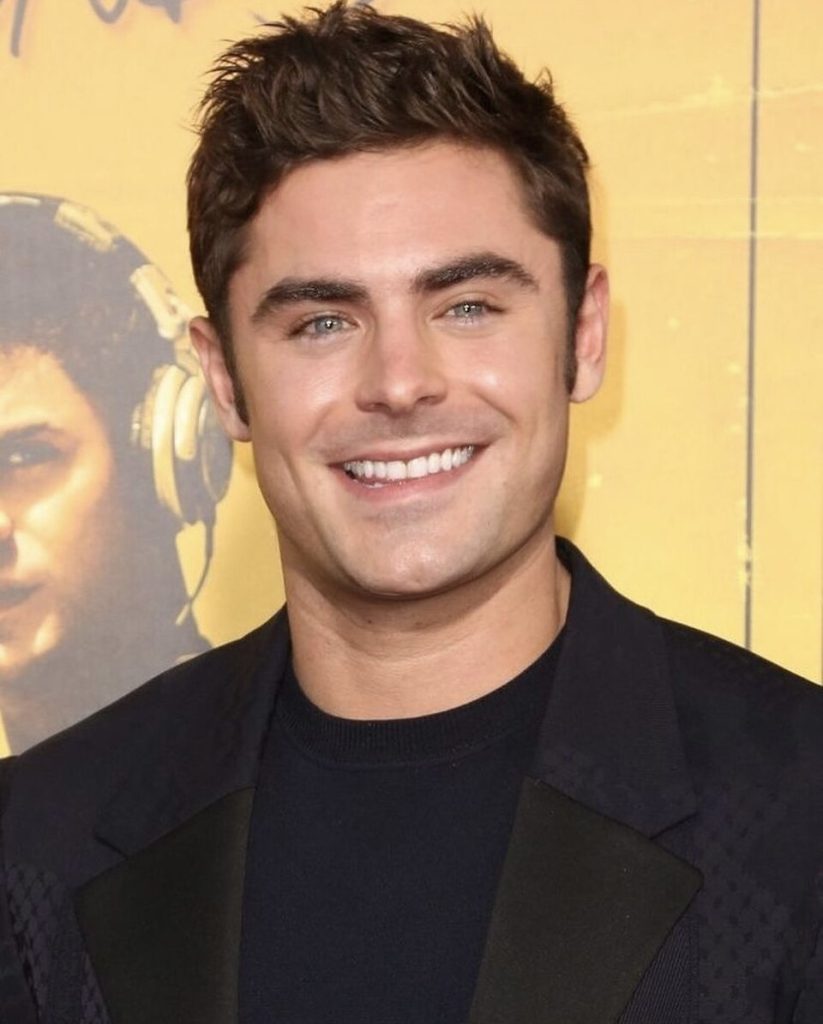
    Public discussion about changes in Zac Efron’s facial appearance intensified after a 2021 video appearance, but the jaw injury itself had occurred years earlier.

    Efron later explained that he had shattered his jaw after slipping while running through his home and striking his chin on the granite corner of a fountain. During his recovery, changes in his jaw muscles affected his facial appearance.

    He addressed the speculation in later interviews, but there is not enough evidence to claim that the experience permanently changed how he managed public scrutiny or that he had previously been communicating from a place of anxiety.

    A Transformation Still in Progress

    By Ivo Duran from Brazil – Zac Efron, CC BY 2.0, https://commons.wikimedia.org/w/index.php?curid=19707796

    At 38, Zac Efron remains active in film and continues to take on roles across comedy, drama and biographical projects. He has also spoken more openly about addiction recovery, mental health and the physical pressures connected to some of his past work.

    His career has moved well beyond his Disney beginnings, but that development is better understood through his documented choices and public statements than through assumptions about which version of himself feels most authentic.

    This article is for informational and entertainment purposes only.

    Featured Image: By Gatitafresona – Own work, CC BY-SA 4.0, https://commons.wikimedia.org/w/index.php?curid=113278752

  • Why Zac Efron Is Putting His Mental Health Before His Career Now

    Why Zac Efron Is Putting His Mental Health Before His Career Now

    For most of his adult life, Zac Efron has been one of Hollywood’s most relentlessly driven performers. He built his body, chased physically demanding roles, and pushed himself further with each project.

    But in recent years, something shifted. Efron has begun speaking openly about what years of that pressure actually cost him, and why he is now making very different choices.

    The Kid Who Started Early

    By Eva Rinaldi from Sydney Australia – Zac Efron, Eva Rinaldi Photography (10), CC BY-SA 2.0, https://commons.wikimedia.org/w/index.php?curid=77102750

    Zac Efron was seventeen when High School Musical turned him into a household name almost overnight. The speed of that rise left little room for a normal adolescence. He was being styled, photographed, and managed long before he had any real sense of who he was outside of the roles he was given. According to interviews with The Hollywood Reporter, Efron has said the early years of his fame felt more disorienting than exciting.

    Building a New Image

    By Gatitafresona – Own work, CC BY-SA 4.0, https://commons.wikimedia.org/w/index.php?curid=113278752

    After High School Musical, Efron spent years working to distance himself from the Disney brand. He took harder roles, stripped his image down, and rebuilt his physique in ways that attracted enormous media attention. He was relentless. But behind the physical transformation was someone managing a great deal of pressure with very few tools to cope, something he would only begin to address much later in his career.

    The Accident That Changed Things

    By Eva Rinaldi – Zac Efron, CC BY-SA 2.0, https://commons.wikimedia.org/w/index.php?curid=75395484

    In December 2021, Efron suffered a serious injury at his home in Australia when he slipped and struck his face on a stone fountain. He underwent surgery and required extensive recovery. The incident sparked widespread media speculation about his appearance. According to his own account given to Men’s Health, the injury was significant and the recovery painful, but what affected him more was the public conversation that followed.

    Speaking About the Real Struggle

    By MTV International – The Greatest Showman: Zac Efron & Zendaya’s Funniest Moments Together, CC BY 3.0, https://commons.wikimedia.org/w/index.php?curid=69686925

    Efron has spoken in multiple interviews about periods of anxiety, isolation, and difficulty managing the expectations placed on him by the industry and by himself. He told interviewers that the version of health he was chasing for years was not actually health. It was performance. Recognising that difference, he has said, was one of the most important shifts of his adult life.

    Choosing Where to Live

    By By Lance Cpl. Derrick K. Irions, U.S. Marine Corps – http://www.marines.mil; VRIN: 120415-M-2815-201, Public Domain, https://commons.wikimedia.org/w/index.php?curid=20494790

    Efron relocated to Australia in 2020, citing a desire for a quieter, more grounded life away from the Hollywood machine. He has spoken warmly about the lifestyle there, the ease of movement, and the sense of being treated like a regular person. According to reporting from The Daily Telegraph Australia, he described Australia as the place where he felt most like himself. The distance from the industry, it seems, was part of the healing.

    What He’s Doing Differently Now

    By Jason Hargrove – Zac Efron, CC BY-SA 2.0, https://commons.wikimedia.org/w/index.php?curid=21510078

    Rather than chasing back-to-back productions, Efron has been selective about his projects and open about needing time between them. He has spoken about therapy, rest, and the value of simply existing without a role to prepare for. That change in approach has been visible in the way he carries himself publicly. Something is noticeably quieter, and it suits him well.

    A Version of Success Worth Having

    By Georges Biard, CC BY-SA 3.0, https://commons.wikimedia.org/w/index.php?curid=19748653

    Zac Efron is still one of the most recognisable names in entertainment. But the version of himself he seems most committed to now is one that no studio campaign ever built. He is working on his own terms, protecting his time, and speaking honestly about the cost of the years he spent doing the opposite. That kind of courage takes longer to develop than any physique. This article is for informational and entertainment purposes only.

    Featured Image: By Ivo Duran from Brazil – Zac Efron, CC BY 2.0, https://commons.wikimedia.org/w/index.php?curid=19707796