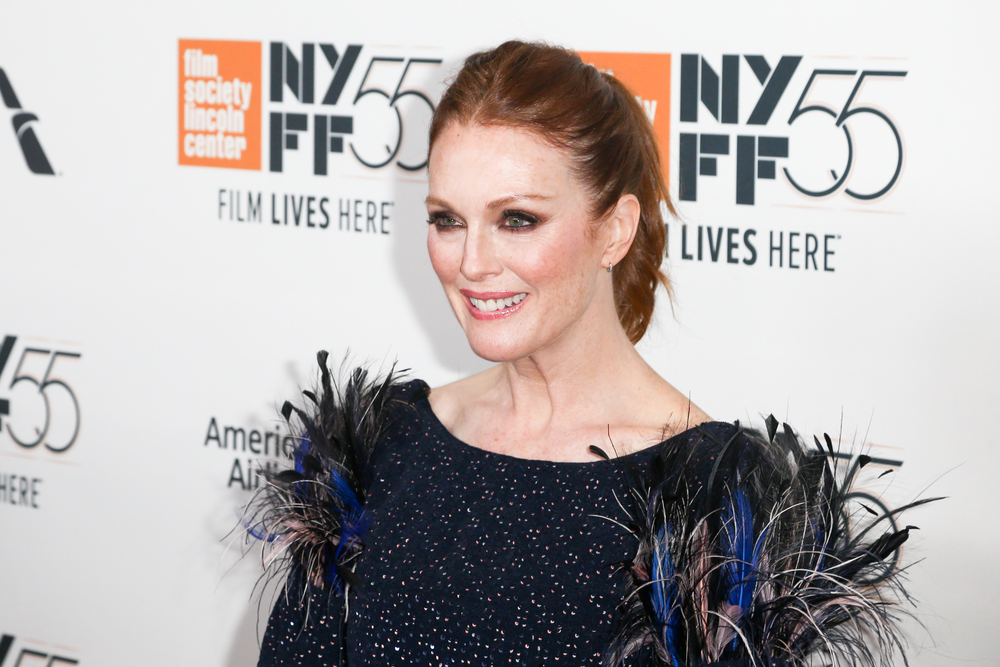
Julianne Moore is straight, but LGBTQ+ publications have long described her as a queer cinema icon because of her roles, collaborators, and public advocacy.
Her filmography repeatedly intersects with queer characters and filmmakers while avoiding one single type of LGBTQ+ story.
Julianne Moore Found a Major Collaborator in Todd Haynes
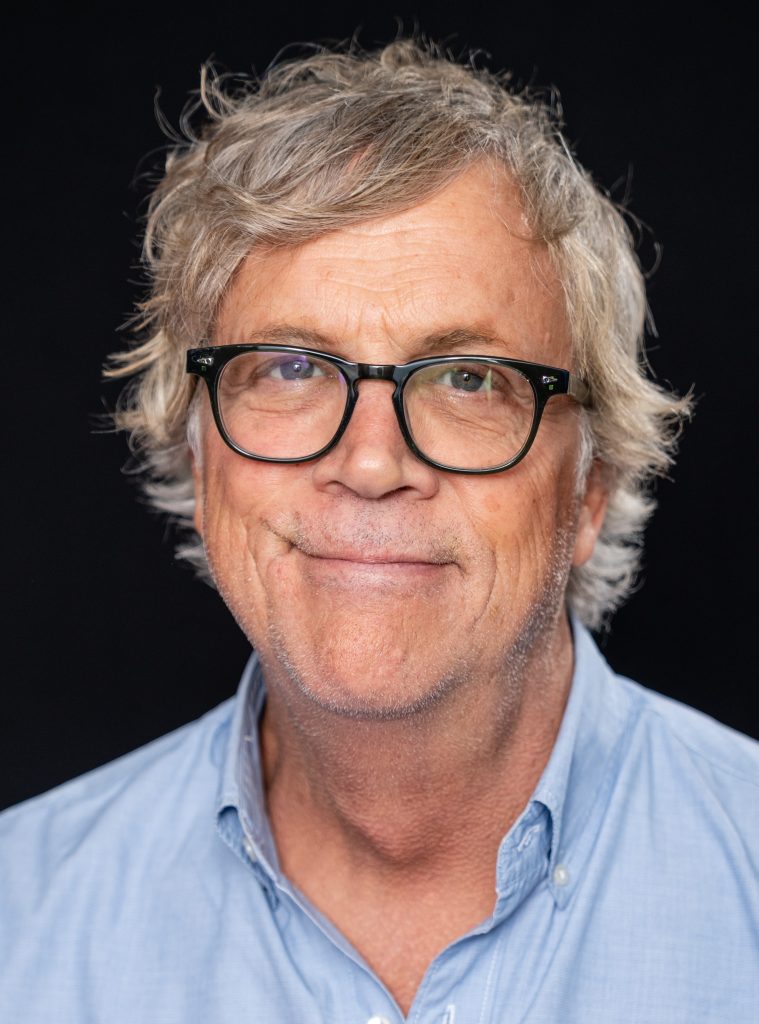
Julianne Moore developed one of her most important creative relationships with openly gay filmmaker Todd Haynes. Their collaborations include Safe and Far from Heaven, followed years later by May December. Haynes’s work frequently examines identity, social performance and lives constrained by expectations, giving Moore some of the complex material that helped define her reputation as a fearless dramatic performer.
Julianne Moore Explored Closeted Marriage in Far From Heaven
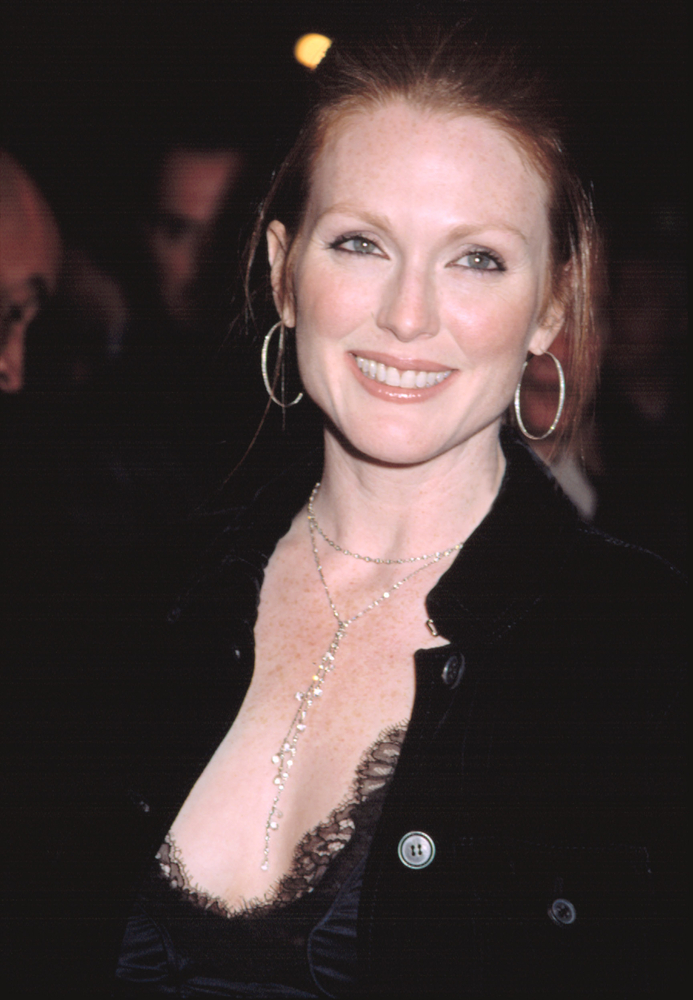
Julianne Moore received widespread acclaim for Far from Heaven, playing a 1950s suburban wife who discovers that her husband is attracted to men. The film uses melodrama to examine sexuality, race and social conformity. Moore’s performance helped make the emotional cost of enforced heterosexual respectability central rather than treating the husband’s sexuality as a simple plot twist.
Julianne Moore Played a Lesbian Parent
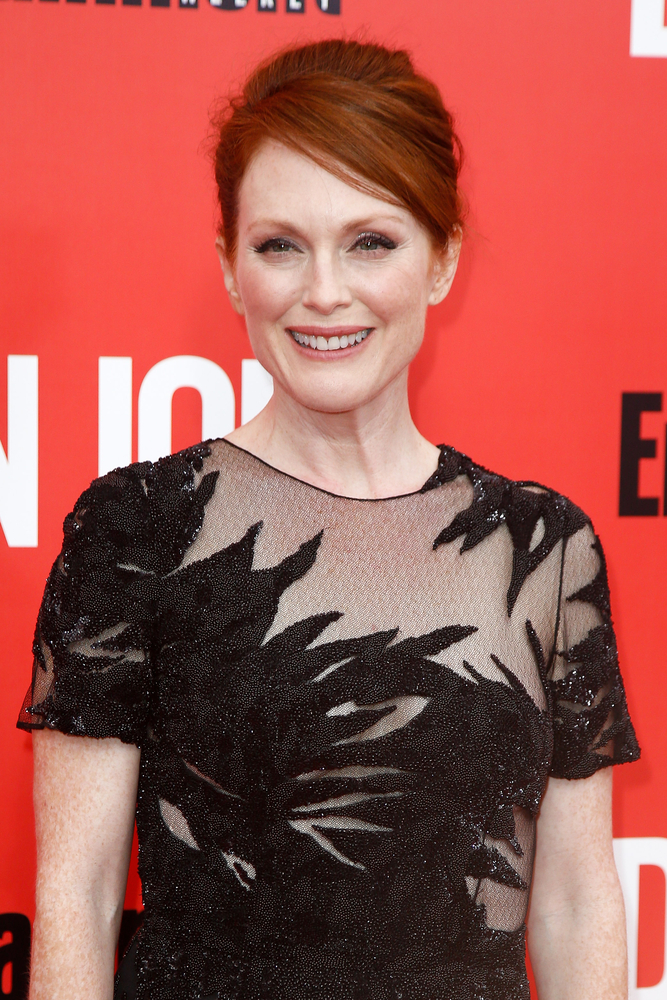
Julianne Moore starred with Annette Bening in The Kids Are All Right as one half of a long-term lesbian couple raising two teenagers. The film treated the family’s sexuality as established reality rather than its only dramatic issue. Its mainstream success placed Moore inside one of the most widely discussed queer family films of its period.
Julianne Moore Led the Real-Life Freeheld Story
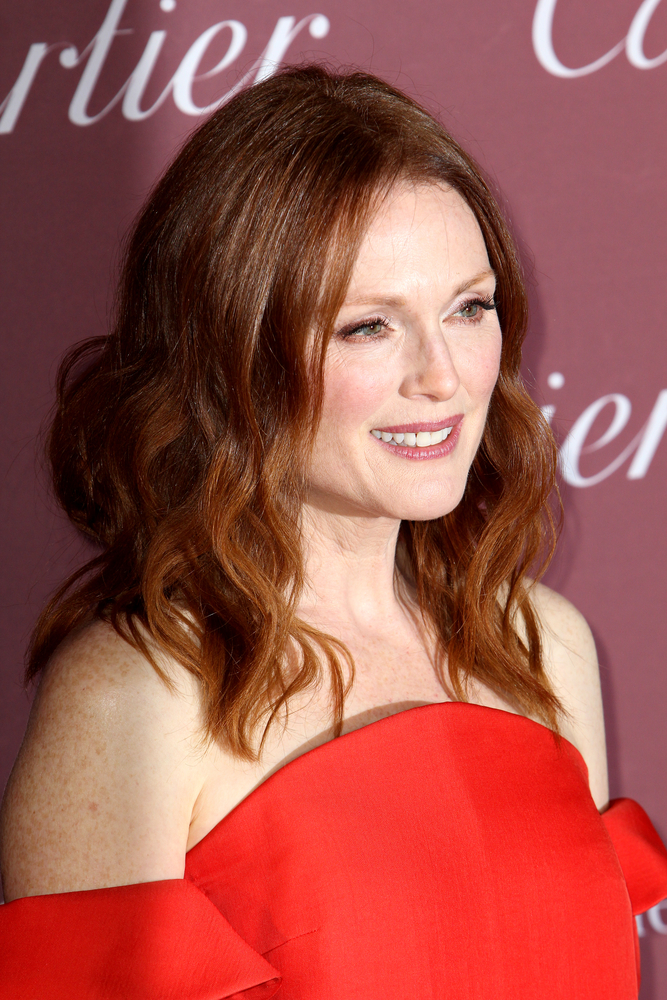
Julianne Moore portrayed New Jersey police lieutenant Laurel Hester in Freeheld. After being diagnosed with terminal cancer, the real Hester fought for the right to transfer pension benefits to her partner, Stacie Andree. Moore said every relationship deserves validity and hoped audiences would recognize shared humanity beyond sexual orientation.
Julianne Moore Worked With Queer Filmmakers Repeatedly
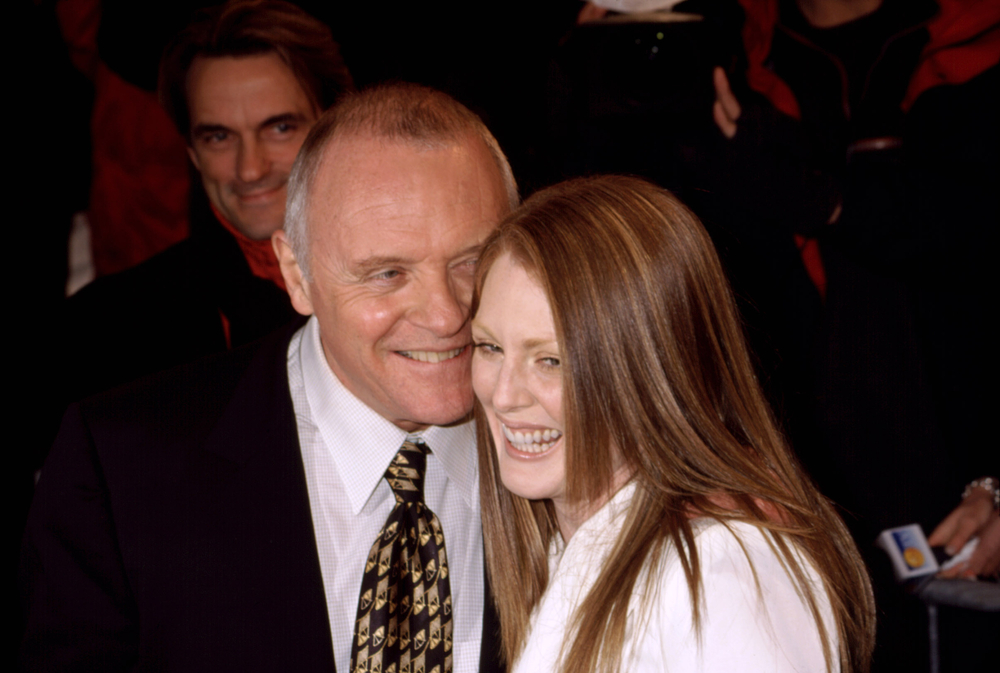
Julianne Moore’s filmography includes collaborations with LGBTQ+ directors including Todd Haynes, Tom Ford, Lisa Cholodenko and Tom Kalin. Those partnerships span very different kinds of movies rather than forming a deliberate single-issue career. Outlets covering queer cinema have nevertheless noted how frequently Moore’s best work intersects with filmmakers exploring sexuality, identity and unconventional relationships.
Julianne Moore Used Her Platform for Equality
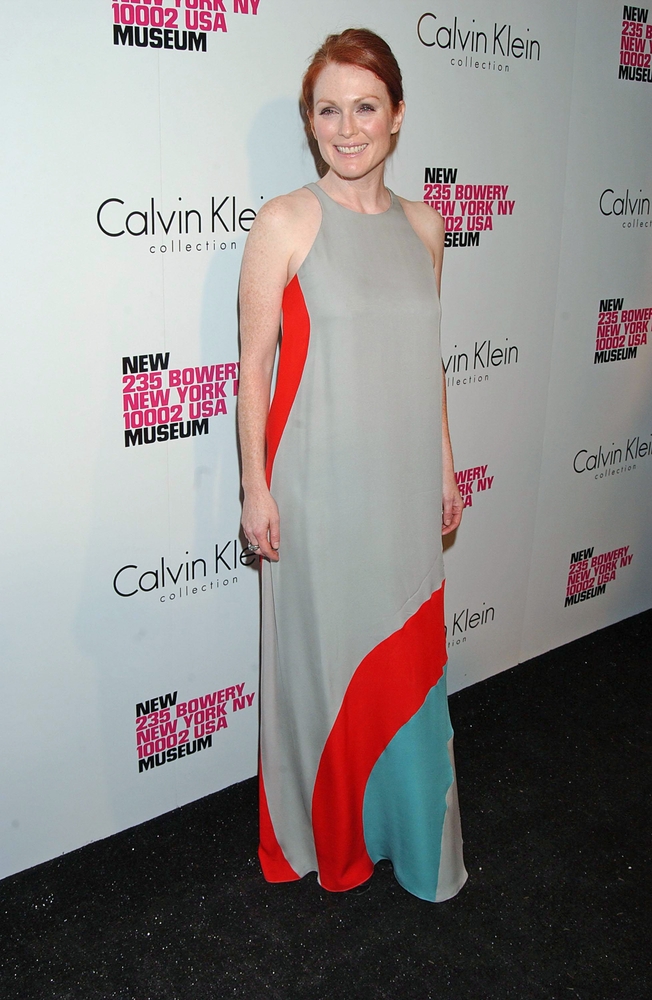
Julianne Moore has publicly supported LGBTQ+ equality rather than limiting her connection with queer culture to fictional roles. During the Freeheld campaign, she stressed that relationships should not be treated differently because of sexuality. Her advocacy reinforced the affection already created by films that had placed queer lives at the center of major dramatic narratives.
Julianne Moore’s Icon Status Goes Beyond One Role
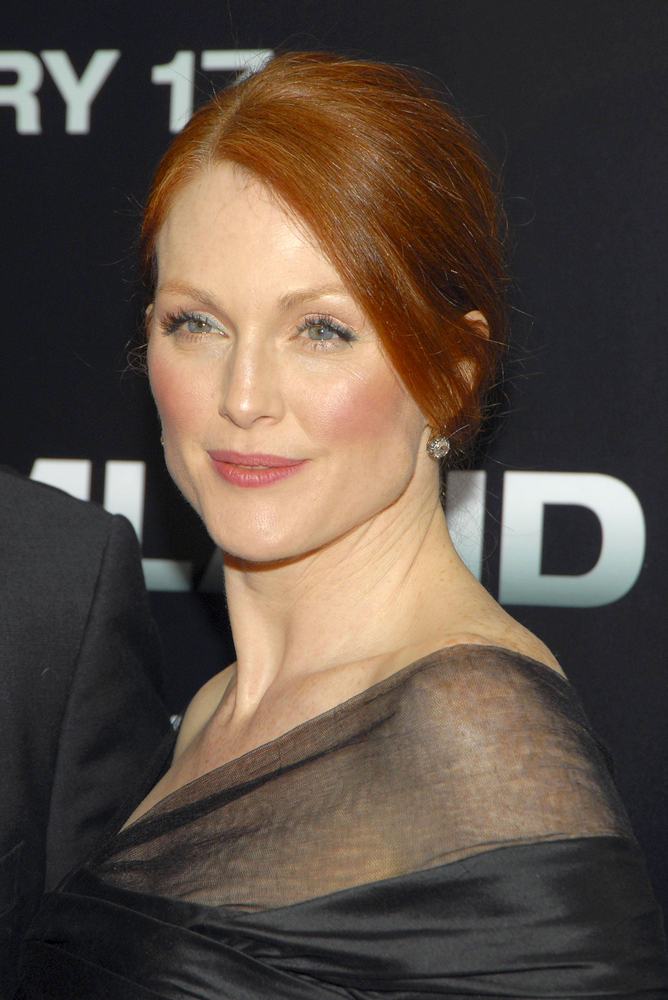
Julianne Moore’s connection with queer audiences was built over decades rather than through one performance. Far from Heaven, The Kids Are All Right and Freeheld approached LGBTQ+ life from completely different directions, while her collaborations with queer filmmakers broadened that association further. Calling her a queer cinema icon therefore describes her cultural legacy, not her personal sexual orientation.
Featured Image: shutterstock
Leave a Reply