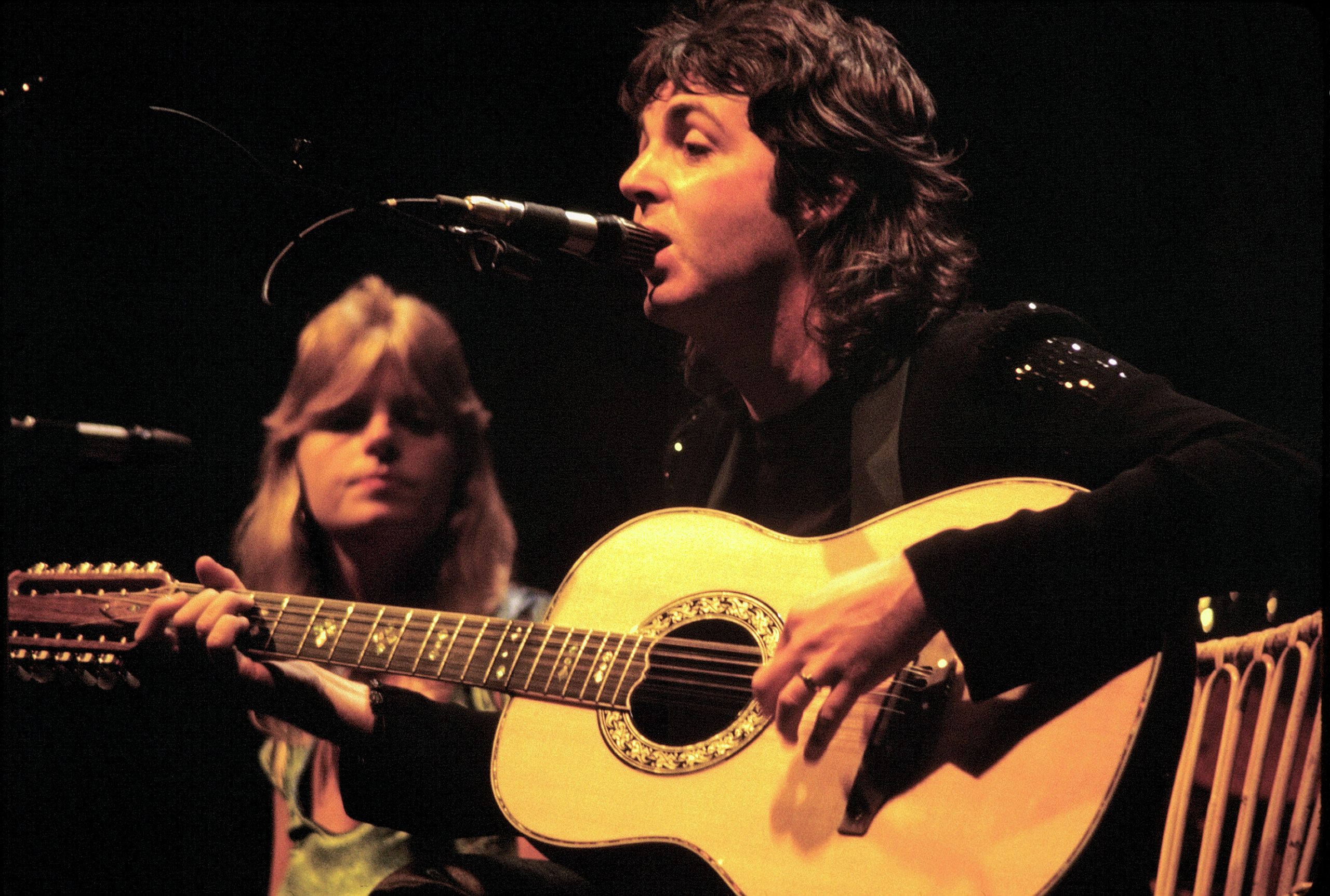
The Beatles’ American invasion was accompanied by scenes of extraordinary fan hysteria, with thousands of screaming teenagers turning their concerts into cultural events. But according to Paul McCartney, not every audience member was reacting to the band in quite the same way. During an intimate Los Angeles performance in March 2026, the former Beatle looked back on the group’s first experiences performing in America and recalled something he and his bandmates particularly appreciated about their male fans. Rather than simply screaming, some of the men in the crowd were closely watching how the Beatles played their instruments.
The Beatles Were Fascinated by American Audiences
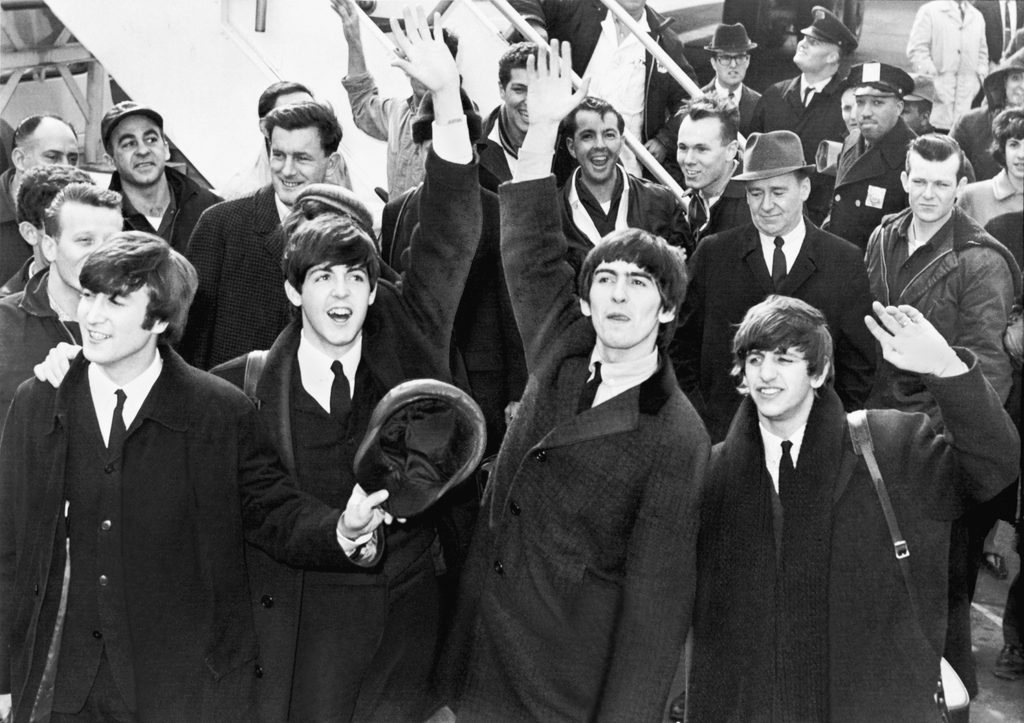
When the Beatles first arrived in America, they were entering a country they had never previously experienced as a touring band. McCartney recently reflected on just how remarkable that first visit felt, remembering that the group was fascinated by the different reactions they encountered. The Beatles were already enormously popular in Britain, but America represented a completely new scale of fame. Their performances were met with intense excitement, yet McCartney noticed that different sections of the audience appeared to be responding to the group in very different ways.
Some Male Fans Were Studying Their Musicianship
McCartney’s observation was surprisingly simple: some of the men watching the Beatles were paying close attention to the band’s playing. He recalled noticing male fans looking at the chords the musicians were playing and studying their technique. For McCartney, that was something the band genuinely appreciated. While the screaming crowds became the defining image of Beatlemania, the musicians themselves were naturally interested in people who were paying attention to the actual music. It offered a different kind of validation—one based on their abilities as musicians rather than simply their celebrity appeal.
The Girls Had a Very Different Reaction
McCartney contrasted the behavior of those male fans with the response from many of the young women attending Beatles shows. Instead of quietly watching the musicians’ hands and instruments, teenage girls were famously screaming, singing and reacting emotionally to the band’s presence. McCartney brought up that contrast while speaking to his Los Angeles audience, prompting laughter and screams from the crowd. He then jokingly encouraged them to give him a proper “Beatles scream,” showing that he clearly understood how central those reactions had become to the band’s mythology.
Beatlemania Was About More Than Screaming
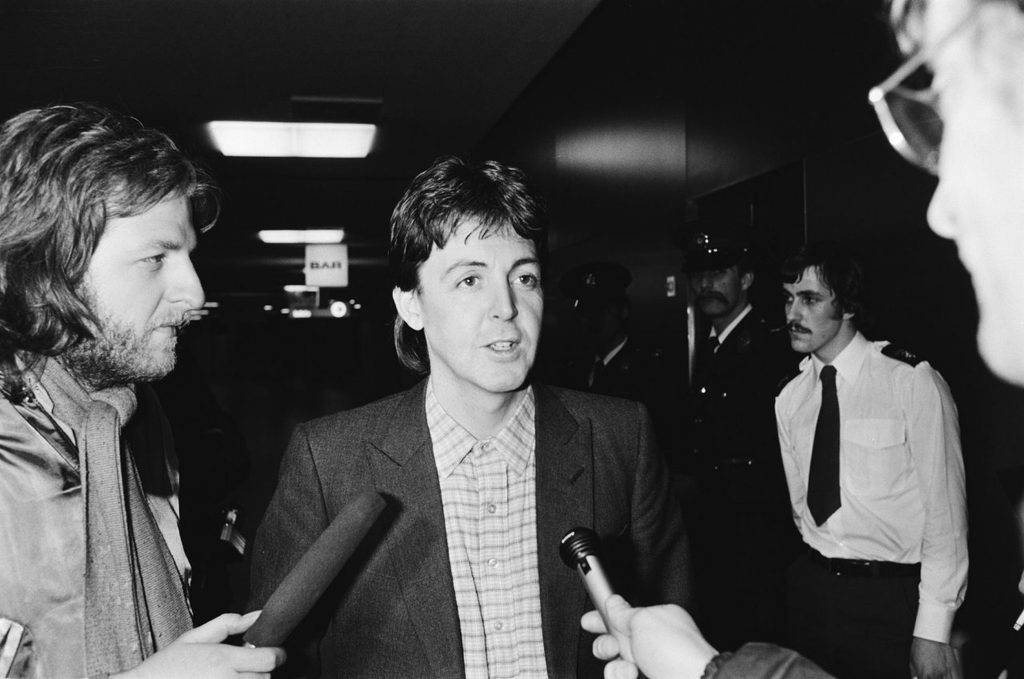
The image of screaming teenage girls is so closely associated with Beatlemania that it can sometimes overshadow the sheer musical influence the Beatles were already having. Their popularity attracted listeners who wanted to learn how the songs were constructed and how the band members played their instruments. Male fans studying the chords were therefore part of a broader phenomenon in which young musicians looked to the Beatles for inspiration. Their impact wasn’t limited to celebrity worship; they were also encouraging a new generation to pick up guitars, form bands and experiment with songwriting.
America Was a Completely New Experience
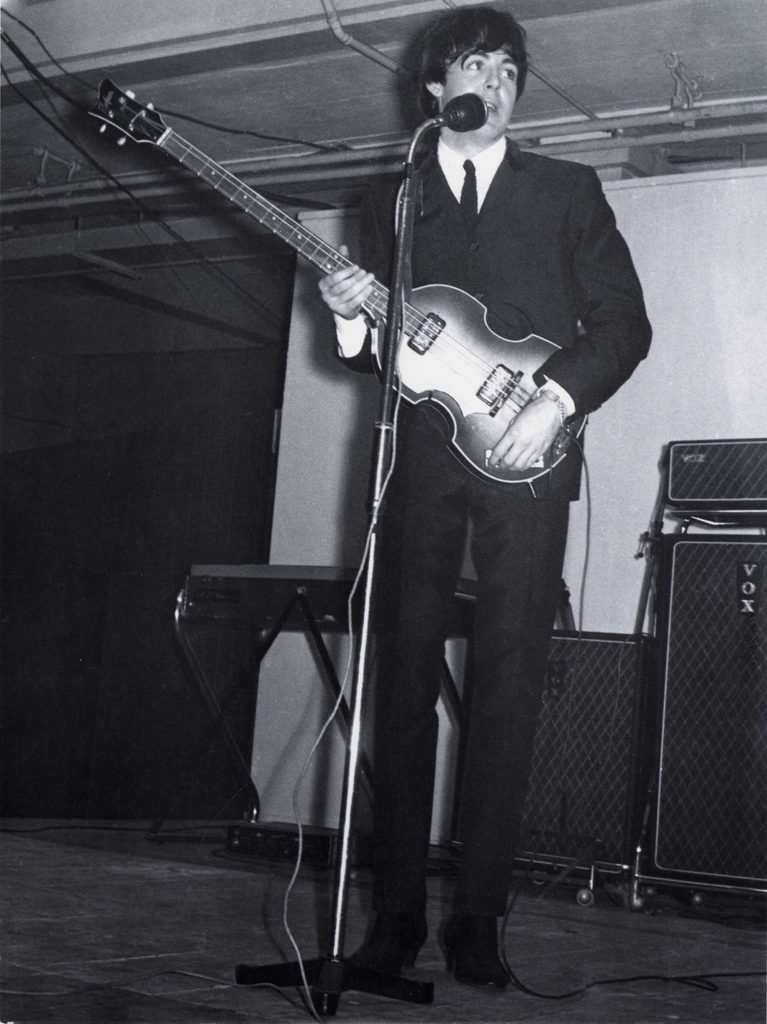
The Beatles’ first American trip in 1964 was a landmark moment in popular music. They arrived in New York to enormous crowds and unprecedented media attention, with thousands of fans gathering at the airport and outside their hotel. The band’s popularity quickly spread across the country as they appeared on The Ed Sullivan Show and performed a series of concerts. McCartney’s recent recollection offers a glimpse into what the experience felt like from inside the phenomenon. For the musicians themselves, America was not merely another tour stop—it was an entirely new world.
The Band Still Wanted to Be Taken Seriously
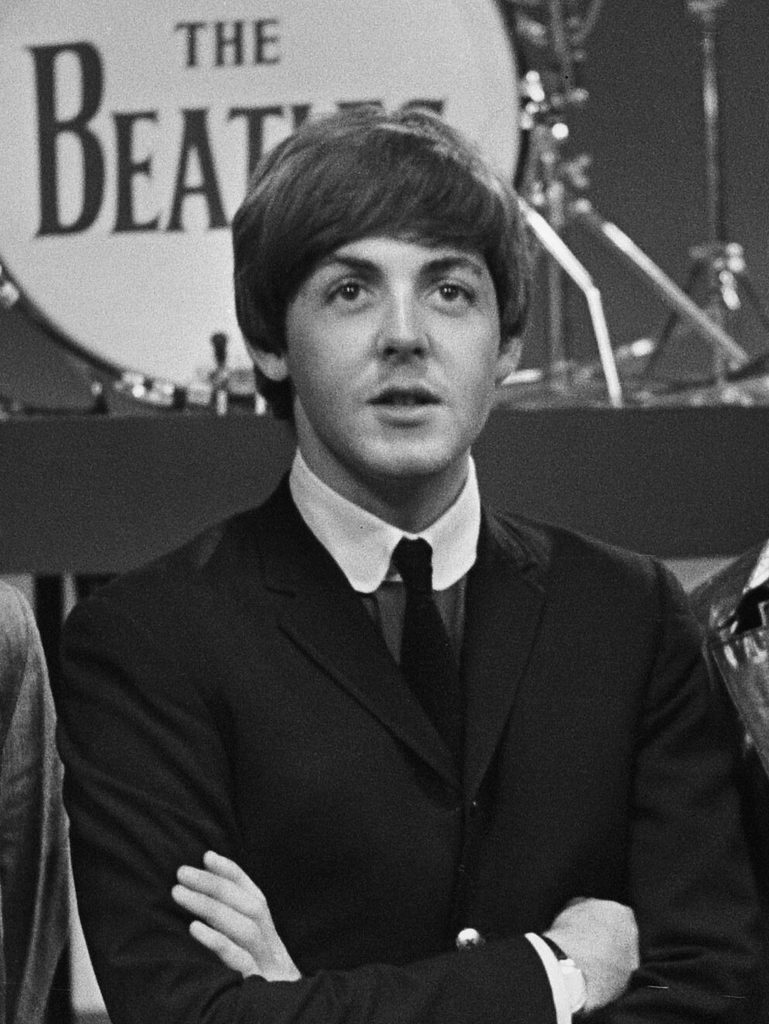
Although the Beatles enjoyed the screaming and excitement surrounding them, they were also serious musicians who wanted their musical abilities recognized. McCartney’s anecdote highlights that tension perfectly. The band could appreciate the enormous enthusiasm of their young female audience while also enjoying the quieter attention of listeners who were analyzing their playing. As their music developed, that musical credibility became increasingly important. Albums such as Rubber Soul and Revolver demonstrated that the Beatles were moving beyond straightforward pop songs and becoming increasingly ambitious as musicians and songwriters.
McCartney Still Enjoys Looking Back
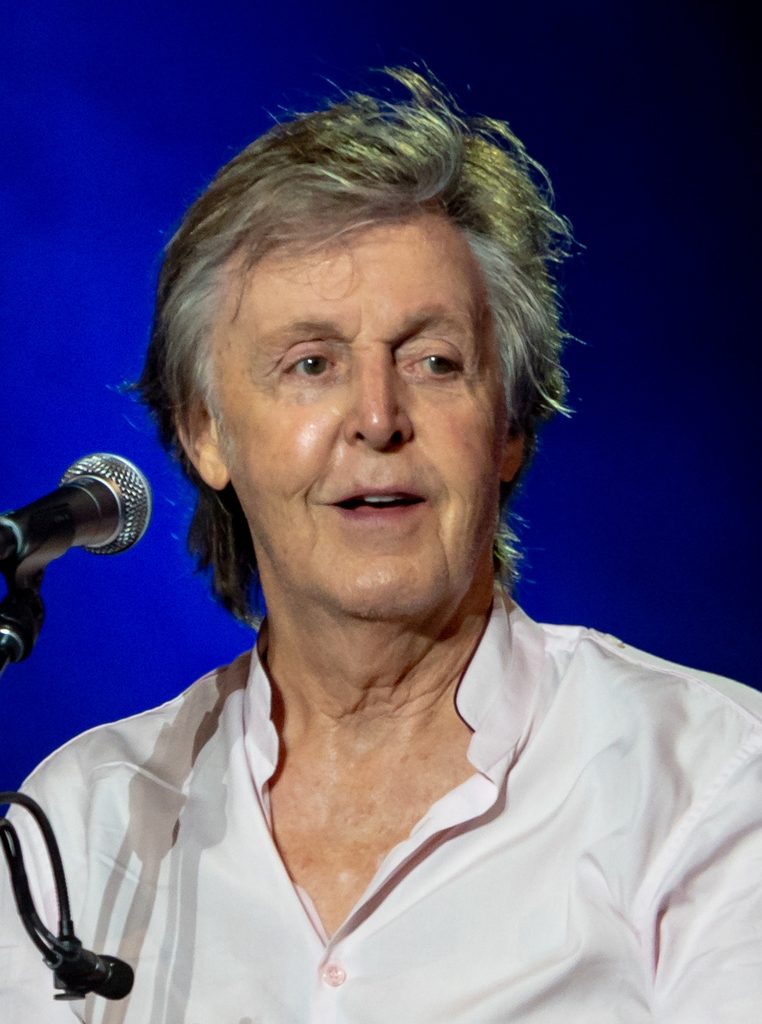
At 83, McCartney continues to revisit memories from the Beatles’ extraordinary career, and his recent Los Angeles performances provided an opportunity to share some of those stories directly with audiences. The intimate setting allowed him to discuss the band’s early American experiences in a way that a huge stadium performance might not. His comments about male fans were delivered humorously, but they also revealed how closely the Beatles observed their audiences. Even amid the deafening excitement of Beatlemania, the musicians were noticing who was listening carefully to the music itself.
A Small Detail From a Huge Moment in Music History
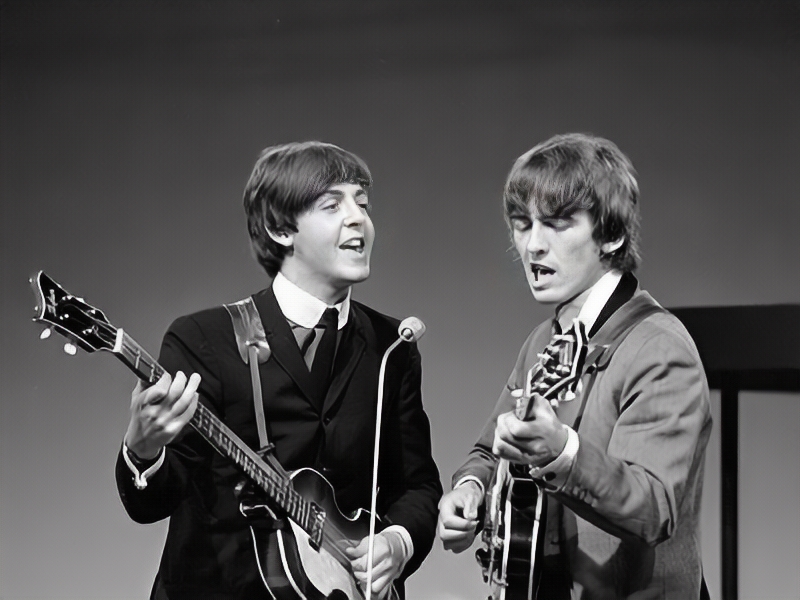
McCartney’s story may sound like a small observation, but it provides an interesting window into the Beatles’ relationship with their audience. Their American breakthrough wasn’t experienced by the band as one giant wave of screaming fans; they noticed different reactions and appreciated different kinds of enthusiasm. Some fans screamed, others studied the music, and many undoubtedly did both. More than six decades later, McCartney can still remember those distinctions. His story is another reminder of just how extraordinary the Beatles’ rise was—and how closely the four musicians were watching the cultural phenomenon unfolding around them.
Featured image: Jim Summaria, CC BY-SA 3.0 https://creativecommons.org/licenses/by-sa/3.0, via Wikimedia Commons
Leave a Reply