
Hayden Panettiere’s death on August 16, 2026, has brought renewed attention to comments she previously made about her relationship with Neutrogena. Panettiere had been associated with the skincare company for about a decade and said in her 2026 memoir and a podcast interview that the relationship ended after she publicly discussed her postpartum depression. She believed the company’s contract provisions played a role in the decision. After her death, those earlier comments resurfaced online, prompting criticism of Neutrogena and renewed discussion about how companies handle celebrities who speak publicly about personal struggles.
Neutrogena has since responded publicly, expressing sorrow over Panettiere’s death and acknowledging that she felt unsupported during a difficult period. The company also said it planned a significant investment in women’s health initiatives, including support related to postpartum depression. It is important to distinguish Panettiere’s account from independently established facts about the contract. Her claims describe her understanding of what happened, while Neutrogena’s current statement acknowledges the impact without confirming every detail of her account. That distinction matters when discussing a sensitive story involving a recently deceased person.
Hayden Panettiere Worked With Neutrogena

Panettiere became a Neutrogena spokesperson during the height of her early fame. Reports place her relationship with the brand from the mid-2000s through 2015, making it one of the longer commercial partnerships of her career. She was associated with the company’s beauty campaigns while also building her acting career through projects such as Heroes and Nashville. The partnership connected Panettiere’s youthful public image with a major skincare brand. Its eventual ending became significant years later when Panettiere publicly discussed how she believed the company had treated her after she spoke about postpartum depression.
Hayden Panettiere Spoke About Postpartum Depression
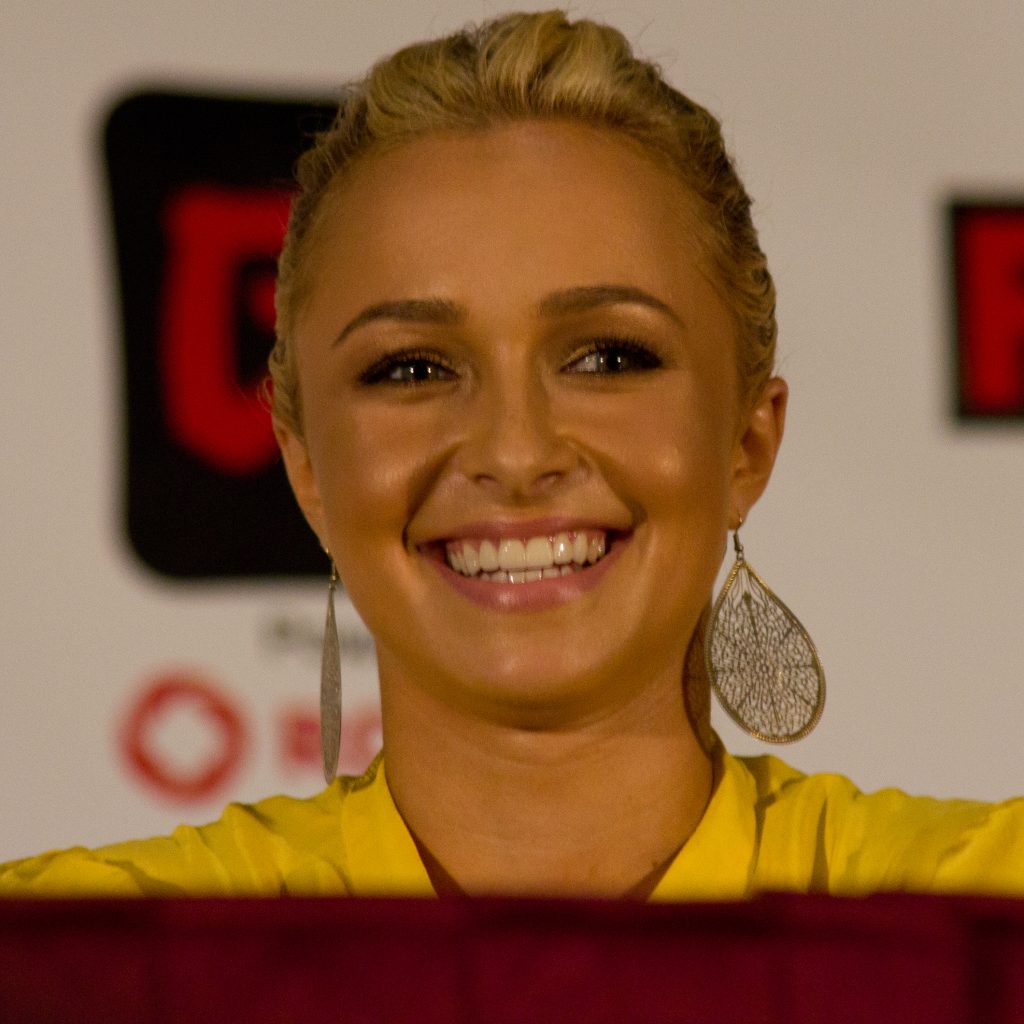
In 2015, Panettiere publicly discussed her experience with postpartum depression after the birth of her daughter. She became one of several high-profile women who helped bring greater attention to a condition that had often been discussed privately. Years later, Panettiere said the public discussion affected her relationship with Neutrogena. Her 2026 memoir and a podcast interview revisited the experience, saying she felt hurt by what happened to the partnership. Her account connected the professional dispute to a much larger issue: the pressure celebrities can face when personal honesty conflicts with carefully managed brand images.
Hayden Panettiere Said Neutrogena Ended Their Deal

Panettiere said Neutrogena effectively ended its relationship with her after she spoke openly about postpartum depression during a television appearance. According to reports on her memoir and later interview, she believed a morality clause in her contract was involved. That is Panettiere’s account of the dispute, rather than a finding established independently by a court or regulator. The distinction is important because the story has been widely repeated since her death. What is documented is that Panettiere described feeling abandoned by the company and deeply disappointed that no one from the brand reached out afterward.
Hayden Panettiere’s Comments Resurfaced After Her Death

After Panettiere died, her earlier comments about Neutrogena quickly resurfaced across social media and entertainment coverage. People who had not previously followed the dispute began discussing her account and questioning the company’s treatment of her. The renewed attention was not caused by a new allegation from Panettiere, since she could no longer comment herself. Instead, her memoir and earlier interviews became the basis for a fresh public debate. The situation illustrates how statements made during a celebrity’s lifetime can take on new significance after their death, particularly when they concern major brands.
Neutrogena Responded to the Backlash
Neutrogena addressed the criticism after Panettiere’s death. In its public response, the company expressed condolences and acknowledged that it had failed to support her in the way it should have during a difficult period. The brand also said that its handling of the situation did not reflect its values. Importantly, the statement did not simply ignore the controversy. Instead, it directly addressed the criticism and connected the response to a broader commitment to women’s health. That response has become an important part of the story now surrounding Panettiere’s former brand relationship.
Neutrogena Plans a Women’s Health Investment
Alongside its response, Neutrogena announced plans for a significant investment in women’s health initiatives. The company said the effort would include support for issues such as postpartum depression. That announcement directly connects to the subject at the center of Panettiere’s original dispute. Whether the initiative changes public opinion about the company remains to be seen, but it shows that the backlash has moved beyond social-media criticism. Neutrogena is now addressing the controversy while also promising action related to maternal mental health, the subject Panettiere had spoken about publicly years earlier.
Hayden Panettiere’s Legacy Goes Beyond Neutrogena

Panettiere’s relationship with Neutrogena represents only one part of her life and career. She became famous as a child performer and later starred in Heroes and Nashville, while also speaking publicly about addiction, postpartum depression and domestic abuse. Her death at 36 has prompted renewed attention to the pressures she faced throughout her life. The Neutrogena controversy is therefore best understood as one chapter in a much larger story about a performer who spent much of her life in the public eye.
Featured Image: Shutterstock
Leave a Reply