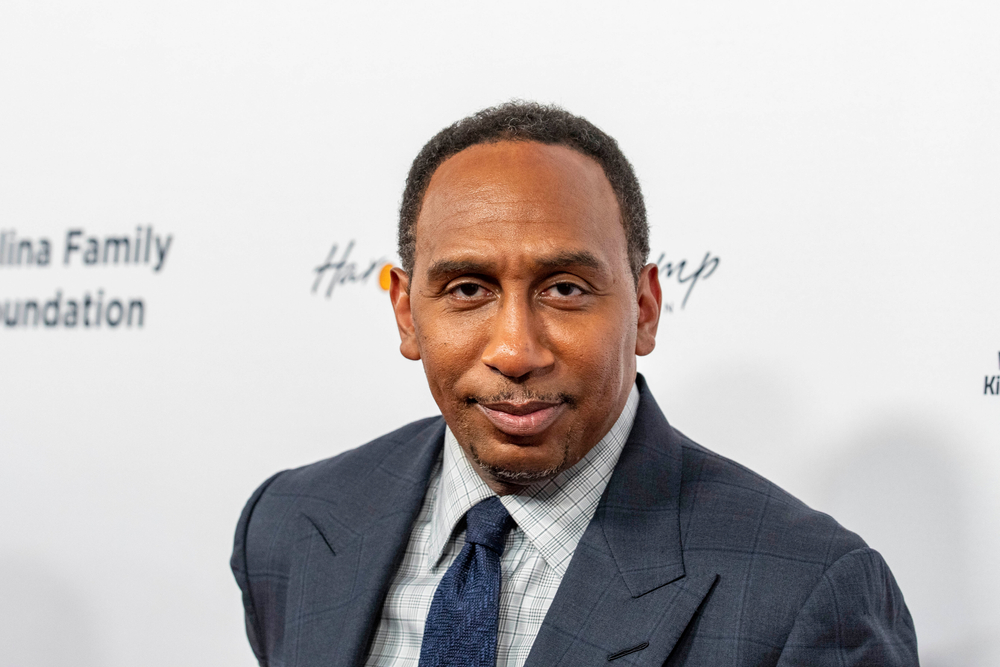
Stephen A. Smith remained employed during ESPN’s July 2026 layoffs, but his name became central to arguments about the network’s spending. One commentary piece called him the round’s “biggest loser” because the cuts placed renewed scrutiny on his compensation.
That label was an opinion, not an employment decision. Smith still hosts First Take and remains one of ESPN’s most prominent personalities.
Stephen A. Smith’s ESPN Contract
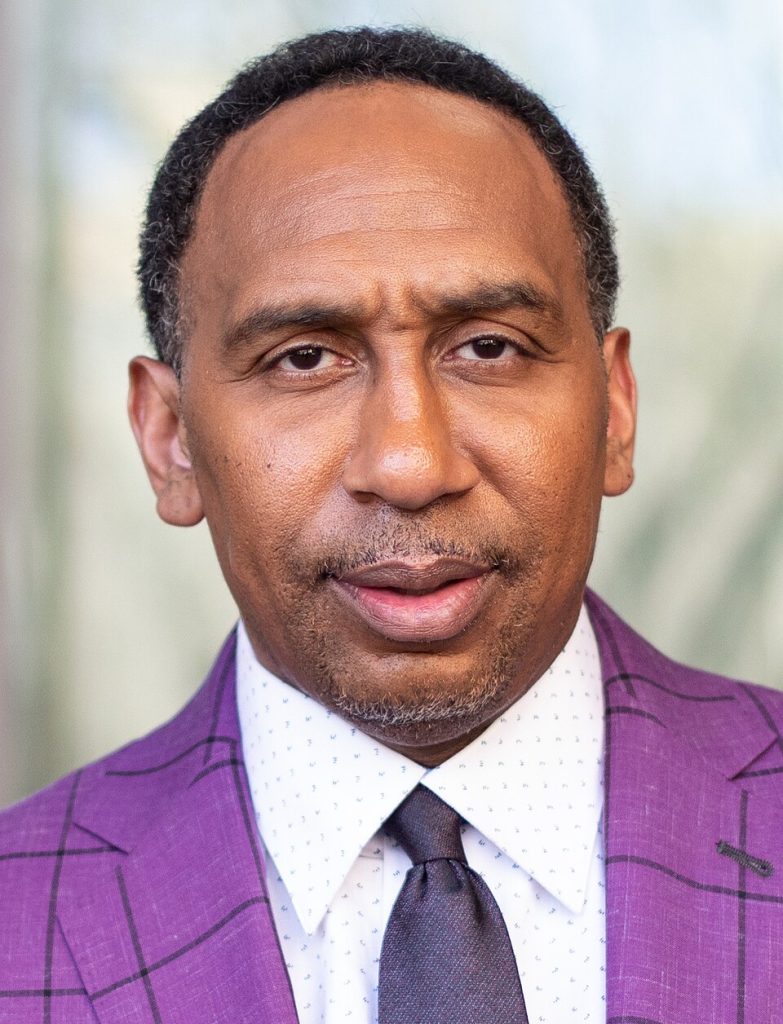
ESPN signed Smith to a five-year extension in 2025. A person familiar with the agreement told the Associated Press that it was worth at least $100 million.
The deal reflected Smith’s importance to First Take, digital media and ESPN’s broader public profile. However, its size became a source of frustration after other employees lost their jobs, particularly workers who had spent many years at the network.
Stephen A. Smith Reacts to Ryan Clark
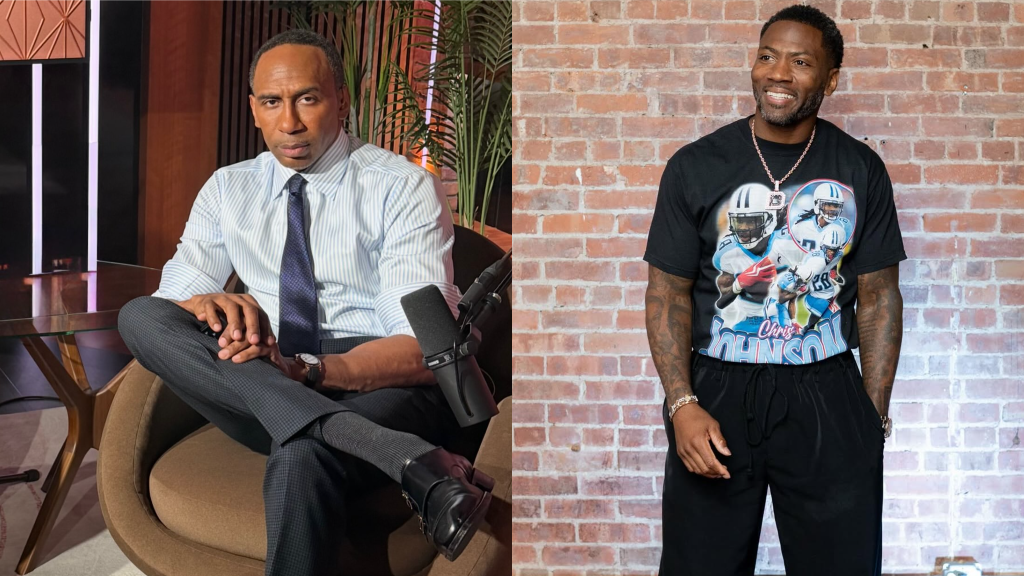
instagram.com/realrclark
NFL analyst Ryan Clark was among the best-known personalities dismissed during the restructuring. Smith publicly expressed unhappiness over Clark’s departure and described him as an outstanding football analyst.
Clark reportedly learned about the decision while appearing on NFL Live. His departure became an emotional symbol of the cuts because he had spent more than a decade with ESPN and regularly appeared beside Smith on network programming.
Stephen A. Smith and ESPN’s Restructuring

ESPN chairman Jimmy Pitaro said most of the job reductions were connected with the integration of NFL Network and related assets. The acquisition created overlapping roles across reporting, production and on-air coverage.
Those changes affected employees including Karl Ravech, Tom Pelissero, David Lloyd, Stephania Bell and Cam Newton. The cuts were broader than one show or one expensive contract and included significant behind-the-scenes reductions.
Stephen A. Smith’s Salary Faces Scrutiny

Unnamed Disney insiders argued that the large contracts associated with Smith and Pat McAfee looked difficult to justify while hundreds of other workers faced job losses.
ESPN views highly recognizable hosts as investments capable of attracting audiences, advertisers and online attention. Critics counter that concentrating spending around a few personalities can make the rest of a company more vulnerable when executives demand savings. Both positions involve business judgments rather than simple arithmetic.
Stephen A. Smith Addresses the Cuts
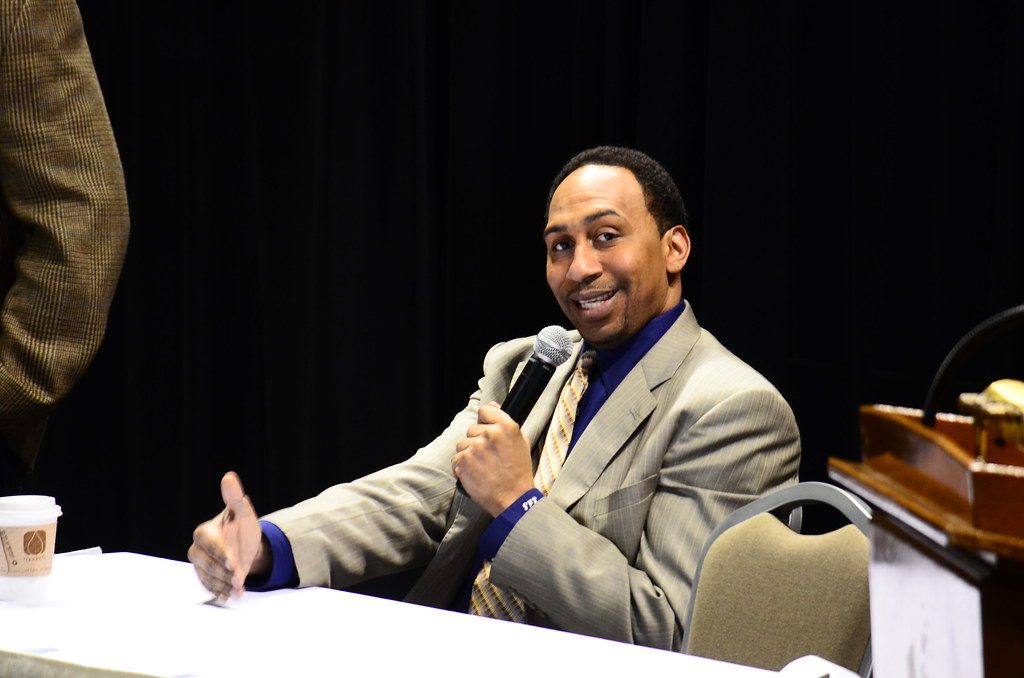
Smith called the layoff period a difficult time for ESPN and focused much of his response on Clark. His comments showed that retaining a valuable contract did not mean he welcomed the decisions affecting colleagues.
Still, critics argued that sympathy from the network’s highest-paid figures could feel uncomfortable to employees losing their incomes. That emotional reaction explains why Smith became a symbol even though he was not the executive announcing the cuts.
Stephen A. Smith Did Not Order the Layoffs
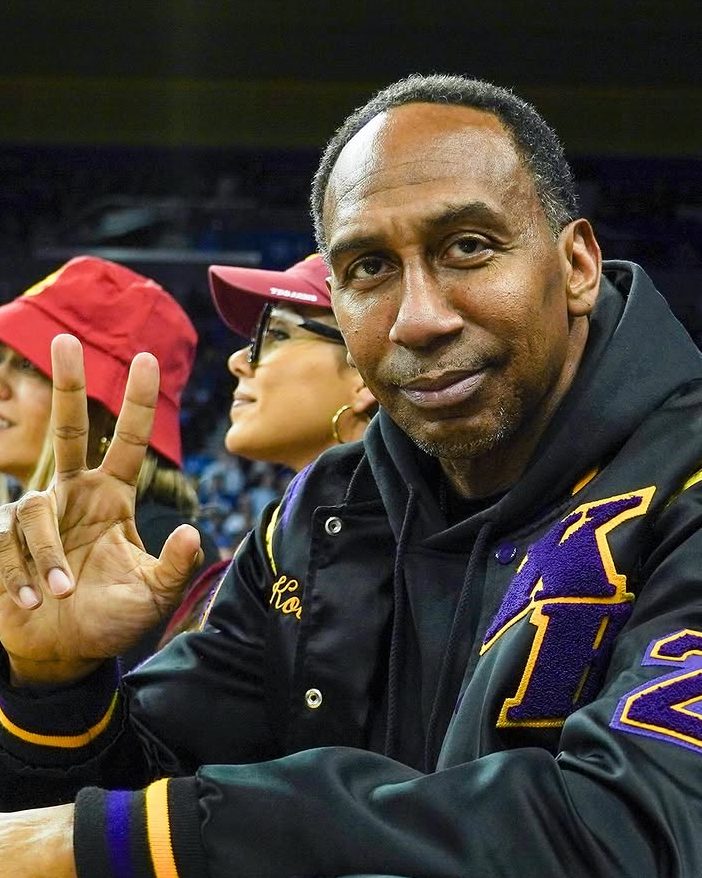
No public evidence shows that Smith selected employees for dismissal or controlled ESPN’s restructuring strategy. The network attributed the cuts mainly to integration and organizational changes following the NFL Network deal.
It is reasonable to debate whether major talent contracts affect company budgets. It is not accurate to present Smith as personally responsible for specific firings without documents or statements demonstrating that connection.
Stephen A. Smith and ESPN’s Bigger Question

The controversy reflects a wider media-industry challenge. Networks increasingly pay heavily for a small number of personalities who can draw attention across television, podcasts and social platforms while reducing spending elsewhere.
Smith emerged from earlier ESPN setbacks to become one of its defining voices. His success now places him at the center of a difficult argument about whether star-driven media strategies can remain sustainable without weakening the teams surrounding those stars.
Featured Image: Shutterstock
Leave a Reply