Calling any performance the “worst of all time” is ultimately subjective. A more measurable way to explore Hollywood’s famous misfires is through the Golden Raspberry Awards, the satirical prizes that single out movies and performances their voters consider particularly unsuccessful each year.
Even Oscar winners have ended up holding Razzies. Halle Berry and Sandra Bullock famously accepted theirs in person, while acclaimed performers including Al Pacino, Eddie Redmayne and Jared Leto have also been targeted. These awards do not settle artistic debate, but they do show which performances became unusually notorious.
Halle Berry in Catwoman

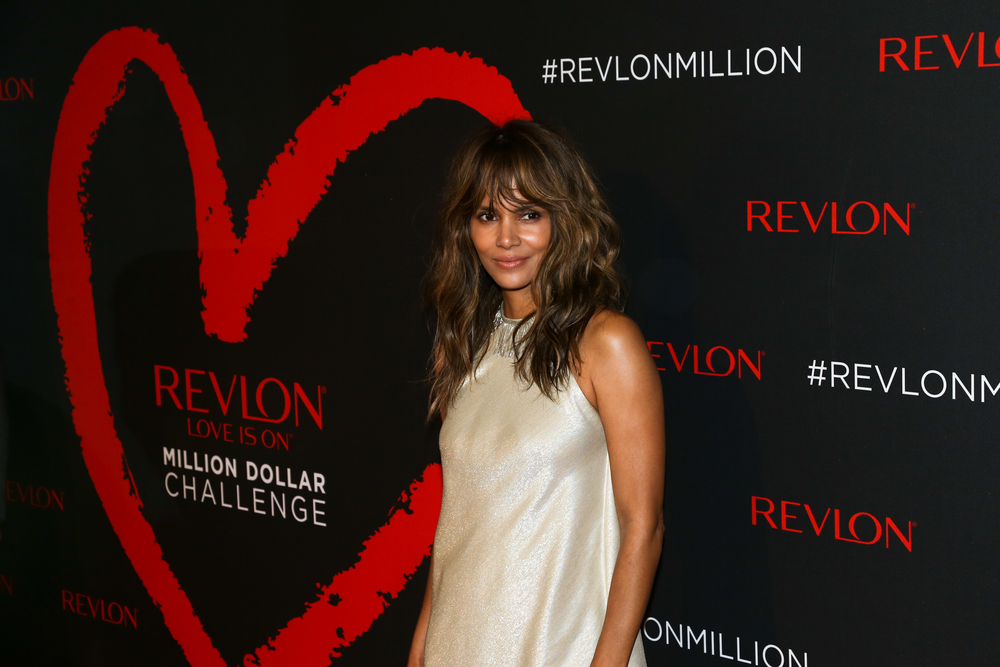
Halle Berry went from making Oscar history with Monster’s Ball to winning the Razzie for Worst Actress for 2004’s Catwoman. Rather than ignoring the award, Berry appeared at the ceremony and accepted it while carrying her Academy Award, turning the embarrassing moment into one of the Razzies’ most famous appearances. Catwoman had been criticized for its story, direction, and departure from the familiar comic-book character, but Berry took part of the responsibility herself with humor. Her response also made an important point: one poorly received film did not erase the talent demonstrated across the rest of her career.
Sandra Bullock in All About Steve
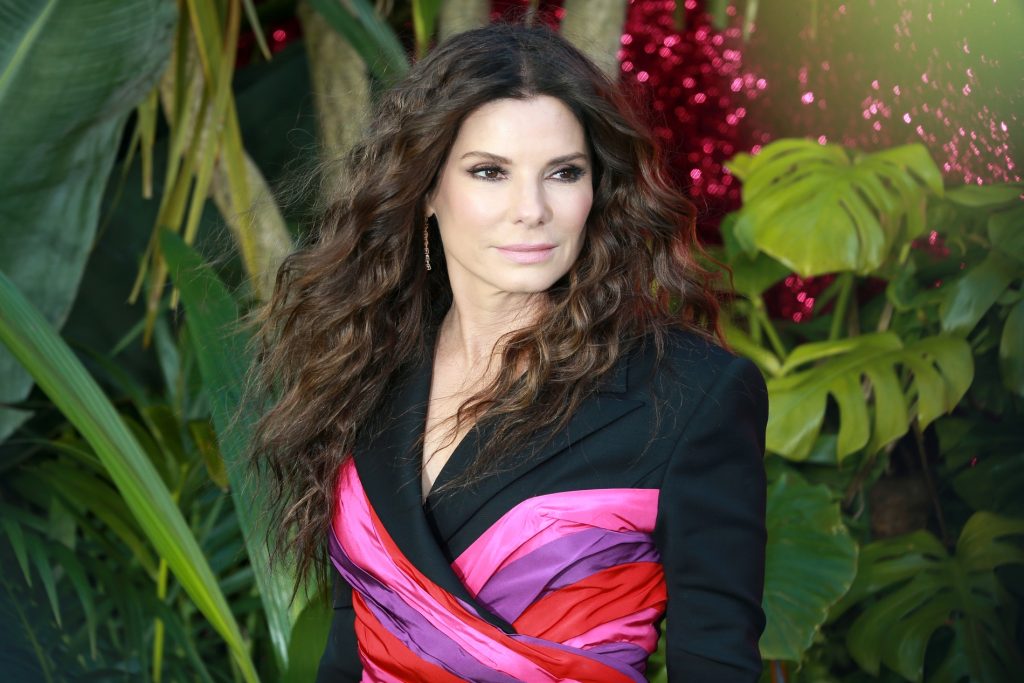
Sandra Bullock experienced one of awards season’s strangest weekends in 2010. She appeared in person to accept the Razzie for Worst Actress for All About Steve, even bringing copies of the movie for attendees. The following night, she won the Academy Award for Best Actress for The Blind Side. That extraordinary turnaround turned All About Steve into one of the best-known examples of an acclaimed actor having both critical success and failure almost simultaneously. Bullock’s willingness to participate in the joke also prevented the Razzie from becoming an especially damaging moment in a career already filled with major commercial hits.
Ben Affleck in Gigli
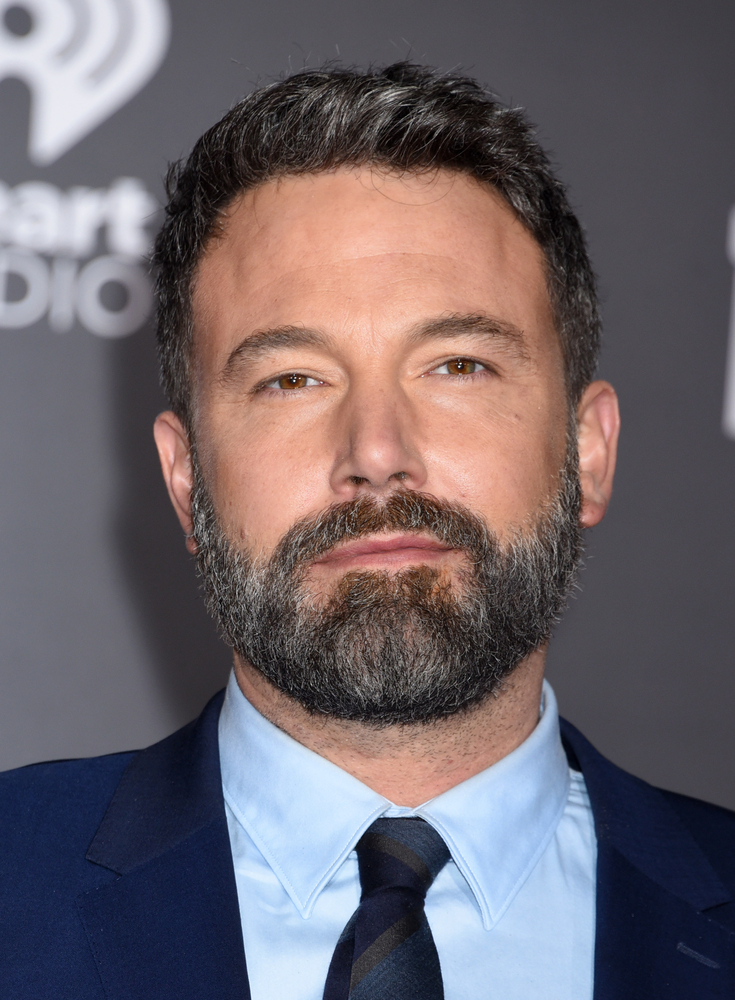
Ben Affleck had an especially rough Razzie year after his 2003 films Gigli, Daredevil and Paycheck. The organization named him Worst Actor for the trio, with Gigli becoming the movie most strongly associated with the backlash. His career later recovered dramatically as he moved further into directing, eventually winning the Best Picture Oscar as a producer of Argo. That comeback makes the Razzie chapter more interesting in hindsight. A period when Affleck was treated almost as a symbol of overexposed celebrity did not prevent him from later receiving some of the strongest reviews and awards recognition of his career.
Al Pacino in Jack and Jill

Al Pacino’s appearance as an exaggerated version of himself in Adam Sandler’s Jack and Jill earned him the Razzie for Worst Supporting Actor. The film became infamous at the Golden Raspberry Awards, sweeping every category in which it competed. Pacino’s storyline included an elaborate commercial involving Dunkin’ Donuts, a sequence deliberately designed to be ridiculous but one that still became attached to the movie’s overwhelmingly negative reputation. The contrast is what keeps the performance memorable: an actor responsible for The Godfather, Dog Day Afternoon and Scarface found himself becoming one of the main targets of a movie widely treated as a career low point.
Eddie Redmayne in Jupiter Ascending
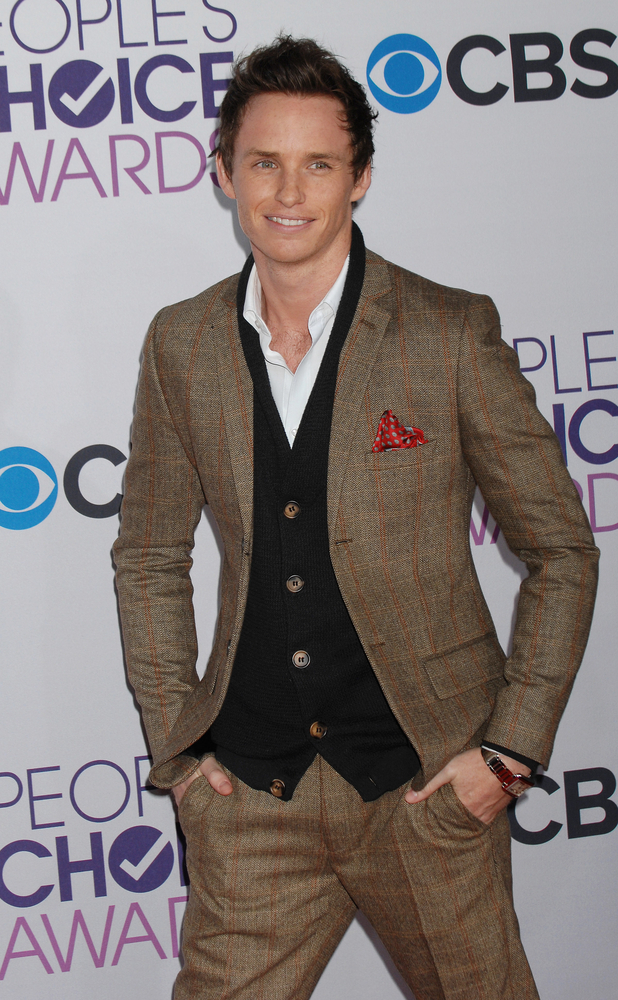
Eddie Redmayne won an Academy Award for The Theory of Everything, then soon found himself on the opposite end of awards culture for Jupiter Ascending. His deliberately theatrical performance as villain Balem Abrasax earned the Razzie for Worst Supporting Actor. Redmayne uses a whispering, strained delivery that suddenly erupts into shouting, creating a performance viewers either found entertainingly bizarre or wildly excessive. The film itself developed a more affectionate cult following among some science-fiction fans, demonstrating the limitation of calling any performance objectively bad. What the Razzie confirms is simply that Redmayne’s unusual choices inspired an unusually strong negative reaction at the time.
Jared Leto in House of Gucci
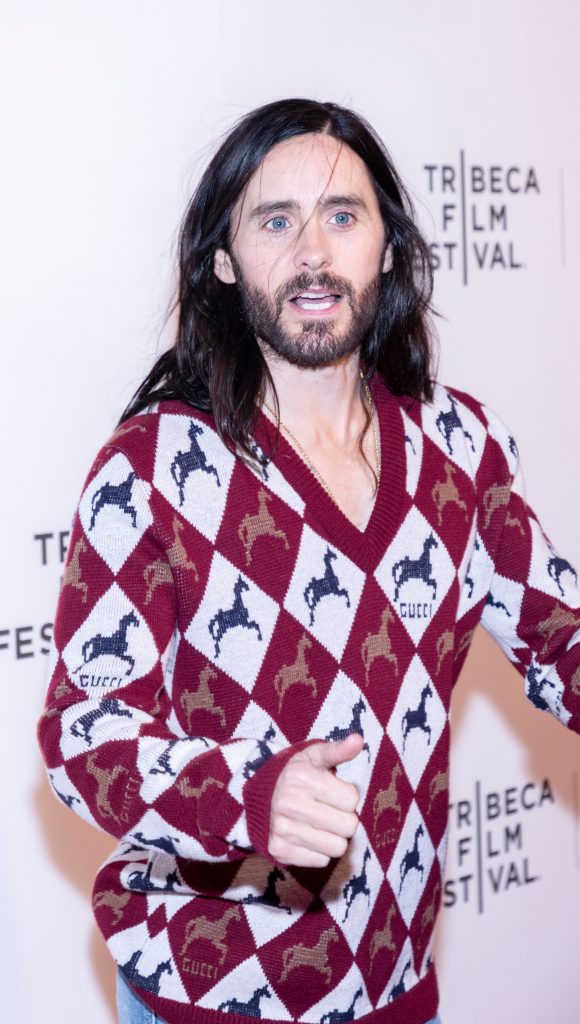
Jared Leto’s transformation into Paolo Gucci involved extensive prosthetics, a bald cap and a highly exaggerated Italian accent. The performance divided viewers sharply and ultimately earned Leto the 2022 Razzie for Worst Supporting Actor. Curiously, the same performance also received nominations from organizations including the Screen Actors Guild and Critics’ Choice Awards, illustrating just how subjective acting judgments can become. Leto later received another Razzie for Morbius. His House of Gucci performance remains a particularly useful example because respected awards bodies and the Razzies looked at exactly the same work and reached dramatically different conclusions about its effectiveness.
Tom Hanks in Elvis
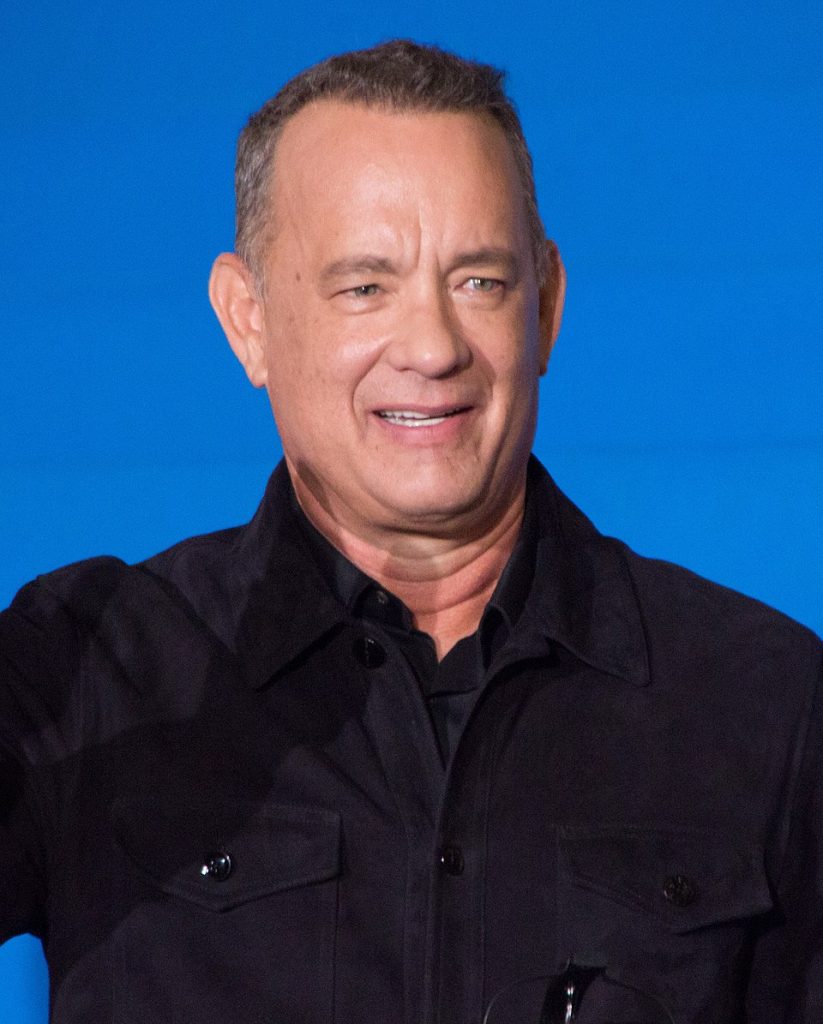
Tom Hanks is one of Hollywood’s most decorated and broadly admired actors, yet his portrayal of Colonel Tom Parker in Baz Luhrmann’s Elvis became one of the most criticized performances of his career. The Golden Raspberry Awards named Hanks Worst Supporting Actor, while also targeting the combination of the actor and his prosthetic makeup and accent. The movie itself was a major awards contender, and Austin Butler’s portrayal of Elvis Presley earned an Oscar nomination. That contrast made Hanks’ Razzie even more conspicuous: a widely acclaimed film contained a supporting performance the organization considered one of that year’s biggest acting misfires.
Faye Dunaway in Mommie Dearest

Faye Dunaway’s performance as Joan Crawford in Mommie Dearest is far more complicated than its Razzie reputation suggests. She tied for Worst Actress when the film became a major target of the organization, yet some contemporary critics praised the ferocity of her work. Over time, the movie became a cult classic whose exaggerated moments are quoted and celebrated by fans. Dunaway herself later regretted the role, believing the camp reputation damaged her career. Rather than proving she delivered one of history’s objectively worst performances, the controversy shows how dramatically a performance’s reputation can change depending on who is watching.
Featured Image: Shutterstock
Leave a Reply