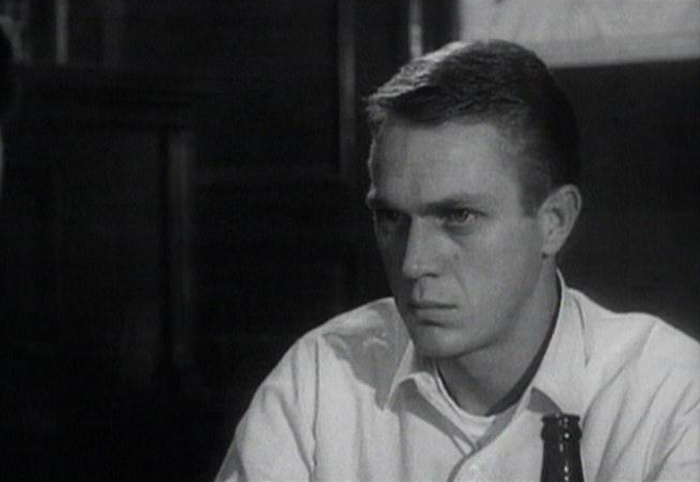
Steve McQueen became the ultimate symbol of Hollywood cool, combining rugged good looks, rebellious charm, and a passion for speed that made him unlike any other leading man of his era. Known as the “King of Cool,” he rose from a troubled childhood to become one of the world’s biggest movie stars. From The Great Escape and Bullitt to The Thomas Crown Affair and Papillon, McQueen created an enduring screen persona that continues to fascinate audiences decades after his death.
A Troubled Childhood Shaped Him
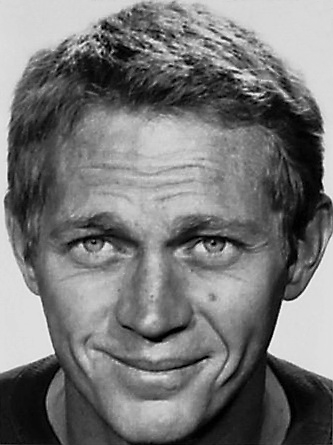
McQueen’s path to Hollywood was far from ordinary. Born in Indiana in 1930, he experienced a difficult childhood and spent time in reform school before eventually joining the United States Marine Corps. His early struggles helped shape the independent and rebellious personality that would later become central to his public image. After leaving the Marines, McQueen discovered acting and began studying the craft while also developing a passion for motorcycle racing. Those seemingly different interests would eventually become defining parts of his identity.
Television Made Him Famous
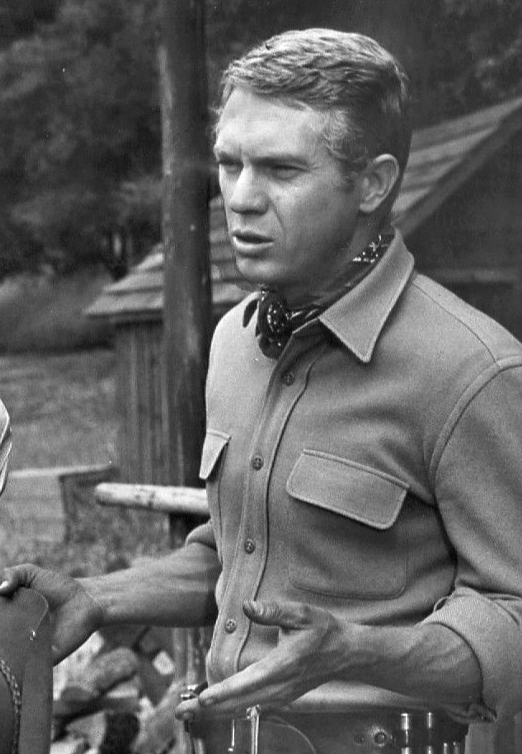
Before becoming a major movie star, McQueen found success on television. His breakthrough came with the Western series Wanted: Dead or Alive, in which he played bounty hunter Josh Randall. The show introduced audiences to the quiet, tough, and effortlessly charismatic persona that would become his trademark. McQueen quickly stood out from more traditional leading men because he rarely needed lengthy speeches or exaggerated performances to command attention. His understated style helped establish the image that would follow him throughout his career.
The Movies Made Him an Icon
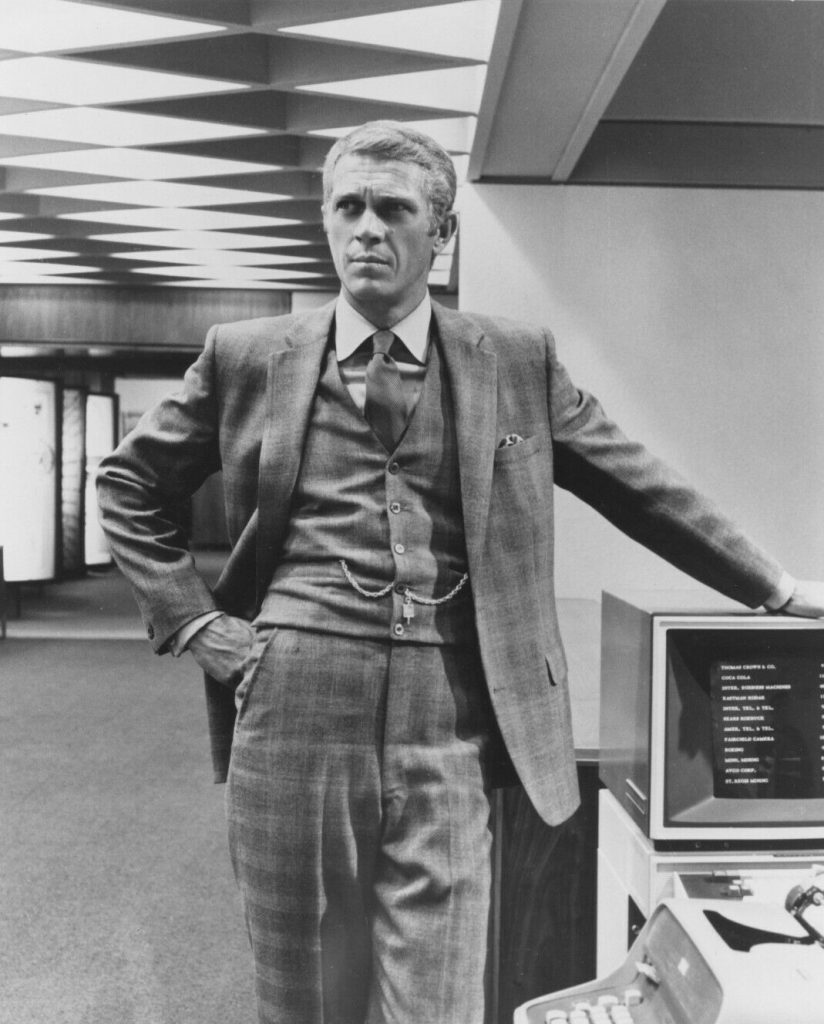
McQueen successfully transitioned from television to film and quickly became one of Hollywood’s biggest attractions. He starred in major productions including The Magnificent Seven, The Great Escape, The Cincinnati Kid, and The Sand Pebbles. His performance in The Sand Pebbles earned him his only Academy Award nomination. Rather than simply playing conventional heroes, McQueen often portrayed complicated antiheroes who were independent, rebellious, and willing to challenge authority. This approach made him hugely popular with audiences and helped redefine the image of the Hollywood leading man.
Bullitt Cemented His Cool Reputation
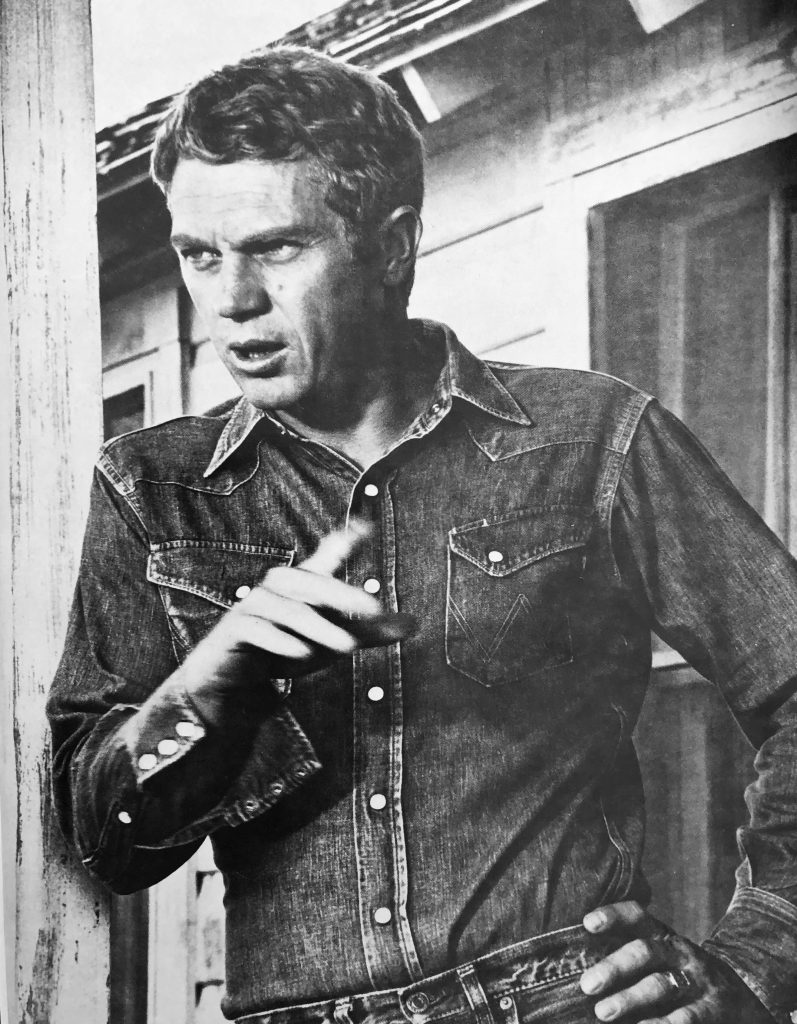
Few movies contributed more to McQueen’s legendary status than Bullitt. Released in 1968, the crime thriller featured him as San Francisco police detective Frank Bullitt and became famous for its groundbreaking car chase. McQueen’s understated performance, stylish appearance, and genuine passion for automobiles made the character almost inseparable from the actor himself. His willingness to participate in the driving sequences further strengthened his reputation as a star who preferred doing things for real. Bullitt ultimately became one of the defining films of his career.
Racing Was His Other Great Passion
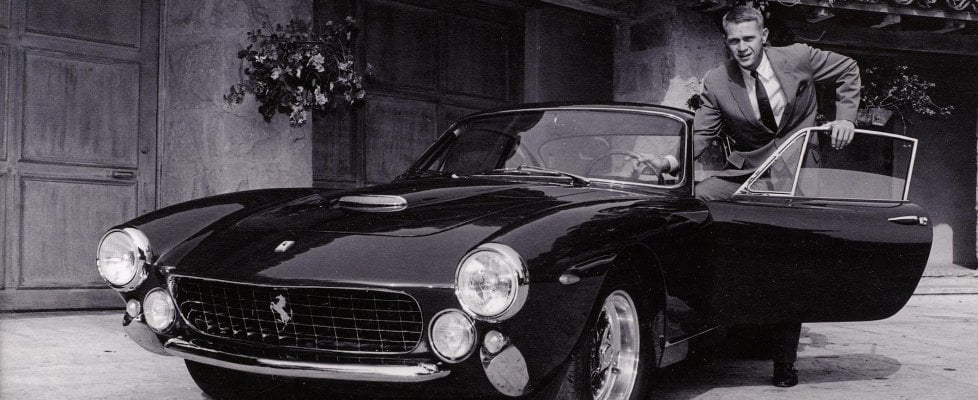
Away from the movie set, McQueen was deeply passionate about motorcycles, cars, and racing. He competed in motorcycle races and often pursued his love of speed whenever his acting schedule allowed. He even used the alias “Harvey Mushman” when competing, allowing him to participate without attracting the same level of attention associated with his Hollywood name. His enthusiasm for racing was not simply part of his image. It was a genuine passion that gave him an outlet away from acting and contributed heavily to the legend surrounding him.
He Became Hollywood’s Highest Paid Star

By the 1970s, McQueen had reached the absolute peak of Hollywood stardom. His enormous popularity gave him unusual negotiating power with studios, allowing him to command some of the largest salaries in the industry. In 1974, he became the highest paid movie star in the world. His films continued to attract huge audiences, including The Getaway, Papillon, and The Towering Inferno. Yet despite his immense success, McQueen remained known for his complicated relationship with Hollywood and his desire to maintain control over his career.
The Man Behind the Myth
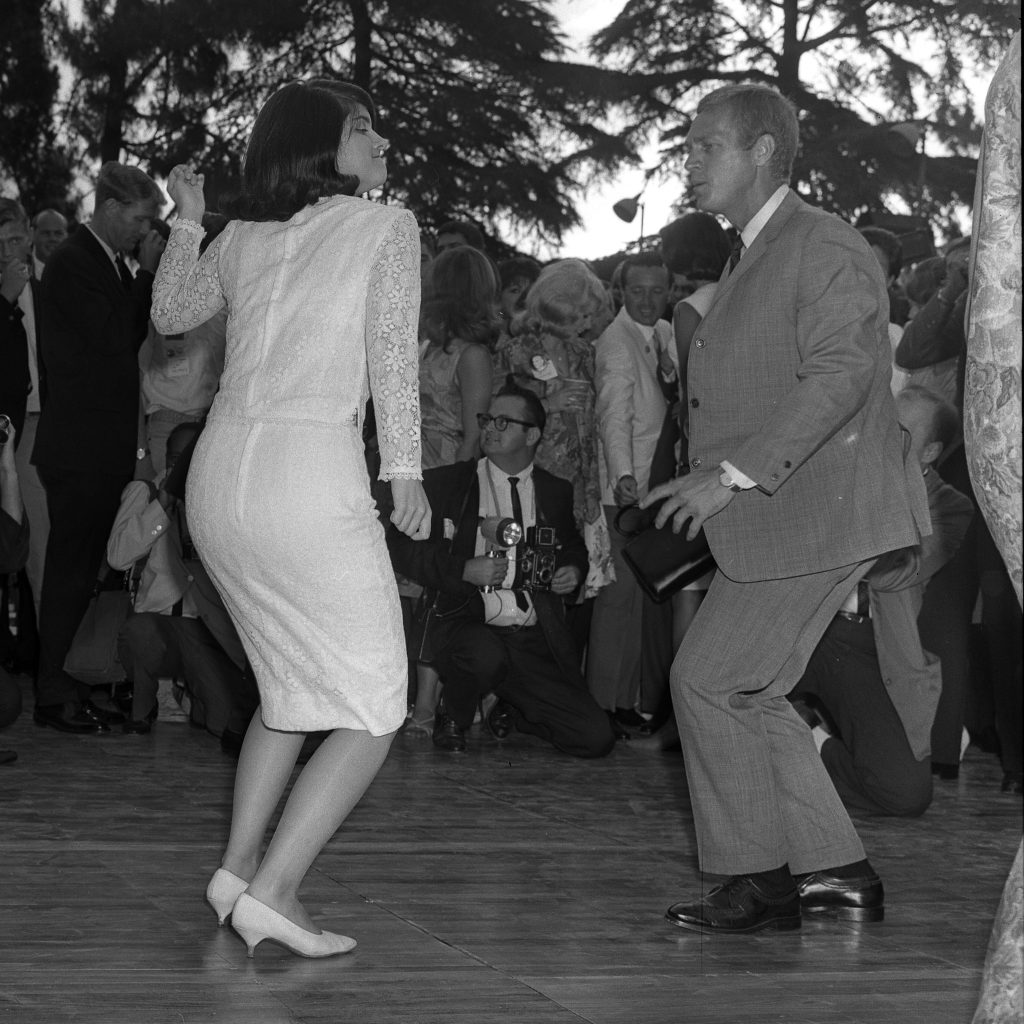
The public image of McQueen as an effortlessly cool Hollywood rebel only told part of the story. Behind the famous persona was a complicated man who struggled with relationships, substance use, and the pressures of enormous fame. He was married three times and had several highly publicized relationships. At the same time, people who knew him away from Hollywood often described a more generous and down to earth side. In Santa Paula, where he spent much of his later life, McQueen was reportedly valued for being treated like an ordinary person rather than a superstar.
His Legacy Outlived Him
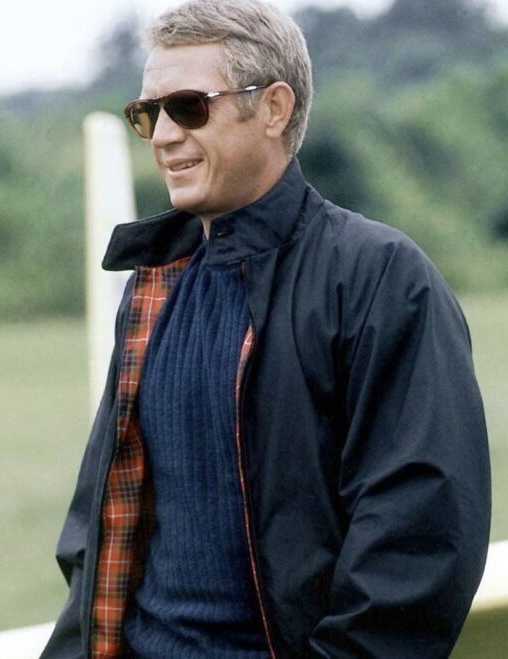
McQueen died in Mexico on November 7, 1980, at just 50 years old after battling mesothelioma. His death brought an abrupt end to the life of one of Hollywood’s most recognizable stars, but it did little to diminish his fame. His films, fashion, cars, motorcycles, and distinctive screen presence continued influencing popular culture long after his death. More than four decades later, McQueen remains synonymous with effortless cool, proving that some Hollywood legends only become larger once the cameras stop rolling.
Featured image: By Charles Guggenheim; John Stix – https://archive.org/details/Saint_Louis_Bank_Robbery, Public Domain, https://commons.wikimedia.org/w/index.php?curid=20226358
Leave a Reply