
Several celebrities have chosen to discuss uncommon medical conditions publicly, sometimes because their symptoms affected work and sometimes because they wanted other patients to feel less isolated. These stories should be based on what the stars themselves or their representatives have disclosed, not diagnoses guessed from photographs or online speculation.
The conditions range from stiff-person syndrome and cleidocranial dysplasia to autoimmune and endocrine disorders. Some are chronic, while others can improve or resolve depending on their cause. This article describes public disclosures only and does not assume anything beyond the health information each celebrity has chosen to share.
Céline Dion and Stiff-Person Syndrome
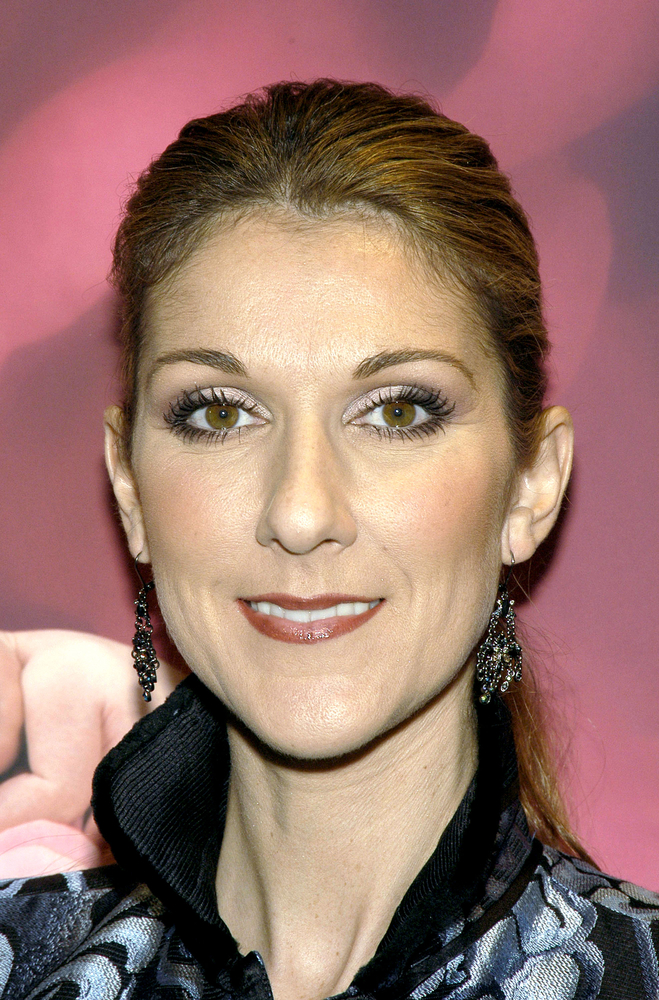
Céline Dion revealed in December 2022 that she had been diagnosed with stiff-person syndrome, a rare neurological disorder that can cause severe muscle stiffness and spasms. The condition forced her to cancel performances and step away from the demanding touring schedule that had defined much of her career. Dion later offered viewers a closer look at her experience in the documentary I Am: Celine Dion. She has continued working on her health and gradually returned to selected public performances. Her openness transformed a little-known medical term into something millions of fans encountered for the first time through the experiences of a singer whose voice and live shows had seemed almost unstoppable.
Gaten Matarazzo and CCD

Stranger Things star Gaten Matarazzo has cleidocranial dysplasia, commonly shortened to CCD, a rare genetic condition affecting the development of bones and teeth. Matarazzo has been unusually open about the diagnosis and the surgeries and dental treatment it has required. The condition was also incorporated into his Stranger Things character, Dustin Henderson, rather than hidden from viewers. Matarazzo has used his visibility to raise awareness and support organizations serving people with CCD. His story is a strong example of a performer allowing a real medical characteristic to become part of a character while also helping audiences understand that an unusual physical difference has a specific medical explanation.
Jameela Jamil and Ehlers-Danlos

Jameela Jamil has discussed living with Ehlers-Danlos syndrome, a group of inherited connective-tissue disorders that can affect joints, skin and other parts of the body. She has spoken about hypermobility and injuries as well as the difficulty of having symptoms that other people may not immediately understand. Jamil’s public discussion has also included criticism of unrealistic beauty expectations and online commentary about people’s bodies. Her experience demonstrates why a celebrity can appear healthy in photographs while dealing with a condition that significantly affects daily life. As with all such disclosures, the details Jamil has chosen to share publicly should define the story rather than outsiders attempting to assess her health visually.
Karen Duffy and Neurosarcoidosis

Actor, model and television personality Karen Duffy has lived for decades with neurosarcoidosis, a rare form of sarcoidosis involving the nervous system. After becoming ill in the 1990s, Duffy’s life changed dramatically from the fast-paced entertainment career she had been building. She has since spoken and written extensively about chronic pain and the realities of living with serious long-term illness. Rather than disappearing completely from public life, Duffy developed another voice as an author and patient advocate. Her story stands apart because she has spent years describing not just the diagnosis but the day-to-day complexity of chronic pain, medical treatment and adapting a career around a condition with no simple narrative.
Halsey and T-Cell Disorder
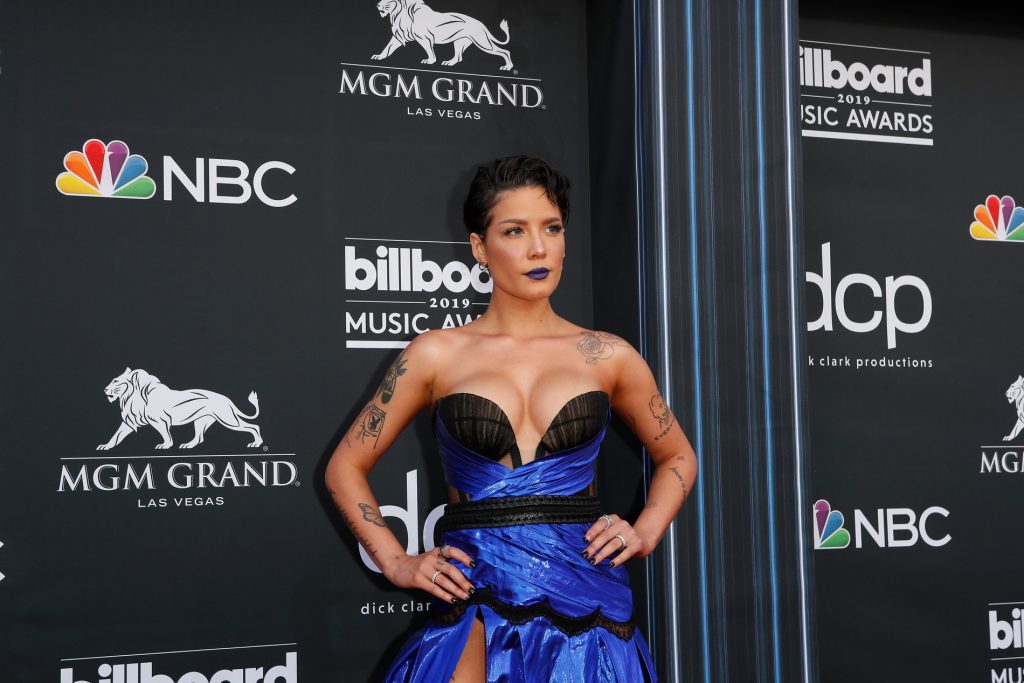
Halsey revealed in 2024 that they had been diagnosed in 2022 with systemic lupus erythematosus and a rare T-cell lymphoproliferative disorder. The singer had hinted at serious health challenges through the song “The End” before explaining the diagnoses more directly. In 2025, Halsey also shared that they had undergone additional chemotherapy sessions while preparing for touring. The artist has previously discussed several other health conditions as well, but the T-cell disorder is the specifically rare diagnosis highlighted here. Because treatment and disease status can change, the most accurate approach is to stick with Halsey’s own updates rather than assuming what their health looks like today.
Venus Williams and Sjögren’s

Venus Williams publicly revealed her Sjögren’s syndrome diagnosis in 2011 after withdrawing from the U.S. Open. Sjögren’s is an autoimmune disease, and Williams has described symptoms including fatigue that affected her ability to compete at the highest level. She later returned to professional tennis and has spoken about learning how to manage the condition over time. Her case became especially visible because elite sport places enormous physical demands on the body, making any chronic illness potentially significant to training and recovery. Williams has resisted treating the diagnosis as the end of her career, instead discussing it as a challenge she learned to live with while continuing her professional and personal life.
Amy Schumer and Cushing Syndrome
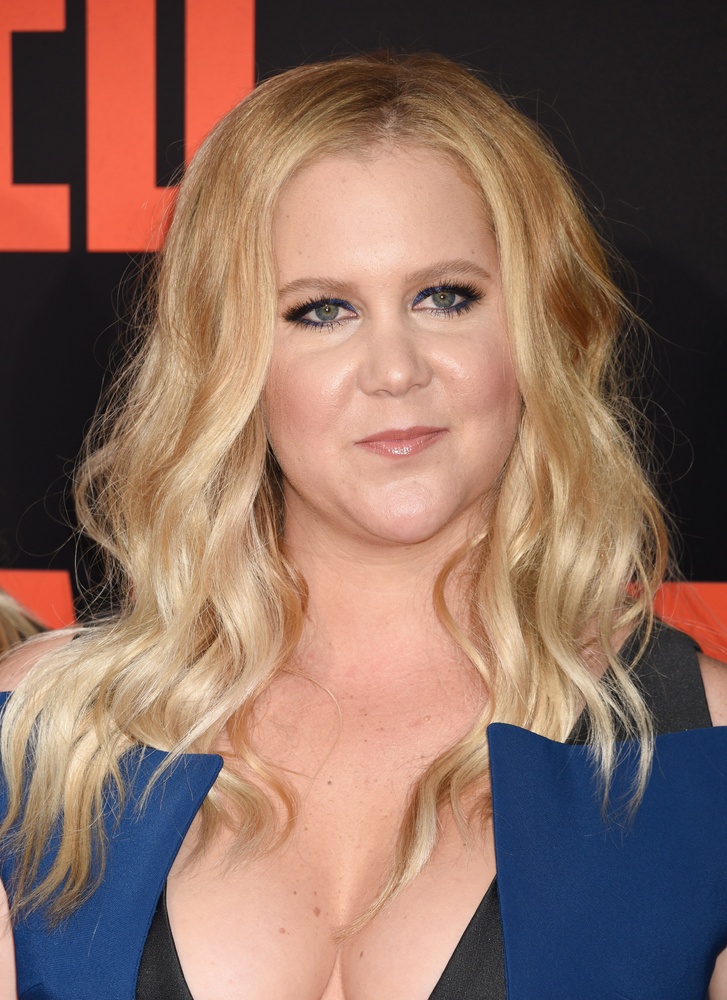
Amy Schumer disclosed in February 2024 that she had been diagnosed with Cushing syndrome after medical tests conducted while she was promoting Life & Beth. The condition involves prolonged exposure to excess cortisol and can have several different causes. Schumer said her particular form was expected to resolve, and by late 2025 she stated publicly that the disease had cleared. That makes careful wording especially important: presenting her as currently “suffering” from Cushing syndrome would ignore her later update. Schumer’s experience also became intertwined with public commentary about her appearance, which she said contributed to her realizing that something medically unusual was happening.
Daisy Ridley and Graves’ Disease
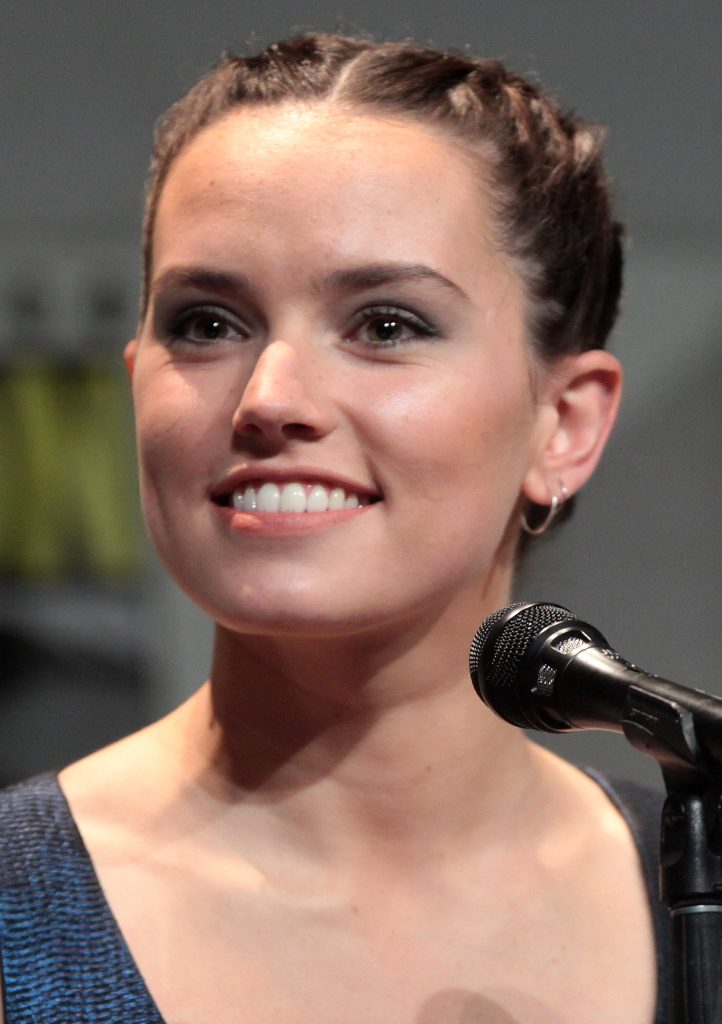
Daisy Ridley revealed that she was diagnosed with Graves’ disease after experiencing symptoms including fatigue and a racing heart. Graves’ is an autoimmune condition affecting the thyroid, and Ridley said receiving a diagnosis helped explain what she had been feeling. She has discussed adjusting aspects of her routine while working with medical professionals to manage the condition. The Star Wars actor’s disclosure is another reminder that a person can remain professionally active while dealing with symptoms the audience never sees onscreen. Ridley spoke publicly because the diagnosis gave context to her experience, not because a medical condition should replace the rest of her identity or career.
Featured Image: Shutterstock
Leave a Reply