
A recent opinion column generated attention after an unnamed Hollywood source reportedly said that “people hate” Angelina Jolie. The remark was striking, but the report did not identify the people supposedly represented by that statement or provide examples showing widespread professional hostility toward the actor and filmmaker.
That missing context is important. One anonymous person may have direct knowledge of part of the entertainment industry, but a single opinion cannot establish what Hollywood collectively believes. The statement should therefore be presented as an unverified personal assessment, not as evidence that an entire professional community has rejected Jolie.
What the Report Said

The remark appeared in a Daily Mail opinion column published on July 19, 2026. Other entertainment outlets repeated it while noting that the source remained unidentified. The original account did not name actors, directors, producers or studio executives who allegedly shared the view. Without those details, readers cannot judge whether the speaker had broad industry knowledge or a personal grievance.
The Timing of the Story

The opinion emerged as several of Jolie and Brad Pitt’s children received attention over surname changes. Maddox and Zahara were reported to have filed petitions, while Shiloh’s change had already been approved. Those legal developments are reportable facts. However, they do not prove the anonymous claim about Jolie’s reputation or reveal how unrelated Hollywood professionals feel about her.
A Long Hollywood Career

Jolie has worked in the entertainment industry for decades as an actor, director and producer. She won an Academy Award for Girl, Interrupted and later received another nomination for Changeling. Her recent portrayal of Maria Callas in Maria brought renewed attention to her dramatic work. Continued employment and major collaborations do not prove universal popularity, but they complicate claims of industry-wide rejection.
A Divisive Public Figure

Jolie has attracted both admiration and criticism throughout her career. Her relationships, humanitarian work, health disclosures, parenting and legal disputes have all received intense coverage. A highly visible person can inspire sharply different reactions. However, controversy and divided public opinion are not the same as verified evidence that colleagues broadly “hate” someone.
The Divorce Adds Context
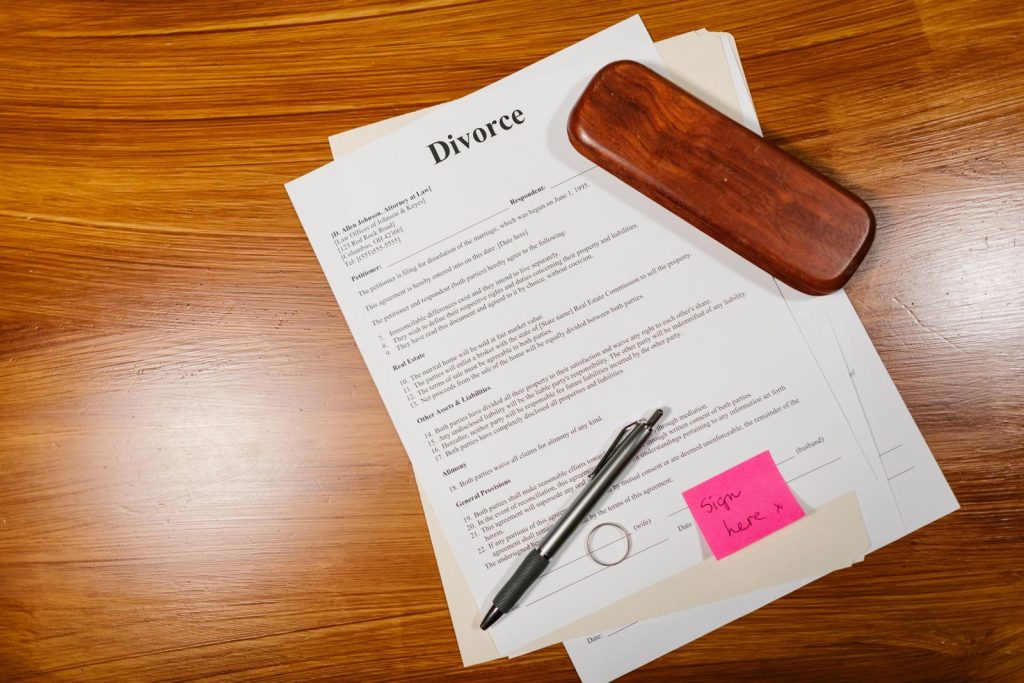
Jolie and Pitt reached a divorce settlement in late 2024, more than eight years after she filed. A separate dispute involving their former shared winery, Château Miraval, continued beyond the divorce settlement. Both sides have made competing legal claims. That history explains public interest in their family, but it does not validate anonymous judgments about either person’s character.
Anonymous Sources Need Support

Anonymous sourcing can be necessary when a person risks professional or personal consequences for speaking publicly. Even then, strong reporting should explain how the source knows the information and why the source is credible. A broad emotional statement requires particular caution. Without supporting names, incidents or records, “people hate her” remains opinion rather than established fact.
Opinion Is Not Proof

The fairest conclusion is that an unidentified source expressed a strongly negative opinion about Jolie. That is the limit of what the available evidence establishes. Articles can report that the comment was made, but they should not convert it into a factual description of Hollywood. Clear attribution protects readers from confusing an anonymous judgment with a verified industry consensus.
Featured Image: “Angelina Jolie” by Foreign and Commonwealth Office is licensed under CC BY 2.0
Leave a Reply