Being left behind by a parent is one of the most emotionally layered experiences a person can carry through life, and it turns out, fame provides no protection from that kind of pain. Some of today’s biggest celebrities were abandoned in infancy, while others spent years navigating the slow unraveling of estrangement. Whether they were adopted, raised by a single parent, or quietly piecing together a childhood without one half of their family, these public figures have all faced the reality of parental absence in their own way.
Demi Lovato
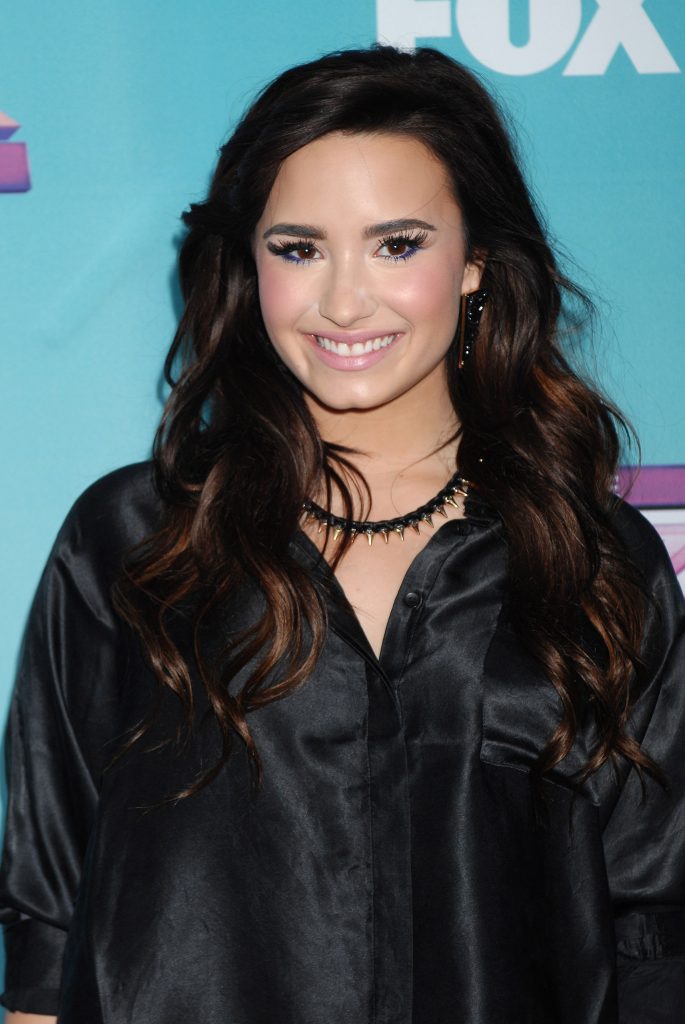
Growing up, Demi Lovato rarely had her father Patrick in her life, as his world was consumed by mental illness and addiction. Lovato has spoken openly about how his absence shaped her own struggles. “My dad was an addict, and I guess I always searched for what he found in substance and spirits because it fulfilled him and he chose that over a family,” she said.
Patrick passed away from cancer in 2013, and Lovato channeled her complicated feelings into a song titled “Father.” Despite everything, she remembered him with a measure of compassion: “He was mean, but he wanted to be a good person. And he wanted to have his family… he still had this huge heart where he said, ‘I’m so glad that [my stepfather is] taking care of you and doing the job that I wish I could do.’”
Jamie Foxx
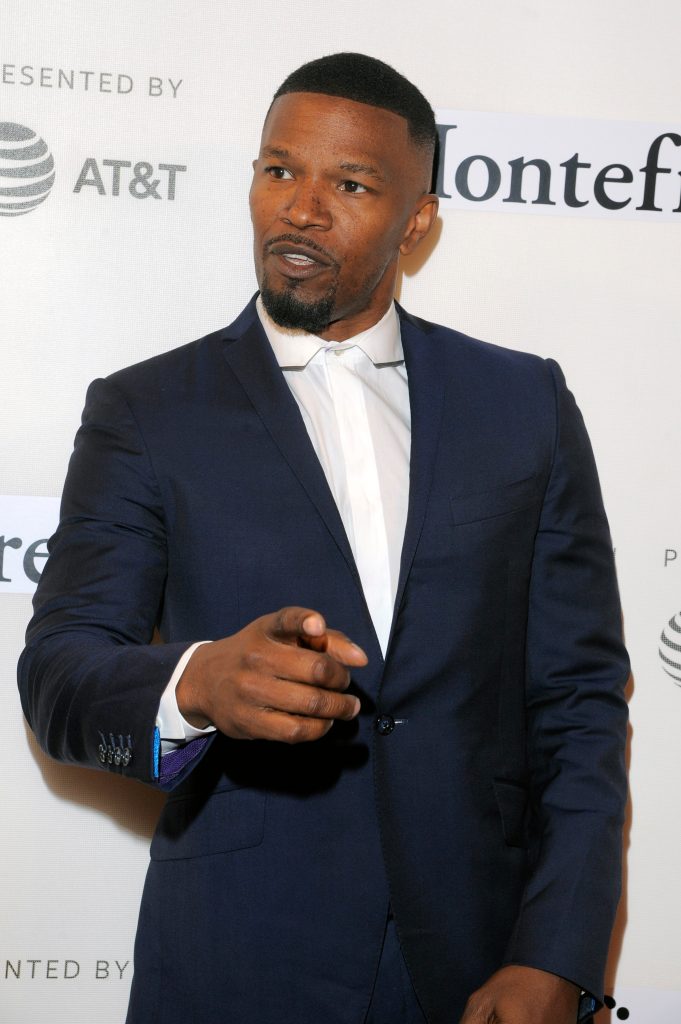
Eric Marlon Bishop, known to the world as Jamie Foxx, was not raised by either biological parent. Instead, his birth mother’s foster parents stepped in and brought him up. As an adult, Foxx made genuine efforts to reconnect with both his mother and father. Of the relationship with his mother, he said simply: “We’re trying to learn [about] each other.”
His reconnection with his father has carried more emotional weight. Foxx says he holds no bitterness, yet he struggles with the fact that his biological dad lived just 28 miles away during his childhood, close enough to be present, but never there.
Adele
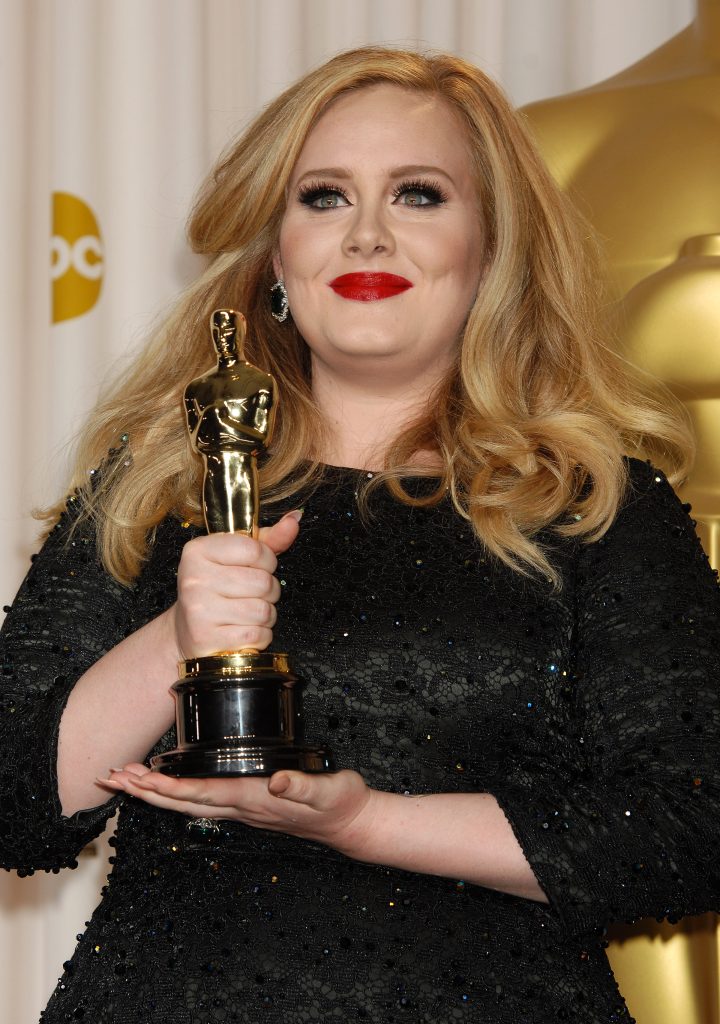
Adele was only three years old when her father, Mark Evans, walked out of her life. Evans has since explained that deep addiction had taken hold of him at the time, and he believed staying away was, in his own mind, a form of protection, sparing his daughter from seeing him at his worst.
That wound became publicly visible at the 2017 Grammy Awards, when Adele used her acceptance speech to honor her manager in deeply personal terms: “I love you like you’re my dad. I love you so, so much. I don’t love my dad, that’s the thing. That doesn’t mean a lot. I love you like I would love my dad.”
Kate Hudson
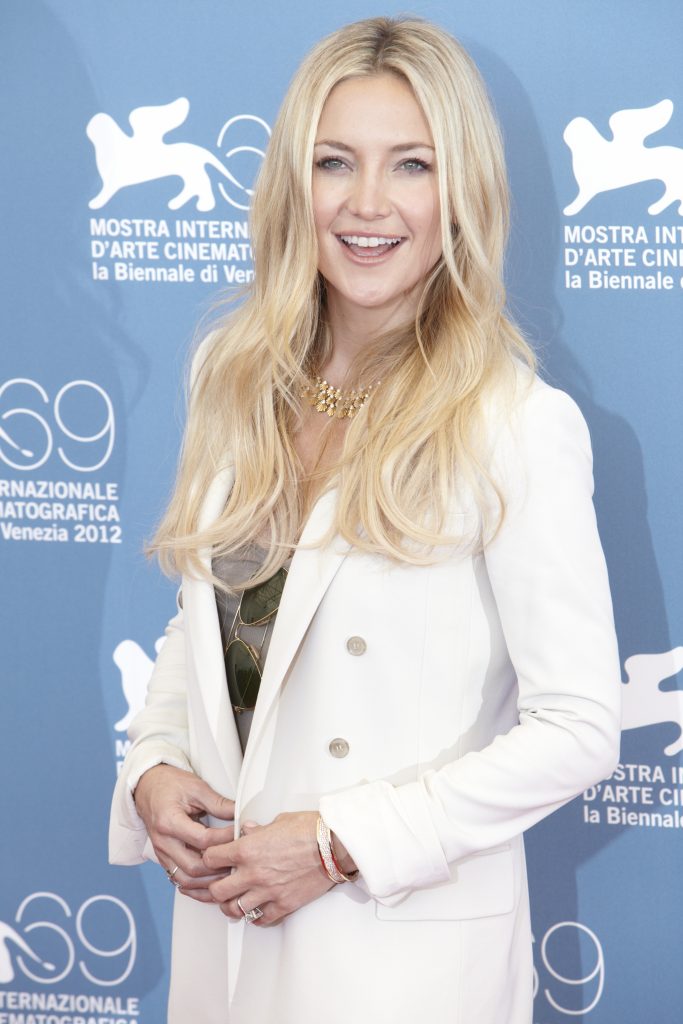
Bill Hudson, Kate Hudson’s biological father, gradually faded from his children’s lives after separating from their mother. “He was around when we were young, it sort of teetered out,” Kate has said. Despite the hurt, she has approached it with a kind of hard-won acceptance: “I really do recognize whatever those issues are, it’s just something that he has to live with, and that must be painful for him, so I forgive him.”
Still, understanding has its boundaries. “There is always the inability for me to understand my father. I don’t understand it,” she has admitted. Hudson grew up alongside her mother Goldie Hawn and stepfather Kurt Russell, who offered the stability her biological father never could.
Angelina Jolie
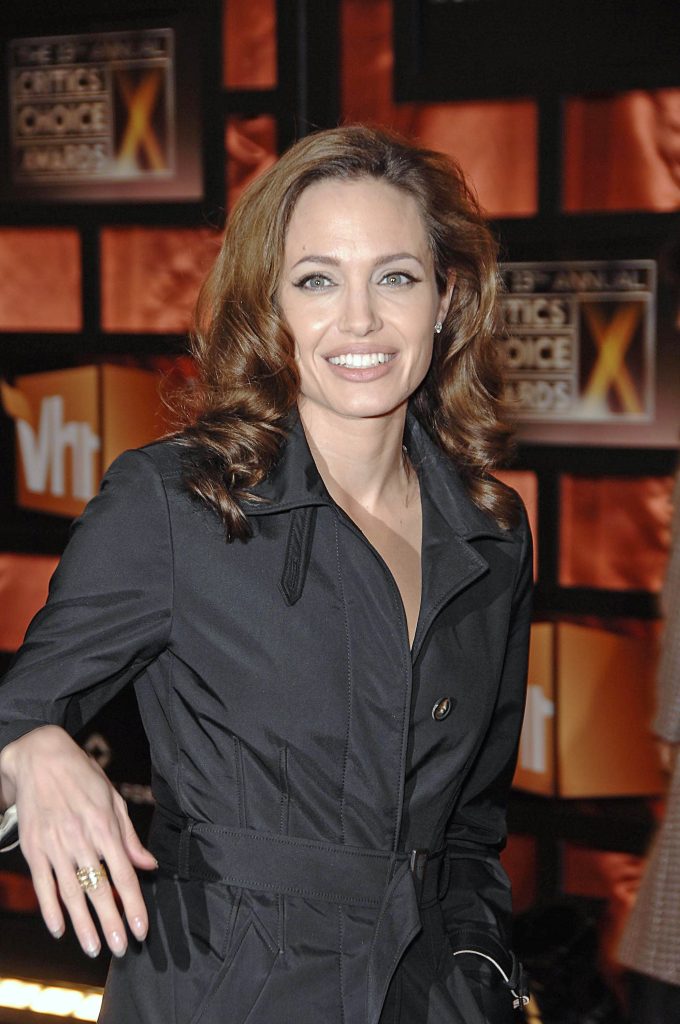
The estrangement between Angelina Jolie and her father, Oscar-winning actor Jon Voight, is among Hollywood’s most widely documented family rifts. It reportedly began when Voight left the family while Jolie was barely a year old, amid allegations of infidelity.
Her mother, Marcheline Bertrand, encouraged the two to maintain some form of relationship, and they eventually appeared together on screen in the 2001 film Lara Croft: Tomb Raider. But things fell apart again the following year when Voight made damaging public remarks about his daughter’s mental state. The two were believed to have quietly rebuilt some connection around 2010.
John Lennon
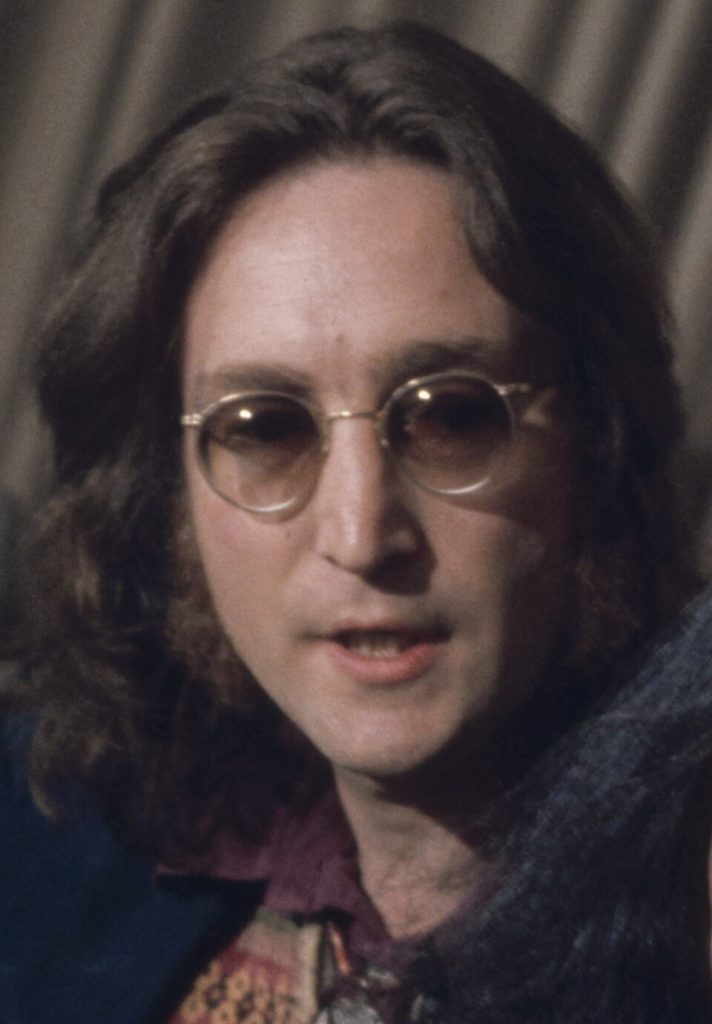
For much of his life, John Lennon’s father Alfred, known as Freddie, was little more than an absence. “I never knew my father. I saw him twice in my life till I was 22, when he turned up after I’d had a few hit records. I saw him and spoke to him, and decided I still didn’t want to know him,” Lennon stated plainly in a 1966 interview.
A later attempt at reconciliation in 1970 ended badly. But after Freddie’s death in 1975, Lennon reflected on that moment with regret rather than anger: “I wish I hadn’t [turned him away] really because everyone has their problems, including wayward fathers. I’m a bit older now and I understand the pressure of having children or divorces and reasons why people can’t cope with their responsibility.”
Eminem
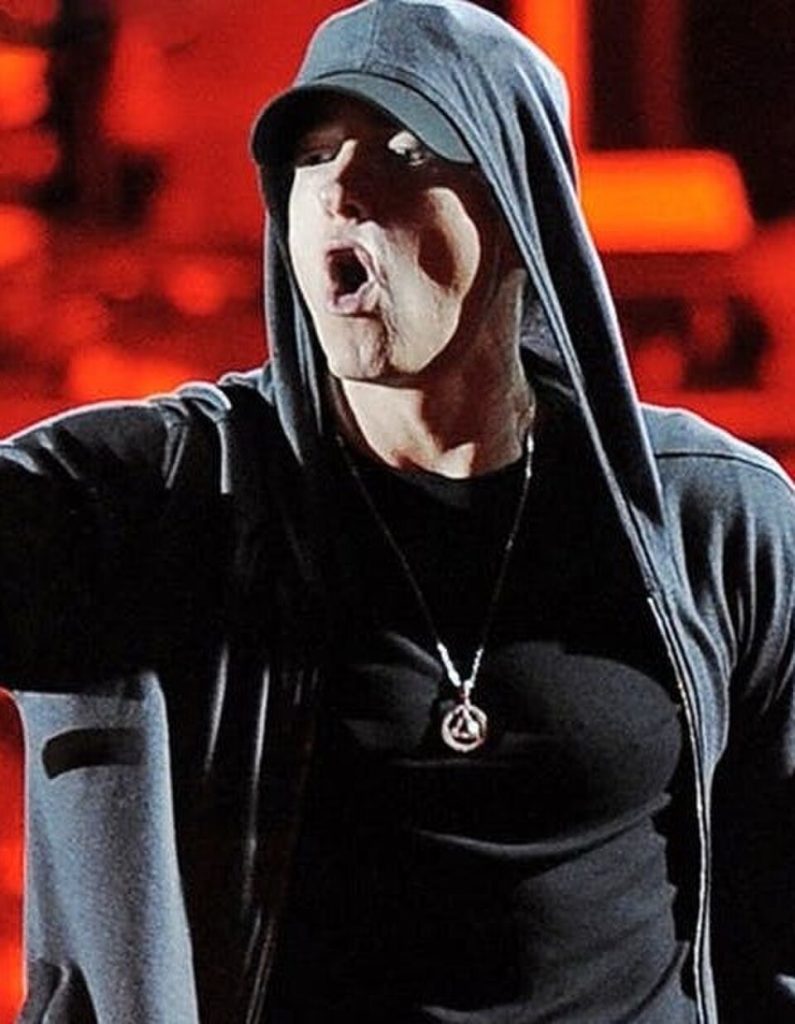
Marshall Bruce Mathers III never had the opportunity to know his father, who left when Eminem was still an infant. His relationship with his mother, Debbie Nelson, also carried its share of difficulty over the years.
In her 2008 memoir, My Son Marshall, My Son Eminem, Nelson wrote of the toll his fatherless upbringing took on the family: “He never knew his father, and I did all I could to make up for it. To tell the truth, I was heartbroken.”
Eartha Kitt
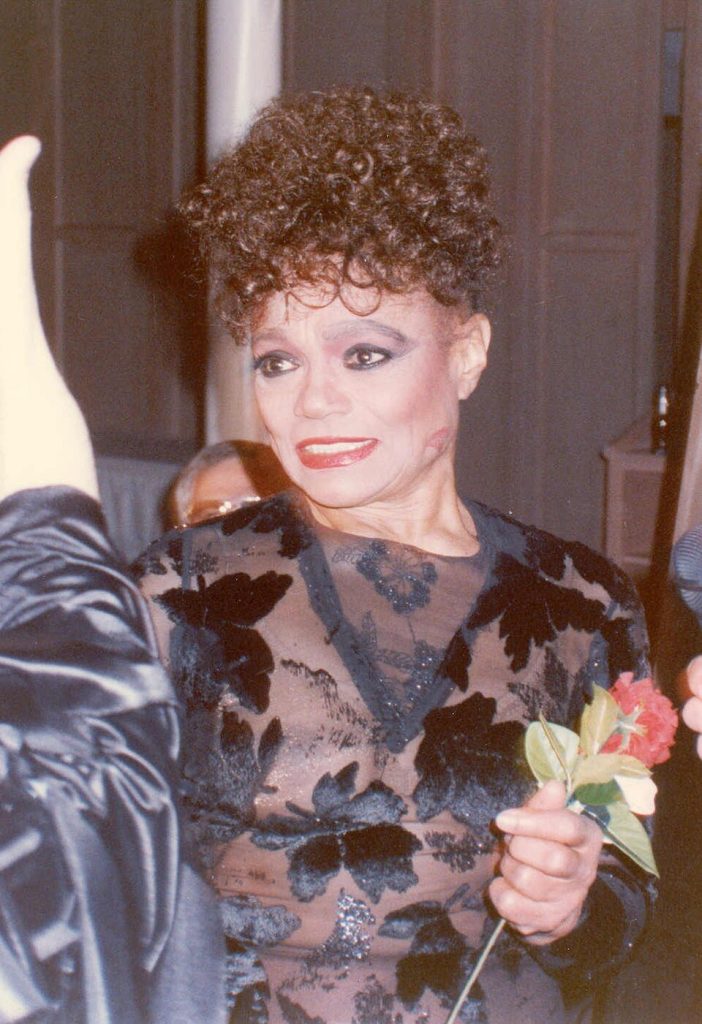
Eartha Kitt went through her entire life without ever learning who her father was. When her daughter Kitt Shapiro uncovered her birth certificate in 1998, the space where her father’s name should have appeared had been deliberately blacked out. Shapiro reflected on what that erasure meant: “They were protecting the white man because they would not have gone to that trouble to protect a black man.”
Kitt’s hardship did not end there. Her mother also abandoned her, and the years that followed were marked by suffering and mistreatment, in part because her lighter complexion set her apart within the community around her.
Kelly Clarkson
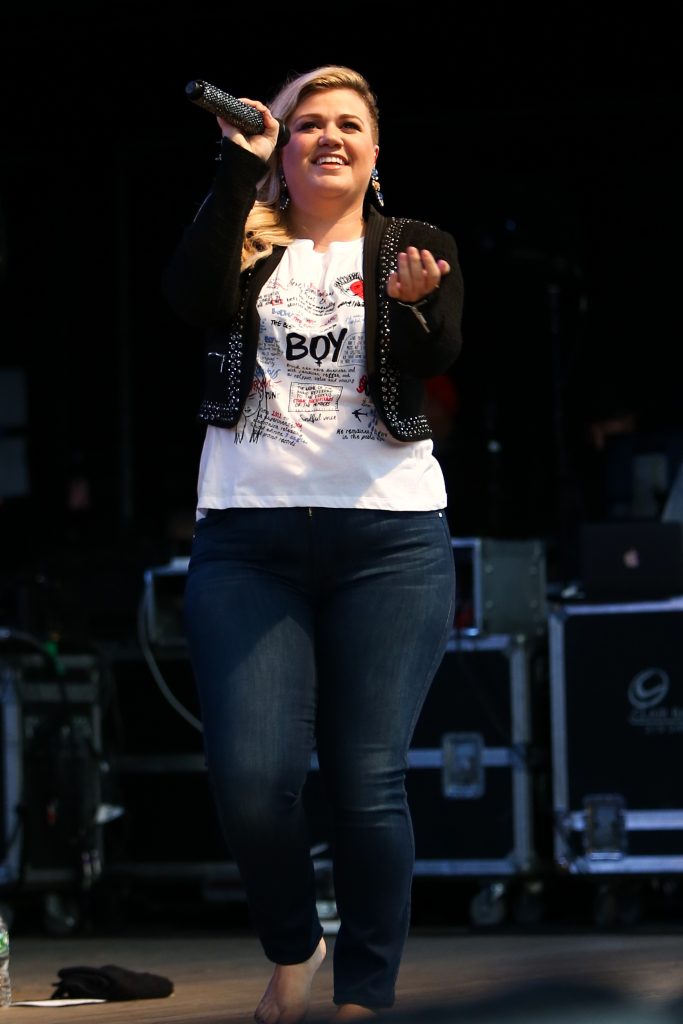
Kelly Clarkson’s father left the family while she was still a child. Rather than dwelling in that grief, Clarkson has built a philosophical outlook around it: “I think if you don’t grow up with it, it’s hard to miss something you never had.”
She did extend an olive branch over the years, reaching out in hopes of building some kind of connection, but nothing came of it. “You’re like, ‘I shouldn’t have to work this hard for someone’s love. Like, that’s a little ridiculous,’” she said.
Steve Jobs
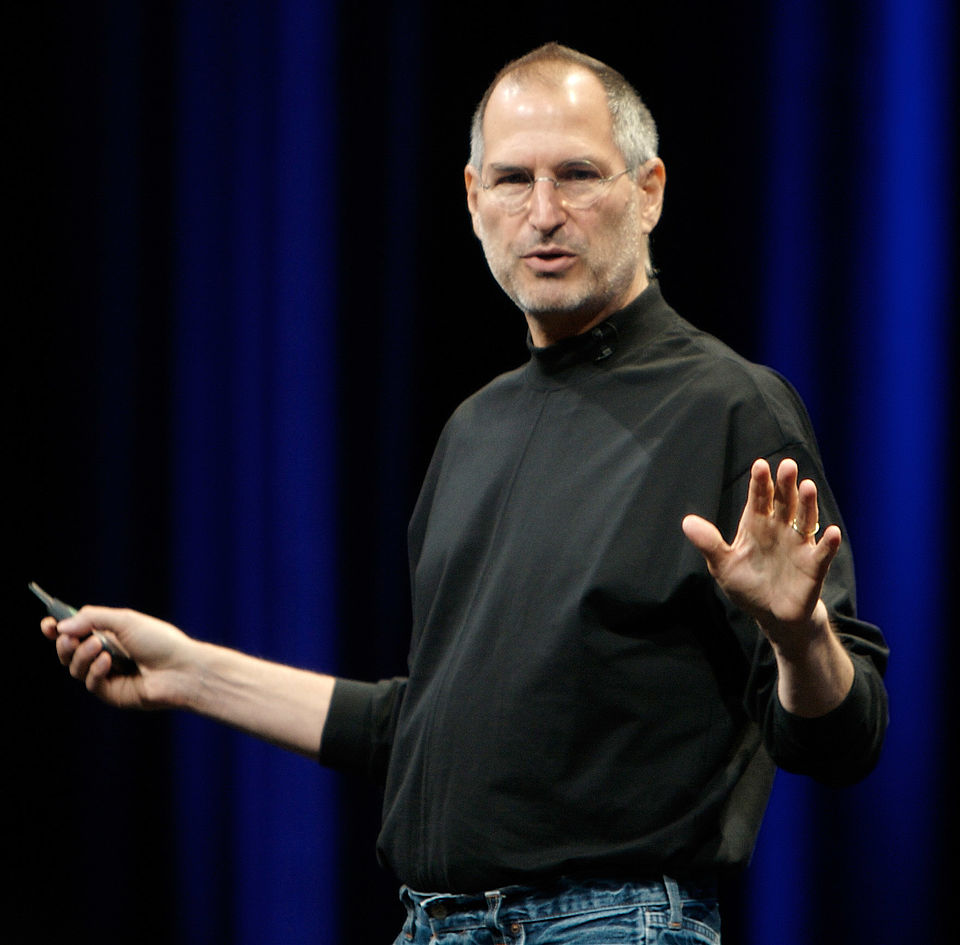
Steve Jobs was born to Abdulfattah “John” Jandali and Joanne Carole Schieble, a couple whose relationship was blocked by Schieble’s disapproving father. She relocated to San Francisco, gave birth, and ultimately placed the baby for adoption with Paul and Clara Jobs.
When Jobs later searched for his biological roots, what he discovered about his father left him unmoved. “I learned a little bit about him and I didn’t like what I learned. I asked her to not tell him that we ever met,” the Apple co-founder said.
Justin Bieber
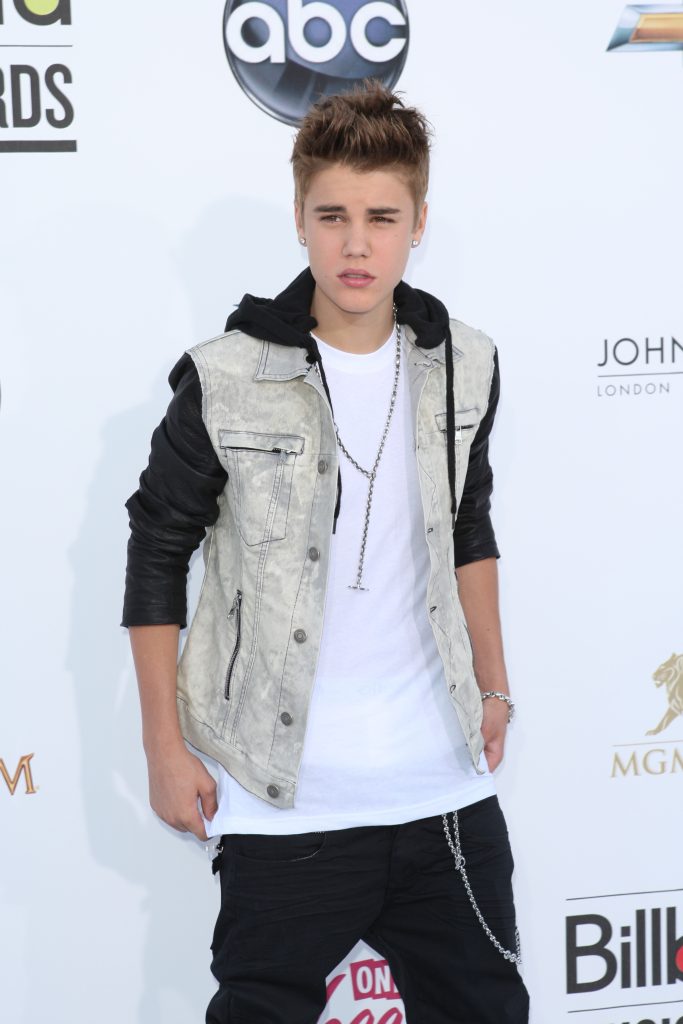
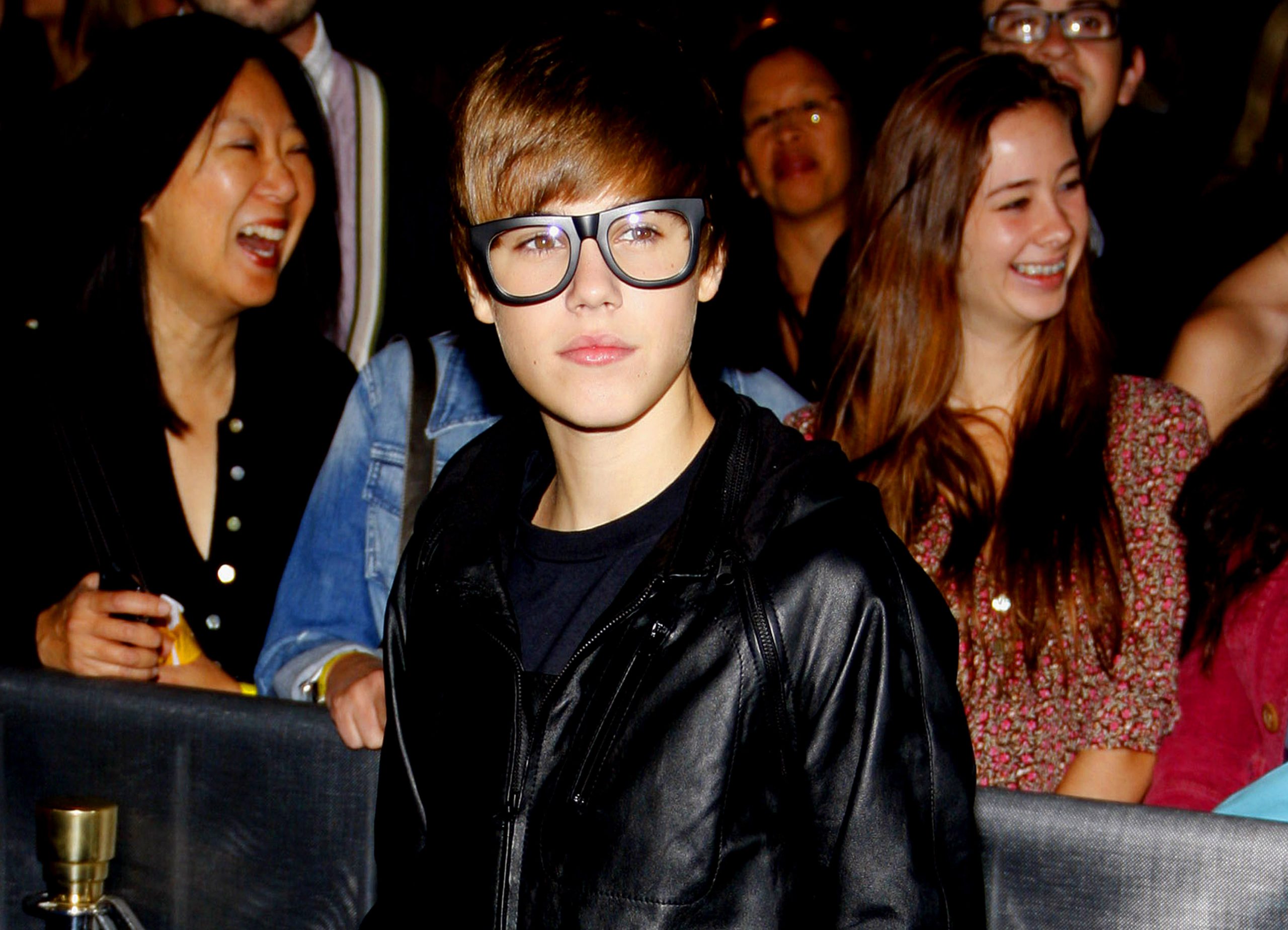
Jeremy Bieber was in and out of his son Justin’s early life, disappearing for roughly a year around the time Justin was four before eventually returning and committing to a more consistent presence. “He was immature. He left for like a year when I was about 4, went to British Columbia, came back on Father’s Day,” Justin recalled.
He has also pushed back against harsher portrayals of his father. “There’s a misconception that he’s this deadbeat dad, but he has been in my life since. I was with him on weekends and Wednesdays,” he said.
Enrique Iglesias
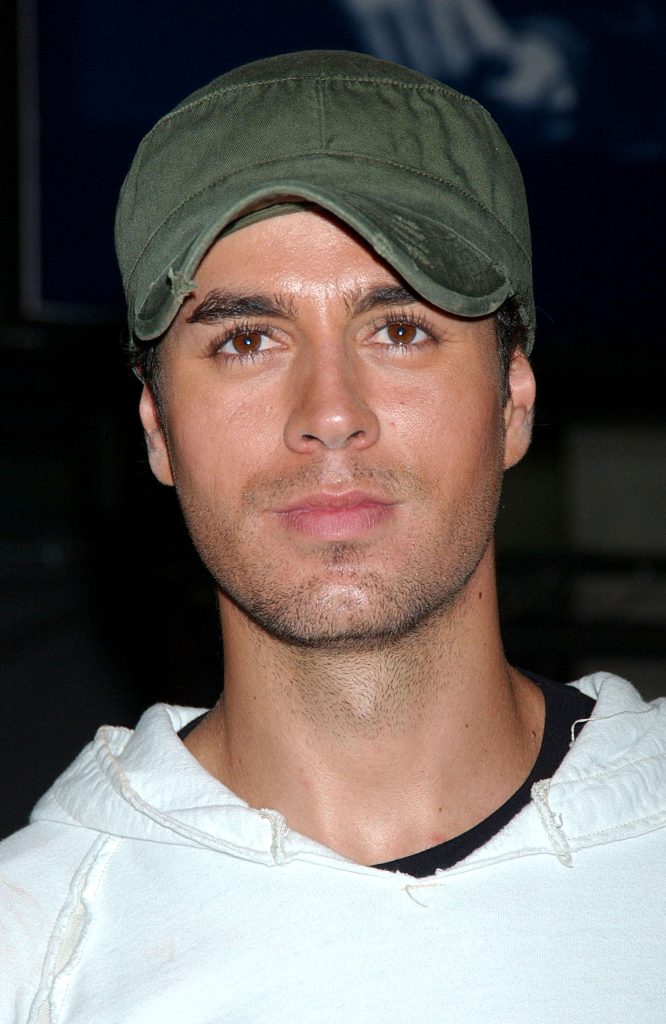
Enrique Iglesias was living in Madrid with his mother after his parents, singer Julio Iglesias and socialite Isabel Preysler, went their separate ways. A traumatic event reshaped that arrangement: when Enrique’s grandfather was taken hostage for two weeks by the Basque separatist group ETA, the family decided it was safer to send the boy to live with his father in Miami.
But life with Julio came with its own form of distance. The elder Iglesias’s relentless touring schedule left Enrique largely in the care of his nanny, Elvira Olivares. The father-son bond remained thin across the years, kept alive mostly through occasional visits rather than any genuine day-to-day connection.
Tyga
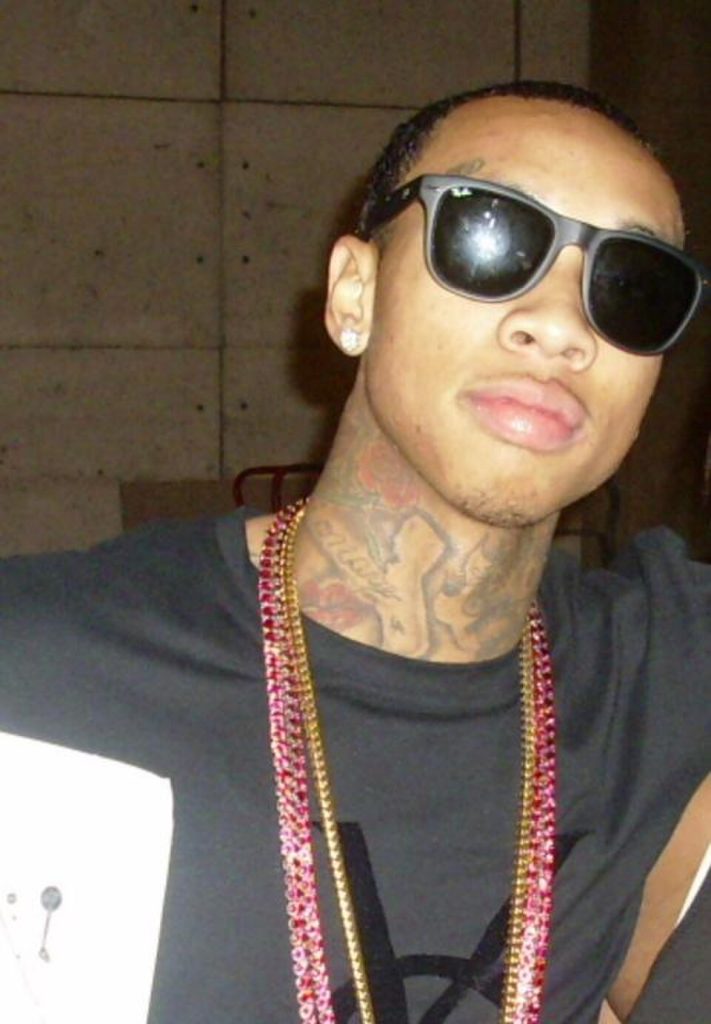
Tyga’s father spent most of his son’s childhood incarcerated, leaving the rapper to grow up in his absence. Tyga transformed that experience into music with his 2009 track “Dad’s Letter,” giving voice to feelings he had carried for years. Among its lines: “Kinda just wished you taught me how to be a man” and “One day, I hope you hear this / I hope you doing better.”
Tommy Davidson
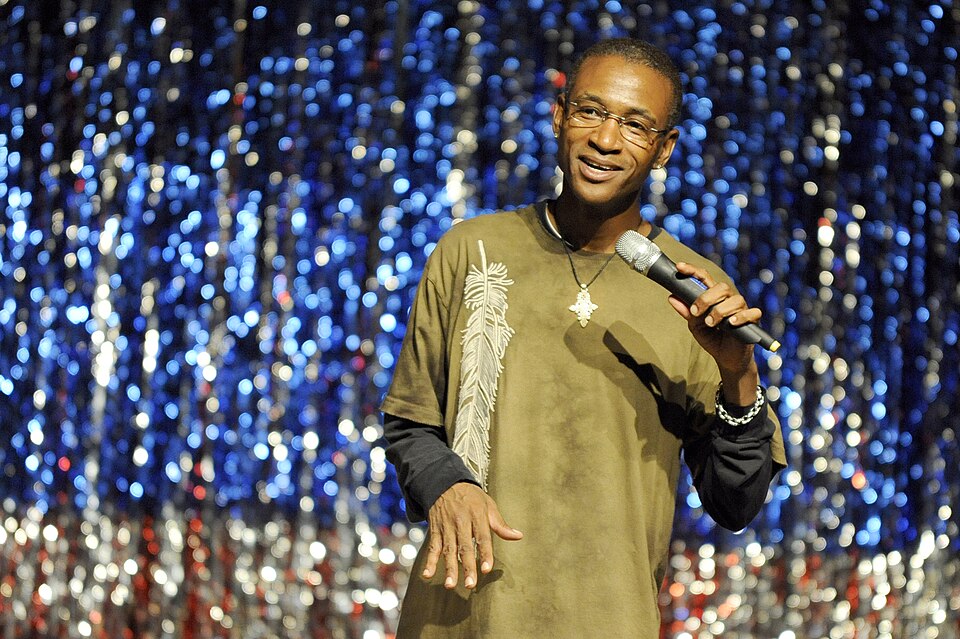
Tommy Davidson’s story begins with one of the most extreme forms of abandonment imaginable. He was approximately one year old when his future adoptive mother found him entirely by chance. “My mom who raised me, something told her to look behind this tire that was in a pile of trash, and she found me. I had been badly hurt and they didn’t even know if I was going to survive,” he recalled.
He was welcomed into a white family alongside two other children, and by his own account, the love he received growing up never once made him feel like an outsider. “The love that I got didn’t have any color,” he said.
Marilyn Monroe
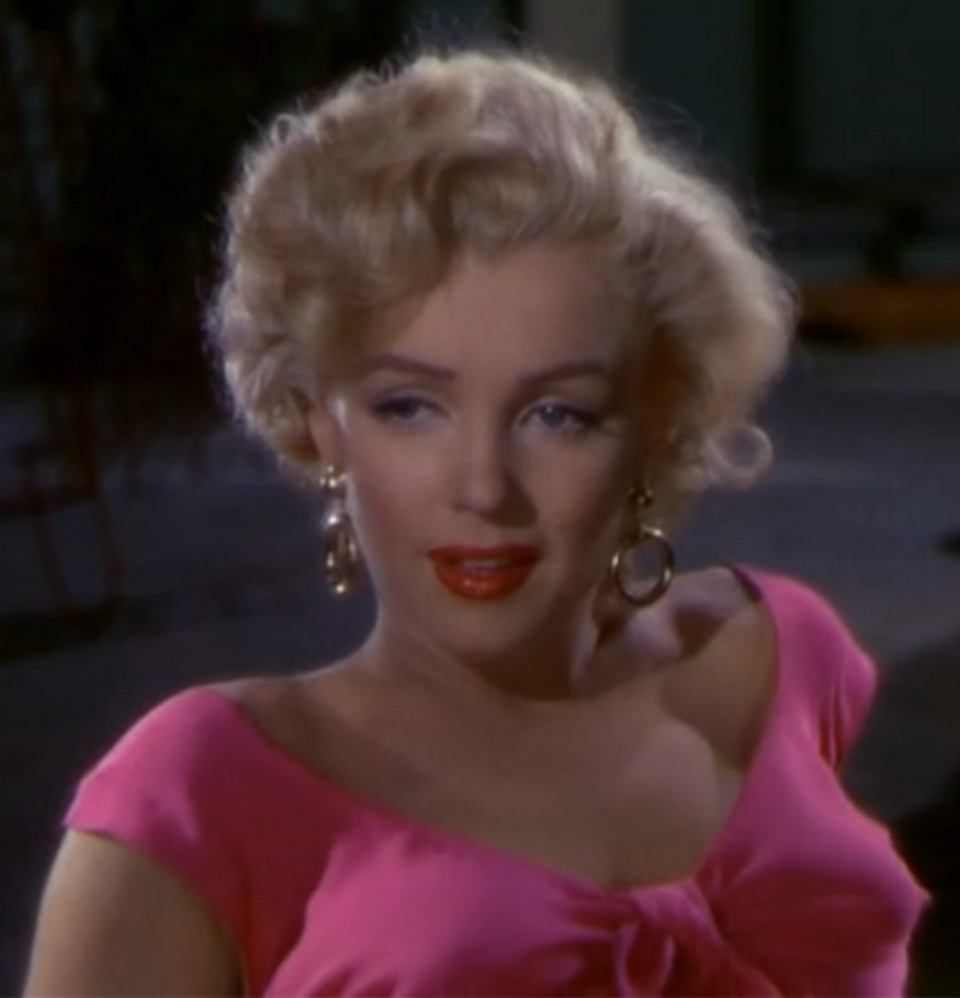
Born Norma Jeane Mortenson in Los Angeles in 1926, Monroe came into the world without a father, as her parents had separated before her birth. Her mother, Gladys Pearl Baker, made a few attempts at raising her daughter, but between those periods she placed the infant with foster parents Ida and Wayne Bolender.
Monroe’s childhood became a series of temporary homes. A family friend named Grace Goddard stepped in for a time, followed by a stay at the Los Angeles Orphans Home and eventually a placement with Goddard’s aunt. Her mother was later committed to a psychiatric institution after being diagnosed with paranoid schizophrenia, leaving Monroe to navigate her formative years largely without either parent.
Featured Image: depositphotos
Leave a Reply