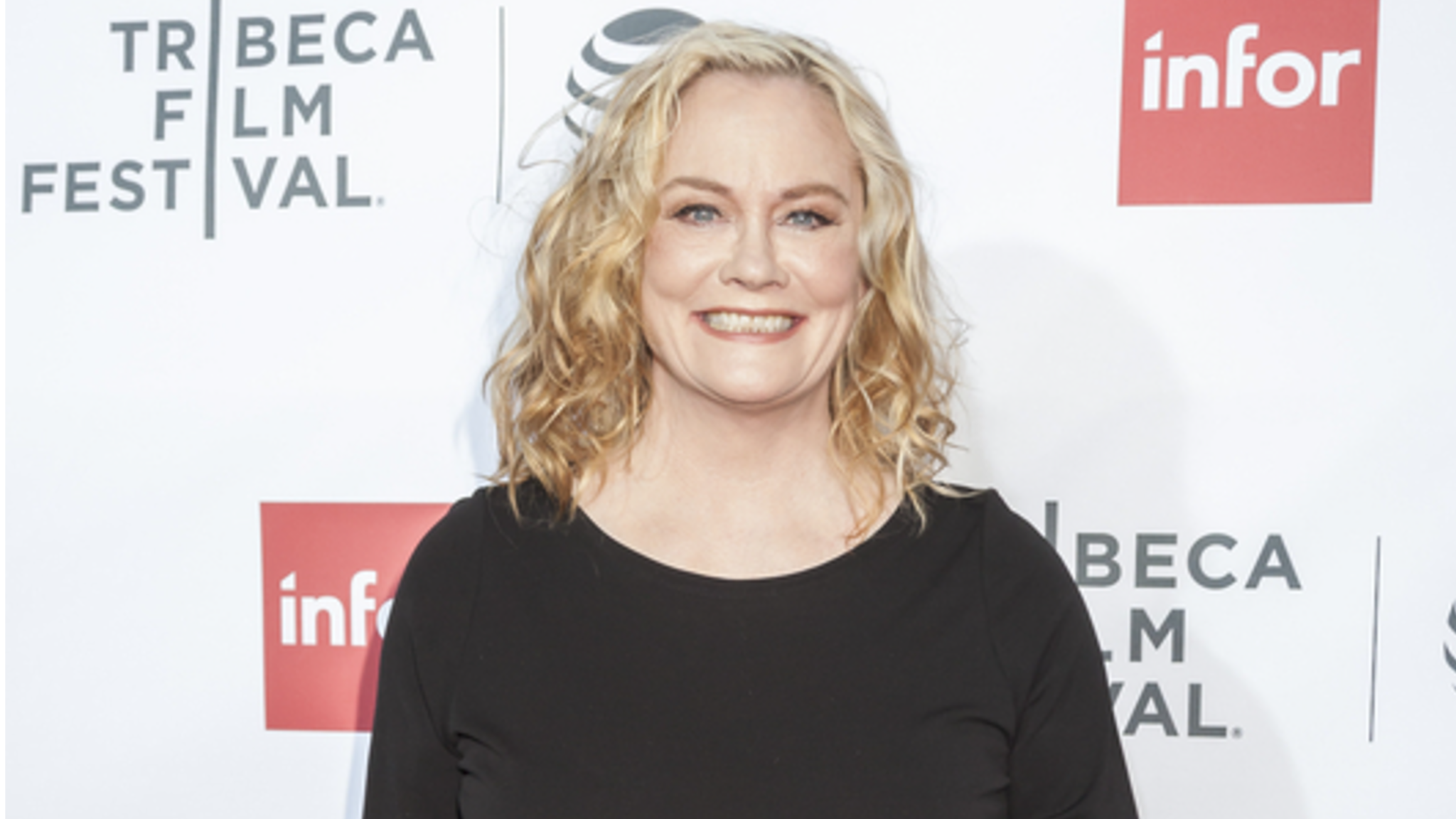
Cybill Shepherd moved from modeling to acclaimed movies, survived a career slowdown, and then found even greater fame on television. Her career has never followed one predictable path.
From The Last Picture Show to Moonlighting and Cybill, Shepherd repeatedly found new ways to stay relevant while refusing to remain only the glamorous face Hollywood first discovered.
Cybill Shepherd Began as a Model
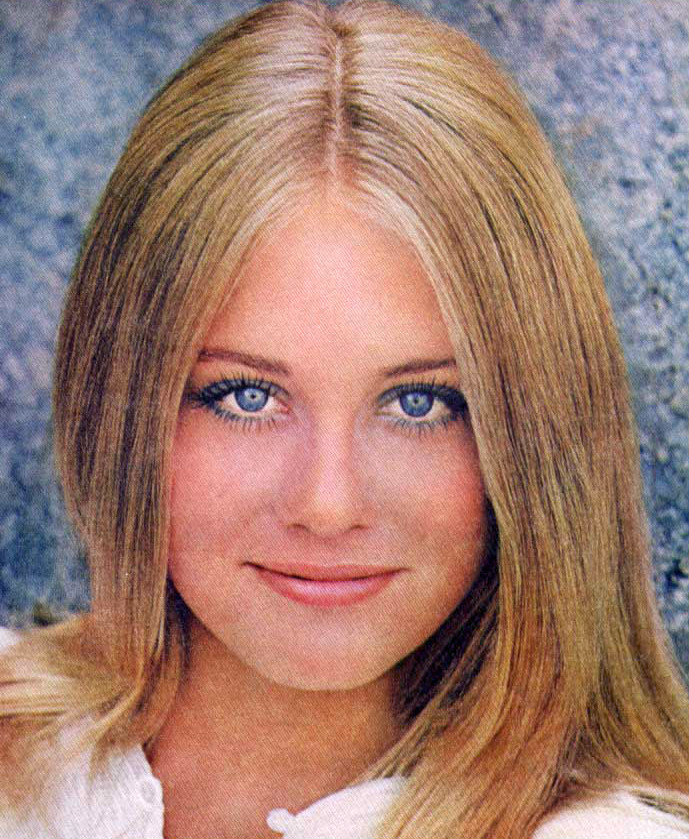
Cybill Shepherd entered entertainment through modeling rather than acting. By her late teens, she was appearing on major magazine covers and building a reputation as a striking new face. Director Peter Bogdanovich noticed the young fashion model on a magazine cover while preparing The Last Picture Show. That image helped open a completely different career. Shepherd went from professional modeling into a major film role without spending years working through minor Hollywood parts first.
Cybill Shepherd Became Jacy Farrow
Cybill Shepherd made her film debut as Jacy Farrow in Peter Bogdanovich’s The Last Picture Show in 1971. The critically acclaimed film transformed her from a magazine model into a Hollywood leading woman almost immediately. Shepherd later told PBS that The Last Picture Show remained one of the projects audiences mentioned most often when meeting her decades afterward. Her first film therefore became not simply an introduction but one of the defining performances of her entire career.
Cybill Shepherd Expanded Her Film Career
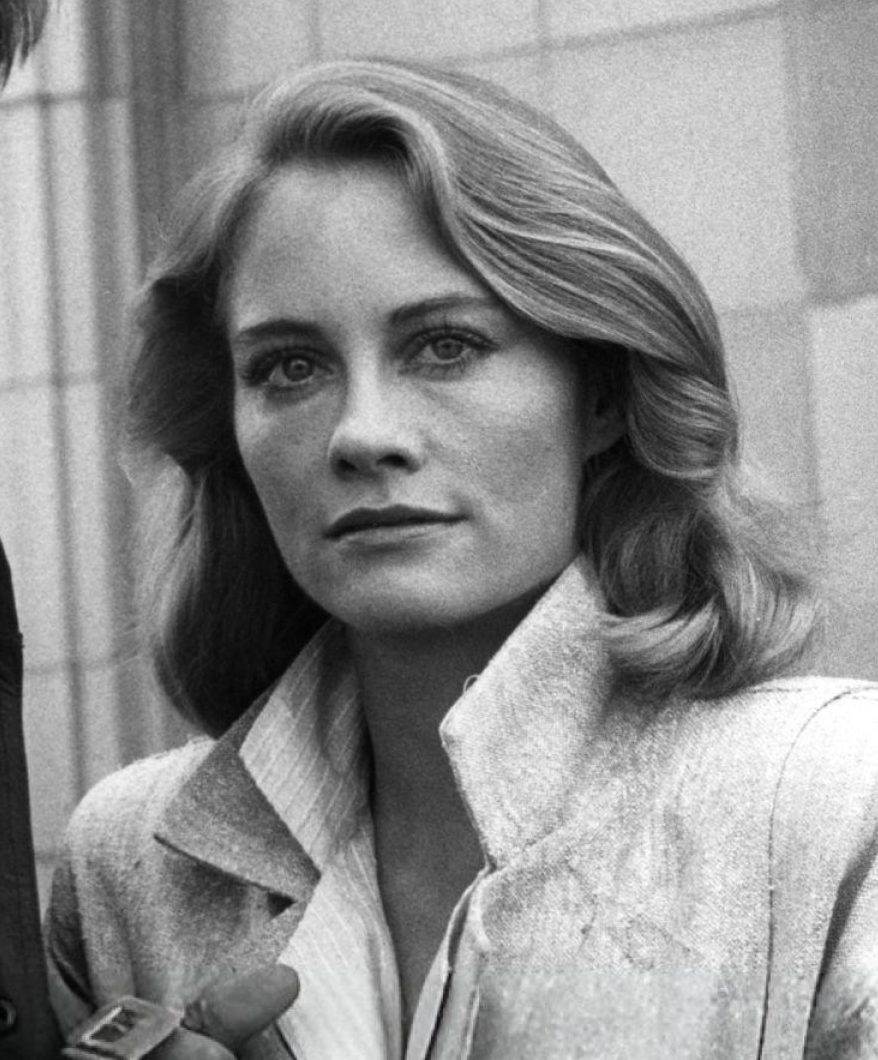
Cybill Shepherd followed her debut with Elaine May’s The Heartbreak Kid in 1972 and later appeared in Peter Bogdanovich’s Daisy Miller and At Long Last Love. She also played Betsy opposite Robert De Niro in Martin Scorsese’s Taxi Driver in 1976. The films varied widely in reception, and Shepherd’s early momentum did not continue smoothly. Still, they established that her career extended beyond one celebrated debut and placed her with several influential filmmakers of the era.
Cybill Shepherd Faced a Career Slowdown
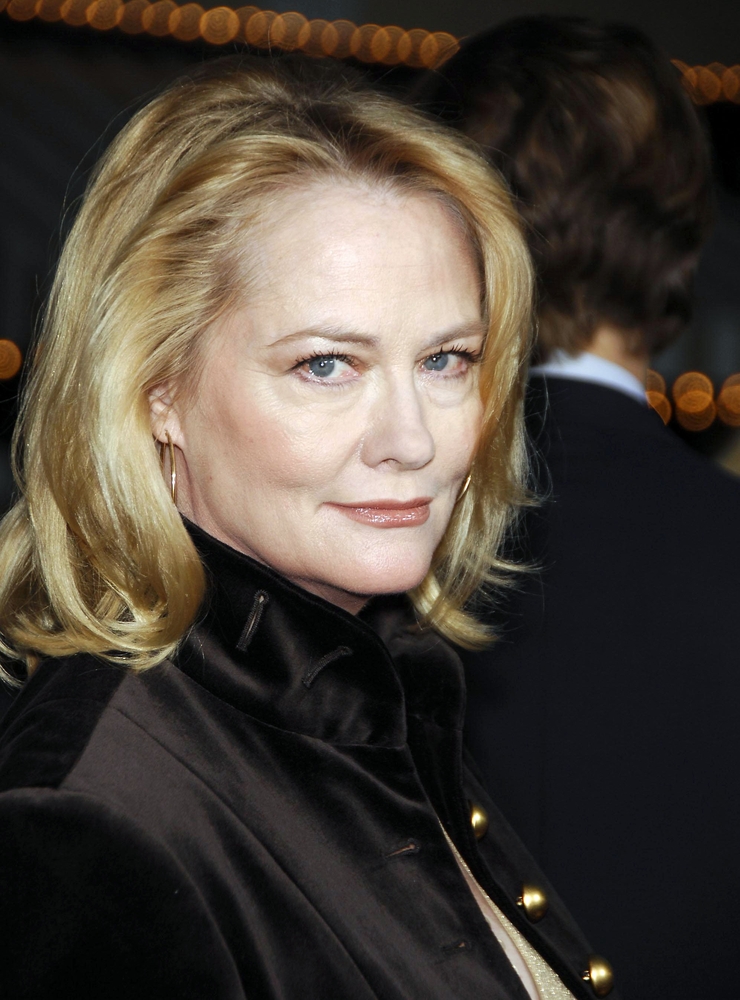
Cybill Shepherd’s rapid rise was followed by a difficult period when several films received poor reviews and major opportunities became less frequent. A 1991 Los Angeles Times profile described Moonlighting as giving Shepherd a major second act after her earlier film career lost momentum. Rather than remaining tied permanently to her first decade of stardom, she eventually found a medium that allowed her comic timing and confidence to become central strengths.
Cybill Shepherd Returned With Moonlighting
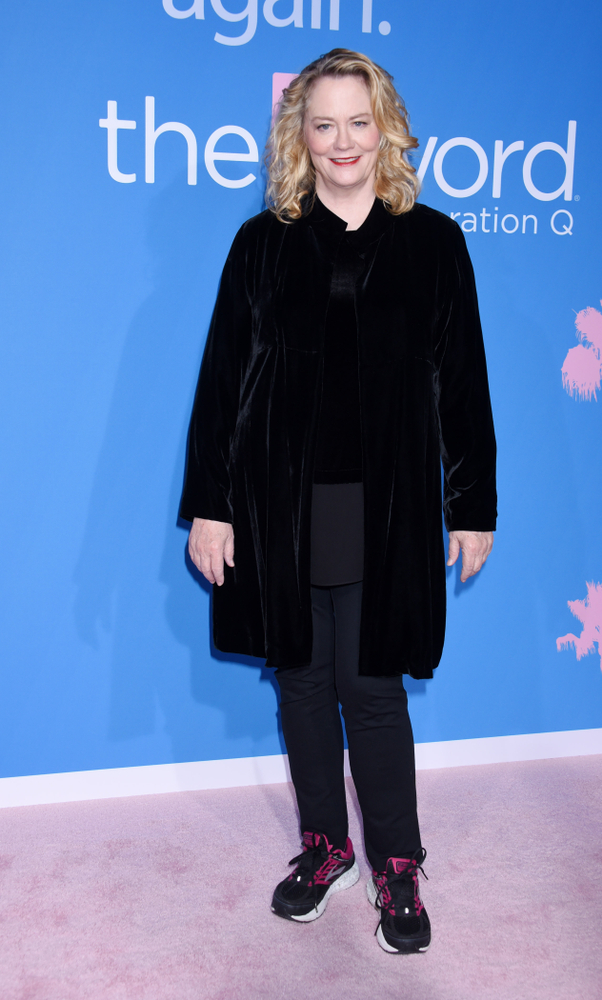
Cybill Shepherd’s career surged again when she became Maddie Hayes on Moonlighting opposite Bruce Willis in 1985. The detective comedy-drama mixed romance, mystery, and rapid-fire humor, creating a television style that depended heavily on the leads’ chemistry. Shepherd won Golden Globes for the role in both 1986 and 1987. The series did more than revive her visibility; it gave her one of the characters most strongly associated with her name.
Cybill Shepherd Made Herself the Sitcom
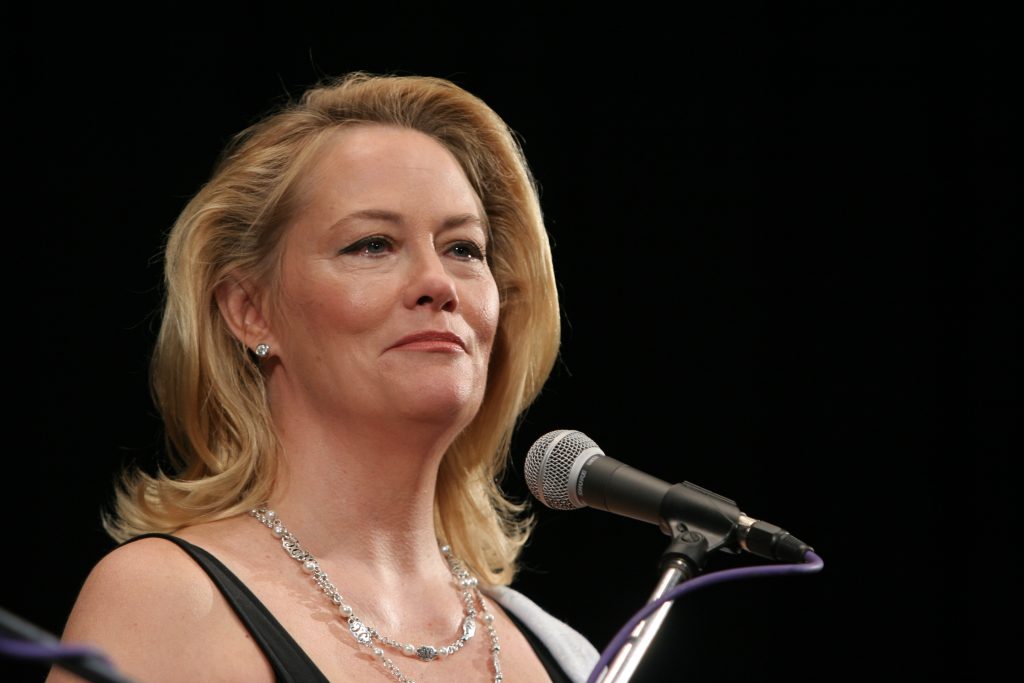
Cybill Shepherd found another television success with Cybill, which ran from 1995 to 1998. She played struggling actress Cybill Sheridan in a comedy that drew loosely from the frustrations and absurdities of Hollywood life. Shepherd won another Golden Globe for the series in 1996 and earned multiple Emmy nominations. The role was especially fitting because it transformed the difficulties of maintaining an acting career into material for one of her biggest later successes.
Cybill Shepherd Still Embraces Performing
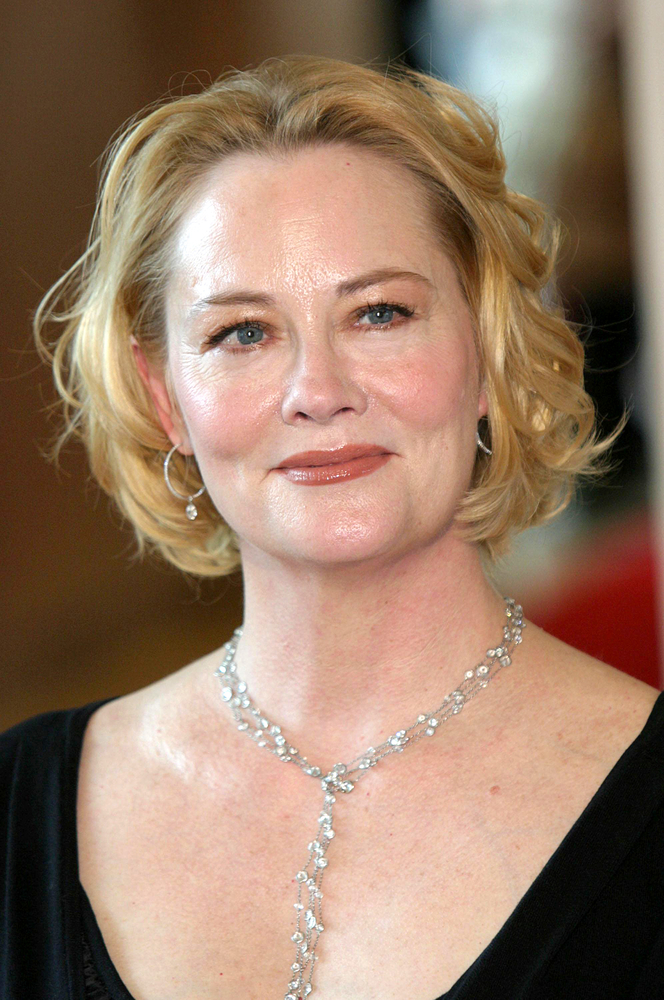
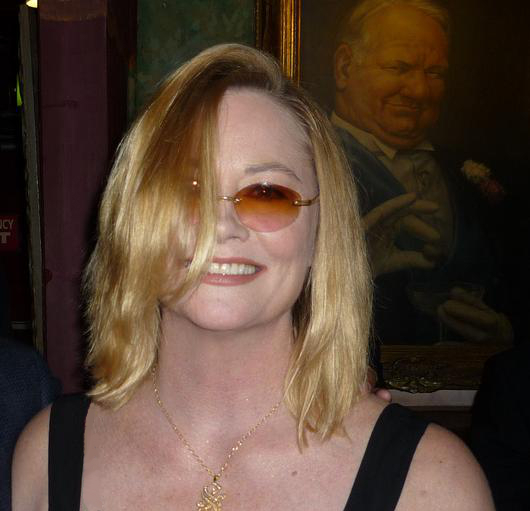
Cybill Shepherd continued acting after her biggest network successes, appearing in projects including The L Word, Psych, and later television films. She has also maintained her interest in music and live performance. In 2025, Shepherd returned to the stage with a cabaret-style show combining songs and stories from her career. At 75, she told PEOPLE that she hoped her legacy would involve bringing audiences love and fun.
Featured Image: Shutterstock
Leave a Reply