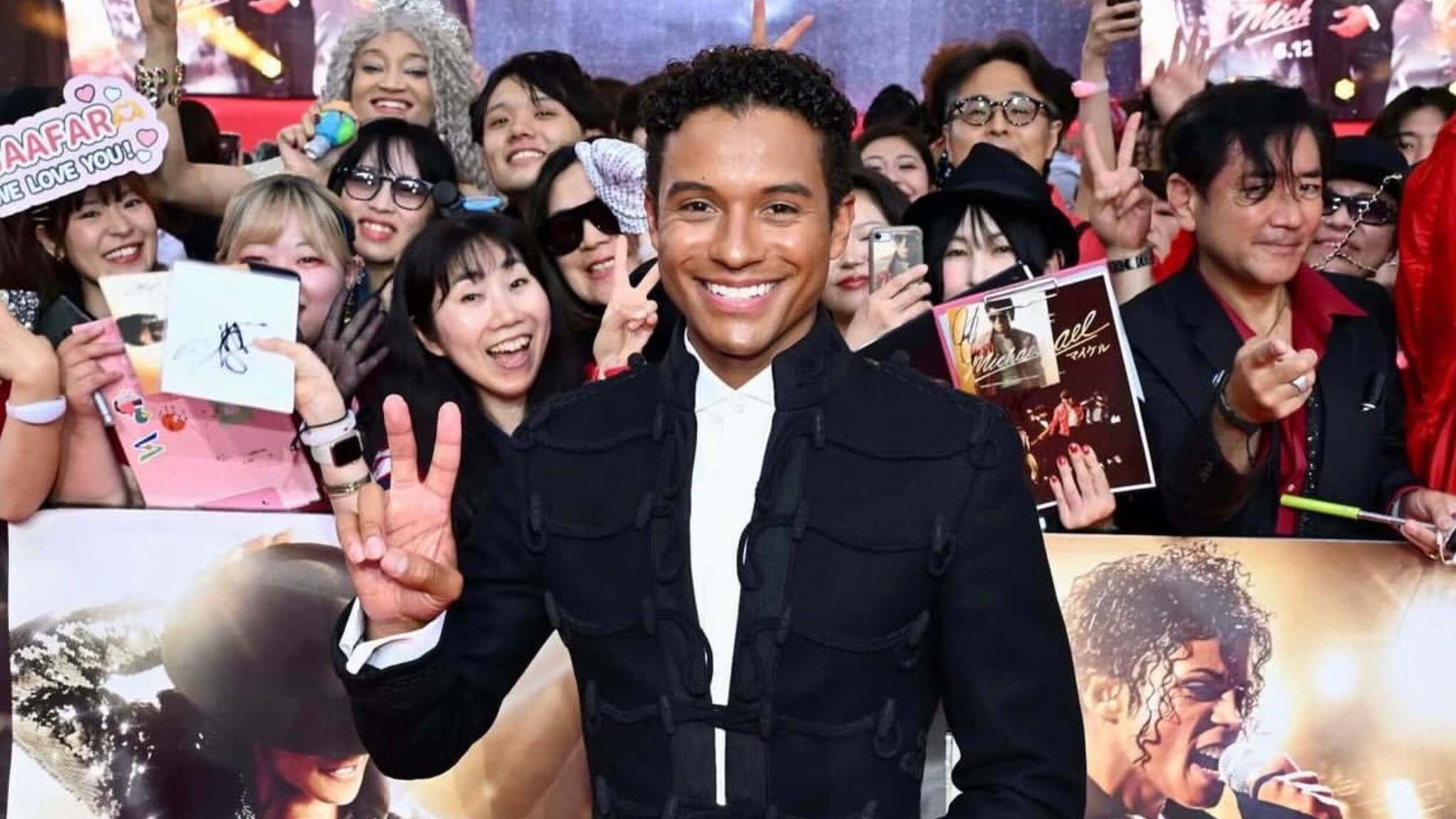
Biopics create an unusual challenge because audiences already know what the subject looked like. Makeup and costumes can help, but some casting decisions begin with a resemblance strong enough that side-by-side photographs immediately make sense.
Family connections sometimes provide the easiest answer, as with Michael Jackson and Ice Cube. Other performances required prosthetics, hair styling or major physical changes to turn a familiar actor into a historical figure whose face viewers already knew from photographs and video.
Jaafar Jackson as Michael Jackson
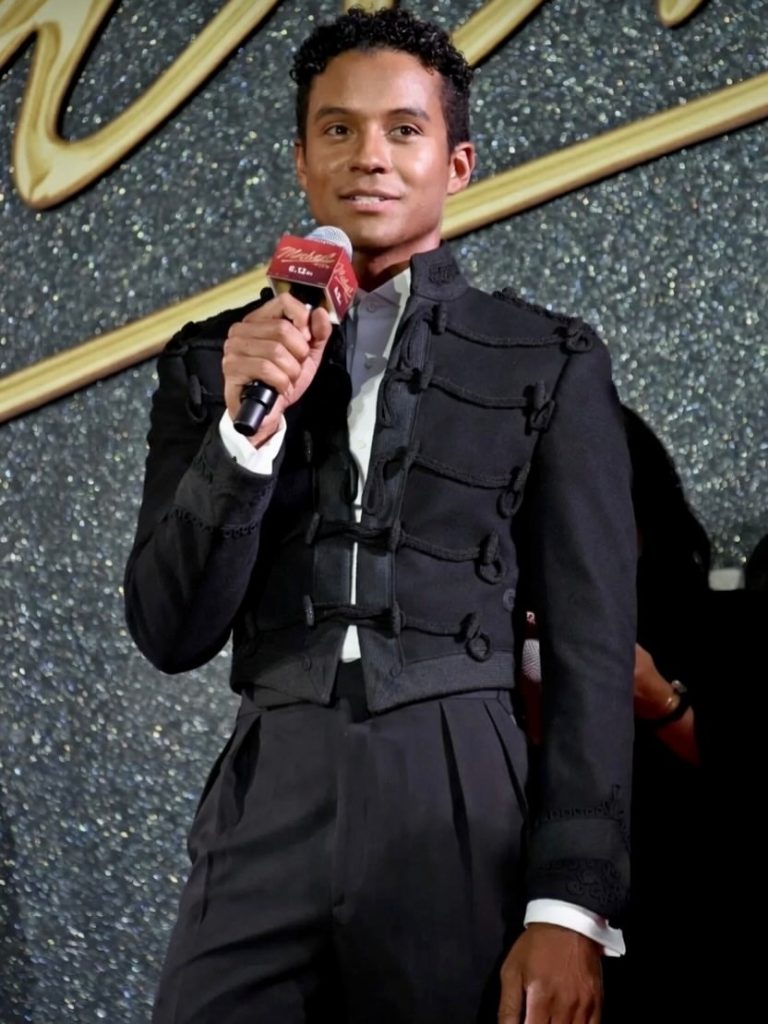
Jaafar Jackson had an advantage few biopic stars can match: he is Michael Jackson’s real-life nephew. The family resemblance became even stronger after hair, wardrobe and performance styling recreated different periods of the King of Pop’s career for 2026’s Michael. Michael’s son Prince Jackson said seeing Jaafar in full costume and makeup created an emotional shock because the resemblance briefly made him feel as if he were seeing his father again. Director Antoine Fuqua also praised Jaafar’s ability to capture Michael beyond physical appearance. The casting made the film a rare case where genetic resemblance and extensive performance preparation worked together.
O’Shea Jackson Jr. as Ice Cube
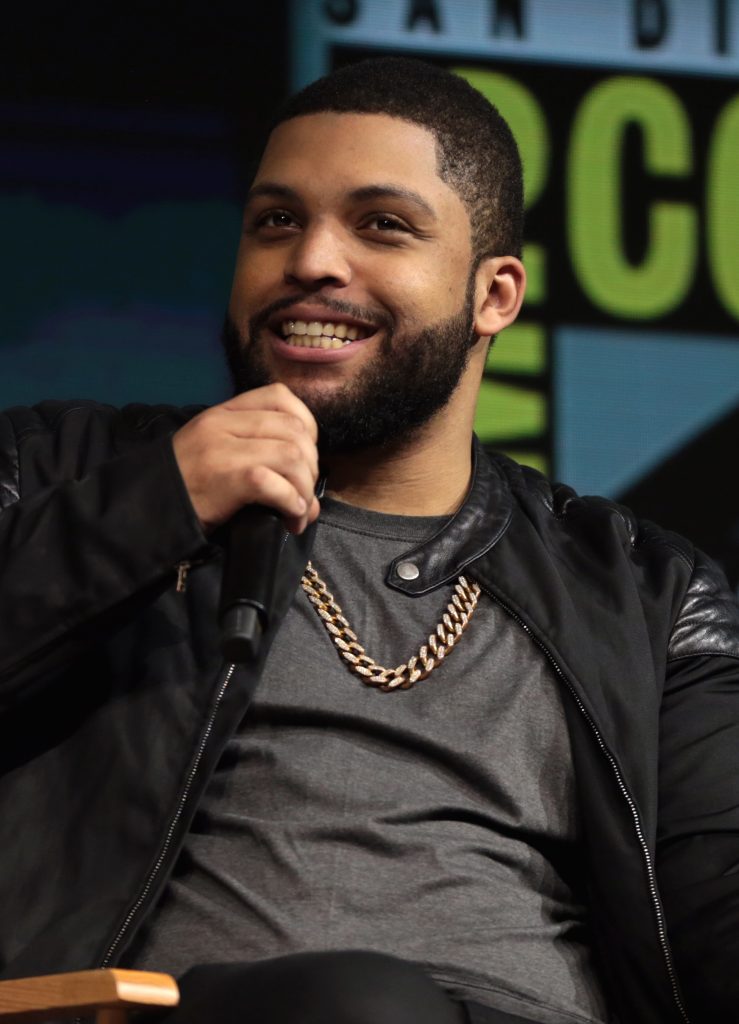
O’Shea Jackson Jr. looks enough like his father Ice Cube that casting him in Straight Outta Compton seemed obvious, but he still had to earn the role. Jackson Jr. has said he auditioned for roughly two years because his father did not want simple family connection to substitute for acting ability. Once cast, the resemblance gave the N.W.A. biopic a level of visual authenticity that would have been difficult for another performer to reproduce. He also studied his father’s voice and mannerisms. The result introduced Jackson Jr. as an actor while allowing audiences to see a younger version of Ice Cube portrayed by someone who genuinely shared his features.
Bradley Cooper as Leonard Bernstein
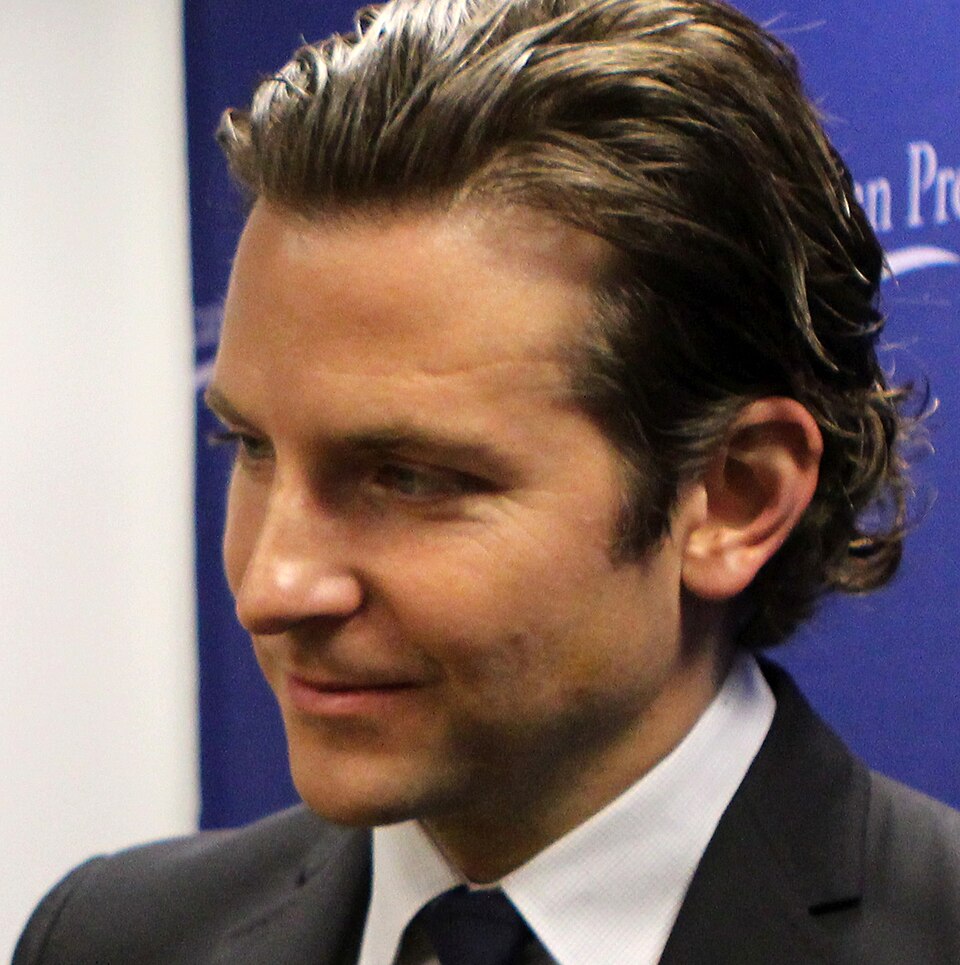
Bradley Cooper used extensive makeup and prosthetics to portray composer and conductor Leonard Bernstein in Maestro. The physical transformation attracted debate, particularly around the prosthetic nose, but Bernstein’s children publicly supported Cooper’s approach. His daughter Jamie Bernstein said there were moments in the finished film when Cooper moved and looked so much like her father that the resemblance made the family gasp. Cooper also altered aspects of his voice and facial structure to strengthen the transformation. The result went beyond simply finding an actor with similar features; careful prosthetic design and performance helped create the uncanny effect recognized by people who actually knew Bernstein best.
Lily James as Pamela Anderson
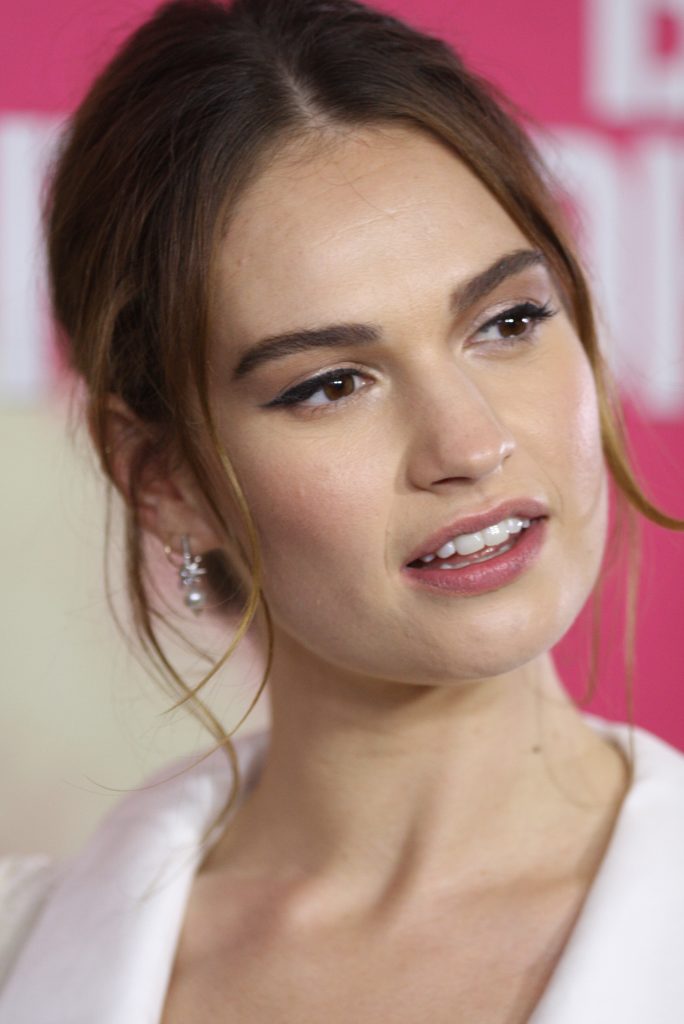
Lily James looked almost unrecognizable when the first images of her as Pamela Anderson emerged from Hulu’s Pam & Tommy. Platinum-blonde hair, eyebrows, prosthetics, makeup and carefully recreated 1990s clothing transformed the British actor best known for projects such as Cinderella and Downton Abbey. Early publicity photographs were widely described as producing an exceptionally close resemblance to Anderson. James also worked on Anderson’s voice and physical mannerisms. The transformation earned significant awards attention for the series’ makeup team, although Anderson herself did not approve of the project and has said its existence was painful for her. The visual achievement and ethical controversy therefore exist side by side.
Rami Malek as Freddie Mercury

Rami Malek’s transformation into Freddie Mercury for Bohemian Rhapsody depended on several instantly recognizable details, especially the Queen singer’s teeth, mustache, stage clothes and movements. Malek wore prosthetic teeth and studied concert footage extensively to recreate Mercury’s physical performance style. The filmmakers also reproduced iconic moments such as Queen’s 1985 Live Aid appearance. Malek did not naturally look identical to Mercury in everyday photographs, but the finished combination of styling and performance created enough resemblance that he became strongly associated with the singer’s image. The role earned Malek the Academy Award for Best Actor and turned the physical transformation into one of modern biopic cinema’s best-known examples.
Jamie Foxx as Ray Charles
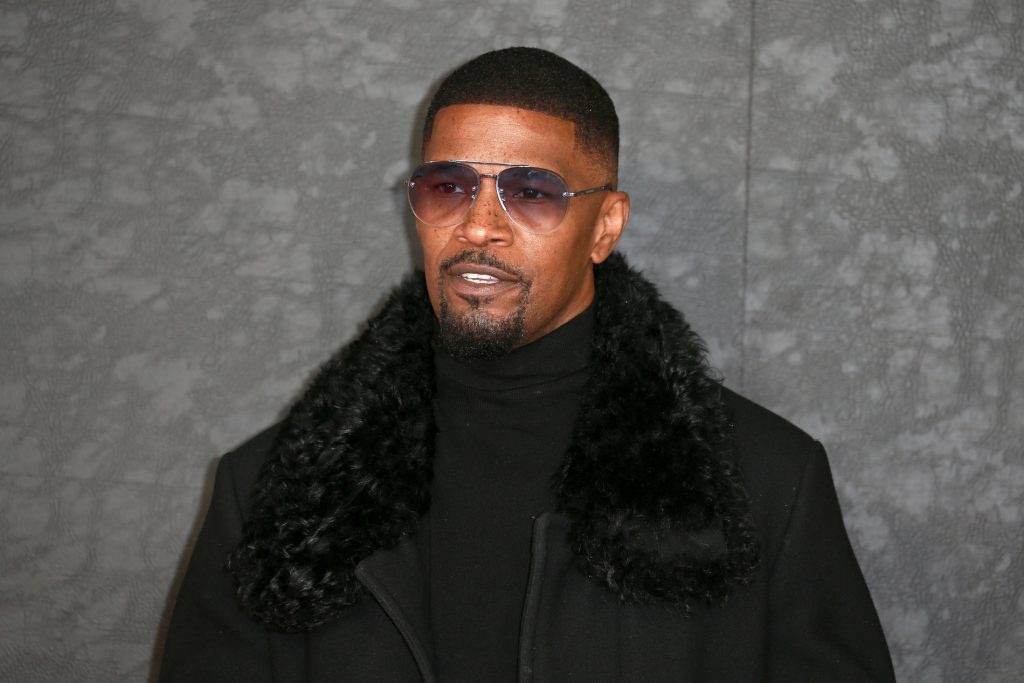
Jamie Foxx already possessed musical ability when he was cast as Ray Charles in Ray, but the resemblance required more than appearance. Makeup, sunglasses, hair and costuming helped create Charles’ familiar visual identity, while Foxx studied his movements and played piano himself. The performance became one of the most acclaimed musician portrayals in Hollywood history, earning Foxx the Academy Award for Best Actor. What makes the casting particularly effective is that the transformation rarely feels like a famous comedian hiding under makeup. Foxx’s physical performance, posture and musical confidence work together until the audience begins focusing on Charles rather than the actor portraying him.
Salma Hayek as Frida Kahlo
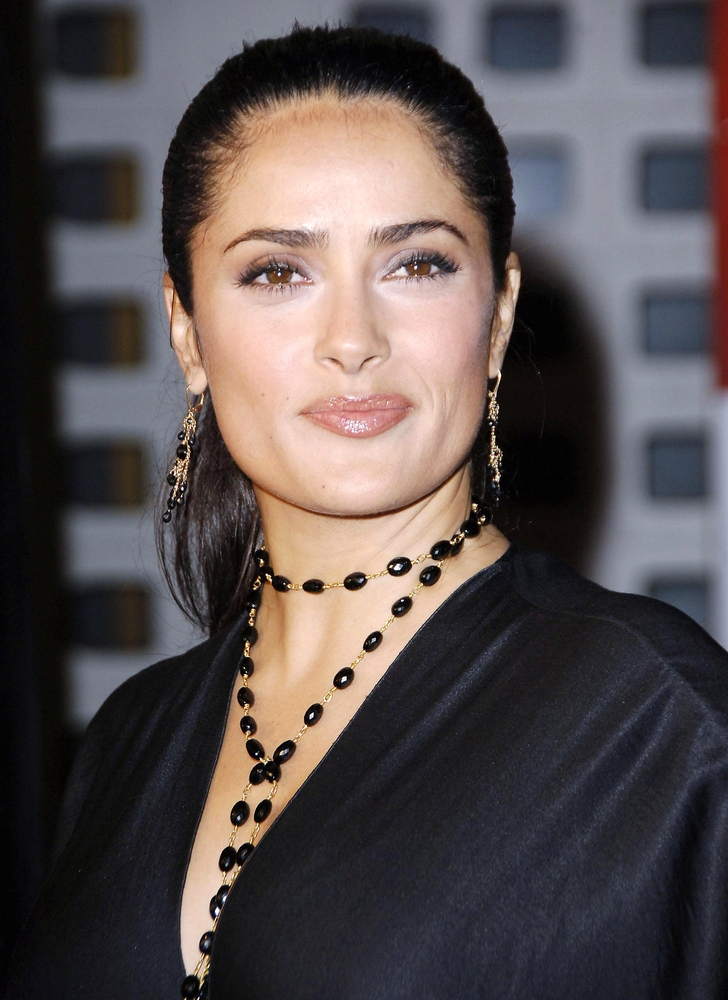
Salma Hayek spent years trying to bring artist Frida Kahlo’s life to the screen before starring in and producing Frida. Their naturally similar dark features helped, while makeup recreated Kahlo’s distinctive eyebrows, hairstyles and traditional Mexican clothing. Hayek also worked to capture Kahlo’s physical pain and forceful personality rather than relying only on visual resemblance. The film received six Academy Award nominations, including Best Actress for Hayek, and won for makeup and original score. Side-by-side images remain compelling because Hayek’s transformation respected many of the visual elements Kahlo deliberately used in self-portraits to construct her own highly recognizable public image.
Daniel Day-Lewis as Abraham Lincoln
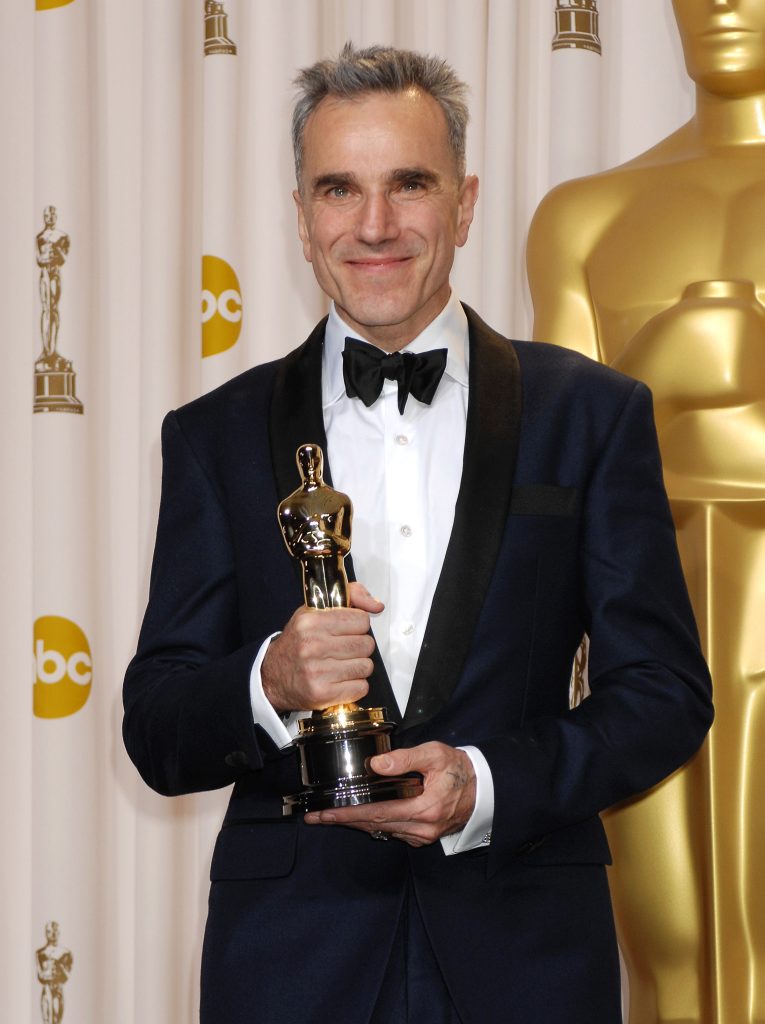
Daniel Day-Lewis’ resemblance to Abraham Lincoln in Steven Spielberg’s Lincoln emerged through a striking combination of his naturally lean features, facial hair, hairstyle, costume and subtle prosthetics. Historical photographs of Lincoln provided a familiar visual reference, yet Day-Lewis also had to imagine elements no photograph could capture, including the president’s voice and manner of moving. Spielberg’s film avoided turning Lincoln into a stiff monument and instead presented him as a complicated working politician. Day-Lewis won his third Academy Award for Best Actor, and promotional side-by-side images helped demonstrate why the casting felt so persuasive even before audiences heard his performance.
Featured Image: instagram.com/jaafarjackson
Leave a Reply