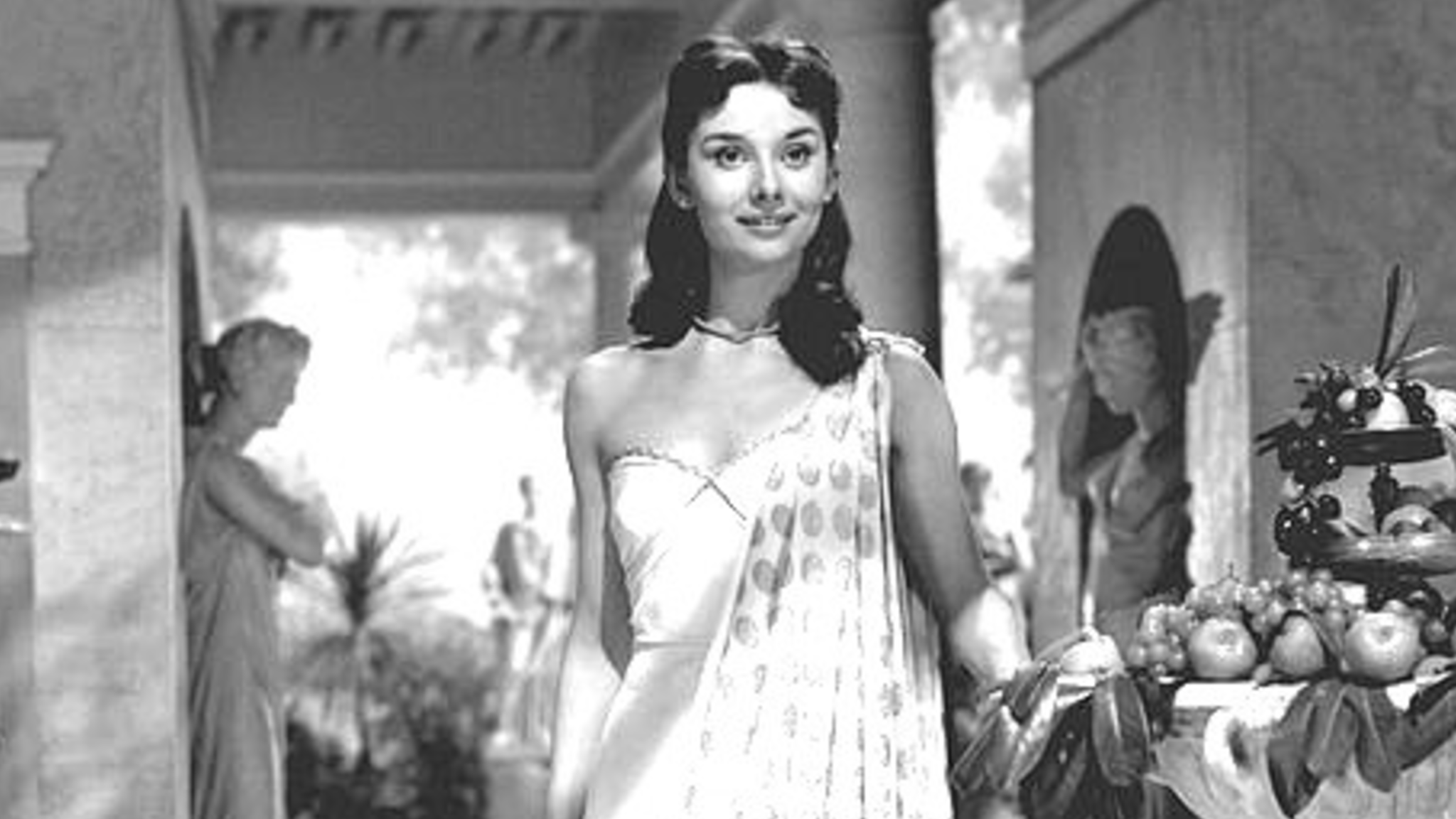
Audrey Hepburn helped make short hair an enduring symbol of elegance through Roman Holiday, released in 1953.
Her gamine haircut challenged the idea that glamorous women required long waves, creating a reference point that stylists and celebrities still revisit.
Mia Farrow Made Pixies Dramatic
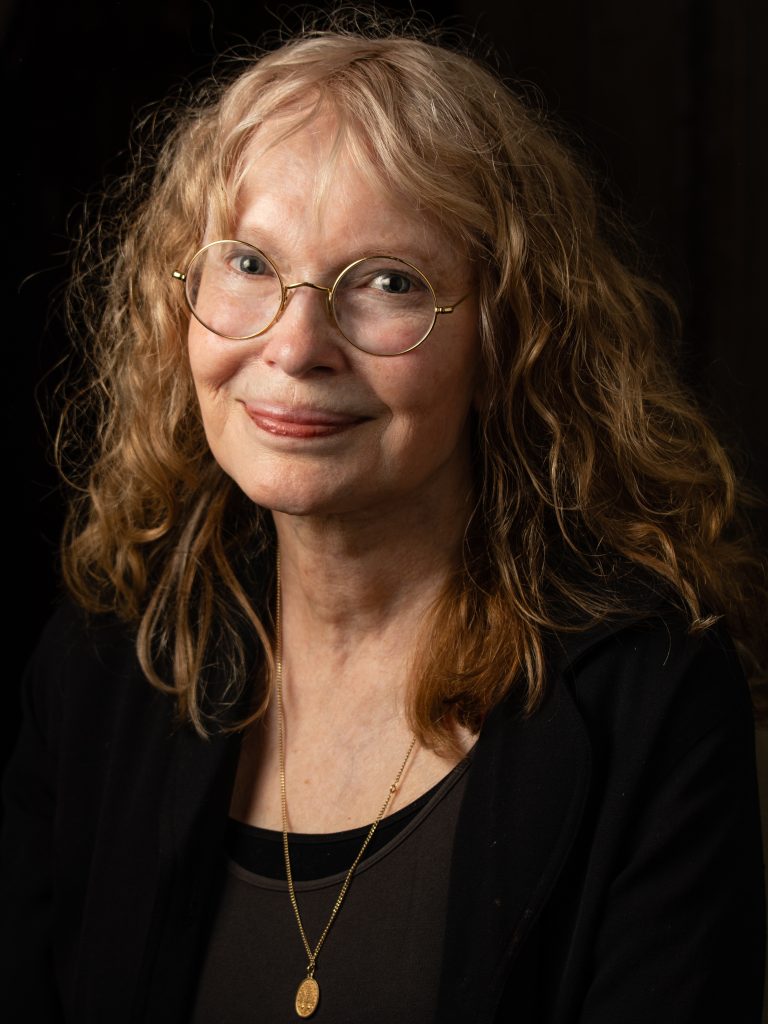
Mia Farrow’s extremely short haircut became closely associated with Rosemary’s Baby in 1968. The style exposed her facial features and strengthened the character’s fragile, isolated appearance. Farrow’s look became one of cinema’s most recognizable crops, demonstrating that a haircut could support storytelling while also influencing fashion far beyond the film itself.
Twiggy Made Pixies Modern
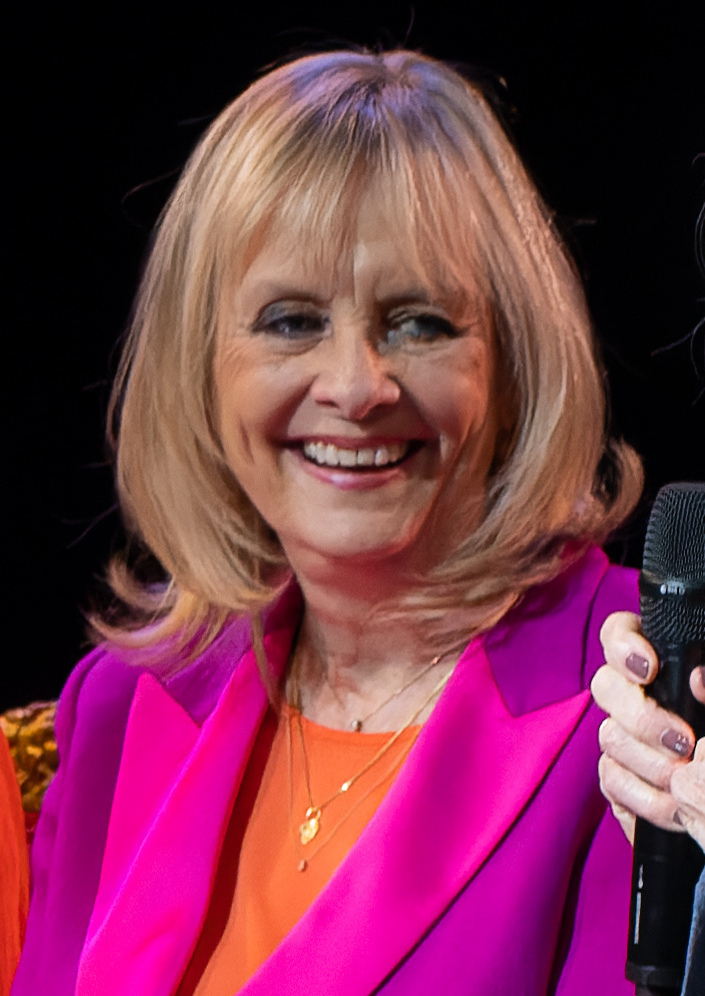
Twiggy’s close-cropped hair helped define the visual language of 1960s London fashion. The cut emphasized her eyes, sharp makeup and youthful features, making it ideal for magazine photography. Her version felt modern and playful rather than traditionally formal, helping establish the pixie as part of the era’s rejection of heavier, more structured beauty standards.
Halle Berry Made Pixies Powerful
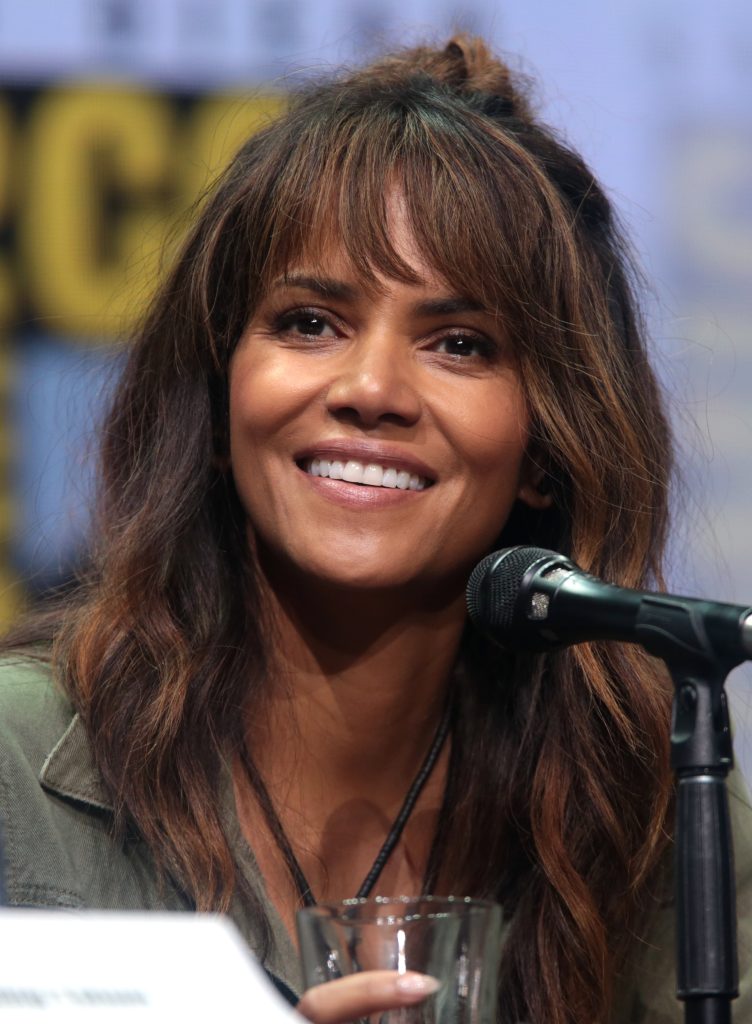
Halle Berry made the pixie one of her signature styles during the 1990s and early 2000s. Her textured version kept the sides short while leaving movement on top, allowing the cut to appear polished or relaxed. Vogue continues to identify Berry’s pixie as an iconic example, closely connected with her confident red-carpet image and action roles.
Winona Ryder Made Pixies Alternative
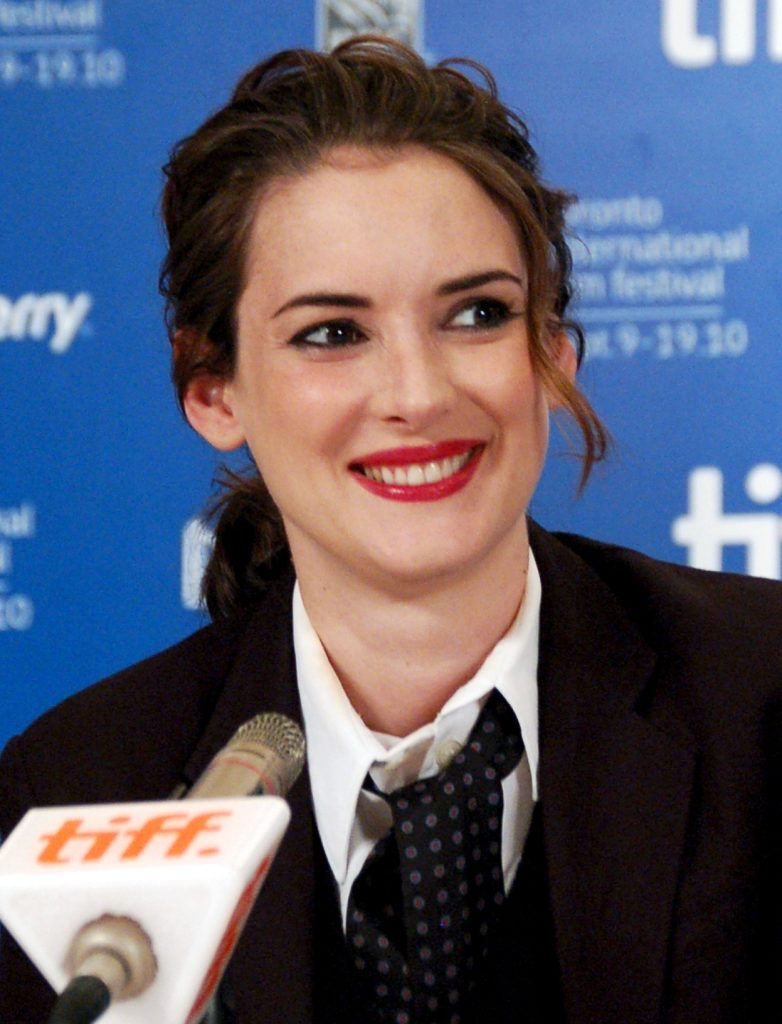
Winona Ryder wore short, textured styles during the 1990s, matching the alternative fashion connected with her films and public image. Her pixie looked deliberately less polished than classic Hollywood versions, making it suitable for the decade’s interest in grunge and minimalism. The style complemented her dark features while reinforcing her reputation as an unconventional leading actor.
Rihanna Made Pixies Edgy
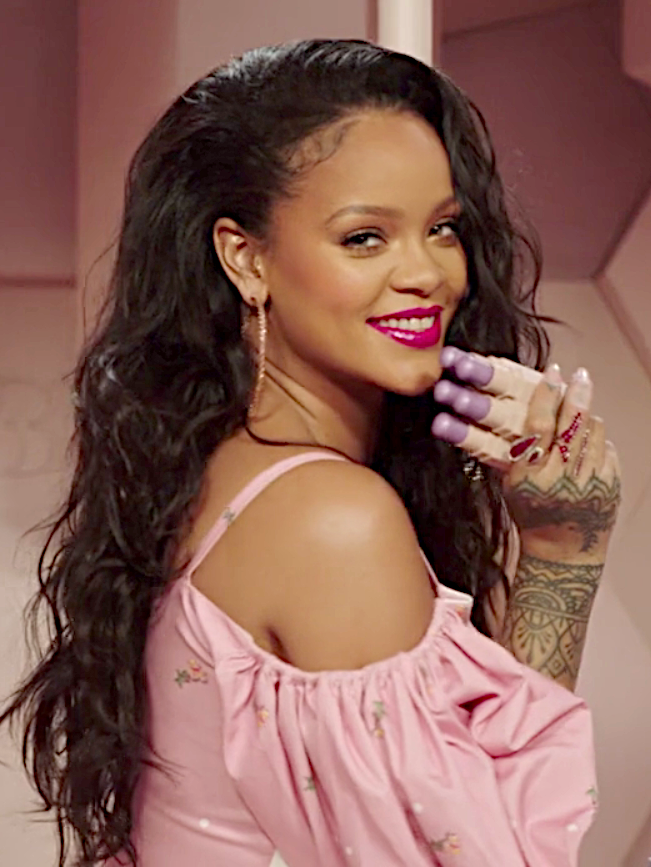
Rihanna has repeatedly used short hair to signal a new musical or fashion phase. Her pixie variations have included smooth side-swept cuts, textured tops and sharper, more dramatic shapes. By pairing short hair with bold makeup and changing wardrobes, she demonstrated that a pixie could be continually reinvented rather than treated as one fixed style.
Charlize Theron Made Pixies Versatile
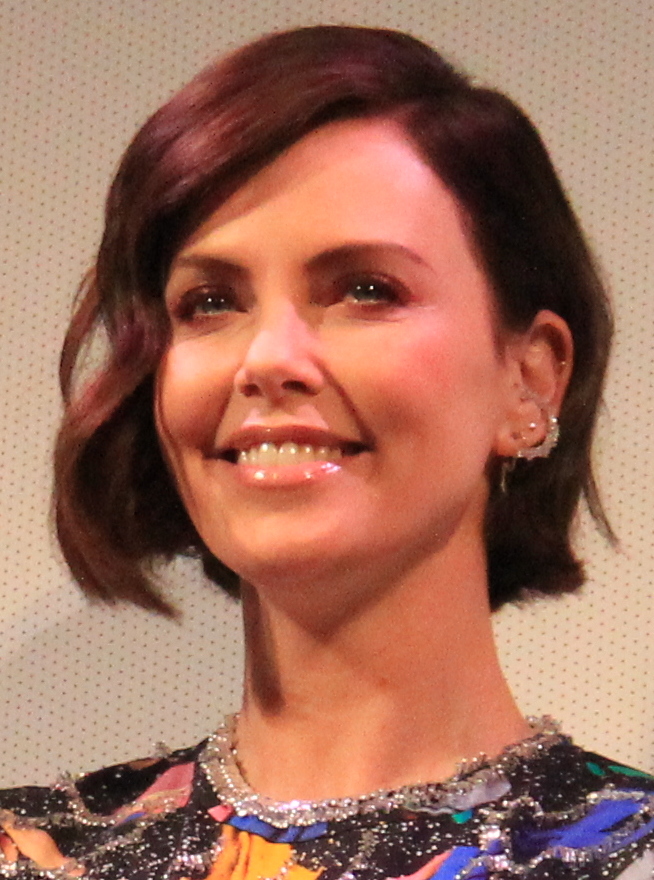
Charlize Theron has worn pixie cuts in sleek, tousled and red-carpet forms. Her longtime stylist Adir Abergel has adapted short hair to formal gowns, film promotion and more relaxed appearances. The variety shows that a pixie does not offer only one mood. Texture, length at the crown and styling products can move the same basic cut between elegant and deliberately edgy.
Angel Reese Gave Pixies Fresh Glamour
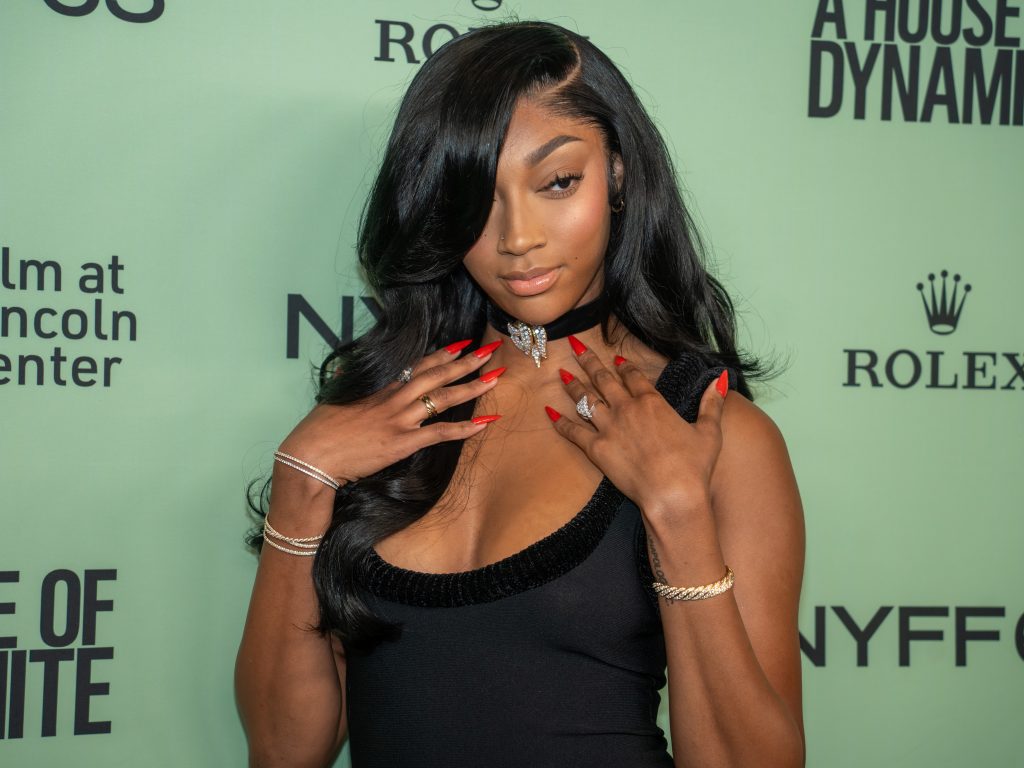
Angel Reese introduced a vintage-inspired curly pixie in 2026 during a Victoria’s Secret campaign appearance. Vogue connected the style with 1920s glamour and a new stage in her fashion career. The cut also showed how the pixie continues evolving through different hair textures, proving that its lasting appeal does not depend on copying one historic version.
Featured Image: By Metro-Goldwyn Mayer (MGM) – Sourcearchive, Public Domain, https://commons.wikimedia.org/w/index.php?curid=123998538
Leave a Reply