
Huge salaries do not guarantee permanent financial security. A number of famous entertainers have publicly faced bankruptcy, tax debts, failed investments or spending problems even after earning amounts most people could never imagine. Their situations also show why celebrity income and actual long-term wealth are very different things.
The circumstances here range from Nicolas Cage’s real-estate losses to Willie Nelson’s enormous tax dispute. Some filed for bankruptcy, while others did not. For accuracy, each story is described according to what actually happened rather than using “lost everything” as a blanket claim.
Nicolas Cage’s $6 Million Debt
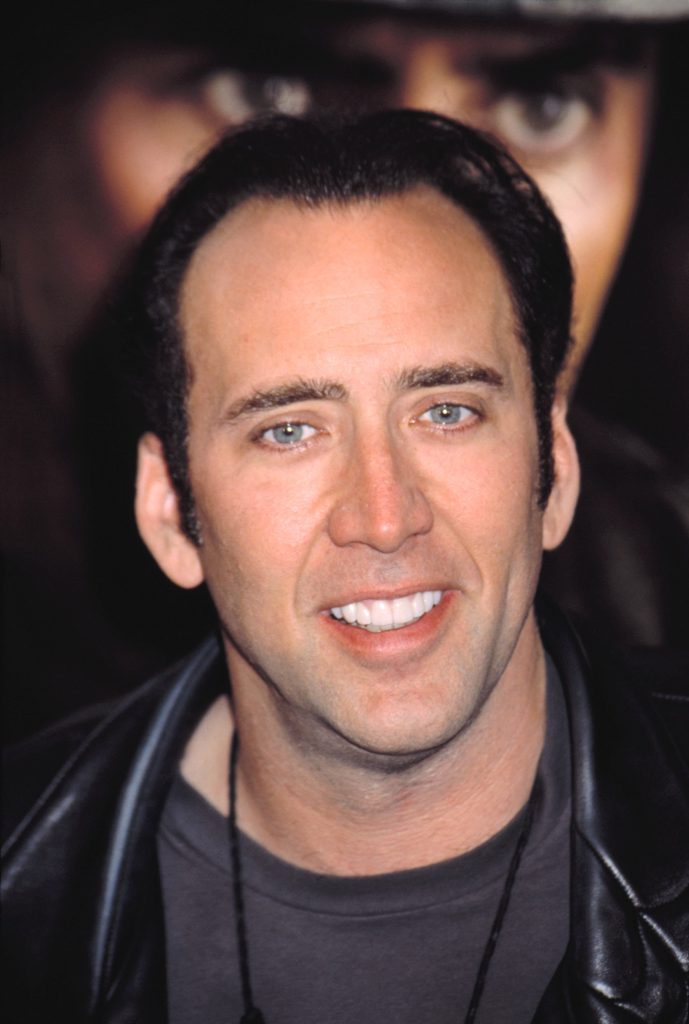
Nicolas Cage has spoken openly about owing the Internal Revenue Service roughly $6 million after a combination of financial problems, including heavy real-estate investment before the market crashed. The actor has emphasized that he did not declare bankruptcy and instead accepted an unusually large number of movie roles while working to pay what he owed. Cage eventually said he cleared the debt. His story became closely connected with jokes about his prolific film output, but his own explanation gives that period a more practical context: acting continuously provided the income he needed to resolve a serious financial problem rather than simply reflecting an inability to turn down scripts.
50 Cent Files for Bankruptcy
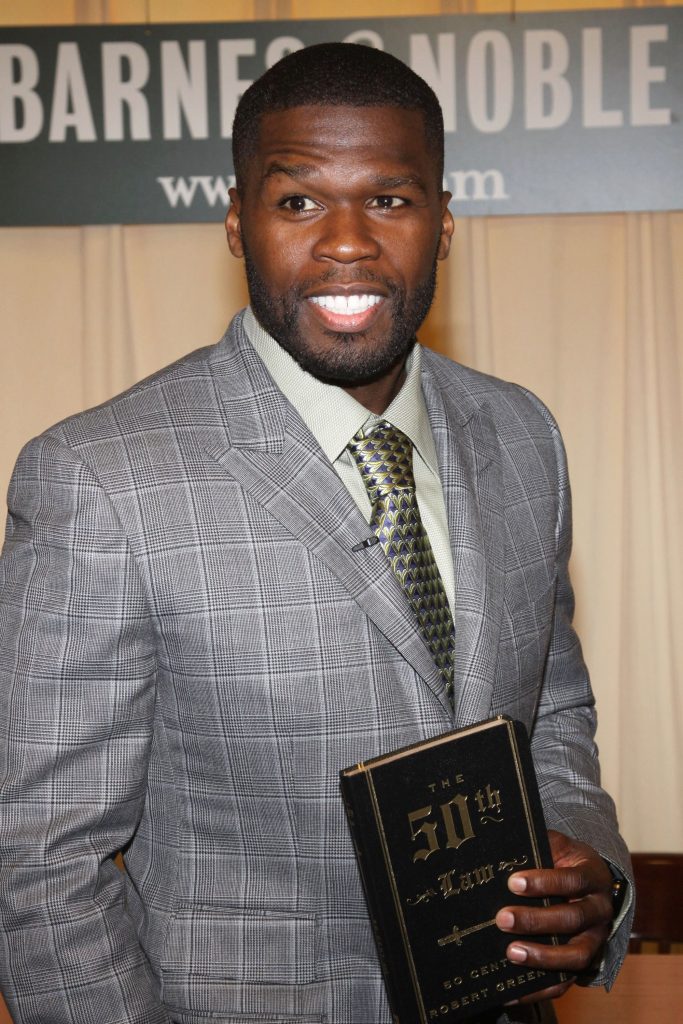
Rapper and actor 50 Cent, whose real name is Curtis Jackson, filed for Chapter 11 bankruptcy protection in 2015. The filing came despite years of huge commercial success in music and business, illustrating why bankruptcy does not necessarily mean someone has literally run out of money. Chapter 11 can be used to reorganize debts while continuing to operate financially. A repayment plan approved in 2016 called for Jackson to repay millions to creditors. His case attracted enormous attention because his public image had long been associated with wealth, entrepreneurship and luxury, making the bankruptcy filing seem surprising even though the legal situation was more complicated than simply being broke.
Willie Nelson Faces the IRS

Willie Nelson faced one of entertainment history’s best-known tax problems when the IRS pursued him for a debt reported at approximately $16.7 million around 1990. Federal authorities seized assets, and Nelson eventually worked through an unusual repayment arrangement that included proceeds connected with the album The IRS Tapes: Who’ll Buy My Memories? He later cleared the debt and continued recording and touring for decades. The episode has become part of Nelson’s larger legend, but it was a genuine financial crisis involving significant tax obligations and property seizures. His eventual recovery demonstrated how a long-running career could provide a path back from a problem large enough to threaten almost anyone financially.
Burt Reynolds Files Chapter 11

Burt Reynolds was one of Hollywood’s biggest box-office stars during the 1970s and early 1980s, yet his finances later deteriorated dramatically. He filed for Chapter 11 bankruptcy protection in the 1990s, with court documents showing millions of dollars in liabilities. Reynolds later discussed expensive spending habits, business decisions and a costly divorce as parts of his financial decline. The contrast between his movie-star image and the bankruptcy became a cautionary Hollywood story. Reynolds eventually continued working and regained some professional momentum, including an acclaimed performance in Boogie Nights. His case showed that years of high earnings can disappear quickly when expenses, debt and income changes collide.
Toni Braxton Files Twice

Toni Braxton had already sold millions of records when she filed for bankruptcy protection for the first time in the late 1990s. Her situation highlighted a reality of the music business that can surprise fans: enormous album sales do not automatically translate into equivalent personal income for an artist. Braxton later filed for bankruptcy a second time in 2010 amid additional financial and health-related challenges that affected her ability to perform. She subsequently rebuilt her career through music, television and touring. Her experience has frequently been used to illustrate the difference between celebrity success on paper and the contracts, expenses and interruptions that ultimately determine how much money an entertainer actually keeps.
MC Hammer Loses His Fortune

MC Hammer became extraordinarily successful after Please Hammer Don’t Hurt ’Em turned him into one of the biggest pop and rap stars of the early 1990s. His lavish spending and large payroll became nearly as famous as his music, however, and the financial picture eventually collapsed. Hammer filed for bankruptcy protection in 1996 after debts mounted despite the enormous sums he had earned during his peak. His story remains one of the most frequently cited examples of celebrity fortunes disappearing quickly. Hammer later continued working in entertainment and business, but his financial fall became permanently connected with discussions about how difficult sudden wealth can be to preserve without sustainable spending.
Mike Tyson Declares Bankruptcy

Mike Tyson earned vast sums during his boxing career, yet he filed for bankruptcy protection in 2003 after accumulating major debts. Tyson’s financial problems followed years of extraordinary spending, legal issues and changes in his professional career. The bankruptcy appeared especially striking because he had once been among the world’s most highly paid athletes. Tyson later reinvented himself through entertainment appearances, business ventures and public storytelling about his turbulent life. His financial history demonstrates that gross career earnings can be a misleading measure of personal security. Taxes, management, spending, legal obligations and declining income can transform even hundreds of millions in career revenue into a much less stable financial reality.
Cyndi Lauper Starts Again

Before becoming an international solo star, Cyndi Lauper experienced serious financial trouble after her band Blue Angel failed to achieve lasting commercial success. The situation contributed to a bankruptcy filing, leaving her to rebuild professionally before She’s So Unusual transformed her career in the early 1980s. Songs such as “Girls Just Want to Have Fun” and “Time After Time” then made Lauper globally famous. Her story differs from celebrities who lost fortunes after becoming stars because her financial collapse came just before enormous success arrived. It is a useful reminder that bankruptcy can represent the end of one professional chapter without predicting what someone’s financial or creative future will eventually become.
Featured Image: Shutterstock
Leave a Reply