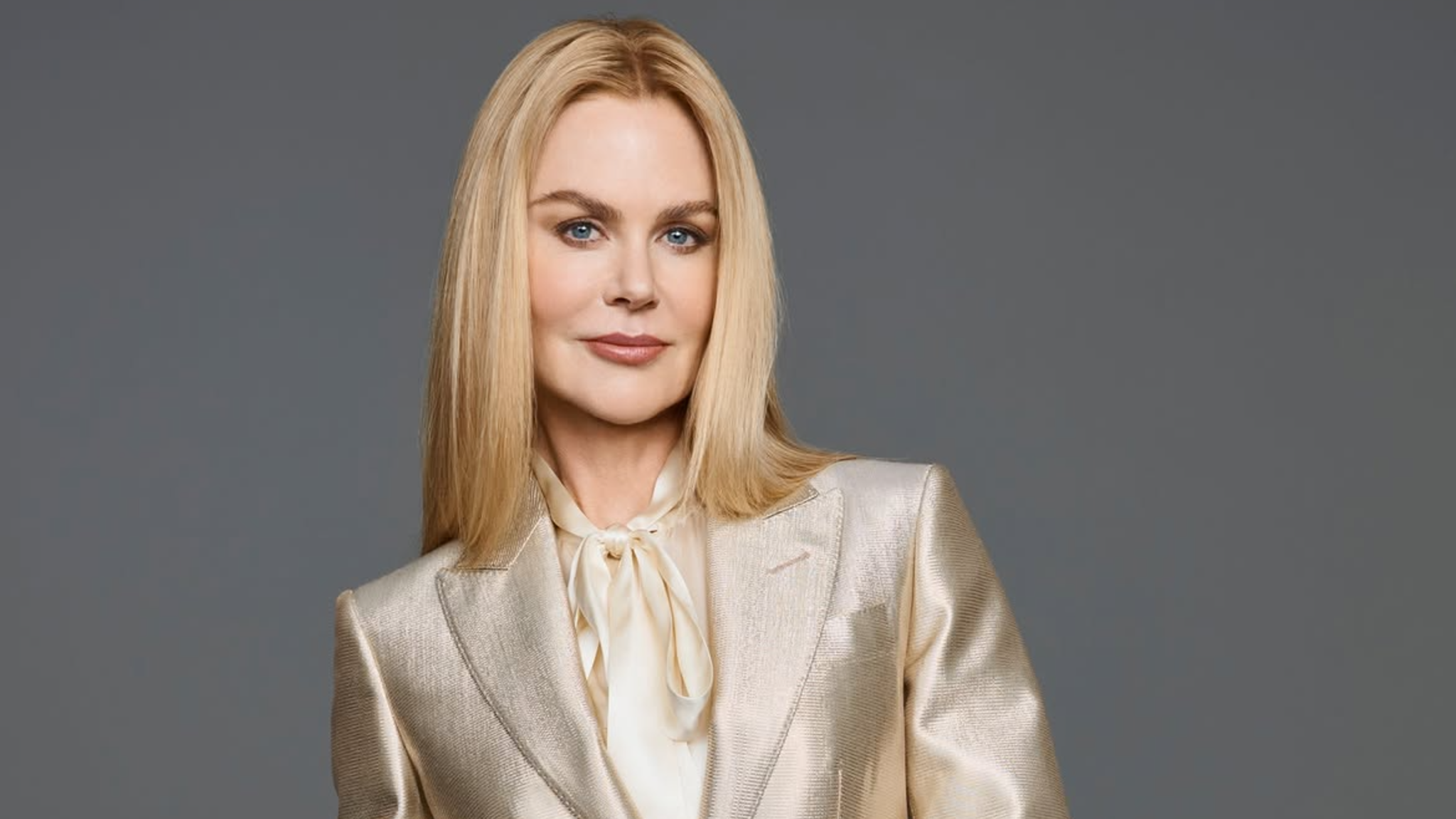
Nicole Kidman has spent decades changing her voice, posture, hair and appearance for demanding roles. Her transformations range from glamorous musical heroines to exhausted detectives and famous historical figures. Makeup and costume help create the effect, but Kidman’s physical performance keeps the characters from becoming simple visual disguises.
Off-screen, her style has also evolved from natural red curls and youthful 1980s fashion to carefully tailored gowns and modern couture. Coverage should focus on documented hairstyling, fashion and film makeup rather than repeating unsupported claims about cosmetic procedures.
Nicole Kidman’s Natural Red Curls
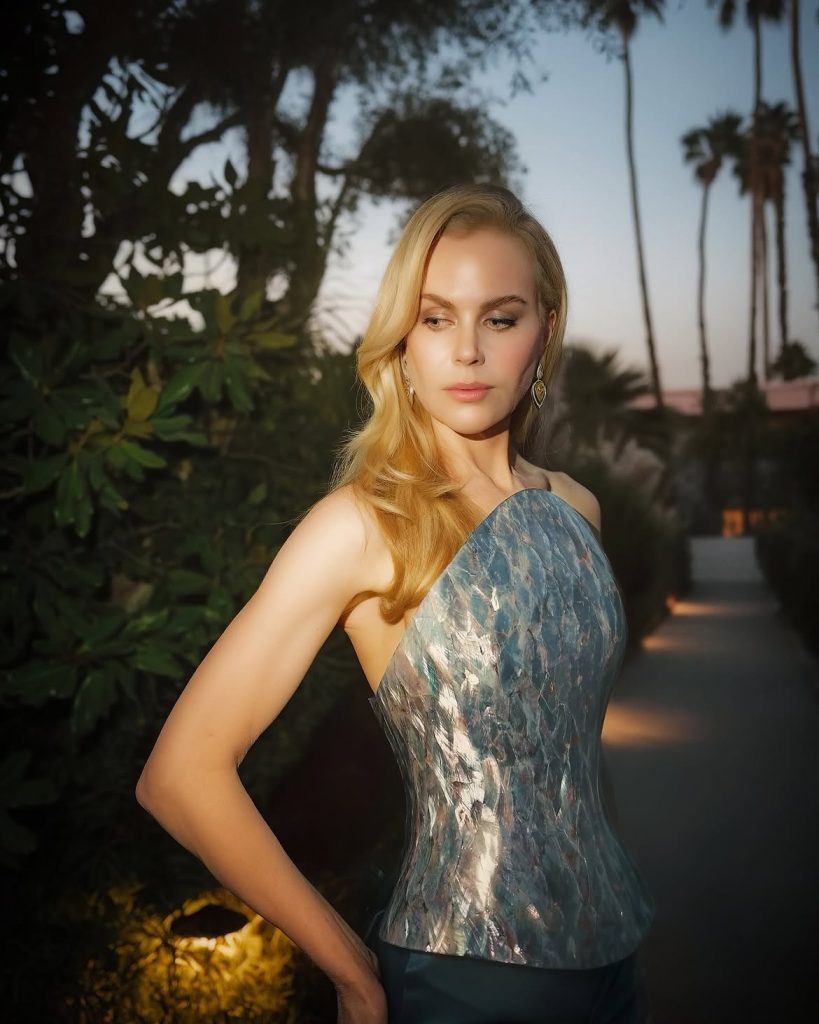
Kidman’s natural red curls became an important part of her early screen identity in Australian productions and the 1989 thriller Dead Calm. At that stage, she looked very different from the sleek blonde image she later developed. Her height, curls and Australian accent helped her stand out before Hollywood styling teams began adapting her appearance for a broader variety of characters.
Nicole Kidman in Moulin Rouge
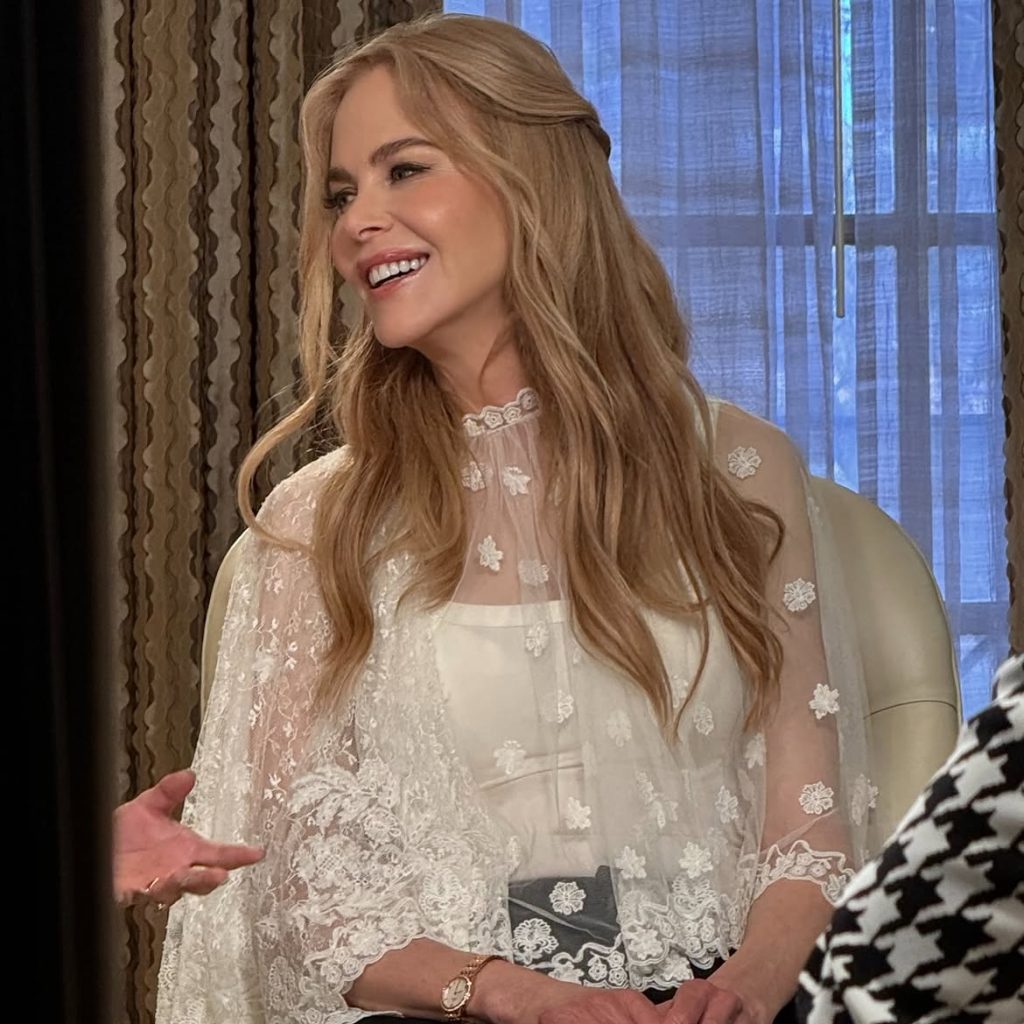
As Satine in Moulin Rouge!, Kidman wore deep red waves, jeweled costumes and carefully matched red lipstick. The transformation placed her inside director Baz Luhrmann’s heightened version of turn-of-the-century Paris. Satine’s appearance had to communicate glamour and theatrical confidence while gradually revealing her vulnerability, making the hair and costume essential parts of the character’s public performance.
Nicole Kidman in The Hours
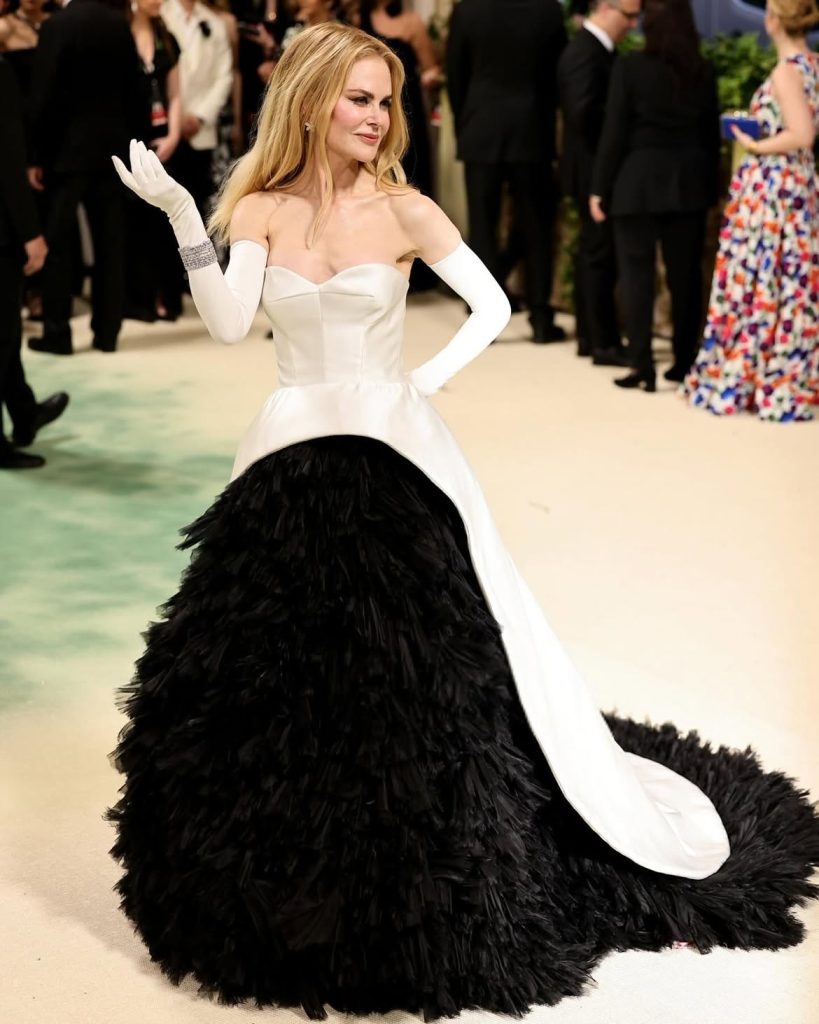
Kidman spent about three hours in makeup each day to portray Virginia Woolf in The Hours. A prosthetic nose, brown hair and subdued period clothing made her nearly unrecognizable. The physical change drew enormous attention, but her controlled performance earned the best-actress Oscar. The role remains the clearest example of appearance supporting, rather than replacing, her acting.
Nicole Kidman in Destroyer
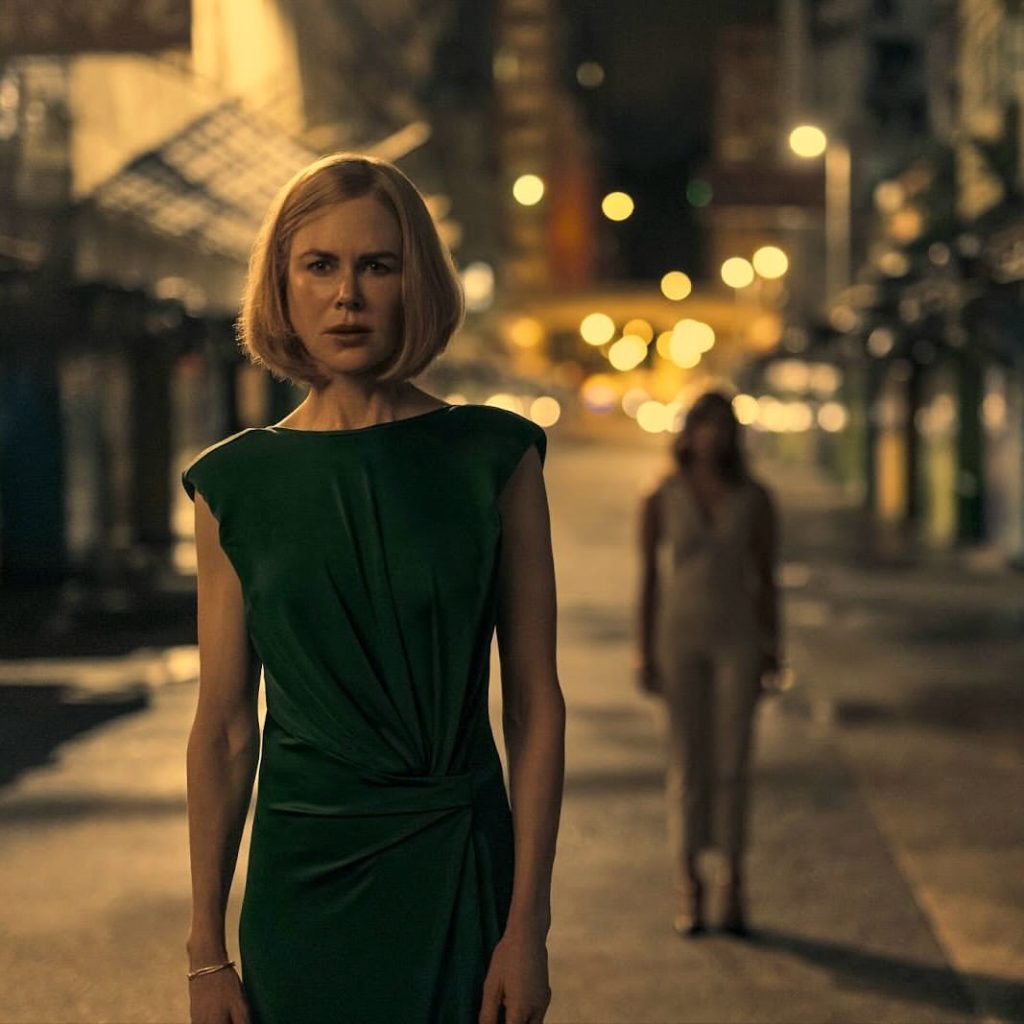
For Destroyer, Kidman played Erin Bell, a detective physically and emotionally damaged by years of guilt and exhaustion. Makeup artists created sun damage, darkened eyes and dry, uneven hair to remove her familiar red-carpet polish. Kidman said the look startled her children, but the transformation was designed to show the long-term consequences of the character’s choices rather than simply make the actor unattractive.
Nicole Kidman as Lucille Ball
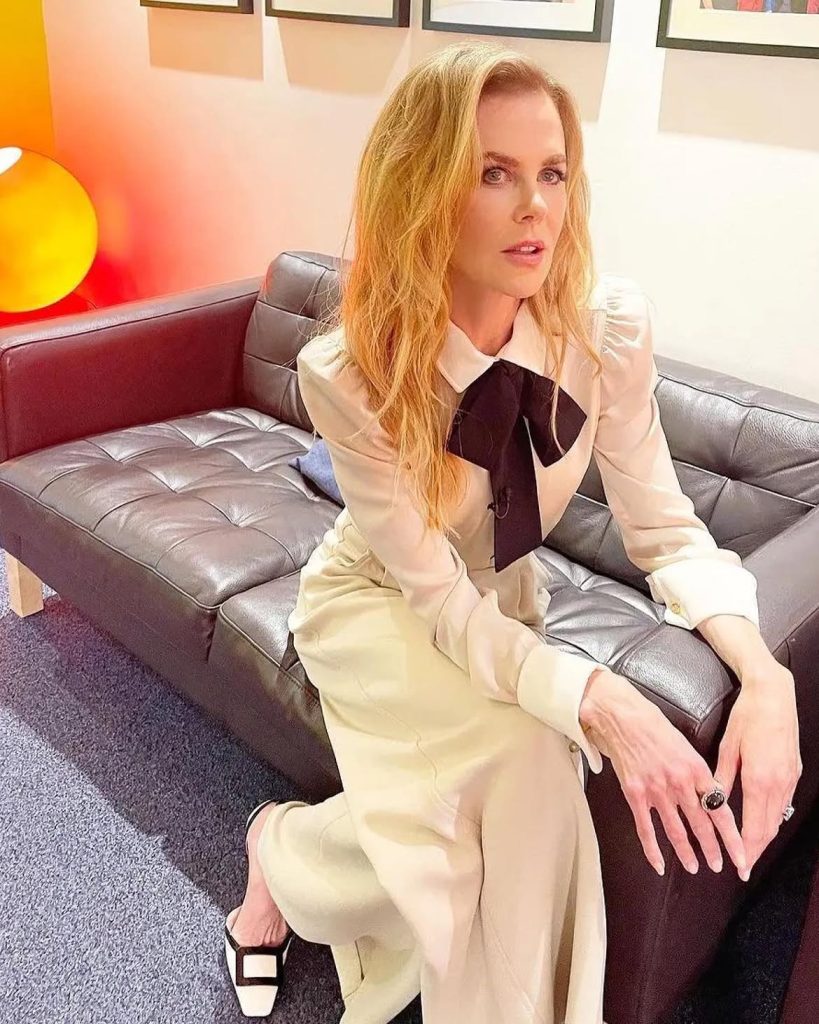
Kidman dyed her hair red and worked with hair and makeup teams to portray Lucille Ball in Being the Ricardos. The filmmakers wanted to distinguish Ball’s private appearance from the exaggerated image of Lucy Ricardo. Particular attention went to the eyebrows, wigs and facial details, while Kidman also studied Ball’s lower speaking voice and precise physical timing.
Nicole Kidman’s Television Transformations
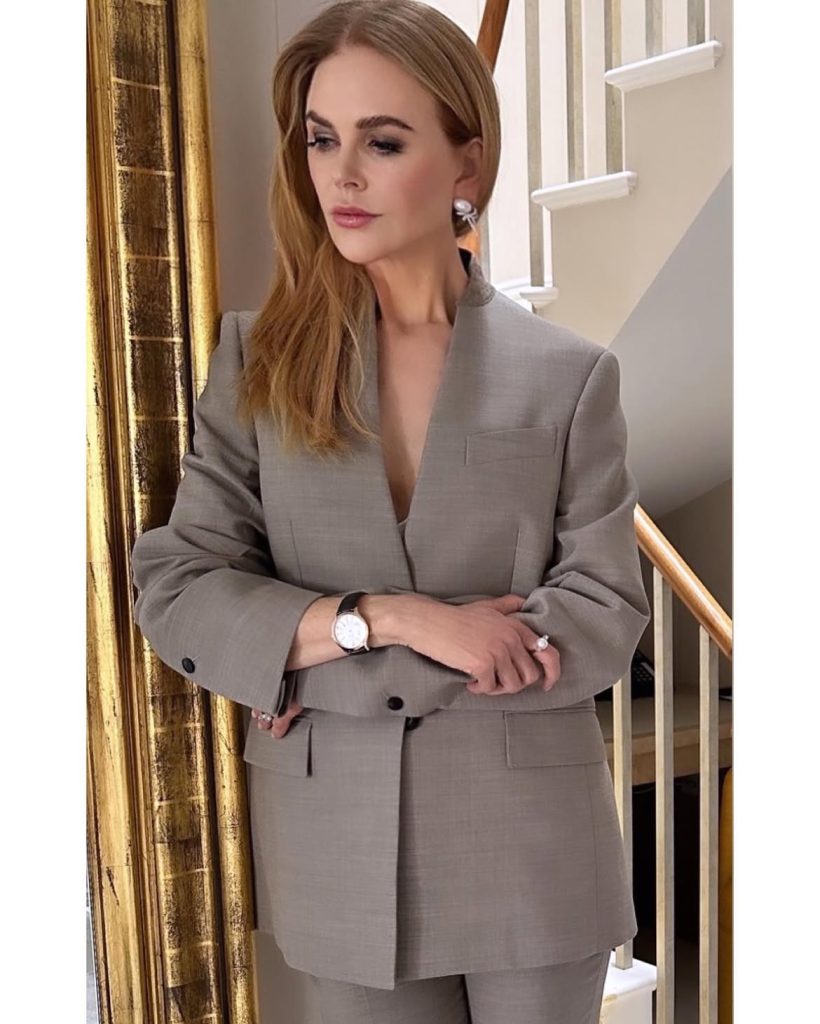
Kidman’s television work has produced more memorable looks. The Undoing emphasized long red curls and soft, translucent makeup, while Nine Perfect Strangers gave her character an unusually long, pale hairstyle. These transformations were less dependent on heavy prosthetics, yet they still helped establish each woman’s wealth, control, mystery and carefully constructed public identity.
Nicole Kidman’s Red Carpet Evolution
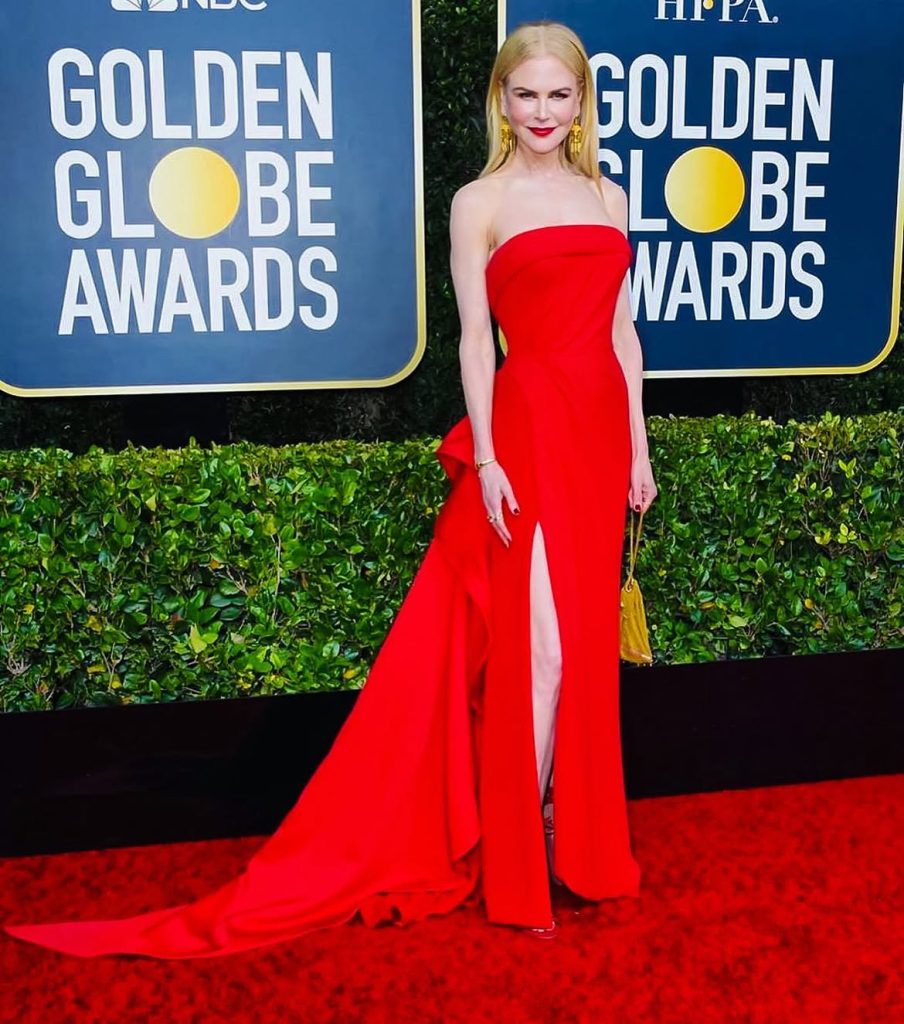
Away from film sets, Kidman has moved between romantic gowns, minimalist tailoring and high-fashion experimentation. Recent appearances have included structured black dresses, relaxed coastal clothing and modern couture. Her public style changes are visible and verifiable; assumptions about private medical or cosmetic choices are not. Her lasting transformation comes from a willingness to keep testing new characters, silhouettes and creative partnerships.
Featured Image: instagram.com/nicolekidman
Leave a Reply