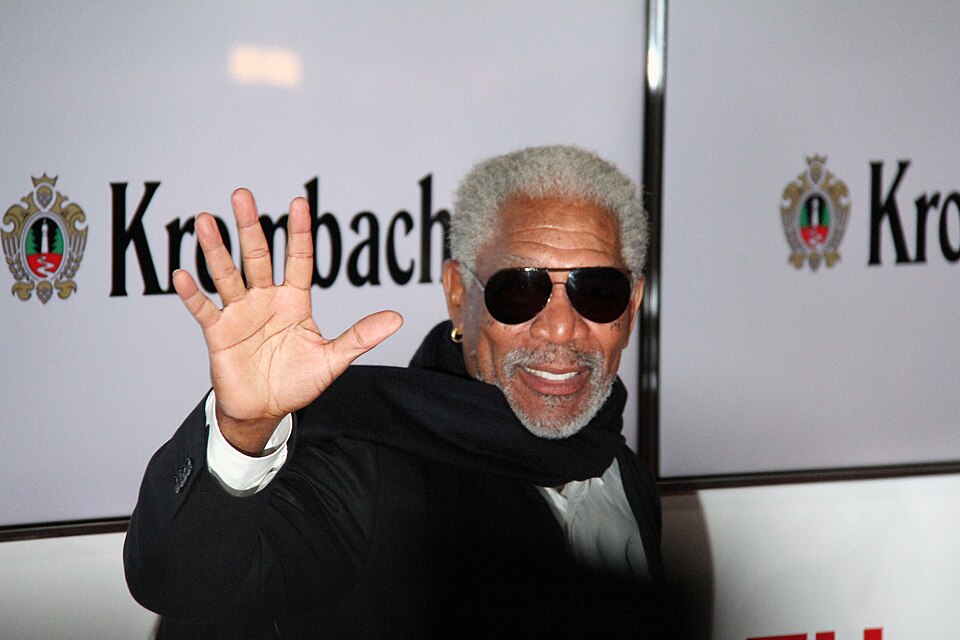
Most people who have heard Morgan Freeman speak on camera assume he is simply reading a script. The voice is too perfect, too measured, too wise to sound like pure spontaneous thought. He has become a kind of living narrator for the human condition itself.
But one unrehearsed moment on live television cut through decades of debate in a way no prepared speech ever could. Six words. The studio went quiet. And the conversation has never quite been the same.
The Question Nobody Expected Him to Answer Directly
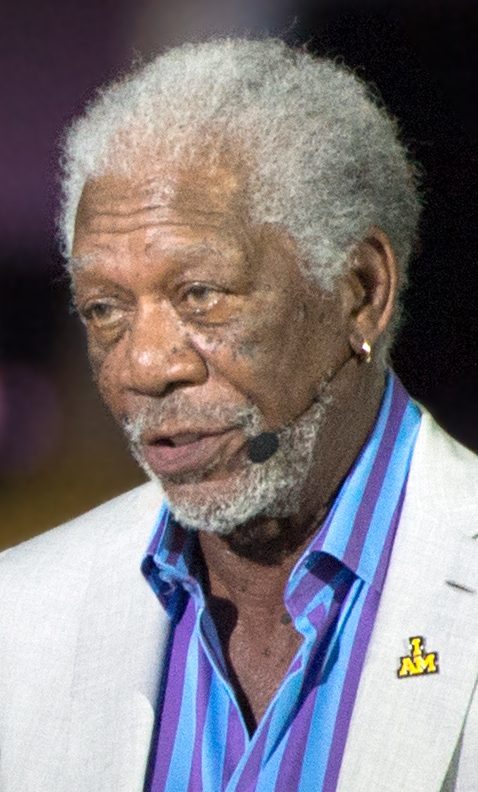
Morgan Freeman has spent a career playing God, presidents, and moral guides. He carries authority in his voice the way others carry a passport – it opens every door. So when a CBS News interviewer posed one of the most charged questions in American public life, the room was already bracing for a careful, considered non-answer. What they got was something else entirely. He did not soften it. He did not qualify it. He just answered. And what followed became one of the most viral moments in television interview history.
The 60 Minutes Moment
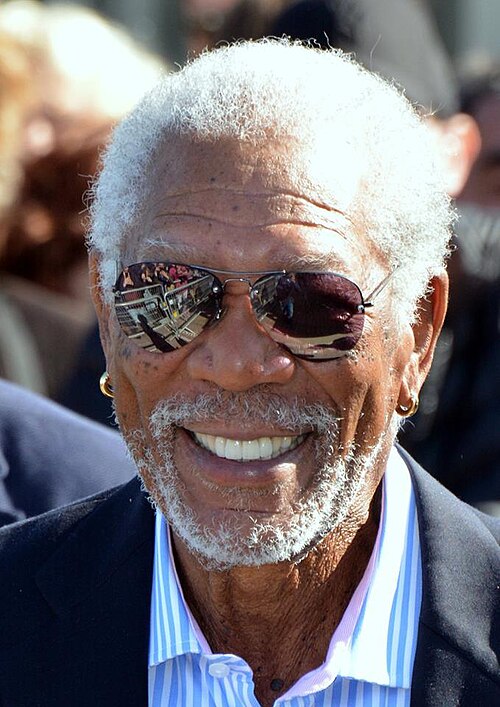
In a 2005 interview with veteran journalist Mike Wallace on CBS News’ 60 Minutes, Freeman addressed Black History Month directly and without hesitation. According to CBS News transcripts verified by Snopes, Freeman called it “ridiculous,” asking Wallace plainly, “You’re going to relegate my history to a month?” He pushed further – noting there was no White History Month, no Jewish History Month. The argument was simple, sharp, and it landed like a stone in still water. But the words that stopped the conversation were still coming.
The Words That Stopped the Room
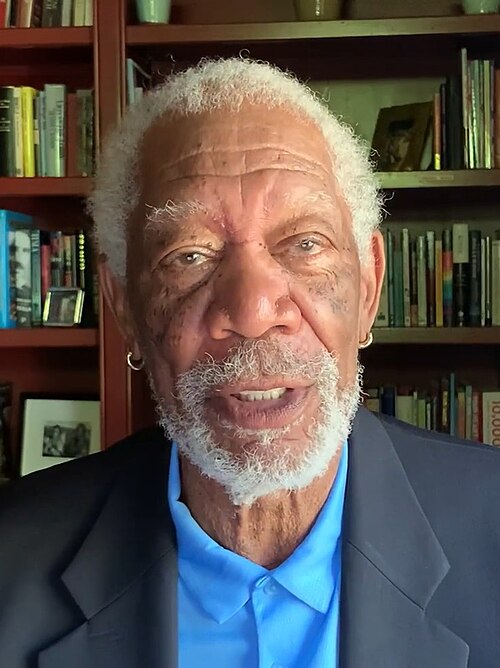
When Mike Wallace pressed Freeman on how society could ever truly rid itself of racism, Freeman did not pause. According to CBS News transcripts documented by Snopes, his response was direct and immediate: “Stop talking about it.” He then added that he intended to stop calling Wallace a white man and asked Wallace to stop calling him a black man – not Morgan Freeman the Black actor, just Morgan Freeman. It was a philosophy delivered in a single breath. It was unforgettable.
The Quote That Got Complicated
Over the years, the clip circulated widely online, often with extra words added or statements from different interviews stitched together. According to Snopes, which investigated the viral version extensively, Freeman genuinely expressed the core sentiment across multiple interviews – but some exact phrasing attributed to him was a composite rather than a word-for-word quote from one single moment. The idea was real and consistent. The simplification was not always fair. Context was lost along the way. And that complexity is exactly what makes the moment worth examining more carefully.
A Belief He Never Abandoned
This was not a one-time talking point. In an April 2023 interview with The Sunday Times, cited by Snopes, Freeman returned to the same argument: “Black History Month is an insult. You’re going to relegate my history to a month?” He also objected to the term “African-American,” calling it an insult as well. Freeman has held this position consistently for decades – not because he dismisses the weight of history, but because he believes racial labeling itself keeps division in place. That is a harder argument to dismiss than most people allow.
The Man Behind the Voice
Morgan Freeman’s willingness to say the unpopular thing is not a recent development. From his early years on the stage to a film career spanning The Shawshank Redemption, Se7en, and The Dark Knight trilogy, Freeman has always moved against the current when he believed it was right. He is not performing for approval. He says what he thinks and trusts the listener to sit with it. That quality is rarer in Hollywood than most people realize. And it is exactly why that one CBS interview still echoes more than two decades later.
Why It Still Matters
Morgan Freeman’s 2005 exchange with Mike Wallace was not just a viral moment – it was a provocation designed to make people think rather than simply react. According to the full exchange documented by Snopes and CBS News, his words were the opening of a different kind of conversation, one about identity, labeling, and what it might truly take to see each other clearly. Whether you agree with him or not, he made you stop. That is what the most compelling voices always do. This article is for informational and entertainment purposes only.
Featured Image: By Foto: © JCS, CC BY 3.0, https://commons.wikimedia.org/w/index.php?curid=38415663
Leave a Reply