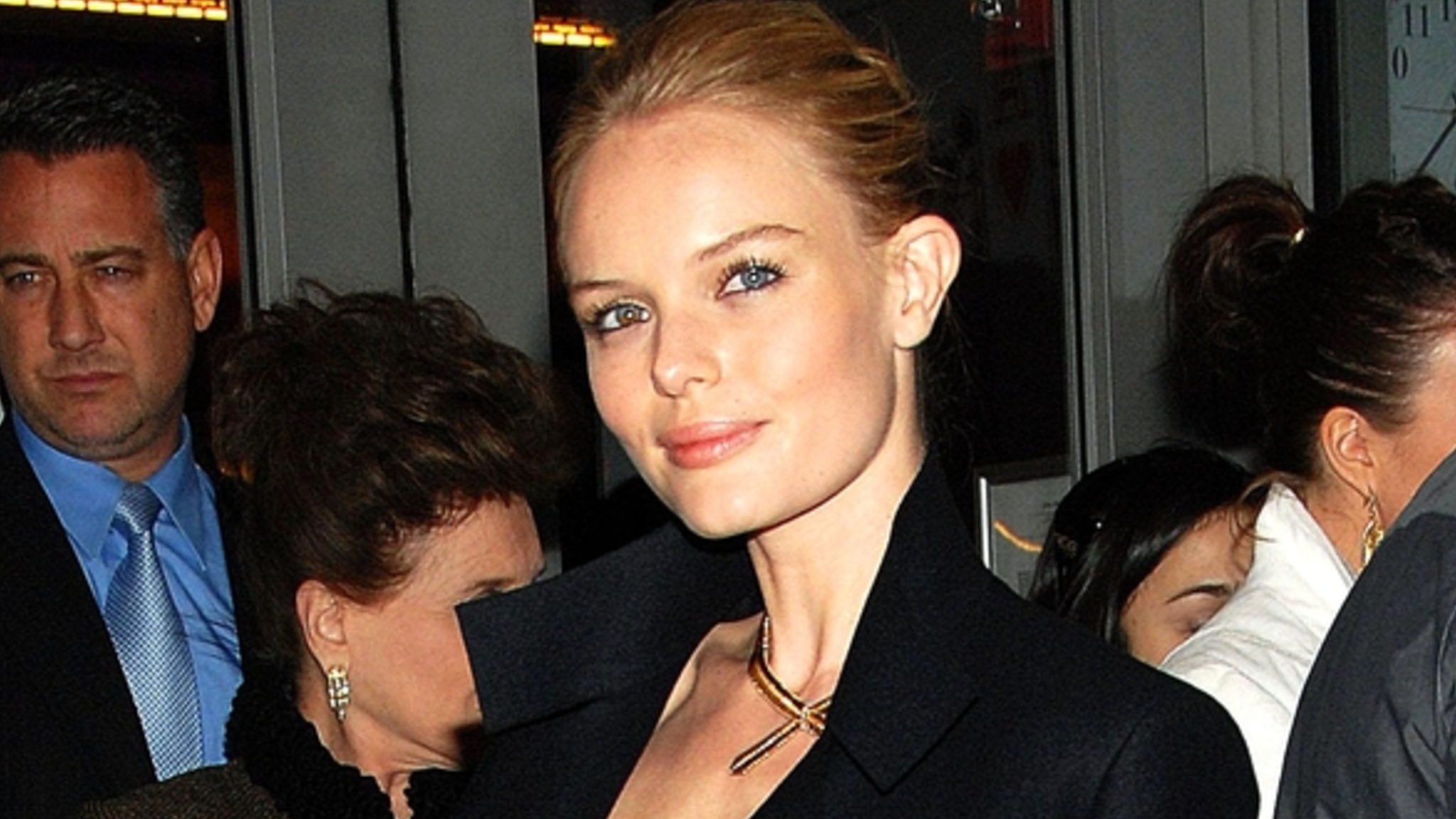
Eye color is not something that can be objectively ranked as most beautiful or striking. Some stars, however, have genuinely unusual eye features that photographers, filmmakers, and fans have noticed repeatedly, including different-colored irises and distinctive patterns within a single eye.
Several examples involve heterochromia, in which pigmentation differs between the eyes or within an iris. David Bowie’s famous appearance had a different explanation entirely: an injury permanently enlarged one pupil, creating the illusion that his eyes were different colors.
Kate Bosworth’s Two-Tone Eyes
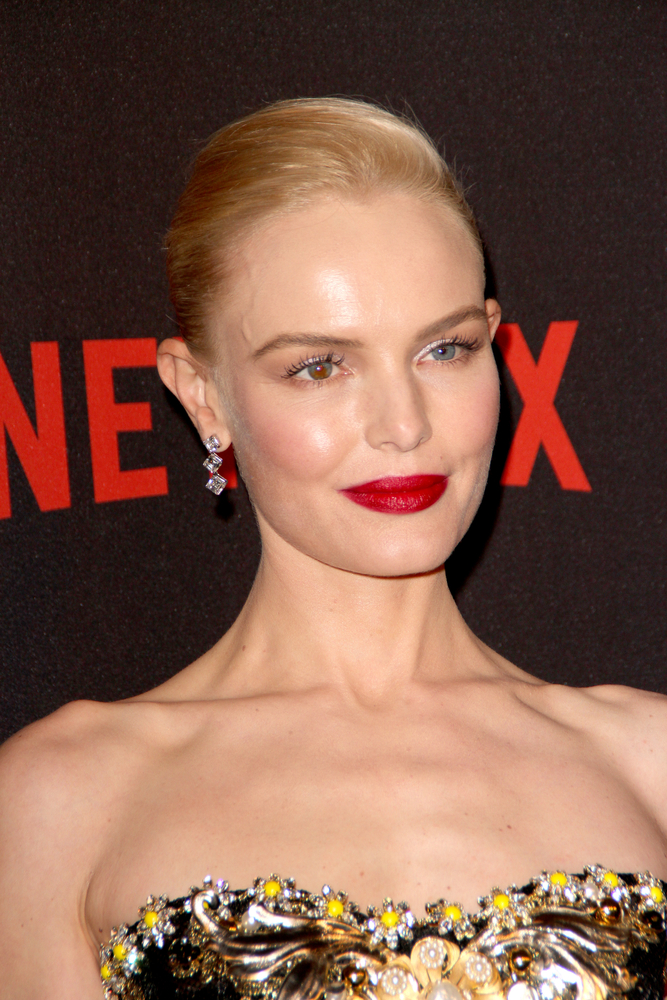
Kate Bosworth has one of Hollywood’s best-known examples of heterochromia. Her eyes are predominantly blue, but part of one iris contains hazel pigmentation, producing the two-tone effect visible in close-up photographs. Bosworth has discussed the feature herself and noted that lighting can make it more or less noticeable. Rather than concealing it, fashion photography has often emphasized the difference and helped make her eyes one of her most recognizable physical features. The variation is a natural pigmentation difference rather than something created with colored contact lenses for movie roles or red-carpet appearances.
Mila Kunis’ Different Colors
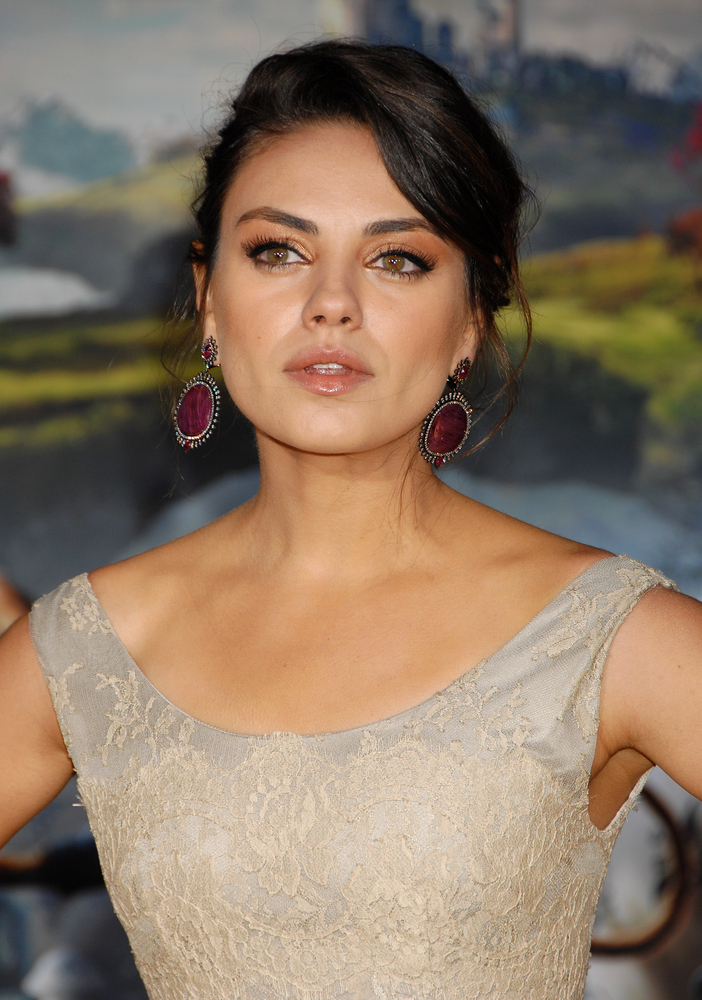
Mila Kunis also has noticeable color variation between her eyes. Glamour previously highlighted her heterochromia, describing one eye as green and the other as brown. The difference has occasionally been easy to miss depending on lighting, makeup, and photography, but close-up images make it more obvious. Kunis’ eyes have become one of the distinctive details regularly mentioned in beauty features about the actor. Heterochromia itself can have multiple forms and causes, so the notable point here is simply the visible pigmentation difference documented and discussed publicly, not any attempt to draw conclusions about her current eye health.
Alice Eve’s Blue and Green Eyes
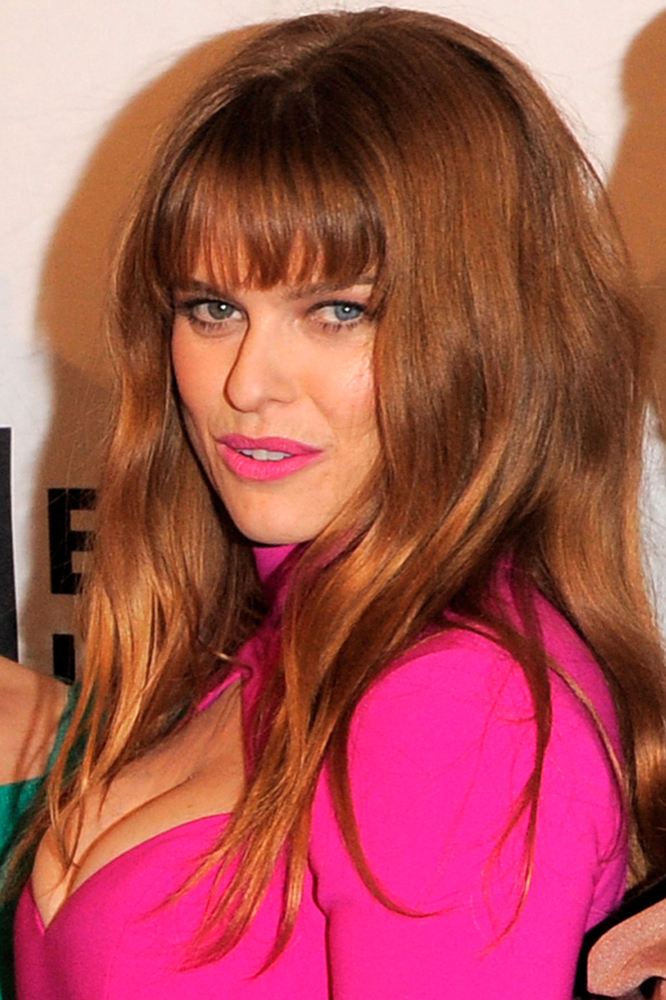
Alice Eve has spoken openly about having one blue eye and one green eye. In an interview with Glamour, she explained that the difference is not always particularly noticeable and even remembered experimenting with blue and green eyeliner while learning to embrace it. The feature is especially easy to see in high-resolution portraits where both irises are clearly visible. Eve’s unusual eye colors have followed her through roles in projects including Star Trek Into Darkness, becoming one of those real-life characteristics that makeup departments generally do not need to manufacture.
Jane Seymour’s Eye Colors
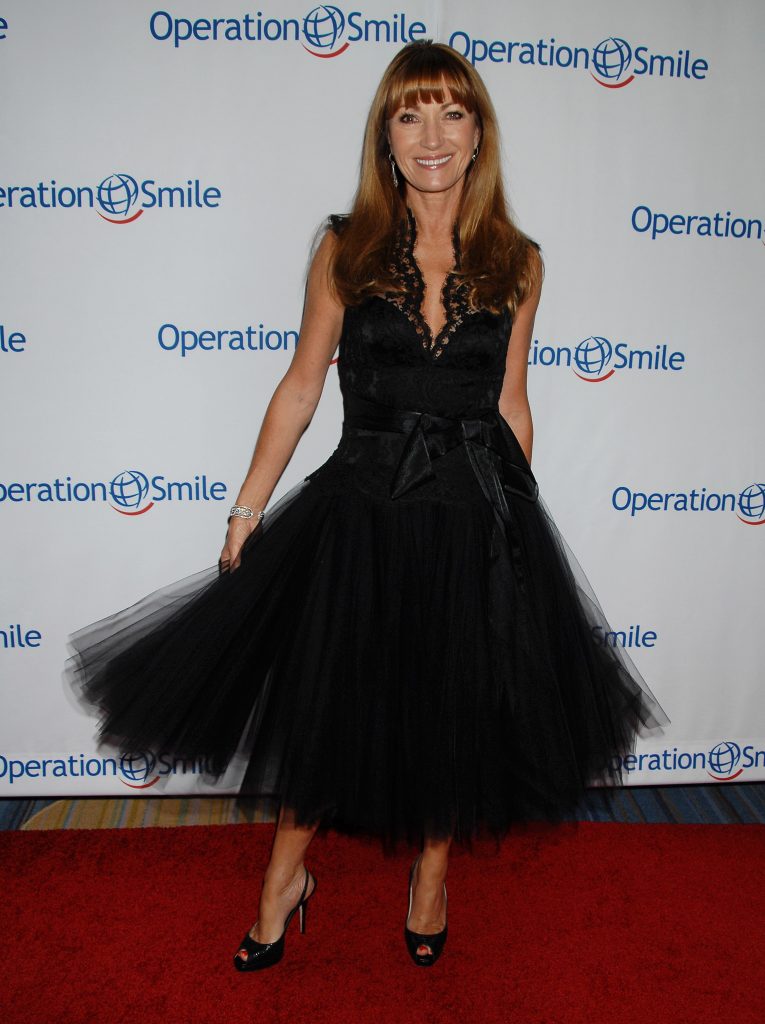
Jane Seymour has said her different eye colors once cost her a movie role early in her career. According to Seymour, her agent responded by predicting that the same feature would one day help make her memorable. She went on to build a decades-long career in film and television, including Dr. Quinn, Medicine Woman and the James Bond film Live and Let Die. Her story is an especially interesting example of a characteristic initially treated as an obstacle becoming part of a star’s recognizable appearance rather than something she needed to change.
Astrid Bergès-Frisbey’s Irises
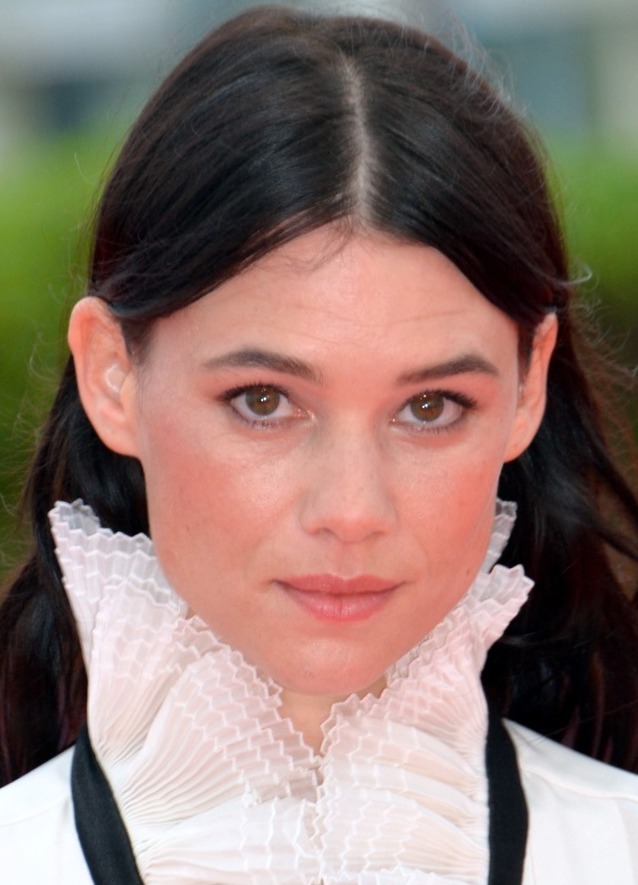
Astrid Bergès-Frisbey’s eyes played a direct role in her casting for the 2014 science-fiction film I Origins. Director Mike Cahill told the actor that her eyes matched what he had imagined for the character, whose story is deeply connected with vision and iris patterns. Vanity Fair described Bergès-Frisbey as having sectoral heterochromia, creating gold-flecked blue-green irises. In this case, an unusual natural feature became more than a beauty detail: it aligned so closely with a movie’s central imagery that the director immediately noticed it during their introductory conversation.
Elizabeth Berkley’s Amber Section

Elizabeth Berkley has green eyes, but one iris contains a noticeable section of amber or brown pigment. The feature is an example of partial heterochromia, where different colors occur within the same iris rather than each eye being an entirely different shade. It can be seen in close-up photographs of the Saved by the Bell and Showgirls actor, although ordinary lighting can make the color change appear subtle. Like Bosworth’s eyes, Berkley’s are useful for illustrating that heterochromia does not always mean one completely blue eye beside one completely brown one.
Henry Cavill’s Brown Patch
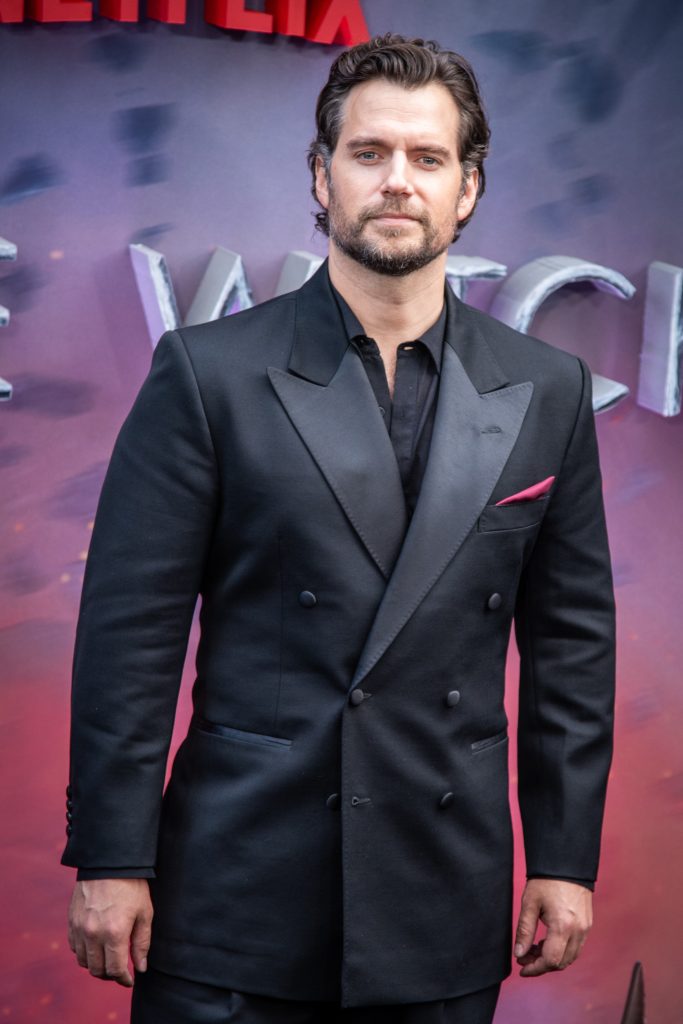
Henry Cavill’s eyes appear predominantly blue, but photographs reveal a small brown or hazel section in his left iris. That variation is commonly described as sectoral heterochromia. It is subtle enough that many viewers never notice it while watching Superman, Mission: Impossible – Fallout or The Witcher, particularly when lighting changes the apparent shade of the surrounding blue. The detail becomes much clearer in close portraits. Cavill’s example shows how a small region of differently pigmented iris can create an unusual eye pattern without giving someone two fully different-colored eyes.
David Bowie’s Famous Pupil
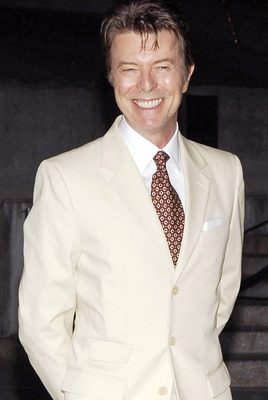
David Bowie is frequently included on lists of stars with different-colored eyes, but his famous look was not ordinary heterochromia. As a teenager, Bowie was injured in a fight with friend George Underwood, damaging his left eye and leaving its pupil permanently dilated. Because the enlarged pupil changed how the eye appeared in photographs, the two eyes often looked as though they were different colors. The unusual feature became part of Bowie’s unmistakable visual identity through decades of album covers, fashion shoots and stage personas, even though the underlying explanation was an injury rather than naturally different iris pigmentation.
Featured Image: Shutterstock
Leave a Reply