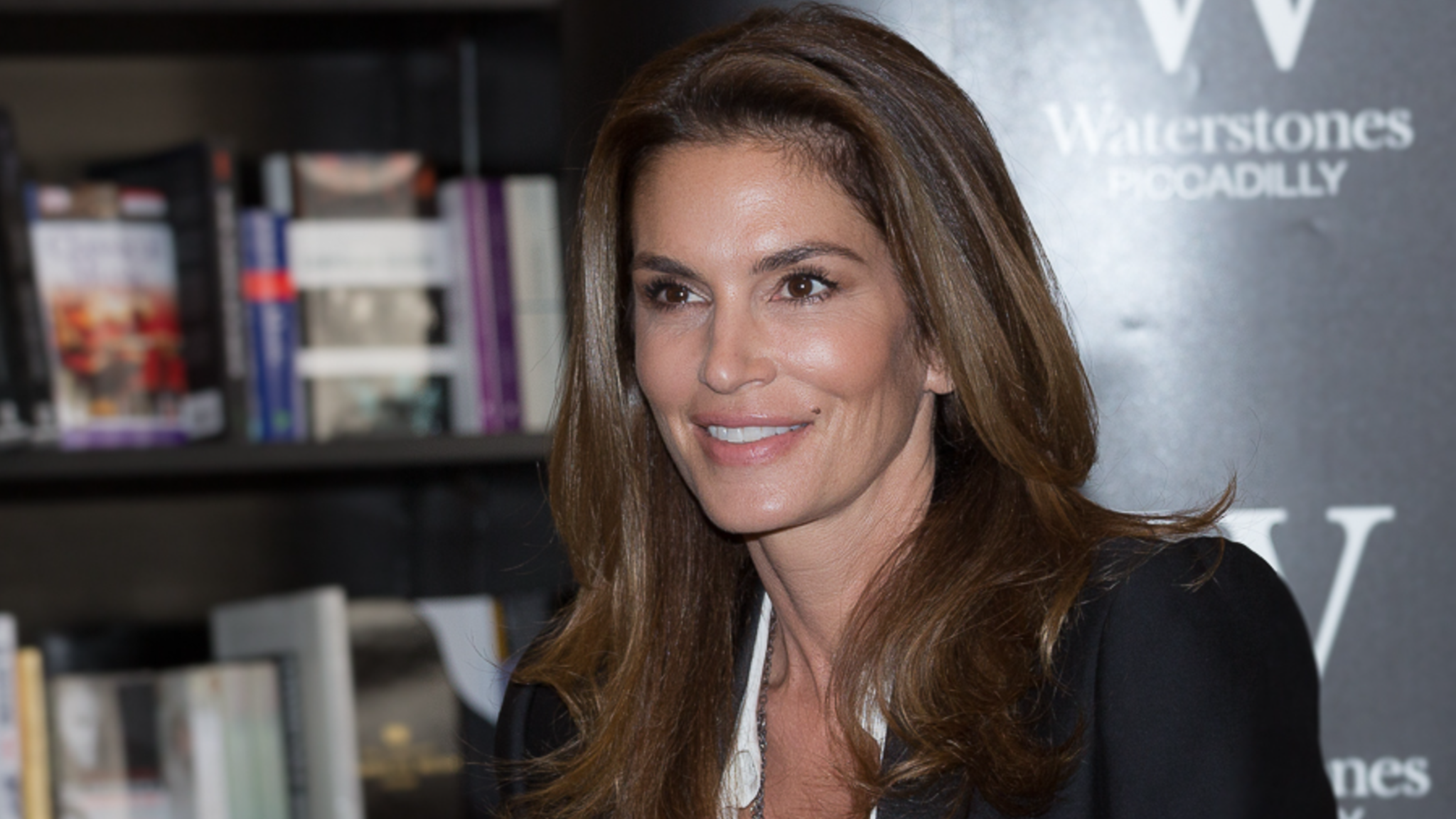
Cindy Crawford helped define the powerful supermodel image that opened the 1990s: voluminous hair, sculpted makeup and confident runway glamour.
Beauty remains subjective, so this list focuses on women whose appearances measurably influenced fashion, film, hair or popular beauty trends during the decade.
Naomi Campbell Commanded Nineties Runways
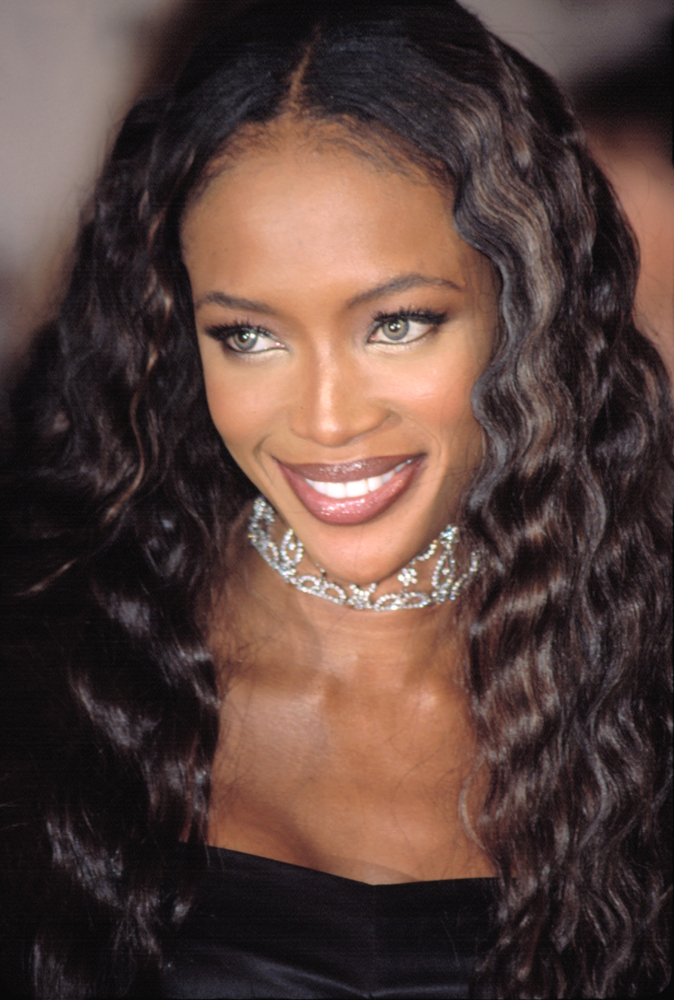
Naomi Campbell brought extraordinary runway presence to the supermodel era. Vogue identifies Campbell alongside Cindy Crawford, Linda Evangelista and Christy Turlington as central figures in the decade’s fashion culture. Her beauty influence extended beyond individual campaigns because her walk, makeup and styling became part of the theatrical glamour that made models global celebrities rather than anonymous clothes hangers.
Linda Evangelista Reinvented Nineties Beauty
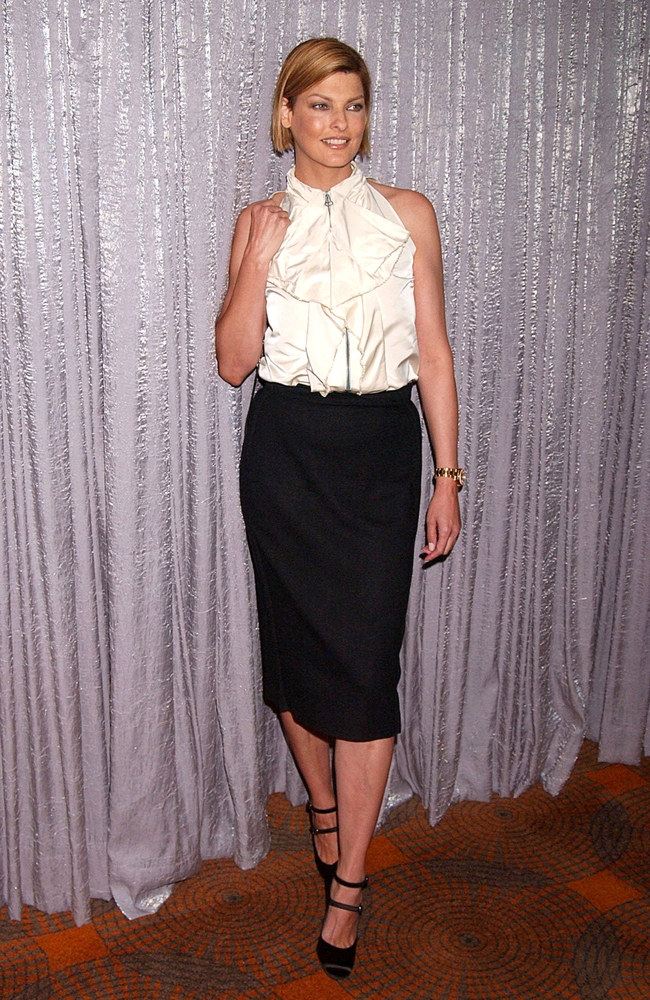
Linda Evangelista became famous for constantly changing her appearance. Cropped hair, different colors and sharply styled editorial looks allowed her to appear almost like a different person between campaigns. That versatility made Evangelista central to the idea that a supermodel could actively shape fashion imagery rather than simply fit one permanent beauty ideal.
Christy Turlington Represented Natural Nineties Glamour
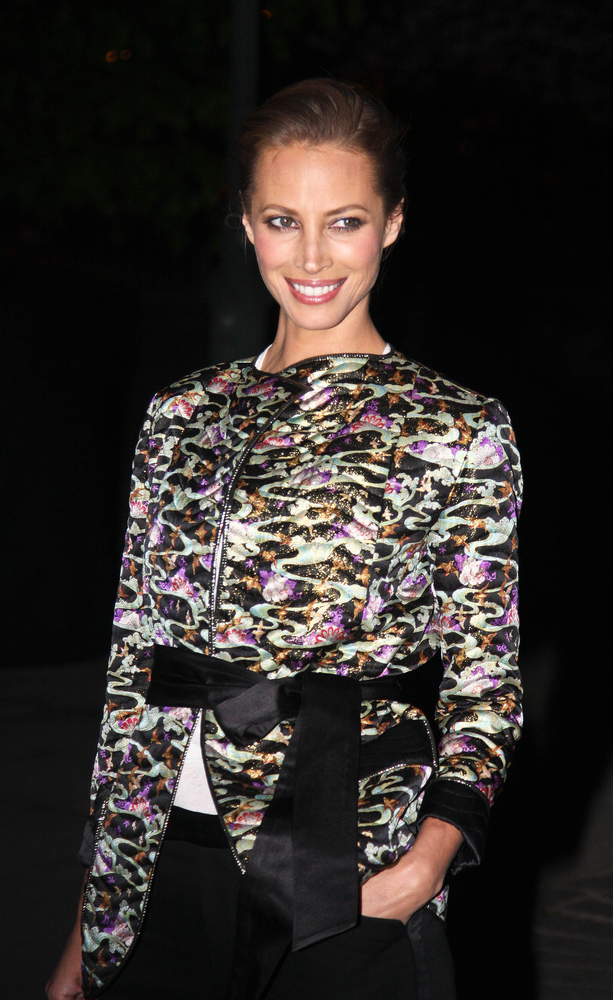
Christy Turlington offered a softer counterpart to the decade’s more dramatic supermodel looks. Vogue’s retrospective on ’90s beauty highlights her fresh skin as one of the era’s defining references. Turlington’s campaigns and runway appearances showed how polished beauty could still appear restrained, balancing stronger trends such as lined lips, heavy volume and more sculpted makeup.
Jennifer Aniston Created the Rachel Effect
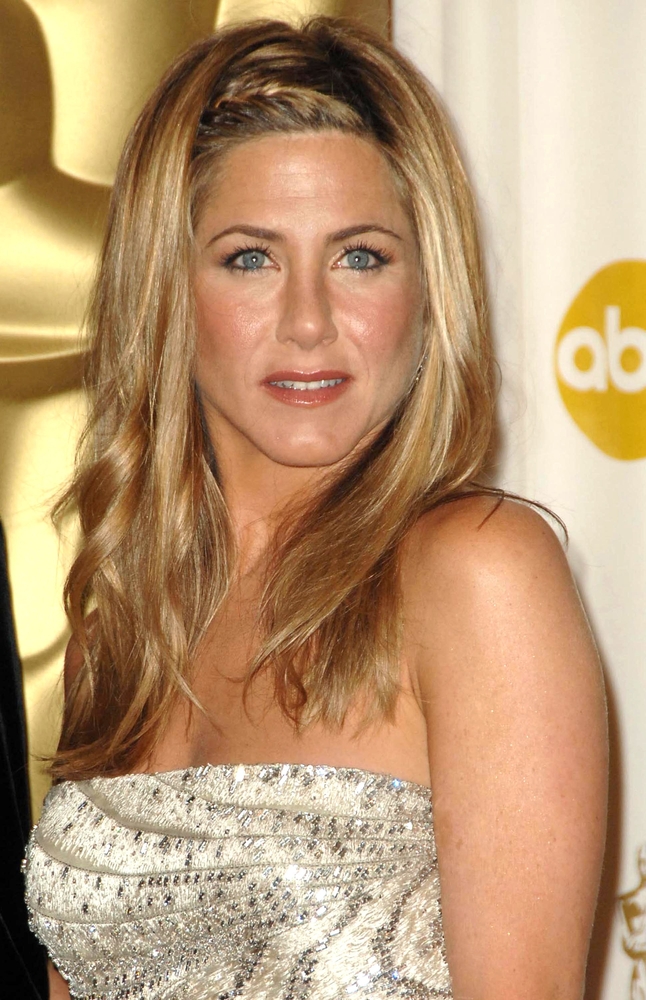
Jennifer Aniston turned one haircut into a worldwide beauty phenomenon through Friends. “The Rachel,” with face-framing layers and a bouncy highlighted finish, became one of the most copied cuts of the 1990s. Vogue continues to describe Aniston’s hairstyle as decade-defining, showing how television could influence beauty trends as strongly as fashion magazines and runway models.
Julia Roberts Defined Approachable Movie-Star Beauty
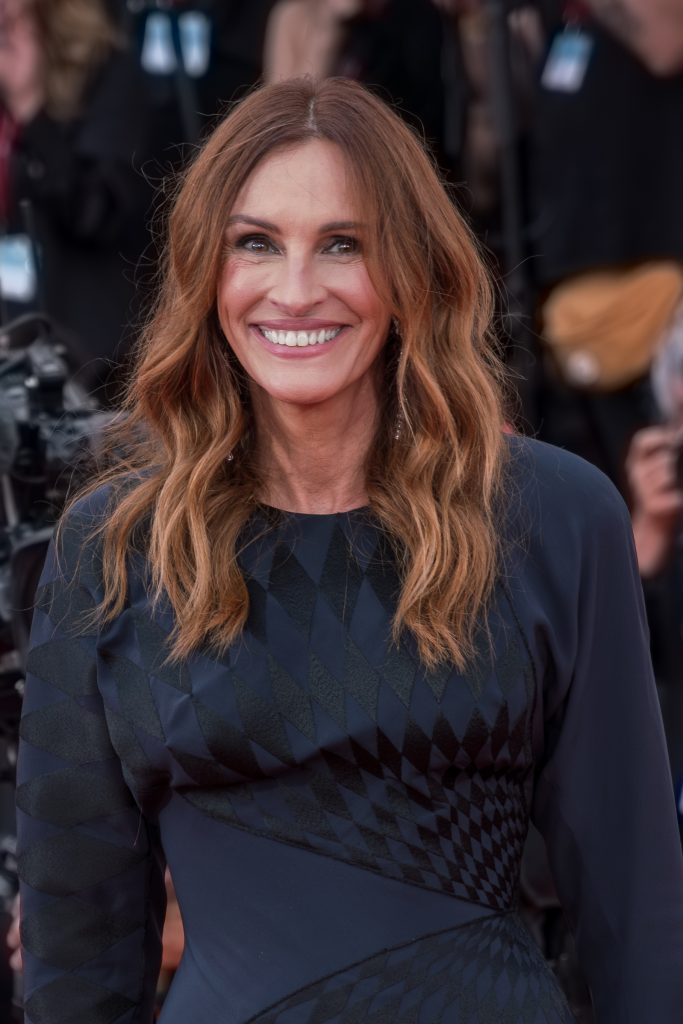
Julia Roberts became one of the decade’s biggest stars after Pretty Woman, with natural curls and her wide smile forming an instantly recognizable screen image. Her appeal differed from the highly controlled supermodel aesthetic because warmth and expressive personality were central to it. Roberts showed that 1990s glamour could feel relaxed and approachable while still carrying traditional movie-star impact.
Halle Berry Made Short Hair Glamorous
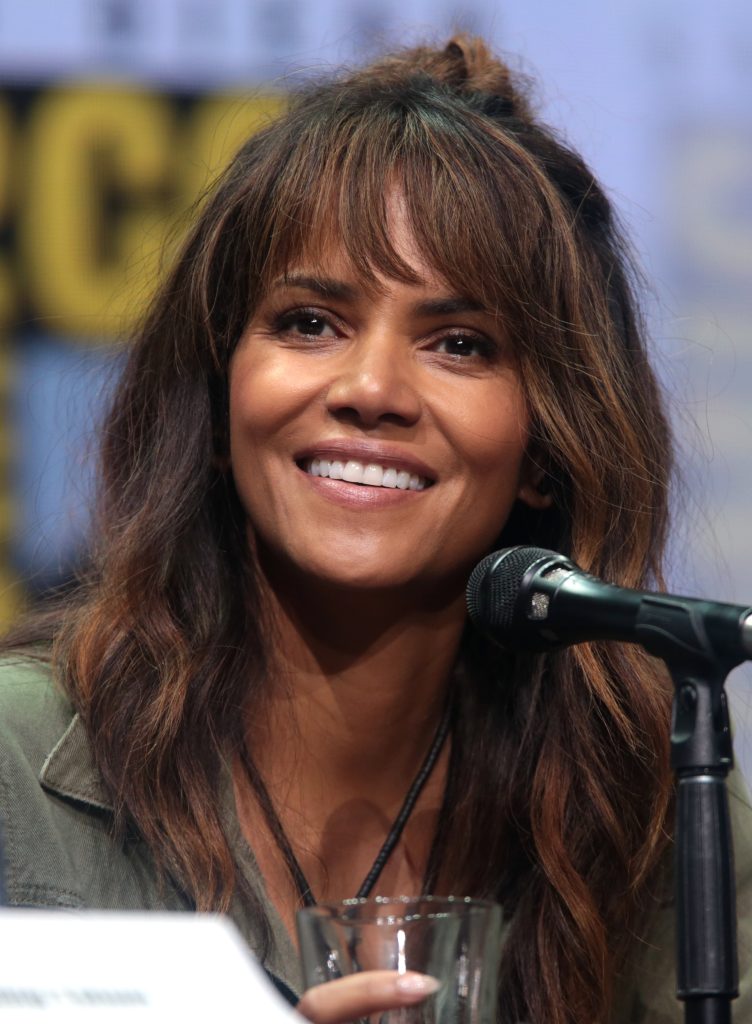
Halle Berry helped turn short hair into a powerful mainstream beauty statement during the 1990s. Her pixie cuts emphasized her facial features and stood apart from the long blowouts dominating much of celebrity styling. Berry’s look demonstrated that glamour did not require long hair, helping create an enduring reference for actresses and clients considering dramatic shorter cuts.
Salma Hayek Brought Dramatic Nineties Glamour
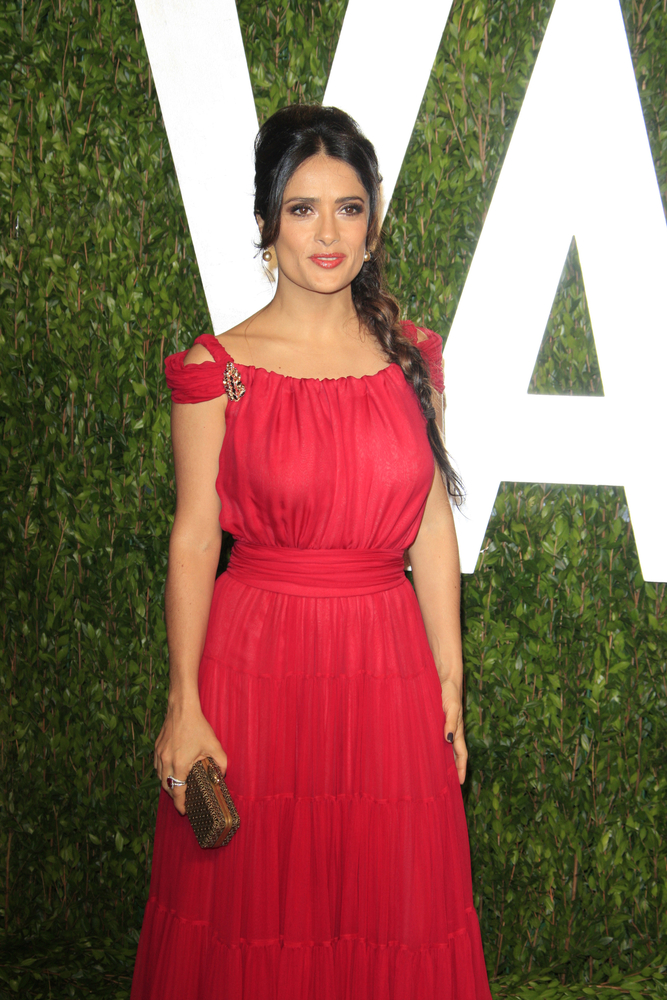
Salma Hayek developed a distinctive Hollywood style after arriving in major American films during the 1990s. Vogue notes that she embraced bold, body-conscious silhouettes early in her career, often while navigating designers who were initially unwilling to dress her. Her fashion and beauty identity combined classic screen glamour with a more openly sensual style that became instantly recognizable.
Featured Image: By Ibsan73 – https://www.flickr.com/photos/63465486@N07/21720243408/, CC BY-SA 2.0, https://commons.wikimedia.org/w/index.php?curid=43957519
Leave a Reply