
Hollywood has repeatedly promoted a narrow image of feminine beauty, often favoring youth, thinness, Eurocentric features and carefully controlled aging. Some actresses became influential precisely because they succeeded without completely conforming to that mold.
Their impact cannot be measured only by being called beautiful. They expanded who could be seen as a romantic lead, fashion figure or powerful screen presence.
Barbra Streisand Kept Her Profile
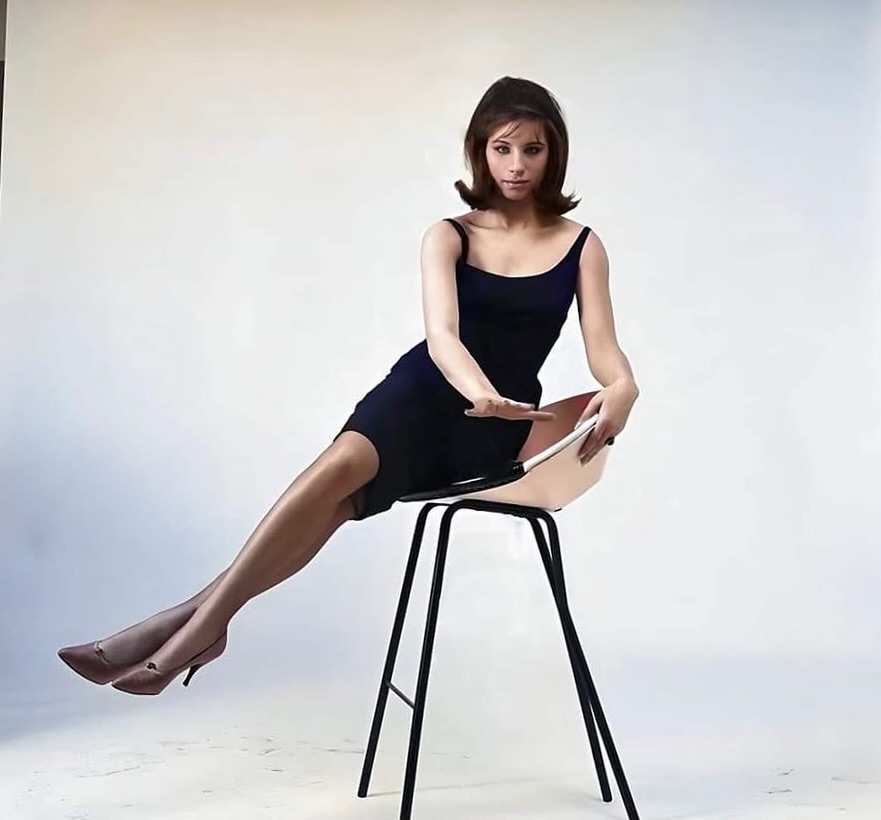
Early in her career, Barbra Streisand was told that her appearance would prevent stardom and was encouraged to alter her nose. She refused, partly because she feared surgery might affect her voice and partly because the feature belonged to her identity. Streisand’s enormous success challenged the assumption that a female star needed a small, conventional nose. Her face became iconic because she did not reshape it to resemble everyone else’s.
Cicely Tyson Centered Natural Hair
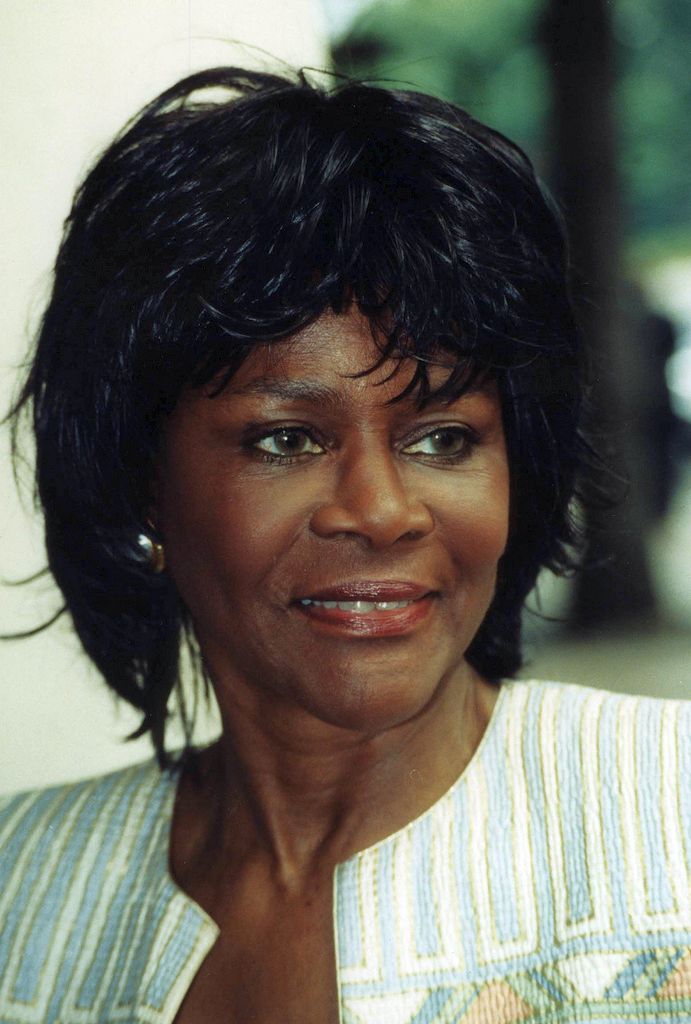
Cicely Tyson made a groundbreaking visual statement when she appeared on American television in the 1960s wearing natural hair and later cornrows. At a time when Black actresses were often expected to conform to Eurocentric styling, Tyson treated Black hair as appropriate for serious drama and national television. Her choices influenced both beauty culture and representation, proving that hair could communicate history, dignity and character rather than needing to be softened for white audiences.
Sophia Loren Celebrated Mediterranean Glamour

Sophia Loren’s international rise offered a different model from the pale, delicate blond ideal associated with much of 1950s Hollywood. Her strong features, expressive eyes and curving figure became central to her screen identity rather than obstacles to hide. Loren’s beauty was inseparable from confidence, humor and dramatic force. Her success helped establish that glamour could be distinctly Italian and Mediterranean instead of requiring performers to imitate an American studio template.
Pam Grier Made Strength Glamorous

Pam Grier became a defining star of 1970s action cinema through films including Coffy and Foxy Brown. She presented Black femininity as powerful, physically capable and central to the story rather than decorative or secondary. Although some of her films were shaped by exploitation-era conventions, Grier’s commanding presence influenced generations of action heroines. She broadened beauty standards by showing that toughness, Afro hairstyles and unapologetic confidence could be elements of leading-lady glamour.
Lupita Nyong’o Challenged Colorism

After winning acclaim for 12 Years a Slave, Lupita Nyong’o used a 2014 speech to discuss growing up feeling that her dark skin was not considered beautiful. She described how seeing model Alek Wek celebrated internationally changed her self-perception and shared a letter from a girl inspired by Nyong’o’s visibility. Her words connected Hollywood representation to the real emotional effects of colorism, demonstrating why seeing dark-skinned women treated as glamorous matters beyond awards ceremonies.
Helen Mirren Made Aging Visible
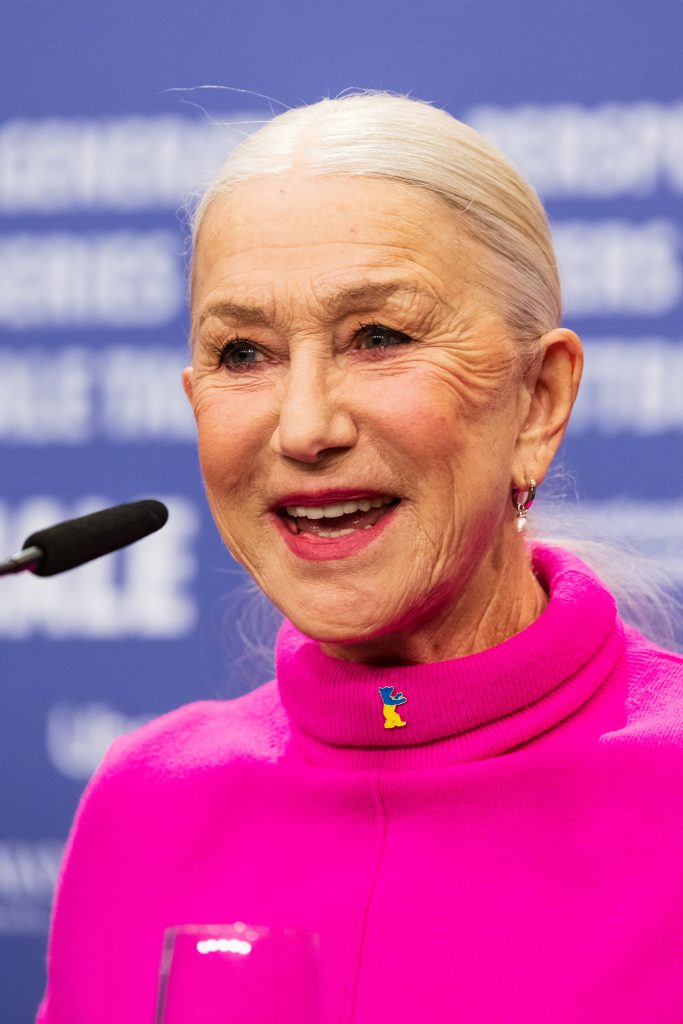
Helen Mirren has consistently rejected the belief that beauty, confidence or romantic appeal expires at a particular age. She has criticized an industry that once sold older women the impossible goal of looking 15 and has welcomed broader representation across ages and body types. Mirren continues taking high-profile roles and appearing in beauty campaigns without pretending that aging has stopped. Her visibility challenges the quiet disappearance traditionally expected of older actresses.
Expanding Beauty, Not Replacing It

These actresses did not establish one new standard to replace the old one. Their importance lies in making the screen less uniform. Streisand protected a distinctive feature, Tyson centered natural Black hair, Nyong’o confronted colorism and Mirren made age visible. Their careers demonstrate that beauty becomes more meaningful when audiences can see different faces, skin tones, ages and forms of confidence rather than being told that only one carefully maintained appearance deserves the spotlight.
Featured Image: By lifescript – https://www.flickr.com/photos/35560790@N03/8411166353/, CC BY 2.0, https://commons.wikimedia.org/w/index.php?curid=49359458
Leave a Reply