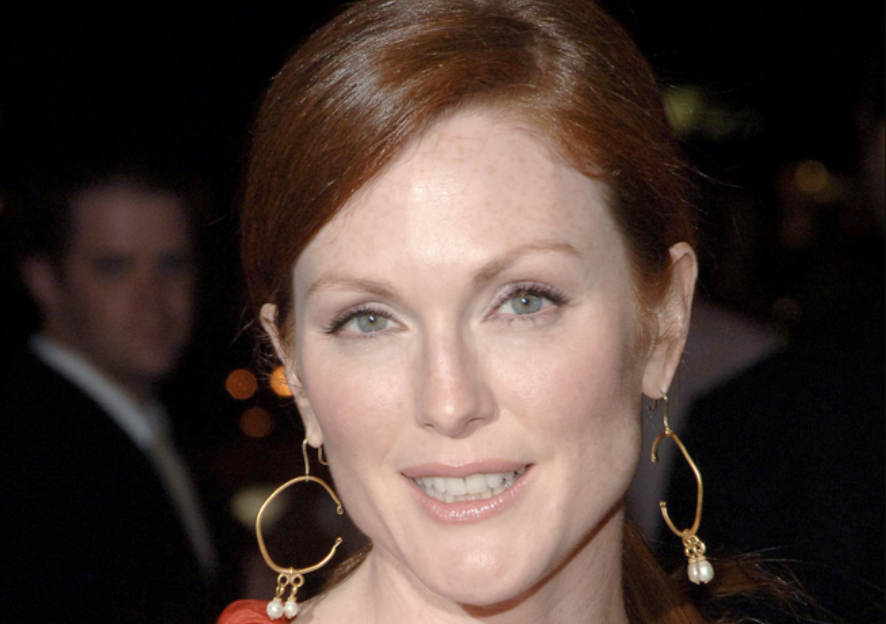
Julianne Moore has become a favorite among many LGBTQ+ film audiences through a career filled with queer characters, LGBTQ+-themed stories and collaborations with openly queer filmmakers. Out magazine has described her as a queer-cinema icon and previously recognized her as an ally.
The label refers to Moore’s cultural following and filmography, not her personal sexual orientation. Her appeal comes from emotionally complex performances in stories about identity, repression, marriage and lives that challenge conventional expectations.
Julianne Moore’s Early Acting Career
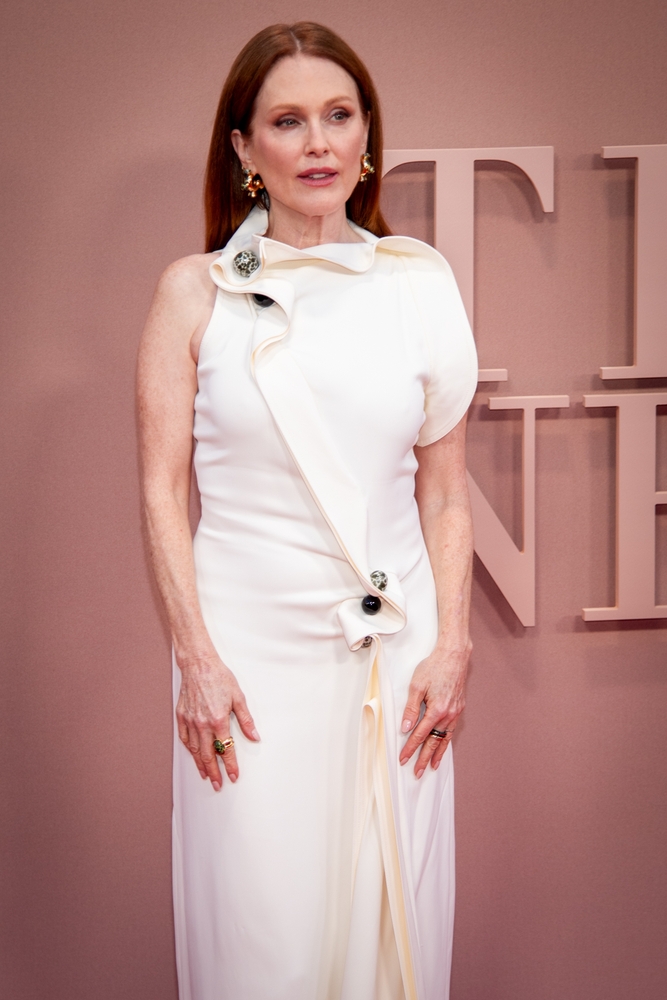
Moore began building a national profile through As the World Turns, where she played half-sisters Frannie and Sabrina Hughes and earned a Daytime Emmy. She later moved into films including Boogie Nights, The Big Lebowski and Magnolia. Several early roles involved sexuality, unconventional relationships or characters living outside social expectations. That willingness to enter complicated stories helped her develop a following among viewers who rarely saw such experiences treated seriously in mainstream cinema.
Julianne Moore in Far From Heaven
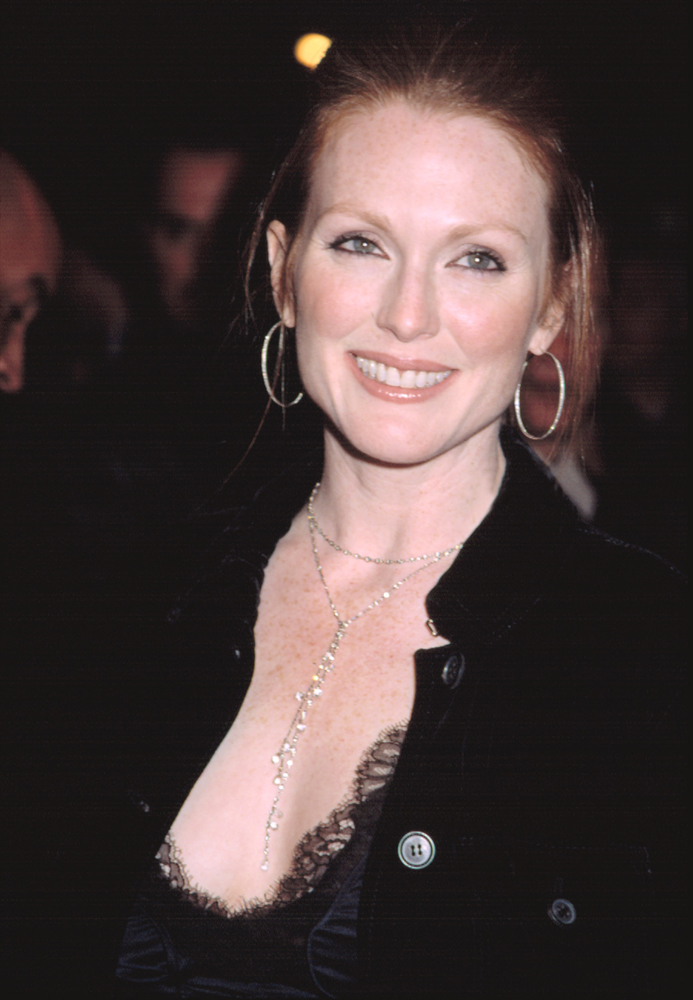
Todd Haynes’ 2002 drama Far From Heaven placed Moore inside a carefully constructed 1950s suburb. She played Cathy Whitaker, whose apparently perfect marriage begins collapsing when she discovers her husband is attracted to men. Cathy also faces condemnation for forming a friendship with a Black gardener. Moore’s restrained performance captured the loneliness created by rigid expectations around race, gender and sexuality, earning her an Academy Award nomination.
Julianne Moore in The Hours
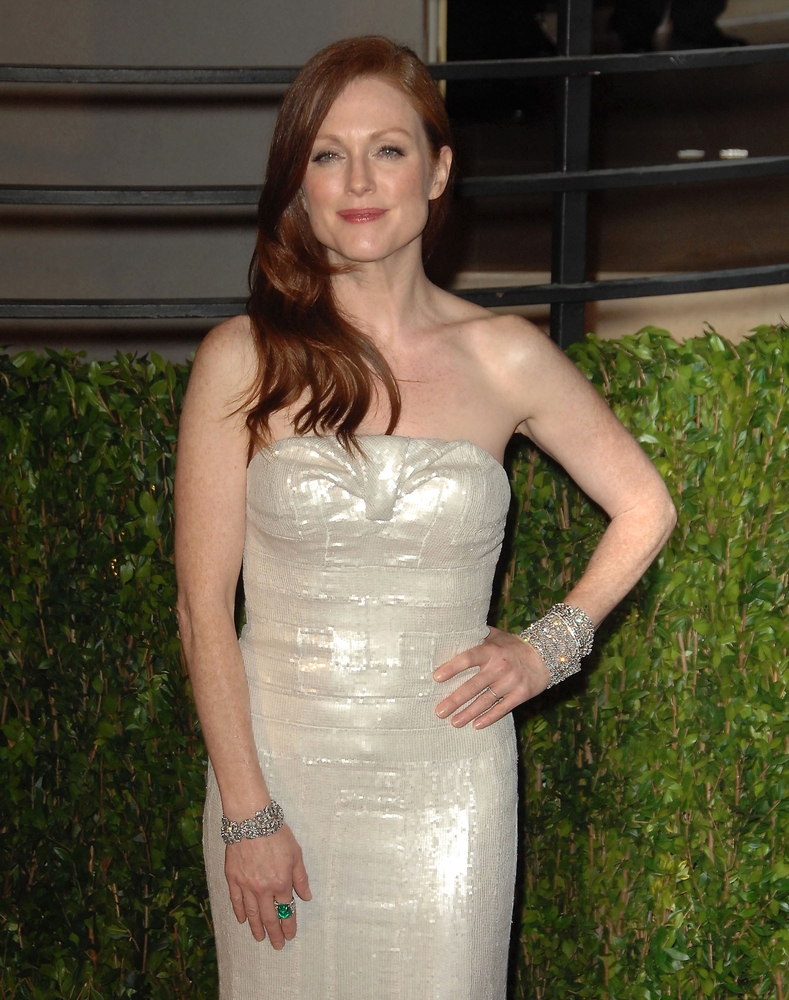
In The Hours, Moore played Laura Brown, a 1950s wife and mother who feels trapped inside the domestic life expected of her. The character’s repressed desires and emotional isolation are connected with parallel stories involving Virginia Woolf and a modern New York editor. The film has remained important to queer audiences because it examines how conventional family structures can become suffocating when people cannot acknowledge their identities or needs.
Julianne Moore in A Single Man
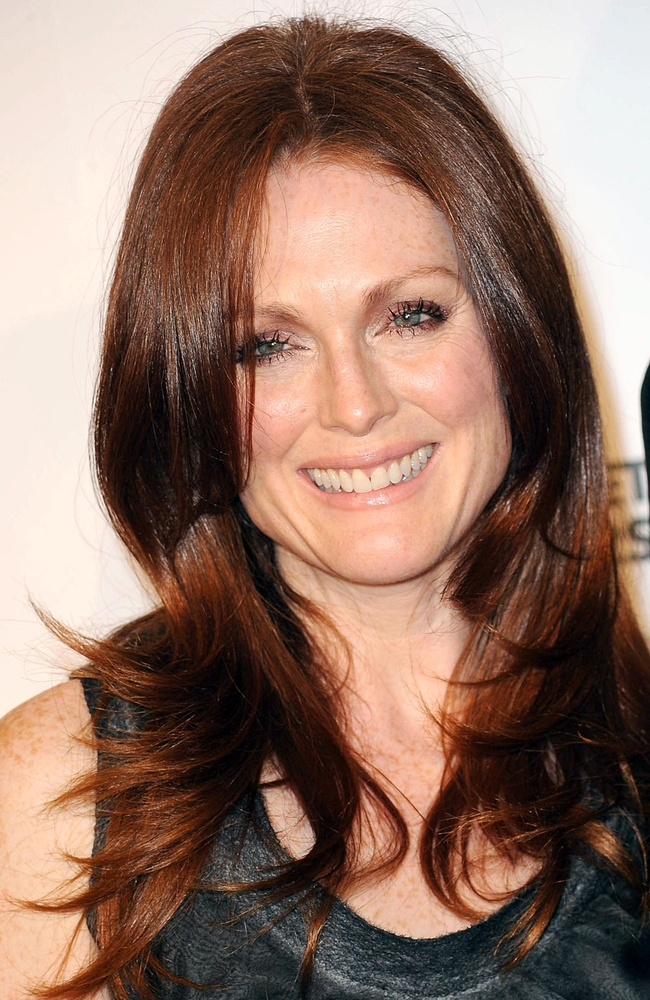
Moore reunited with queer-centered storytelling in Tom Ford’s A Single Man. She played Charley, a glamorous but deeply lonely friend of Colin Firth’s character, George, a gay professor grieving his partner’s death. Although Charley is not the story’s queer lead, Moore’s emotional performance supports a film now frequently included among significant LGBTQ+ movies. Her work captured the painful distance between affection, romantic longing and genuine compatibility.
Julianne Moore in The Kids Are All Right
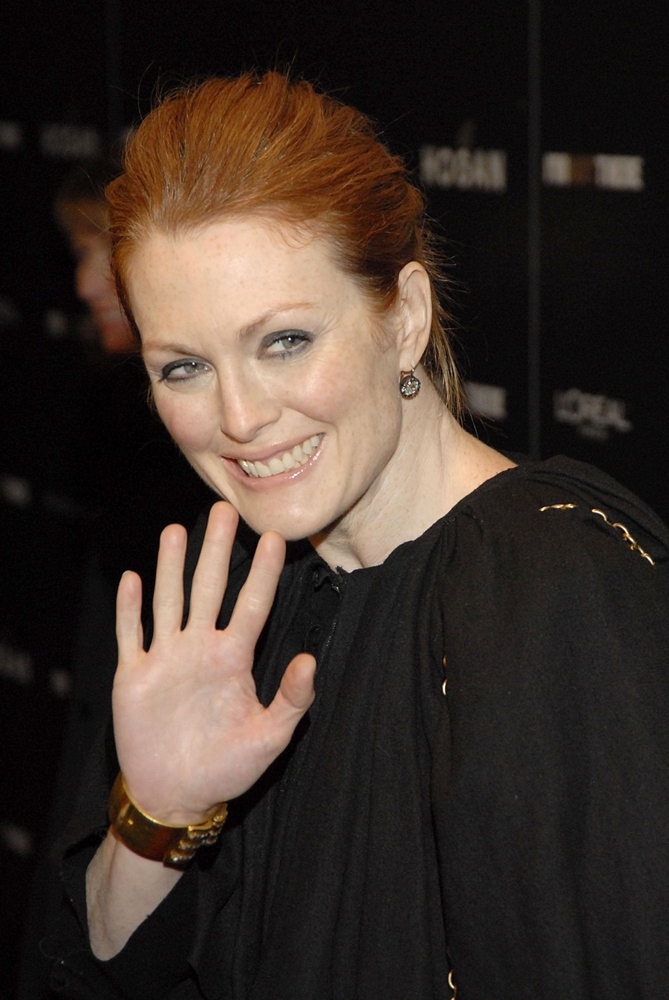
Moore and Annette Bening played a married lesbian couple raising two teenagers in The Kids Are All Right. The 2010 film brought a queer family into a widely released domestic comedy-drama. Moore later acknowledged criticism that all the principal actors were straight, saying she did not know whether the same casting choices would feel acceptable today. She emphasized the importance of authentic representation while remaining grateful for the experience.
Julianne Moore in Freeheld
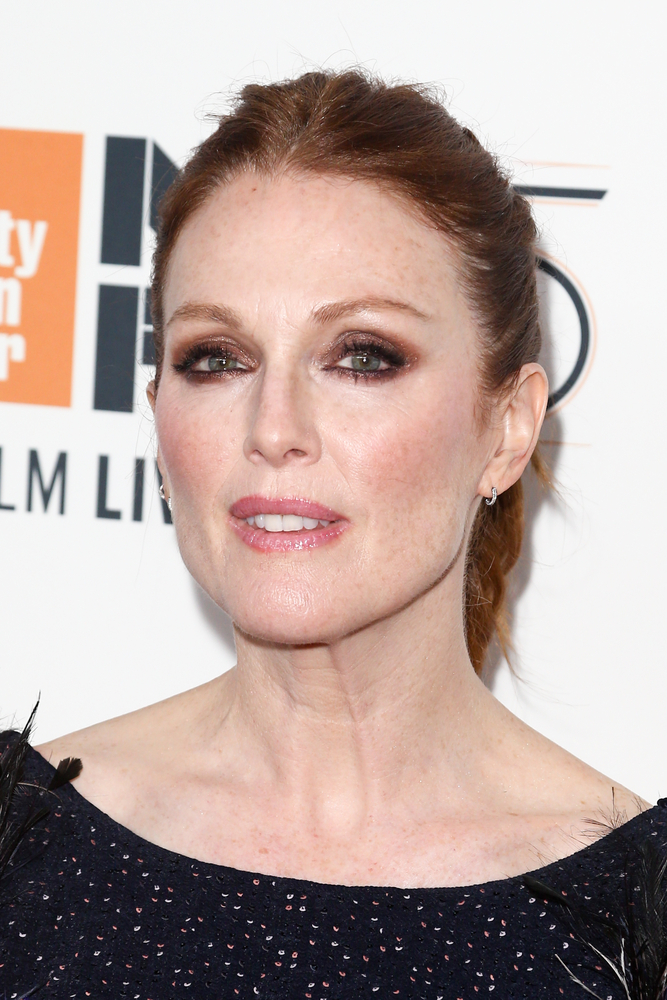
In Freeheld, Moore portrayed real-life New Jersey police detective Laurel Hester opposite Elliot Page as Hester’s partner, Stacie Andree. After receiving a terminal cancer diagnosis, Hester fought to transfer her pension benefits to Andree. Officials initially denied the request because they were an unmarried same-sex couple. The film turned a personal relationship into a civil-rights story and reinforced Moore’s long association with LGBTQ+ characters and equality-focused projects.
Julianne Moore’s Oscar-Winning Career
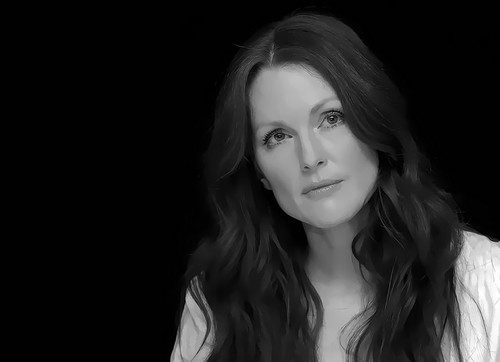
Moore won the Academy Award for Still Alice in 2015 after four previous acting nominations. Her wider legacy, however, extends beyond awards. By repeatedly accepting queer roles and working in films about repression, identity and equality, she became part of a cinematic tradition valued by LGBTQ+ audiences. Modern debates about authentic casting have complicated how some earlier films are viewed, and Moore has shown a willingness to acknowledge those concerns rather than dismiss them.
Featured Image: Shutterstock
Leave a Reply