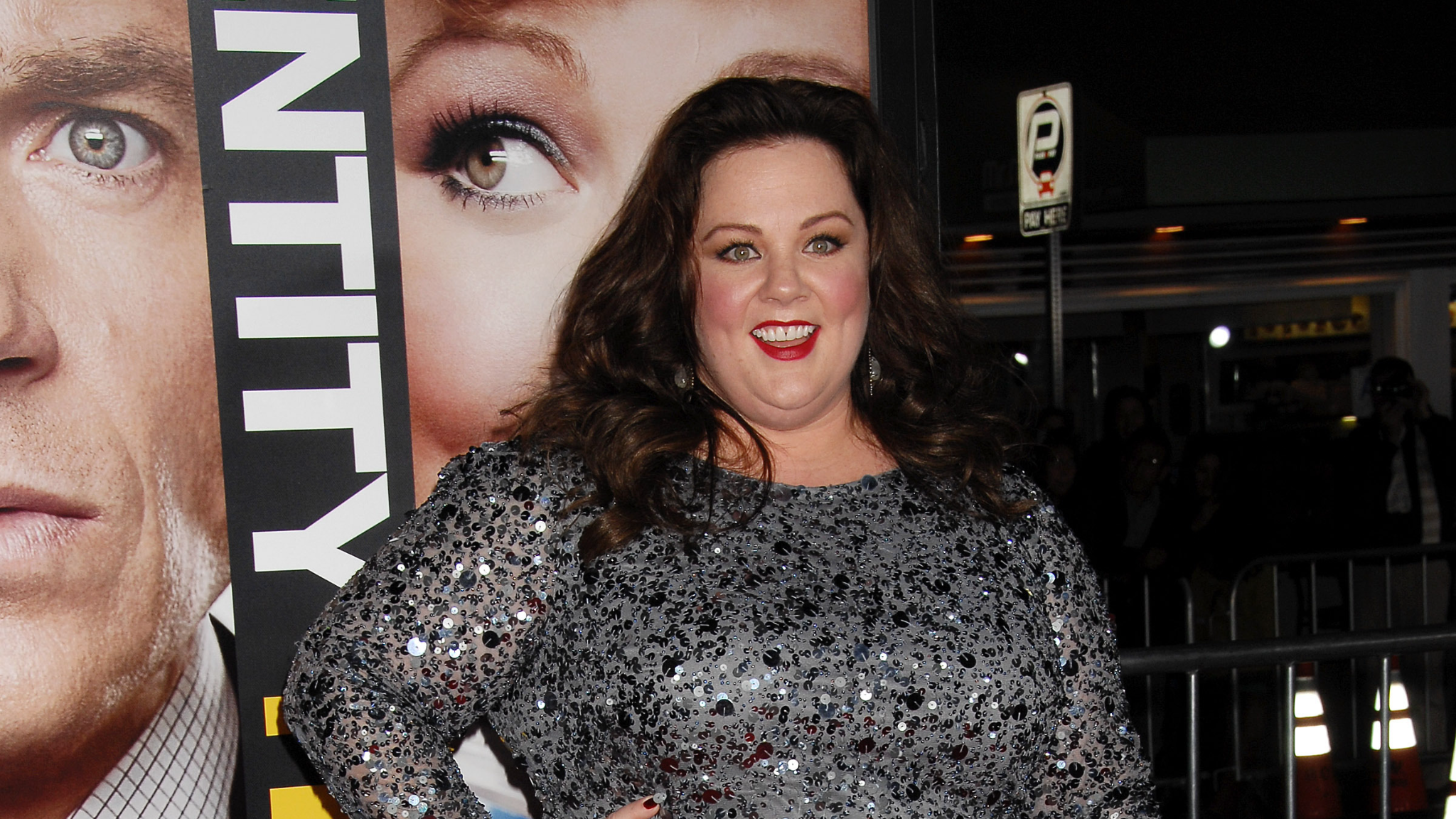
Red-carpet fashion may look effortless, but celebrity gowns are frequently borrowed through a system shaped by sample sizes, publicity value and designer relationships.
Several stars have said fashion houses would not dress them, even for major events. Their experiences show how size, race, status and industry access can determine who receives custom clothing—and who must find another solution.
Melissa McCarthy Heard No
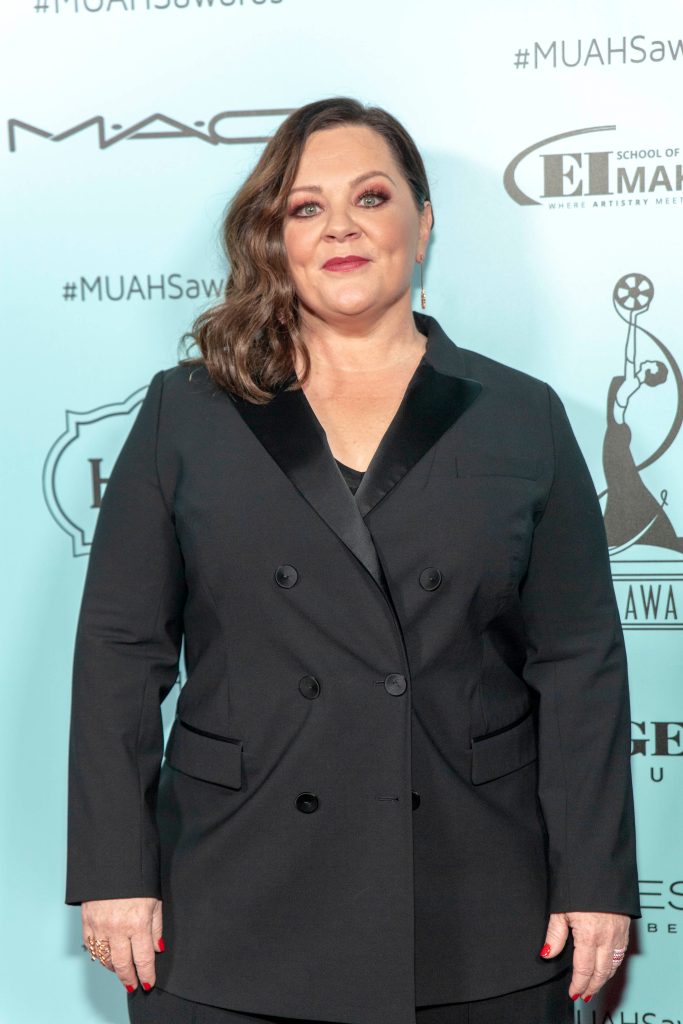
Melissa McCarthy said she approached five or six high-profile designers for the 2012 Oscars and was rejected by all of them. She wanted a distinctive gown rather than the limited choices commonly available to plus-size women. The experience later influenced her decision to create a clothing line, as she believed shoppers deserved more stylish options across a wider range of sizes.
Leslie Jones Found an Ally
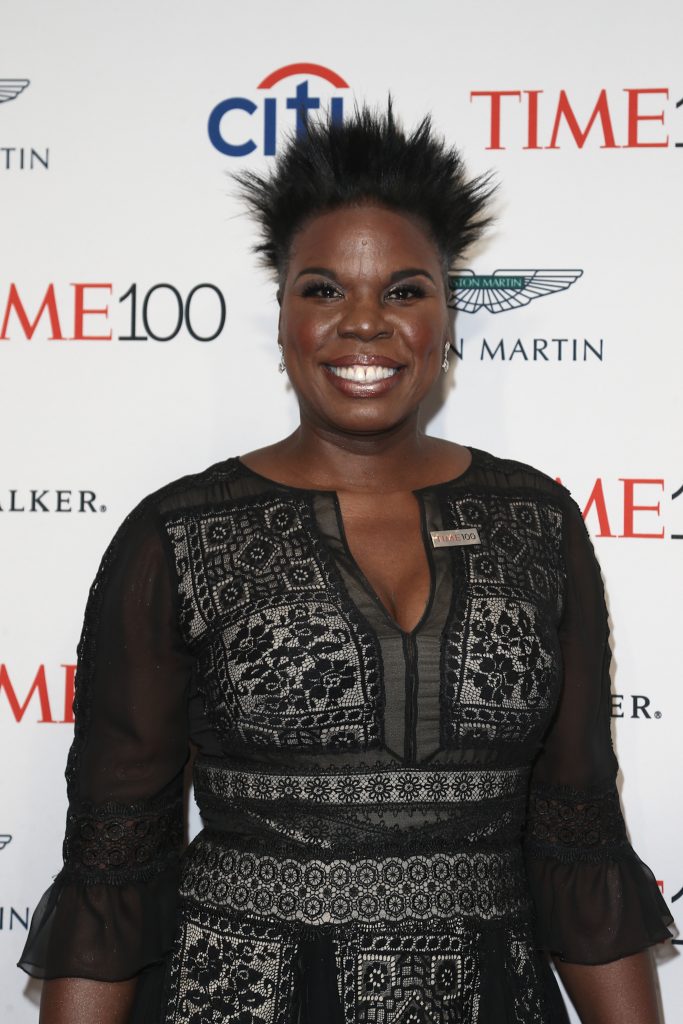
Before the 2016 Ghostbusters premiere, Leslie Jones wrote that designers were not offering to help dress her. Christian Siriano responded publicly and created a red gown for the event. The exchange became a widely discussed example of how fashion access can change when one designer chooses inclusion. Jones did not identify every company she approached, so individual labels should not be accused without evidence.
Bebe Rexha Called It Out
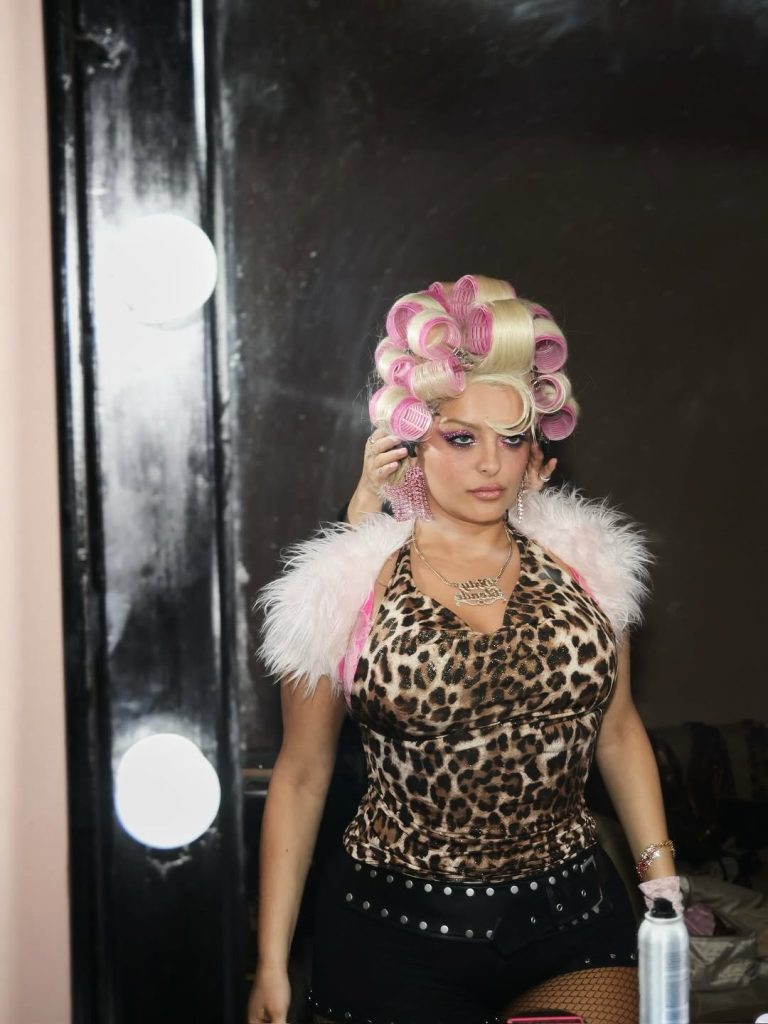
Bebe Rexha said designers declined to dress her for the 2019 Grammys because she wore a size 6 or 8. She challenged that message in a public video, arguing that those sizes should not be considered too large for fashion. Designers subsequently offered her options, and she attended in a gown by Monsoori. Her response turned private rejection into a broader discussion about unrealistic sample sizing.
Ashley Graham Missed the Met
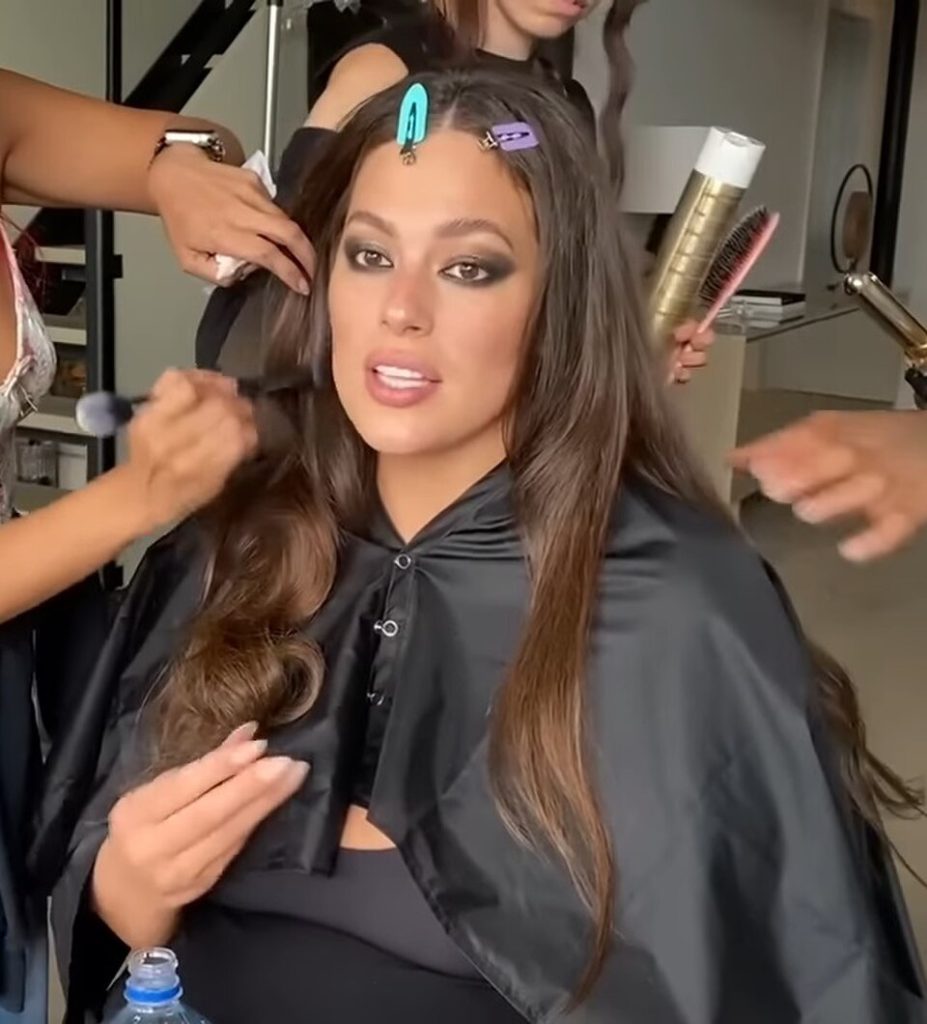
Ashley Graham said she missed the 2016 Met Gala because she could not secure a designer to dress her. As one of the world’s best-known plus-size models, her absence exposed the gap between fashion’s public celebration of diversity and the practical limits of its sample system. Graham attended in later years, but her earlier experience showed that visibility did not automatically create equal access.
Rachel Bloom Bought Her Own
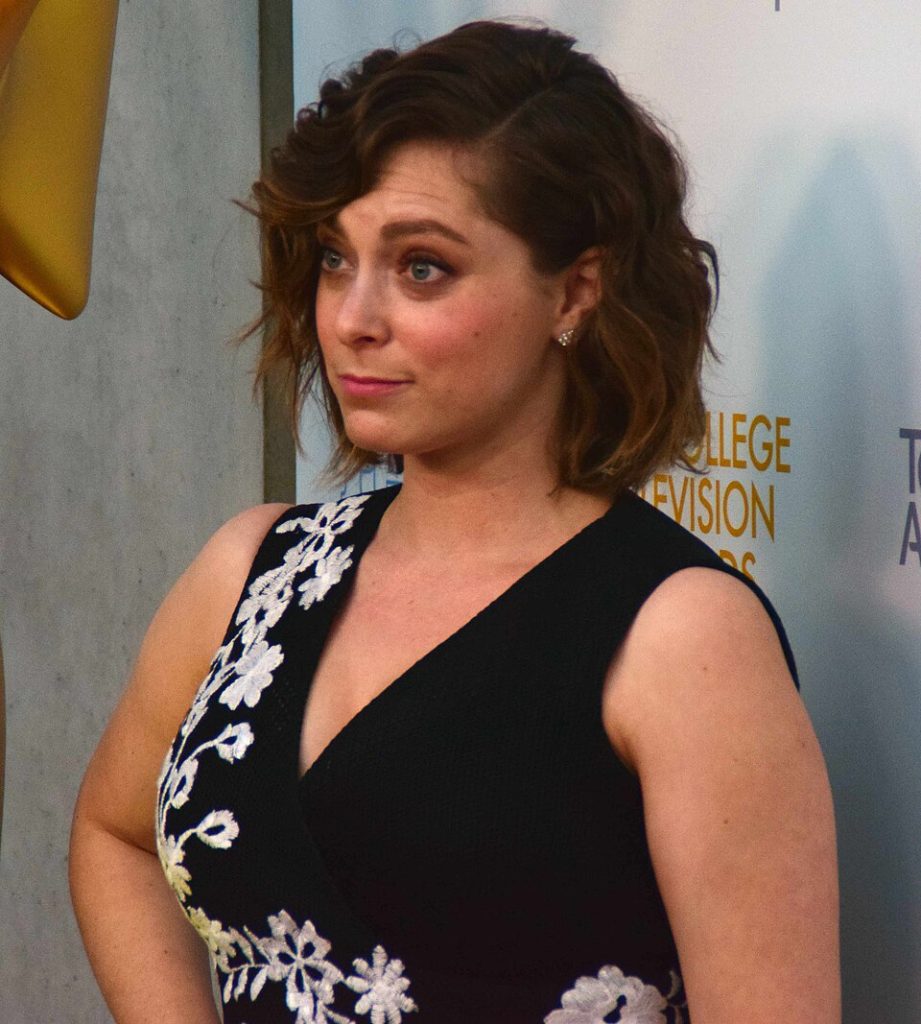
Rachel Bloom purchased her own Gucci gown for the 2017 Emmys after saying that lending options were limited for women who did not fit standard sample sizes. She later clarified that she had not personally approached Gucci and been rejected. That distinction matters. Her criticism concerned the broader red-carpet borrowing system, not a direct accusation against the fashion house whose dress she chose to buy.
Megan Mullally Shopped Online
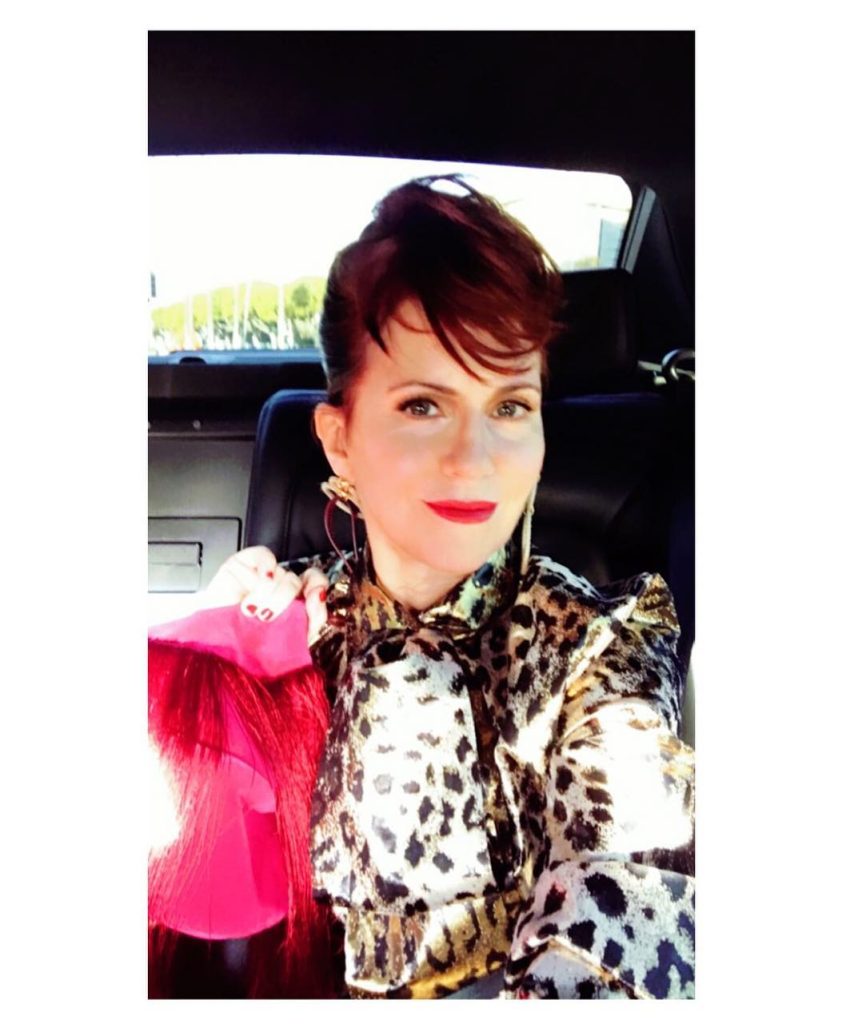
While preparing to host the 2019 SAG Awards, Megan Mullally said designers were not sending her dresses and that she was searching online for a gown. Her comments surprised audiences because hosting a major awards ceremony might appear to guarantee fashion support. Instead, her experience suggested that fame and a highly visible role do not automatically overcome the industry’s narrow sizing and lending practices.
Beyoncé’s Family Stepped In
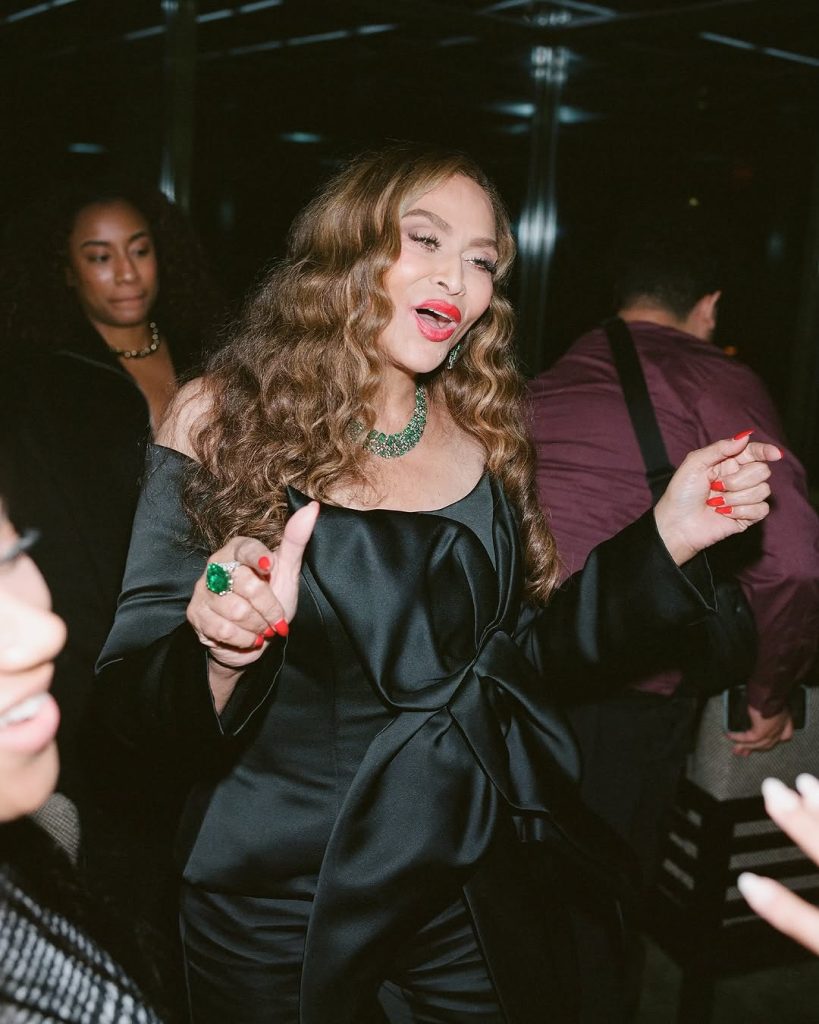
Beyoncé recalled that high-end fashion labels initially refused to dress Destiny’s Child. In her 2016 CFDA speech, she said her mother, Tina Knowles, and Uncle Jonny designed and handmade the group’s early costumes. Those coordinated looks became central to Destiny’s Child’s image, demonstrating how exclusion pushed the family to create a distinctive visual language that audiences still remember.
Featured Image: Shutterstock
Leave a Reply