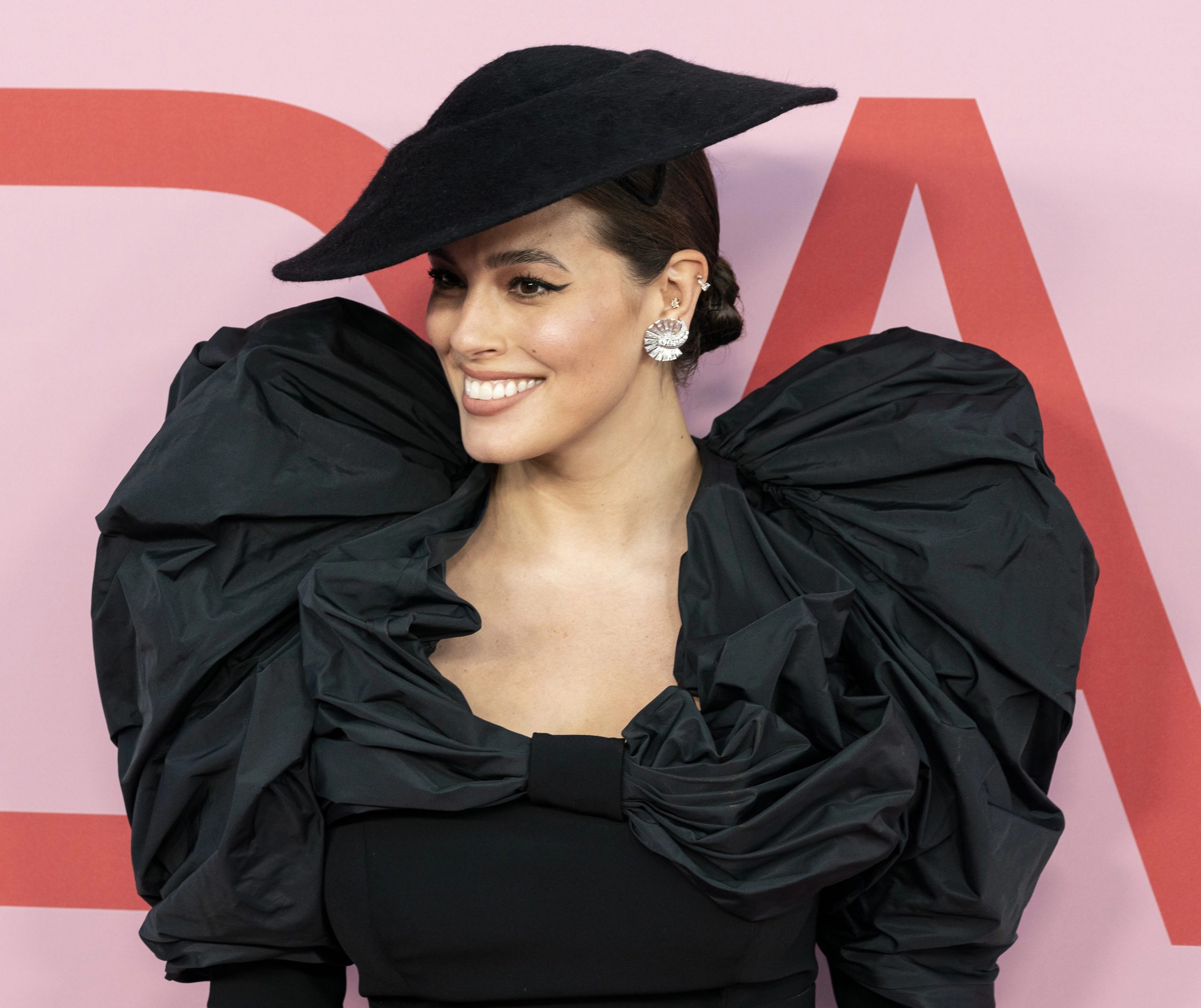
For decades, the fashion industry often promoted a narrow definition of beauty. Yet a number of groundbreaking models challenged those standards and helped expand ideas about age, size, skin conditions, disability, gender identity, and cultural representation. Their success opened doors for others and encouraged the industry to embrace a wider range of faces, bodies, and stories.
1. Twiggy
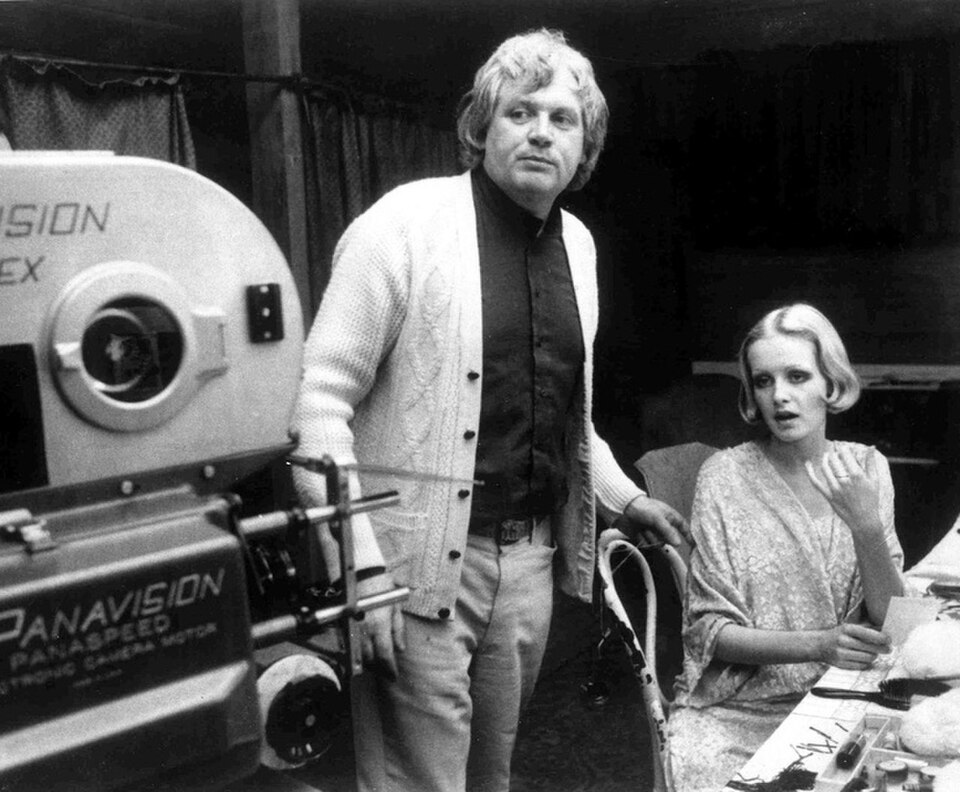
In the 1960s, Twiggy became one of the most recognizable faces in fashion. Her short hair, large eyes, and slender frame challenged the more glamorous beauty ideals that had dominated earlier decades.
Her influence helped usher in a new era of fashion and proved that beauty could take many forms. She remains one of the most iconic models in history.
2. Beverly Johnson
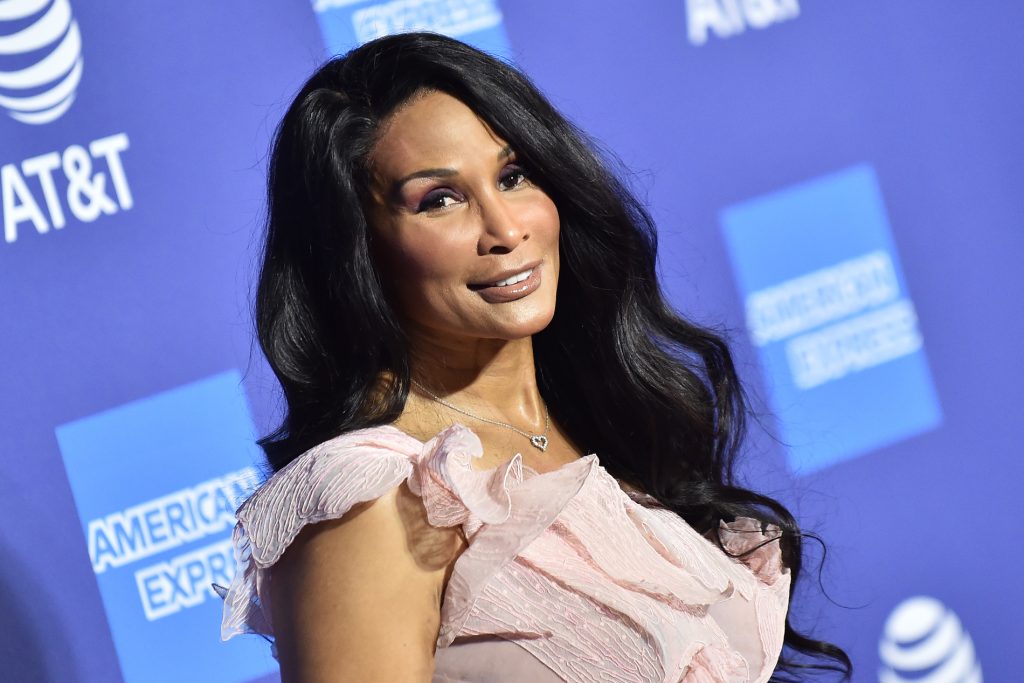
When Beverly Johnson appeared on the cover of Vogue in 1974, she became the first Black woman to achieve that milestone. The moment marked a significant shift in fashion representation.
Her success helped create opportunities for future generations of Black models. Johnson’s impact continues to be recognized as a turning point for diversity in the industry.
3. Cindy Crawford
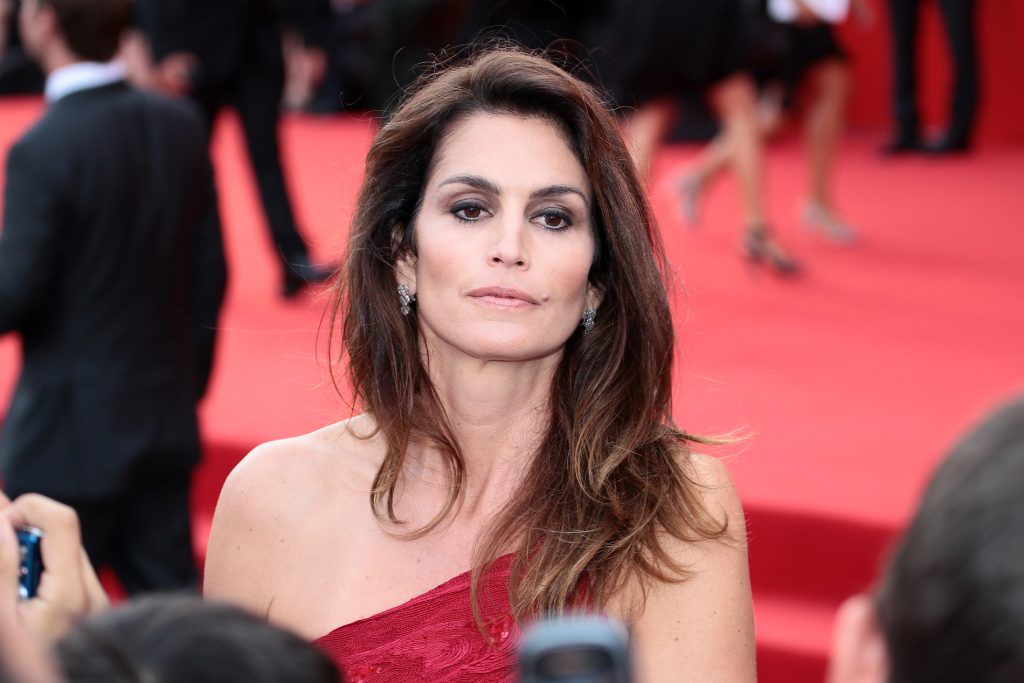
Cindy Crawford’s famous beauty mark became one of her signature features. At a time when such characteristics were often considered imperfections, she embraced it rather than hiding it.
Her confidence helped demonstrate that distinctive features could become assets rather than flaws. She went on to become one of the defining supermodels of the 1980s and 1990s.
4. Alek Wek
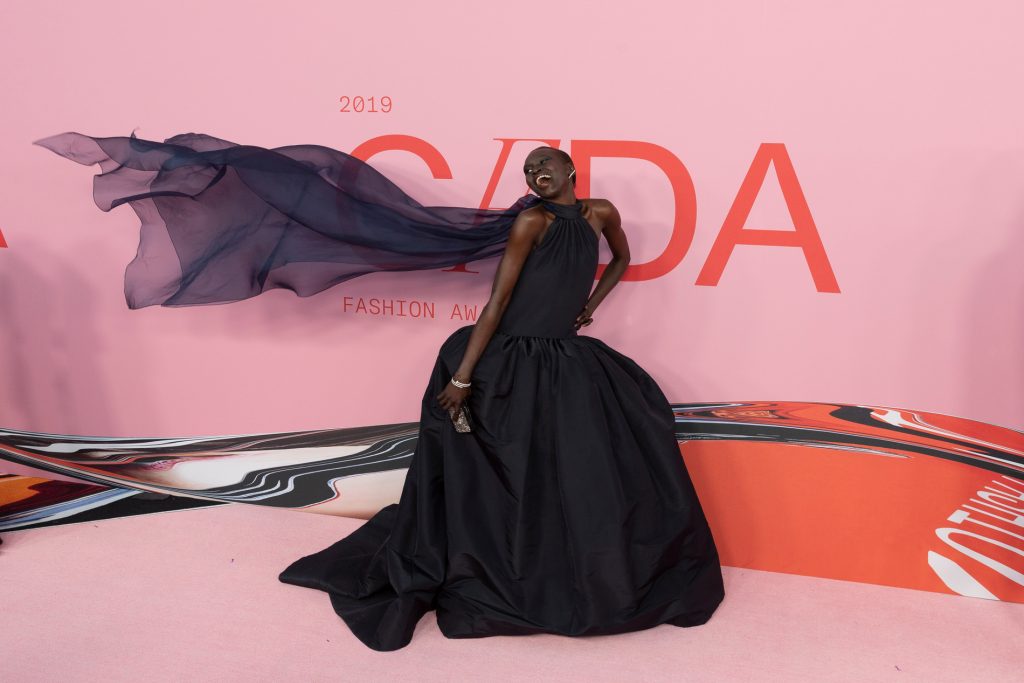
When Alek Wek rose to prominence in the 1990s, her dark skin tone and closely cropped hair challenged long-standing beauty norms within the fashion world.
She became an influential figure for greater representation and inspired many people who had rarely seen themselves reflected in mainstream fashion imagery.
5. Winnie Harlow
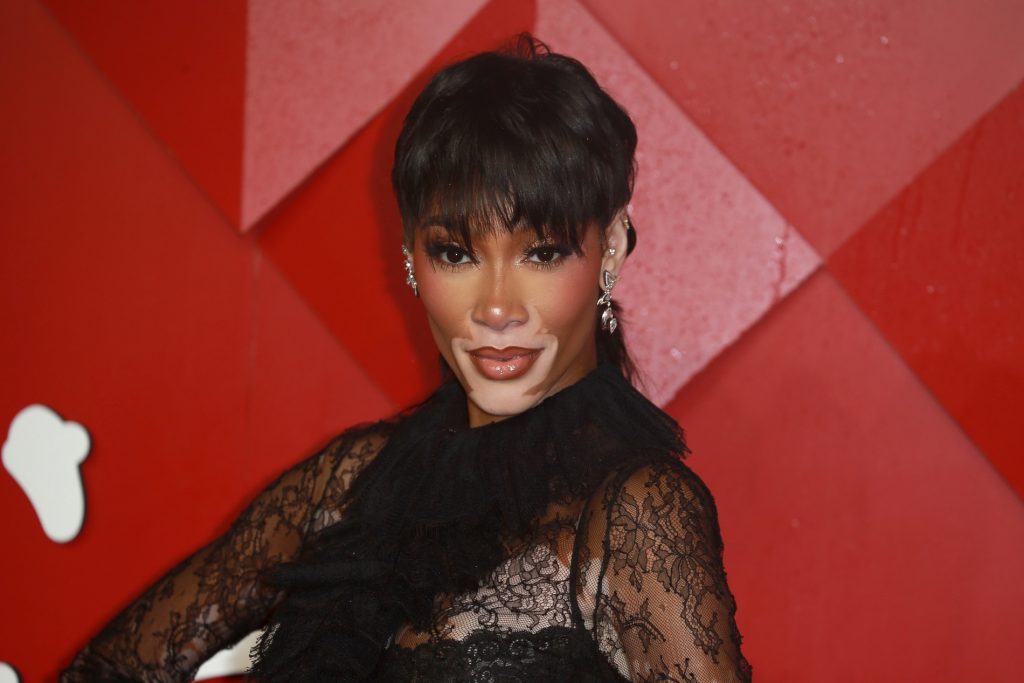
Winnie Harlow gained international recognition while openly embracing her vitiligo. Rather than concealing her skin condition, she made it a visible part of her public identity.
Her success helped broaden conversations about beauty and skin diversity. She has since appeared in major campaigns, runway shows, and magazine covers around the world.
6. Ashley Graham
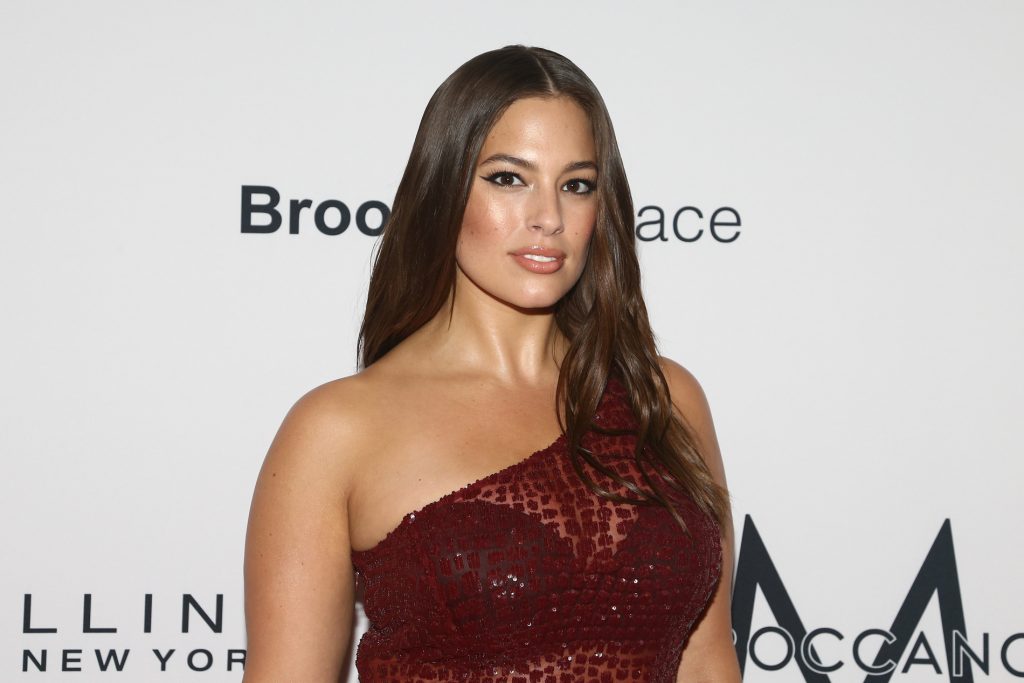
Ashley Graham became one of the most recognizable advocates for body diversity in fashion. Her success as a plus-size model challenged assumptions about which body types belonged in major campaigns and publications.
She helped bring broader conversations about size representation into the mainstream. Her influence can still be seen across advertising and runway casting today.
7. Halima Aden
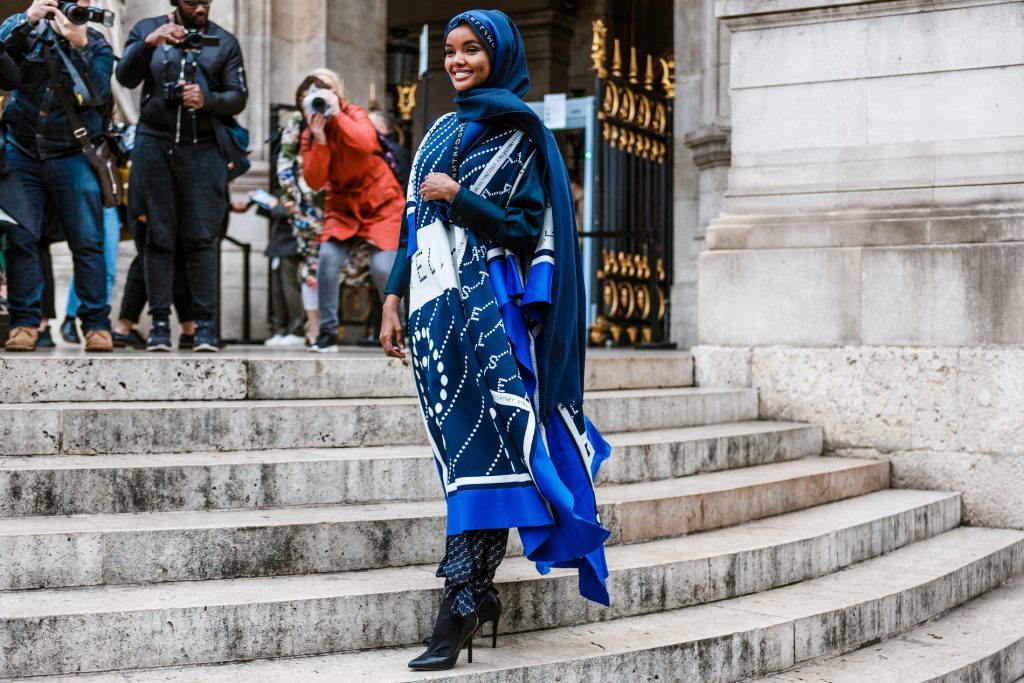
Halima Aden made history as one of the first models to achieve widespread success while wearing a hijab. Her presence in major fashion campaigns introduced new forms of representation to global audiences.
She encouraged conversations about faith, identity, and inclusion within the fashion industry. Her career demonstrated that modest fashion could have a place on the world’s biggest stages.
8. Jillian Mercado
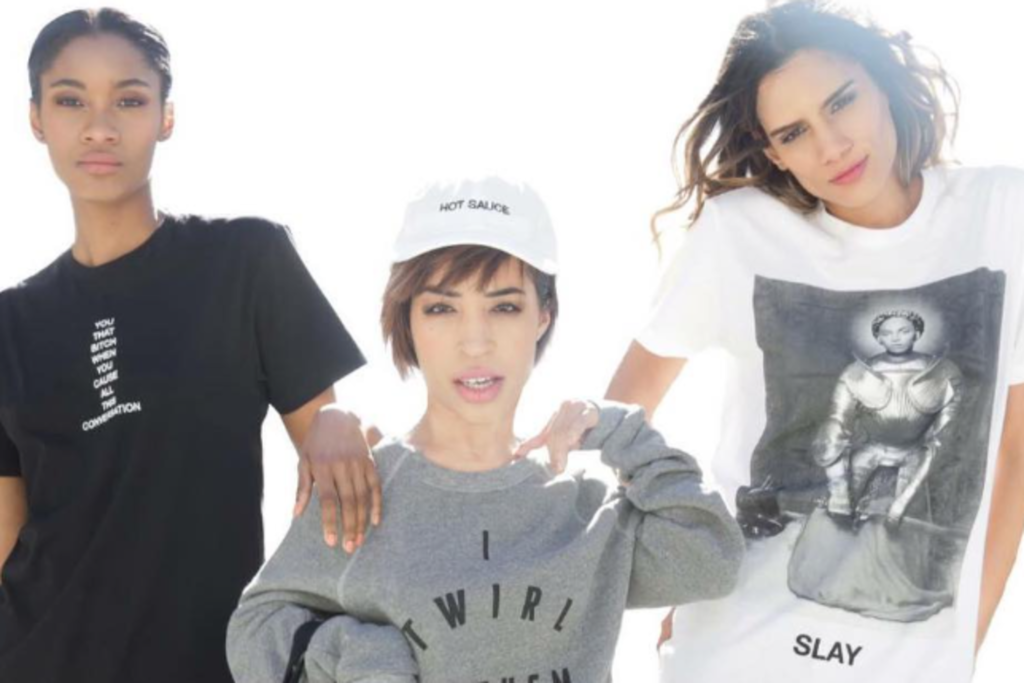
Jillian Mercado became one of the most visible models with a physical disability working in mainstream fashion. She uses a wheelchair and has appeared in campaigns for major brands.
Her success helped highlight the importance of disability representation in fashion. She continues to advocate for greater accessibility and inclusion throughout the industry.
9. Valentina Sampaio
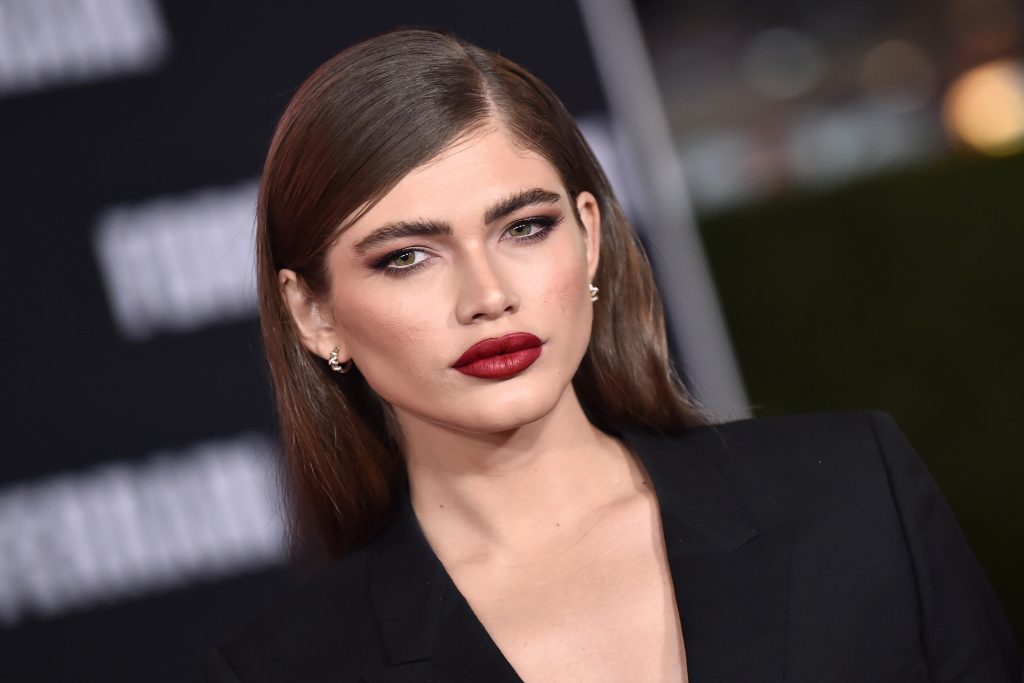
Valentina Sampaio broke barriers as one of the first openly transgender models to achieve major international success. Her career included landmark appearances in high-profile campaigns and publications.
Her achievements helped increase visibility for transgender representation in fashion. She remains an important figure in discussions about inclusivity and progress within the industry.
10. Carmen Dell’Orefice
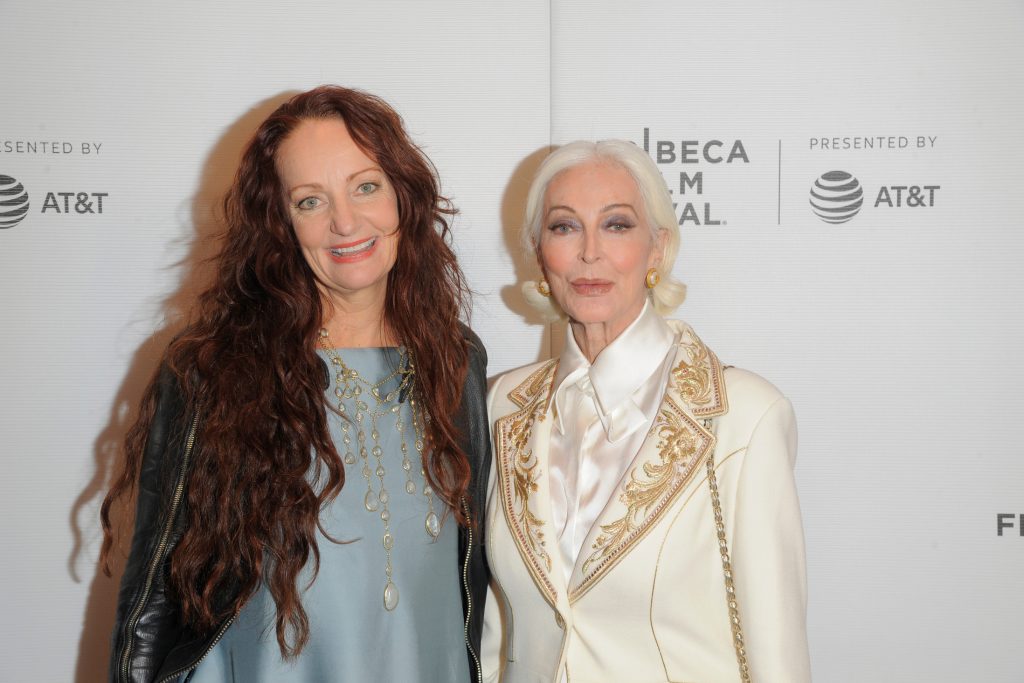
Carmen Dell’Orefice has continued modeling well into her later years, challenging assumptions about age and beauty. Her long career spans decades and demonstrates that fashion does not belong exclusively to the young.
She helped expand conversations about age representation in an industry often focused on youth. Her work continues to inspire both designers and audiences alike.
The Bottom Line
Fashion’s definition of beauty has evolved because individuals were willing to challenge expectations and redefine what representation looks like. From Beverly Johnson and Alek Wek to Ashley Graham and Jillian Mercado, these models helped push the industry toward a broader and more inclusive vision of beauty.
Feature Image Source: depositphotos
Leave a Reply